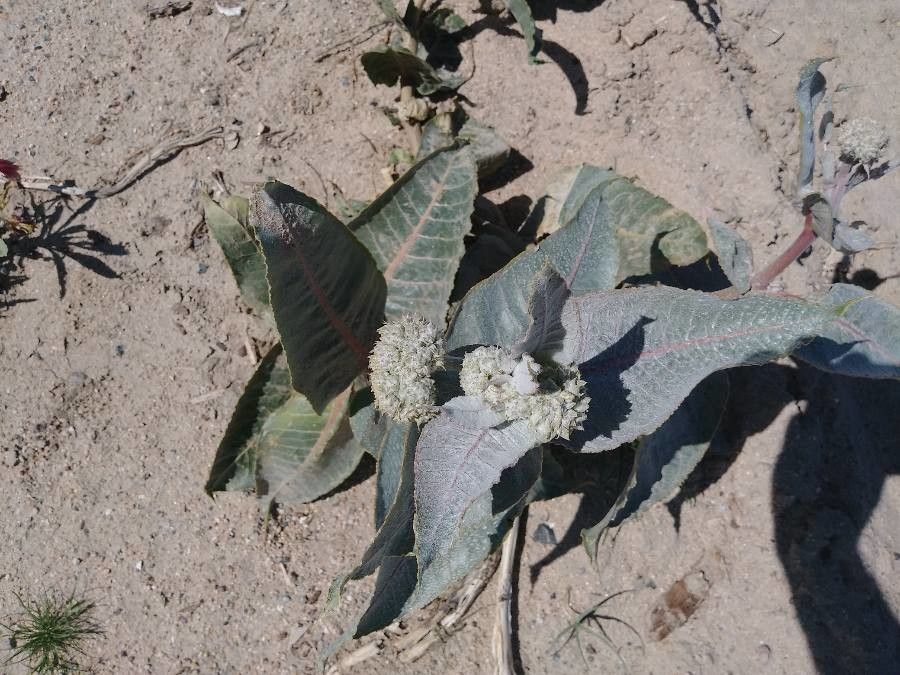
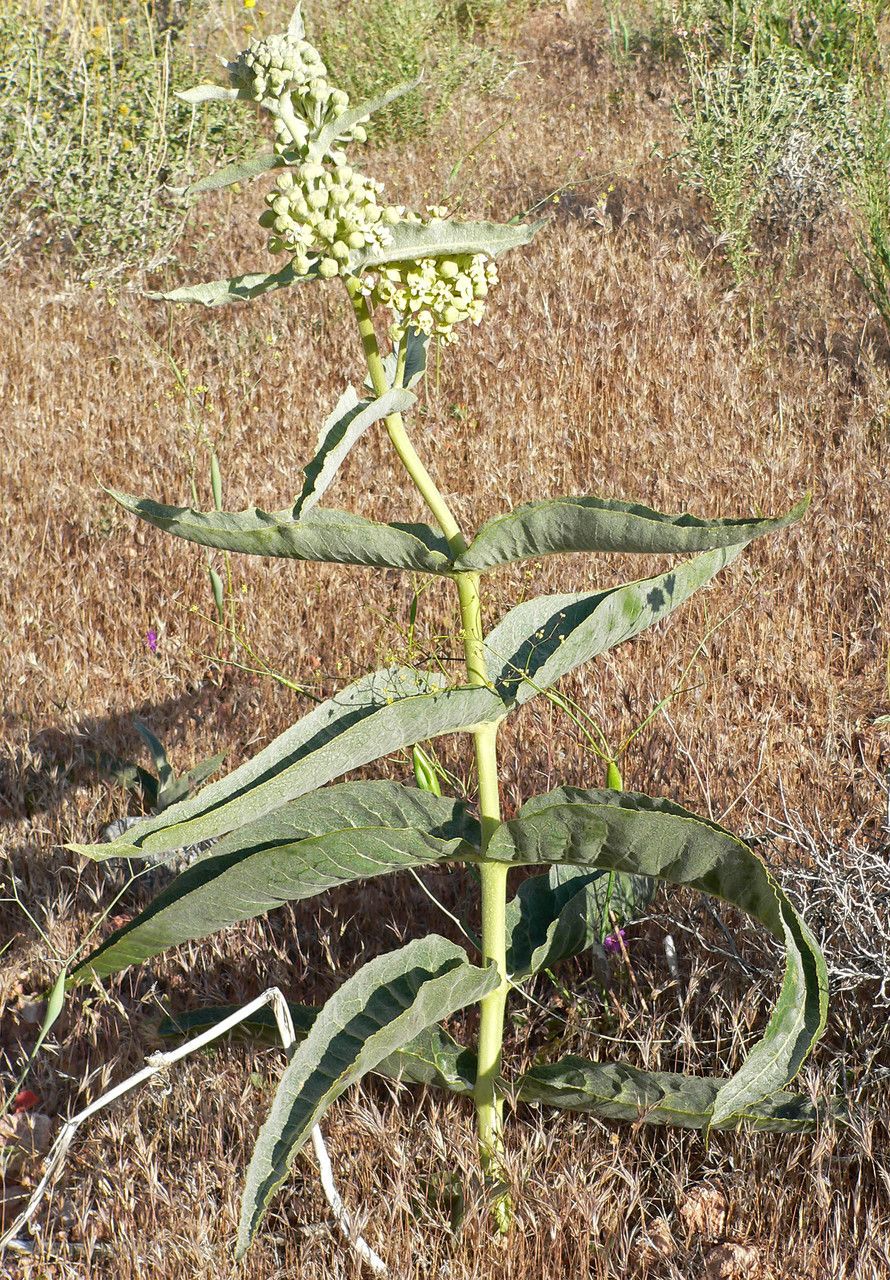
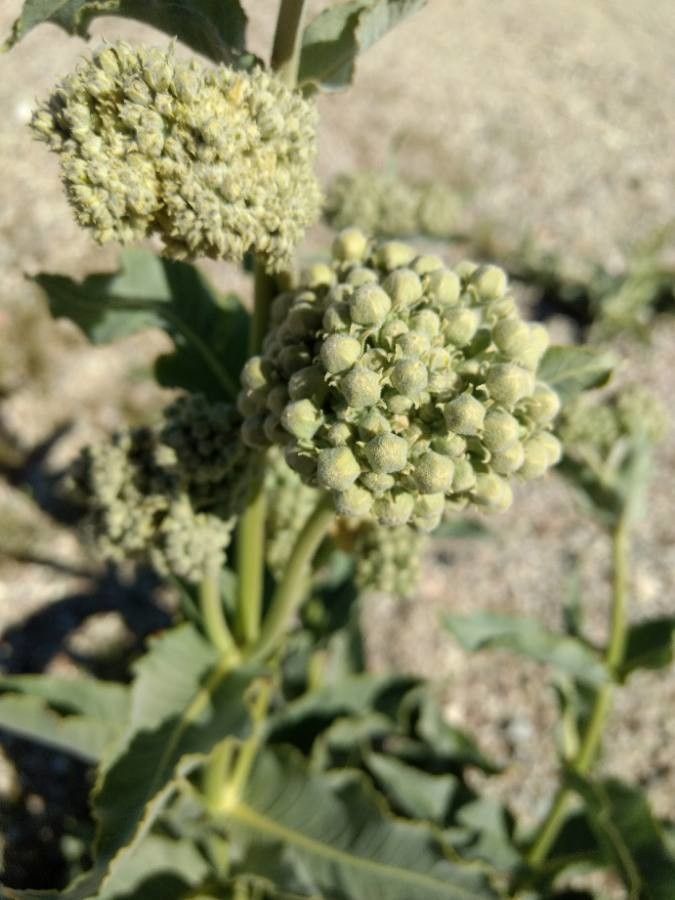
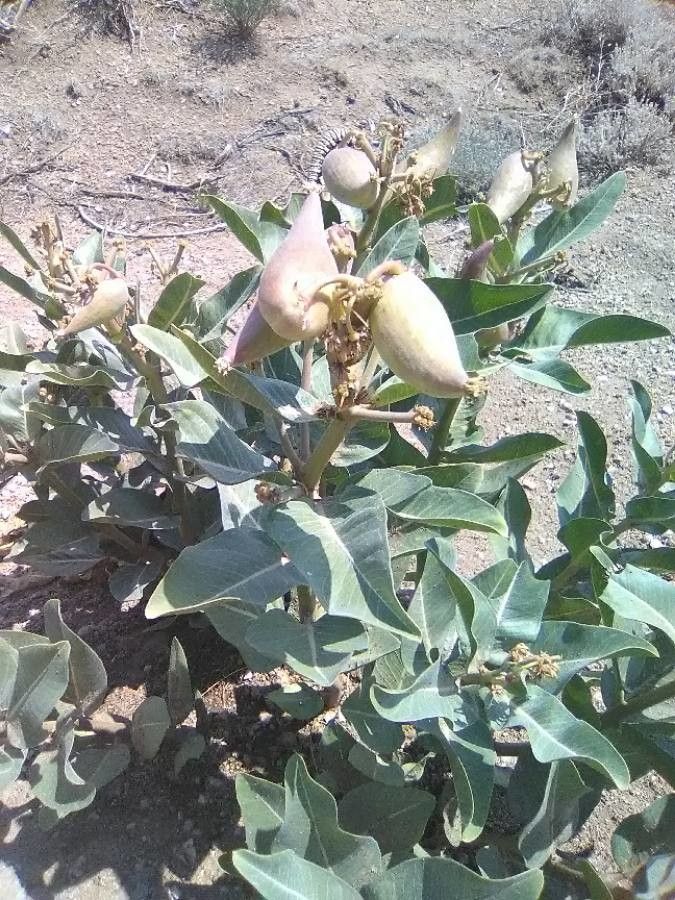
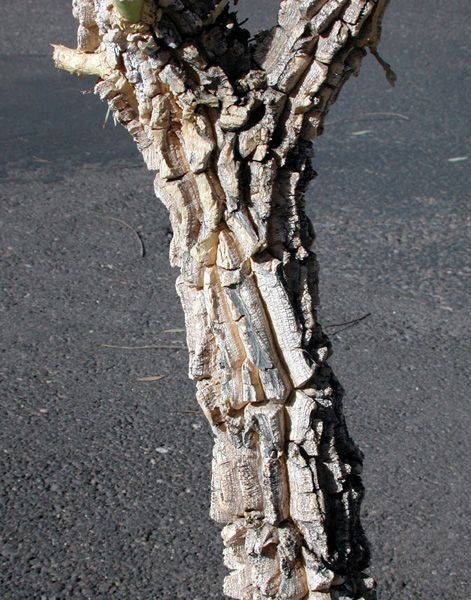
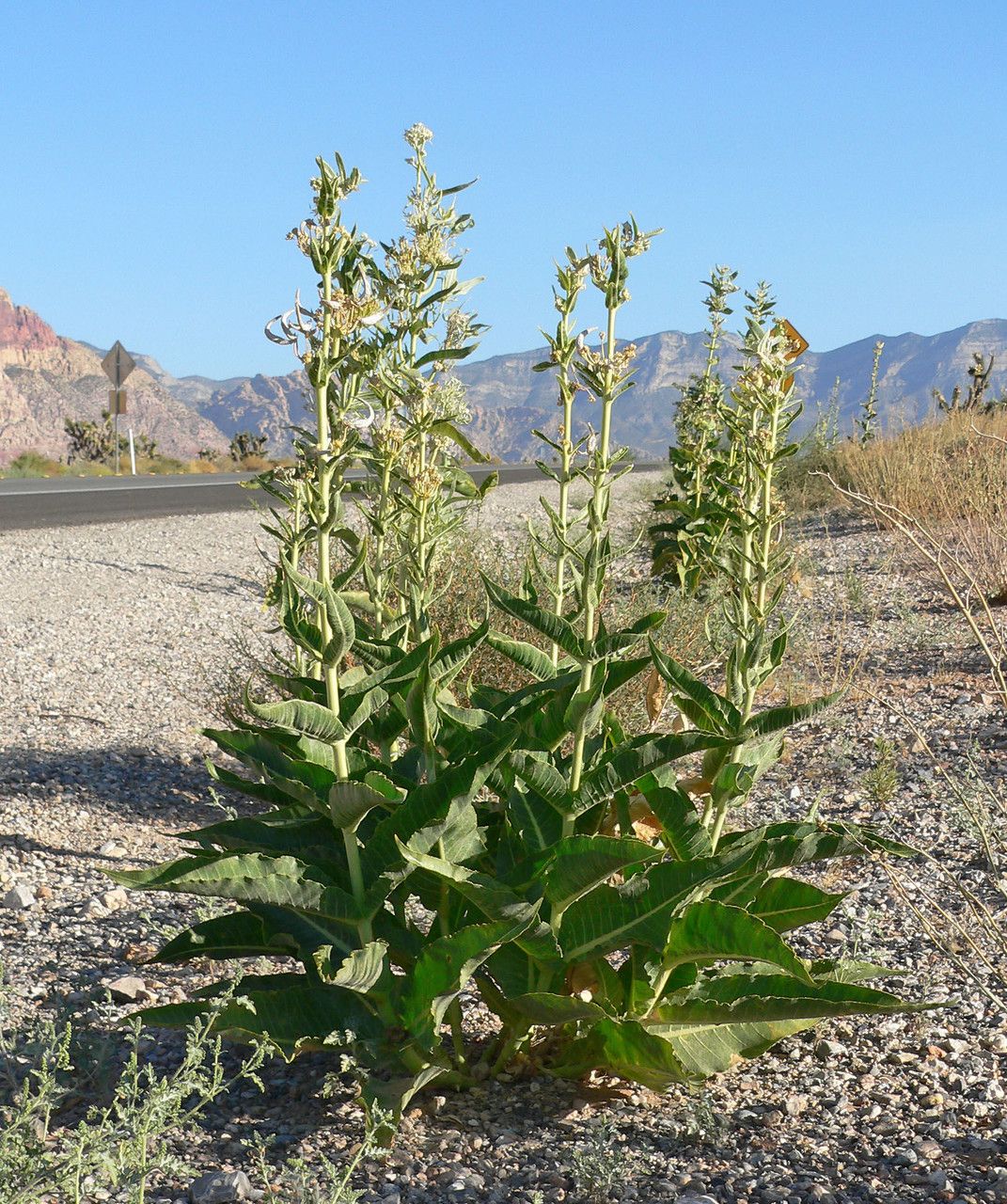
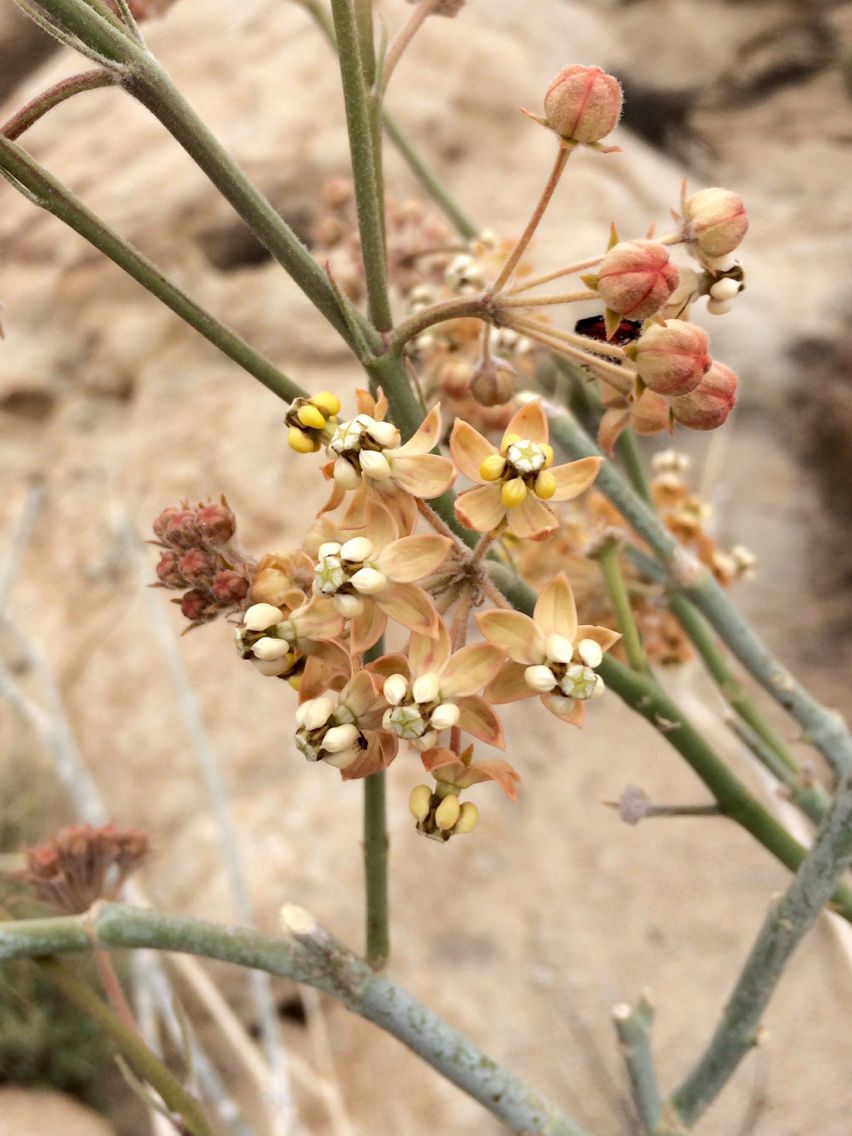
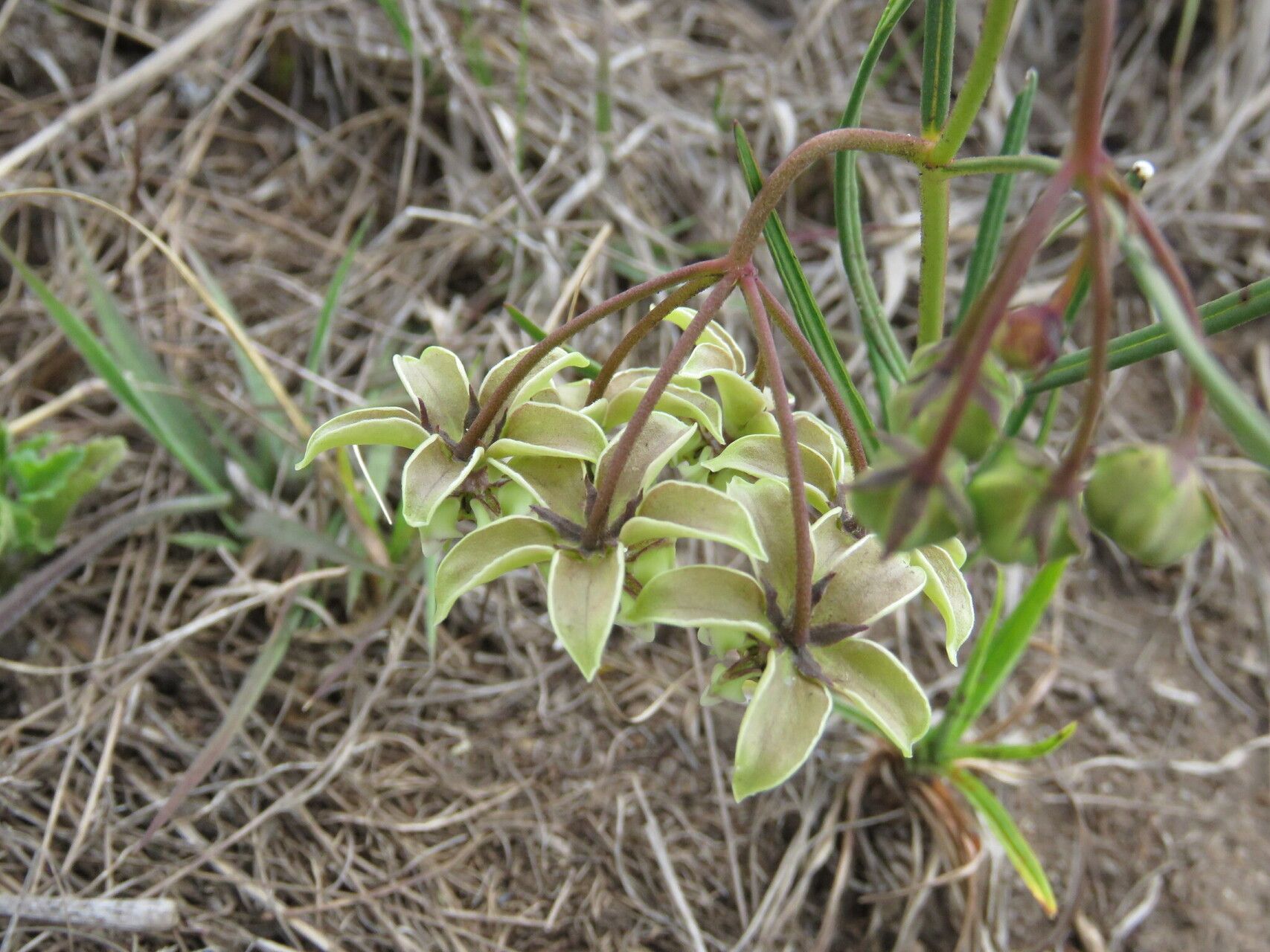
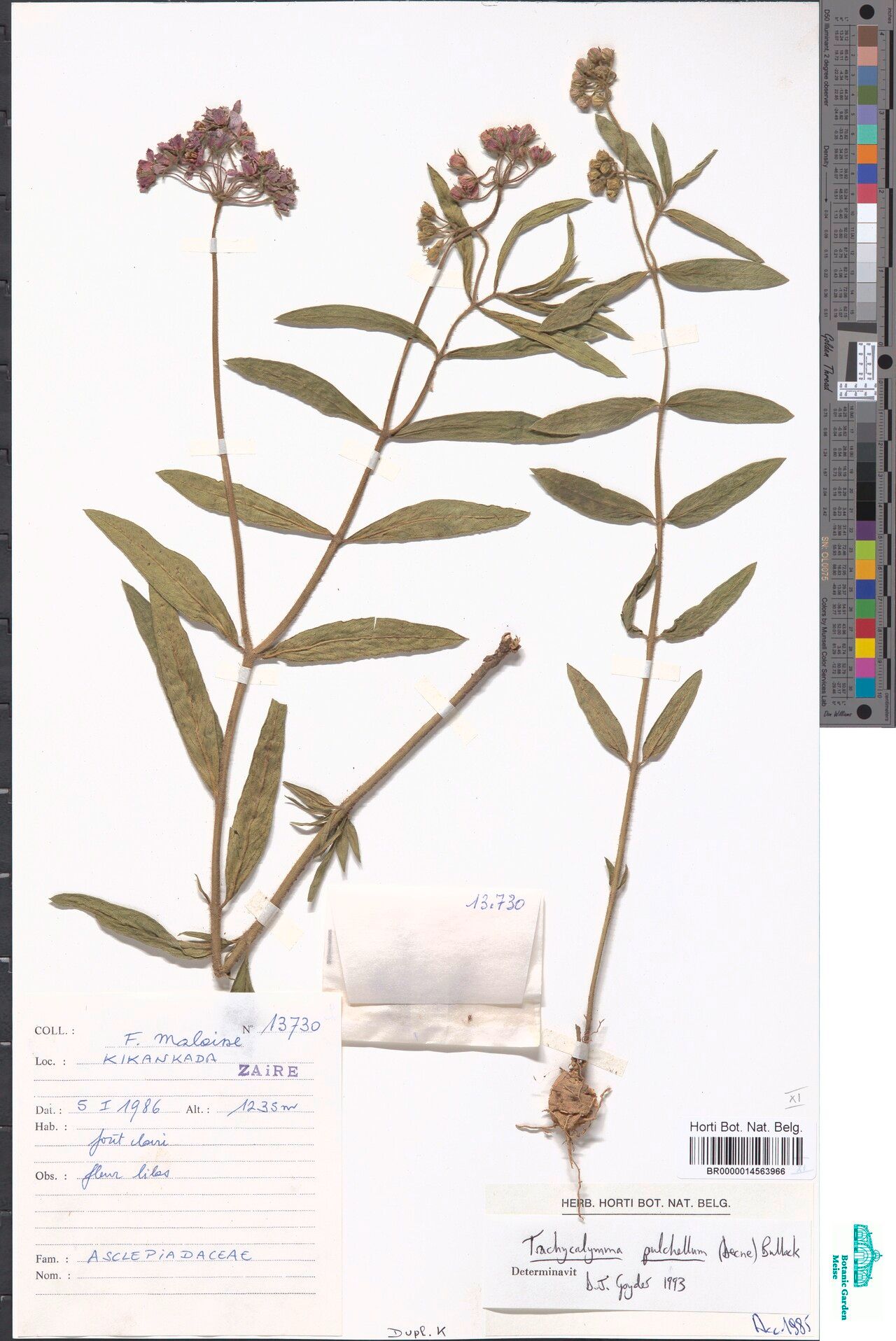
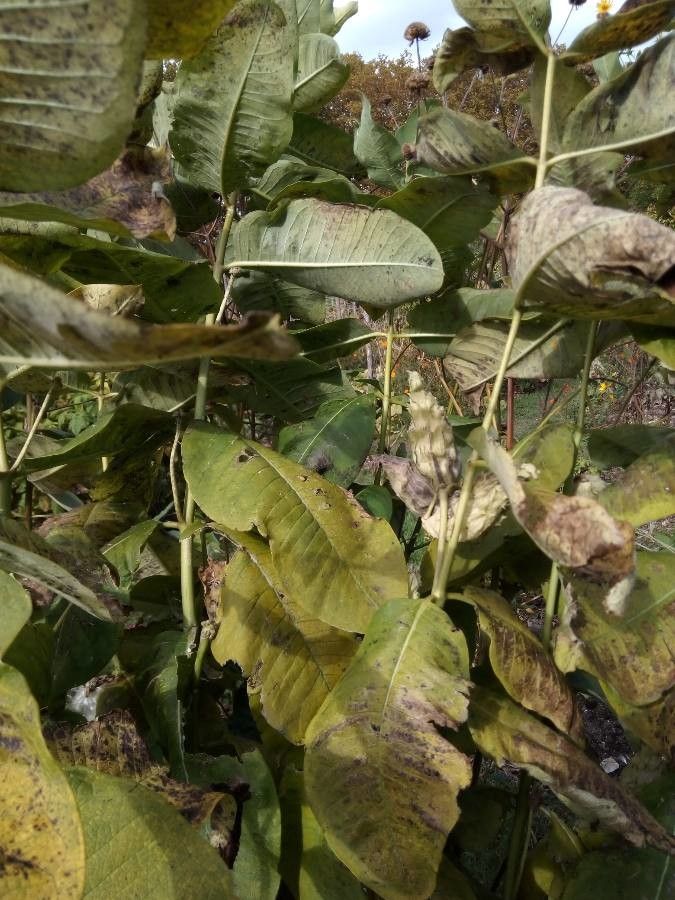
Asclepias erosa, commonly known as desert milkweed, is a perennial plant in the Apocynaceae family. It is native to the southwestern United States and northern Mexico, thriving in arid regions like deserts, dry washes, and rocky slopes. This plant can grow up to 2 feet tall and spread 1-2 feet wide. Its narrow, gray-green leaves have a velvety texture. The flowers, which are small and pinkish-white, have five petals arranged in an umbrella-like formation. Desert milkweed is a crucial host plant for monarch butterflies, providing essential food for their larvae. It also attracts other pollinators, such as bees and hummingbirds. Traditionally, Native American tribes have used Asclepias erosa for medicinal purposes, including treating respiratory ailments, snake bites, and skin conditions. Overall, Asclepias erosa is a beautiful native species that supports local ecosystems and offers medicinal benefits to humans.
Desert milkweed shows strong resistance to disease and is generally not susceptible to illnesses. It can, however, be vulnerable to pests and diseases present in its surroundings. These problems are typically mild. Regarding care, this plant requires moderate maintenance. Regular pruning is needed to keep a neat appearance and encourage healthy growth. Fertilizing can also help stimulate flowering. Desert milkweed is suitable for anyone with outdoor space, such as a garden or patio, and does not demand extensive care experience. It may need more attention if grown indoors.
How to keep Asclepias Erosa.
Light
Desert milkweed grows best in locations where unobstructed sunlight falls on it all day. It was originally cultivated in habitats with abundant sun exposure, and its health can decline if it receives either too little or too much light.
Water
Desert milkweed is well-suited to arid regions due to its high drought tolerance. While it requires weekly watering for cultivation, special care is needed when growing it indoors. Specifically, it should be planted in well-draining soil to prevent root rot. As a perennial plant, desert milkweed retains more moisture when grown directly in the ground. However, when grown in containers, it needs closer attention to moisture levels.
Temperature
Desert milkweed is native to harsh desert temperatures and flourishes in a temperature range of 41 to 95 °F (5 to 35 ℃). Because of its hardy nature, it requires little change in temperature across the seasons.
Fertilizer
The best time to fertilize Desert milkweed is in early spring, as it’s coming out of dormancy and starting active growth. Fertilization supplies essential nutrients for healthy development. Although Desert milkweed has fairly low fertilizer needs, applying fertilizer once a year can improve its survival and encourage fuller, longer-lasting flowers.
Pruning
To keep your desert milkweed healthy and encourage vigorous growth, it's important to prune it from early to late spring. Start by removing any dead or damaged stems. Make your cuts just above healthy leaves, and always use clean, sharp tools to prevent disease. Regular pruning not only helps control the size and spread of the plant but also enhances its blooming potential.
Botanical profile.
- Plant Type
- Herb
- Life Cycle
- Perennial
- Genus
- Asclepias
- Family
- Apocynaceae
- Hardiness Zone
- 4-10
- Mature Height
- 46 cm to 91 cm
- Mature Spread
- 10 cm to 49 cm
- Leaf Color
- Green
- Leaf Type
- Deciduous
- Flower Color
- White, Yellow, Green
- Flower Size
- 1.02 cm to 1.52 cm
- Bloom Time
- Late spring, Early summer, Mid summer
- Planting Time
- Spring, Summer, Autumn
- Harvest Time
- Late summer, Early fall, Mid fall
- Native Area
- Mexico
Other names.
Reader questions.
How should I water my Desert milkweed plant to make sure it gets enough water?
To properly water the Desert milkweed, it is recommended to use filtered water at room temperature. Tap water may contain harmful particles that could negatively affect the plant's health. Additionally, it is important to avoid using cold water as it can be a shock to the plant's system since it originates from a warm climate. Instead of overhead watering, it is best to apply the filtered room temperature water directly to the soil until it is completely saturated. This method helps to moisten the roots and facilitates their growth and nutrient absorption within the soil.
What are the sunlight requirements for Desert Milkweed?
Desert Milkweed requires full sun, which means it needs more than 6 hours of sunlight daily, to thrive optimally. It can also grow in partial sun, receiving about 3-6 hours of sunlight. Observing how sunlight moves through your garden will help you choose the best spots to ensure your plants get the perfect balance of light and shade for their happiness.
What is the native habitat of Desert Milkweed?
Desert milkweed, botanically known as Asclepias erosa, is native to harsh desert environments. It is well-adapted to thrive in temperature ranges from 41 to 95 °F (5 to 35 °C). Its native habitat equips it with a sturdy nature, allowing it to require minimal temperature adjustments across different seasons.
What should I do if I give too much or too little water to my Desert milkweed?
Overwatering is a more common issue than underwatering for your Desert milkweed. When overwatered, the stems and leaves may wilt and turn yellow. These conditions can also lead to diseases like root rot, mold, and mildew, which can kill the plant. Underwatering is less common due to the plant's drought tolerance, but it can still occur, causing brittle and brown leaves. It's important to recognize signs of overwatering and take action promptly. Some diseases from overwatering, like root rot, may be irreversible if not addressed early. Reduce watering if you notice symptoms and consider replacing poorly draining soil with a well-draining potting mix. If signs indicate insufficient watering, simply increase watering frequency until symptoms improve.
How should Desert Milkweed be cared for in terms of sunlight?
Desert Milkweed prospers best in areas that receive unobstructed sunlight throughout the day. Originating from environments with abundant sunlight, it may suffer if it gets too little or too much light. For indoor plants, artificial lighting can supplement natural sunlight, especially in winter or less sunny spaces. LED lights are recommended for their ability to provide specific wavelengths. The amount of artificial light needed varies depending on the plant's natural sunlight needs, ranging from 10-50W per square foot.
Does Desert Milkweed require any special cold protection measures?
Desert milkweed has a strong resistance to cold, so it usually does not require special frost protection measures during winter. However, if temperatures are expected to drop below -30°C, it is important to provide cold protection. This can involve covering the plant with soil or straw. It's also recommended to water the plant abundantly before the first freeze of autumn to ensure the soil remains moist and freezes, which helps prevent drought and water scarcity for the plant during winter and early spring.
How often should I give water to my Desert milkweed?
If your Desert milkweed is potted, the best way to determine if it needs water is to check the soil moisture by sticking your finger into it. If the top two to three inches of soil are dry, it's time to water. If you are growing your Desert milkweed outdoors in the ground, you can use the same method to test the soil. Once the top few inches of soil have dried out, it's time to water. Typically, watering once a week is sufficient during the spring and early fall. However, during extremely hot weather, you may need to water twice a week or more. Keep in mind that mature and well-established Desert milkweed plants can tolerate drought well.
What are the symptoms of improper sunlight exposure for Desert Milkweed?
Improper sunlight can cause several symptoms in Desert Milkweed. Insufficient light may result in smaller leaves, leggy growth, faster leaf drop, and slower or no new growth. Leaves may also appear paler or develop chlorosis, turning yellow because of weakened chlorophyll. Overexposure leads to symptoms like sunscald, leaf curling, wilting, and leaf scorching, indicating damage from too much sunlight.
How does Desert Milkweed react to low temperatures?
Desert milkweed is notably cold-tolerant, thriving best when the temperature remains above 5°C. During winter, it's important to ensure that temperatures stay above -25°C. When the temperature drops below -30°C, the plant may not show noticeable changes immediately, but there may be a decreased sprouting or even a lack of sprouting in spring. In such cases, it's advisable to remove any parts that have failed to sprout come spring.
How much water does my Desert milkweed require?
To properly water your Desert milkweed, don't hold back on the amount of water you give. Make sure the top two to three inches of soil are dry before watering, and then give the plant a thorough soaking. The water should penetrate the soil completely, causing excess water to drain out through the pot's drainage holes. If you don't see water draining, you may have underwatered the plant, so add more water. However, don't let water accumulate in the soil, as this can harm the plant. On the other hand, if water isn't draining through the pot, it could mean that the soil doesn't drain well, which is bad for the plant's health. Avoid this by using well-draining soils. If the plant is outside, it will be enough to have 1 inch of rain per week.
What solutions can help Desert Milkweed with insufficient or excessive sunlight?
For insufficient sunlight, gradually move plants to a location where they receive at least 6 hours of sunlight a day. For indoor plants, use a south-facing window or artificial lights like a desk lamp for 8 hours daily, or consider professional grow lights. For outdoor plants, avoid sudden light intensity changes to prevent sunburn. If sunlight is blocked, remove obstructions or move the plant if small. Remember, while parts affected by insufficient sunlight may not recover, new growth will be healthy after adjusting light exposure.
How does Desert Milkweed handle high temperatures?
During the summer, it's crucial to keep Desert Milkweed's exposure below 35°C. Temperatures exceeding 41°C can cause the leaves to become lighter in color, prone to curling and sunburn, and the plant might wilt and dry out in severe cases. To mitigate this, it's recommended to trim away any sunburned and dried parts of the plant. Moving the plant to a shaded location or using a shade cloth to protect it from midday and afternoon sun can also be beneficial. Additionally, watering the plant in the morning and evening helps keep the soil moist and prevents heat stress.