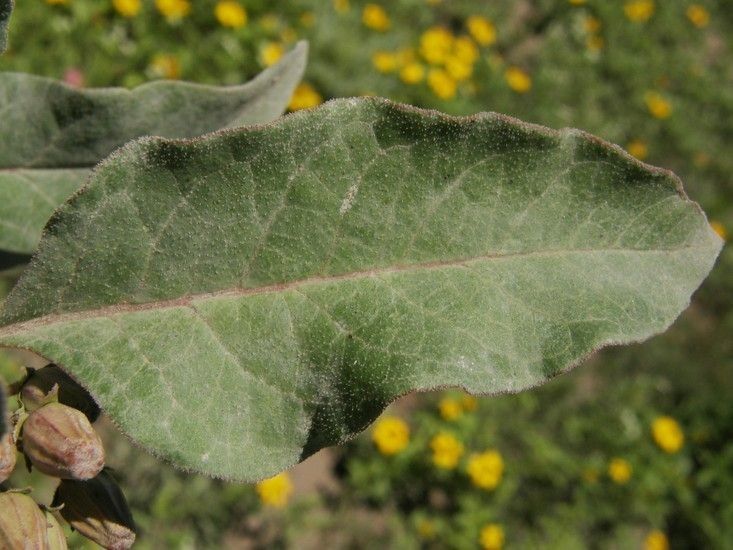
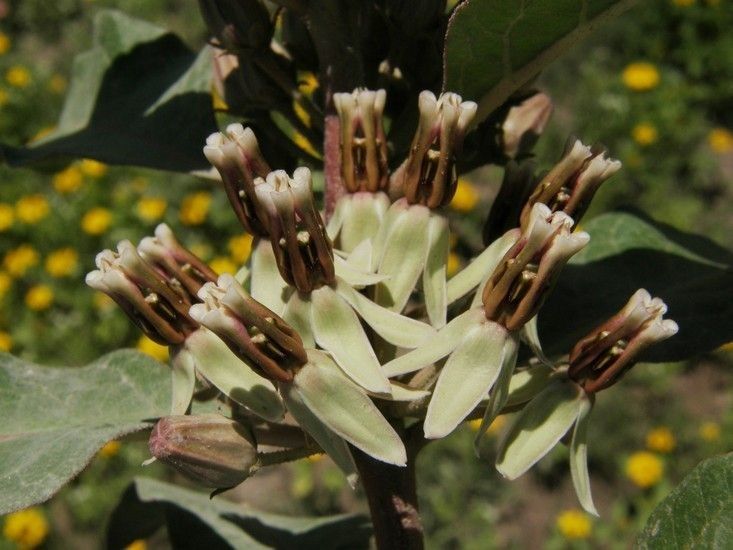
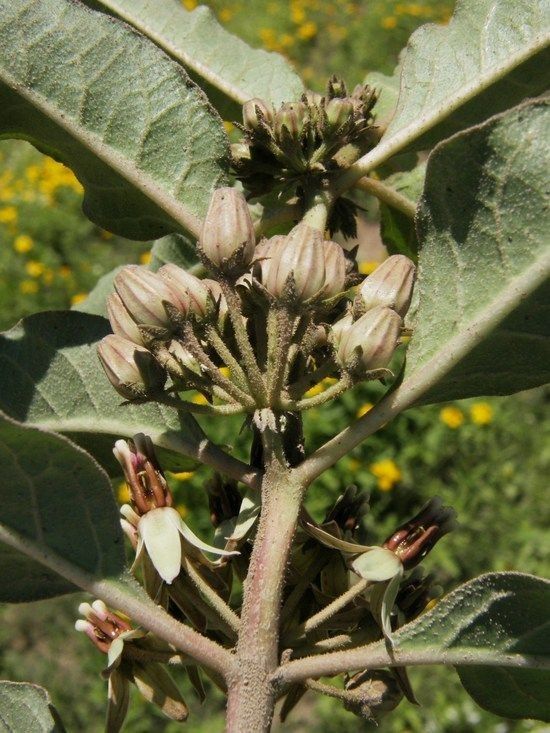
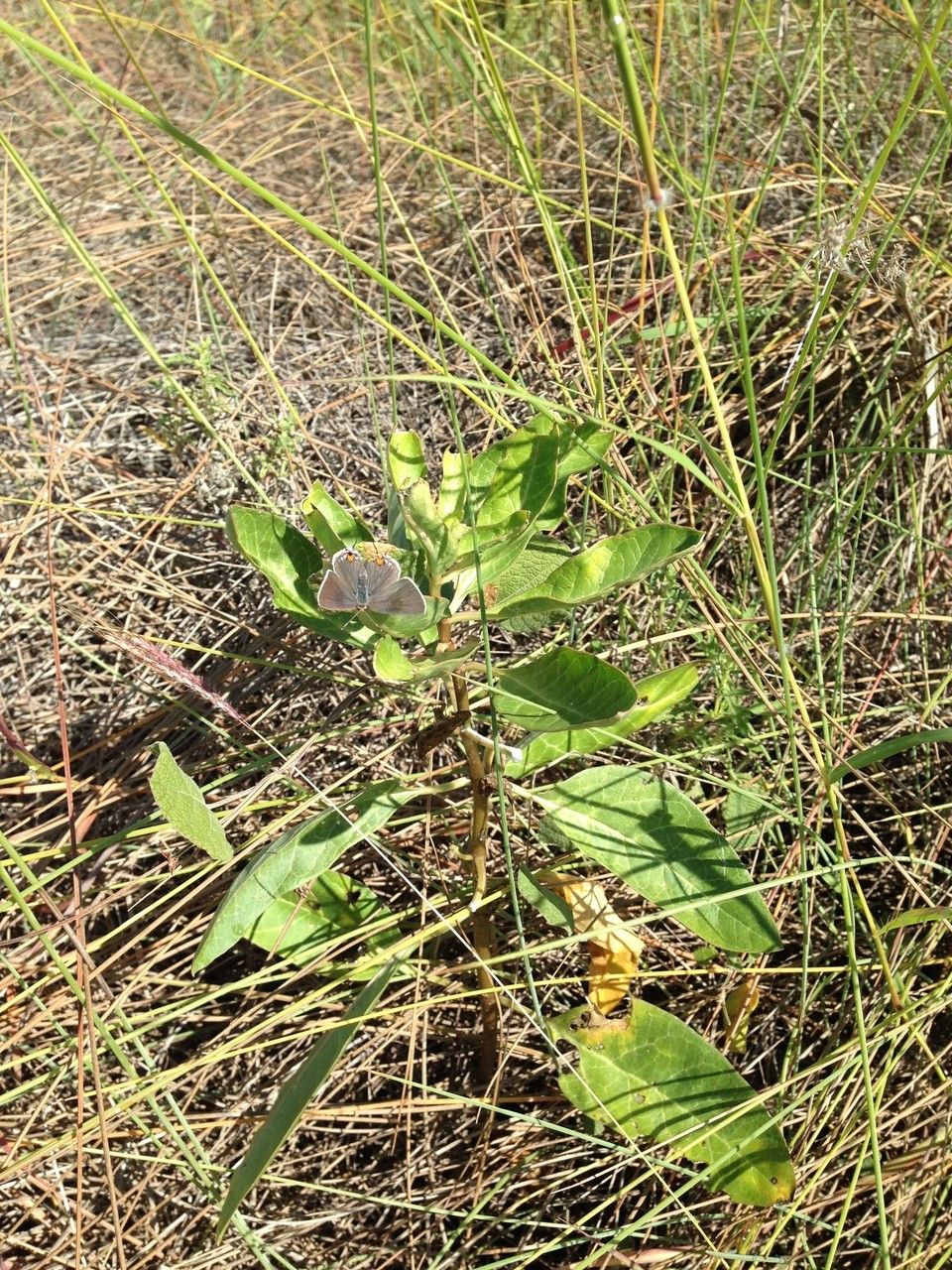
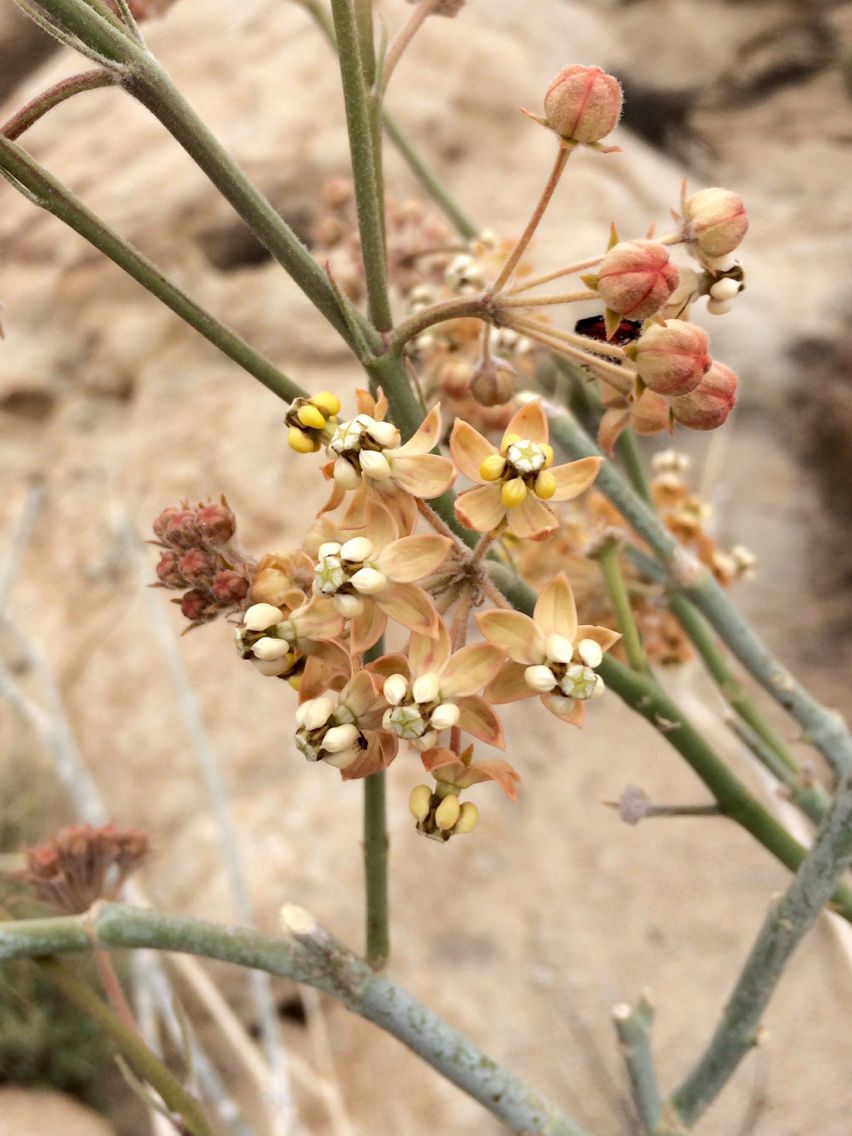
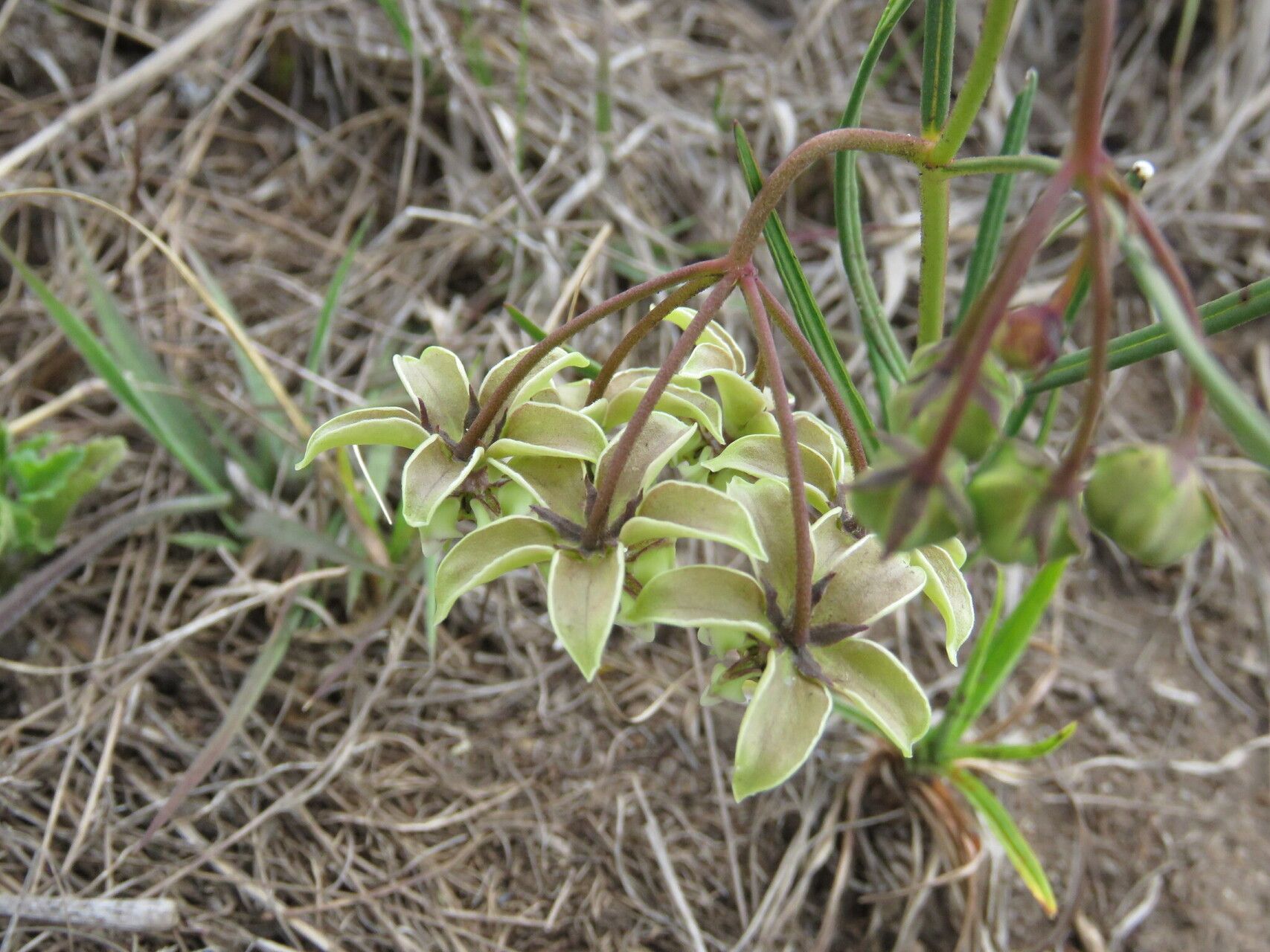
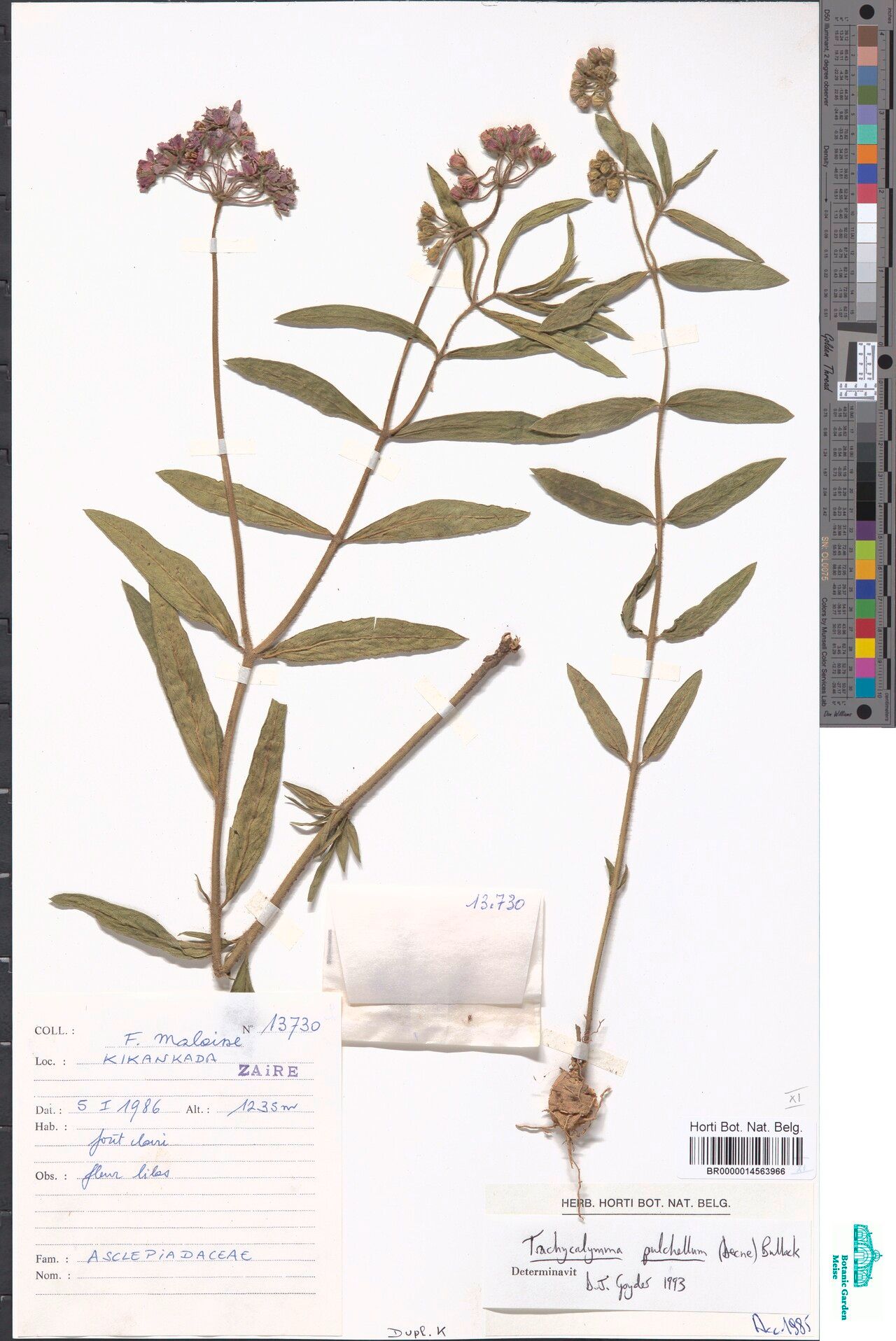
Emory's milkweed is disease-resistant and is generally not prone to illnesses. Regarding care, this plant is fairly low-maintenance. Planted outdoors it needs little watering, and larger specimens usually do not require pruning. Smaller plants, however, should be pruned after they have finished blooming. Emory's milkweed is suitable for anyone with an outdoor area, such as a garden or deck, and does not require extensive care experience.
How to keep Asclepias Emoryi.
Water
Water the milkweed only when the weather is dry or the soil lacks moisture. During the dry fall and winter months, mist the plants to increase humidity, which promotes healthier growth.
Pruning
In early spring, prune Emory's milkweed to remove dead stems and promote healthy growth. Regular pruning encourages air circulation and prevents overcrowding, which helps the plant thrive. Be sure to use clean tools to minimize the risk of disease, enhancing both the plant's vitality and the overall appearance of your garden.
Botanical profile.
- Life Cycle
- Perennial
- Genus
- Asclepias
- Family
- Apocynaceae
- Hardiness Zone
- 6-10
- Native Area
- Mexico
Other names.
Reader questions.
What are the sunlight requirements for Emory's milkweed (Asclepias emoryi)?
Emory's milkweed (Asclepias emoryi) thrives when exposed to different sunlight conditions. For 'Full sun' exposure, more than 6 hours of direct sunlight per day is necessary. In 'Partial sun' conditions, the plant should receive about 3-6 hours of sunlight daily. It's important to observe how sunlight moves through your garden to find the optimal locations that offer a harmonious balance of light and shade. This careful consideration ensures your plants grow healthy and happy.
What is Emory's milkweed?
Emory's milkweed is a plant known by its botanical name, Asclepias emoryi. Specific details about its essentials, content, and symptoms related to it were not provided.