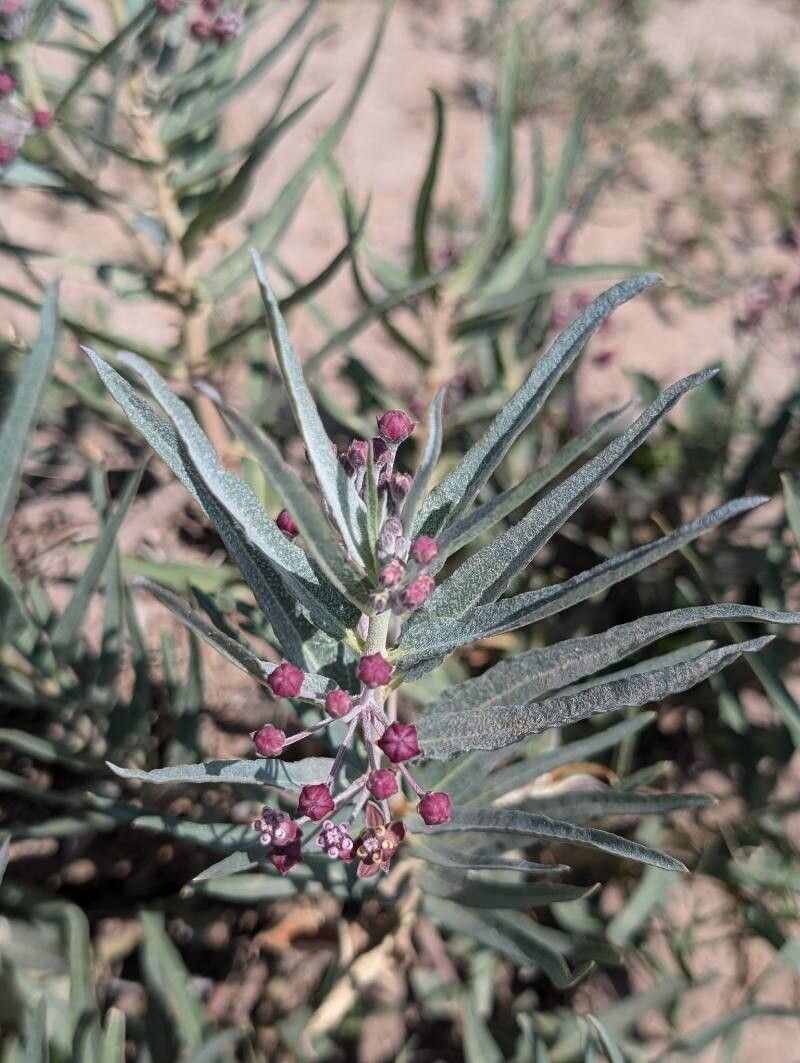
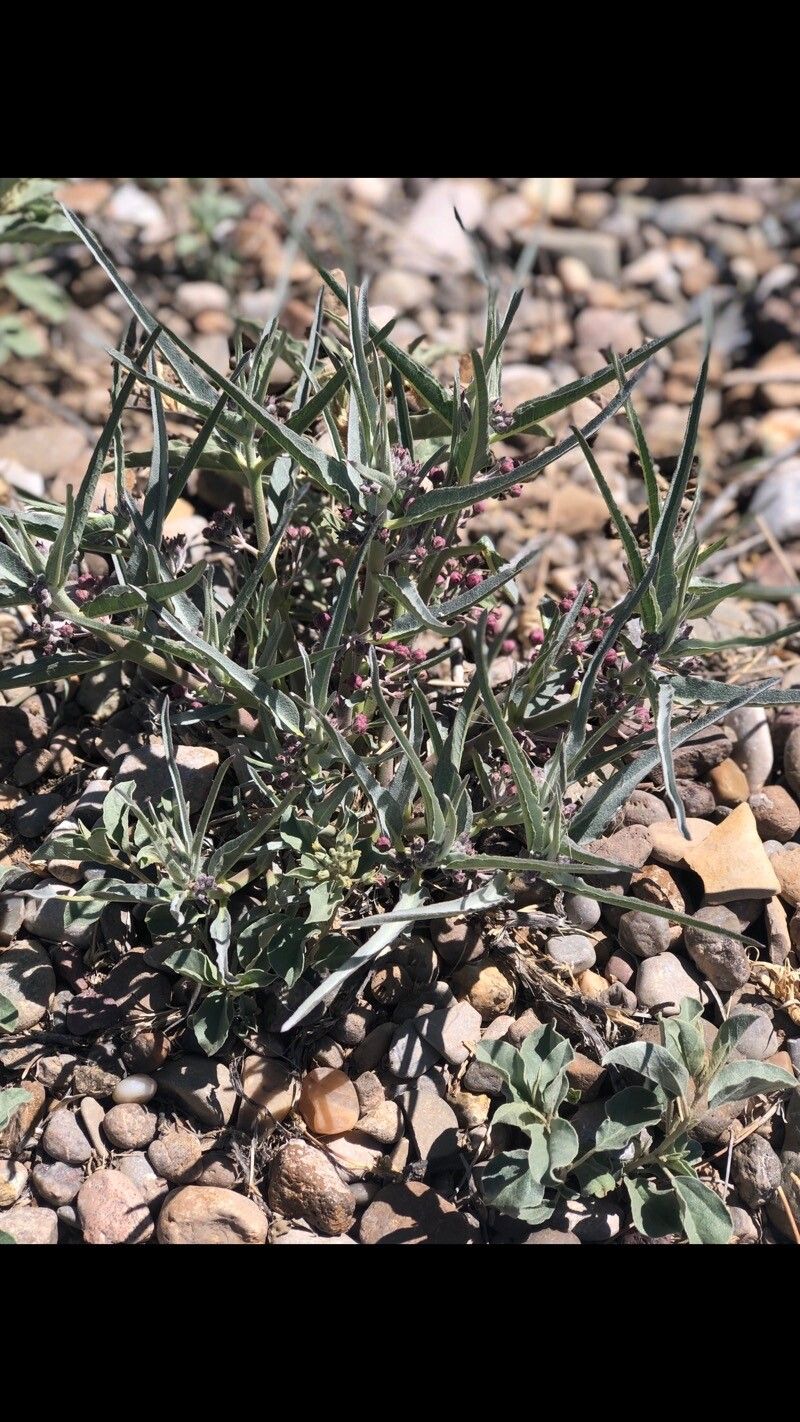
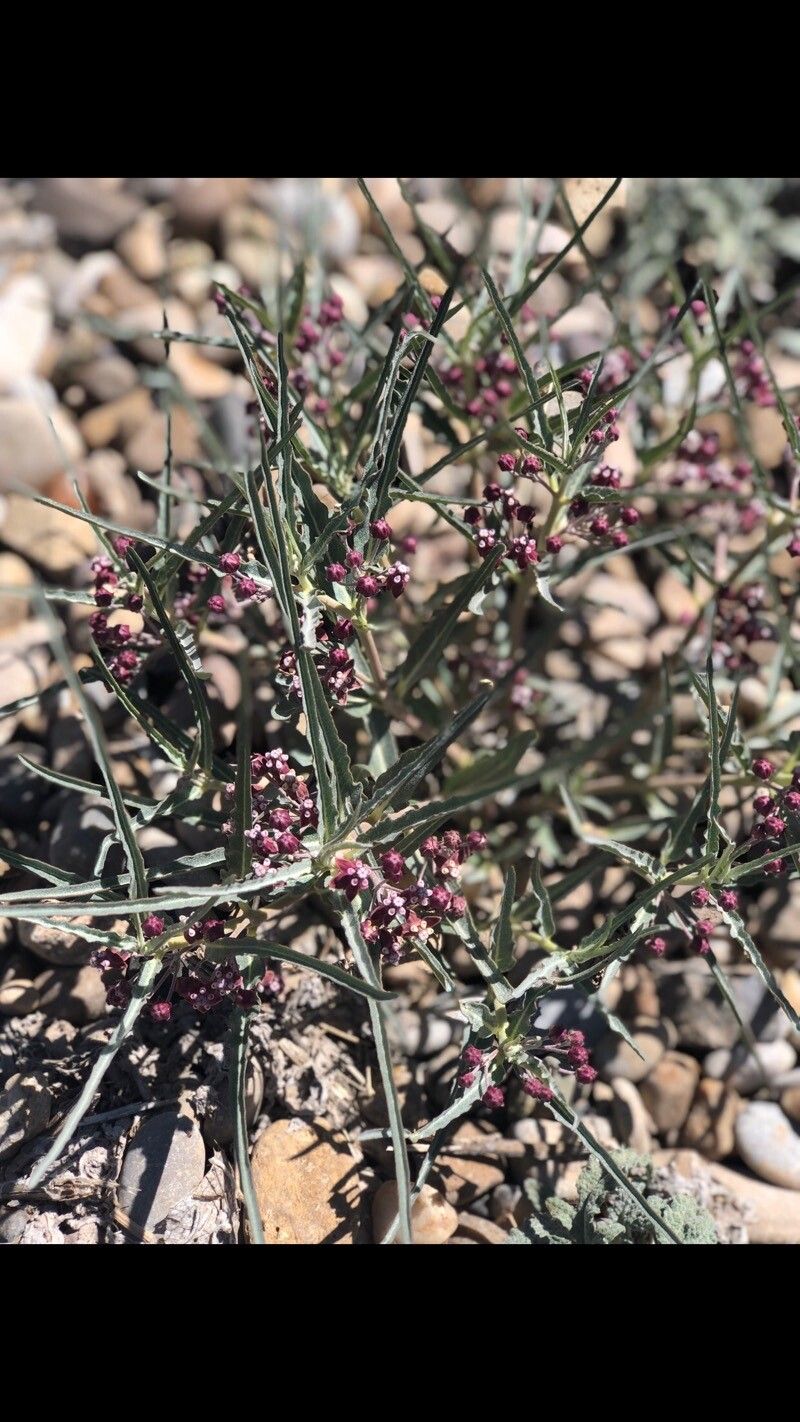
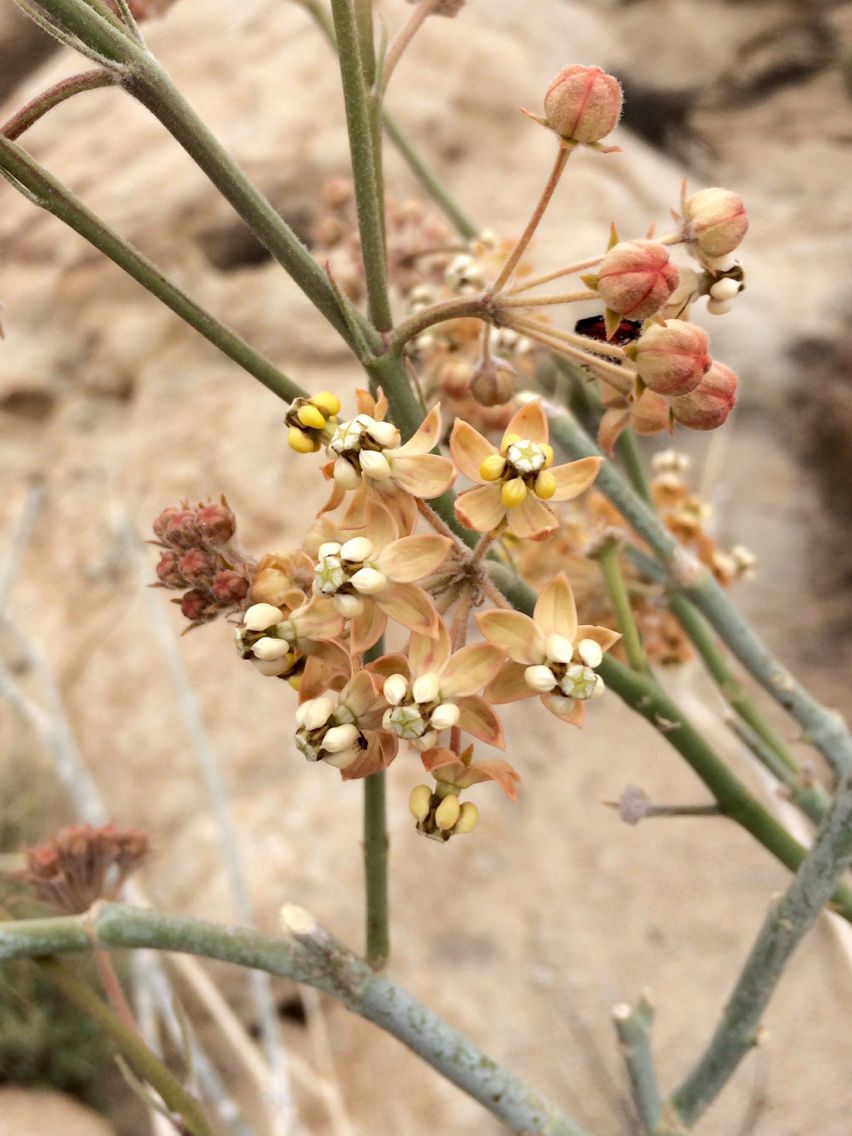
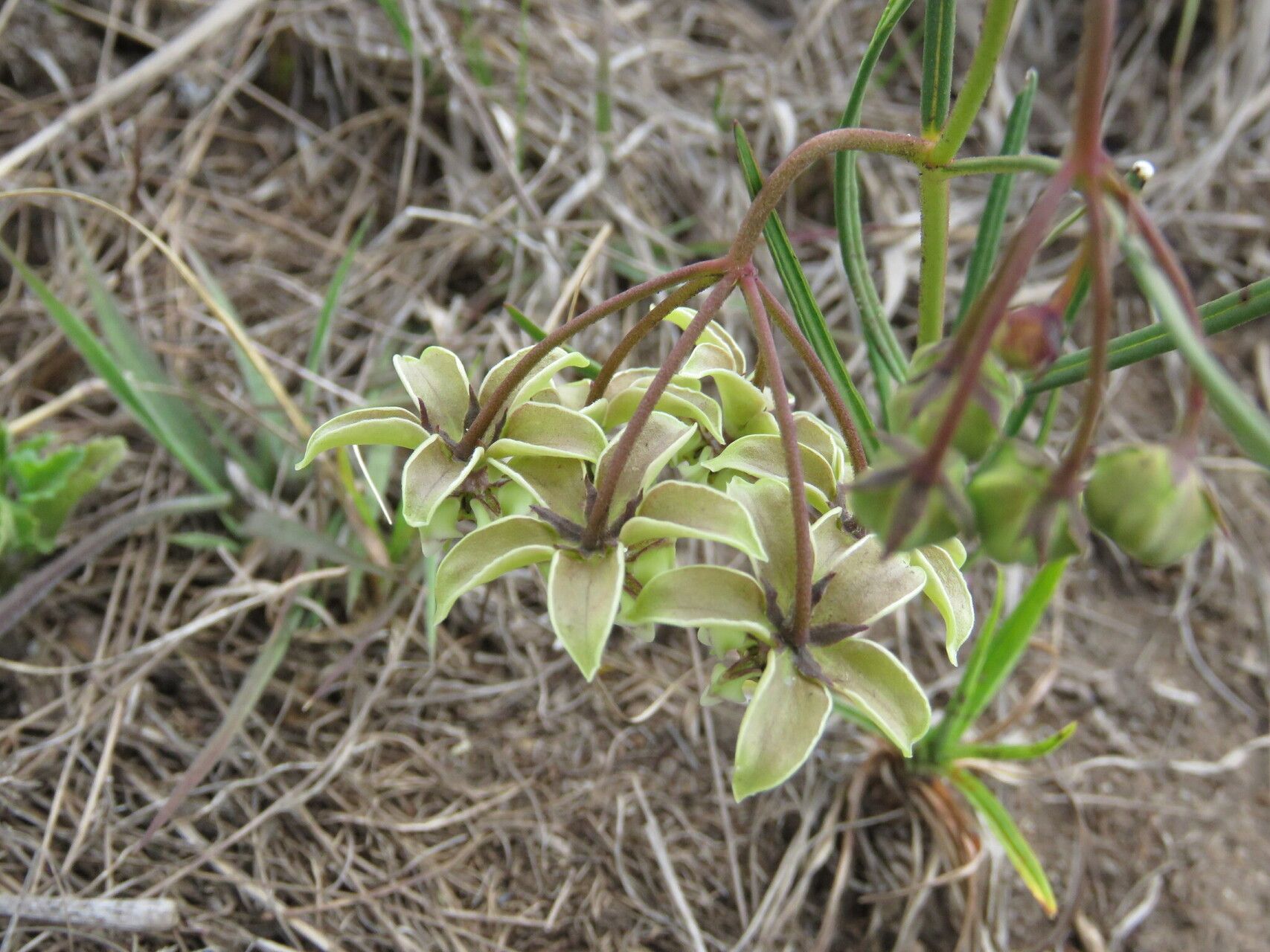
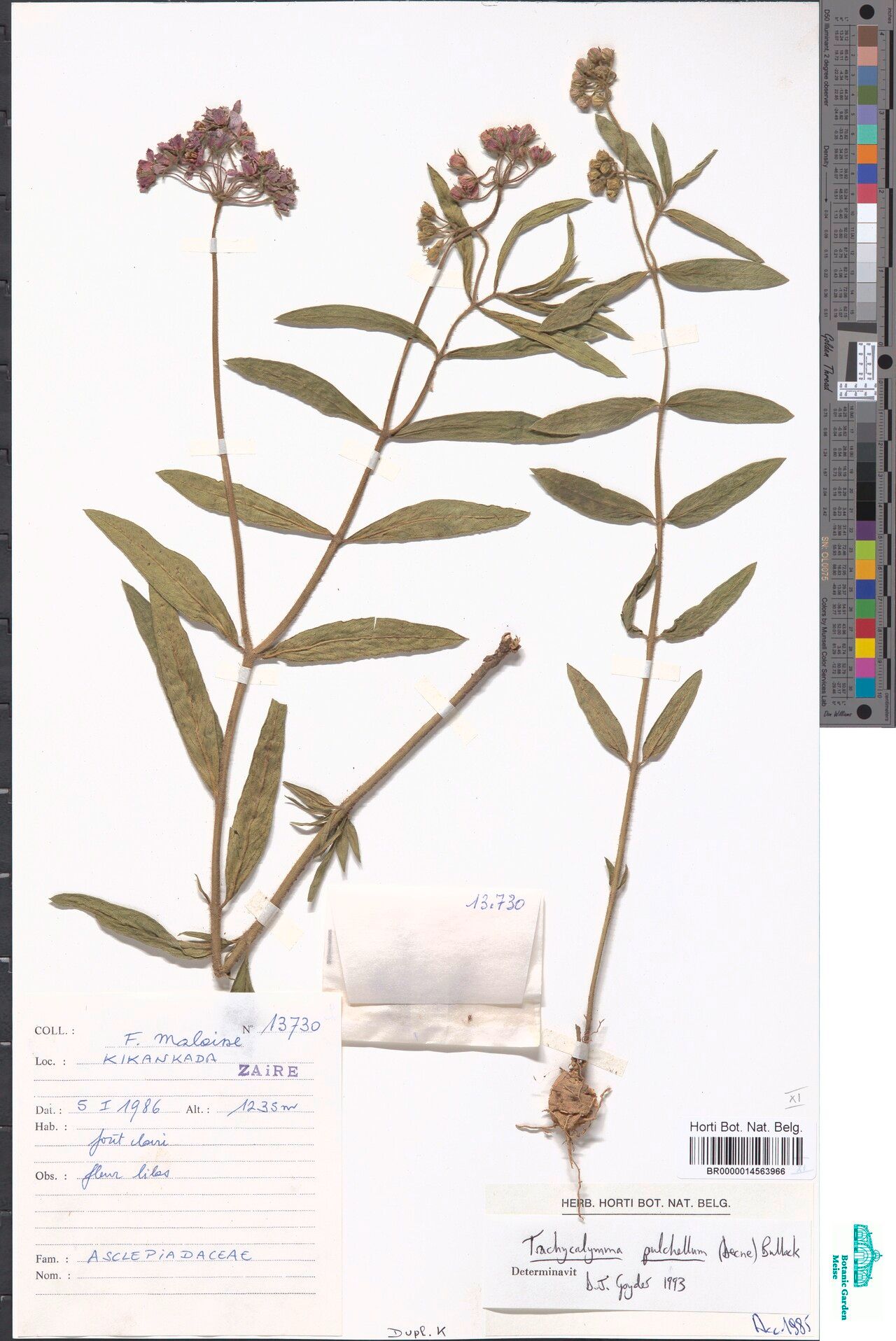
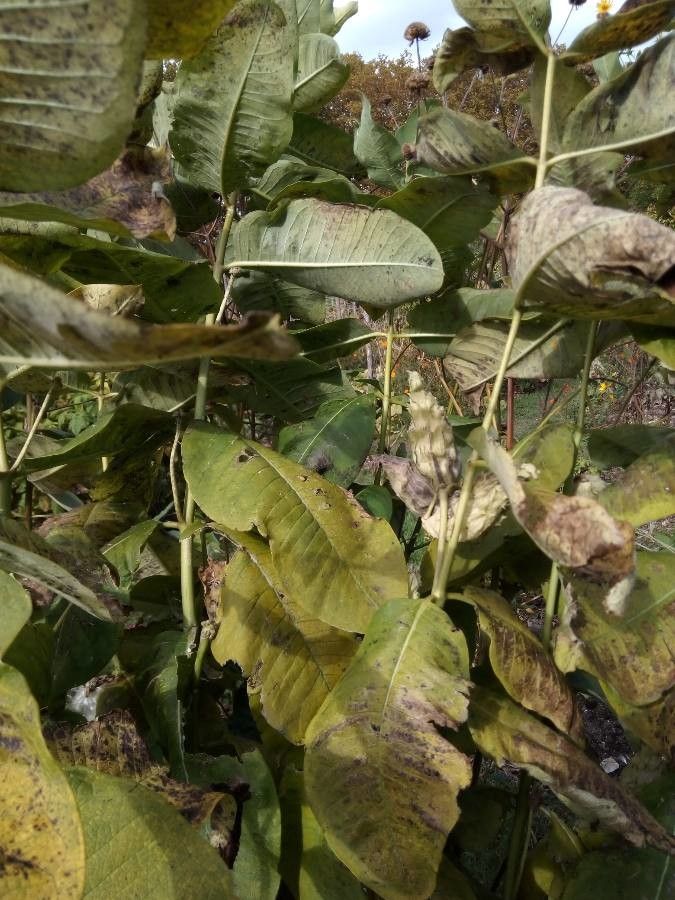
Bract milkweed is fairly resistant to disease and usually does not get sick easily. That said, it can be vulnerable to pests and diseases found in its surroundings. Such infestations are typically minor. For care, this plant needs moderate attention. It should be trimmed regularly to keep a neat appearance and support healthy growth. Fertilizing can also encourage it to flower. Bract milkweed is well suited for anyone with outdoor space, like a garden or patio, and does not demand extensive care experience. It may need more attention if grown indoors.
How to keep Asclepias Brachystephana.
Light
Bract milkweed is a sun-loving perennial herbaceous plant native to open habitats and often does well in meadows and grasslands. It prefers full sun but can also tolerate partial sun.
Water
Water bract milkweed only when the weather is dry or the soil lacks moisture. During the fall and winter in arid conditions, spray the bract milkweed to increase air humidity and promote better growth.
Temperature
Bract milkweed is fairly adaptable to temperature, tolerating higher heat and wide temperature fluctuations. In hot weather, it's important to monitor watering and provide some shade to avoid sunscald. However, it is relatively sensitive to cold; while it can handle mild chill, very low temperatures may cause frost injury.
Fertilizer
The best time to fertilize a Bract milkweed is in early spring, as it comes out of dormancy and begins active growth. Fertilization supplies important nutrients needed for healthy development. Although Bract milkweed has fairly low fertilizer requirements, applying fertilizer annually can improve its survival and encourage better, longer-lasting flowers.
Pruning
Prune bract milkweed in early spring to promote healthy growth and blooming. Remove any dead or damaged stems and trim back leggy growth to maintain a compact shape. Regular pruning helps keep the plant vigorous and prevents overcrowding. Always use clean tools to prevent infections, and consider the plant's growth cycle before you begin pruning.
Botanical profile.
- Plant Type
- Herb
- Life Cycle
- Perennial
- Genus
- Asclepias
- Family
- Apocynaceae
- Hardiness Zone
- 5-9
- Mature Height
- 0 cm to 30 cm
- Mature Spread
- 30 cm to 46 cm
- Leaf Color
- Green
- Leaf Type
- Deciduous
- Flower Color
- White
- Flower Size
- 1.02 cm to 1.52 cm
- Bloom Time
- Late spring, Early summer, Mid summer
- Planting Time
- Spring, Summer
- Harvest Time
- Late summer, Early fall, Mid fall
- Native Area
- Mexico
Other names.
Reader questions.
What are the sunlight requirements for Bract Milkweed (Asclepias brachystephana)?
Bract Milkweed, also known as Asclepias brachystephana, thrives in different sunlight conditions depending on its needs. For it to flourish, it requires full sun, which is defined as having more than 6 hours of direct sunlight daily. Alternatively, it can also grow in partial sun, needing about 3-6 hours of sunlight. It's important to observe the movement of sunlight in your garden carefully, selecting spots that offer an optimal mix of light and shade to ensure the well-being of your Bract Milkweed plants.