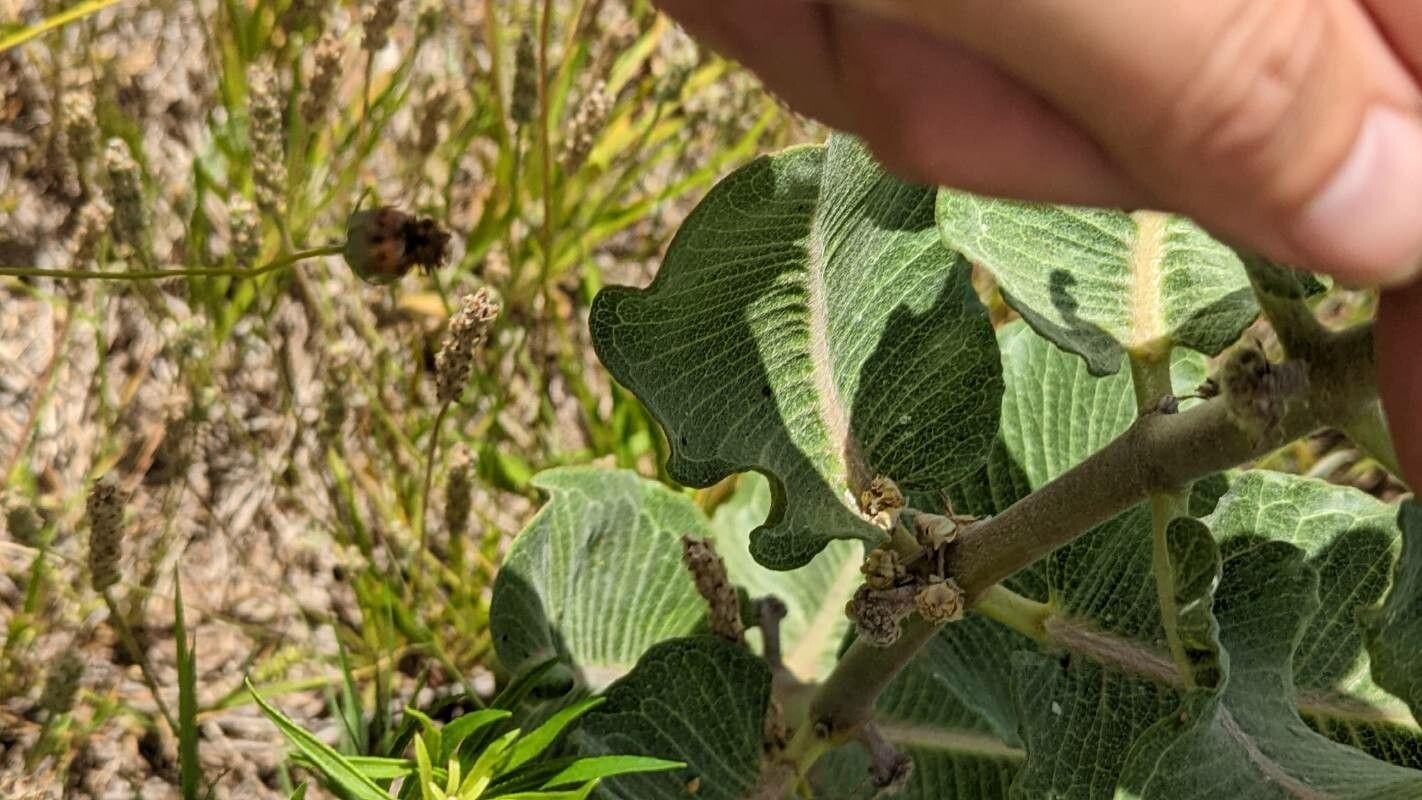
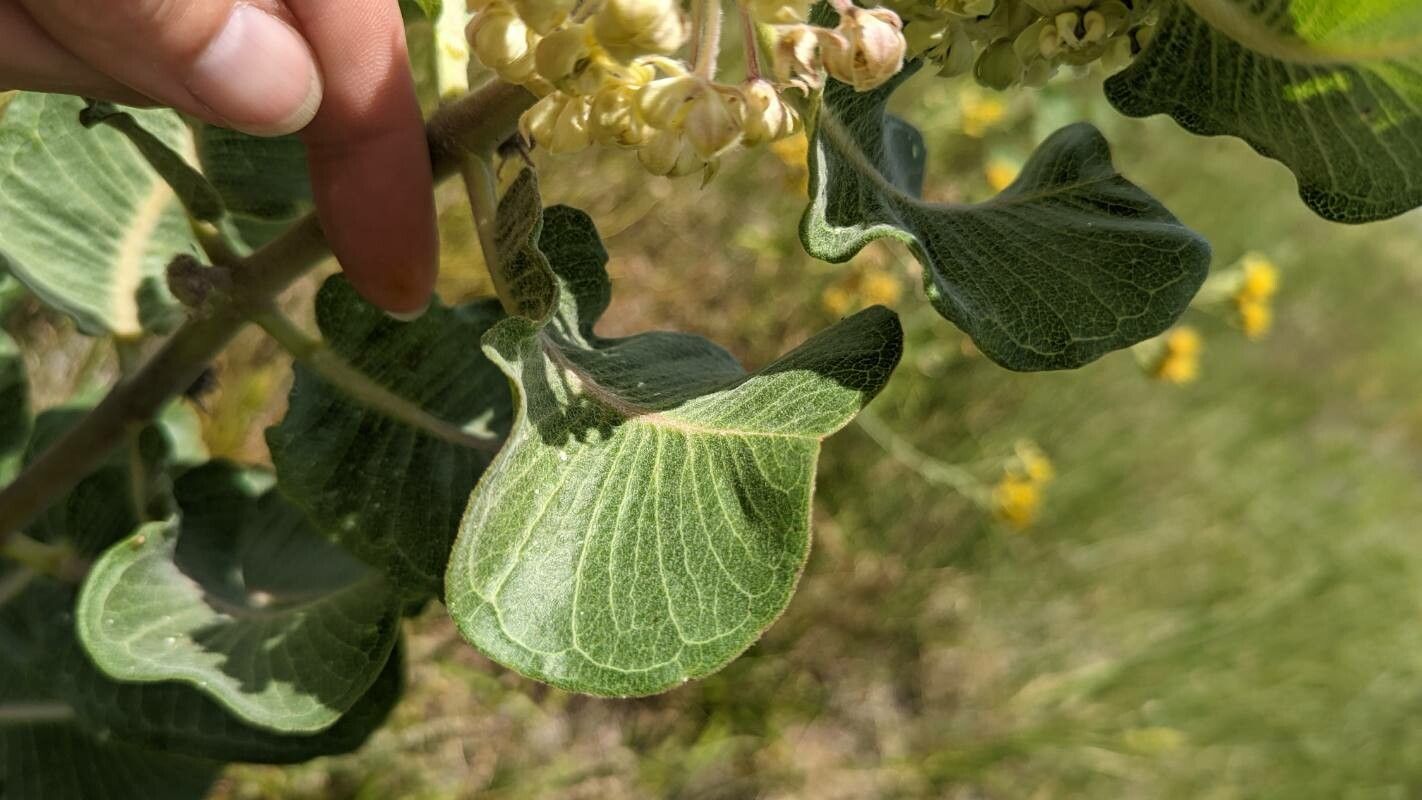
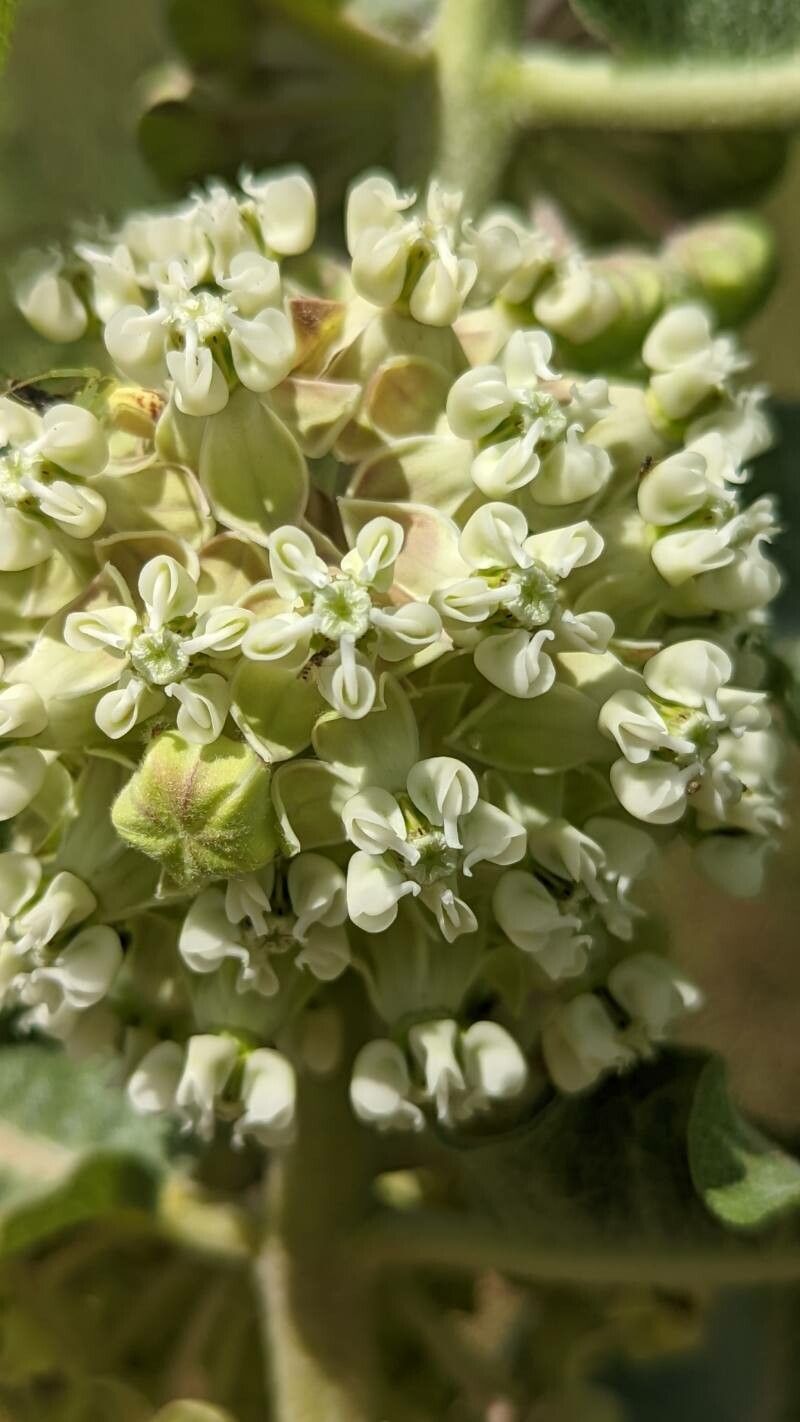
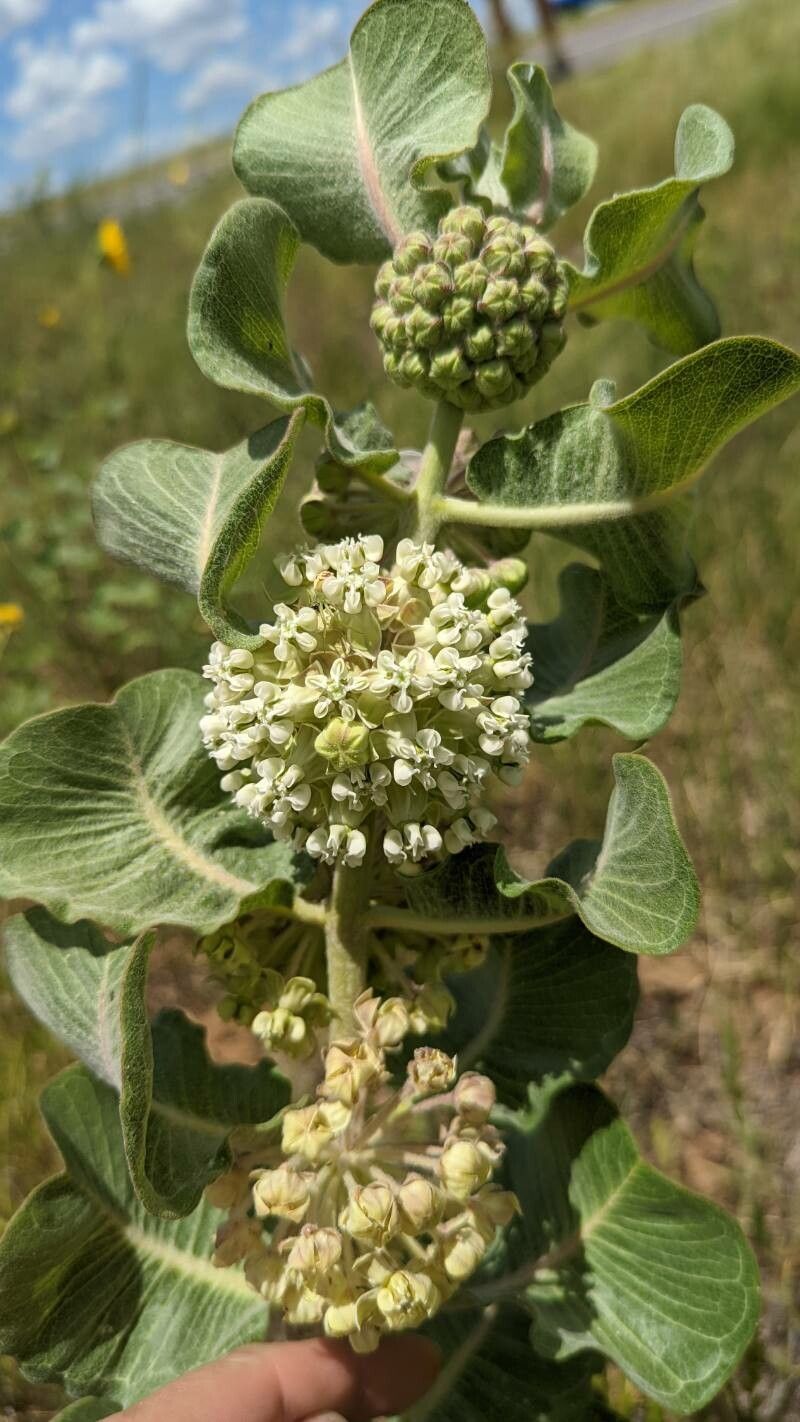
Sand milkweed has strong disease resistance and is usually not susceptible to illnesses. Still, it can be vulnerable to pests and diseases present in its surroundings. These problems are typically not serious. Regarding care, the plant requires moderate maintenance. It should be pruned regularly to keep a neat appearance and support healthy growth. Fertilizing can also encourage flowering. Sand milkweed is well suited for anyone with outdoor areas such as a garden or patio and does not demand extensive experience in plant care. It may need greater attention when kept indoors.
How to keep Asclepias Arenaria.
Light
Sand milkweed is a sun-loving perennial herbaceous plant that originates in open habitats and often does well in meadows and grasslands. It prefers full sun but can also tolerate partial sun.
Water
Sand milkweed only needs watering when the soil is dry. During the dry months of fall and winter, mist the plants to increase air humidity, which will promote healthier growth.
Temperature
Sand milkweed can tolerate a wide range of temperatures, but its distribution may still be restricted by particular combinations of moisture and heat. It does best in warm summer conditions with sufficient rainfall or watering. Long stretches of cloudy, rainy weather or prolonged high temperatures can increase the risk of Sand milkweed dying. In winter, appropriate protection from cold can raise the plant’s chances of survival.
Fertilizer
The ideal time to fertilize a Sand milkweed is early spring, as it comes out of dormancy and begins active growth. Fertilizing supplies essential nutrients for healthy development. Although Sand milkweed has relatively low fertilizer requirements, applying fertilizer annually can improve its survival and encourage better, longer-lasting flowers.
Pruning
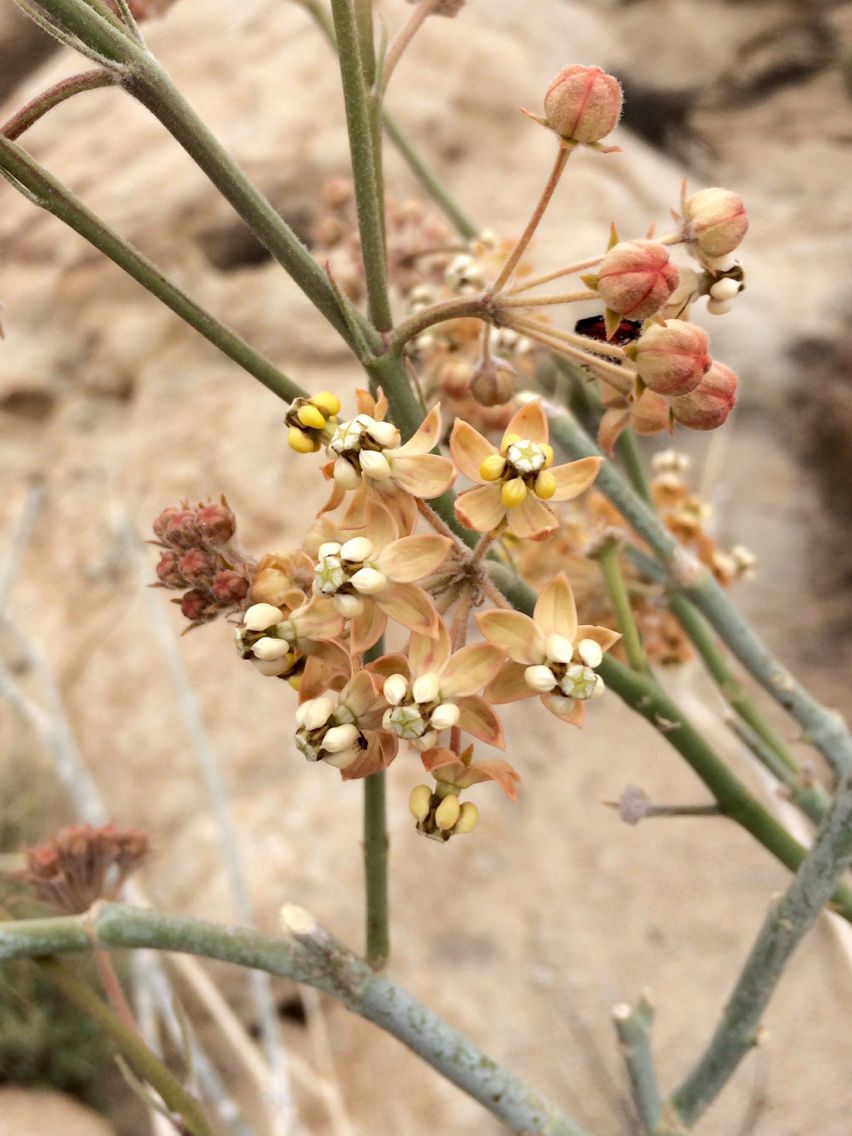
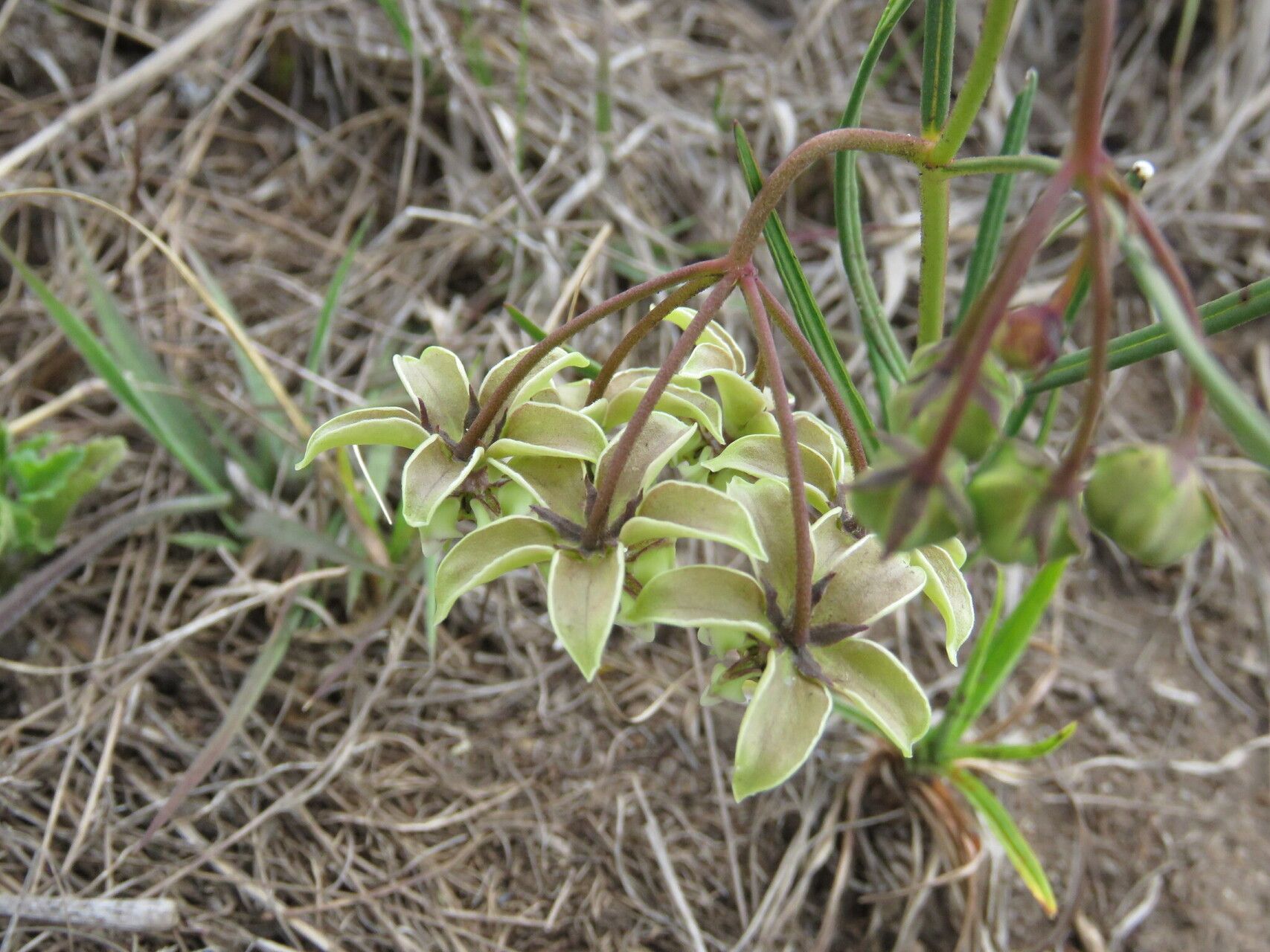
Sand milkweed displays striking clusters of pale pink to white flowers and thrives in sandy soils. Pruning in early spring encourages healthy growth and abundant blooms. However, avoid cutting back too much to preserve existing growth and enhance the plant's vitality and blooming potential.
Botanical profile.
- Plant Type
- Herb
- Life Cycle
- Perennial
- Genus
- Asclepias
- Family
- Apocynaceae
- Hardiness Zone
- 4-9
- Mature Height
- 30 cm to 61 cm
- Mature Spread
- 30 cm to 46 cm
- Leaf Color
- Green
- Leaf Type
- Deciduous
- Flower Size
- 1.02 cm to 1.52 cm
- Bloom Time
- Early summer, Mid summer
- Planting Time
- Spring, Summer, Autumn
- Harvest Time
- Late summer, Early fall, Mid fall
- Native Area
- Mexico
Other names.
Reader questions.
What are the sunlight requirements for Sand milkweed (Asclepias arenaria)?
Sand milkweed, or Asclepias arenaria, thrives in specific sunlight conditions to grow healthily. It requires full sun exposure, which means the plant should receive above 6 hours of sunlight daily. Alternatively, it can also do well in partial sun, receiving about 3-6 hours of sunlight. It's important to observe the movement of sunlight through your garden, aiming to place your Sand milkweed in spots that ensure a perfect balance of light and shade. This careful placement guarantees the plant's happiness and optimal growth.