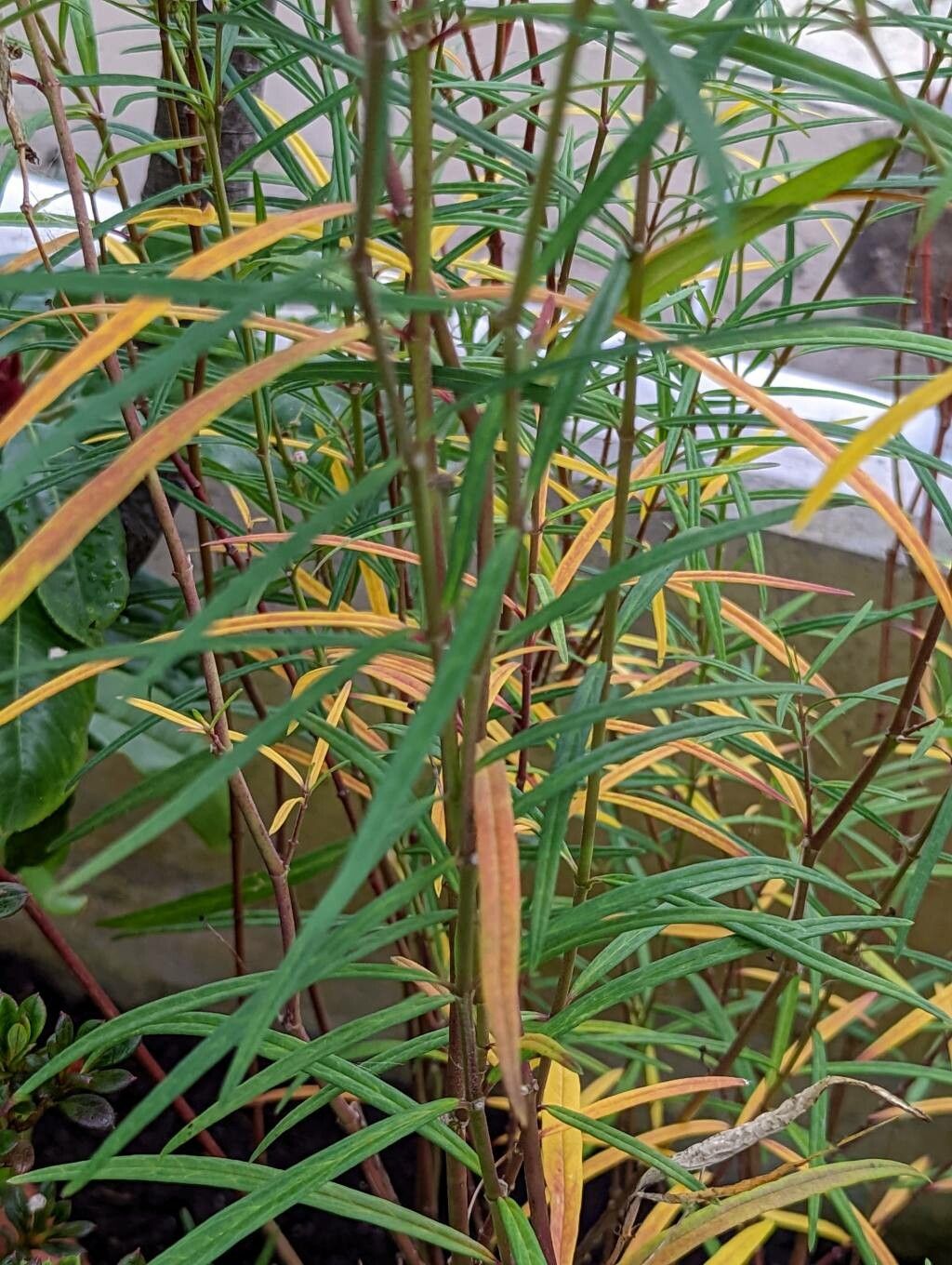
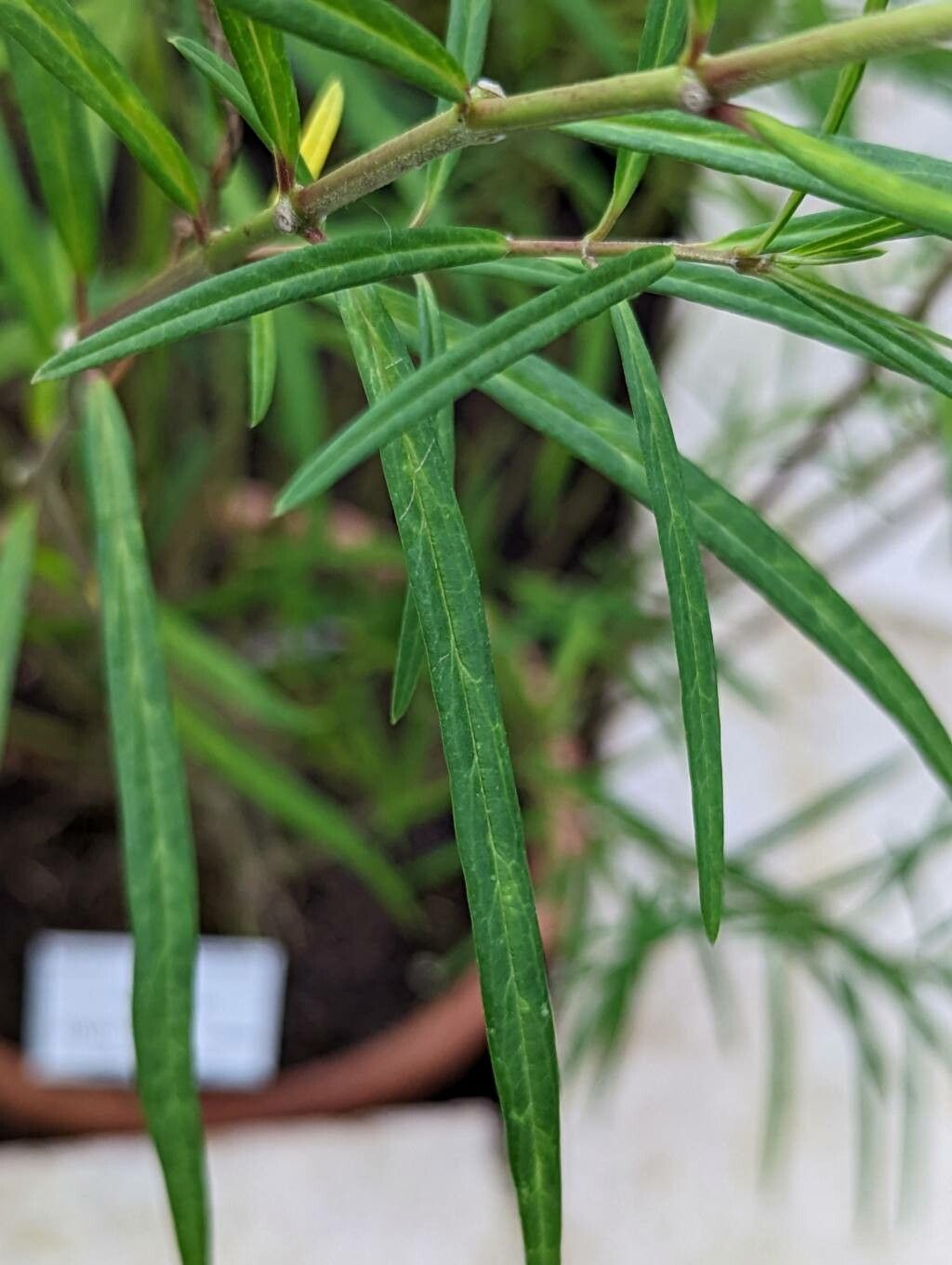
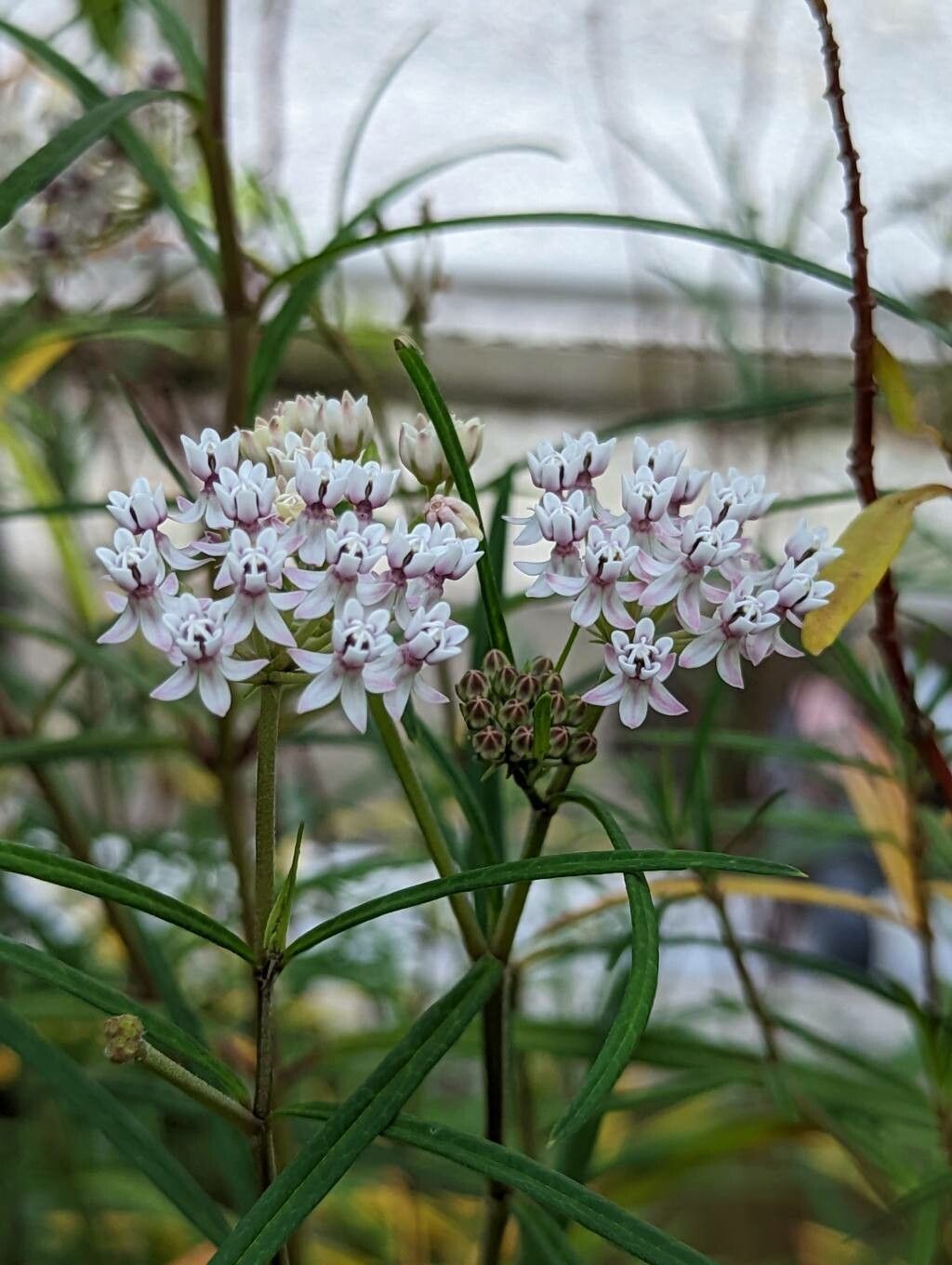
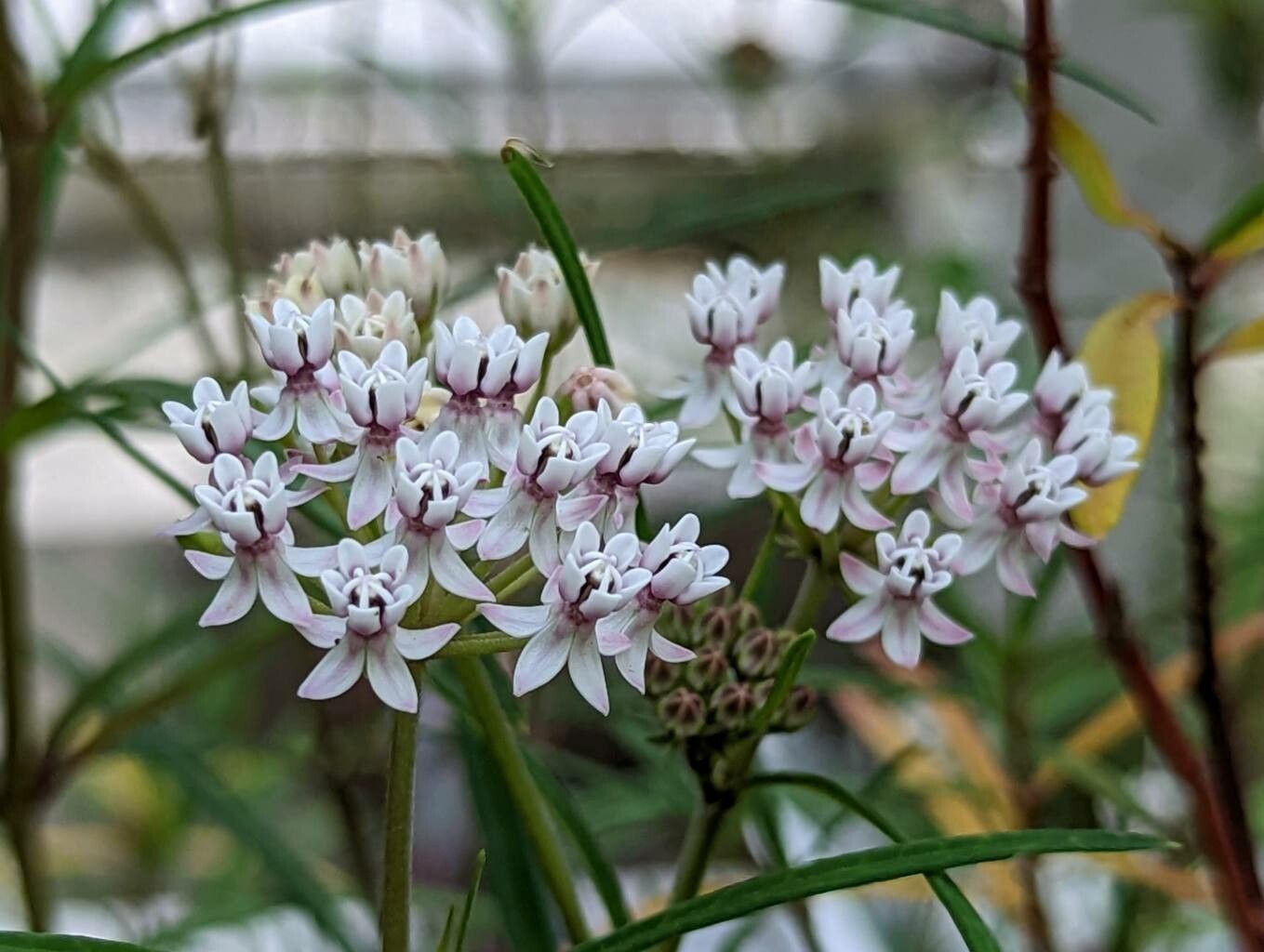
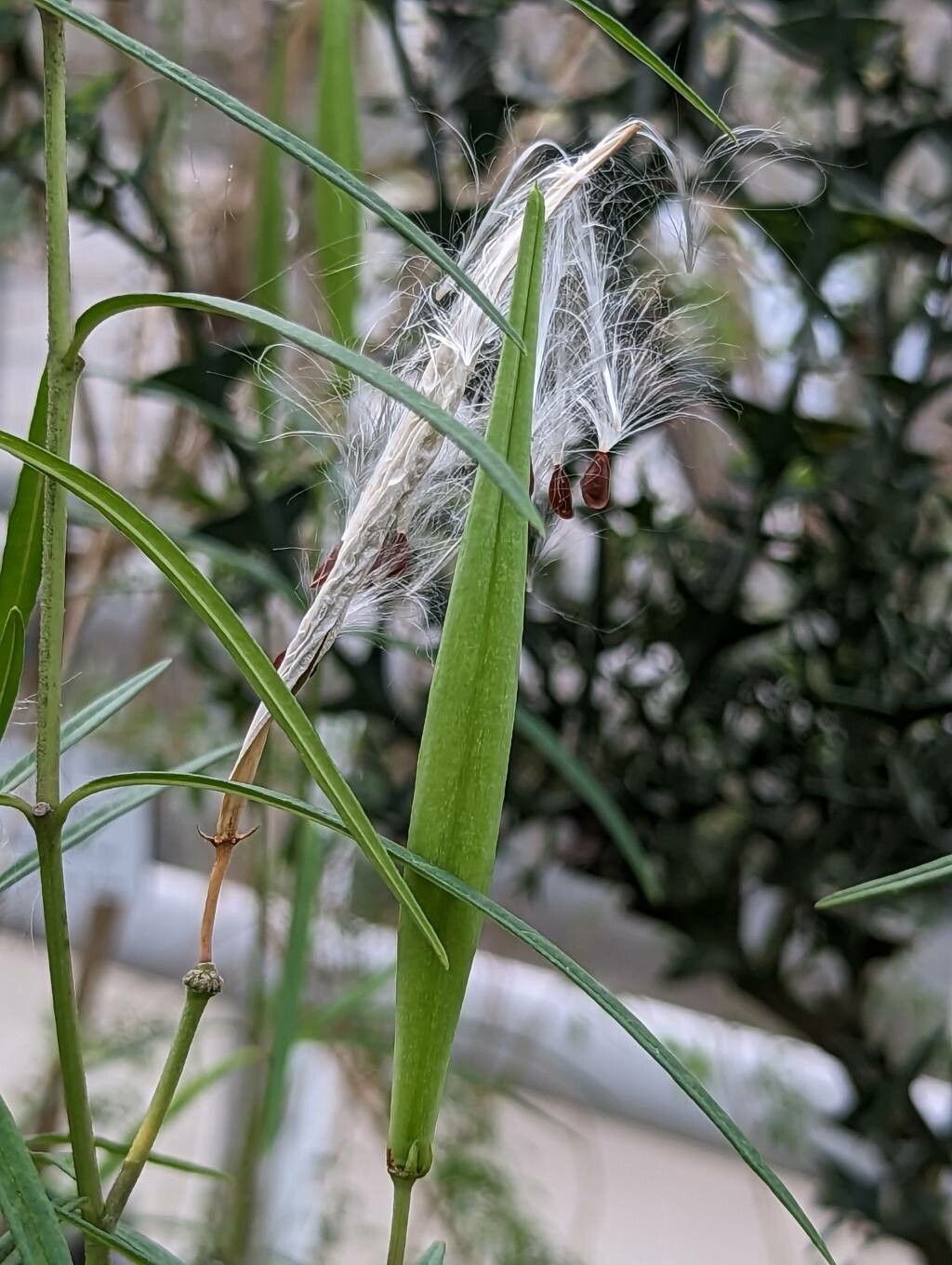
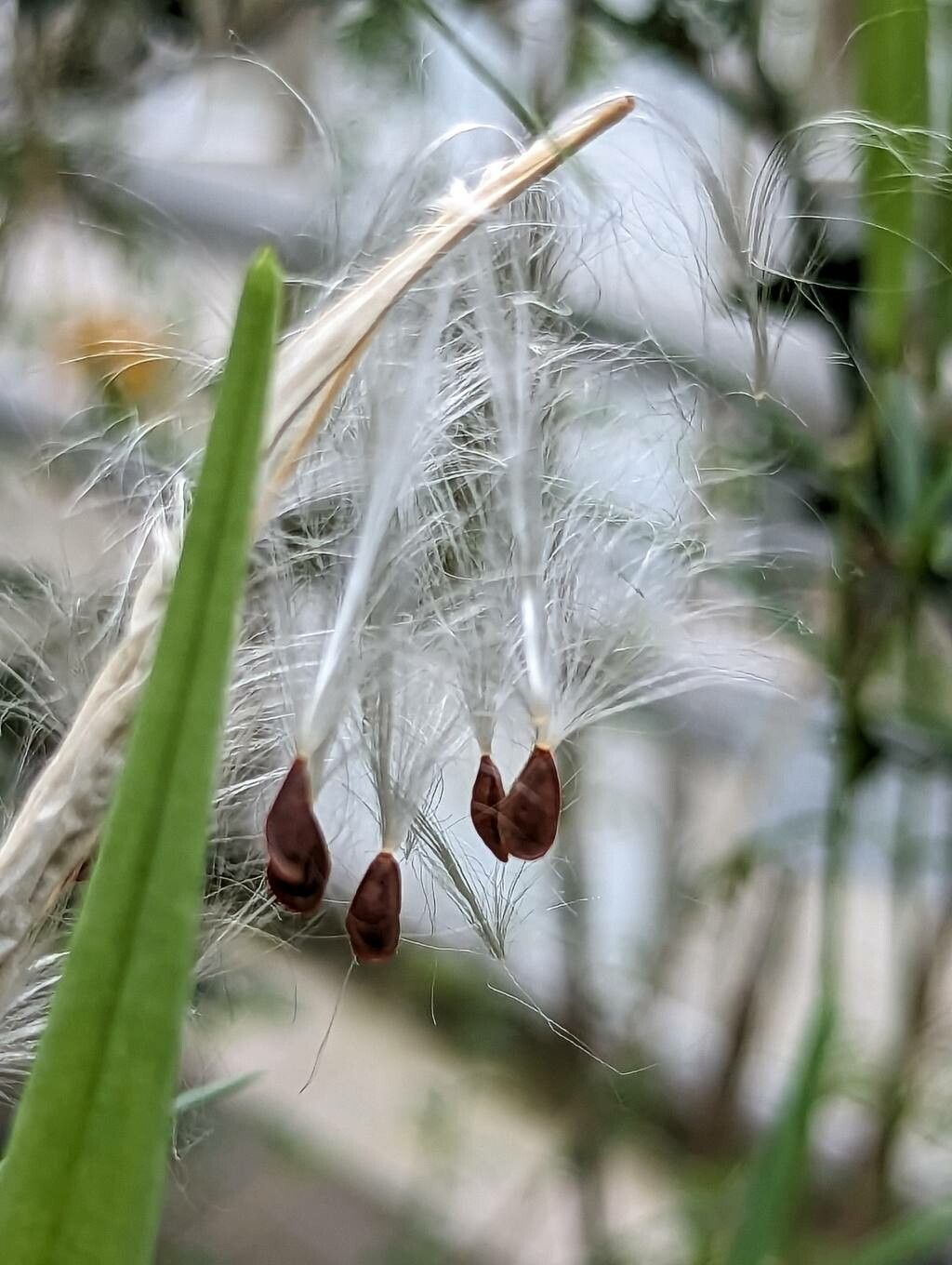
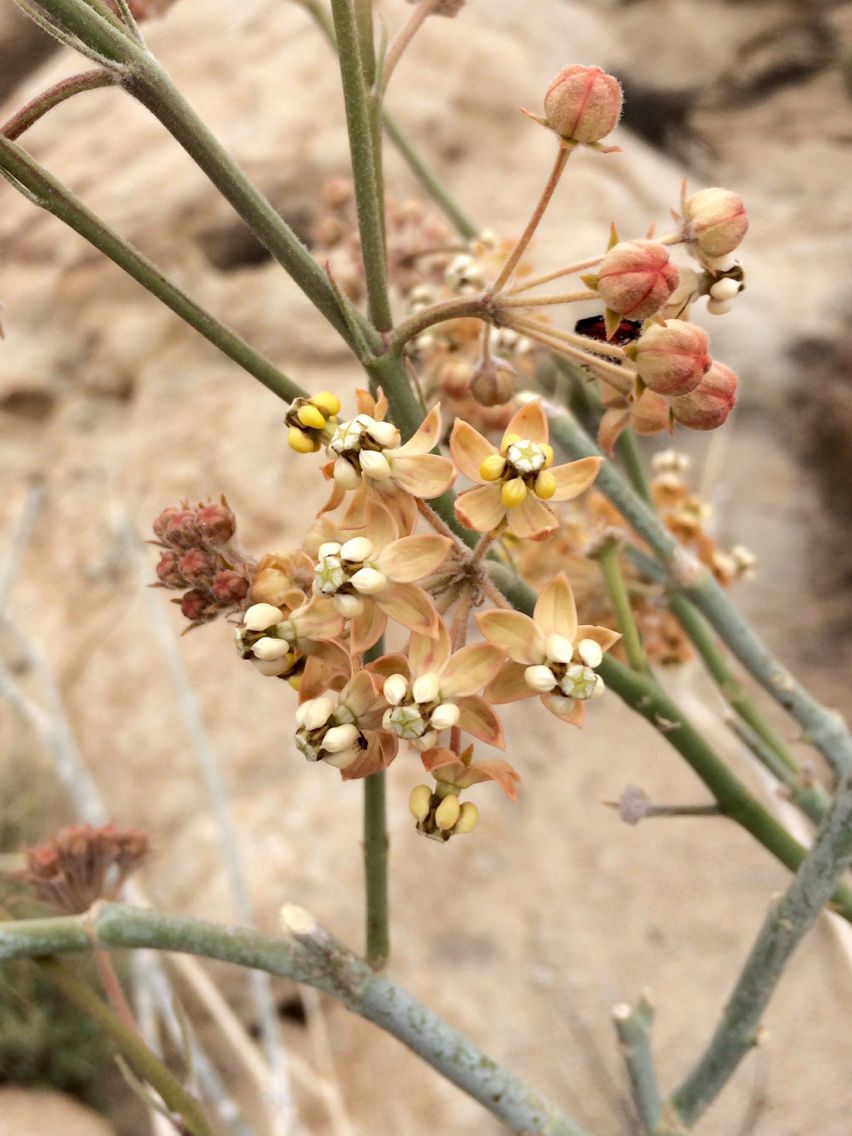
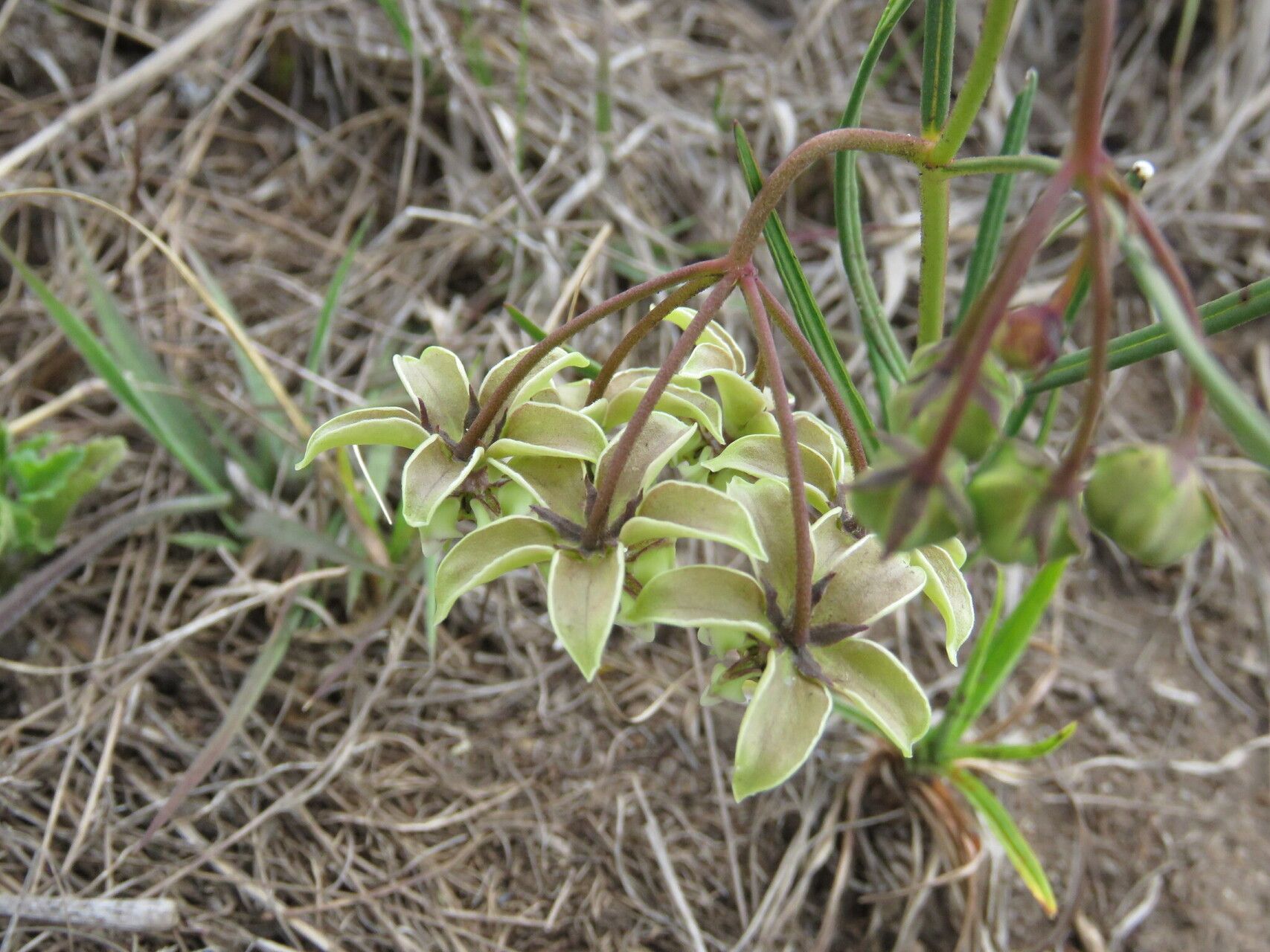
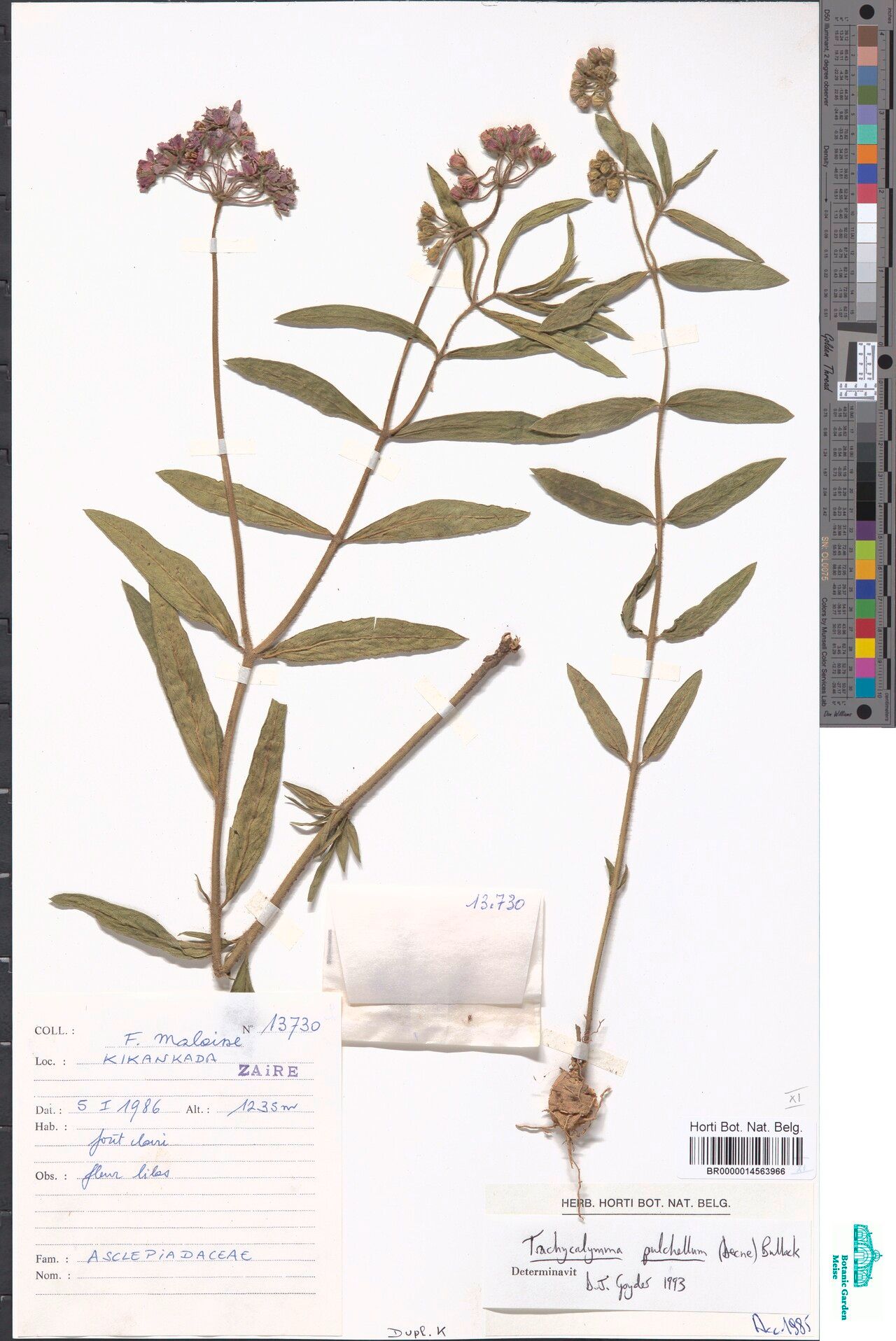
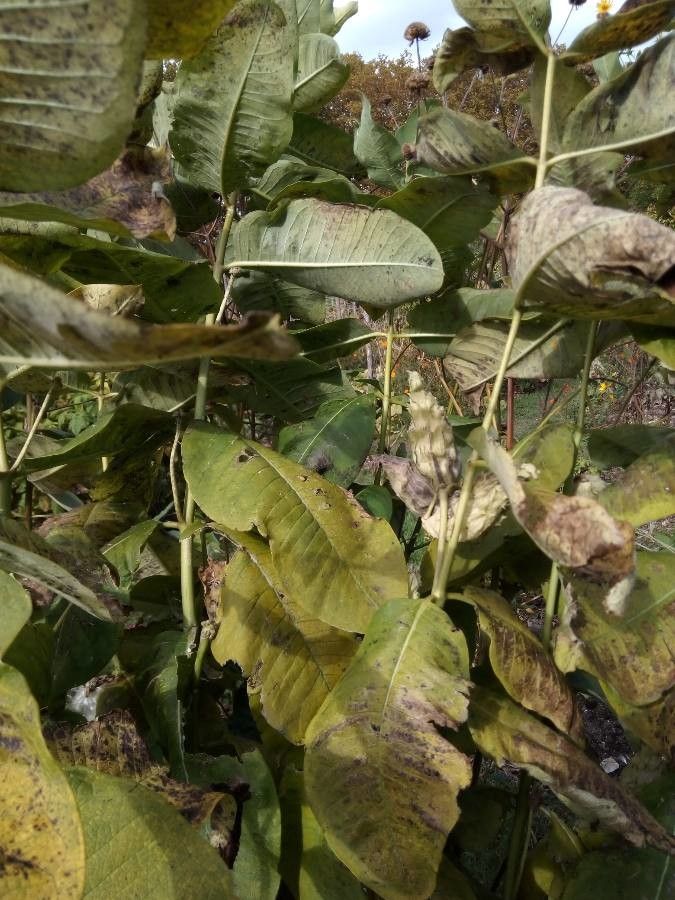
Asclepias angustifolia, commonly called the Arizona milkweed, is a species of milkweed native in the USA only to Arizona.
Arizona milkweed is relatively resistant to disease and generally not vulnerable to illnesses. Still, it can be affected by pests and diseases present in its environment. Such infections are typically mild. Regarding upkeep, this plant needs moderate maintenance. It should be pruned regularly to preserve a tidy appearance and healthy growth. Fertilizing can also encourage flowering. Arizona milkweed is appropriate for anyone with outdoor space, like a garden or patio, and does not demand extensive care experience. When kept indoors, it may need more attention.
How to keep Asclepias Angustifolia.
Light
Arizona milkweed is a sun-loving perennial herbaceous plant that originates in open habitats and is commonly found in meadows and grasslands. It prefers full sun but can also tolerate partial sun.
Water
Water Arizona milkweed only when the soil has become dry, especially during the arid fall and winter months. To encourage growth in these dry conditions, mist the plants to keep the air humidity high.
Temperature
Arizona milkweed is native to tropical areas, where the climate is generally warm and humid. As a result, it is well suited to high heat and moisture. It dislikes abrupt temperature changes and prefers a steady thermal environment, so avoiding indoor temperature swings is important. It typically cannot tolerate cold and requires warmer conditions to grow. If the ambient temperature falls too low, the plant may stop growing or even die.
Fertilizer
Applying the correct fertilizer is essential for Arizona milkweed's health and appearance. Fertilize Arizona milkweed during the summer, repeating the application monthly through the season. Nutrients support growth and the upkeep of the plant’s parts. Fertilization improves Arizona milkweed’s floral display, helping to ensure the best blooms.
Pruning
Arizona milkweed is characterized by its narrow leaves and small clusters of purple flowers. For optimal growth and appearance, it's best to prune this plant in early spring. This helps remove dead stems and improve airflow, which in turn promotes flowering and maintains the plant's shape. Make sure to clean your tools before pruning to prevent the spread of disease. Pruning at the right time enhances both the growth and ornamental value of the milkweed.
Botanical profile.
- Plant Type
- Herb
- Life Cycle
- Perennial
- Genus
- Asclepias
- Family
- Apocynaceae
- Hardiness Zone
- 8-11
- Mature Height
- 30 cm to 91 cm
- Mature Spread
- 30 cm to 46 cm
- Leaf Color
- Green, Dark Green
- Leaf Type
- Deciduous
- Flower Size
- 1.02 cm to 1.52 cm
- Bloom Time
- Summer, Early fall
- Planting Time
- Spring, Summer, Autumn
- Harvest Time
- Late summer, Fall
- Native Area
- Mexico
Other names.
Reader questions.
What are the sunlight requirements for Arizona milkweed (Asclepias angustifolia)?
Arizona milkweed, known botanically as Asclepias angustifolia, thrives under specific sunlight conditions. It requires full sun, meaning it should receive more than 6 hours of sunlight daily. However, it can also grow in partial sun, which amounts to about 3-6 hours of sunlight a day. It's important to watch how sunlight moves through your garden throughout the day to find the best spots that offer an ideal balance between light and shade. This careful placement will ensure the happiness and health of your Arizona milkweed plants.