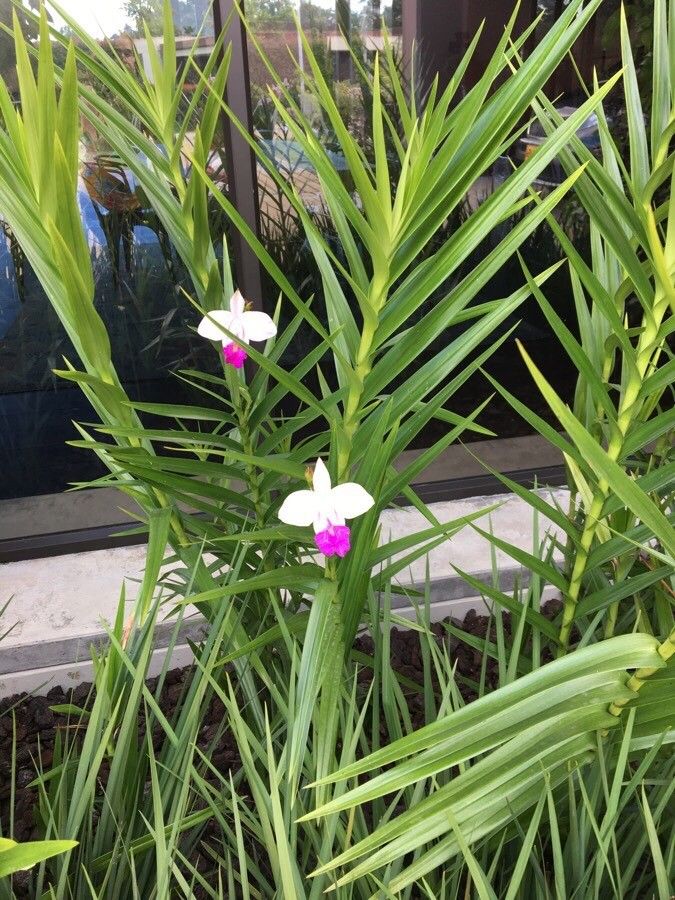
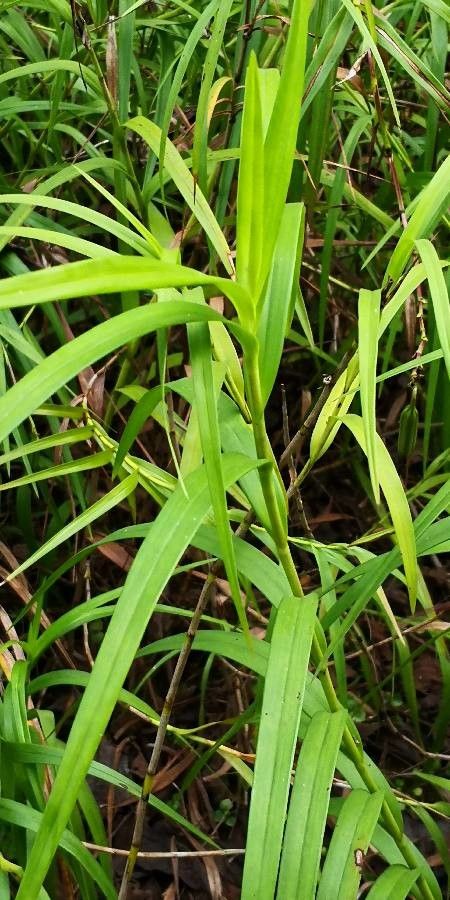
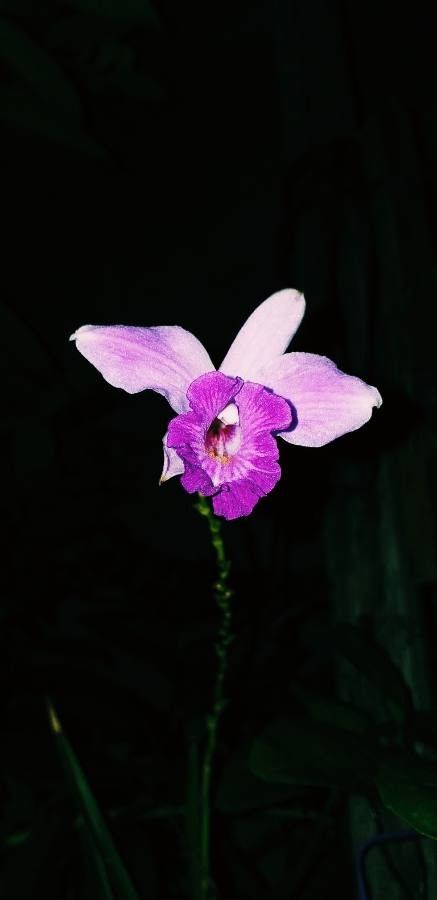
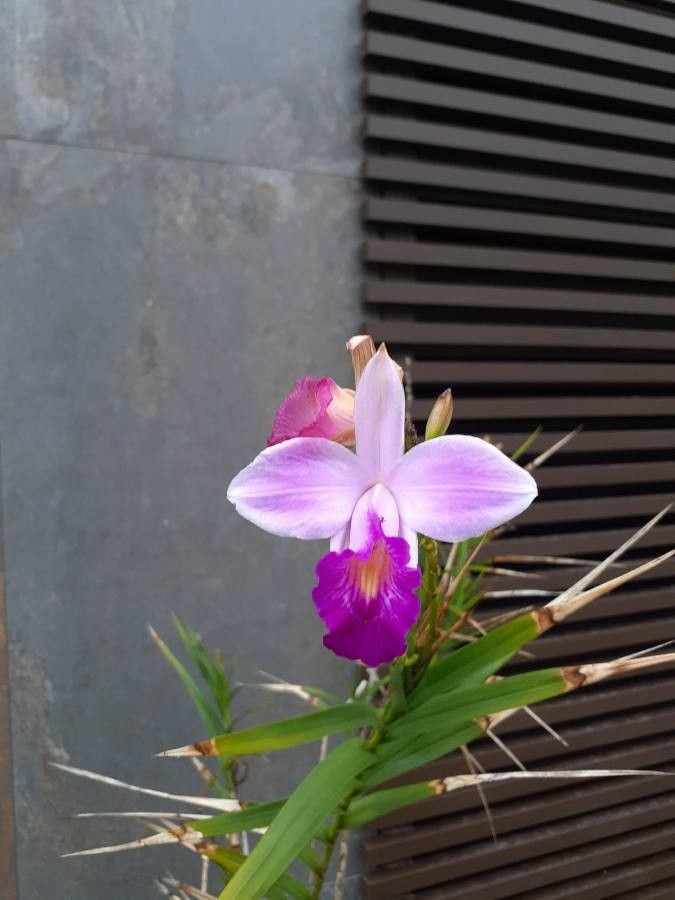
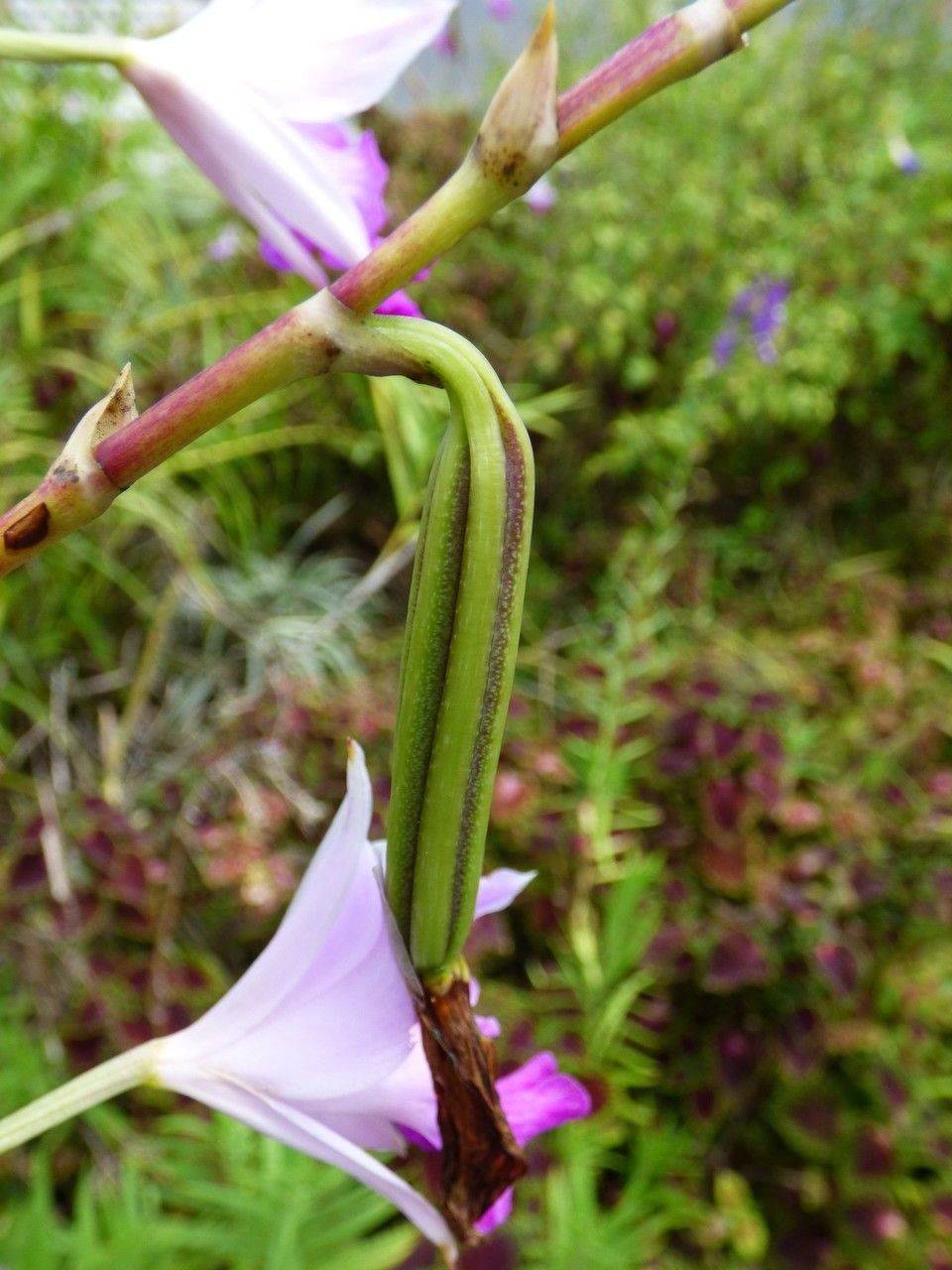
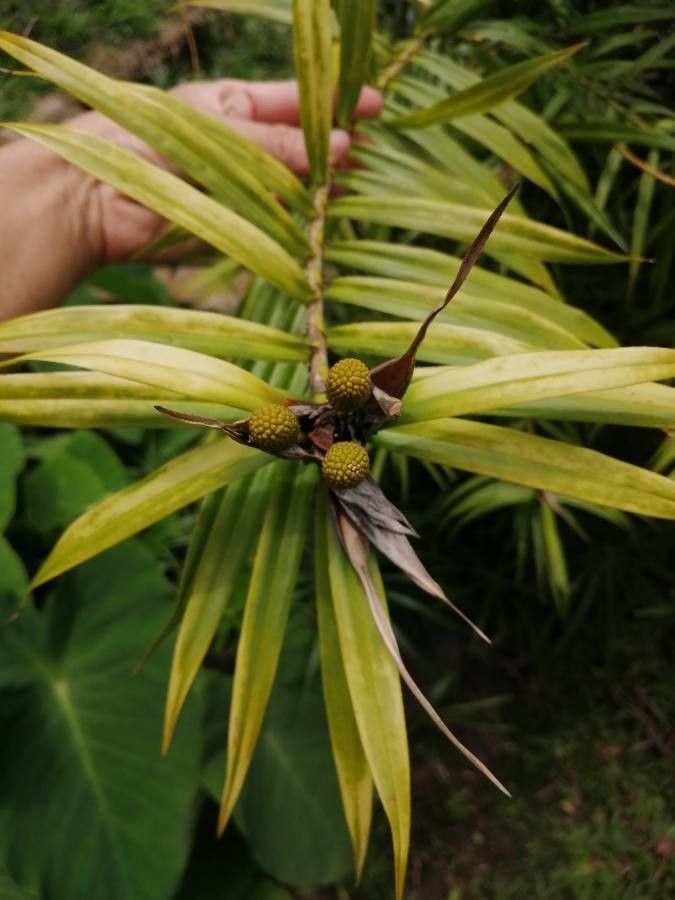
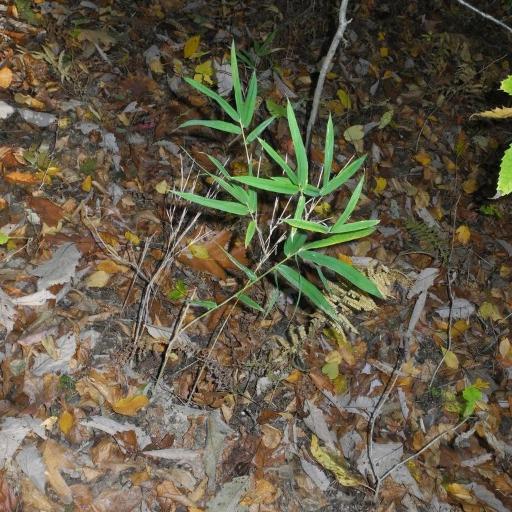
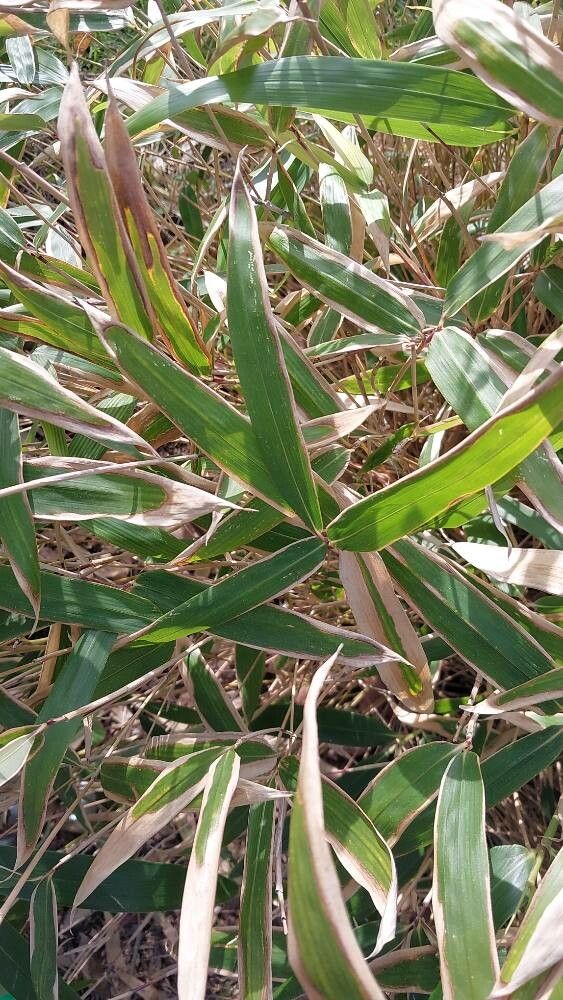
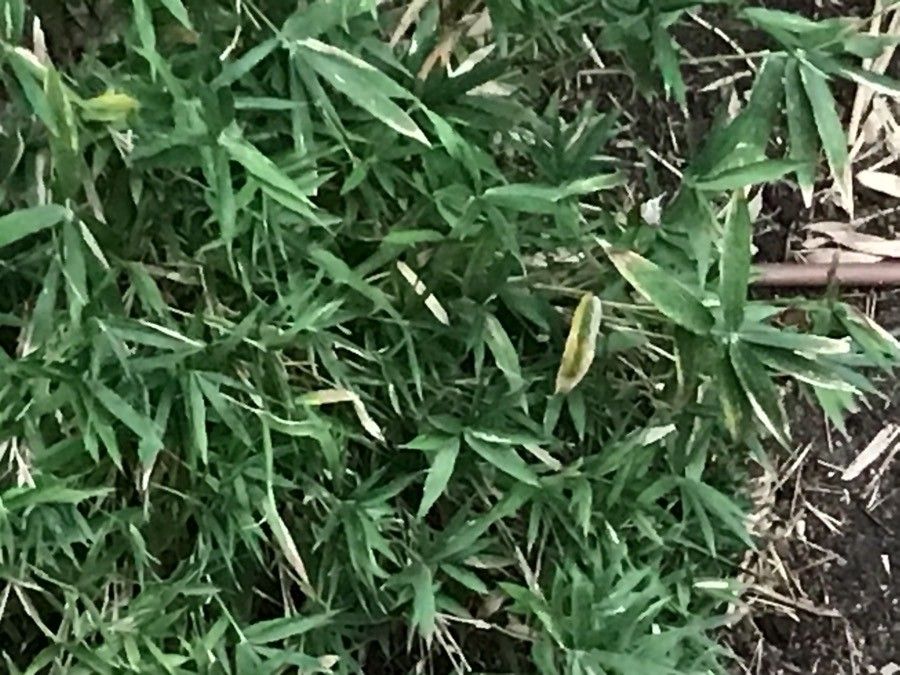
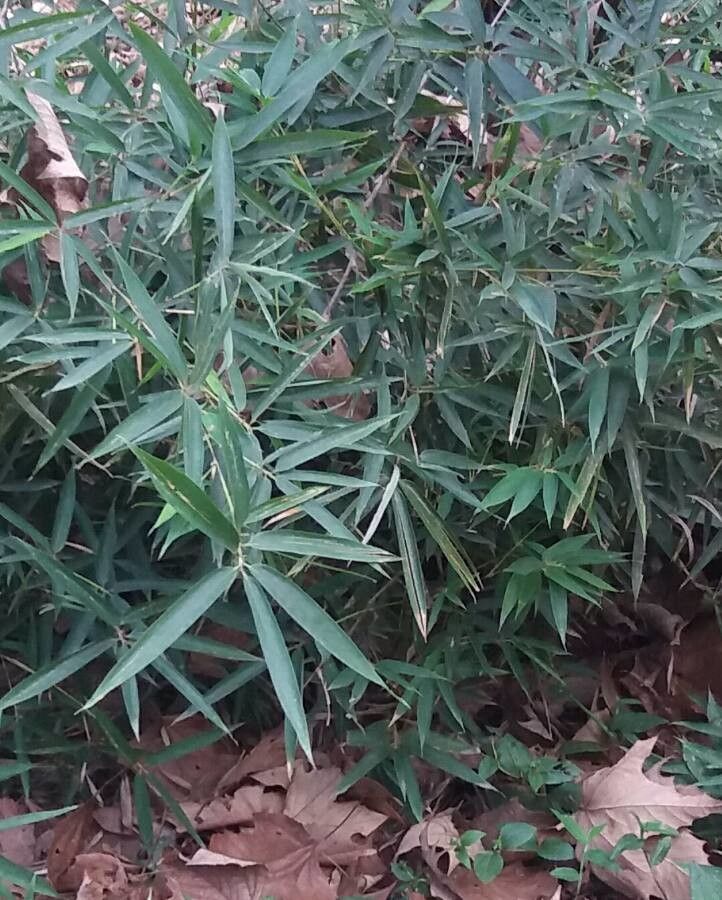
Arundina graminifolia, commonly known as the bamboo orchid or dancing-lady orchid, is a species of flowering plant in the Orchidaceae family. Native to Southeast Asia, it can be found in countries such as Thailand, Malaysia, and the Philippines. The plant reaches a height of 1 to 2 meters and features long, thin leaves that resemble bamboo leaves. Its flowers are large and showy, with a distinctive purple color that fades to white towards the center. Arundina graminifolia is a popular ornamental plant due to its attractive appearance and ease of cultivation. It prefers well-drained soil in full sun or partial shade and can be propagated through division or seedlings. In traditional medicine, various parts of this plant are used for their medicinal properties. The roots, in particular, contain alkaloids such as arundinidine, which exhibit anti-inflammatory properties. These roots are used to treat conditions like fever, coughs, asthma, and other respiratory ailments by combating inflammation caused by histamine release from mast cells during the body's immune response to infections such as colds or flu.
Bamboo orchid typically shows strong resistance to disease and has relatively few insect pests. Its care is considered difficult because it needs high humidity while also being well ventilated and having few harmful pathogens. Too much watering can cause root rot. Although anyone can grow bamboo orchid, keeping it healthy and getting it to flower again requires more growing experience.
How to keep Arundina Graminifolia.
Light
Bamboo orchid thrives best in spots that get unobstructed sunlight for most of the day, though it can adjust to locations that receive sunlight only part of the day. Native to environments with plentiful sun exposure, the bamboo orchid may not grow well if it lacks substantial solar radiation. Likewise, too much sun can cause harm.
Water
The bamboo orchid thrives in tropical climates, needing consistent moisture and high humidity to flourish. It benefits from weekly watering to maintain optimal health but can tolerate short dry spells. Rainfall during the growing season supports its growth, mirroring the conditions of its natural habitat.
Temperature
Bamboo orchid is a climber best suited to a warm native climate, preferring temperatures between 68 to 95 °F (20 to 35 ℃). In colder periods, maintain temperatures above 68 °F (20 ℃) for optimal growth.
Fertilizer
Proper fertilization is essential for the Bamboo orchid's health and appearance. Fertilize the Bamboo orchid in summer, applying it once a month throughout the season. Nutrients fuel growth and support the plant's tissues. Feeding the plant boosts its flower display, ensuring the best blooms.
Pruning
The bamboo orchid, known for its reed-like stems and vibrant purple flowers, benefits from pruning between early spring and late winter. To encourage growth and flowering while maintaining its shape, remove any dead or damaged stems at the base. Be sure to use sterilized tools to prevent infection and promote healthy blooms.
Botanical profile.
- Plant Type
- Herb
- Life Cycle
- Perennial
- Genus
- Arundina
- Family
- Orchidaceae
- Hardiness Zone
- 10
- Mature Height
- 1.22 m to 1.83 m
- Mature Spread
- 49 cm
- Leaf Color
- Green
- Leaf Type
- Evergreen
- Flower Color
- Purple, White
- Flower Size
- 5.08 cm to 7.62 cm
- Bloom Time
- All year round
- Planting Time
- Spring, Summer, Autumn
- Harvest Time
- All year round
Other names.
Reader questions.
How should I water my Bamboo orchid to keep it healthy?
The way you water the Bamboo orchid depends on whether it's currently growing or not. When it's actively growing, you should water the soil and occasionally spray water on the leaves if it's warm. In winter or when it's cool and wet, stick to watering the soil. You'll know if your Bamboo orchid needs more water if the roots and leaves become dry or discolored. On the other hand, if it receives too much water, it will become mushy and limp. It's important to plant the Bamboo orchid in a pot with excellent drainage. During the growing season, water it multiple times a week, making sure the water drains quickly. The size of the pot affects how often you water it - larger pots need less frequent watering. For the best results, use rainwater or distilled water that matches the air temperature.
Why should I put fertilizer on my Bamboo orchid?
Fertilizer and soil nutrients are like fuel for your Bamboo orchid, helping it to grow strong and healthy. Plants, including the Bamboo orchid, use these nutrients from the soil to create new plant material and maintain their current parts. In the case of the Bamboo orchid, fertilization is especially important for producing beautiful flowers. As the flowers are the main attraction of this plant, gardeners will want to do everything possible to ensure they appear in their best form. Fertilization is a reliable method to help your Bamboo orchid produce its most stunning blooms.
What type of sunlight does a Bamboo Orchid require?
The Bamboo Orchid (Arundina graminifolia) thrives best under conditions that offer unobstructed sunlight for most of the day, benefiting from locations that receive more than 6 hours of sunlight, meeting the full sun requirement. However, it is adaptable and can also grow in areas that experience about 3-6 hours of sunlight, fitting the partial sun criteria. This flexibility allows the Bamboo Orchid to flourish in a variety of lighting conditions, originating from sunny habitats. Regardless, a balanced mix of light and shade should be sought to prevent overexposure, which could result in damage to the plant.
What temperature is best for Bamboo orchid?
Both Bamboo orchid and Bamboo orchid have different maintenance requirements, but they both thrive within the same temperature range. Ideally, you should keep the temperature between 75-90℉ (25-32℃) for these warm-weather plants to grow well. Although Bamboo orchid can tolerate temperatures outside this range, it is best to stay within a few degrees of these limits. In terms of the highest and lowest temperatures Bamboo orchid can endure, the lower limit is around 50℉ (15℃), while the upper limit is around 95℉ (35℃). Since Bamboo orchid prefers warmer weather and is typically grown in the summer if planted outdoors, it is crucial to avoid temperatures below 70℉ (25℃). If the temperature drops below 70℉ (25℃), the growth of Bamboo orchid will slow down, and anything below 50℉ (15℃) can cause damage or even kill the plants.
What should I do if I give my Bamboo orchid too much water or too little water?
One common mistake that can kill a Bamboo orchid is keeping the soil too wet for too long. While these plants need frequent watering during their active growth, it's important that the soil drains well. If the plant gets too much water, it can become mushy and develop root rot. In that case, you'll need to use sterilized pruning shears to remove any rotted roots and then repot the orchid in a container with good drainage and fast-draining potting mix. However, Bamboo orchids don't respond well to being repotted too often, so it's important to find the right balance of watering. If you notice your Bamboo orchid is shriveling and feeling dry to the touch, it may be because the soil is drying out faster than you anticipated, so you should increase the frequency of watering.
When should I fertilize my Bamboo orchid?
The Bamboo orchid has two main phases each year. The first phase is the dormant phase, which occurs in winter and involves minimal new growth. The second phase is the active growth phase, occurring in spring and fall, when the Bamboo orchid requires more fertilization. It is recommended to start fertilizing your Bamboo orchid in spring and continue once a month until late summer. As fall approaches, you can gradually decrease the fertilization rate.
How can artificial lighting support Bamboo Orchid growth indoors?
When natural sunlight is not sufficient, especially during winter or in spaces with limited sun exposure, artificial lighting becomes a crucial alternative for Bamboo Orchids. Proper indoor lighting ensures optimal growth by supplementing the lack of natural sunlight. LED lights are highly recommended as they can provide specific wavelengths needed by the plant. For full sun plants, 30-50W per square foot is necessary, partial sun plants require 20-30W per square foot, and full shade plants need 10-20W per square foot. The artificial light source should be placed 12-36 inches above the plant and should mimic natural daylight conditions, with most plants needing 8-12 hours of light per day.
Does the Bamboo orchid need different temperatures at different stages of growth?
To ensure that Bamboo orchids bloom to their full potential, it is important to maintain a consistent temperature range. Low temperatures can prevent blooming, so it is essential to avoid temperature fluctuations regardless of the growth phase. Ideally, temperatures should not go below 70℉ (25℃) or exceed 90℉ (32℃) as this can slow down growth and hinder the flowering process. Prolonged periods below 50℉ (15℃) can completely prevent flowering. Since Bamboo orchids are not hardy, creating a well-controlled environment is crucial for their proper growth. It is necessary to have control over the temperature. Additionally, Bamboo orchids require a cool period, which will be further discussed below.
How often do I need to water my Bamboo orchid?
To ensure proper watering for your Bamboo orchid, the active growth stage in spring and summer requires watering once or twice per week. Increase watering to three times per week or more during extended periods of hot and dry weather. In winter, you will still need to water your Bamboo orchid, but less frequently. Aim for watering two to three times per month to keep it alive during the coldest months. However, be mindful that if you keep the Bamboo orchid indoors during winter, the soil may dry out faster, so you may need to increase the number of monthly waterings. Use the fall season to gradually decrease watering frequency from multiple times per week to match the reduced winter schedule.
When is it not a good idea to apply fertilizer to my Bamboo orchid?
If you want to support the growth of Bamboo orchids without causing root burn, it's important to provide extra nutrients when the plant is actively growing in the spring and summer. However, in the fall and winter when the plant enters the dormancy stage, it is best to stop fertilizing.
What are common symptoms of lighting issues in Bamboo Orchids?
Bamboo Orchids may exhibit various symptoms when faced with inadequate lighting, including smaller-sized new leaves, leggy or sparse growth, faster leaf drop, and a halt in new growth, which indicate poor light conditions. Conversely, excessive sunlight can cause chlorosis, sunscald, leaf curling, wilting, and leaf scorching. These symptoms serve as indicators of the plant's struggle with either too much or too little light, impacting its health and growth.
Here are three helpful tips for managing the temperature of your Bamboo orchid.
Here are some tips for taking care of Bamboo orchids: Tip #1: After Blooming, Bamboo orchids Need a Cool Period Whether you grow Bamboo orchids outside or indoors, they require a cooling period for winter. If grown outdoors, this happens naturally during winter. If grown indoors or in a greenhouse, you need to create a cooling period during any season. By maintaining a temperature between 75-90℉ (25-32℃) during this period, you can encourage multiple blooms throughout the year. Tip #2: Bamboo orchids Prefer Colder Nights Bamboo orchids prefer colder temperatures at night. When grown outdoors, the ideal range is usually between 50~75℉(15-25℃). However, it's challenging to control the temperature range when grown outside due to lack of climate control. If you grow them indoors, you have more control over providing the optimal temperature and light conditions. Tip #3: Watch for Signs of Cold Damage Since Bamboo orchids thrive in higher temperatures and lack the hardiness of winter plants, they are susceptible to cold damage. It's crucial to closely monitor the temperature in your growing space. If the temperature drops below 50℉ (15℃), it can harm the plants, and extended exposure to cold can be fatal. Look out for signs such as discoloration on foliage and stems, which indicate the plant is too cold. If you notice large sections turning brown and drying up, it means the tissue is dying. In such cases, immediately move the Bamboo orchid to a warmer environment; there is a chance they can recover.