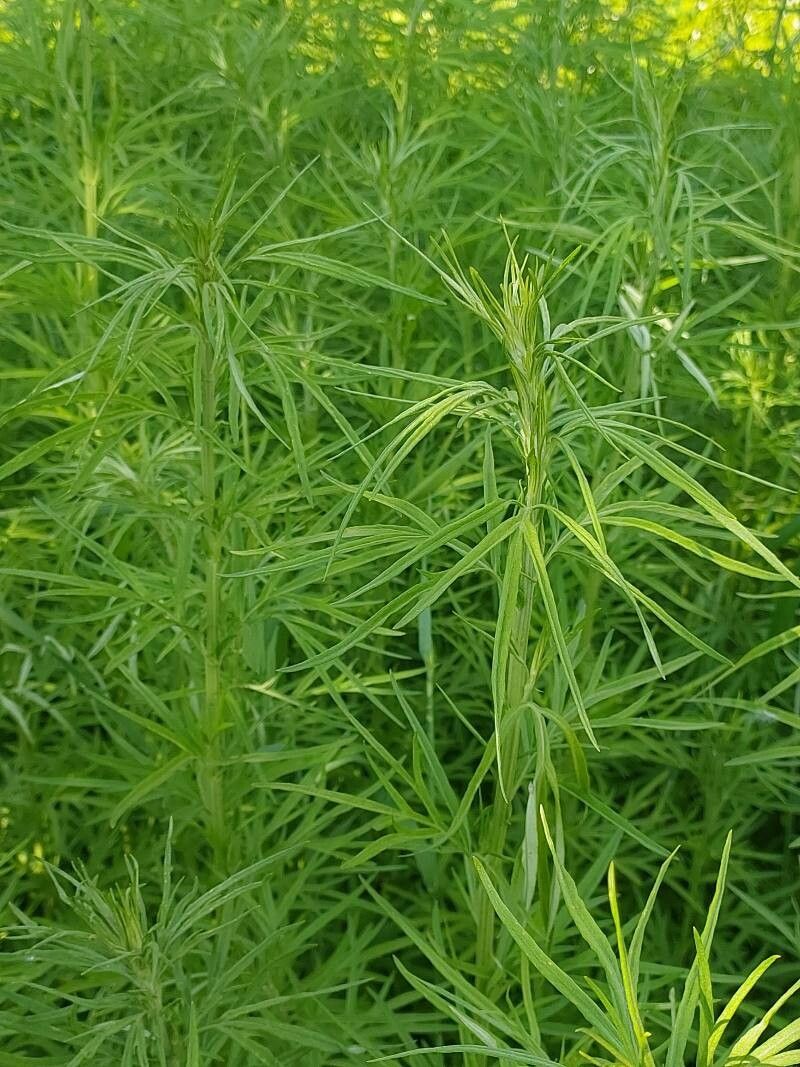
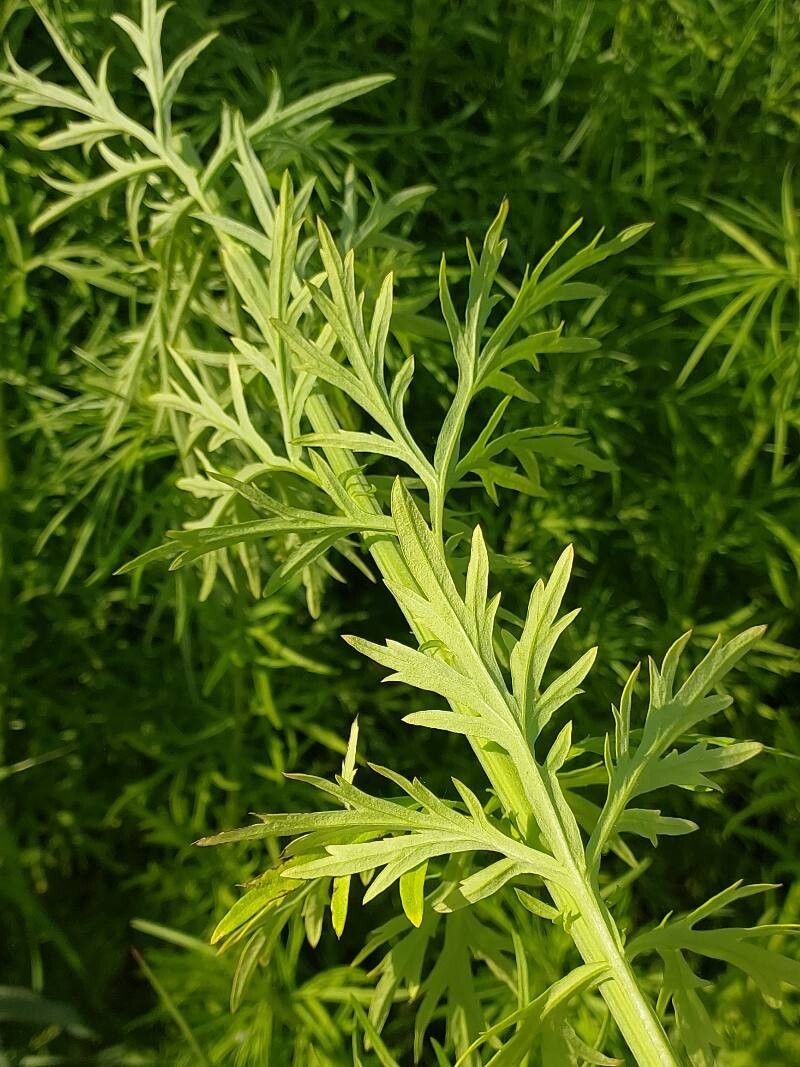
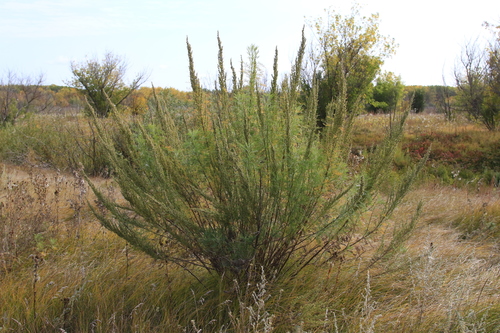
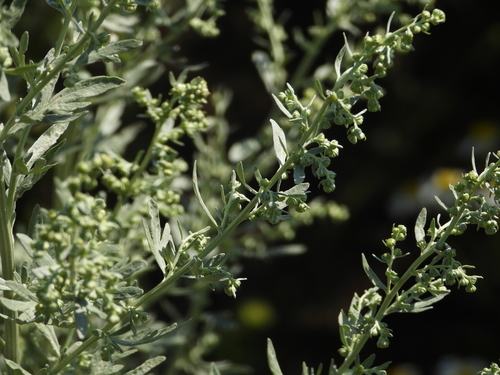
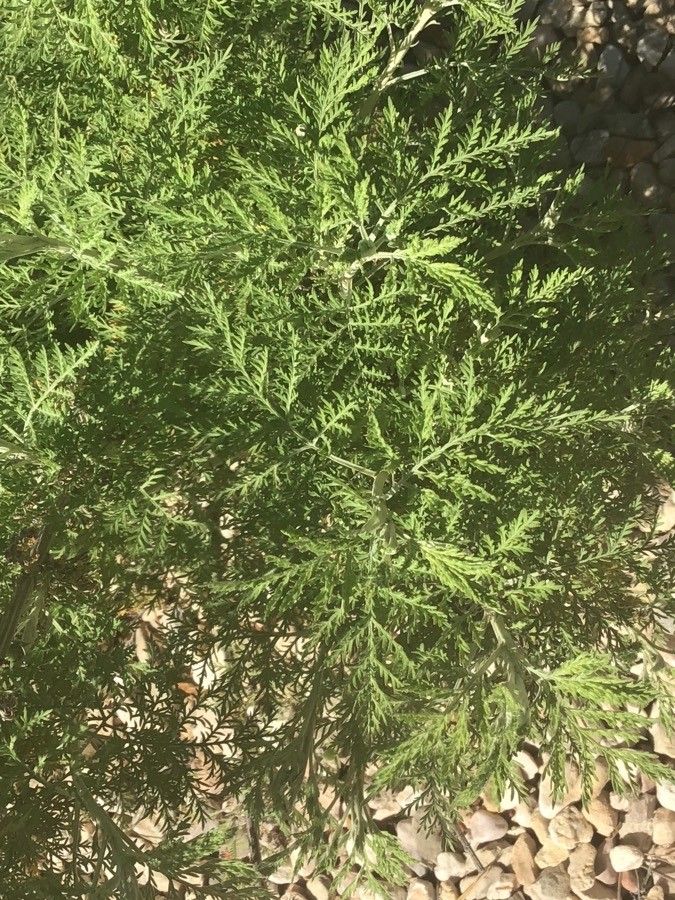
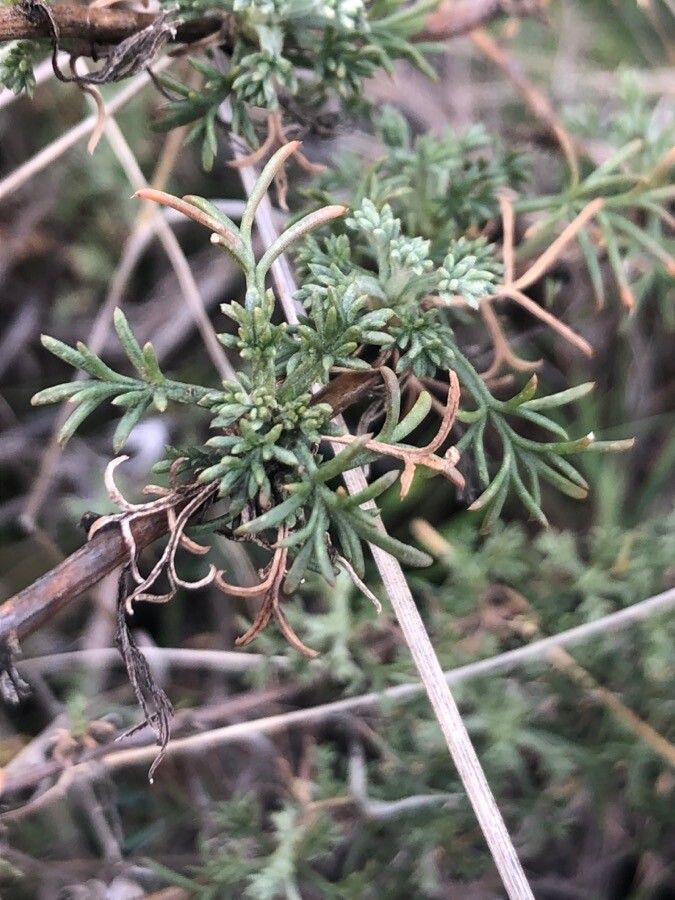
Artemisia lavandulifolia is fairly resistant to disease and typically does not suffer from many illnesses. Still, it can be affected by pests and diseases present in its environment. Such problems are generally mild. Regarding upkeep, this plant needs a moderate level of care. It should be pruned on a regular basis to preserve a tidy appearance and healthy growth. Applying fertilizer can also encourage flowering. Artemisia lavandulifolia is well suited for anyone who has outdoor space, like a garden or patio, and does not demand extensive gardening experience. It may, however, need more attention if grown indoors.
How to keep Artemisia Umbrosa.
Light
The artemisia lavandulifolia grows best with abundant sunlight, though it tolerates moderate light levels. Its development can be harmed by either insufficient or excessive sun. Native to sun-rich habitats, it has adapted to those conditions throughout all stages of growth.
Temperature
Artemisia lavandulifolia is naturally suited to regions where temperatures range from 41 to 95 °F (5 to 35 ℃). It can tolerate freezing conditions but does better in areas within its preferred temperature range. Seasonal adjustments may be necessary when temperatures move outside this range.
Fertilizer
Generally, a single spring application of fertilizer is enough for Artemisia lavandulifolia, though repeated feedings can maximize growth. Feed every one to one and a half months. Fertilization improves the leaves' appearance and function, maintaining uniform color and a healthy texture. It also promotes root development and nutrient uptake, supporting long-term plant health.
Botanical profile.
- Plant Type
- Herb
- Life Cycle
- Perennial
- Genus
- Artemisia
- Family
- Asteraceae
- Hardiness Zone
- 4-10
- Mature Height
- 2.44 m to 1.52 m
- Mature Spread
- 40 cm to 76 cm
- Leaf Color
- Silver
- Leaf Type
- Evergreen
- Flower Color
- Yellow, Green
- Flower Size
- 0.20 cm to 0.25 cm
- Bloom Time
- Late summer, Early fall, Mid fall
- Planting Time
- Spring, Summer, Autumn
- Harvest Time
- Mid fall, Late fall