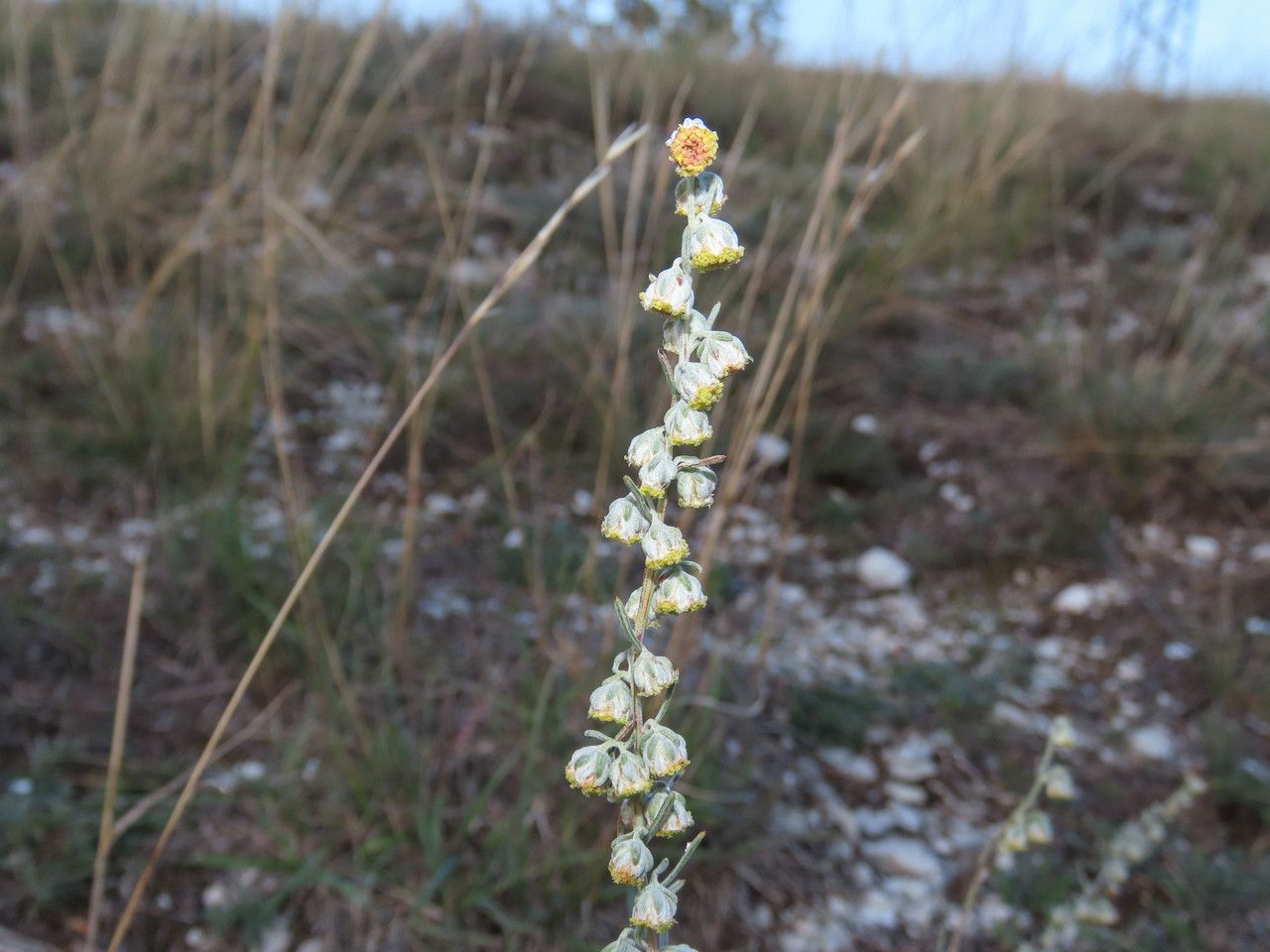
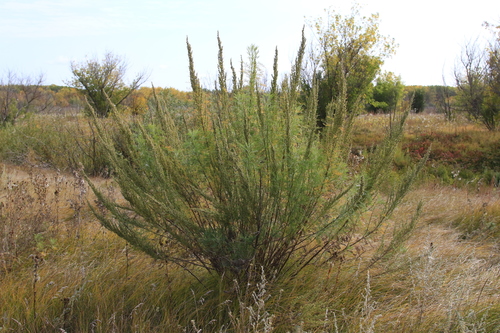
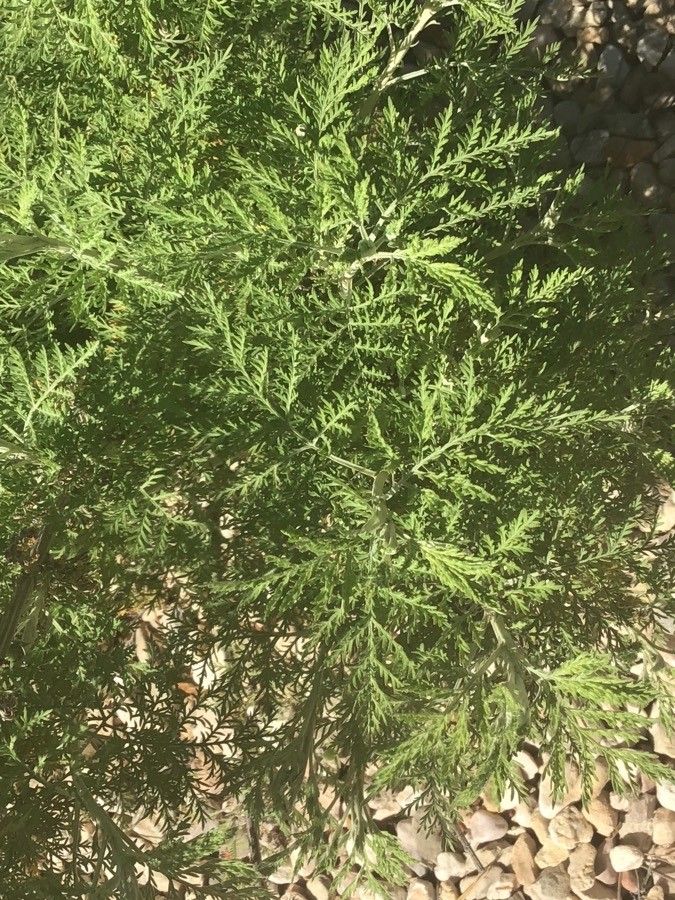
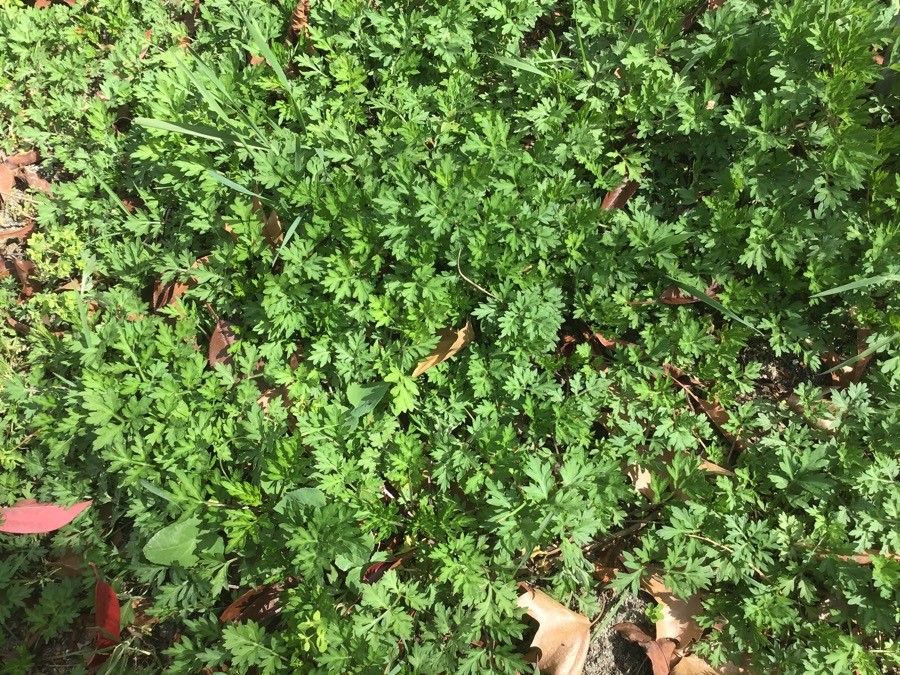
Artemisia alba, commonly known as white sagebrush, is a perennial herbaceous plant that belongs to the Asteraceae family. Native to the western United States, it thrives in arid and semi-arid regions. The plant can grow up to 1 meter in height and has a woody base with numerous branches.
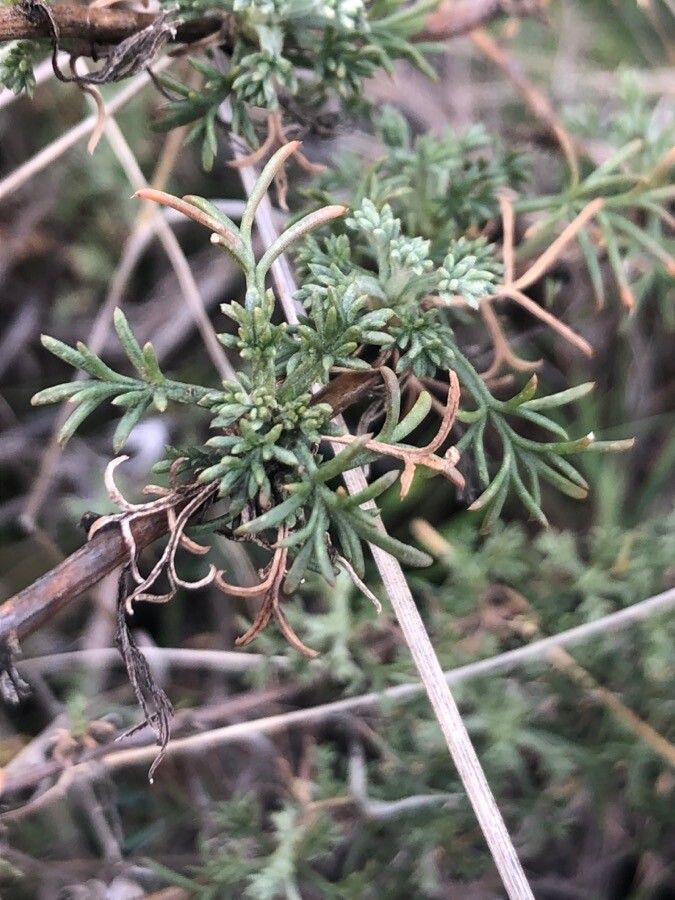
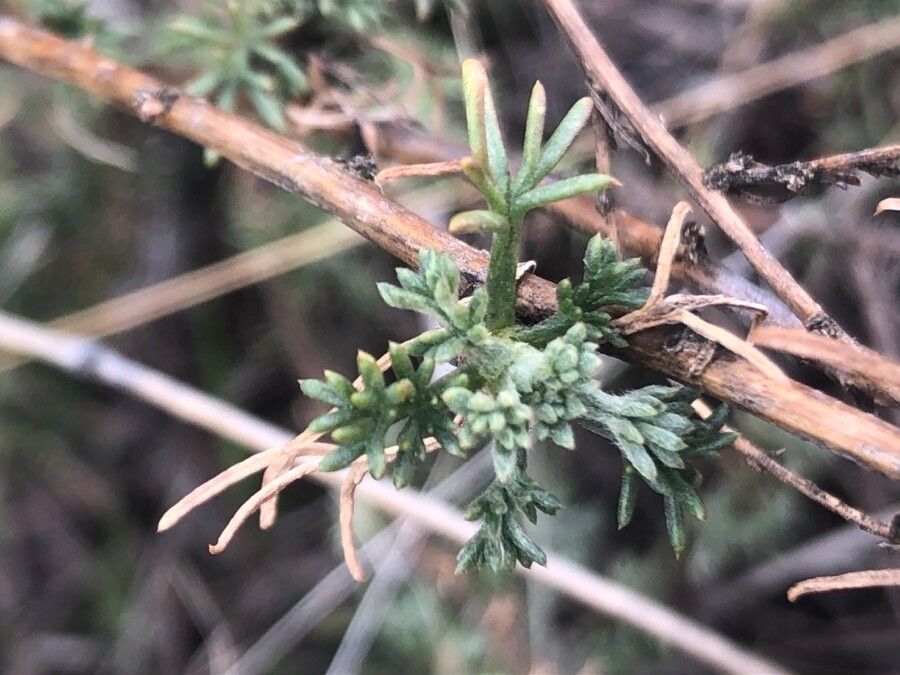
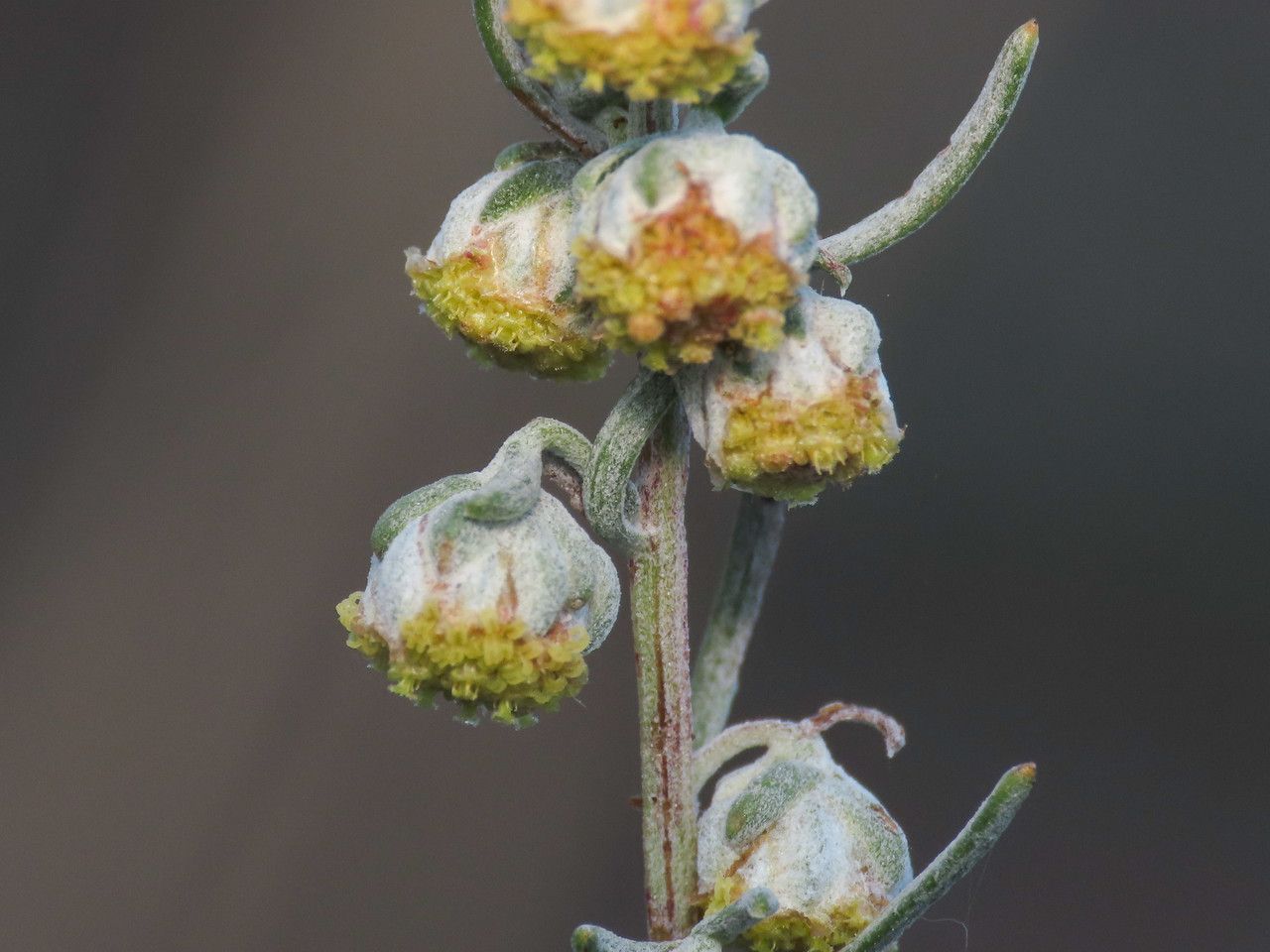
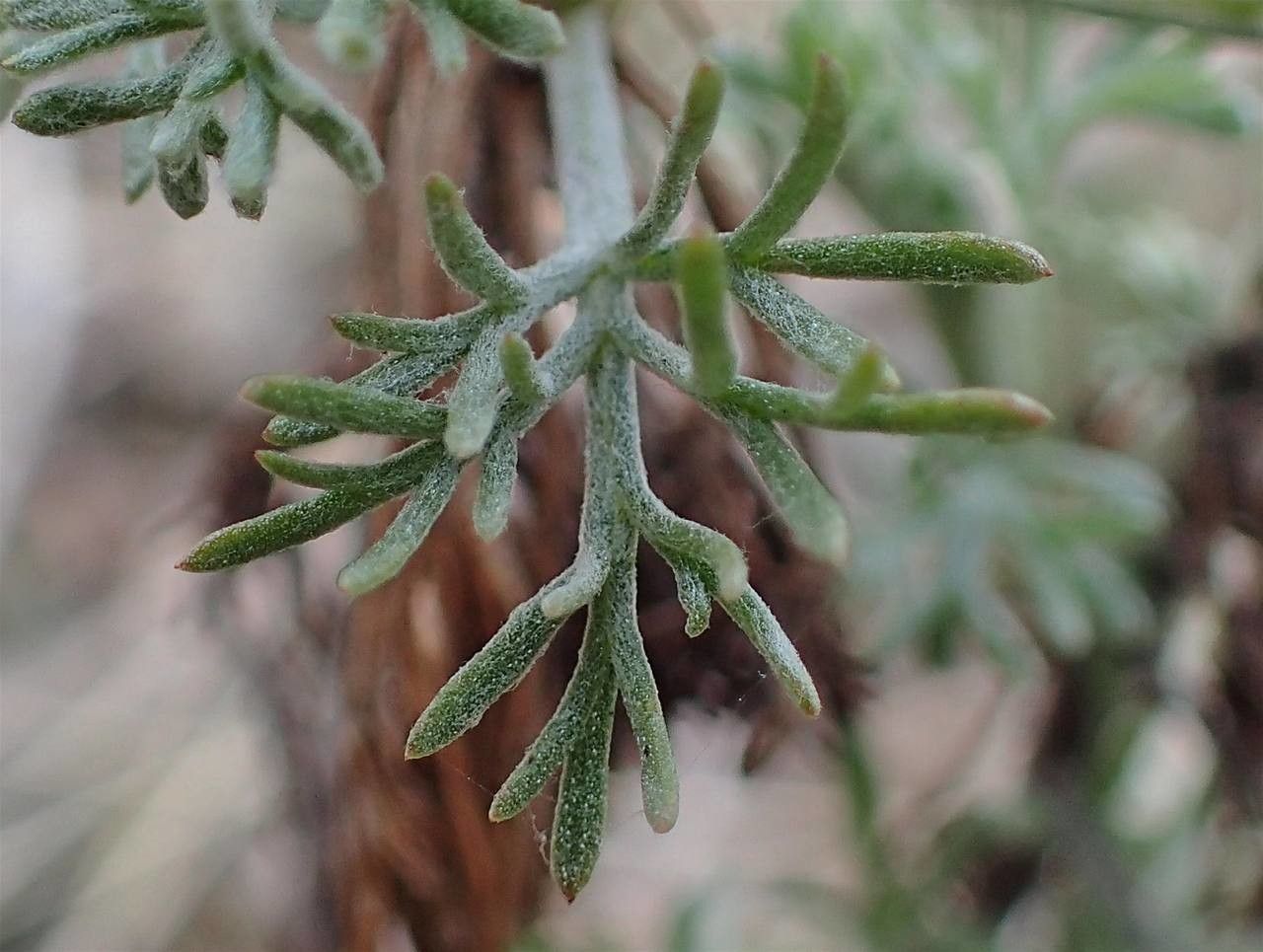
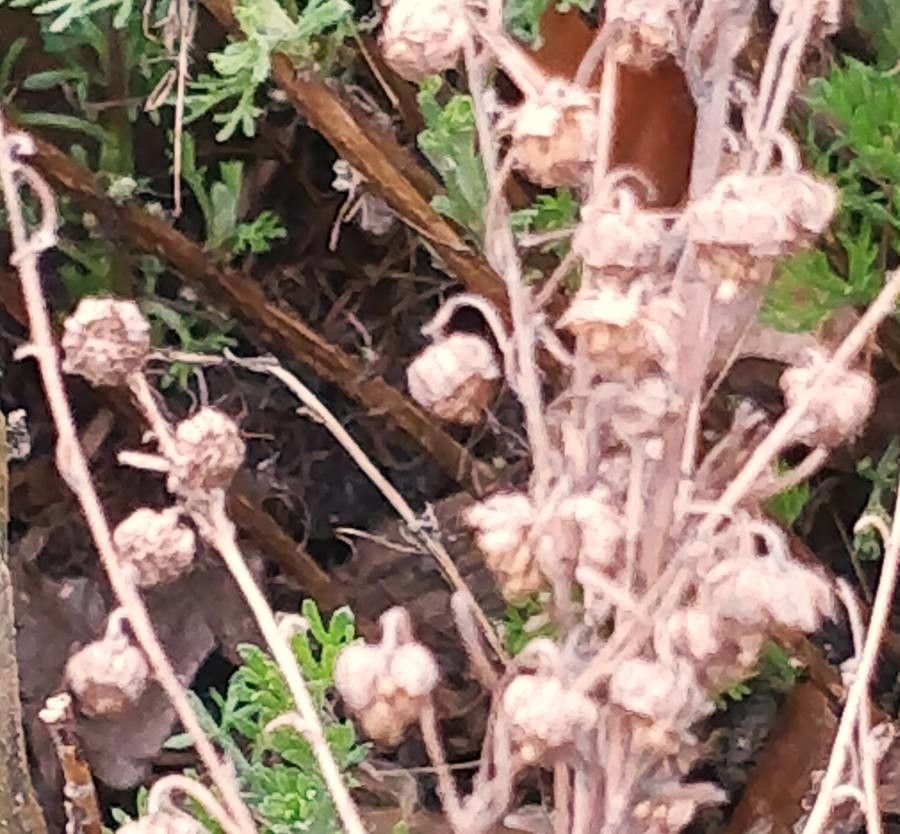
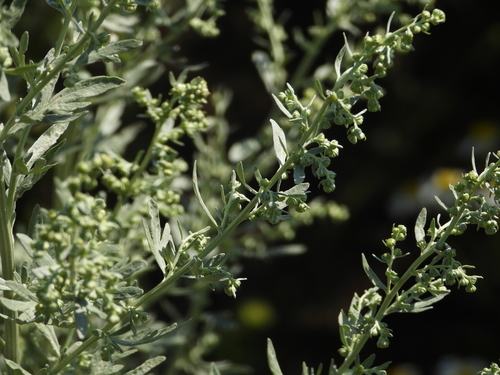
The leaves of Artemisia alba are silvery-white, narrow, and deeply lobed. Its small, yellowish-green flowers are arranged in clusters at the ends of branches. The plant blooms from July to September.
For centuries, Native American tribes have used Artemisia alba for medicinal purposes. The plant is believed to possess anti-inflammatory properties that can address various ailments, including headaches, fevers, colds, coughs, and digestive issues.
The essential oil extracted from Artemisia alba contains high levels of camphor, making it beneficial for aromatherapy, particularly for relaxation and stress relief.
Overall, Artemisia alba is an intriguing herbaceous perennial with significant medicinal and aromatic uses, solidifying its importance in traditional medicine practices around the world today.
Camphor wormwood is highly resistant to disease and typically does not suffer from illnesses. In terms of care, the plant is fairly low-maintenance. When grown outdoors it needs little watering, and larger specimens generally do not require pruning. Smaller plants, however, should be trimmed after they finish flowering. Camphor wormwood is suitable for anyone with an outdoor area, such as a garden or deck, and does not demand much gardening experience.
How to keep Artemisia Alba.
Light
Camphor wormwood comes from open habitats, such as sunny meadows and forest edges, which offer abundant light. It thrives in Full Sun but can also tolerate Partial Sun, adapting well to various sunlight conditions.
Water
Camphor wormwood seedlings and young plants need regular watering. However, once they mature, they become drought-tolerant and no longer require additional water. In areas with high rainfall or humidity, make sure the soil drains well to prevent root rot caused by overly wet conditions.
Temperature
Camphor wormwood is highly adaptable to a wide range of climate conditions, from blistering summers to cold winters. Nevertheless, it has an optimal temperature range for growth. If temperatures rise too far, the plant can experience heat and humidity stress, which may lead to its death. In areas where temperatures near the lower threshold of its cold tolerance, it's important to provide insulation to protect the plant.
Fertilizer
Fertilize your Camphor wormwood in early spring to encourage healthy growth. Regular fertilization boosts overall health, producing vigorous growth, greater tolerance of harsh conditions, and improved resistance to pests and diseases. Keep a consistent fertilizing schedule for your Camphor wormwood to maintain lush foliage with deep color and a full appearance.
Pruning
Camphor wormwood has aromatic leaves and is a resilient plant. To maintain its health and appearance, prune it in early spring. This is the best time to shape the plant and encourage new growth. Be sure to remove any dead wood and thin out branches to improve air circulation. Light trimming can also help promote a bushier appearance. Regular pruning will enhance the plant's vigor and ornamental appeal. For more detailed care instructions, consult horticultural guides.
Botanical profile.
- Plant Type
- Shrub
- Life Cycle
- Perennial
- Genus
- Artemisia
- Family
- Asteraceae
- Hardiness Zone
- 5-9
- Mature Height
- 30 cm to 61 cm
- Mature Spread
- 40 cm to 76 cm
- Leaf Color
- Silver, Light Gray
- Leaf Type
- Semi-evergreen
- Flower Color
- Yellow, White
- Flower Size
- 0.25 cm to 0.51 cm
- Bloom Time
- Mid summer, Late summer, Early fall
- Planting Time
- Spring, Summer
- Harvest Time
- Early fall, Mid fall
Other names.