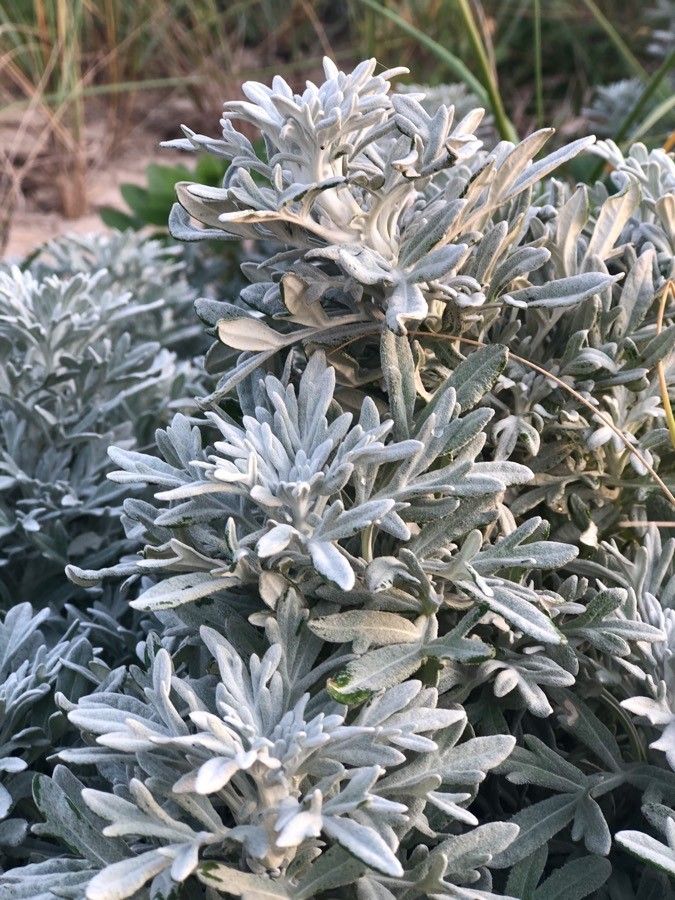
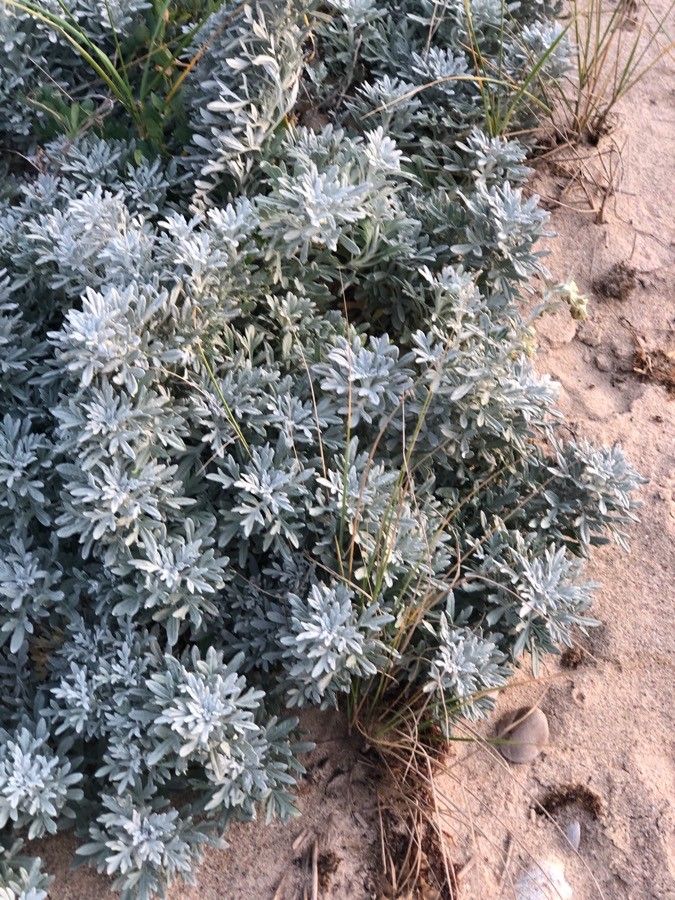
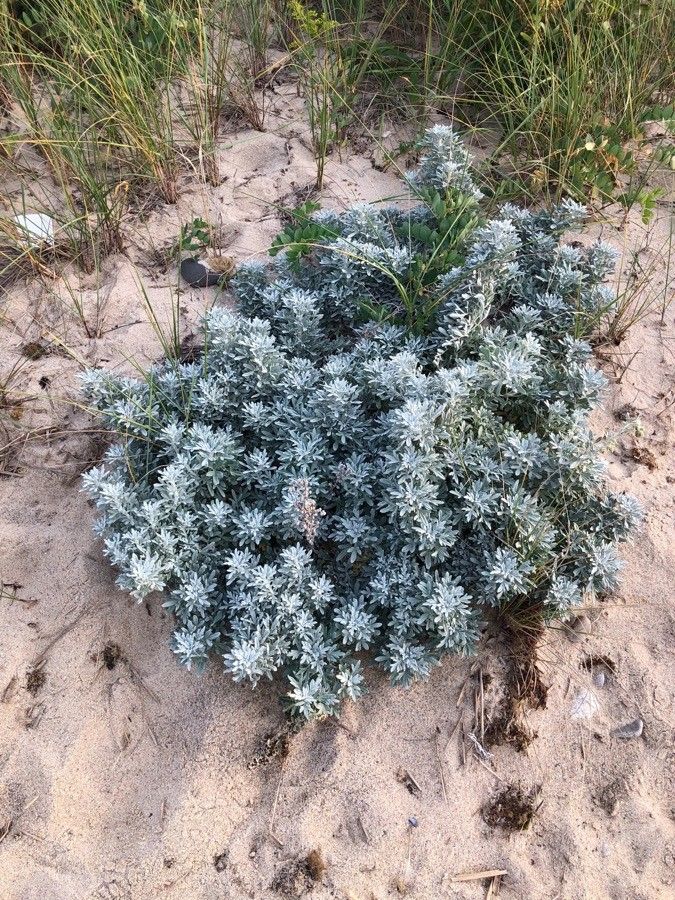
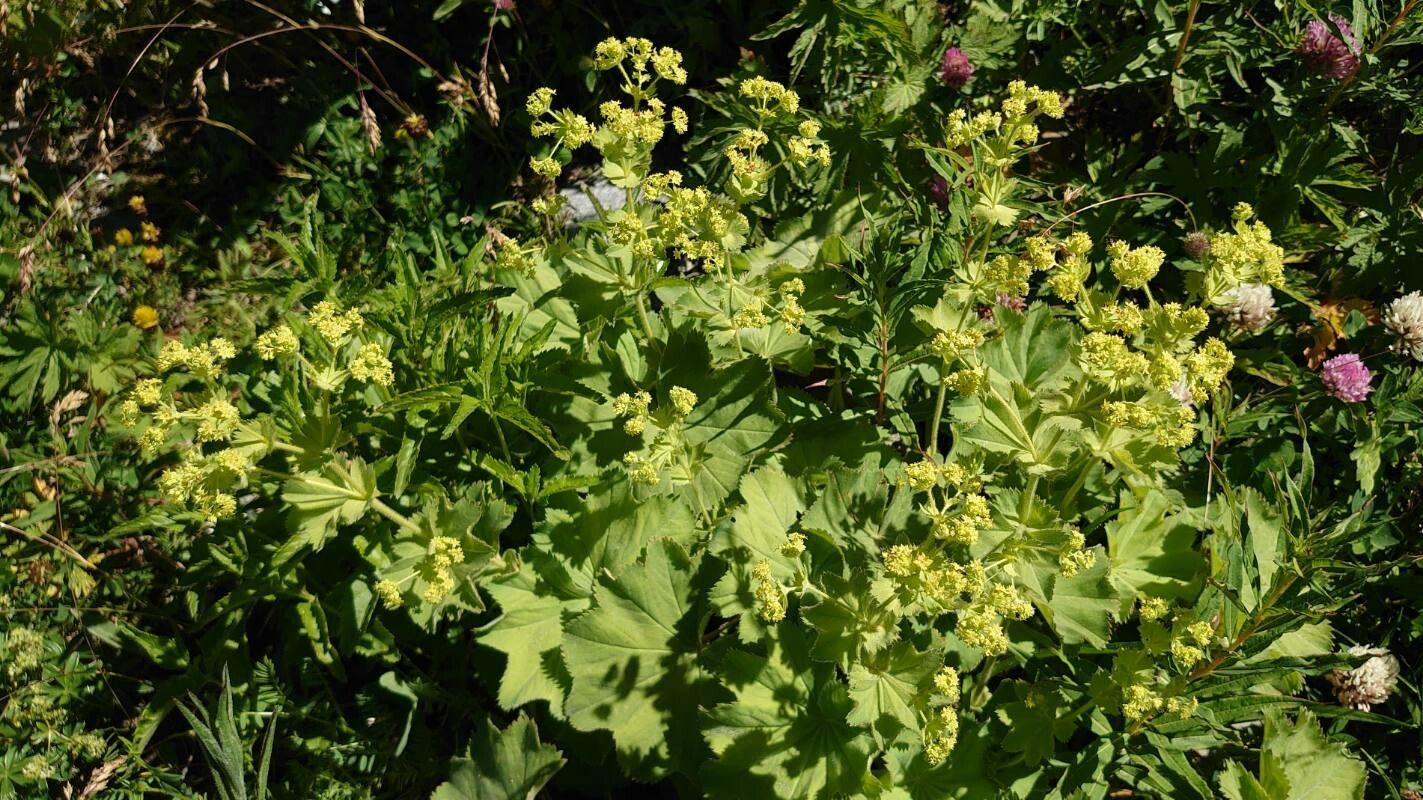
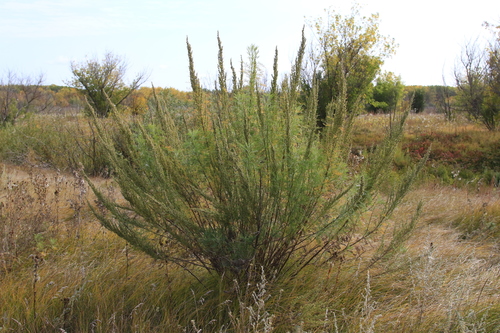
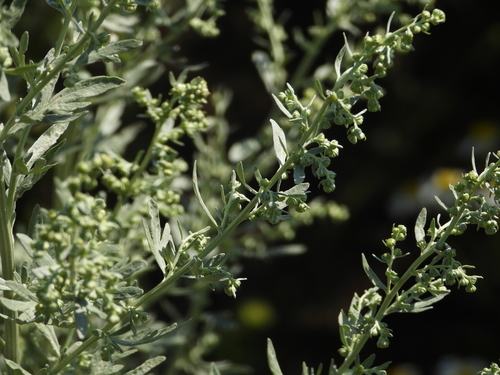
Artemisia stelleriana, commonly known as Dusty Miller or Old Woman, is a perennial herbaceous plant in the Asteraceae family. It is native to Siberia and parts of Asia but has been widely cultivated worldwide as an ornamental plant in gardens and landscapes.
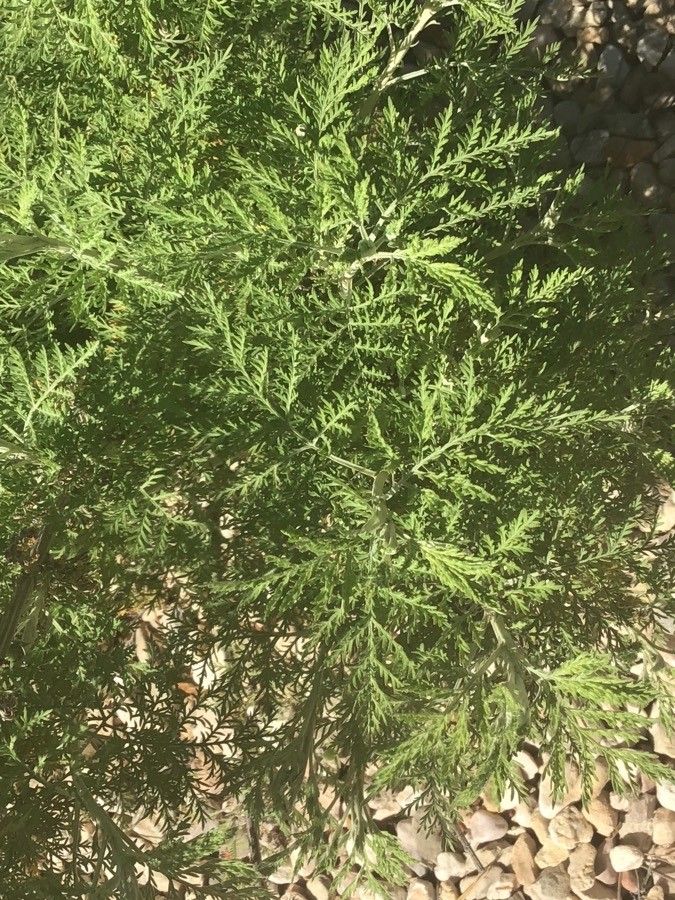
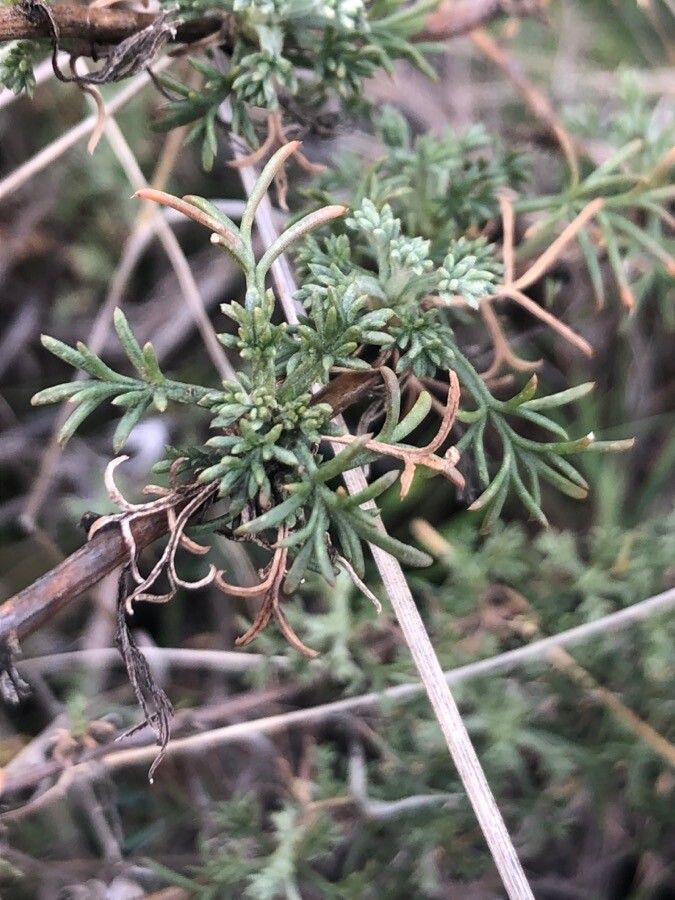
This low-growing plant features silvery-gray foliage that forms a dense mat. The deeply lobed leaves are soft and velvety in texture. While the stems are woody at the base, they become more herbaceous towards the top.
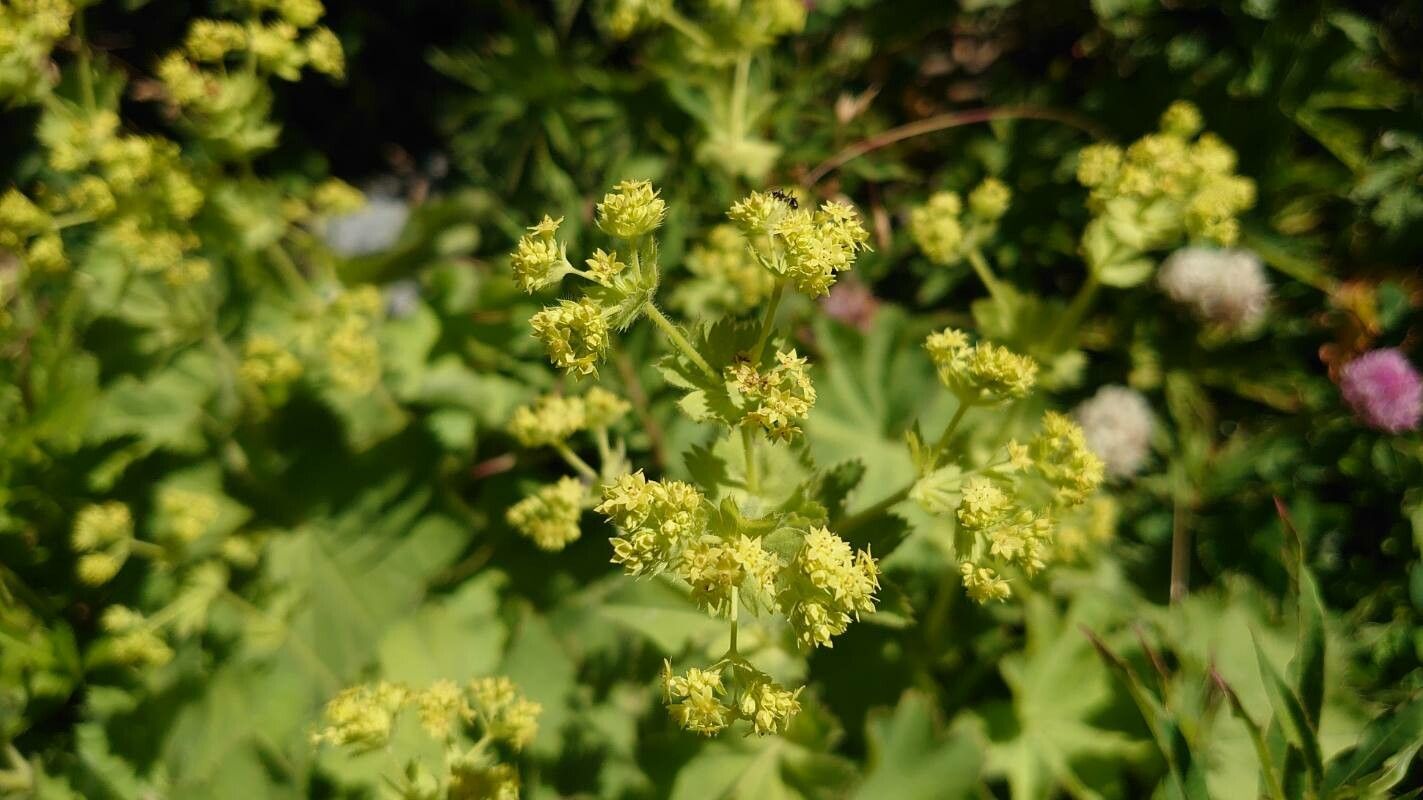
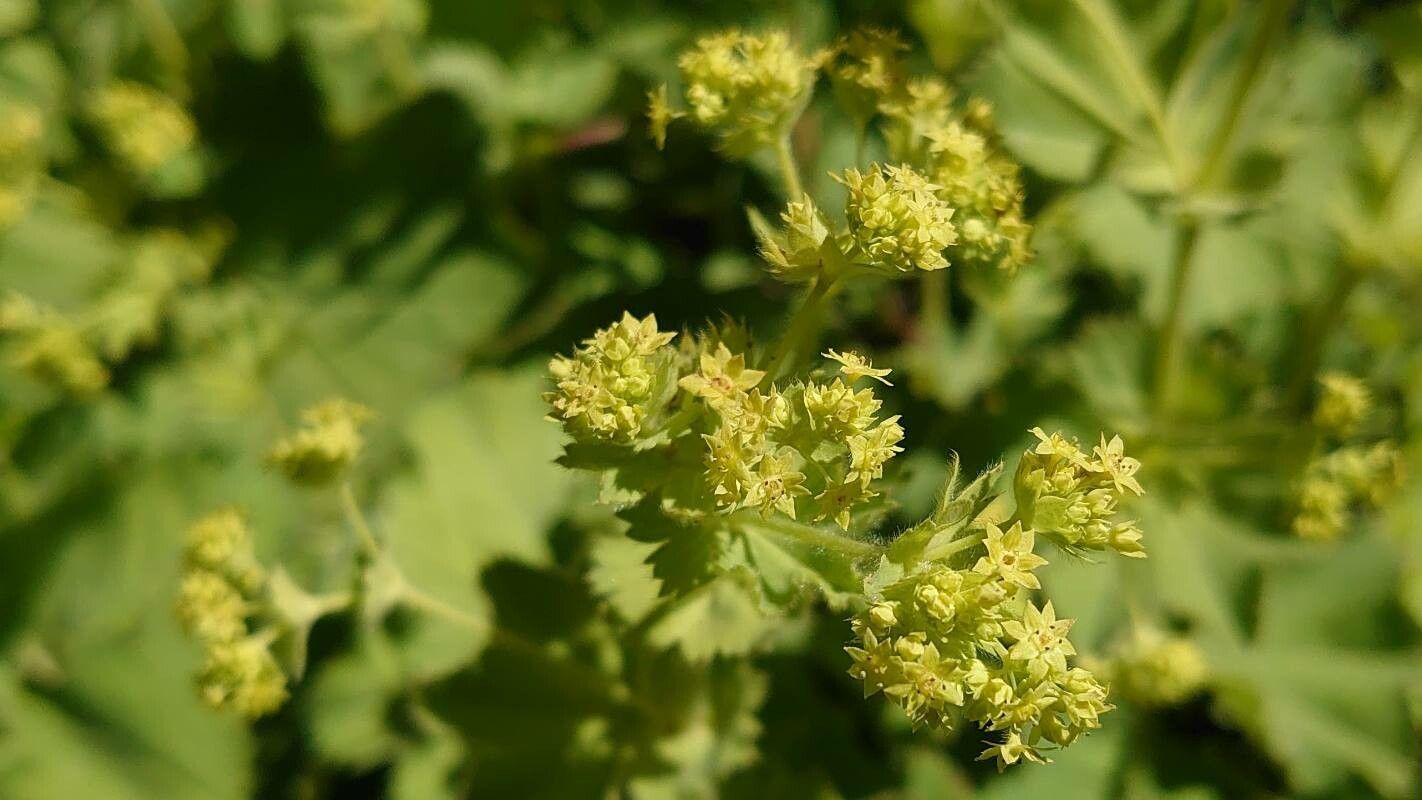
Artemisia stelleriana produces small yellow flowers in late summer or early fall. Although these flowers are not particularly showy, they attract pollinators such as bees and butterflies. The plant prefers full sun to partial shade and thrives in well-drained soil.
Dusty Miller is often used in garden borders, rock gardens, or as ground cover due to its attractive foliage and low maintenance requirements. Additionally, it has been used for medicinal purposes, such as treating digestive disorders or reducing inflammation.
Overall, Artemisia stelleriana is an appealing ornamental plant with unique foliage that can add interest to any garden setting. Its potential health benefits further enhance its value, making it a versatile and attractive choice for gardeners.
Hoary mugwort has strong resistance to disease and is generally not prone to illness. That said, it can still be affected by pests and diseases present in its surroundings. Such infections are usually mild. In terms of care, this plant needs moderate maintenance. Regular pruning is necessary to keep a neat appearance and encourage healthy growth. Fertilizing can also help stimulate flowering. Hoary mugwort is suitable for anyone with outdoor space, like a garden or patio, and does not require extensive care experience. It may need more attention when grown indoors.
How to keep Artemisia Stelleriana.
Light
Hoary mugwort grows best in full sun, which boosts its vigor and encourages strong growth. Native to habitats with abundant sunlight, it can show lacklustre growth if it doesn't receive enough light. Excessive sun, however, is not a problem for this sun-loving species.
Water
Hoary mugwort is a hardy perennial that thrives in coastal areas, where it tolerates salty sprays and drought conditions. It prefers dry environments and does well with weekly watering, as long as it isn't over-saturated. This resilient plant flourishes in rock gardens, adapting well to natural rainfall and maintaining its vigor even during infrequent rains.
Temperature
Hoary mugwort is naturally found in environments with temperatures between 32 and 95 °F (0 to 35 ℃). It does best in moderate climates. In particularly hot or cold seasons, moving the habitat's temperature closer to this preferred range will encourage healthier growth.
Fertilizer
Applying fertilizer once in spring is generally enough for Hoary mugwort, though multiple applications can maximize growth. Fertilize every month to every six weeks. Fertilization improves the leaves’ appearance and function, helping maintain uniform color and a healthy texture. It also promotes root development and nutrient uptake for the plant’s long-term health.
Pruning
Hoary mugwort has silvery foliage and benefits from regular pruning from early to late spring. Begin by removing any damaged stems and thinning out crowded areas to improve air circulation. This will encourage bushier growth and give the plant a tidy appearance. Additionally, remove spent flowers to maintain its neat look.
Pot & Repot
Repot hoary mugwort every 2 to 3 years during springtime. Use a wide, shallow container to encourage the plant's growth. Once repotted, place the plant in a sunny spot and water it sparingly to help establish strong roots.
Botanical profile.
- Plant Type
- Herb
- Life Cycle
- Perennial
- Genus
- Artemisia
- Family
- Asteraceae
- Hardiness Zone
- 3-9
- Mature Height
- 15 cm to 30 cm
- Mature Spread
- 30 cm to 34 cm
- Leaf Color
- Silver
- Leaf Type
- Evergreen
- Flower Color
- Yellow
- Flower Size
- 2.54 cm
- Bloom Time
- Early summer, Mid summer
- Planting Time
- Spring
- Harvest Time
- Mid summer
- Native Area
- Russia, Koppen, Japan
Other names.
Reader questions.
How should I water my Hoary mugwort so it thrives?
When caring for the Hoary mugwort, it is recommended to use filtered water at room temperature. Tap water may contain harmful particles, so using filtered water is better for the plant's health. The Hoary mugwort is accustomed to warmer environments, so using cold water can be a shock to its system. It is also advised to avoid overhead watering to prevent issues with the foliage. Instead, water the plant by applying filtered room temperature water directly to the soil until it is fully soaked. This method allows the roots to be moistened and continue spreading through the soil to gather nutrients.
Why do I have to put fertilizer on my Hoary mugwort?
The Hoary mugwort relies on its leaves for its main structure. Fertilizing the plant is crucial for ensuring that the leaves not only look great but also function effectively. Proper fertilization results in consistent leaf color and a healthy texture. Additionally, fertilization has benefits below the soil's surface, aiding in the growth of new roots and maintaining the existing root system. This not only keeps the plant healthy in the present but also enhances its ability to absorb soil nutrients in the long run.
What are the sunlight requirements for Hoary mugwort?
Hoary mugwort requires full exposure to the sun for optimal growth, typically thriving in conditions where it receives more than 6 hours of sunlight daily. This sunlight exposure is crucial for its vigor and robust growth, as the plant originates from environments accustomed to abundant sunlight. Lack of sufficient light can lead to lackluster growth, although overexposure is not a concern for this sun-loving species. Additionally, it is important to watch how sunlight moves through your garden, selecting spots that ensure a perfect balance of light and shade for plant health.
What is the natural temperature range for Hoary mugwort?
Hoary mugwort thrives in environments where the temperature ranges from 32 to 95 °F (0 to 35 °C), preferring moderate climates. It has strong cold resistance, making special frost protection measures unnecessary except in extreme cold below -35°C. For optimal health, it's important to maintain temperatures within its preferred range, especially during seasonal extremes.
What do I do if I give too much or too little water to my Hoary mugwort?
Both overwatering and underwatering can harm the health of your Hoary mugwort, but overwatering is more likely to happen. When this plant gets too much water, its stems and leaves may wilt and turn yellow. Overwatering for a long time can also cause diseases like root rot, mold, and mildew, which can kill the plant. Underwatering is less common for the Hoary mugwort because it can tolerate drought. However, underwatering can still occur, and in that case, the leaves will become dry and brown. It's important to notice the signs of overwatering early when caring for your Hoary mugwort. Some of the diseases caused by overwatering, such as root rot, may be irreversible if you wait too long. If you notice early signs of overwatering, reduce your watering schedule immediately. Check the quality of the soil where your Hoary mugwort grows. If the soil doesn't drain well, replace it with a loose, well-draining potting mix. If you see signs of underwatering, simply water the plant more regularly until the signs go away.
When should I fertilize my Hoary mugwort plant?
If you grow your Hoary mugwort outdoors each year, it will start sprouting new leaves in early spring. This is the cue to start fertilizing. Usually, one application of fertilizer when spring arrives is enough for a Hoary mugwort to thrive. However, if you want to maximize its growth, you can feed it several times throughout the spring and early summer. In this case, you can fertilize your Hoary mugwort roughly once every month to a month and a half.
How can artificial lighting benefit indoor Hoary mugwort plants?
Indoor plants, including Hoary mugwort, may require artificial lighting for optimal growth, especially in conditions where natural sunlight is insufficient, such as during winter or in less sunny spaces. Artificial lights, like LEDs, are beneficial as they can be tailored to provide specific wavelengths necessary for plant growth. For full sun plants, 30-50 watts per square foot is recommended; for partial sun plants, 20-30 watts per square foot; and for full shade plants, 10-20 watts per square foot. The light source should be placed 12-36 inches above the plant and kept on for 8-12 hours per day to mimic natural daylight hours, promoting faster, healthier growth.
How can I protect Hoary mugwort in winter?
During winter, Hoary mugwort usually does not require special frost protection thanks to its strong cold resistance. However, if temperatures are expected to drop below -35°C, it's crucial to provide protection by covering the plant with insulating materials like soil or straw. Additionally, watering the plant abundantly before the first freeze in autumn helps ensure the soil remains moist and prevents drought and water scarcity during the colder months.
How often should I give water to my Hoary mugwort?
If your Hoary mugwort is in a pot, the most precise way to decide if it needs water is by checking the soil. Simply stick your finger into the soil and if the top two to three inches are dry, then it's time to water. If you have planted your Hoary mugwort outdoors in the ground, you can use a similar method to test the soil moisture. Once again, if the first few inches of soil have dried out, then it's time to water. Typically, during spring and early fall, you'll need to water this plant about once every week using this method. However, when very hot weather arrives, you may have to increase the frequency to about twice or even more per week. It's worth noting that mature, well-established Hoary mugwort plants have an admirable ability to withstand drought.
When should I not put fertilizer on my Hoary mugwort?
During the fall and winter, your Hoary mugwort will go into a dormant phase and stop growing. It's best to avoid fertilizing it during this time. If you choose to fertilize in the spring and summer, start reducing the amount as summer approaches because the growth rate of your Hoary mugwort will slow down. It's never a good idea to fertilize when it's unusually hot or when the soil is extremely dry, as this can stress your Hoary mugwort and cause it to die early.
What are the symptoms of insufficient or excessive sunlight in Hoary mugwort?
Insufficient sunlight in Hoary mugwort leads to symptoms like smaller new leaves, leggy or sparse growth, faster leaf drop, slower or no new growth, and lighter-colored new leaves. Excessive sunlight can cause chlorosis (leaves turning yellow), sunscald (damage from intense sunlight exposure), leaf curling (to minimize water loss), wilting (loss of turgor pressure), and leaf scorching (brown, dry edges on leaves). These symptoms indicate the plant's struggle with adapting to incorrect light levels, highlighting the importance of providing the right amount of sunlight for healthy growth.
What are the symptoms and solutions for Hoary mugwort when exposed to low temperatures?
Hoary mugwort is cold-tolerant but thriving best above 0°C while needing protection if temperatures fall below -35°C as it may impact spring sprouting. There may not be noticeable changes during winter, but a decrease in sprouting or complete absence of sprouting might occur by spring. The solution in spring is to remove any parts of the plant that have failed to sprout.