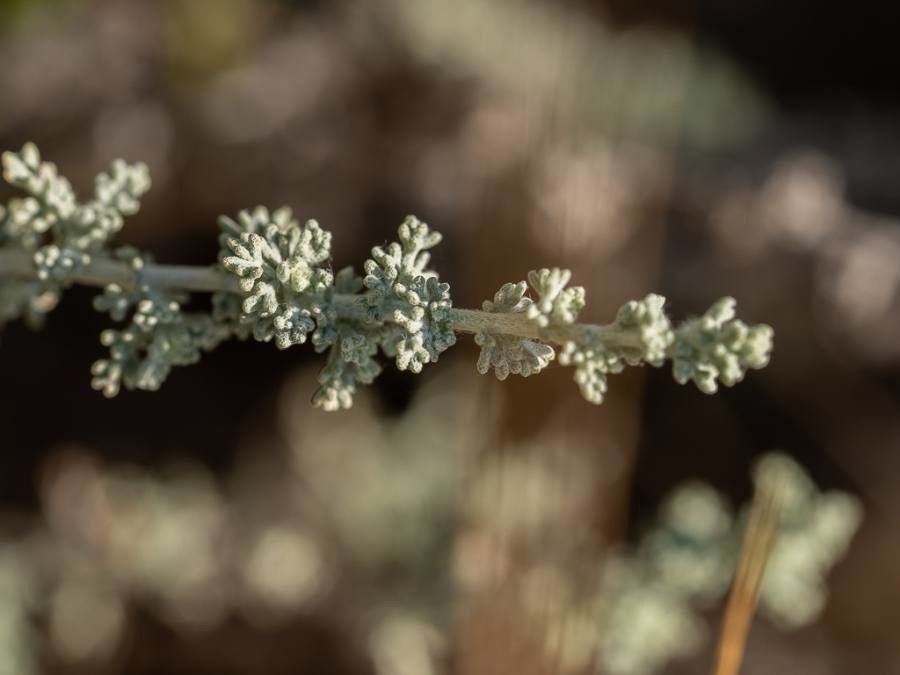
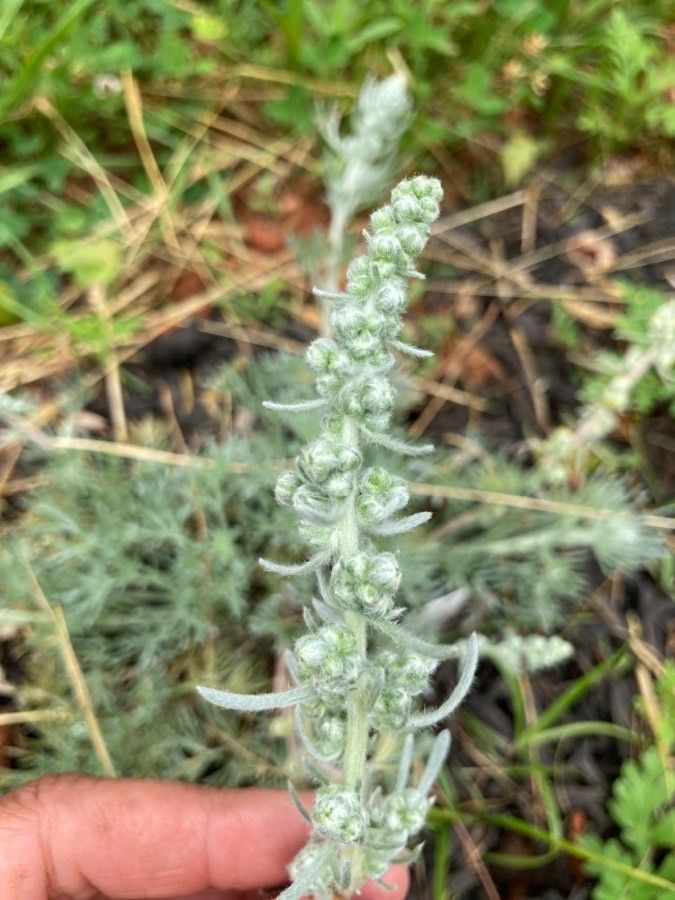
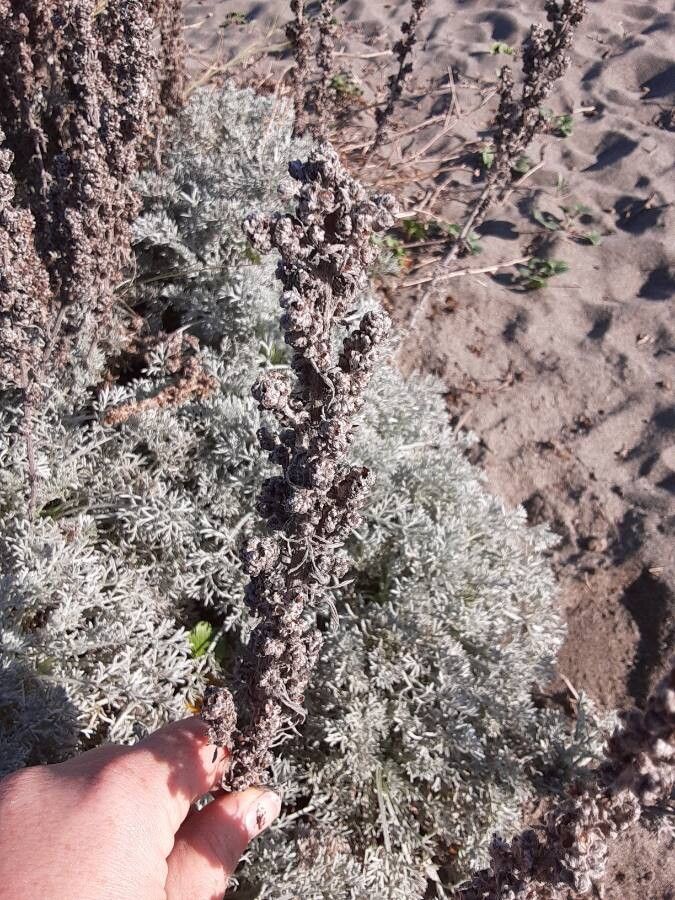
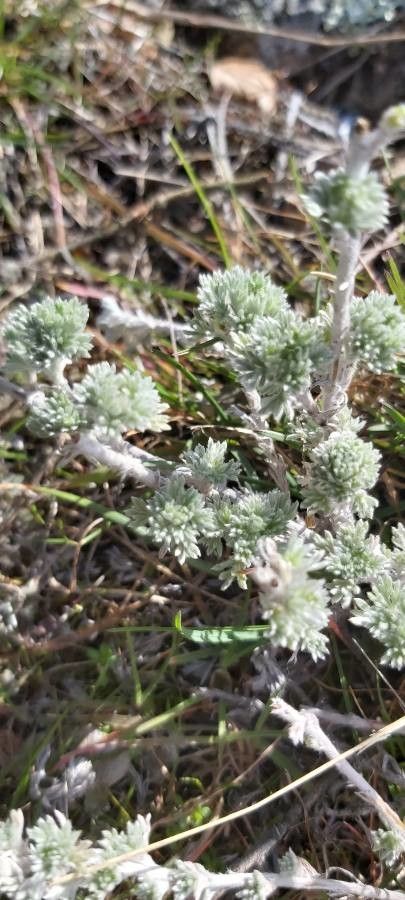
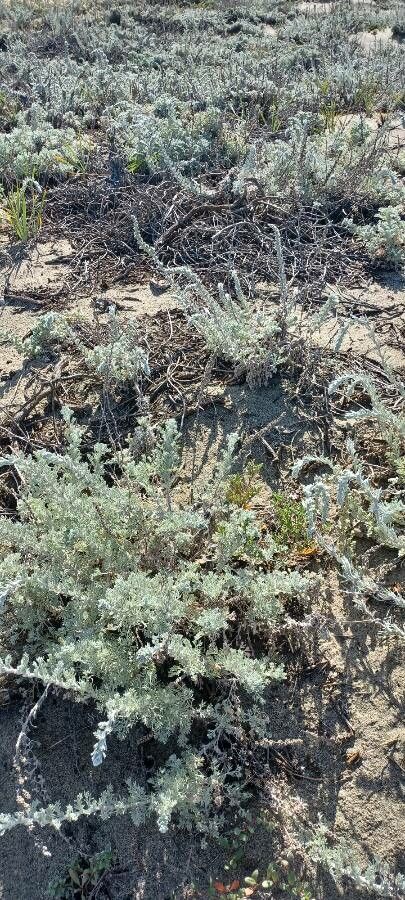
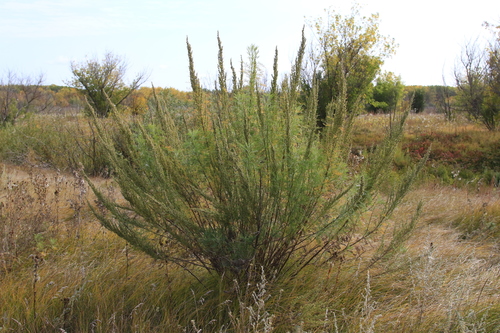
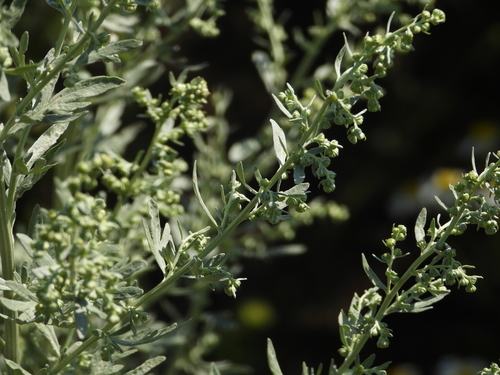
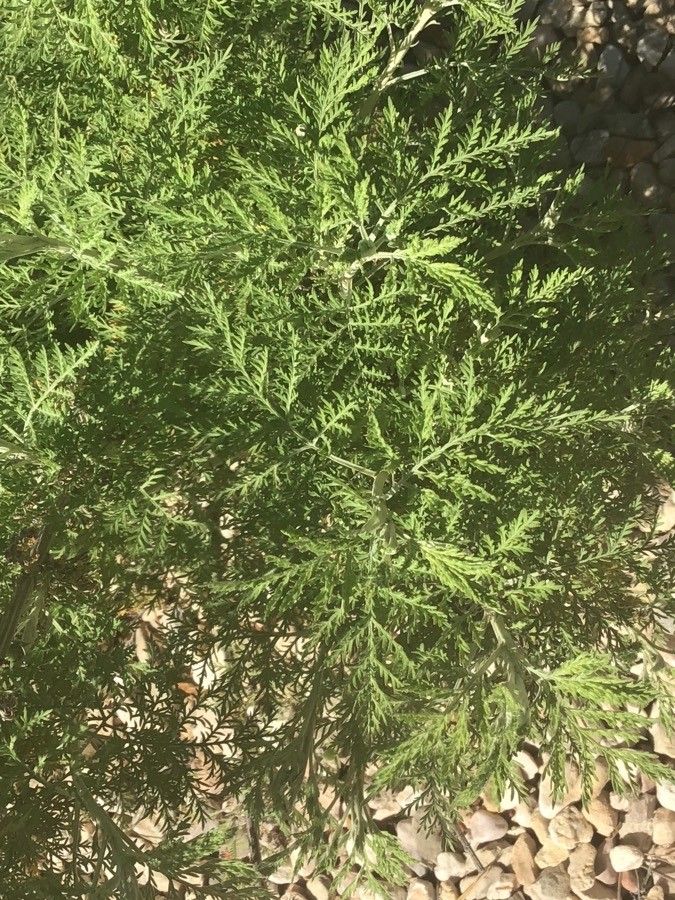
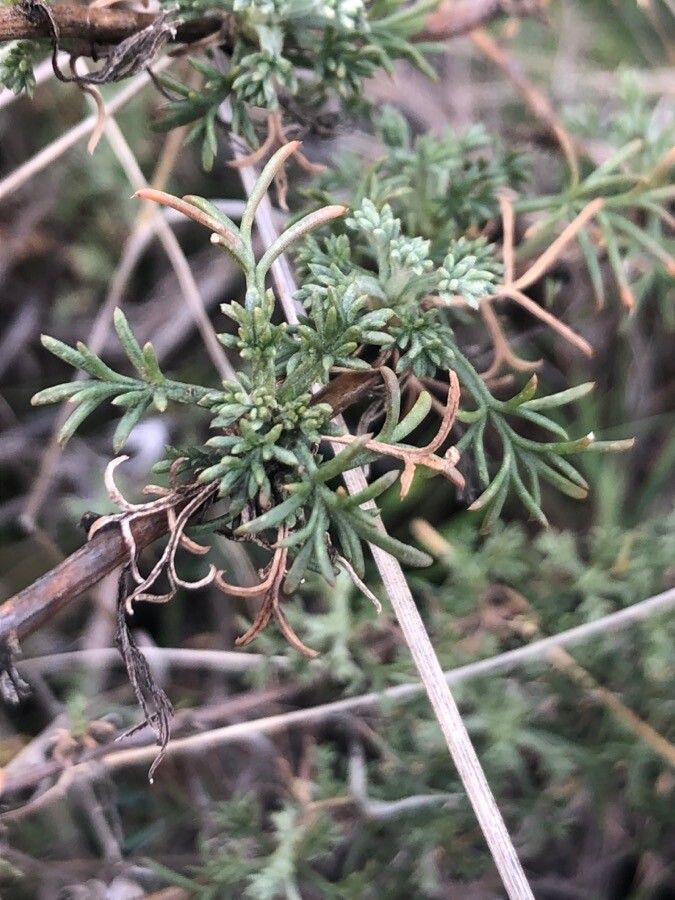
Artemisia pycnocephala, commonly known as beach wormwood or sand sagebrush, is a perennial shrub in the Asteraceae family. Native to the western regions of North America, including California and Nevada, this plant typically grows to a height of 1-3 feet. It features a woody stem and silver-gray leaves that are finely divided into small segments.
Beach wormwood thrives in sandy soils and is drought-tolerant. In late summer or early fall, it produces small yellow flowers that attract pollinators like bees and butterflies. The leaves have a strong aroma due to their high concentration of essential oils.
For centuries, Native American tribes have used Artemisia pycnocephala for medicinal purposes. Its leaves served as an herbal remedy for various ailments, including fever, colds, coughs, and digestive issues.
Beyond its medicinal properties, this plant has ornamental value due to its attractive foliage and texture. It is commonly used in xeriscaping projects and planted along coastal areas to help stabilize sand dunes.
Overall, Artemisia pycnocephala is a noteworthy shrub with practical medicinal uses and aesthetic appeal. It makes an excellent addition to any garden or landscape project, especially for those seeking low-maintenance, drought-tolerant plants that provide year-round visual interest.
Beach wormwood is resistant to disease and typically does not suffer from illnesses. In terms of care, the plant is fairly low-maintenance. When grown outdoors it needs little watering, and larger specimens generally do not require pruning. Smaller plants, however, should be pruned after they have finished blooming. Beach wormwood is suitable for anyone with an outdoor area, such as a garden or deck, and does not demand much gardening experience.
How to keep Artemisia Pycnocephala.
Light
Beach wormwood grows best in open skies with the most daylight possible — a preference it owes to its natural coastal habitat. Still, low light does not bother it much. Uneven or excessive light can interfere with its growth and development, leading to paler coloration and weaker foliage.
Water
Beach wormwood, which originates from coastal areas, is drought-tolerant and thrives in high-salinity environments. It requires minimal watering—once every two to three weeks—and prefers full sun and sandy soils. These characteristics make it ideal for outdoor cultivation, as it needs less frequent irrigation compared to other garden plants.
Temperature
Beach wormwood originates from a climate where temperatures commonly fall between 32 and 77 °F (0 to 25 ℃). It favors cooler environments and is found in frost-hardy regions. For year-round cultivation, you might need to modify heating or cooling according to seasonal changes.
Fertilizer
Fertilize your Beach wormwood in early spring to encourage healthy growth. Regular feeding improves overall health, producing vigorous growth, increased resilience to harsh conditions, and enhanced resistance to diseases and pests. Keep to a consistent fertilization schedule to maintain vibrant foliage with deep color and a lush appearance.
Pruning
Beach wormwood features silver-green leaves and a bushy growth habit, making it well-suited for coastal areas. To maintain its shape and health, it's beneficial to prune annually during the winter. This process removes dead stems and improves air circulation. Additionally, cutting back one-third of the older growth encourages new shoots, enhancing the plant's overall visual appeal.
Botanical profile.
- Plant Type
- Shrub
- Life Cycle
- Perennial
- Genus
- Artemisia
- Family
- Asteraceae
- Hardiness Zone
- 3
- Mature Height
- 49 cm
- Mature Spread
- 91 cm
- Leaf Color
- Silver, Gray
- Leaf Type
- Evergreen
- Flower Color
- Yellow
- Flower Size
- 0.25 cm to 0.51 cm
- Bloom Time
- Summer
- Planting Time
- Spring, Summer, Autumn
- Harvest Time
- Late summer, Early fall, Mid fall
Other names.
Reader questions.
How should I water my Beach wormwood plant?
You can water your Beach wormwood using any common watering tool, such as watering cans, hoses, or cups. Make sure to apply the water directly to the soil to evenly moisten all areas and provide the necessary water for the root system. Filtered water is preferred to avoid harmful particles from tap water. Additionally, using water that is at or slightly above room temperature is recommended to prevent shocking the Beach wormwood. However, this plant typically responds well to any type of water.
Why should I put fertilizer on my Beach wormwood?
No matter which type of Beach wormwood you have, regular fertilization is key for maintaining its overall health. Proper nutrient supply encourages robust growth, making your plant more resilient to difficult conditions and better able to combat diseases and pests. Since the foliage of your Beach wormwood is an appealing attribute, it is important to ensure its preservation. This entails establishing and following a fertilization schedule tailored to your specific Beach wormwood. By doing so, you will encourage the growth of vibrant, deeply colored leaves, giving your plant a lush and attractive appearance.
What are the sunlight requirements for Beach Wormwood?
Beach Wormwood requires full sun, which means it needs above 6 hours of sunlight per day, or partial sun, about 3-6 hours of sunlight daily. It's important to observe how sunlight moves through your garden to pick spots that offer the right balance of light and shade for the plants, ensuring their growth and happiness.
What is the ideal climate for beach wormwood?
Beach wormwood, known botanically as Artemisia pycnocephala, thrives in climates with temperatures ranging from 32 to 77 °F (0 to 25 °C). It prefers cooler conditions and is frost-hardy, meaning it can withstand cold without requiring special frost protection measures. However, to help it through winter and early spring, it's recommended to water the plant generously before the first freeze in autumn to ensure the soil remains moist.
What do I need to do if I give my Beach wormwood too much or too little water?
Outdoor plants, especially newly planted ones, can be susceptible to lack of water. Remember to water them adequately for a few months, especially when they are small or newly planted. Once the roots are established, Beach wormwood can rely on rain most of the time. However, when Beach wormwood is in pots, overwatering is a common issue. If you accidentally overwater your Beach wormwood, take immediate action to remedy the situation. First, stop watering the plant to minimize the effects. Then, carefully inspect the roots by removing the plant from its pot. If there is no root rot, you can put the plant back in its pot. If there is root rot, trim the affected roots and apply a fungicide if needed. Finally, repot the Beach wormwood in well-draining soil. On the other hand, underwatering is easier to fix. If you notice drooping, dry, and falling leaves, water the plant more often. Adjust your watering frequency promptly when underwatering occurs to ensure the plant's leaves regain fullness.
What is the ideal time to fertilize my Beach wormwood?
To ensure healthy growth, it is recommended to fertilize your Beach wormwood in late winter or early spring. This provides the plant with the necessary nutrients as the weather warms up. If you live in a warm climate region, it can be beneficial to also fertilize your Beach wormwood in early fall. This helps add nutrients to the soil for the next growing season and improves the plant's ability to withstand winter cold without foliage damage. Fertilizing earlier in the year allows new branches to grow and be more resistant to winter conditions.
How does Beach Wormwood adapt to different lighting conditions?
Beach Wormwood thrives best under open skies with maximum daylight due to its coastal habitat origins. While it can tolerate a range of light conditions, inadequate light may lead to distorted growth, paleness, and weaker foliage. To support growth in less sunny spaces or during winter, artificial lighting can be vital. Indoor plants can benefit from LED lights set at the right distance and for an appropriate duration to mimic natural sunlight, ensuring healthy growth.
How does beach wormwood react to low temperatures?
Beach wormwood exhibits remarkable cold tolerance and can withstand winter temperatures down to -35°C. If temperatures fall below this threshold, you might not notice any immediate harm during winter. However, by springtime, branches could become brittle and dry, with no new shoots emerging. The suggested solution for this is to prune away dead branches that have failed to produce new leaves come spring.
How often do I need to water my Beach wormwood?
If your area doesn't get much rain, you'll need to water your outdoor plants every 2 weeks in spring and fall, more often in summer, and less in winter. Young or newly planted Beach wormwood will need more frequent watering to help it establish, while mature and drought-tolerant plants require less. For potted plants, you can either stick to a set watering schedule (around once a week or every other week) or check the soil moisture and water when the top 2 to 4 inches have dried out completely.
When is it not a good idea to fertilize my Beach wormwood?
There are specific times of the year when you should avoid fertilizing your Beach wormwood. Firstly, during the early and mid-winter months when the plant is dormant and does not require feeding. Secondly, it is not advisable to fertilize the plant in late spring and throughout the summer due to hotter and drier weather conditions. Fertilizing during this time may negatively affect the plant. To prevent any issues, it is recommended to follow a fertilization schedule that consists of feeding only in early spring and early fall.
What symptoms indicate light deficiency in Beach Wormwood?
When Beach Wormwood receives insufficient sunlight, it may show several symptoms: smaller new leaves, leggy or sparse growth, premature leaf drop, delayed or ceased growth, paler new leaves, and symptoms of chlorosis. Conversely, too much sunlight can result in sunscald, leaf curling, wilting, leaf scorching, indicating that the plant's exposure needs to be carefully managed.
What should I do if beach wormwood experiences high temperatures?
Beach wormwood struggles in high temperatures, particularly those exceeding 25°C. In these conditions, the plant may lose leaves significantly, and in extreme cases, it may wither and die. If your beach wormwood suffers from high-temperature stress, trim away sunburned and dried-up parts of the plant. To alleviate heat stress, relocate the plant to a shadier spot or use a shade cloth to protect it from midday and afternoon sun. Additionally, ensure to water the plant during cooler times of the day, such as morning and evening, to keep the soil moist.