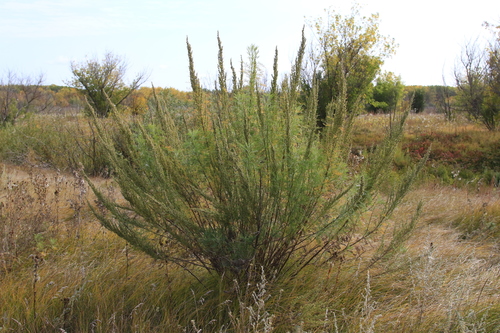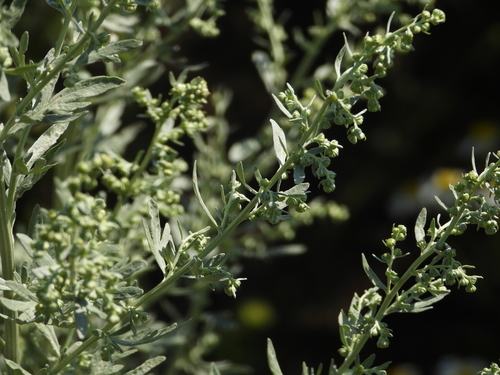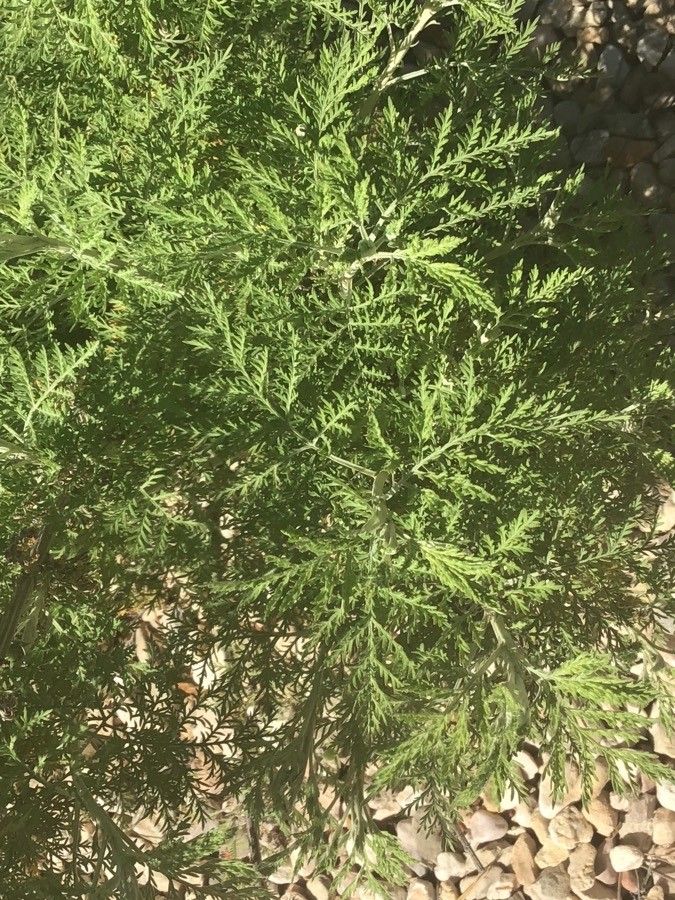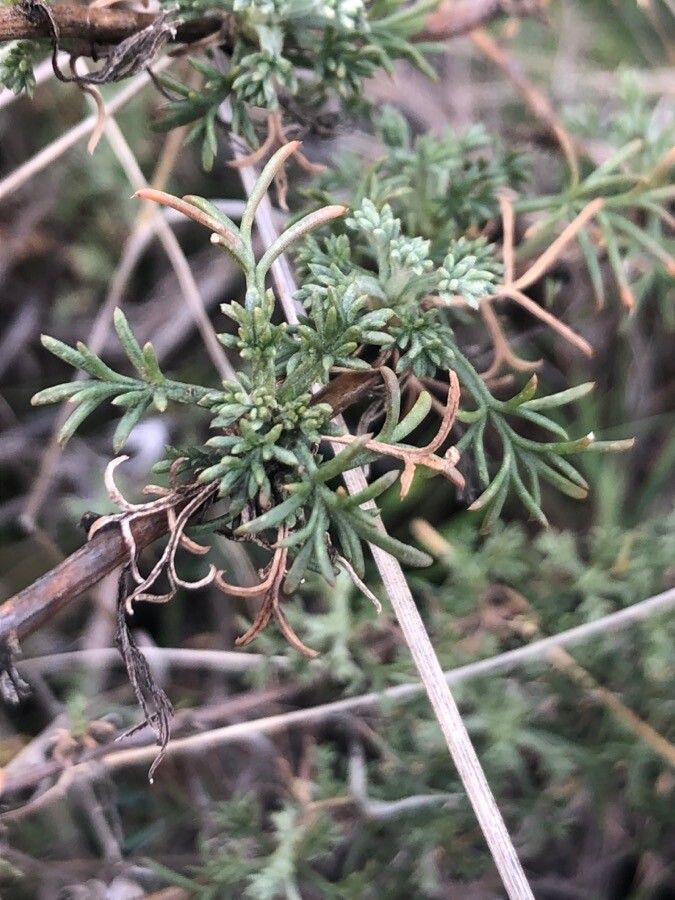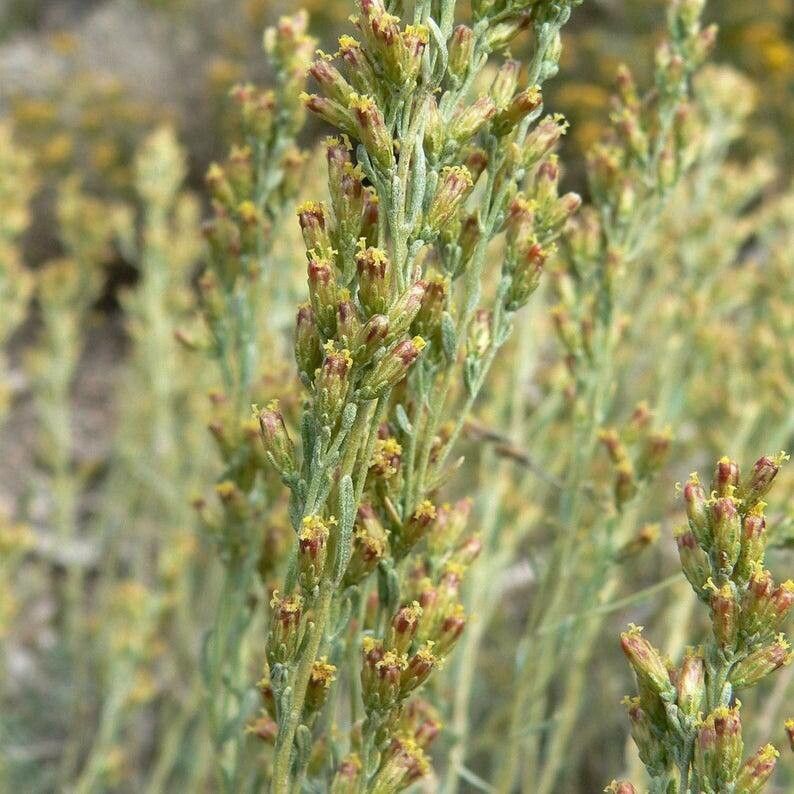
Artemisia nova is a North American species of sagebrush, known by the common name black sagebrush. It is "one of the most common shrubs in the western United States".
Black sagebrush is resistant to disease and generally does not tend to get sick. In terms of care, this plant is fairly low-maintenance. When grown outdoors it needs only minimal watering, and larger plants typically do not require pruning. Smaller plants, however, should be pruned after they finish blooming. Black sagebrush is suitable for anyone with outdoor space, such as a garden or a deck, and does not demand much gardening experience.
How to keep Artemisia Nova.
Light
Black sagebrush does best in its native habitat when exposed to unfiltered sunlight throughout the day. Its vigorous growth depends on plentiful light. Meeting this requirement is important at every stage of development. However, both too much and too little light can be detrimental.
Water
Black sagebrush is well-suited to arid environments and demonstrates exceptional drought tolerance. It requires watering every 2 to 3 weeks. However, in dry climates, slightly more frequent watering might be helpful during extended rainless periods to support its growth cycles.
Temperature
Black sagebrush is a hardy plant that does well in areas where temperatures range from 41 to 89.6 °F (5 to 32 ℃). In its native habitat, it tolerates seasonal temperature fluctuations. Consequently, it requires little adjustment to relatively cooler or warmer conditions. Adapting to extreme temperatures may impede its growth.
Fertilizer
Fertilize your Black sagebrush in early spring to encourage healthy growth. Regular feeding improves overall health, leading to vigorous growth, greater tolerance of harsh conditions, and increased resistance to diseases and pests. Stick to a consistent fertilization schedule for your Black sagebrush to keep the foliage vibrant, deeply colored, and lush in appearance.
Pruning
Black sagebrush is characterized by its silvery-gray leaves and delightful aroma. For optimal care, prune it in early spring. Focus on removing dead branches and thinning out dense areas to improve air circulation. Be careful, though, to avoid heavy pruning, as this can stress the plant. Always use clean tools to ensure healthy cuts, which will promote robust growth and vigor.
Botanical profile.
- Plant Type
- Shrub
- Life Cycle
- Perennial
- Genus
- Artemisia
- Family
- Asteraceae
- Hardiness Zone
- 4-8
- Mature Height
- 20 cm to 61 cm
- Mature Spread
- 61 cm
- Leaf Color
- Silver, Gray
- Leaf Type
- Deciduous
- Flower Color
- Yellow
- Flower Size
- 0.25 cm
- Bloom Time
- Late summer, Early fall
- Planting Time
- Spring, Autumn
- Harvest Time
- Early fall, Mid fall