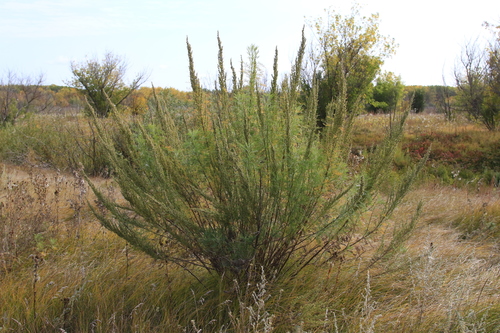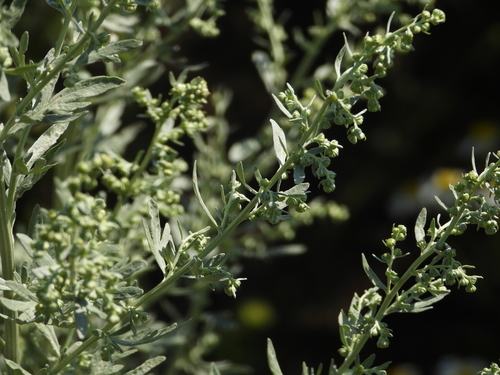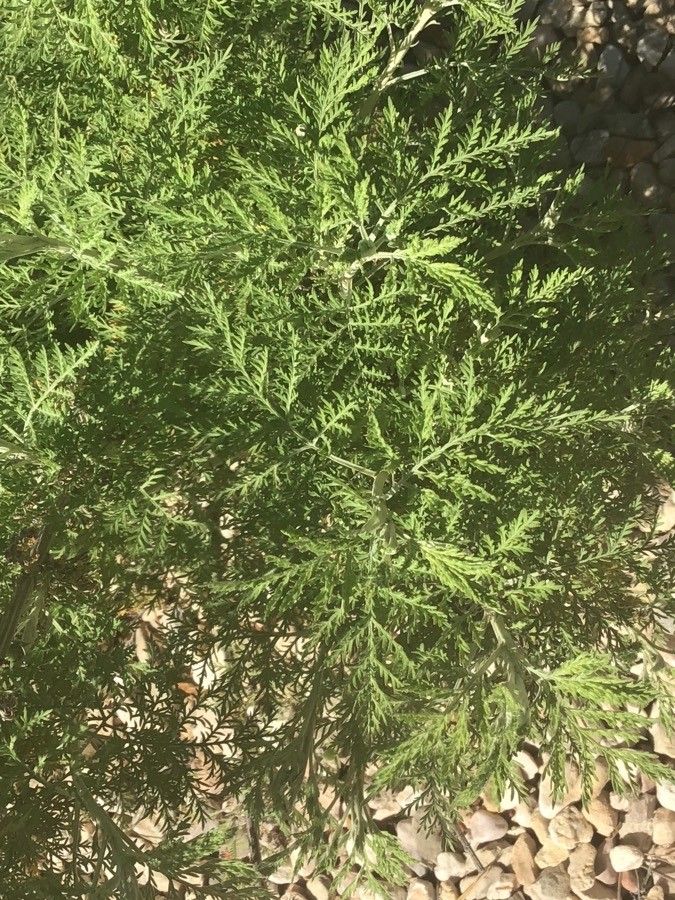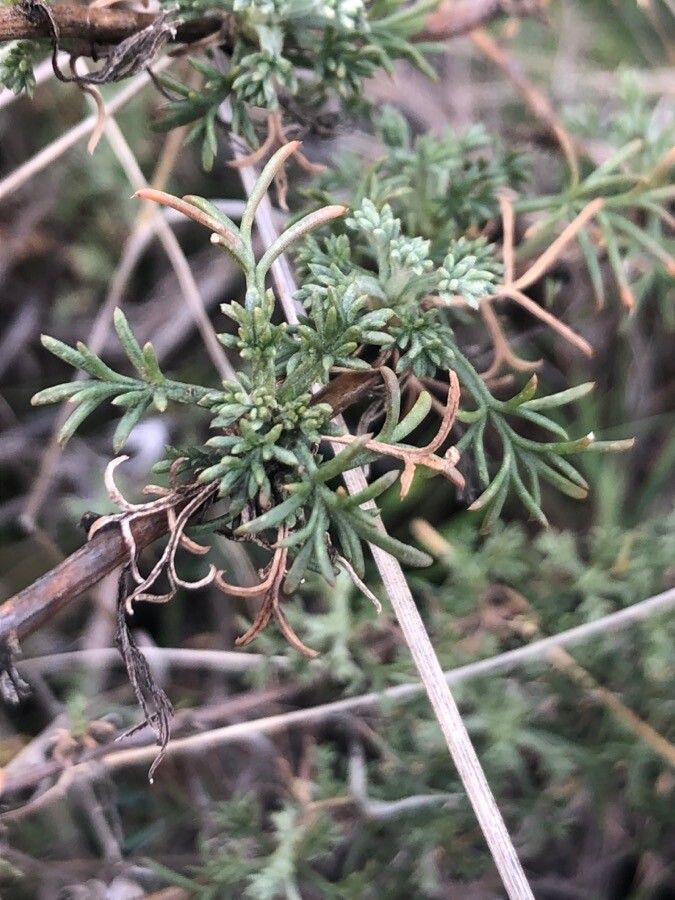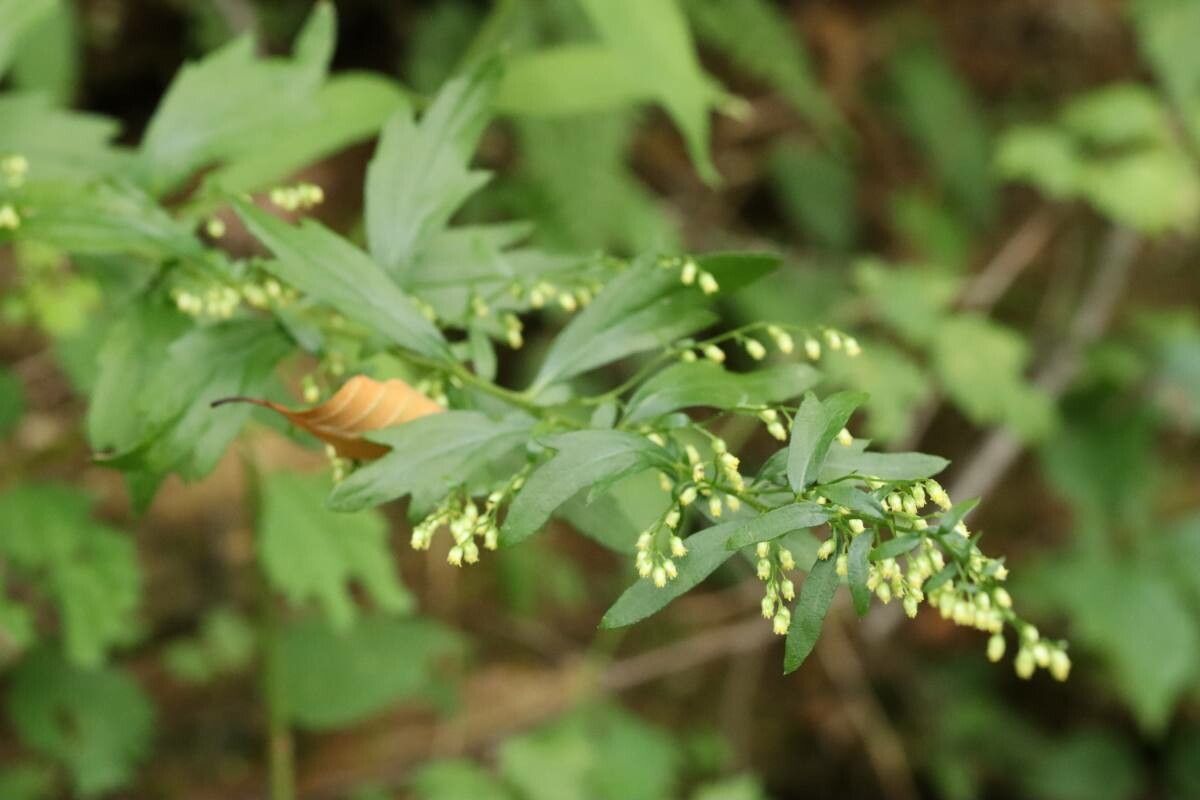
False wormwood has strong disease resistance and is generally not susceptible to illnesses. In terms of care, this plant is fairly low-maintenance. When grown outdoors it needs little watering, and larger plants typically do not require pruning. Smaller plants, however, should be pruned after they have bloomed. False wormwood is suitable for anyone with an outdoor area, such as a garden or deck, and does not demand much prior experience in plant care.
How to keep Artemisia Keiskeana.
Light
False wormwood is native to open areas like sunny fields and the edges of woods, where light is abundant. It flourishes in full sunlight, however, it is also capable of withstanding partial sunlight, displaying a good adaptability to different levels of sunlight exposure.
Water
False wormwood flourishes in environments with moderate humidity, striking a balance between being drought-tolerant and preferring some moisture. Native to temperate regions, this plant generally needs watering every 2 to 3 weeks. As an evergreen, false wormwood efficiently conserves water by retaining its leaves throughout the year.
Temperature
False wormwood exhibits high adaptability to diverse climatic conditions, be it hot summers or cold winters. Nevertheless, it does possess an ideal temperature range for its development. When the temperature rises excessively, the plant tends to suffer from heat and humidity strain, which can lead to its death. In areas where temperatures reach the bottom limit of its capability to withstand the cold, it is crucial to enact insulation methods to shield the plant.
Fertilizer
For encouraging robust growth, apply fertilizer to your False wormwood at the start of spring. Consistent fertilization boosts the overall health, leading to strong growth, increased endurance to harsh circumstances, and better resistance to disease and pests. Uphold a particular fertilization timetable for your False wormwood to guarantee vivid leaves with intense color and a dense presence.
Pruning
False wormwood is a resilient perennial plant known for its feathery foliage and pleasant fragrance. To encourage dense growth, prune it in early spring by cutting back old stems and removing any dead parts. Regular pruning helps maintain the plant's shape, improves airflow, and prevents it from becoming too leggy. Be sure to use sanitized tools to prevent the spread of disease.
Botanical profile.
- Plant Type
- Shrub
- Life Cycle
- Perennial
- Genus
- Artemisia
- Family
- Asteraceae
- Hardiness Zone
- 4-9
- Mature Height
- 0.3 m to 1.22 m
- Mature Spread
- 30 cm to 61 cm
- Leaf Color
- Dark Green, Forest Green
- Leaf Type
- Semi-evergreen
- Flower Color
- Yellow, Green
- Flower Size
- 0.25 cm to 0.25 cm
- Bloom Time
- Late summer, Early fall, Mid fall
- Planting Time
- Spring, Autumn
- Harvest Time
- Mid fall, Late fall
- Native Area
- Russia, Japan, Koppen, Laos, South Korea, China