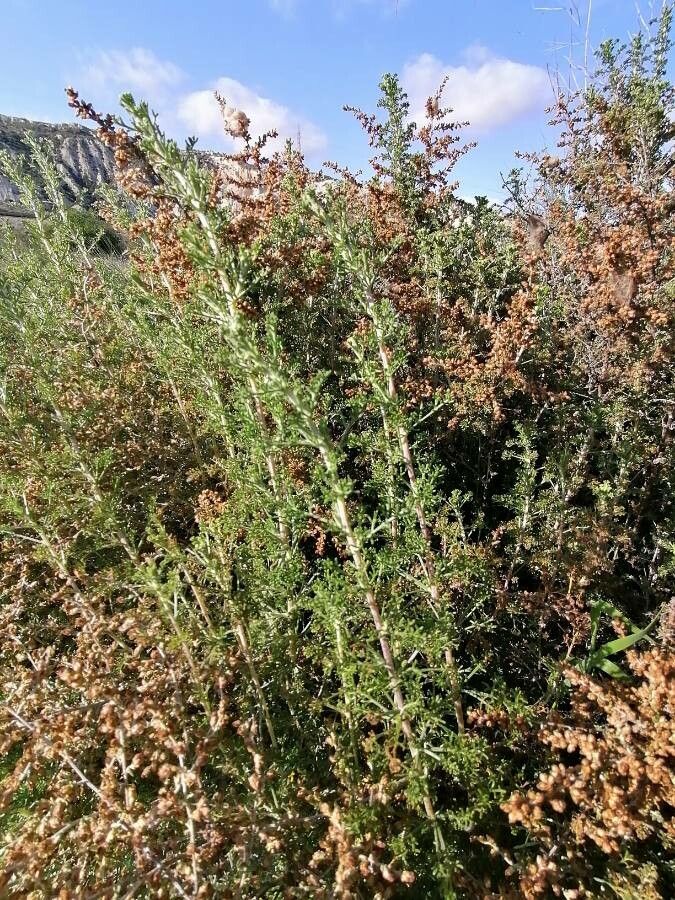
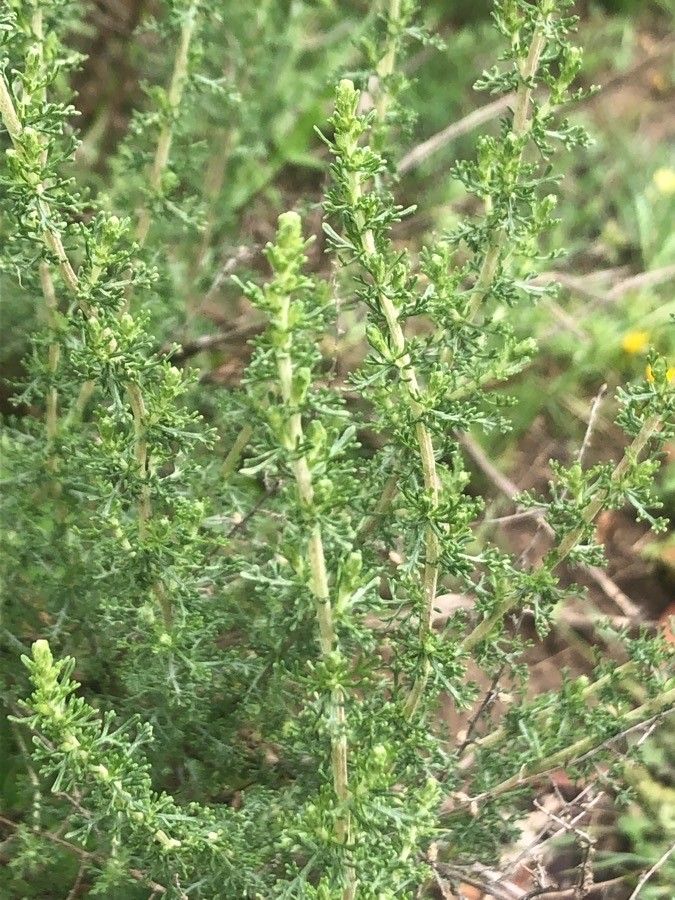
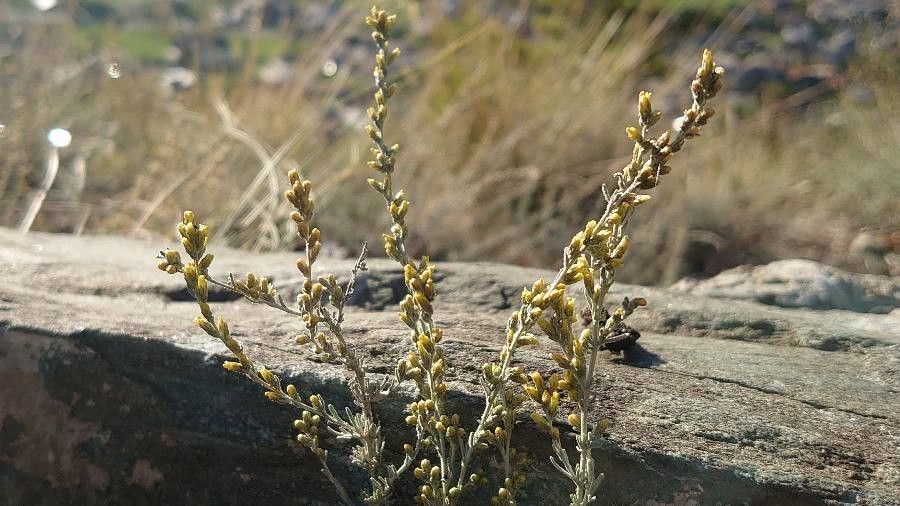
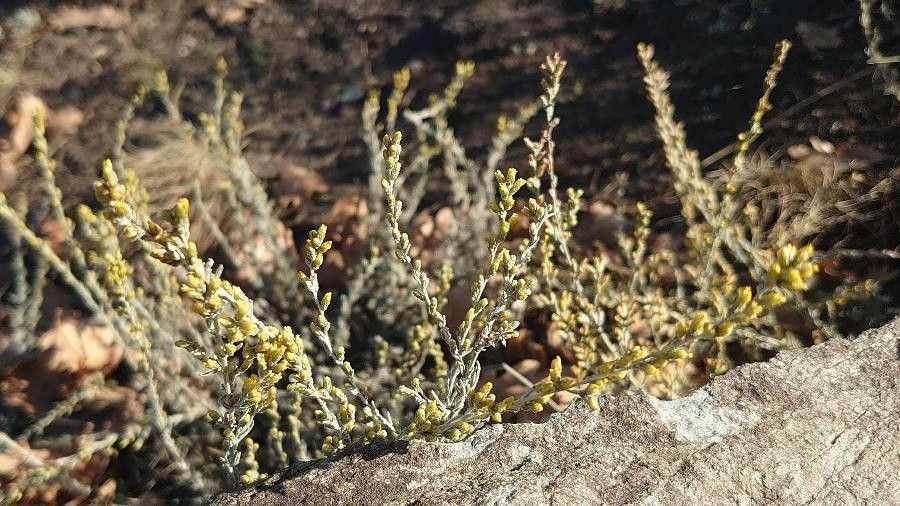
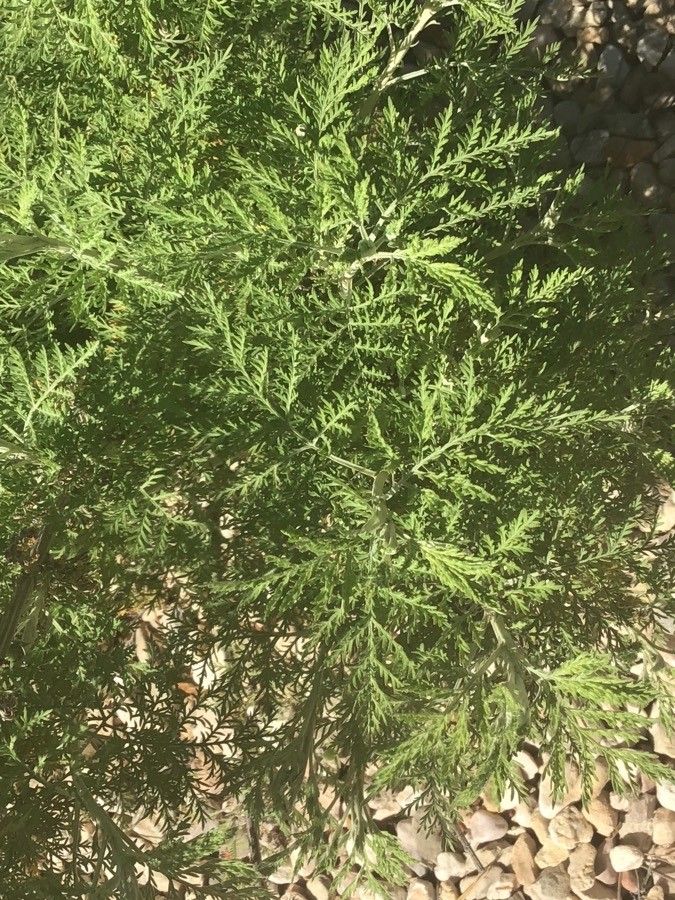
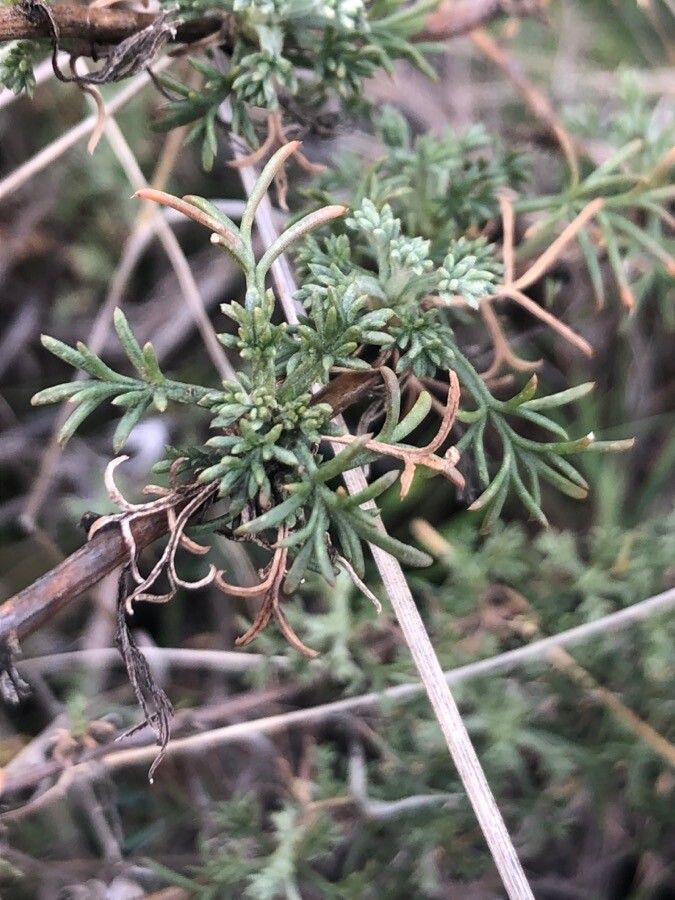
Artemisia herba-alba, commonly known as white wormwood or desert wormwood, is a perennial shrub that belongs to the Asteraceae family. Native to North Africa and the Middle East, it thrives in arid regions such as deserts, steppes, and rocky slopes.
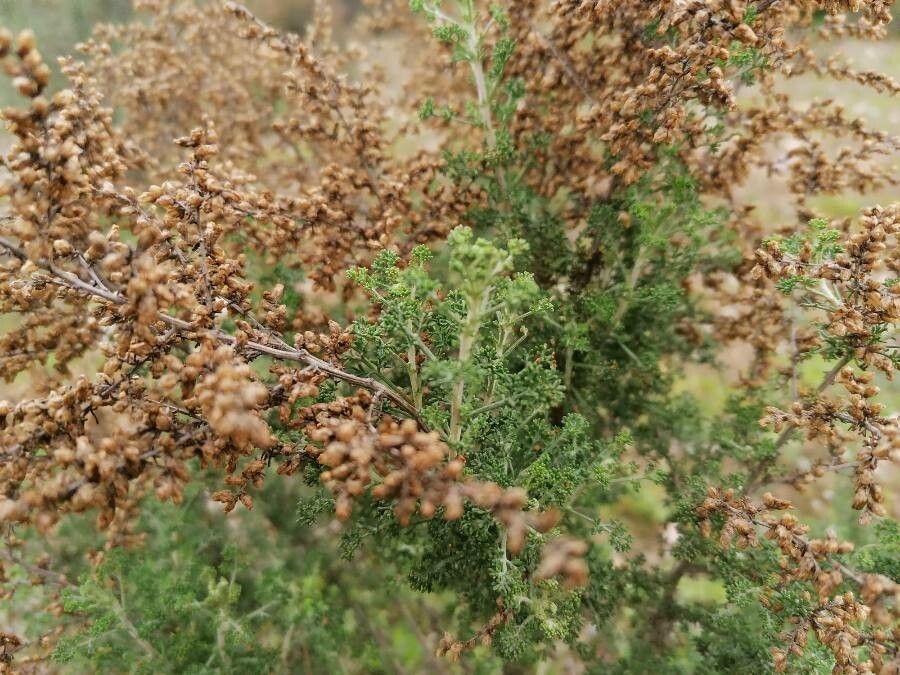
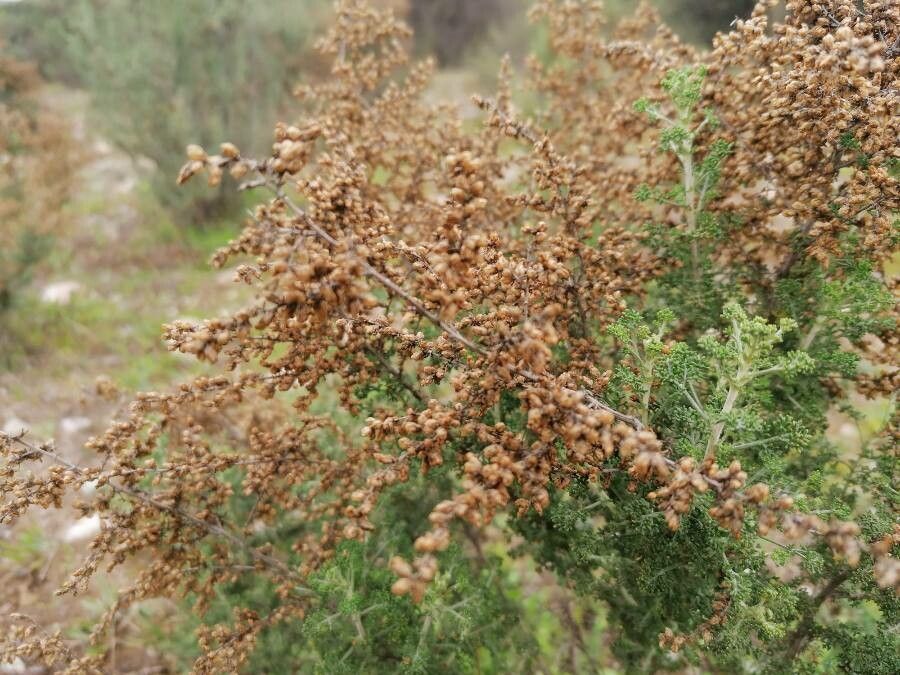
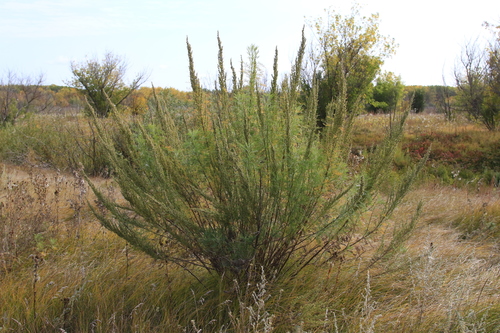
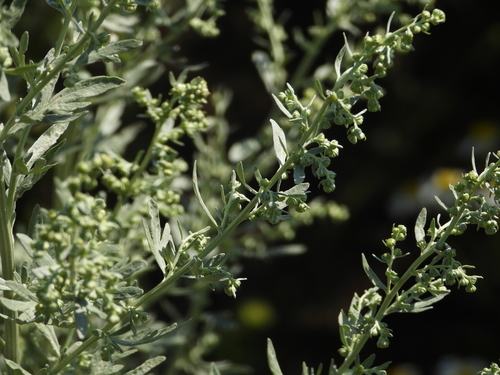
The plant features a woody stem that can grow up to 1.5 meters in height and is adorned with silver-gray leaves that are deeply lobed. The leaves emit a strong aroma due to the presence of essential oils like camphor and thujone.
For centuries, Artemisia herba-alba has been valued in traditional medicine for its numerous medicinal properties, including anti-inflammatory, antiseptic, antifungal, and antibacterial effects.
In addition to its medicinal uses, the plant is also utilized in culinary applications as a flavoring agent for tea and meat dishes, thanks to its potent aroma.
Recently, there has been growing interest in Artemisia herba-alba for its potential role in combating malaria parasites, which are increasingly showing resistance to conventional treatments.
Overall, Artemisia herba-alba is a significant plant with diverse applications ranging from traditional medicinal practices to modern research aimed at developing new treatments for malaria parasites.
Seriphidium herba-alba is resistant to disease and typically does not suffer from illnesses. In terms of care, this plant is fairly low-maintenance. When grown outdoors it needs only light watering, and larger specimens usually do not require pruning. Smaller plants, however, should be pruned after they have finished blooming. Seriphidium herba-albat is appropriate for anyone with an outdoor area, such as a garden or deck, and does not demand much gardening experience.
How to keep Artemisia Herba Alba.
Light
Seriphidium herba-alba is native to open habitats, such as sunlit meadows and forest margins, where light is plentiful. It does best in Full Sun but will also tolerate Partial Sun, adapting well to a range of sunlight conditions.
Temperature
Seriphidium herba-alba is highly adaptable to a variety of climatic conditions, from scorching summers to cold winters. Nevertheless, it has an optimal temperature range for growth. If temperatures become too high, the plant can experience heat and humidity stress that may lead to its death. In areas where temperatures approach its lower cold-tolerance limit, providing insulation is important to protect the plant.
Fertilizer
Fertilize your Seriphidium herba-alba in early spring to encourage healthy growth. Regular feeding boosts overall health, leading to vigorous development, greater tolerance of harsh conditions, and enhanced resistance to pests and diseases. Keep a consistent fertilization schedule for your Seriphidium herba-alba to preserve lush, deeply colored, and vibrant foliage.
Botanical profile.
- Plant Type
- Shrub
- Life Cycle
- Perennial
- Genus
- Artemisia
- Family
- Asteraceae
- Hardiness Zone
- 7-10
- Mature Height
- 30 cm to 61 cm
- Mature Spread
- 40 cm to 76 cm
- Leaf Color
- Silver, Gray
- Leaf Type
- Evergreen
- Flower Color
- White
- Flower Size
- 0.20 cm to 0.51 cm
- Bloom Time
- Late summer, Early fall, Mid fall
- Planting Time
- Spring, Summer, Autumn
- Harvest Time
- Mid fall, Late fall, Early winter
Other names.