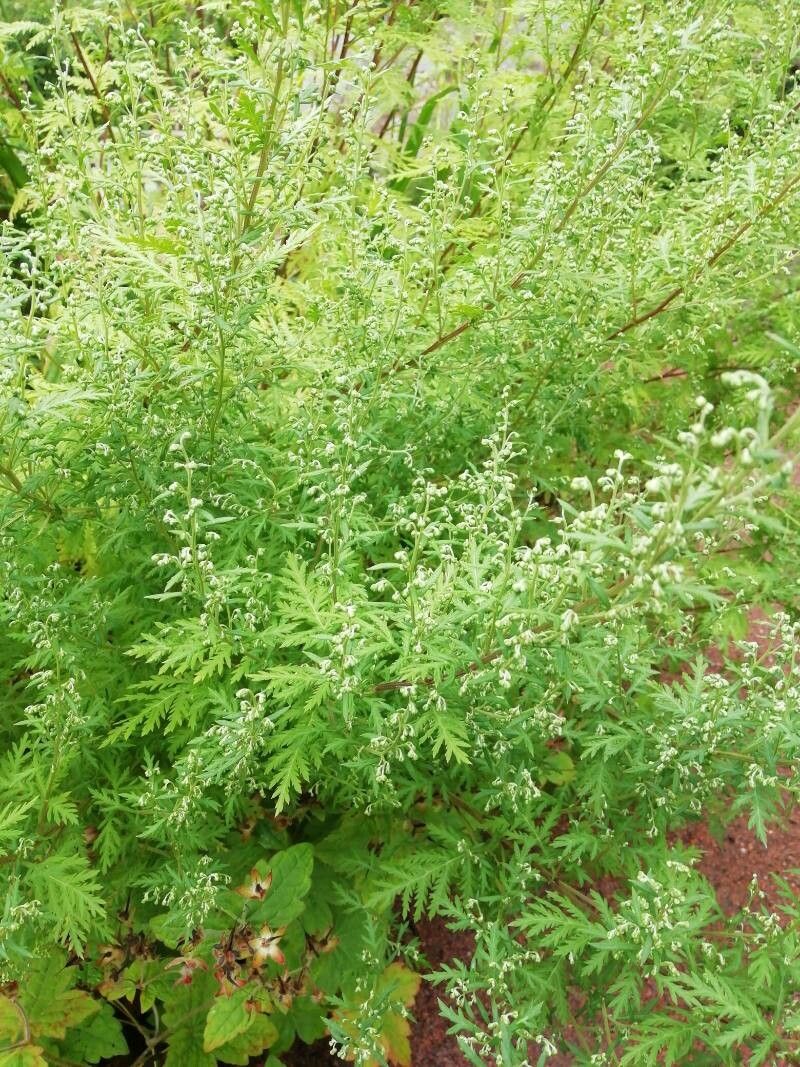
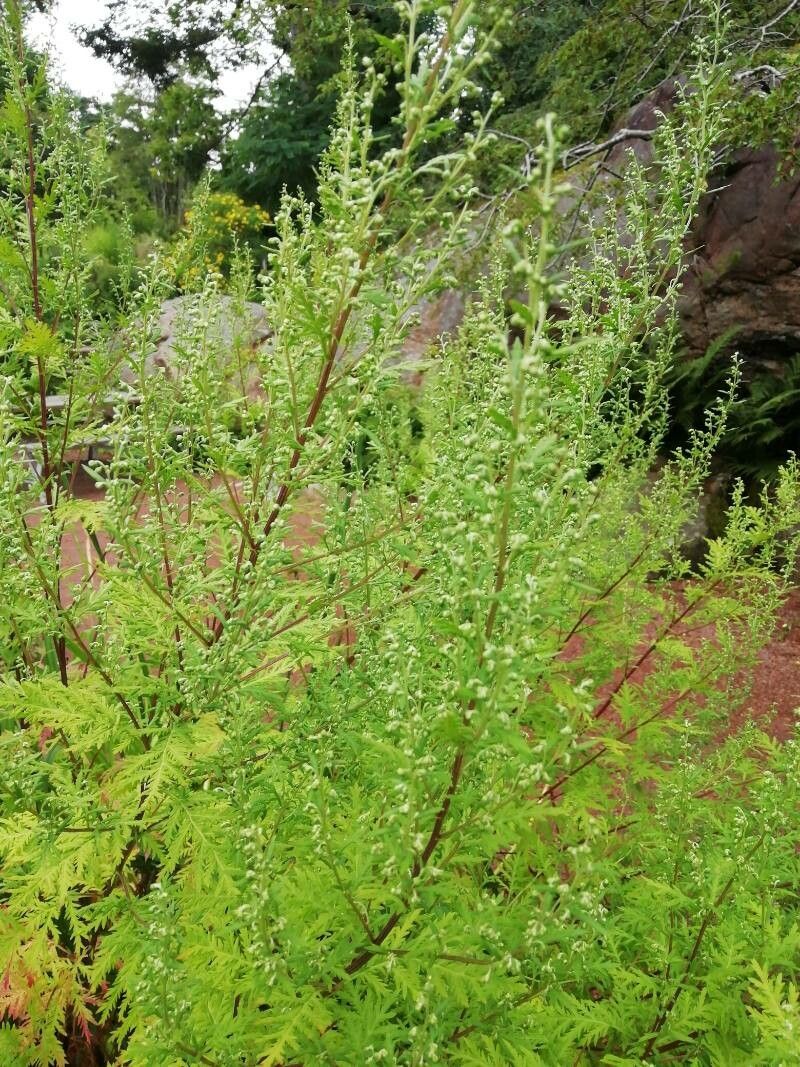
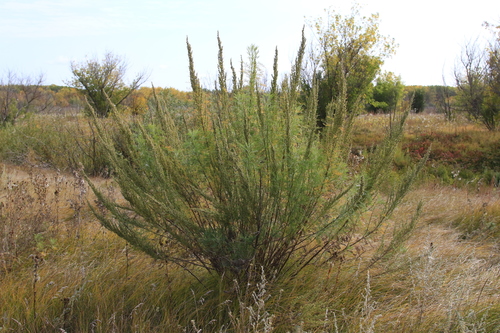
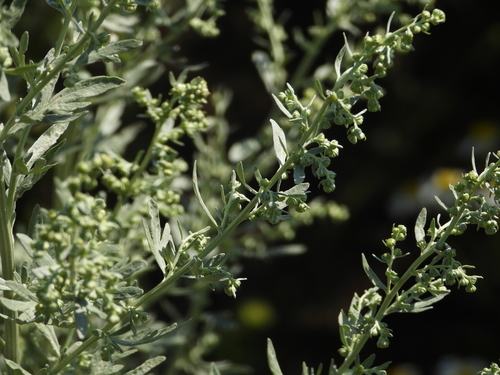
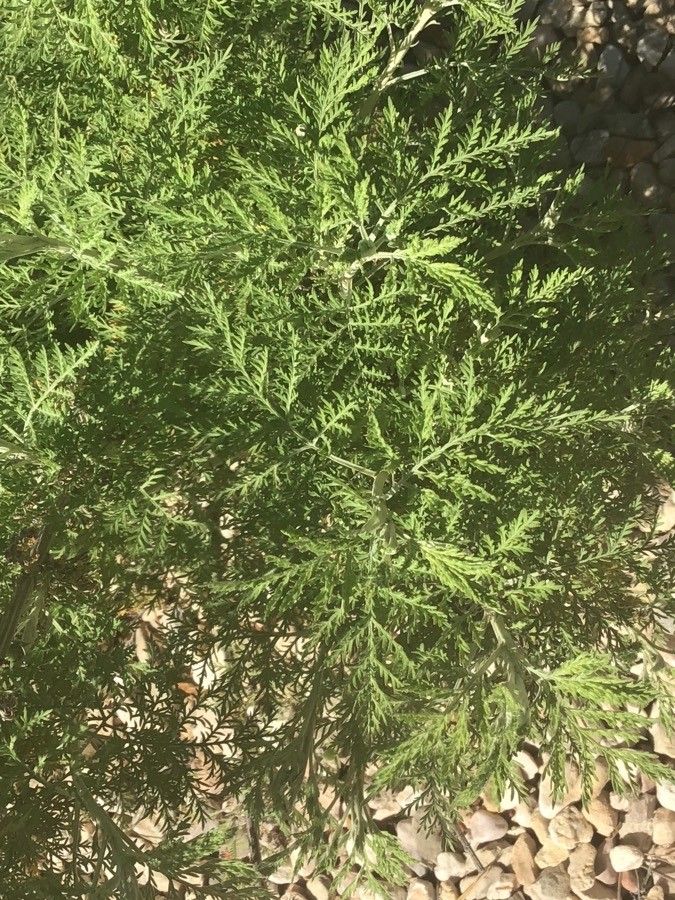
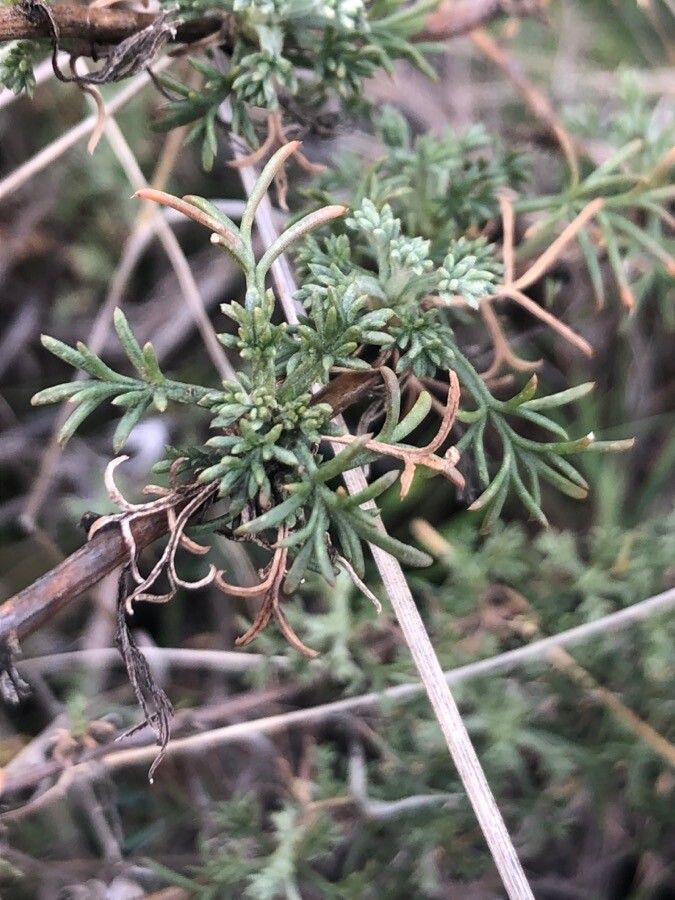
Artemisia gmelinii, also known as Artemisia sacrorum, is a perennial shrub in the family Asteraceae. It is commonly known as Russian wormood or Gmelin's wormwood.
Gmelin's wormwood has strong disease resistance and is generally not prone to disease. In terms of care, the plant is fairly low-maintenance. When grown outdoors it needs little watering, and larger plants typically do not require pruning; however, smaller plants should be pruned after they finish blooming. Gmelin's wormwood is suitable for anyone with outdoor space, such as a garden or deck, and does not require a lot of care experience.
How to keep Artemisia Gmelinii.
Light
Gmelin's wormwood comes from open habitats, like sunny meadows and forest margins, which offer plenty of light. It does best in Full Sun but can tolerate Partial Sun, adjusting well to different light conditions.
Water
Gmelin's wormwood, native to the Asian steppes, thrives in conditions with balanced moisture and is highly adaptable to drought. To mimic its natural environment, water the plant twice a week. For optimal outdoor growth, supplement rainfall with this watering schedule to keep the soil consistently moist while avoiding overwatering.
Temperature
Gmelin's wormwood shows strong adaptability to a range of climate conditions, from scorching summers to chilly winters. However, it does have an optimal temperature range for growth. When temperatures become excessively high, the plant is susceptible to heat and humidity stress, which can lead to its death. In regions where temperatures approach the lower limit of its cold tolerance, it is important to apply insulating measures to protect the plant.
Fertilizer
To encourage healthy growth, apply fertilizer to your Gmelin's wormwood in early spring. Consistent fertilization supports overall health, producing vigorous growth, greater tolerance of harsh conditions, and enhanced resistance to pests and diseases. Keep to a regular fertilizing routine for your Gmelin's wormwood to maintain bright, deeply colored foliage and a full, lush appearance.
Pruning
Gmelin's wormwood is a hardy perennial known for its aromatic leaves and yellow flowers. To promote healthy growth, it is best to prune this plant in early spring. Important techniques include cutting back old stems and removing any damaged parts to enhance airflow and lower the risk of disease. Be sure to use sanitized tools to maintain the plant's optimal health.
Botanical profile.
- Plant Type
- Shrub
- Life Cycle
- Perennial
- Genus
- Artemisia
- Family
- Asteraceae
- Hardiness Zone
- 4-9
- Mature Height
- 0.49 m to 1.52 m
- Mature Spread
- 40 cm to 76 cm
- Leaf Color
- Green
- Leaf Type
- Deciduous
- Flower Color
- Yellow
- Flower Size
- 0.25 cm to 0.51 cm
- Bloom Time
- Late summer, Early fall, Mid fall
- Planting Time
- Spring, Summer
- Harvest Time
- Mid fall, Late fall, Early winter
- Native Area
- Uzbekistan, Russia, Nepal, Tajikistan, India, Kyrgyzstan, Kazakhstan, Japan, Mongolia, Koppen, Pakistan, Laos, South Korea, China
Other names.
Reader questions.
What are the sunlight requirements for Gmelin's wormwood (Artemisia gmelinii)?
Gmelin's wormwood, also known by its botanical name Artemisia gmelinii, thrives in conditions that meet its sunlight requirements precisely. For ideal growth, it requires full sun, which is defined as exposure to more than 6 hours of sunlight daily. Additionally, it can also tolerate partial sun, receiving about 3-6 hours of sunlight a day. It's important to observe the movement of sunlight through your garden to choose spots that offer the right balance of light and shade. This mindfulness ensures the plants' happiness and health by providing them with an environment suited to their light preferences.
What is Gmelin's wormwood?
Gmelin's wormwood, known botanically as Artemisia gmelinii, is a plant species classified under the genus Artemisia. There is limited information provided about its essentials or symptoms associated with it.