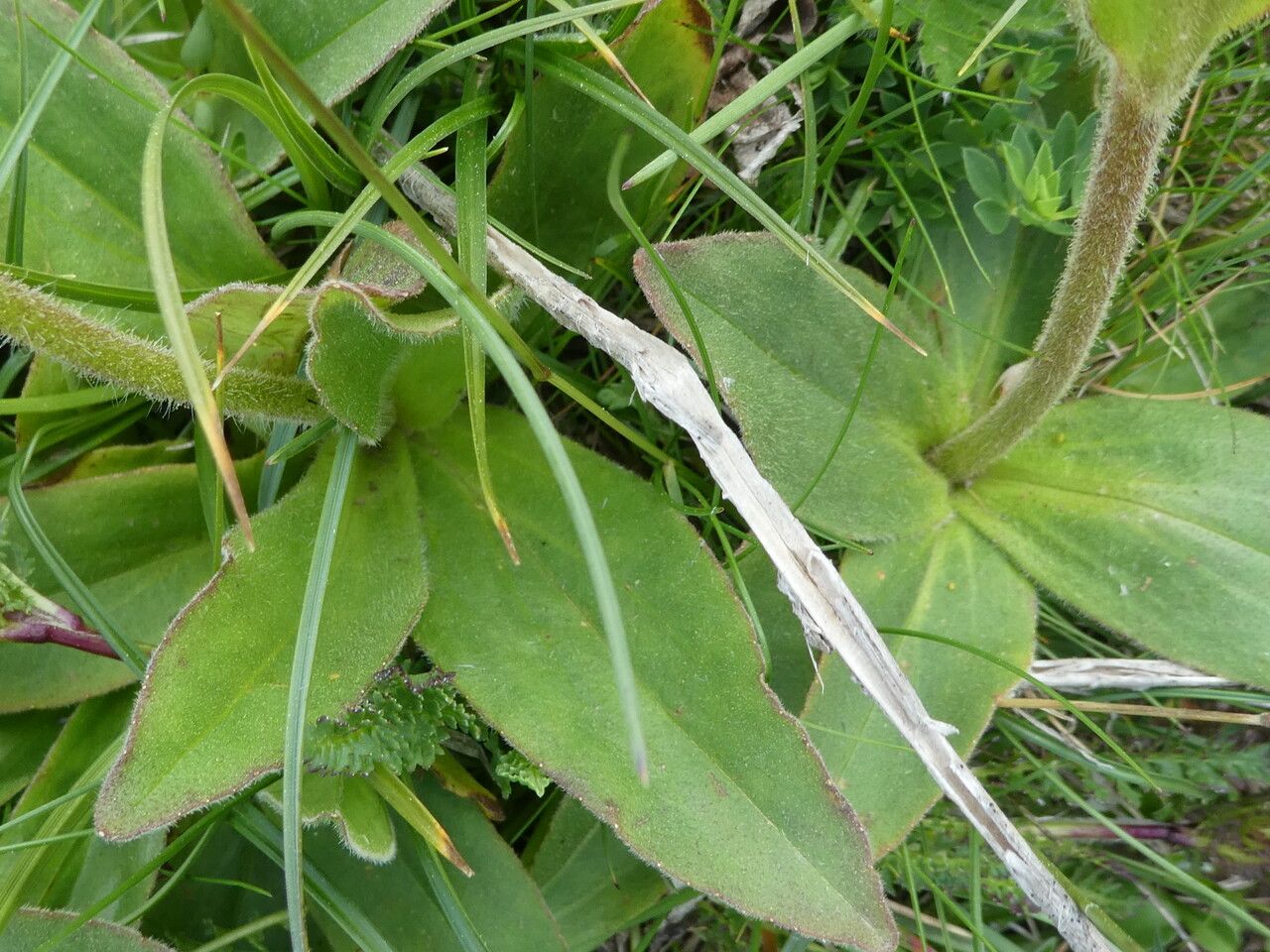
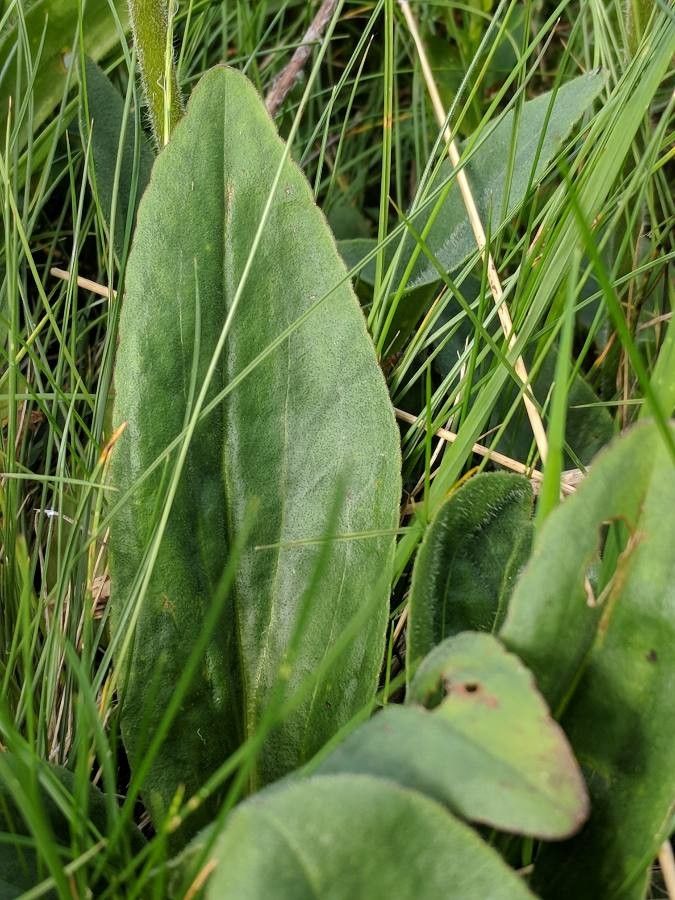
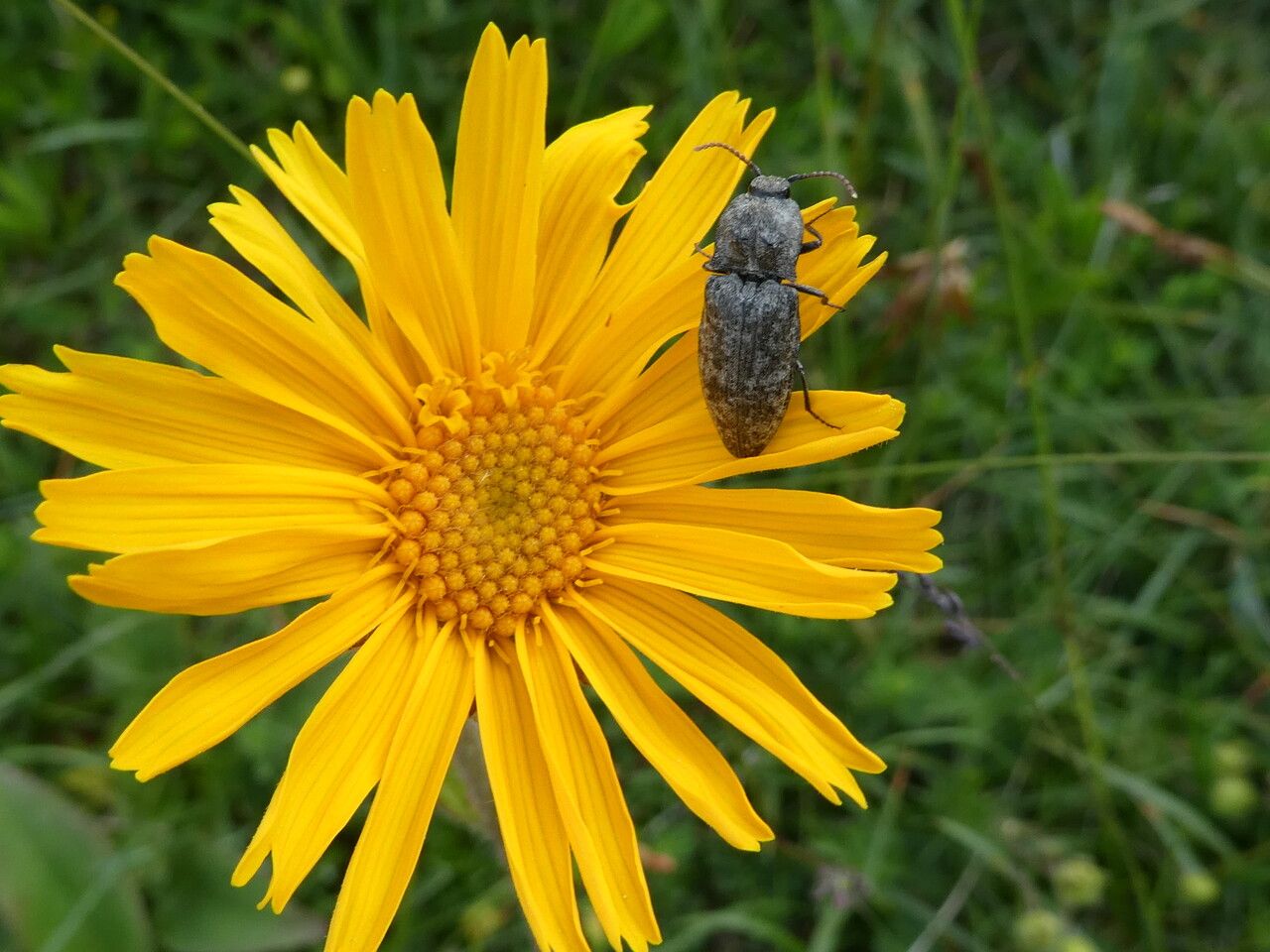
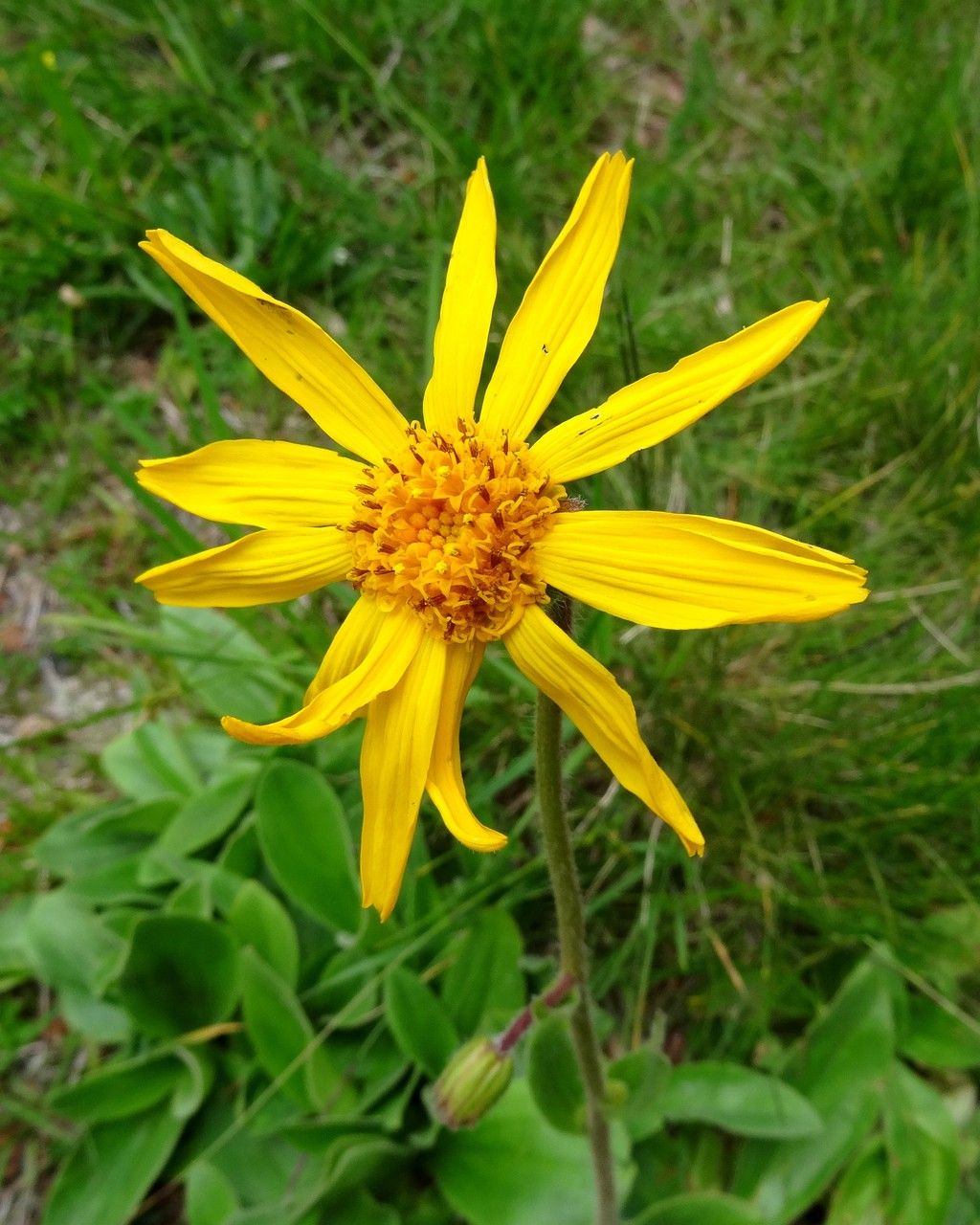
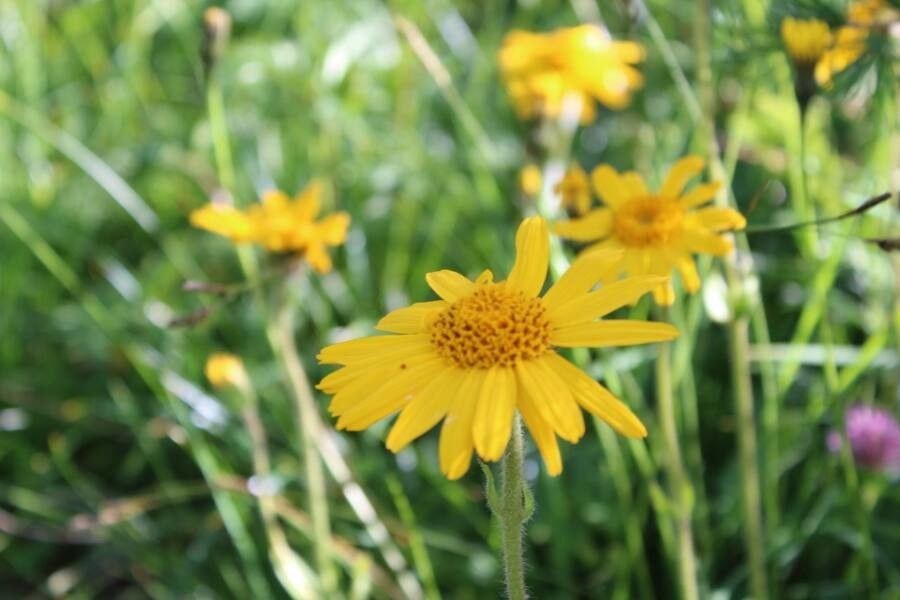
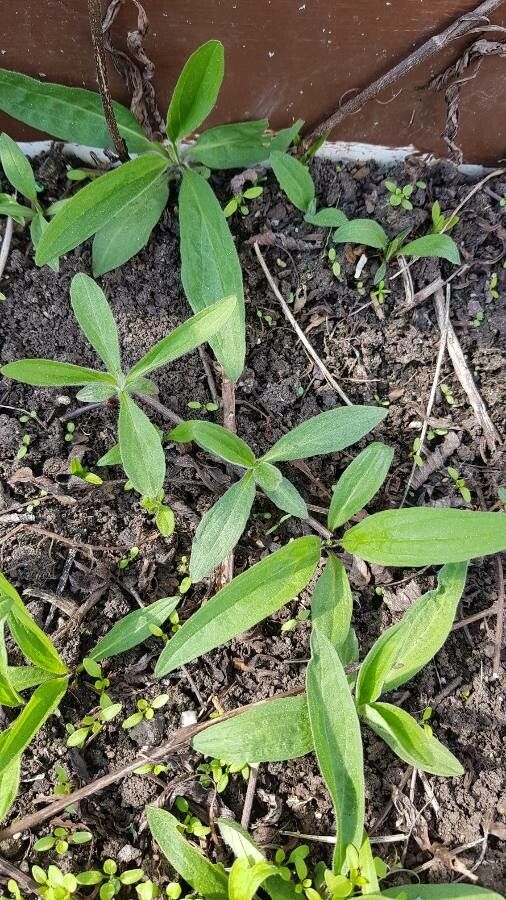
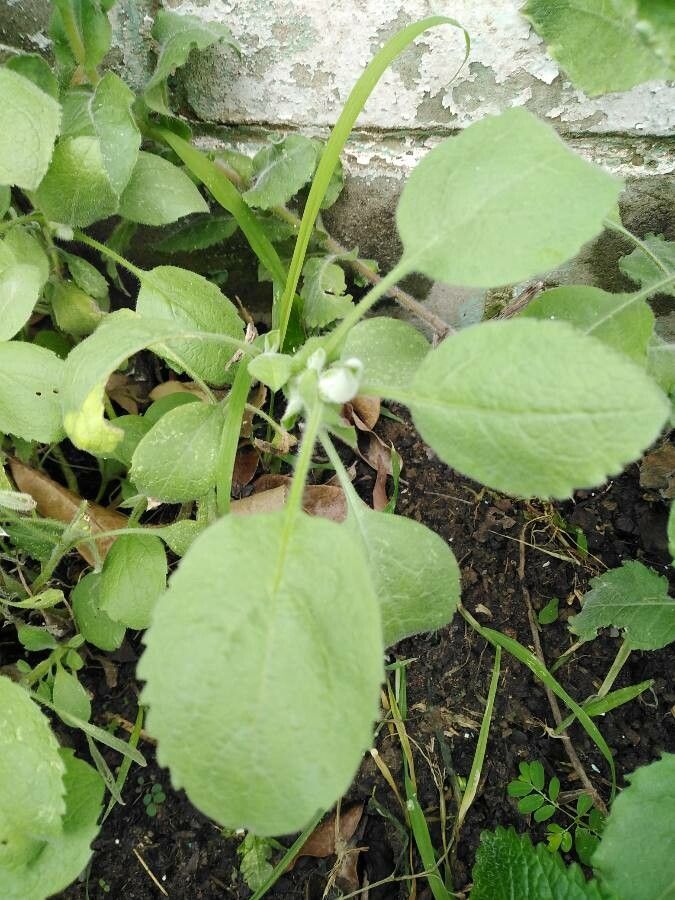
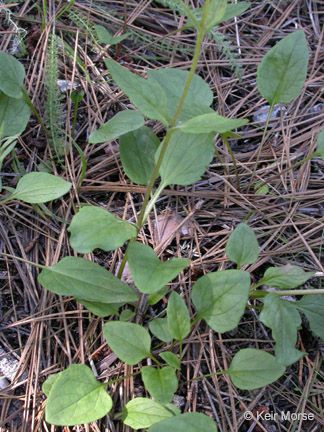
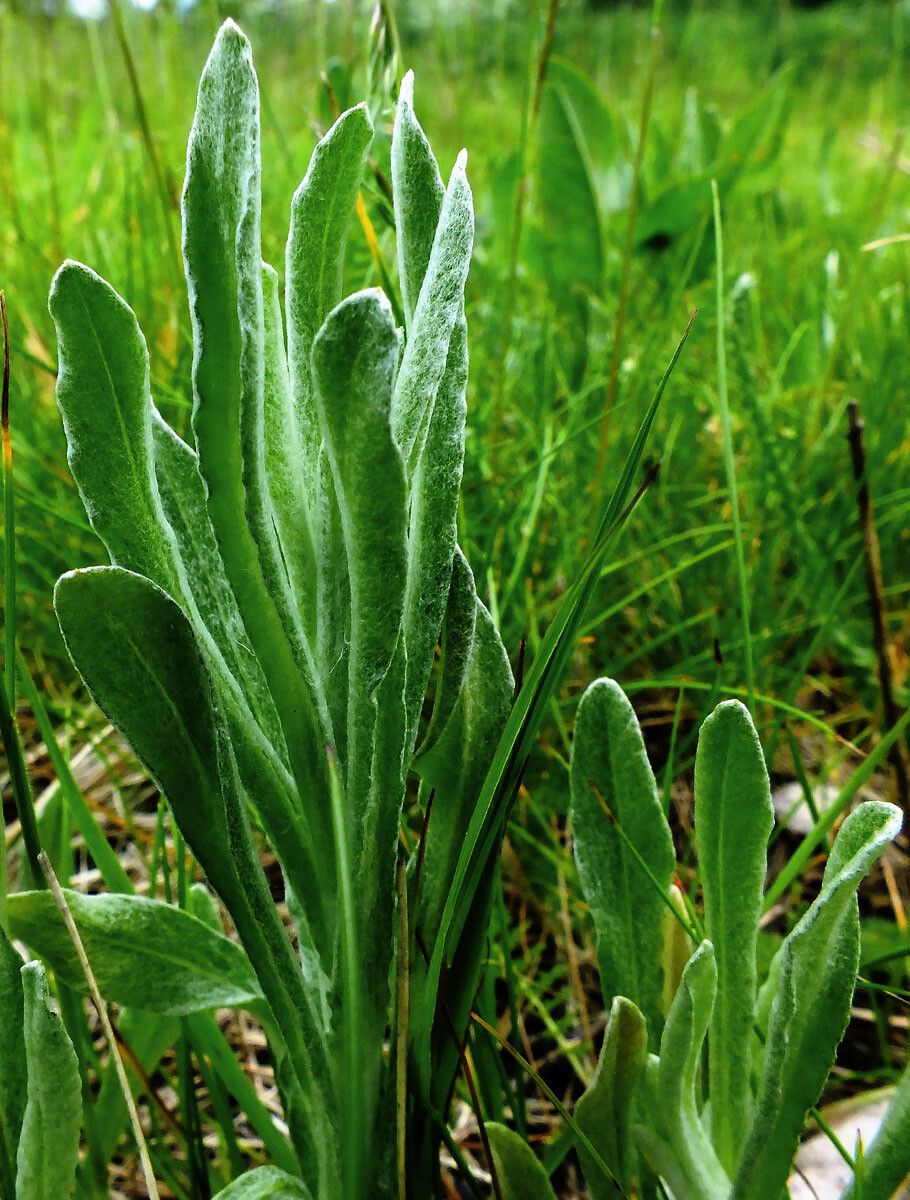
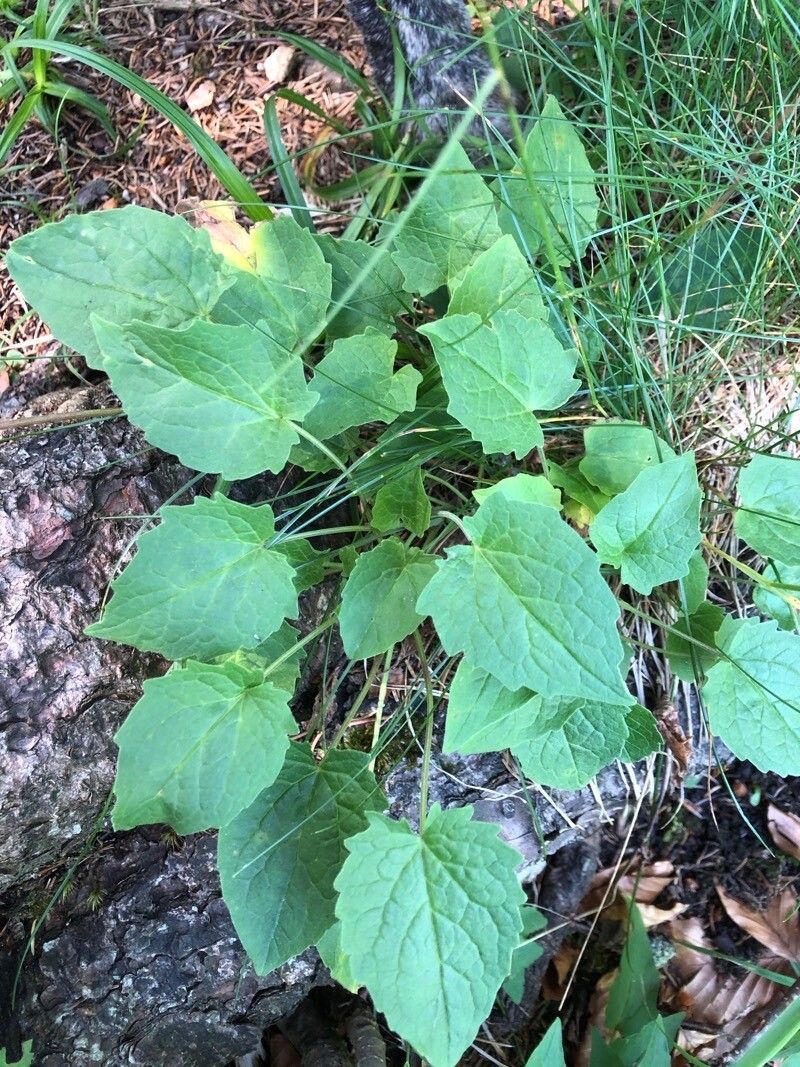
Arnica montana, commonly known as mountain arnica, is a perennial herbaceous plant in the Asteraceae family. Native to the mountainous regions of Europe and Siberia, it thrives in meadows, pastures, and rocky areas. The plant features a short stem that can grow up to 60 cm tall with yellow-orange flowers that bloom from June to August.
For centuries, Arnica montana has been valued for its medicinal properties. The plant contains compounds such as helenalin and dihydrohelenalin, which possess anti-inflammatory properties. These compounds make it useful for treating bruises, sprains, muscle pain, and soreness. Additionally, Arnica montana is used topically to address skin conditions such as eczema.
However, despite its medicinal benefits, Arnica montana should be used with caution. It can cause skin irritation or allergic reactions when applied topically or ingested. Therefore, it should only be used under the guidance of a healthcare professional.
Beyond its medicinal uses, Arnica montana is also cultivated for ornamental purposes due to its attractive flowers. These flowers are often included in floral arrangements or dried flower displays because of their long-lasting nature, making them popular among florists worldwide.
Botanical profile.
- Plant Type
- Herb
- Life Cycle
- Perennial
- Genus
- Arnica
- Family
- Asteraceae
- Hardiness Zone
- 4-8
- Mature Height
- 61 cm
- Mature Spread
- 46 cm
- Leaf Color
- Green
- Leaf Type
- Deciduous
- Flower Color
- Gold, Orange
- Flower Size
- 5.08 cm to 7.62 cm
- Bloom Time
- Late spring, Early summer, Mid summer
- Planting Time
- Spring, Summer, Autumn
- Harvest Time
- Mid summer, Late summer, Early fall
Other names.