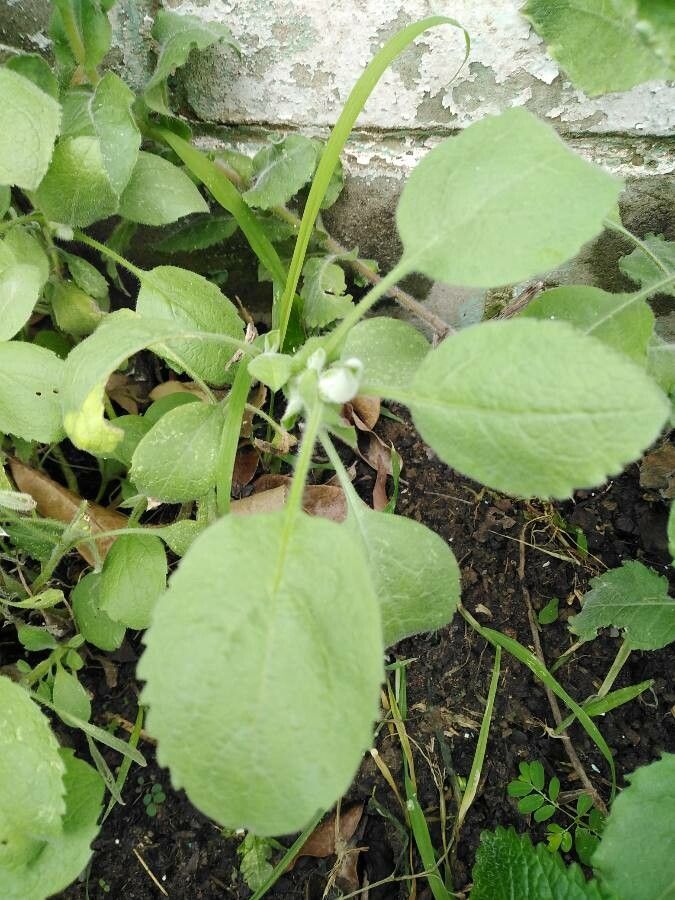
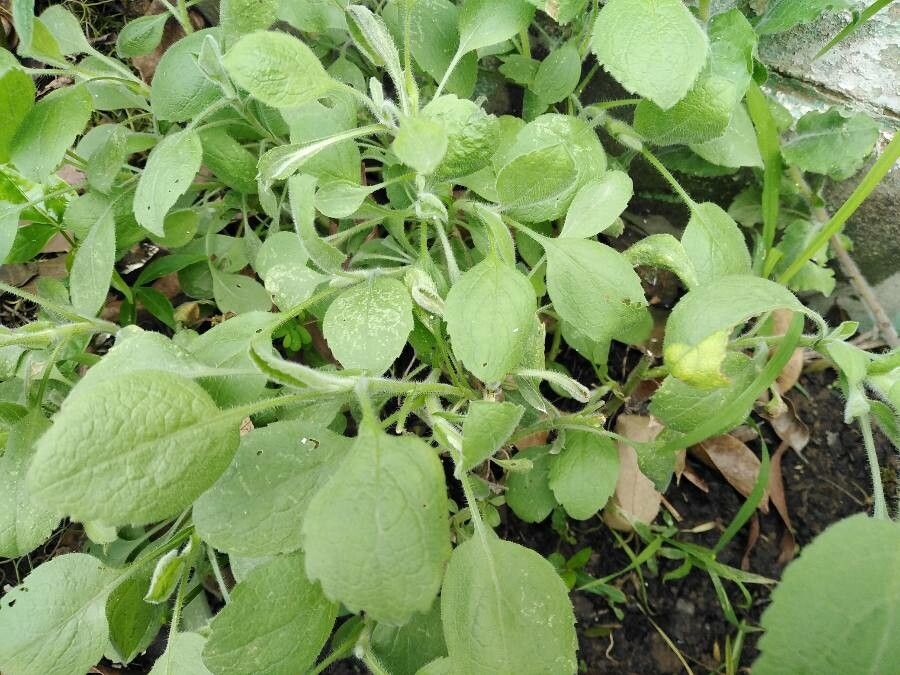
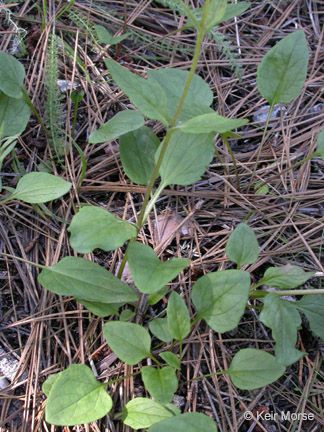
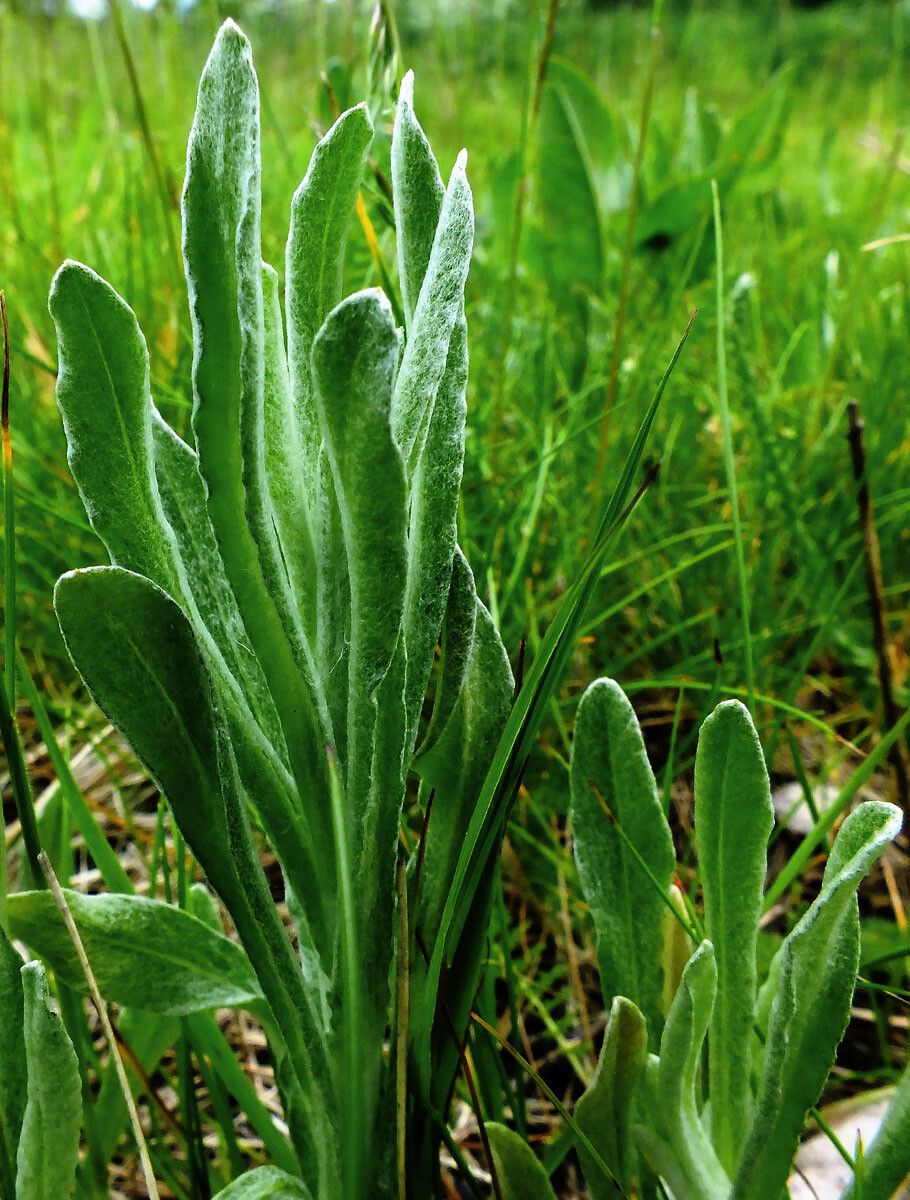
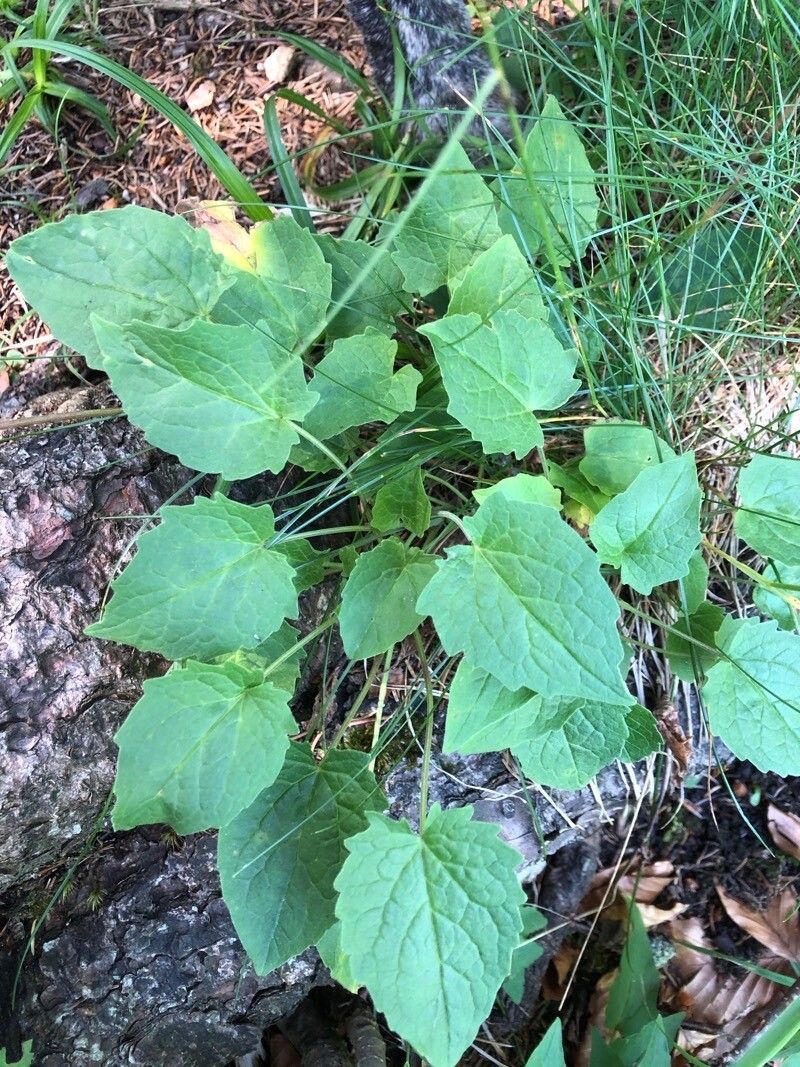
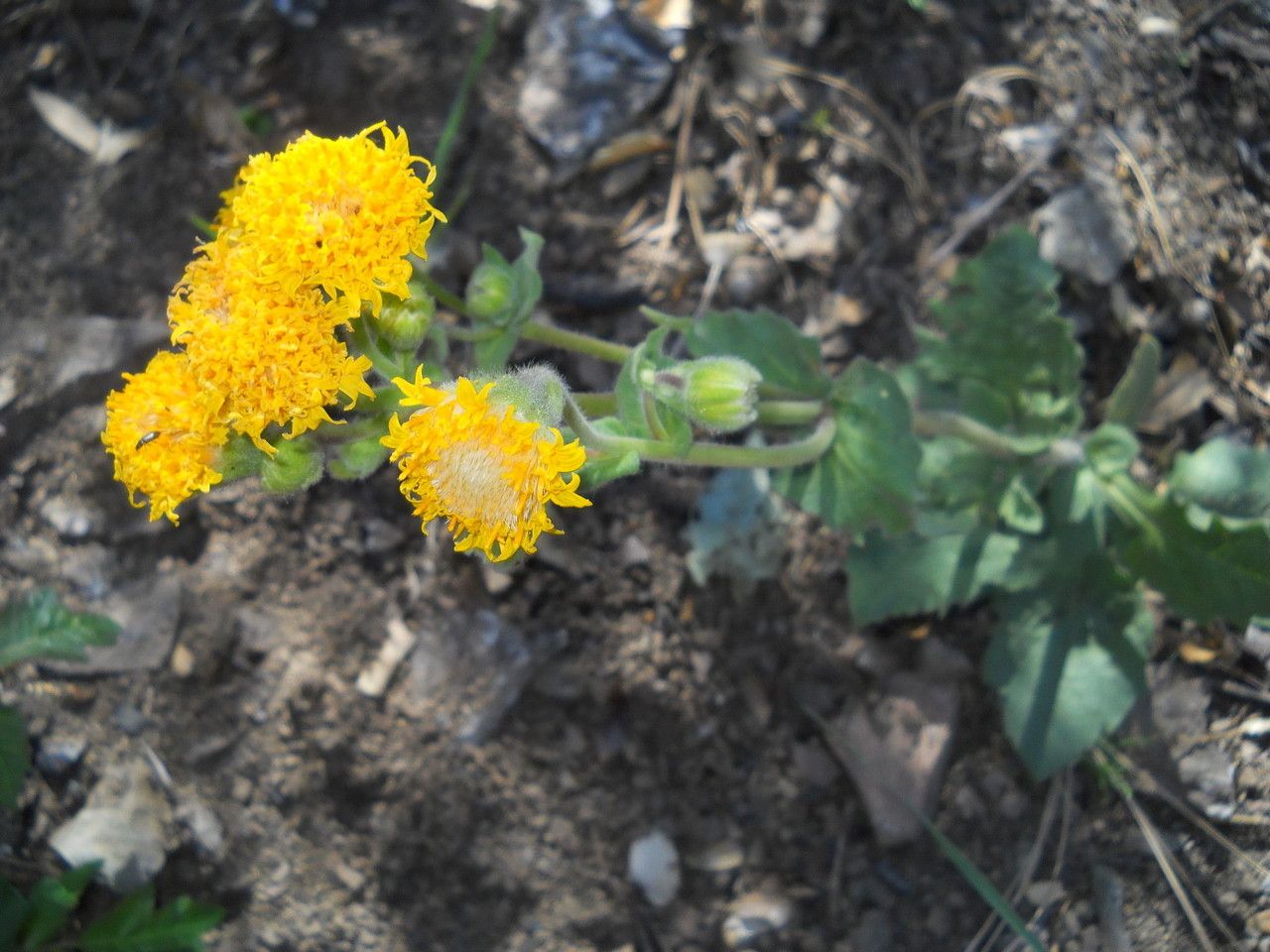
Arnica angustifolia is an Arctic and alpine species of plants in the sunflower family, known by the common names narrowleaf arnica and Arctic arnica. It is native to colder regions in Europe, Asia, and North America (northern and western Canada, Alaska, northern Rocky Mountains. SubspeciesArnica angustifolia subsp. alpina (L.) I.K.Ferguson - Norway, Sweden Arnica angustifolia subsp. angustifolia - Eurasia, North America Arnica angustifolia subsp. attenuata (Greene) G.W.Douglas & Ruyle-Dougl. - Alaska, Yukon, Northwest Territories, Nunavut, Ungava Arnica angustifolia subsp. iljinii (Maguire) I.K.Ferguson - Russia Arnica angustifolia subsp. lonchophylla (Greene) G.W.Douglas & Ruyle-Dougl. - British Columbia Arnica angustifolia subsp. sornborgeri (Fernald) - Quebec, Labrador, Newfoundland Arnica angustifolia subsp. tomentosa (J.M.Macoun) G.W.Douglas & Ruyle-Dougl. - Canadian Rockies, Montana, Quebec, Newfoundland
Alpine arnica has good disease resistance and is generally not prone to illnesses. However, it can be vulnerable to pests and diseases present in its surroundings. Such infections are usually not severe. Regarding care, this plant requires moderate maintenance. It should be pruned regularly to preserve a neat appearance and encourage healthy growth. Fertilizing can also help promote flowering. Alpine arnica is suitable for anyone with outdoor space, such as a garden or patio, and does not demand extensive plant-care experience. It may need more attention when grown indoors.
How to keep Arnica Angustifolia.
Light
The Alpine arnica is a perennial herb that is fond of sunlight and originates from open environments, frequently flourishing in meadows and grasslands. It prefers to grow under full sunlight, but it can also endure conditions of partial sun.
Water
Alpine arnica thrives in cooler climates, especially in environments that maintain consistent moisture. It prefers soil that is evenly moist but can withstand short periods of dryness. To ensure the best growing conditions, it's recommended to water it weekly. This makes alpine arnica an excellent choice for rain gardens and other settings that focus on water conservation.
Temperature
Alpine arnica is capable of adjusting to numerous temperature situations, however, permutations of water and heat circumstances might still restrain its distribution. This plant flourishes optimally in summer's warm climates with sufficient rain or water supply. Extended durations of overcast and wet weather, along with sustained high temperatures, can heighten the chance of Alpine arnica perishing. During winter, appropriate safeguarding against the cold can raise the plant's chances of survival.
Fertilizer
The primary period to provide fertilizer for Alpine arnica is in the early spring when their blossoms are developing. Adequate fertilization promotes superior bloom production and assists the Alpine arnica in generating beautiful flowers. By fertilizing at the start of spring, it ensures a wonderful floral display during the season and offers energy for periods of latent growth.
Pruning
Alpine arnica, known for its bright yellow flowers, also provides medicinal benefits. To promote growth and flowering, prune the plant from early to late spring. During pruning, remove dead stems and leggy growth, making sure your tools are sanitized. For the best results, cut above healthy nodes. For detailed guidance, consult horticultural resources.
Botanical profile.
- Plant Type
- Herb
- Life Cycle
- Perennial
- Genus
- Arnica
- Family
- Asteraceae
- Hardiness Zone
- 3-7
- Mature Height
- 0 cm to 30 cm
- Mature Spread
- 10 cm to 20 cm
- Leaf Color
- Green, Dark Green
- Leaf Type
- Deciduous
- Flower Color
- Yellow, Gold
- Flower Size
- 4.06 cm to 6.35 cm
- Bloom Time
- Early summer, Mid summer
- Planting Time
- Spring, Summer
- Harvest Time
- Late summer, Early fall
Other names.