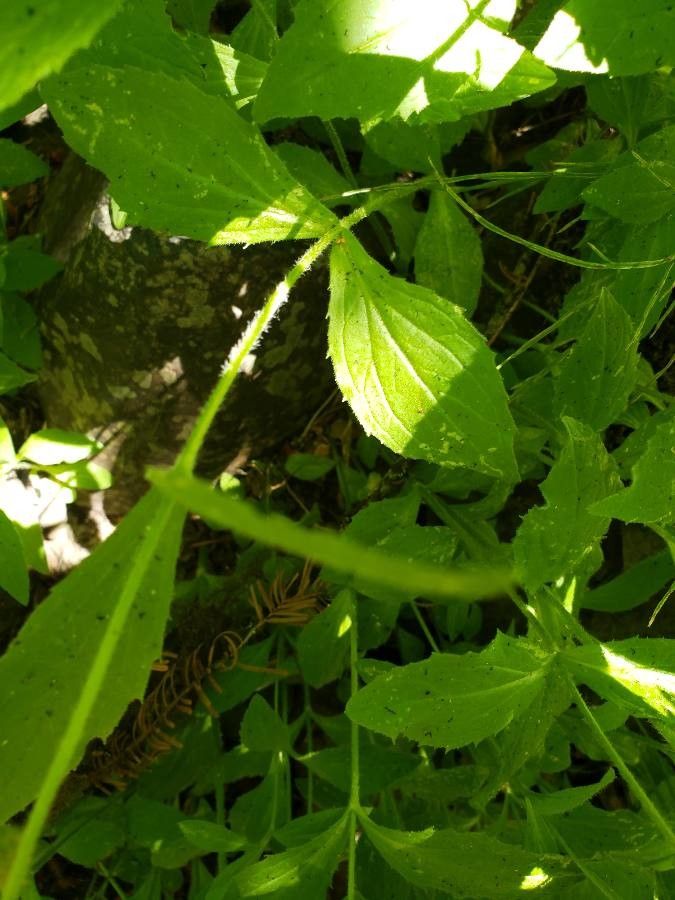
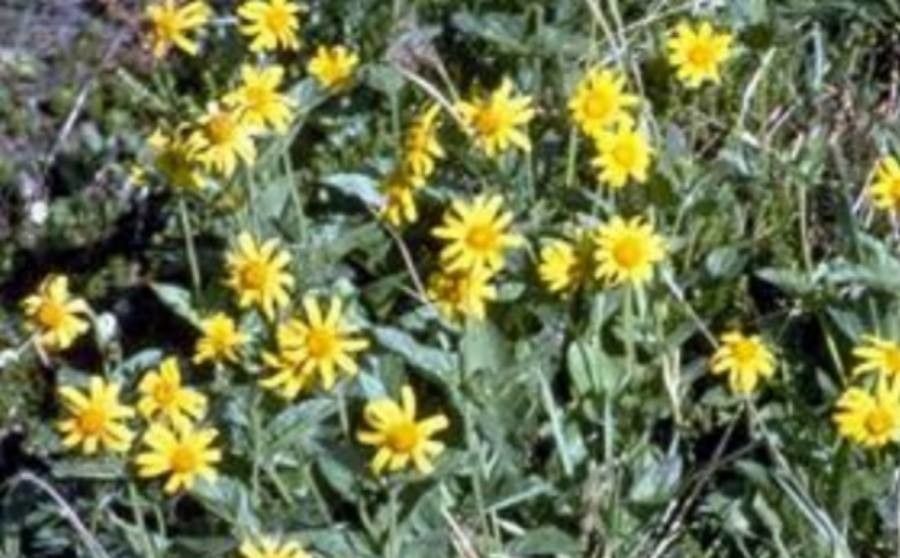
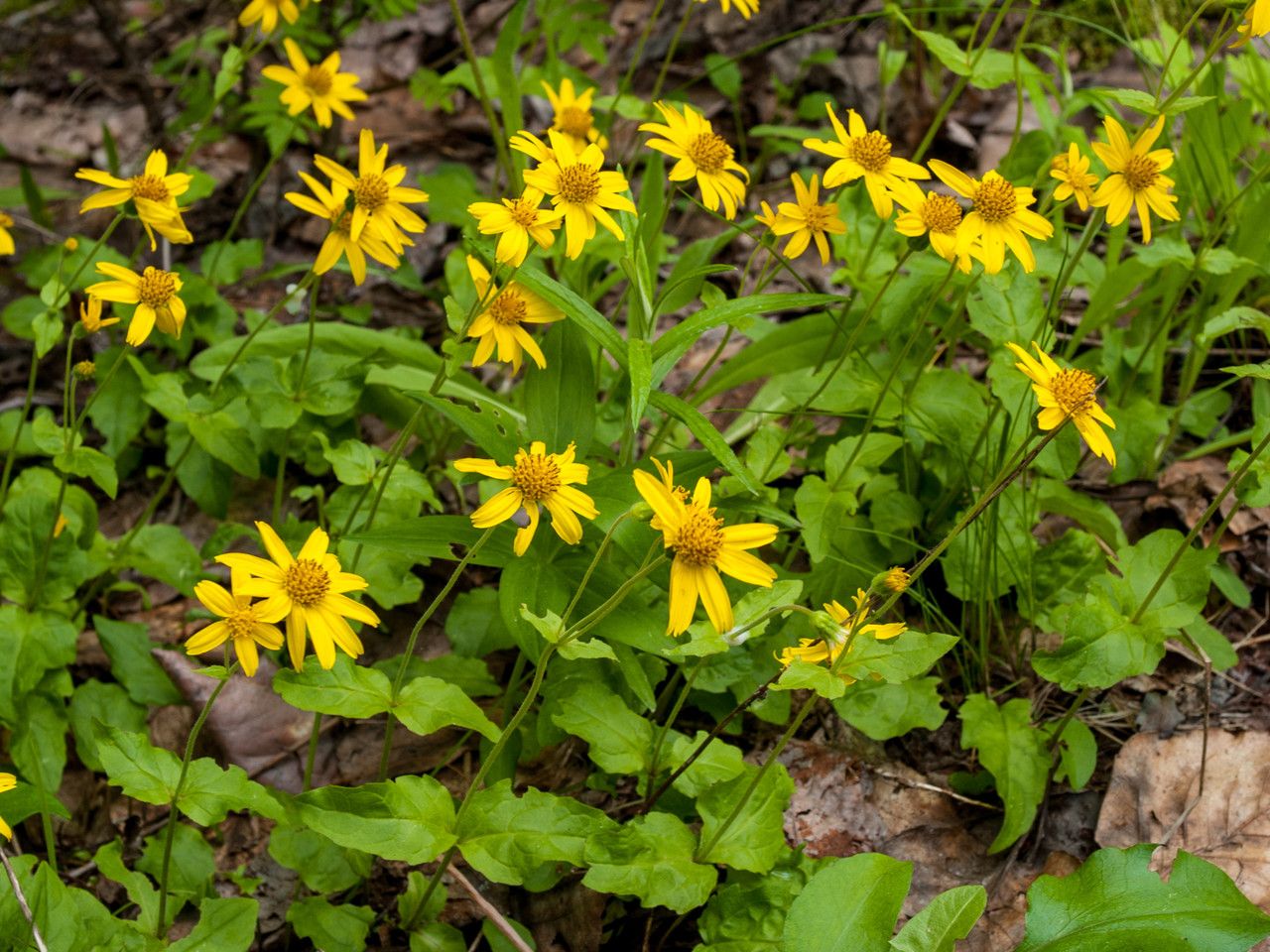
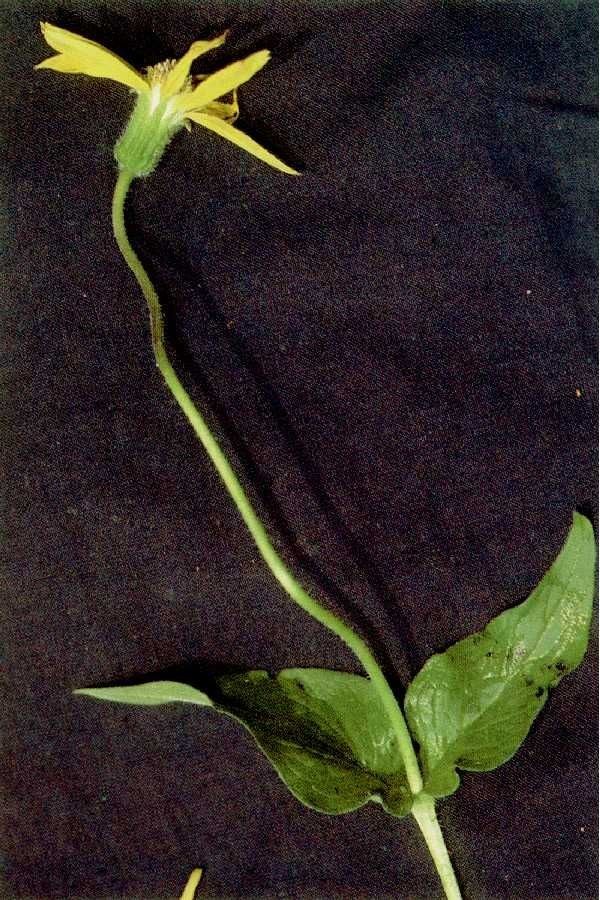
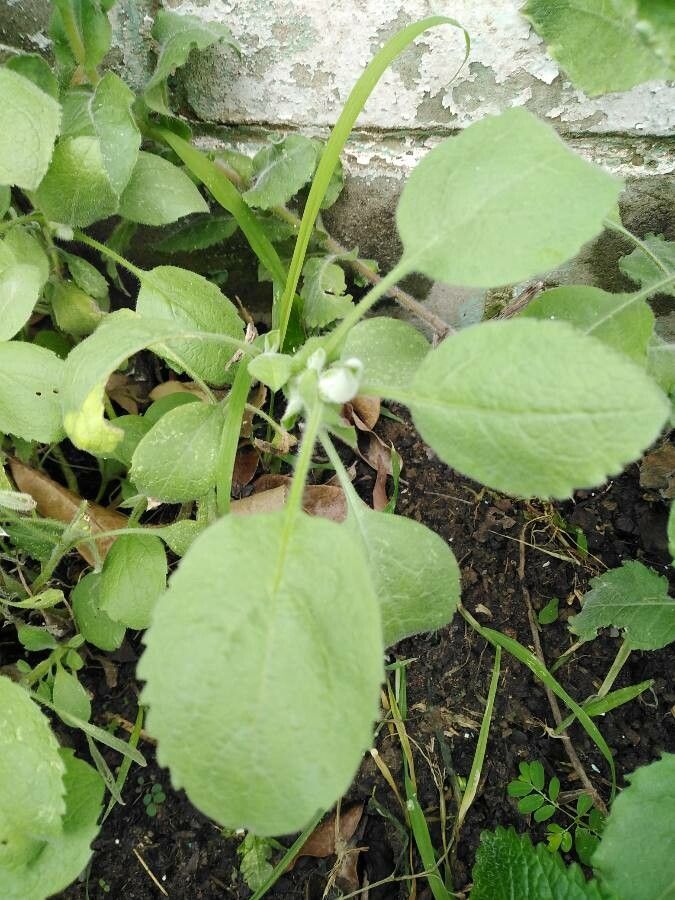
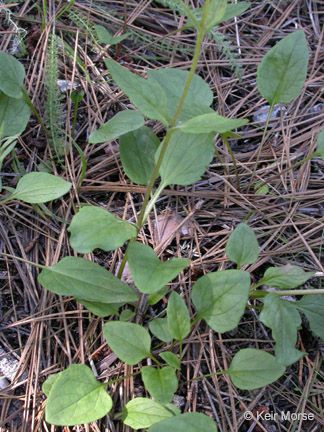
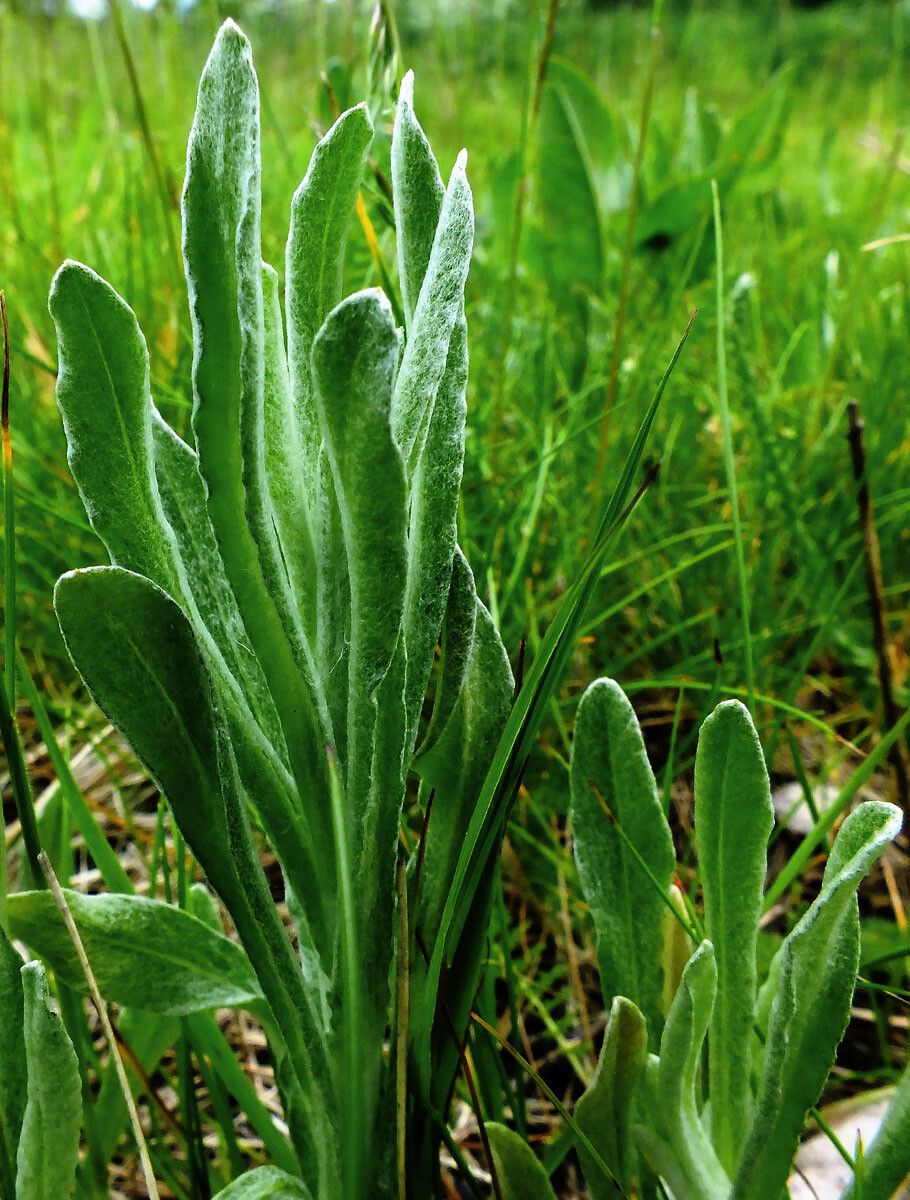
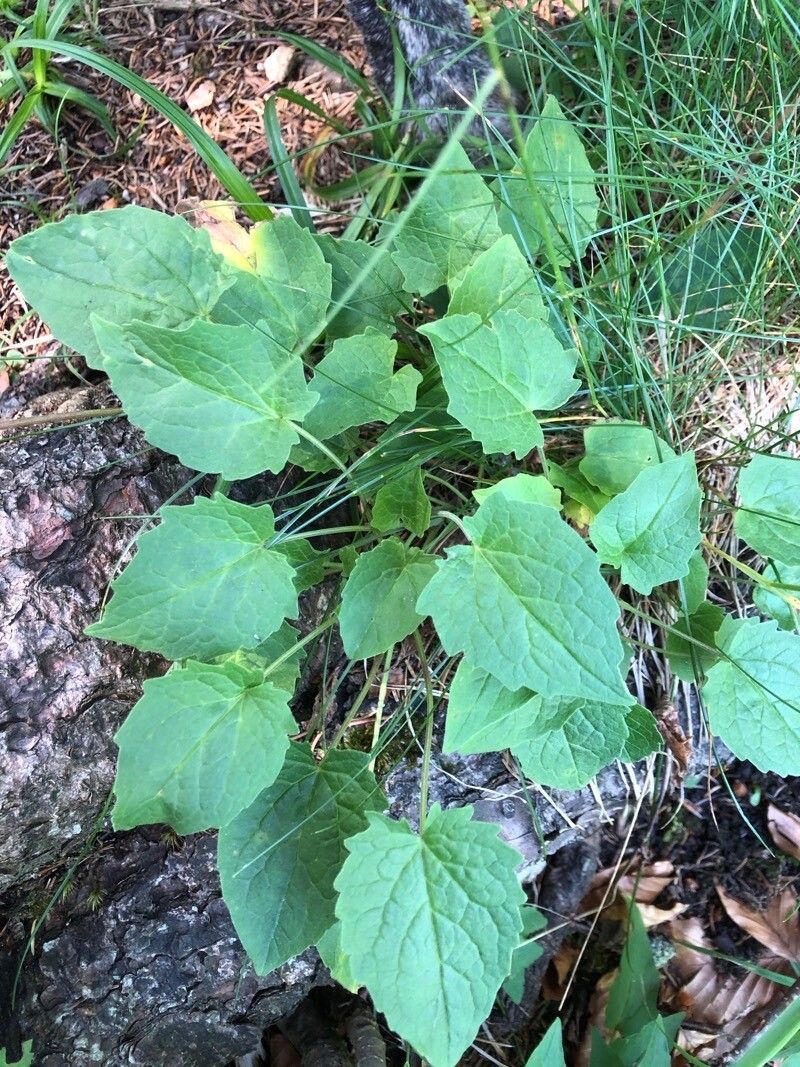
Arnica latifolia is a species of arnica in the sunflower family, known by the common names broadleaf arnica, broad leaved arnica, mountain arnica, and daffodil leopardbane. It is native to western North America from Alaska east to Northwest Territories and south to Mono County, California, and Taos County, New Mexico. It grows in mountain habitat such as forest and meadows. Arnica latifolia is a perennial herb growing from a long rhizome and producing a hairy, mostly naked stem 10 to 50 centimeters tall. It has a cluster of leaves around its base and usually a few pairs along the lower part of the stem. The leaves are lance-shaped to broad and nearly heart-shaped, and are usually toothed.The inflorescence contains one or more daisy-like flower heads lined in glandular phyllaries. Each has a center of yellow disc florets and several yellow ray florets up to 3 centimeters long. The fruit is an achene with a white pappus.The plant was first described in 1832 by German-Russian botanist Gustav Heinrich von Bongard, based on material collected near Sitka, now in Alaska (then called Russian America).The species could be confused with the similar Arnica cordifolia, from which it can be distinguished by the leaves.
Broadleaf arnica shows strong resistance to disease and is usually not susceptible to illnesses. However, it can be vulnerable to pests and diseases present in its surroundings. These infections are typically not serious. In terms of upkeep, this plant requires moderate maintenance. It should be pruned regularly to preserve a good appearance and healthy growth. Fertilization can also help encourage flowering. Broadleaf arnica is appropriate for anyone with outdoor space, such as a garden or patio, and does not demand much care experience. It may need more attention when grown indoors.
How to keep Arnica Latifolia.
Light
Broadleaf arnica grows best in abundant sunlight but can also tolerate moderate light. Native to areas with plentiful sun, it has adapted to take in large amounts of light for optimal growth. Insufficient light may slow its growth, while excessive exposure can cause damage to the plant.
Water
Broadleaf arnica thrives in moist montane regions, preferring consistent moisture. For optimal growth, it requires weekly watering. This herbaceous perennial also benefits from increased humidity during its growing season, which enhances foliage health and flower production. Additionally, it has moderate tolerance to drought.
Temperature
Broadleaf arnica is indigenous to temperate regions and does best in temperatures between 41 and 95 °F (5 to 35 ℃). You may need to adjust for seasonal temperature changes to promote its growth. Keep this temperature range steady, since large fluctuations can harm its health.
Fertilizer
The best time to fertilize Broadleaf arnica is in early spring, as it comes out of dormancy and begins active growth. Fertilizing supplies essential nutrients for healthy growth. Although Broadleaf arnica has relatively low fertilizer requirements, applying fertilizer annually can improve its survival and encourage better, longer-lasting flowers.
Pruning
Broadleaf arnica is known for its bright yellow, daisy-like flowers and thrives in moist, shaded areas. To encourage growth and flowering, prune the plant from early to late spring by removing any dead or damaged stems. Regular pruning helps maintain the plant's shape, prevents diseases, and enhances its overall health and visual appeal.
Botanical profile.
- Plant Type
- Herb
- Life Cycle
- Perennial
- Genus
- Arnica
- Family
- Asteraceae
- Hardiness Zone
- 4-9
- Mature Height
- 30 cm to 61 cm
- Mature Spread
- 20 cm to 40 cm
- Leaf Color
- Green
- Leaf Type
- Deciduous
- Flower Color
- Yellow
- Flower Size
- 5.08 cm to 6.35 cm
- Bloom Time
- Early summer, Mid summer
- Planting Time
- Spring, Summer, Autumn
- Harvest Time
- Late summer, Early fall
Other names.
Reader questions.
What is the native climate for Broadleaf Arnica?
Broadleaf arnica, also known by its botanical name Arnica latifolia, is native to temperate climates. It thrives in a temperature range of 41 to 95 °F (5 to 35 °C). Being well-adapted to its native temperature conditions, broadleaf arnica shows strong cold resistance, making it a resilient plant in varying temperatures. It's important to maintain this temperature range as drastic fluctuations can negatively impact the plant's health. In its optimal temperature range, broadleaf arnica can grow robustly, embodying the resilience characteristic of plants native to temperate regions.
How should I protect Broadleaf Arnica during winter?
Broadleaf arnica exhibits strong cold resistance, meaning special frost protection measures are usually not needed during winter. However, for temperatures expected to drop below -30°C, it's essential to provide some form of cold protection. This protection can be offered by covering the plant with insulating materials such as soil or straw. Additionally, watering the plant abundantly before the first freeze in autumn is recommended. This ensures that the soil around the plant remains moist and enters a frozen state prepared, thereby preventing drought and water scarcity during winter and early spring. Such precautions help the plant to survive and thrive even in harsh winter conditions.
What symptoms indicate Broadleaf Arnica is too cold and how can I address them?
Broadleaf arnica is notably cold-tolerant, performing best when temperatures are kept above 5°C and ideally, it should not be exposed to temperatures below -25°C. At temperatures falling below -30°C, you might not notice immediate changes, but there can be negative impacts such as a decrease in sprouting or a complete lack of sprouting during spring. To address issues with plants that fail to sprout in spring due to excessive cold, it's advisable to remove any parts of the plant that haven't sprouted. This can help prevent decay and encourage new growth as temperatures warm.
How should I care for Broadleaf Arnica in high temperatures?
During the summer months, keeping the Broadleaf arnica below 35°C is crucial for its health. Exposure to temperatures above 38°C can lead to visible stress on the plant, including lighter colored leaves, curling, susceptibility to sunburn, and in severe cases, wilting, drying out, and death of the plant. To mitigate these issues, trim away any parts of the plant that are sunburned or dried up. It may also be beneficial to relocate the plant to a shaded area during the midday and afternoon sun or use a shade cloth to reduce exposure to intense sun. Additionally, watering the plant in the early morning and late evening helps in keeping the soil adequately moist, further protecting the plant from heat stress.