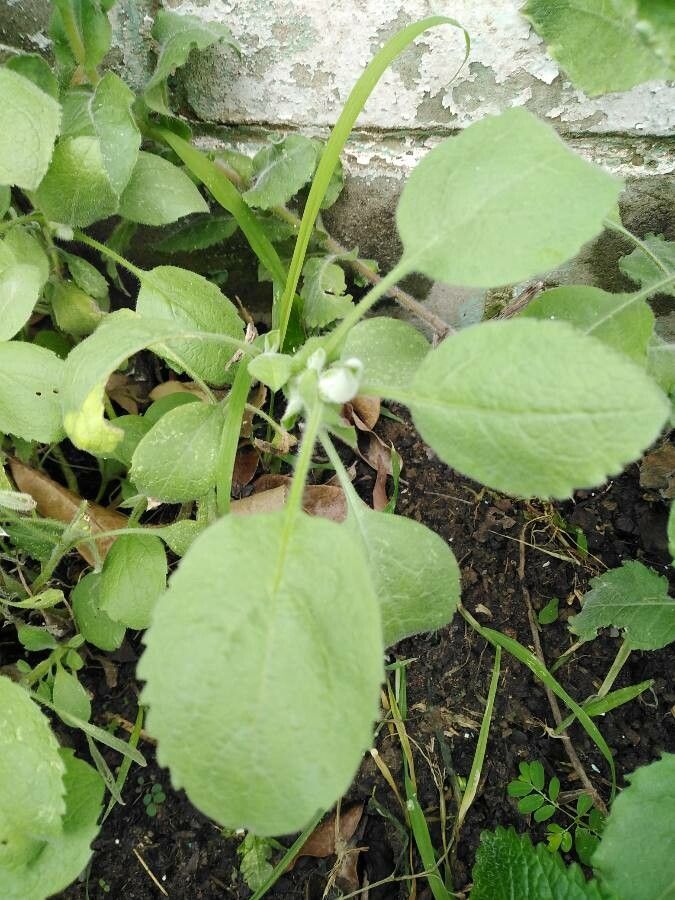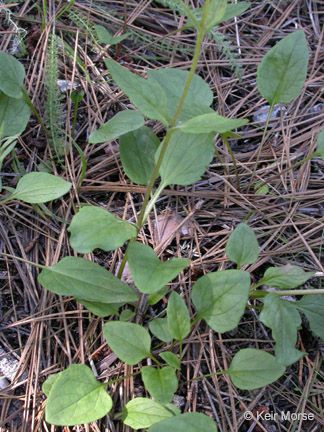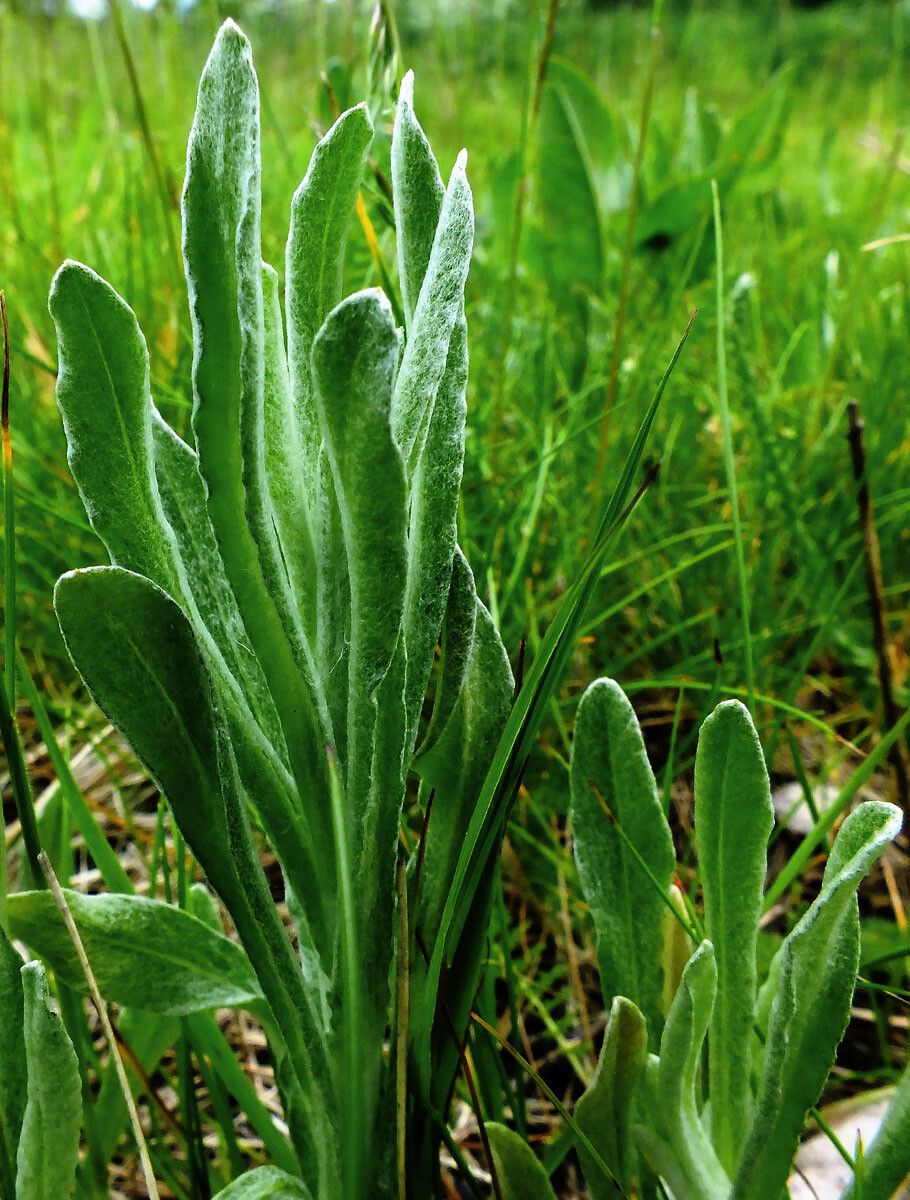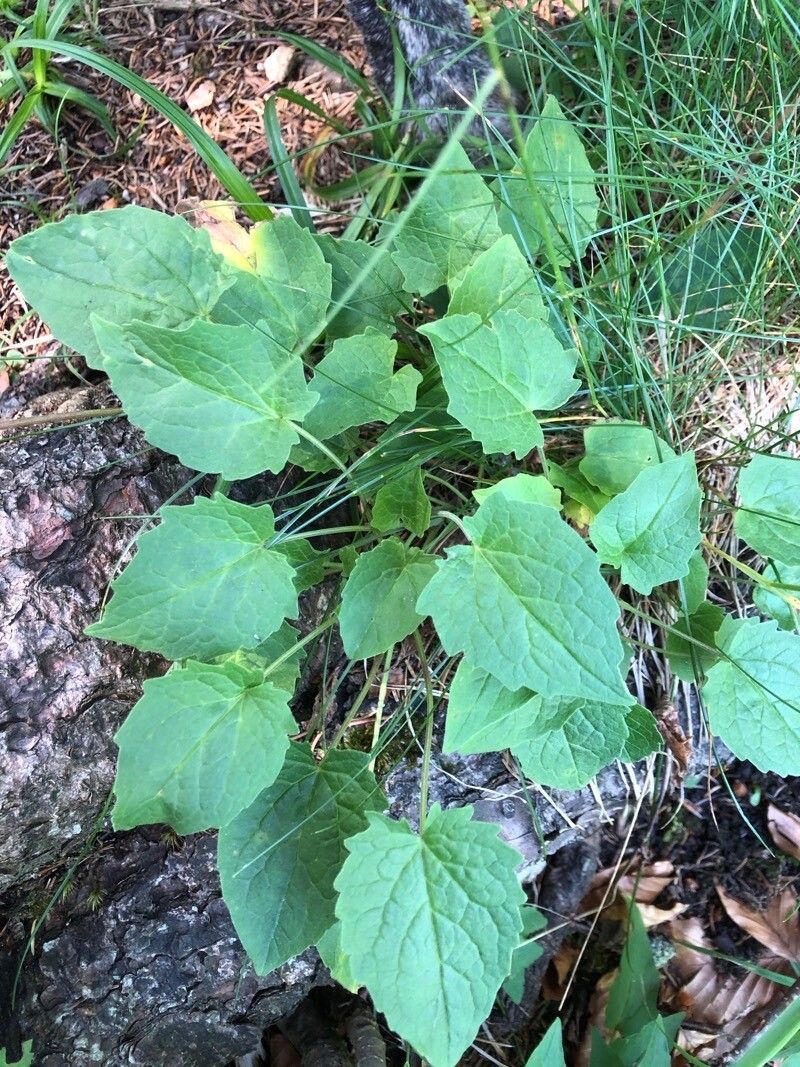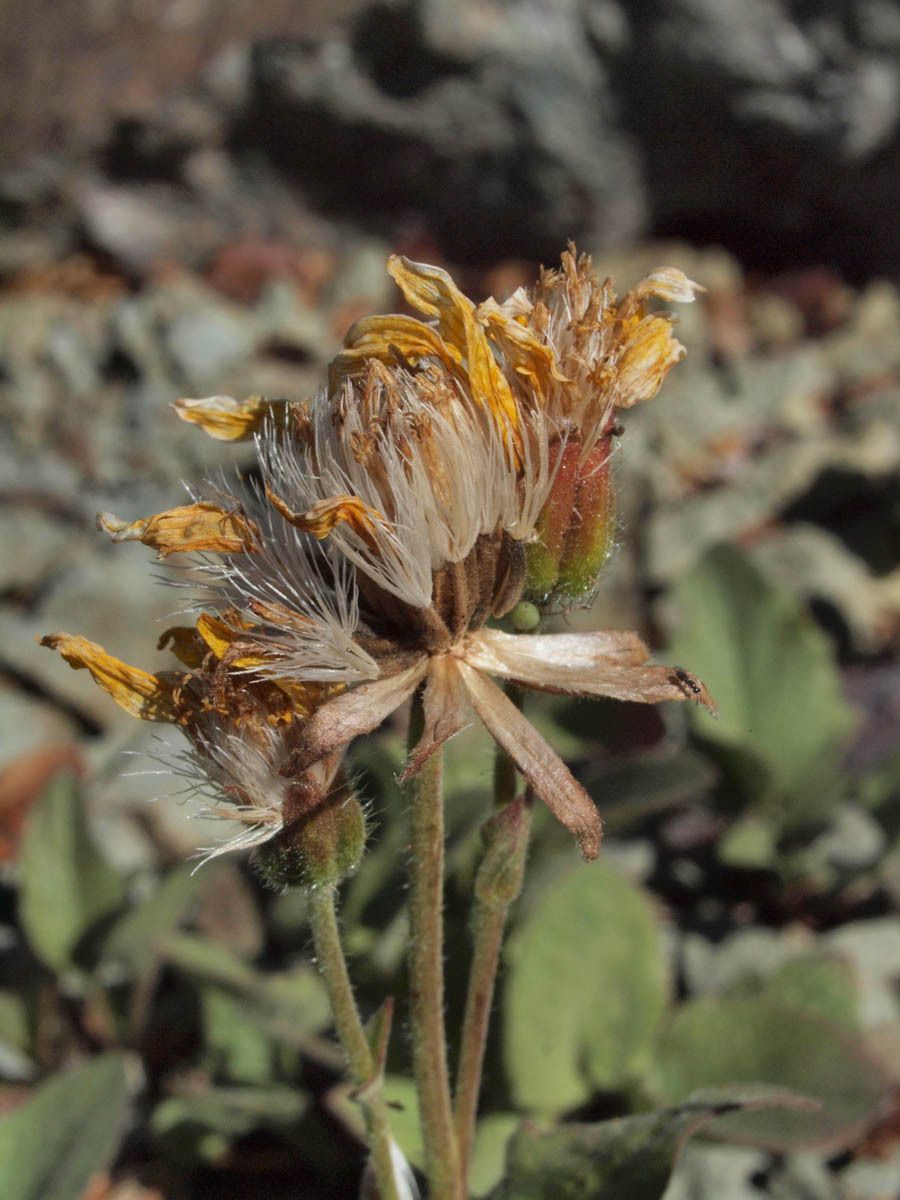
Arnica gracilis is a North American species of flowering plant in the family Asteraceae, known by the common name smallhead arnica. It is native to western Canada (Alberta, British Columbia) and the northwestern United States (Washington, Oregon, Idaho, Montana, Wyoming, north-central Colorado (Jackson County), and northern Utah (Cache, Summit, + Daggett Counties).Arnica gracilis is an herb up to 30 cm (12 inches) tall. Flower heads are yellow, with both ray florets and disc florets.
Smallhead arnica shows strong resistance to disease and is generally unlikely to suffer from illnesses. Still, it can be affected by pests and diseases found in its environment, though such infections are typically mild. Regarding upkeep, this plant needs a moderate level of care. Regular pruning is necessary to preserve an attractive appearance and support healthy growth. Applying fertilizer can also encourage better flowering. Smallhead arnica is appropriate for anyone who has outdoor space like a garden or patio and does not require extensive horticultural experience. It may demand more attention if cultivated indoors.
How to keep Arnica Gracilis.
Light
Smallhead arnica is a perennial herbaceous plant that enjoys the sun. It originates from open environments and often prospers in meadows and grasslands. Although it prefers full sun, it can also handle conditions with partial sunlight.
Water
Smallhead arnica thrives in consistently moist soil and benefits from being watered weekly to promote optimal growth. Typically grown outdoors, this plant is resilient and makes efficient use of water, resulting in lush foliage and vibrant blooms during the growing season.
Temperature
Smallhead arnica possesses the capacity to adjust to a diverse array of temperature circumstances. However, its spread might still be restrained by various combinations of thermal and water conditions. It flourishes optimally in summertime warm climates when there is sufficient rainfall or watering. Extended durations of overcast and wet weather, as well as sustained high temperatures, may heighten the probability of Smallhead arnica perishing. During the winter season, providing adequate protection against the cold can enhance the survival prospects of the plant.
Fertilizer
A one-time application of fertilizer in the spring is typically adequate for Smallhead arnica, although applying it more than once can augment its growth. Provide nourishment every one to one and a half months. Fertilization improves the look and functionality of the leaves, encouraging uniform color and a vibrant texture. Additionally, it boosts the growth of the roots and the plant's ability to absorb nutrients, which contributes to the plant's well-being over an extended period.
Pruning
Pruning smallhead arnica from early to late spring encourages healthy growth and enhances blooming. To promote better air circulation, remove any dead stems, and trim back old growth to stimulate the development of new shoots. Regular maintenance not only helps manage the plant's size but also improves the overall appearance of your garden.
Botanical profile.
- Plant Type
- Herb
- Life Cycle
- Perennial
- Genus
- Arnica
- Family
- Asteraceae
- Leaf Type
- Deciduous
- Bloom Time
- Summer