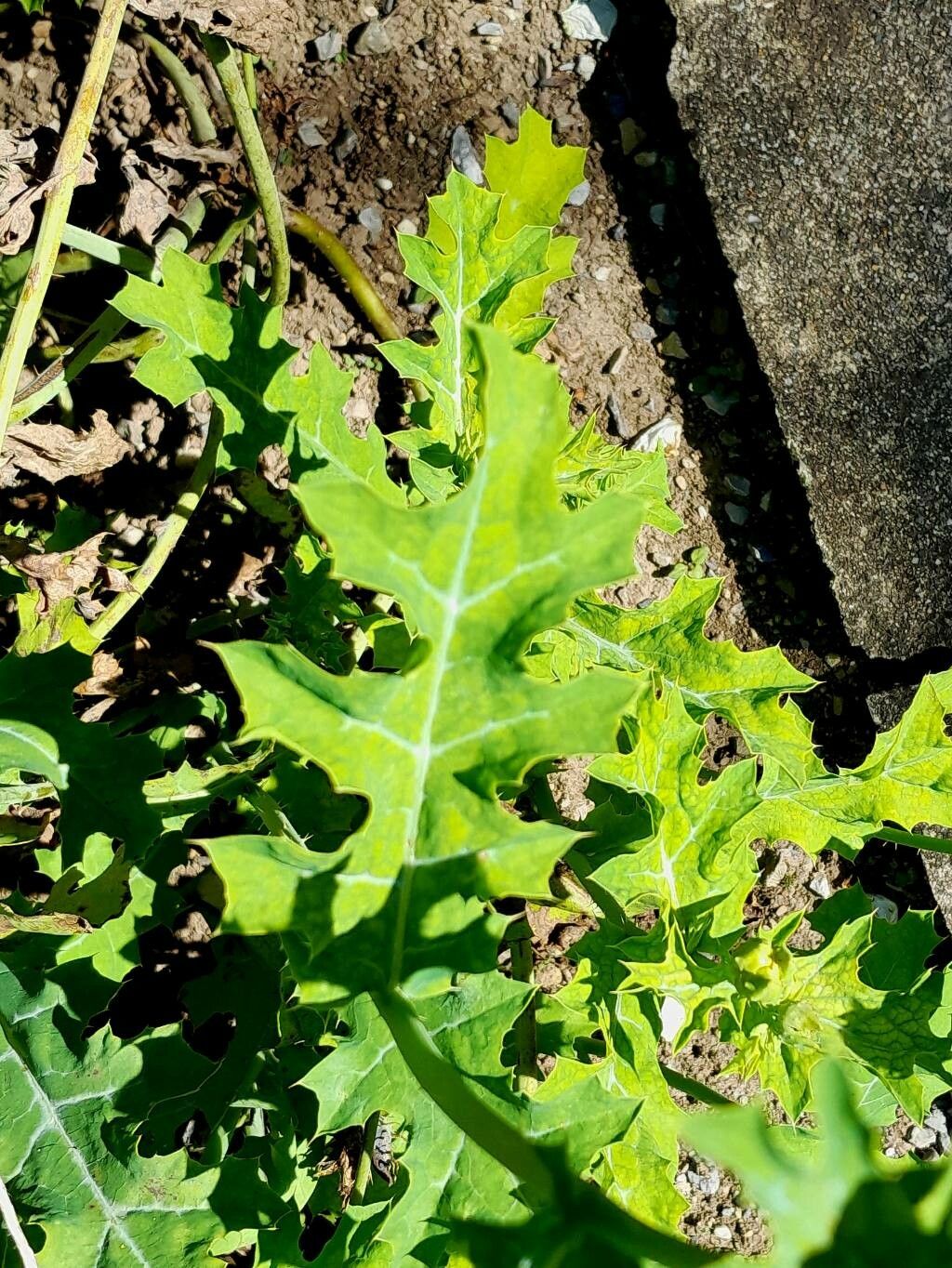
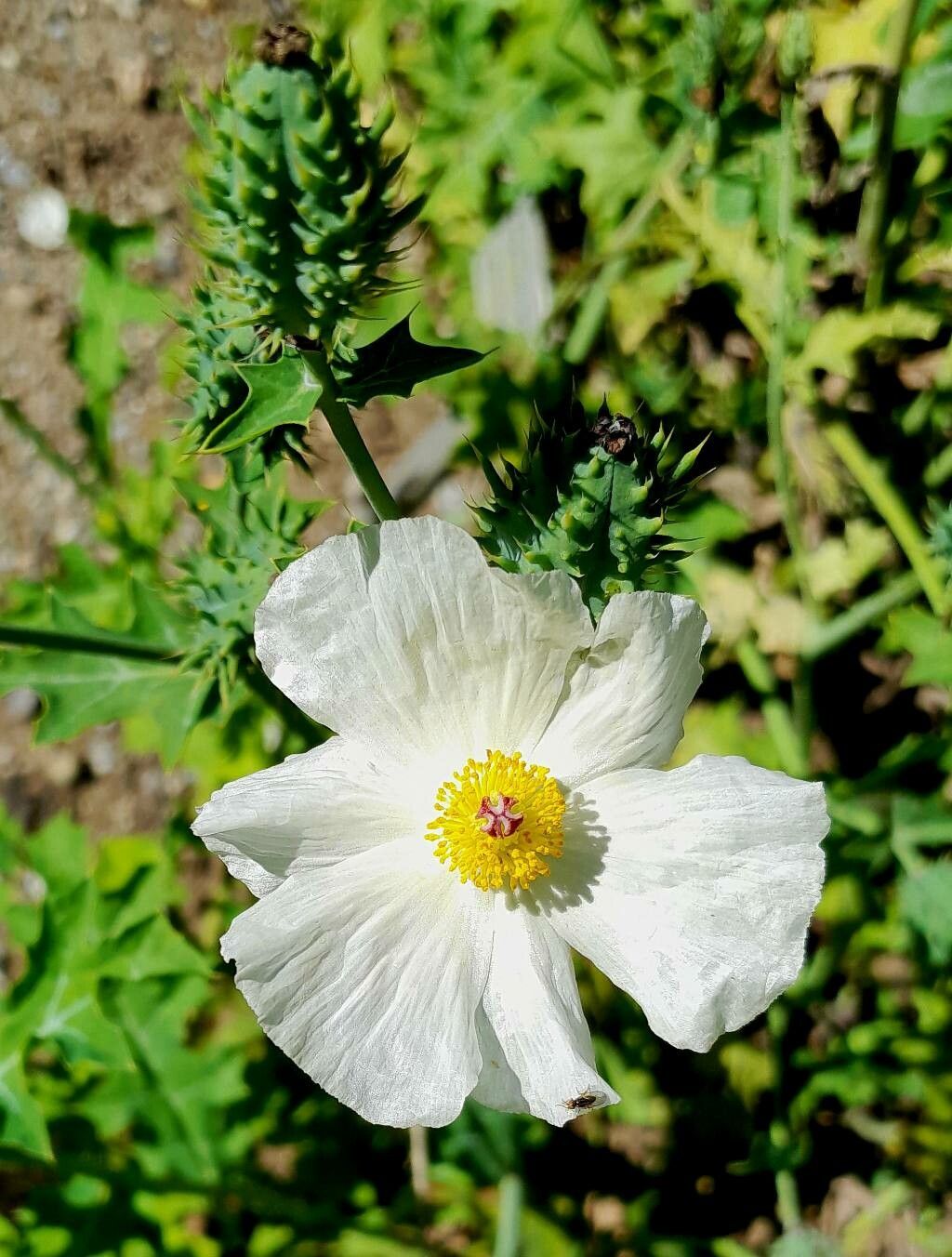
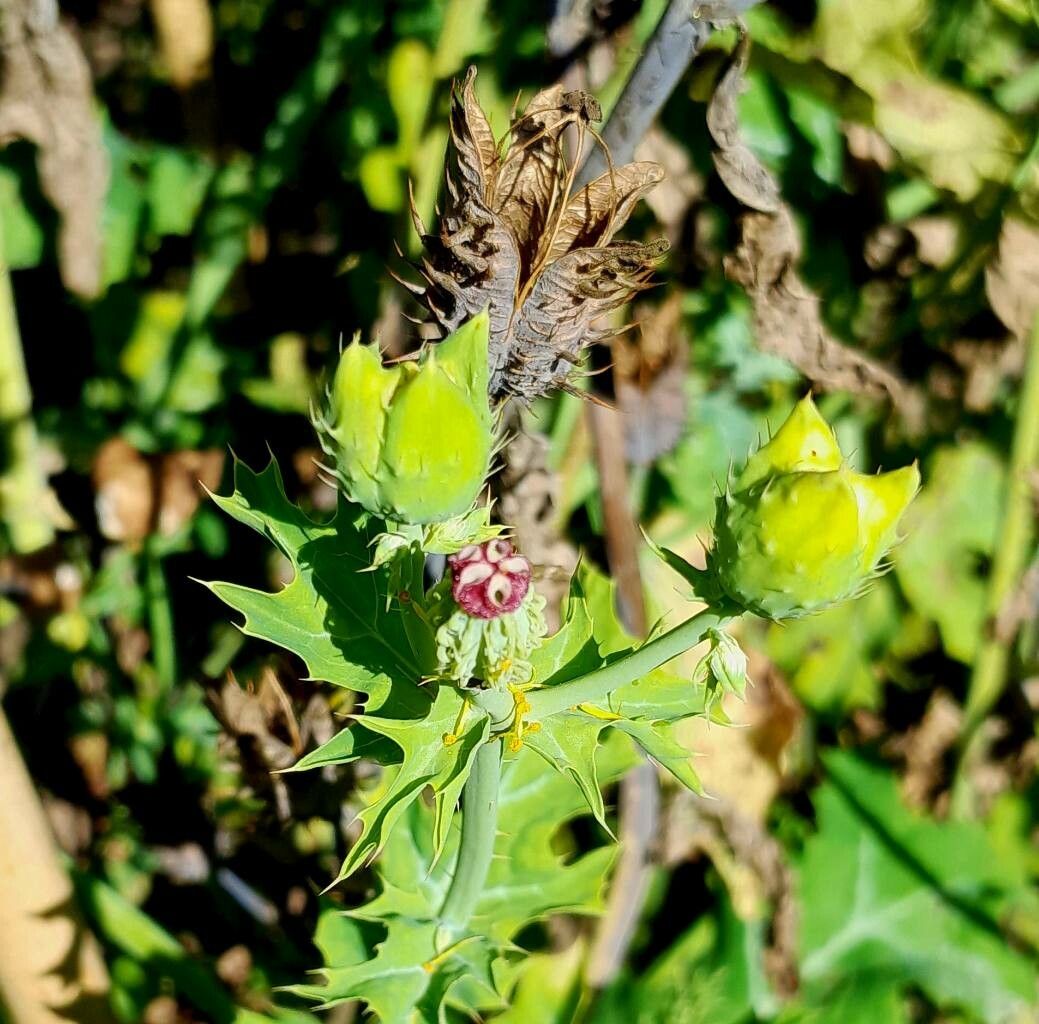
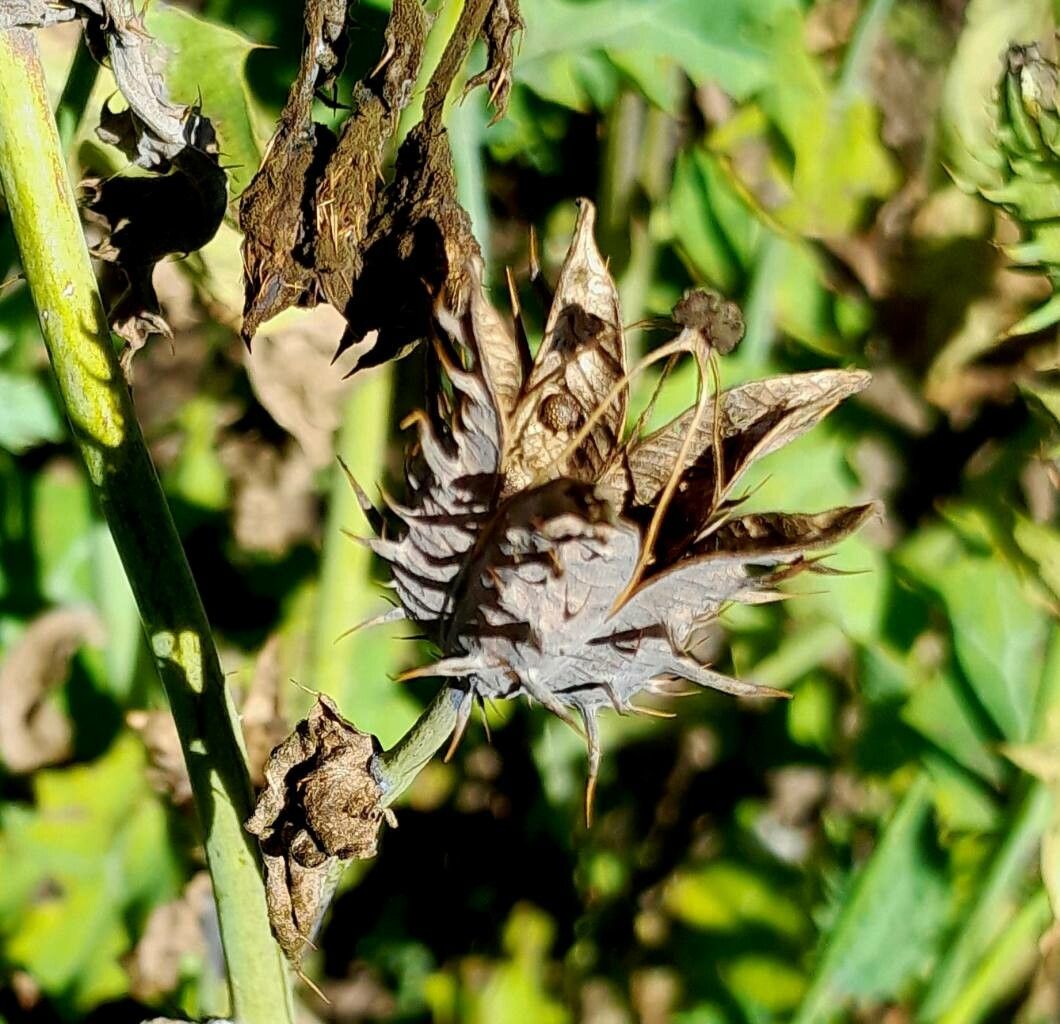
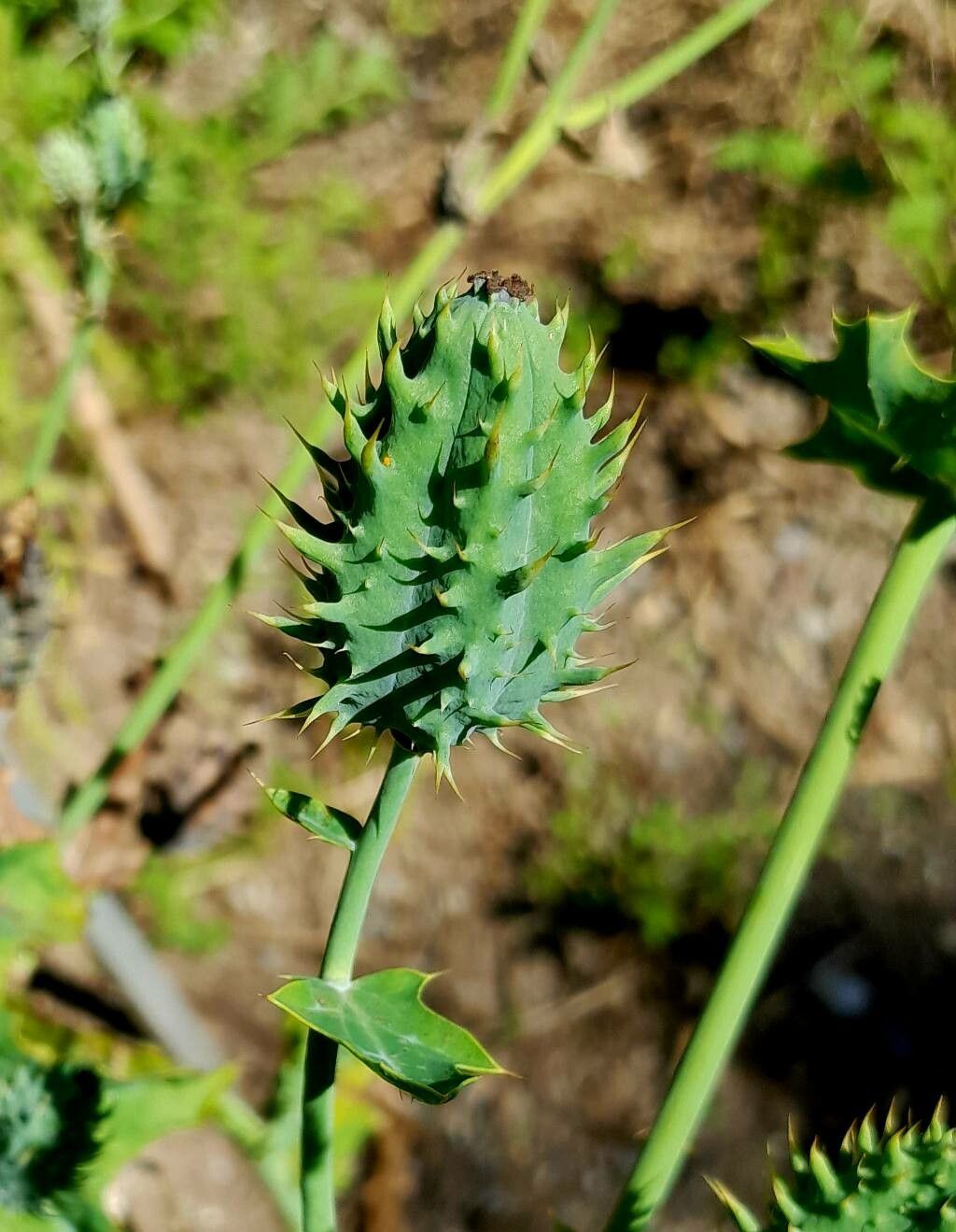
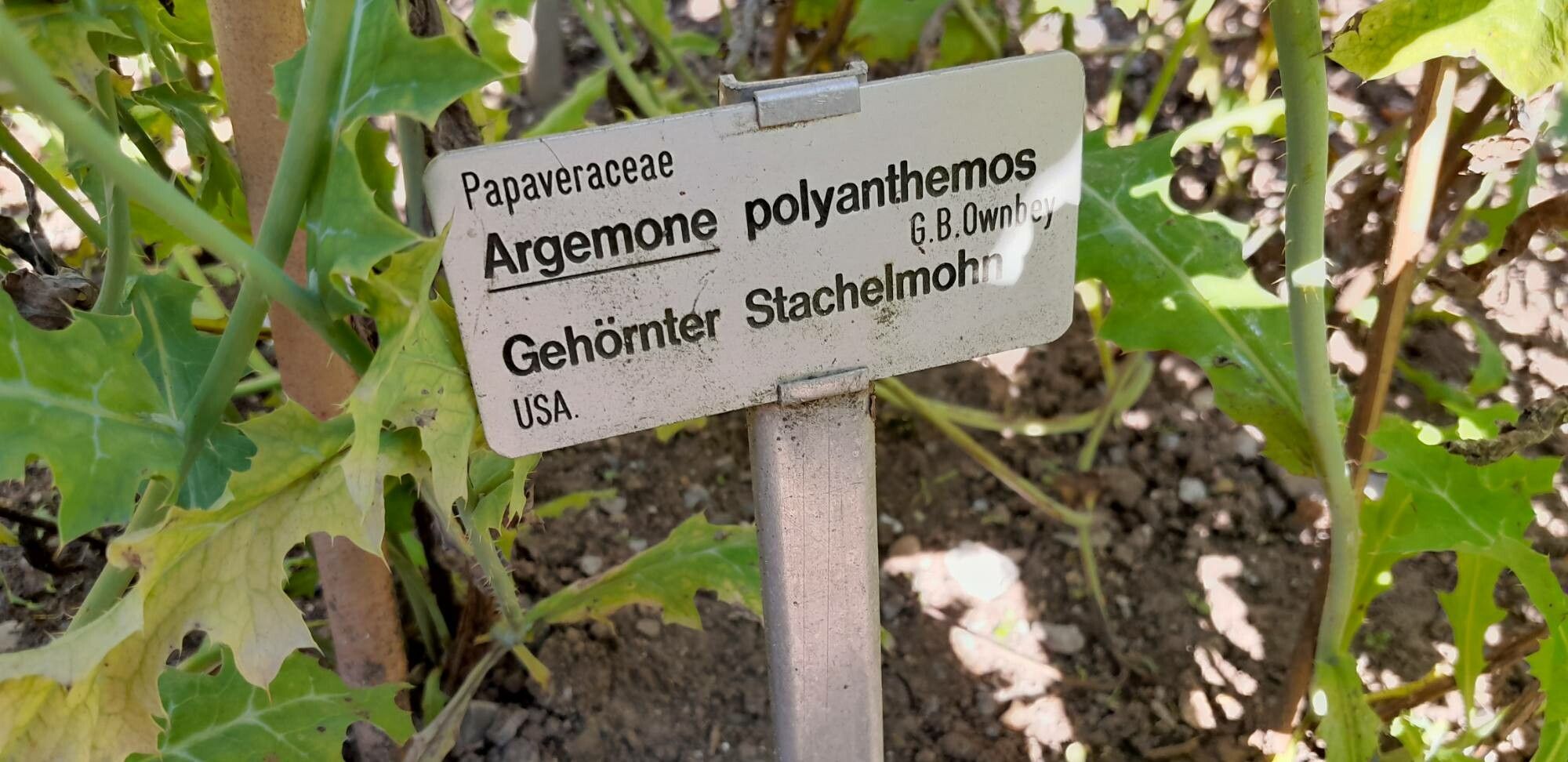
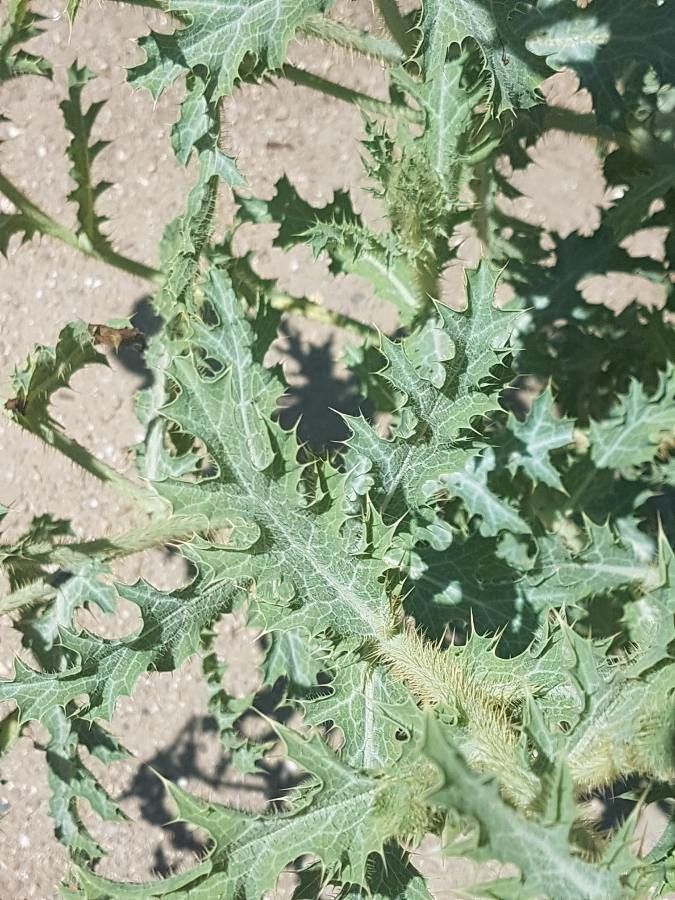
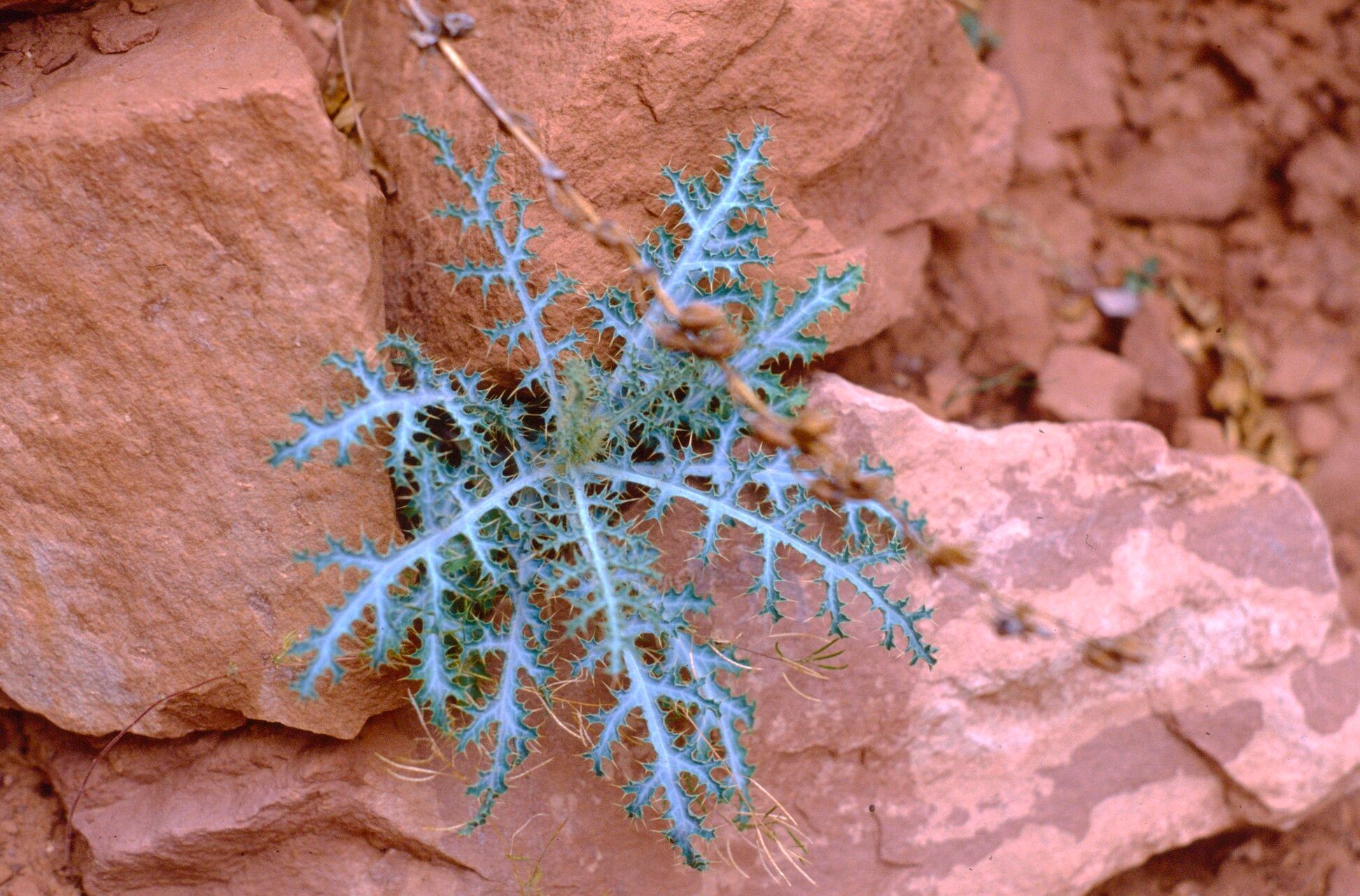
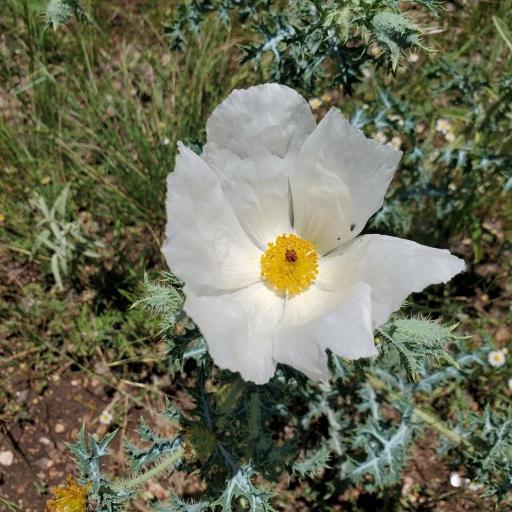
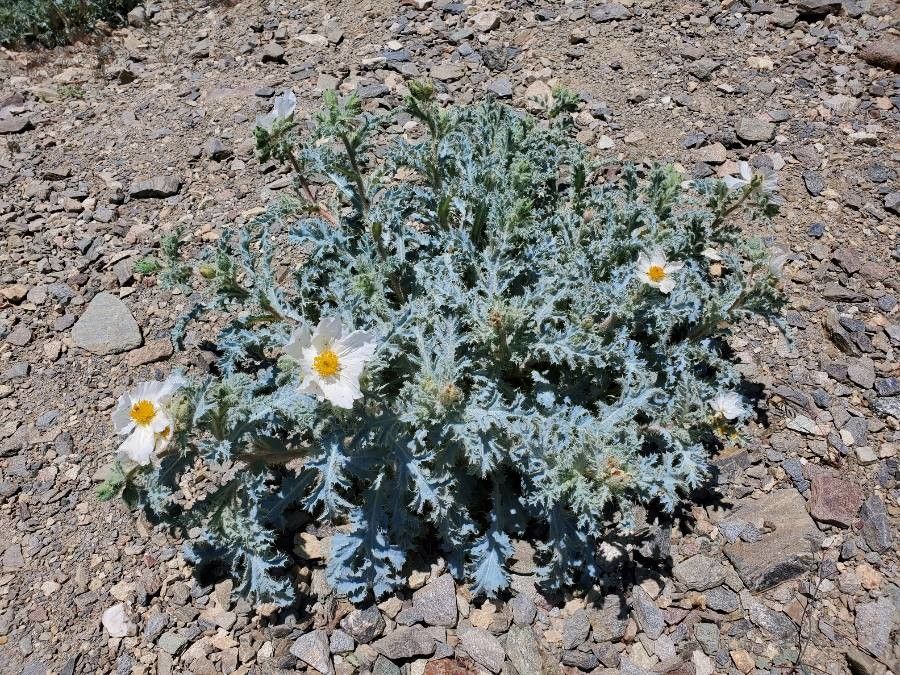
Argemone polyanthemos, the crested pricklypoppy, is an annual plant with yellow sap and showy white flowers in the poppy family (Papaveraceae).: 63 It can be found in areas with dry soil in most of the North American southwest.: 63 Because of its prickly defenses, and acrid taste from its poisons, grazing animals tend to avoid it, so it increases in numbers compared to other plants in grazed areas.: 63
Prickly poppy has good disease resistance and is generally not prone to illnesses. However, it can be vulnerable to pests and diseases present in its surroundings. These problems are usually not serious. Regarding care, this plant requires moderate maintenance. It should be pruned regularly to maintain a neat appearance and healthy growth. Fertilizing can also help encourage flowering. Prickly poppy is suitable for anyone with outdoor space, such as a garden or patio, and does not demand extensive experience in plant care. It may need more attention if grown indoors.
How to keep Argemone Polyanthemos.
Light
Prickly poppy comes from bright, open habitats and thrives in full sun. It can tolerate partial sun but favors direct sunlight for optimal growth. This annual and biennial plant is known for its sun-loving habit.
Water
The prickly poppy is well-suited to arid environments, needing very little water and enduring drought conditions with ease. Watering it once a week is enough to promote healthy growth without risking over-watering. Good soil drainage is crucial, as it supports the plant's ability to take in and retain just the right amount of moisture.
Temperature
Prickly poppy can tolerate a wide range of temperatures, but its distribution may still be restricted by particular combinations of moisture and heat. It does best in warm summer climates with adequate rainfall or watering. Long periods of cloudy, rainy weather or extended high temperatures can raise the chance of Prickly poppy dying. In winter, protecting the plant from cold can increase its survival rate.
Fertilizer
When most of the Prickly poppy's blooms have opened to full size, resume fertilizing. At the peak of bloom production, feed it every three to four weeks, as weather allows. Then, when the Prickly poppy begins to produce fewer new blooms, stop fertilizing; there's no need to feed the plant once it can no longer produce additional blooms.
Pruning
The prickly poppy is known for its spiny appearance and beautiful white flowers. To encourage healthy growth, it should be pruned from early to late spring. During pruning, remove any damaged stems and thin out overcrowded areas. This process not only enhances the plant's shape but also reduces the risk of disease, all while complementing its natural growth cycle. Remember to wear gloves for protection while pruning.
Botanical profile.
- Plant Type
- Herb
- Life Cycle
- Annual, Biennial, Perennial
- Genus
- Argemone
- Family
- Papaveraceae
- Hardiness Zone
- 3-11
- Mature Height
- 30 cm to 91 cm
- Mature Spread
- 30 cm to 49 cm
- Leaf Color
- Green, Blue
- Leaf Type
- Semi-evergreen
- Flower Color
- White
- Flower Size
- 10.16 cm
- Bloom Time
- Late spring, Summer
- Planting Time
- Spring, Autumn
- Harvest Time
- Mid summer, Late summer, Early fall, Mid fall
Other names.
Reader questions.
What are the sunlight requirements for Prickly Poppy?
Prickly Poppy (Argemone polyanthemos) thrives when exposed to full sun, which means it needs more than 6 hours of sunlight a day. It's important to monitor the sunlight movement in your garden to ensure that the plants get a balance of light and shade. While Prickly Poppy can tolerate partial sun, it ideally prefers direct sunlight for optimal growth. When planning its placement, either in a garden or indoors, factor in its sun-loving nature for better growth and health.
How can artificial lighting aid in the growth of Prickly Poppy indoors?
When natural sunlight is not sufficient, especially during winter or in spaces with less sun exposure, artificial lighting can be a crucial solution for the growth of indoor Prickly Poppy plants. LED lights, specifically, are recommended due to their ability to provide specific wavelengths needed by plants. The amount of artificial light needed varies: full sun plants require 30-50W/sq ft, partial sun plants need 20-30W/sq ft, and full shade plants need 10-20W/sq ft. The light source should be positioned 12-36 inches above the plant, mimicking natural sunlight as closely as possible. Additionally, it's essential to adjust the duration of light exposure to match the natural daylight hours, generally between 8-12 hours per day, to promote healthier and faster growth.
What symptoms indicate inadequate light for Prickly Poppy when grown indoors?
Inadequate light can lead to a series of symptoms in Prickly Poppy, including the development of smaller leaves than previously matured ones, leggy or sparse growth, faster leaf drop, and slower or halted new growth. Additionally, you may observe lighter-colored new leaves, indicating a lack of chlorophyll and essential nutrients. Other symptoms like chlorosis, where leaves lose their green color, sunscald, leaf curling, wilting, and leaf scorching can also occur, pointing towards either too much or too little light exposure. These conditions affect the plant's ability to photosynthesize efficiently, thus impeding its overall health and growth.
What solutions can alleviate light-related issues for Prickly Poppy?
To address light-related issues in Prickly Poppy, consider gradually moving the plant to a sunnier location until it receives at least 6 hours of direct sunlight daily. This is applicable for both indoor and outdoor plants. Ensure there's no sudden change in light intensity to avoid sunburn. Using a south-facing window indoors can maximize sunlight exposure. Additionally, for indoor plants that are large or not easily movable, using artificial light such as desk lamps or professional grow lights for at least 8 hours daily can be beneficial. Outdoors, reducing obstructions and possibly transplanting to a sunnier location with good drainage can help improve light access. Observe areas around your plants to identify and minimize sunlight blockages by pruning or relocating the plants.