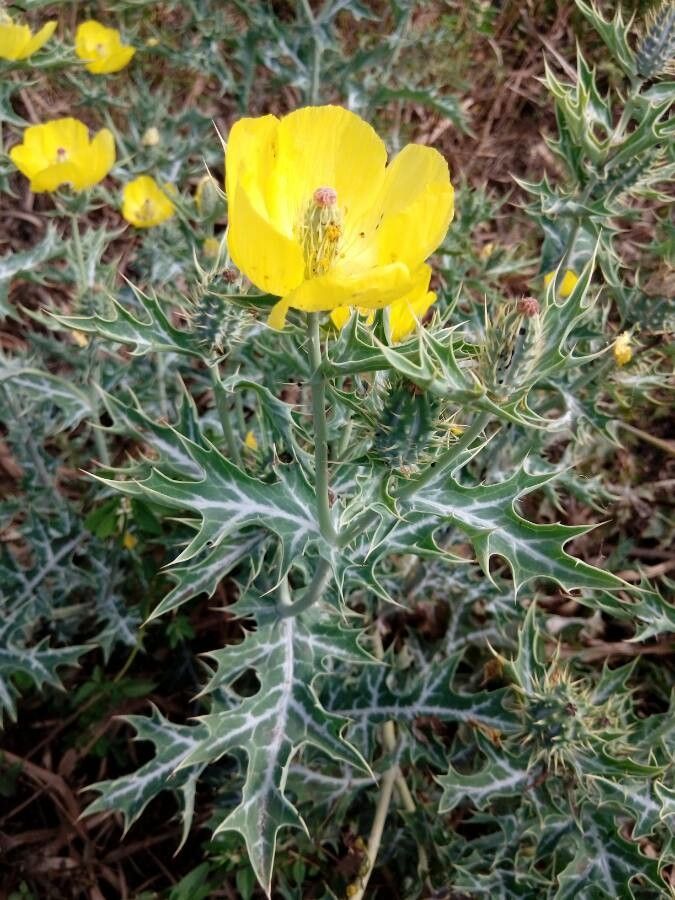
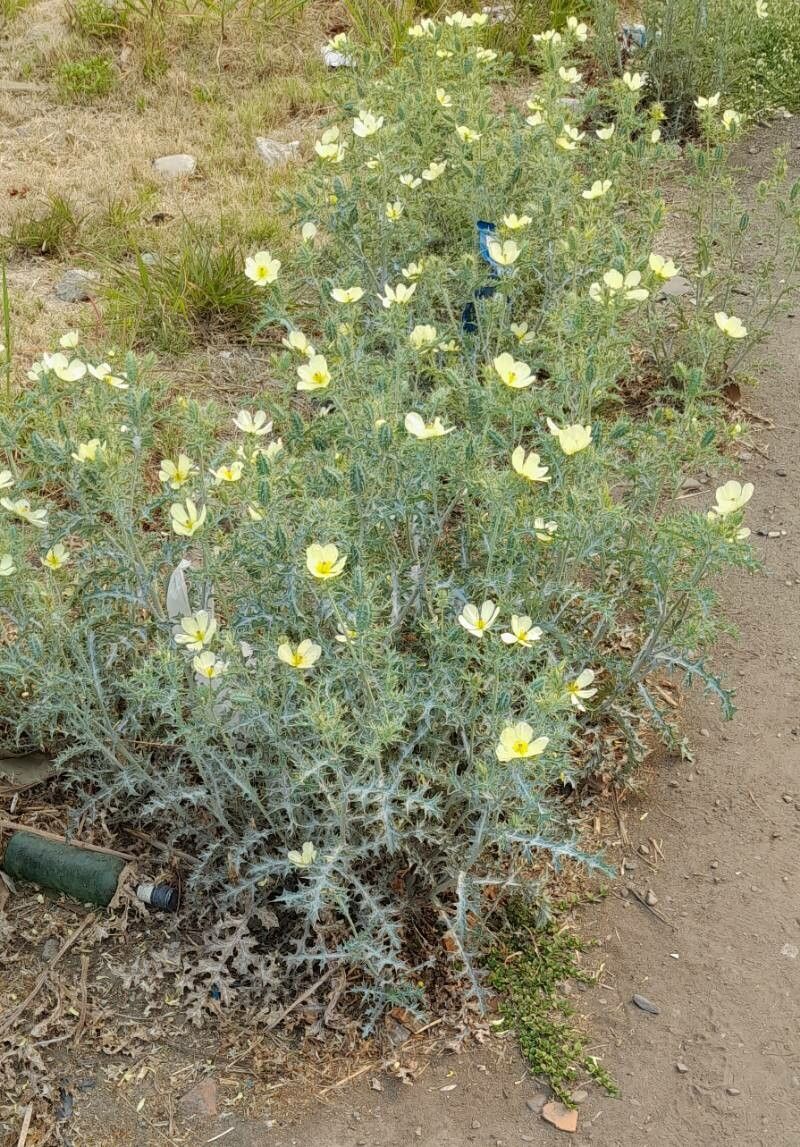
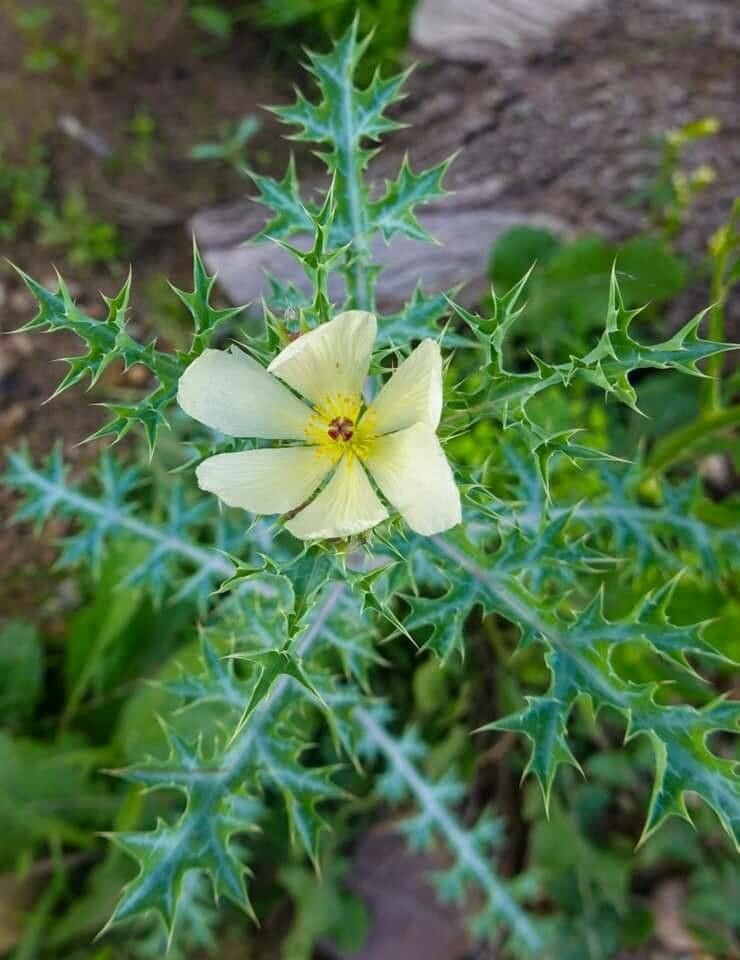
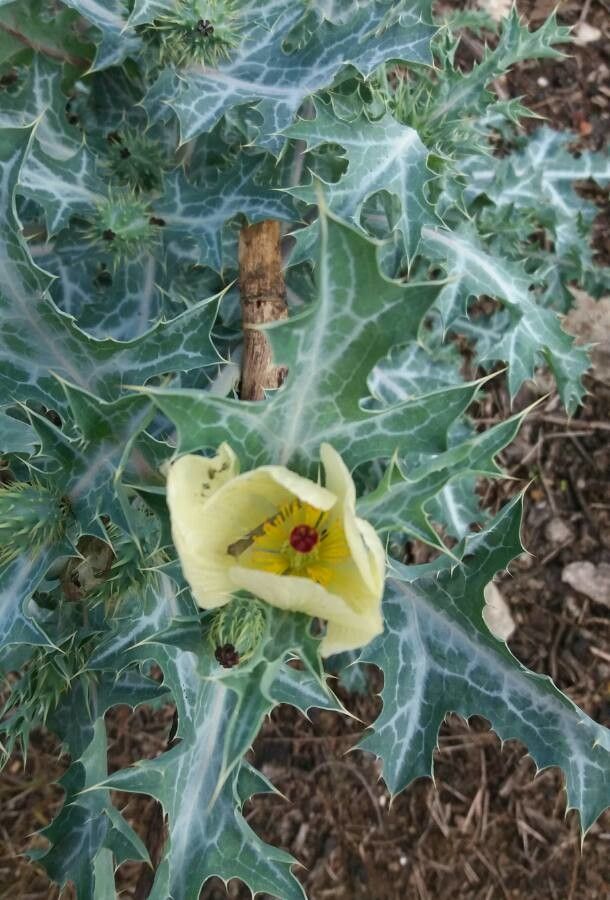
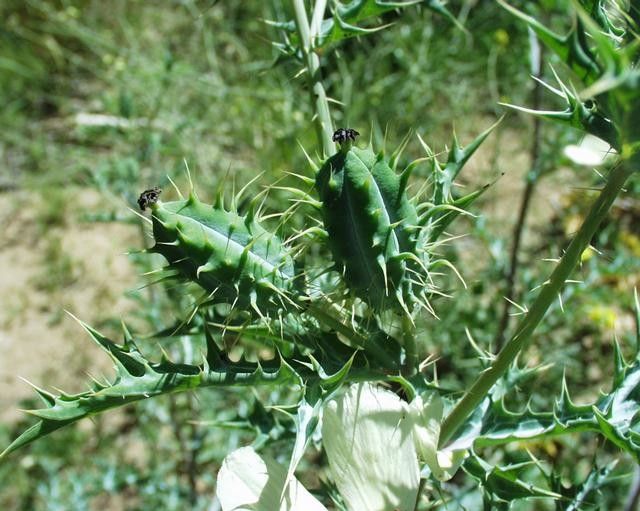
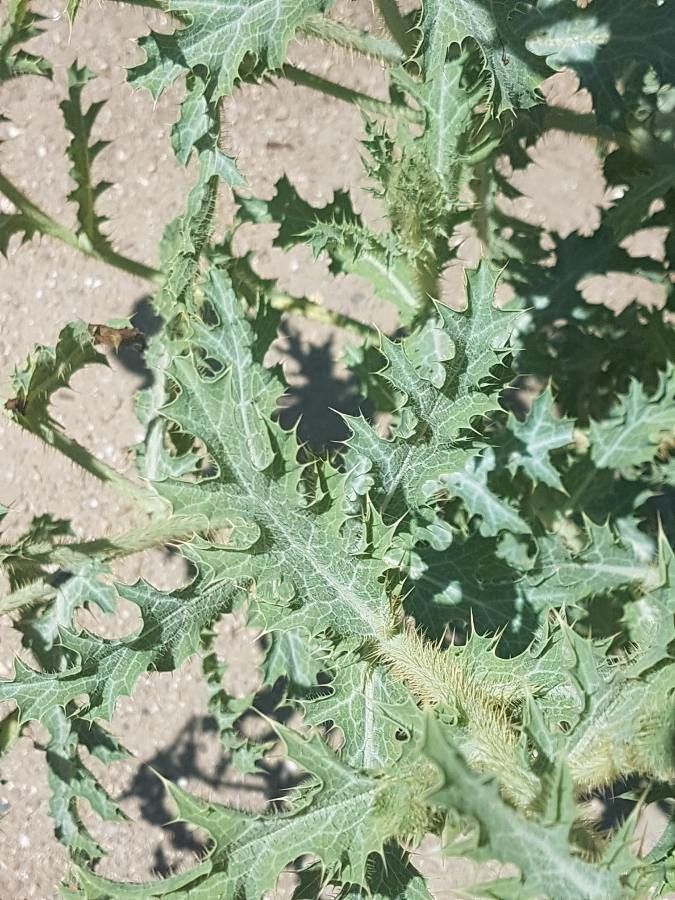
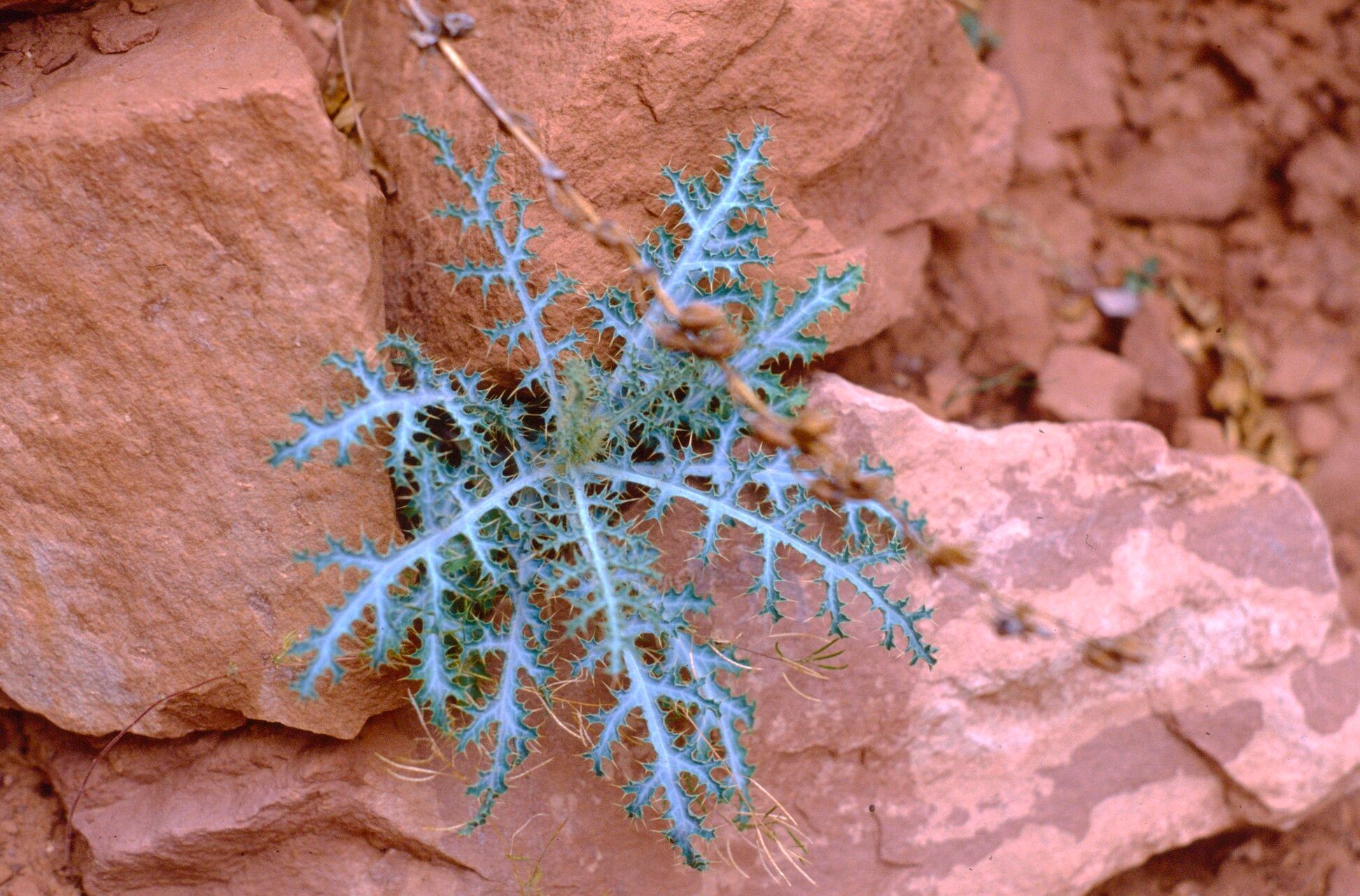
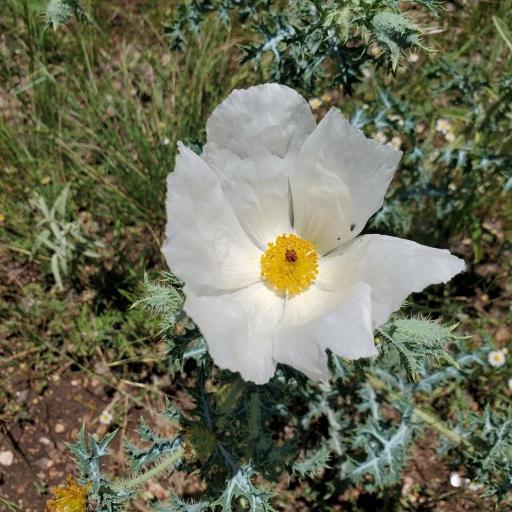
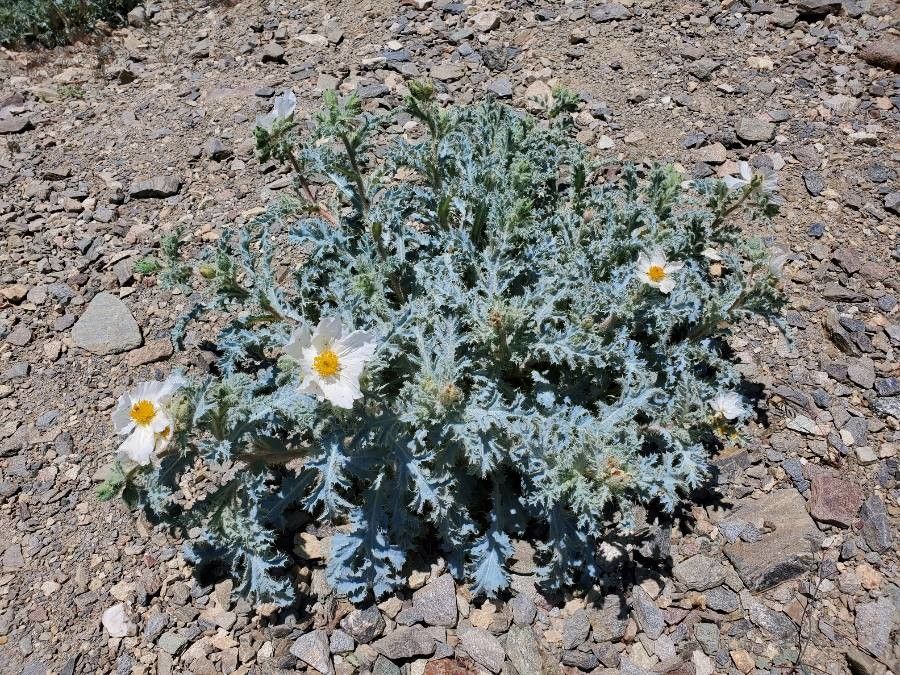
Argemone ochroleuca is a species of prickly poppy, a flowering plant commonly known as pale Mexican prickly poppy or Mexican poppy. It is native to Mexico and is also an introduced weed in many temperate and tropical regions of the world. It can grow up to 1 m (3 ft 3 in) in height and has a sticky yellow sap.
Pale mexican pricklypoppy is fairly disease-resistant and usually not prone to illnesses. However, it can be affected by pests and diseases present in its environment. Such infections are generally mild. Care-wise, this plant requires moderate maintenance. Regular pruning is needed to keep a neat appearance and support healthy growth. Fertilizing can also help encourage flowering. Pale mexican pricklypoppy is appropriate for anyone with outdoor space, such as a garden or patio, and does not demand extensive care experience. It may require more attention when grown indoors.
How to keep Argemone Ochroleuca.
Light
The pale Mexican pricklypoppy grows best when it gets ample sunlight. It comes from open habitats where sunlight is abundant throughout the day. Insufficient sun can impede its growth and overall health, and too much sun does not cause it significant problems.
Water
The pale Mexican pricklypoppy thrives in arid regions and requires only minimal weekly watering. It prefers drier soil and low humidity, making it ideal for outdoor cultivation, where natural rainfall can assist in its care. Its drought tolerance makes it well-suited for climates with distinct wet and dry seasons.
Temperature
Pale mexican pricklypoppy comes from habitats with moderate temperatures and prefers a range of 68 to 95°F (20 to 35℃). Because pale mexican pricklypoppy tolerates a wide temperature range, seasonal adjustments are seldom necessary.
Fertilizer
When Pale mexican pricklypoppy has opened most of its blooms to full size, resume fertilizing. At the height of bloom production, apply fertilizer once every three to four weeks, as weather allows. Then, when Pale mexican pricklypoppy begins to produce fewer new blooms, stop fertilizing; there’s no reason to fertilize once the plant can no longer produce additional blooms.
Pruning
The pale Mexican prickly poppy has spiny leaves and bright yellow flowers. To encourage growth and blooms, it requires careful pruning in the spring. Make sure to remove any dead stems and overgrown areas to improve air circulation and prevent disease. For safety, wear gloves while pruning. This process will result in a healthier and more vibrant plant.
Botanical profile.
- Plant Type
- Herb
- Life Cycle
- Annual, Perennial
- Genus
- Argemone
- Family
- Papaveraceae
- Hardiness Zone
- 10
- Mature Height
- 91 cm
- Mature Spread
- 30 cm to 61 cm
- Leaf Color
- Green Yellow, Yellow Green
- Leaf Type
- Evergreen
- Flower Color
- White
- Flower Size
- 3.05 cm to 6.35 cm
- Bloom Time
- Late spring, Summer
- Planting Time
- Spring, Summer
- Harvest Time
- Mid summer, Late summer, Early fall, Mid fall
- Native Area
- Mexico
Other names.
Reader questions.
How should I water my Pale mexican pricklypoppy plant?
To water Pale Mexican pricklypoppy, you have a few options for watering tools like a garden hose with a spray nozzle or a watering can. This plant is not too particular about the type of water it receives, so rainwater, tap water, or filtered water will all work fine. However, it's best to avoid watering this plant from above because it can damage the leaves and flowers and potentially cause disease. Instead, a drip irrigation system is a great option for watering Pale Mexican pricklypoppy. It ensures that water is applied evenly and directly to the soil. When watering a Pale Mexican pricklypoppy that's in a container, the same principles apply, but you can simply use a cup, watering can, or tap to water the soil directly.
What are the sunlight requirements for a Pale Mexican Pricklypoppy?
The Pale Mexican Pricklypoppy requires full sun, meaning it needs above 6 hours of sunlight daily to thrive optimally. Originating from open environments, this plant is well adapted to generously receive the sun's rays, which are crucial for its growth and overall health. Insufficient sunlight can deter its growth, whereas it generally handles overexposure without significant problems. It’s important to watch how sunlight moves through your garden to choose spots that offer a perfect balance of light and shade, ensuring the plant's happiness.
What is the native environment of the Pale Mexican Pricklypoppy?
The Pale Mexican Pricklypoppy, botanically known as Argemone ochroleuca, thrives in environments with moderate temperatures, favoring a range of 68 to 95°F (20 to 35°C). Its wide temperature tolerance generally eliminates the need for seasonal adjustments. This species is notably heat-loving, hence, exposure to cold temperatures can be harmful. It is advisable to move plants grown outside indoors during autumn, placing them near a bright window but away from direct heat sources, ensuring the temperature remains above 20°C to promote growth during winter. Temperatures nearing 5°C can be detrimental to the plant.
What should I do if I give my Pale Mexican pricklypoppy too much or too little water?
To prevent underwatering Pale mexican pricklypoppy, simply start watering it more regularly when you notice it lacks moisture. Overwatering can be a bigger problem, as it can lead to diseases and the plant's decline. To prevent this, choose a location with ample sunlight to dry the soil and good drainage to avoid waterlogged soil. If your potted Pale mexican pricklypoppy is overwatered, consider changing to a new pot with better drainage and loose soils.
How can artificial lighting benefit indoor Pale Mexican Pricklypoppy plants?
Indoor Pale Mexican Pricklypoppy plants require adequate lighting for optimal growth, especially when natural sunlight is insufficient, like in winter or darker indoor spaces. Artificial lights, such as LED lights, serve as a vital solution by providing specific wavelengths of light needed for healthy plant growth. For full sun plants like the Pale Mexican Pricklypoppy, 30-50W/sq ft of artificial light is recommended, with the light source placed 12-36 inches above the plant to mimic natural sunlight. To ensure sufficient light, mimic the length of natural daylight hours, generally providing 8-12 hours of light per day.
How should you care for Pale Mexican Pricklypoppy in low temperatures?
The Pale Mexican Pricklypoppy exhibits a preference for warm climates and does not fare well in low temperatures, thriving best at temperatures above 20°C and requiring conditions to be kept above 5°C during winter. Exposure to temperatures below 1°C may lead to discoloration of the leaves, which can turn brown or black following frost damage, accompanied by wilting and drooping. The appropriate response to frost damage involves trimming the frost-damaged parts and relocating the plant to a warm indoor setting, preferably near a south-facing window, ensuring it receives ample sunlight while avoiding proximity to heaters or air conditioning vents to prevent the air from becoming excessively dry.
How often should I give water to my Pale mexican pricklypoppy?
Pale mexican pricklypoppy requires regular watering throughout the growing season. In spring, water the plant once per week. As the season progresses and temperatures increase, you may need to water it two to three times per week. However, be careful not to exceed this rate as it can harm the plant. Regardless of the watering frequency, ensure that the soil remains moist but not overly wet. Watering a potted Pale mexican pricklypoppy is slightly different. Potted soil tends to dry out quicker, so you'll need to water it more frequently. In most cases, plan to water a container-grown plant a few times per week, compared to once per week for an in-ground plant.
What symptoms indicate insufficient light for Pale Mexican Pricklypoppy?
When a Pale Mexican Pricklypoppy is cultivated indoors with inadequate light, it may exhibit symptoms such as small leaves, leggy or sparse growth, faster leaf drop, slower or no new growth, and lighter-colored or yellow leaves (chlorosis). Additionally, symptoms of overexposure to sunlight include sunscald, which appears as pale or necrotic areas on the plant tissue, leaf curling as a defense mechanism against water loss, wilting from excessive transpiration, and leaf scorching, characterized by brown, dry edges on leaves.
What should be done if Pale Mexican Pricklypoppy experiences high temperatures?
During summer, it is crucial for the Pale Mexican Pricklypoppy to be maintained at temperatures below 35°C to prevent heat stress. Exposure to temperatures above 41°C can cause the leaves to lighten in color and increase the plant's susceptibility to sunburn. In such instances, it is advisable to trim away any sunburned or dried-up parts and relocate the plant to a shadier location, particularly to protect it from the midday and afternoon sun. Additionally, watering the plant in the morning and evening can help keep the soil suitably moist under such conditions.
How much water does my Pale Mexican prickly poppy require?
Determining how much water to give your Pale mexican pricklypoppy can be done in a few different ways. Some gardeners prefer to judge the water volume by feeling the soil for moisture. This method suggests watering until the first six inches of soil feel moist. Another option is to use a specific measurement. Typically, about two gallons of water per week is recommended for the Pale mexican pricklypoppy, depending on temperature and soil dryness. However, following strict guidelines like this may result in overwatering if your plant needs less water. When growing the Pale mexican pricklypoppy in a container, a different approach is needed. In this case, you should water enough to moisten all the dry layers of soil. To test for moisture, stick your finger in the soil or look for a slight trickle of excess water draining from the pot's holes.
What solutions are available for Pale Mexican Pricklypoppy experiencing light-related issues?
For indoor plants, increasing sunlight involves gradually moving them to a sunnier location, aiming for at least 6 hours of direct sunlight daily. This can be achieved by using a south-facing window or artificial lighting for plants that are large or difficult to move. Outdoor plants should also be moved gradually to sunnier spots to prevent sunburn. Additionally, reducing obstructions like trees and transplanting smaller plants during their dormant period to locations with ample sunlight and good drainage can improve light exposure. It’s important to note that parts of the plant affected by insufficient sunlight may not recover, but new growth will be healthy following these adjustments.
How can I know if I'm giving enough water to my Pale Mexican pricklypoppy?
Avoiding overwatering your Pale mexican pricklypoppy can be challenging due to conflicting factors. On one hand, these plants need the soil to be regularly moistened since they have deep roots. On the other hand, Pale mexican pricklypoppy is highly prone to root rot, which can cause browning. While underwatering is less of a concern since these plants can survive without supplemental watering for a while, prolonged periods without water can lead to wilting and dry leaves.