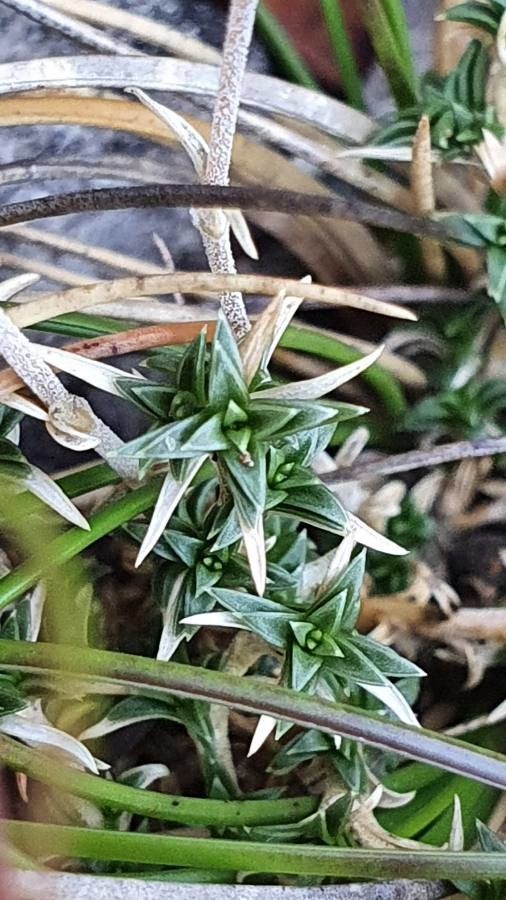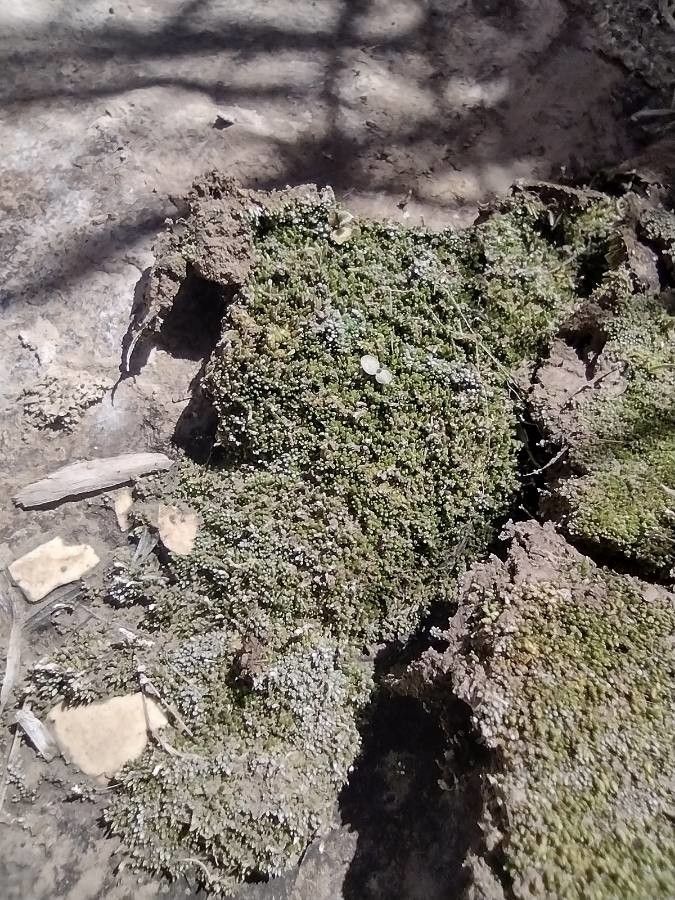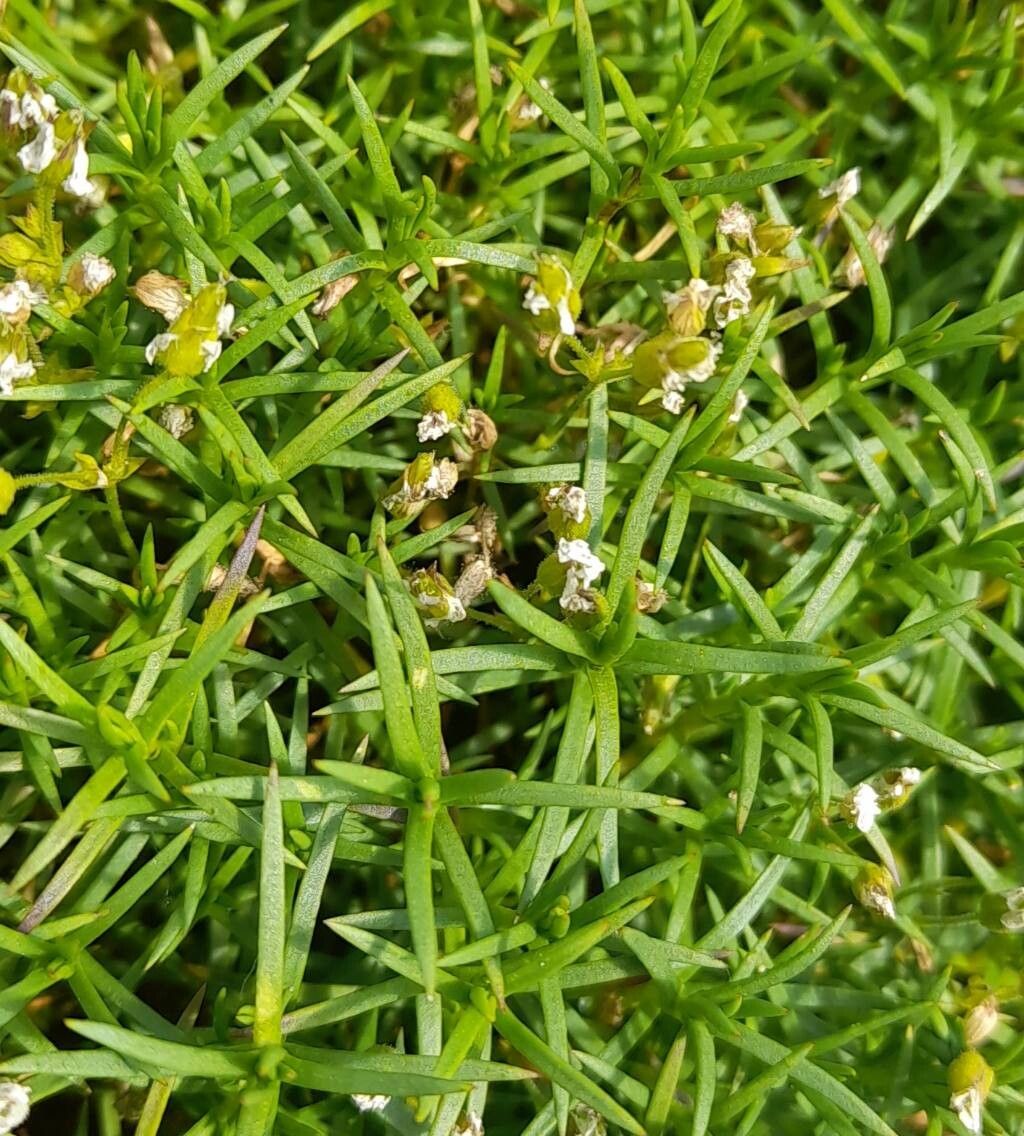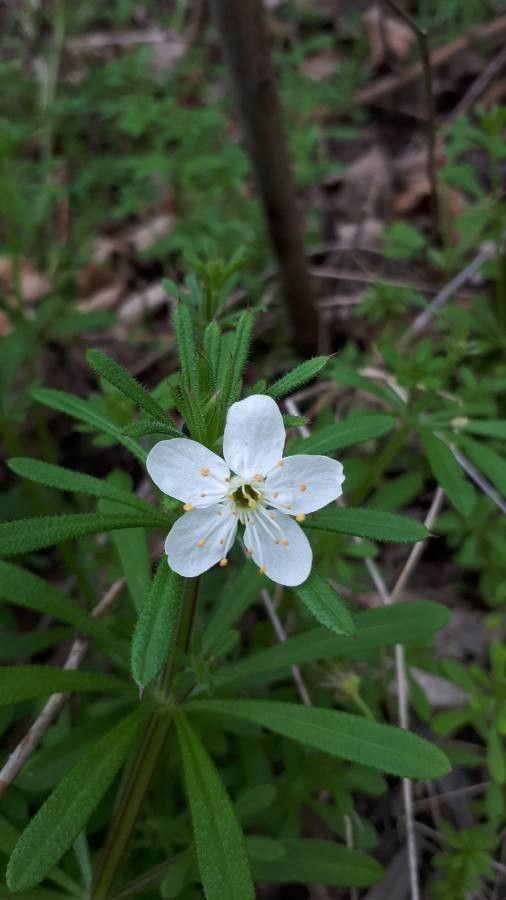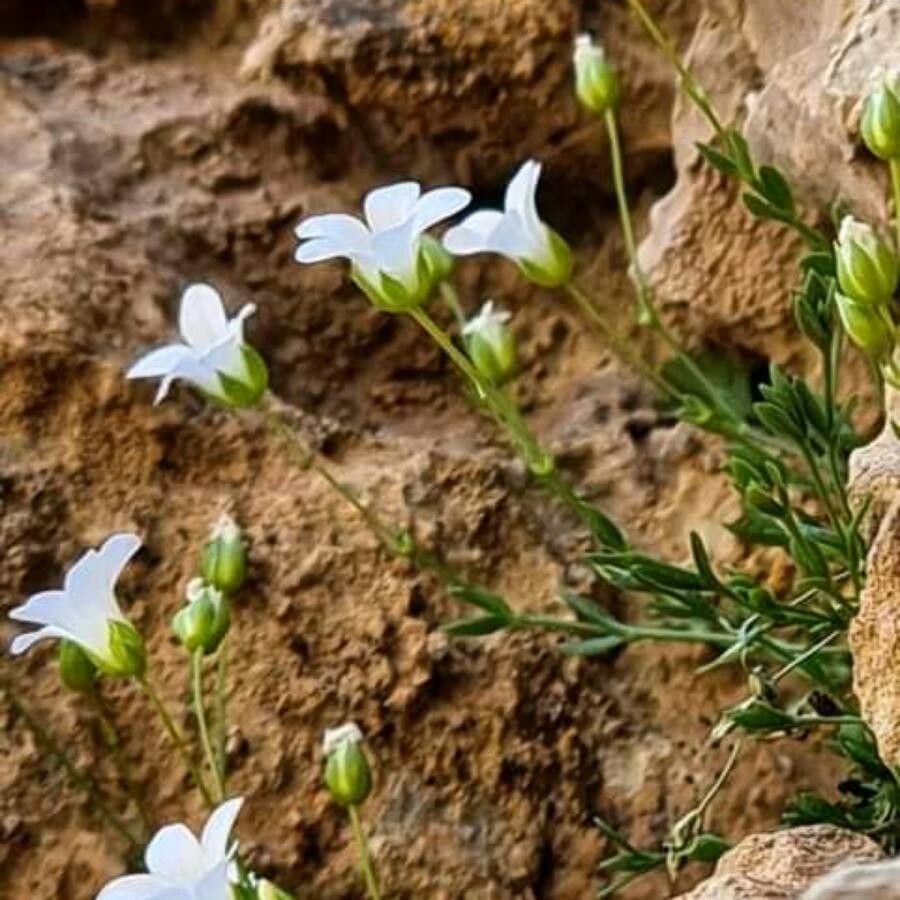
Arenaria libanotica, commonly known as Lebanon sandwort (Arabic: زهرة رمال لبنانية), is a species of flowering plant in the family Caryophyllaceae. This species was first described by Kotschy in 1867.Arenaria libanotica blooms in June and July; its small flowers are white and hermaphrodite flowers. It is endemic to the mountains of Lebanon and is found in parts of Palestine / Israel.
Minuartia setacea subsp. setacea has good resistance to disease and is generally not susceptible to illnesses. However, it can be vulnerable to pests and diseases present in its surroundings. These infections are usually not serious. In terms of care, this plant requires a moderate level of maintenance. It should be pruned regularly to maintain a good appearance and healthy growth. Fertilization can also help promote flowering. Minuartia setacea subsp. setacea is appropriate for anyone with an outdoor space, such as a garden or patio, and does not demand a lot of care experience. It may require more attention when grown indoors.
How to keep Arenaria Libanotica.
Light
The plant Minuartia setacea subsp. setacea is a perennial herb that enjoys sunny conditions and naturally grows in open environments, frequently flourishing in meadows and grasslands. Although it favors direct sunlight, it can also survive in partly sunny areas.
Temperature
Minuartia setacea subsp. setacea possesses the capacity to adjust to a broad range of temperature conditions. However, its scale of distribution may still be constrained by diverse combinations of heat and water circumstances. It flourishes optimally in summer with ample rain or irrigation in hot climates. Extended episodes of overcast and rainy weather, along with persistent high temperatures, can heighten the chances of Minuartia setacea subsp. setacea perishing. During winter, appropriate shielding against the chill can enhance the plant's prospects of survival.
Fertilizer
Minuartia setacea subsp. setacea typically only requires a one-time fertilizer application in the spring, though more frequent feedings could boost its growth. Supply nutrients once every four to six weeks. Fertilizing improves the look and function of leaves, promoting uniform color and robust texture. Furthermore, it fosters the development of roots and the uptake of nutrients, facilitating enduring plant wellness.
Botanical profile.
- Plant Type
- Herb
- Life Cycle
- Perennial
- Genus
- Arenaria
- Family
- Caryophyllaceae
- Hardiness Zone
- 4-8
- Mature Height
- 5 cm to 15 cm
- Mature Spread
- 10 cm to 20 cm
- Leaf Color
- Dark Green
- Leaf Type
- Deciduous
- Flower Color
- White
- Flower Size
- 0.51 cm to 0.76 cm
- Bloom Time
- Late spring, Early summer, Mid summer
- Planting Time
- Spring, Summer
- Harvest Time
- Mid summer, Late summer, Early fall
- Native Area
- Russia, Germany, Austria, Serbia, Czech Republic, Slovakia, Romania, Montenegro, Bulgaria, Poland, Albania, Hungary, Ukraine, France