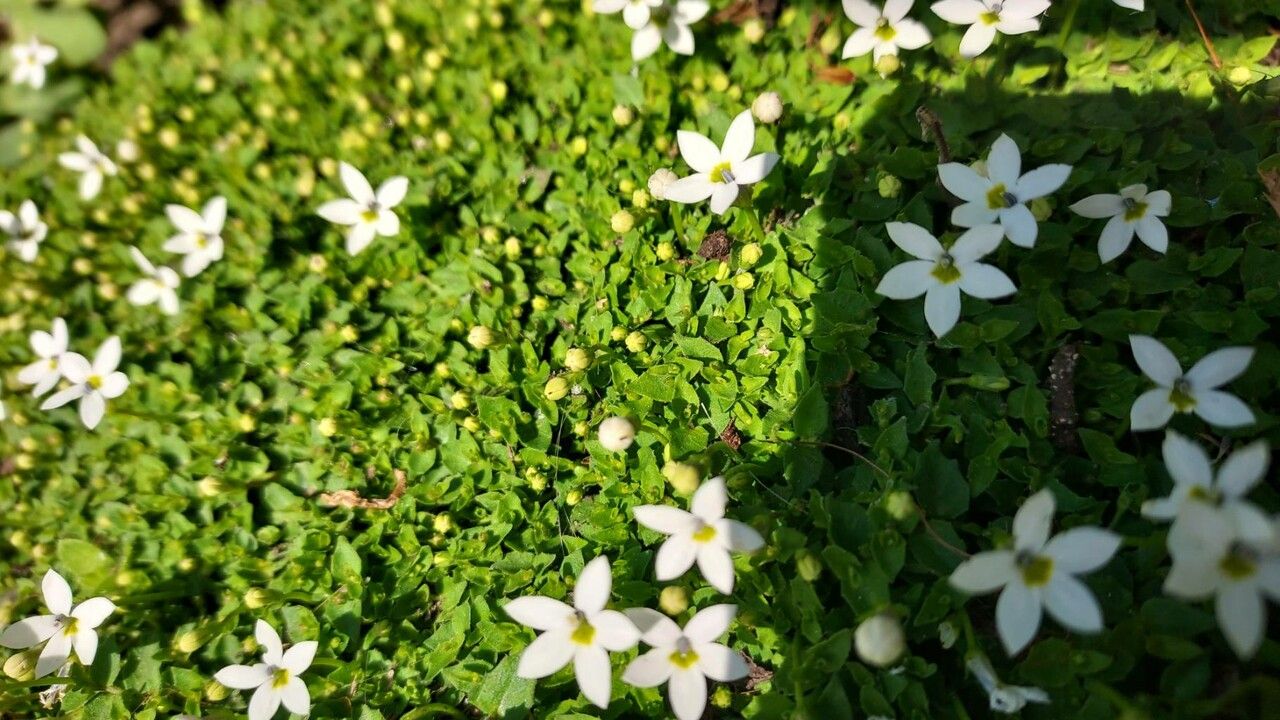
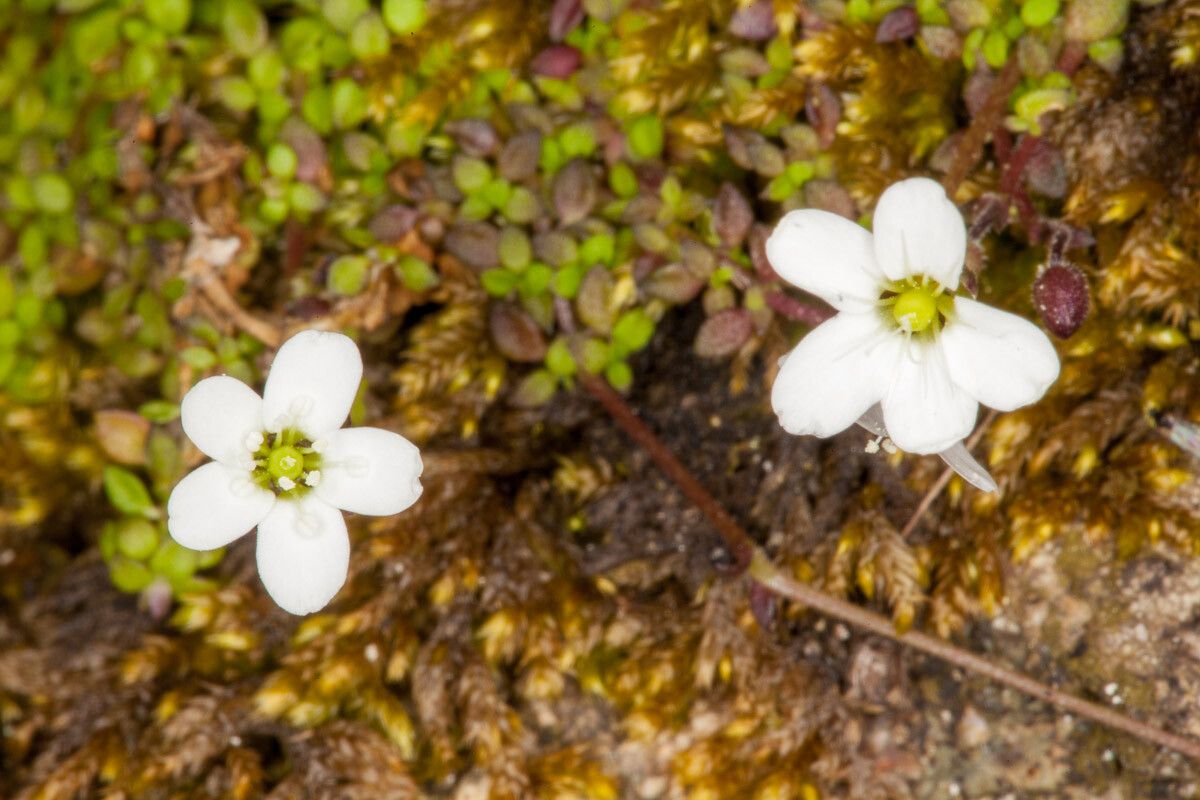
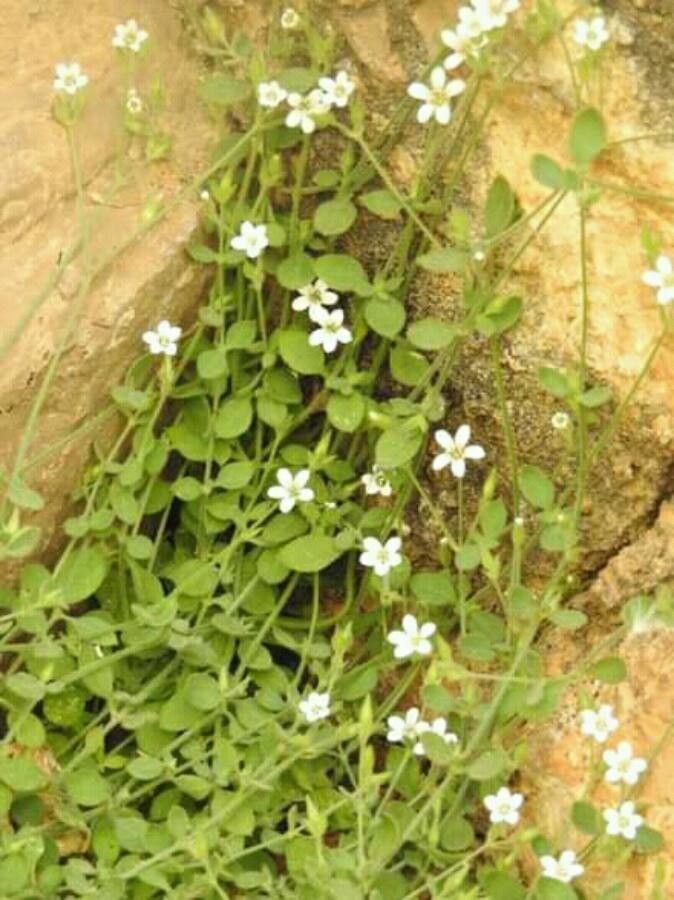
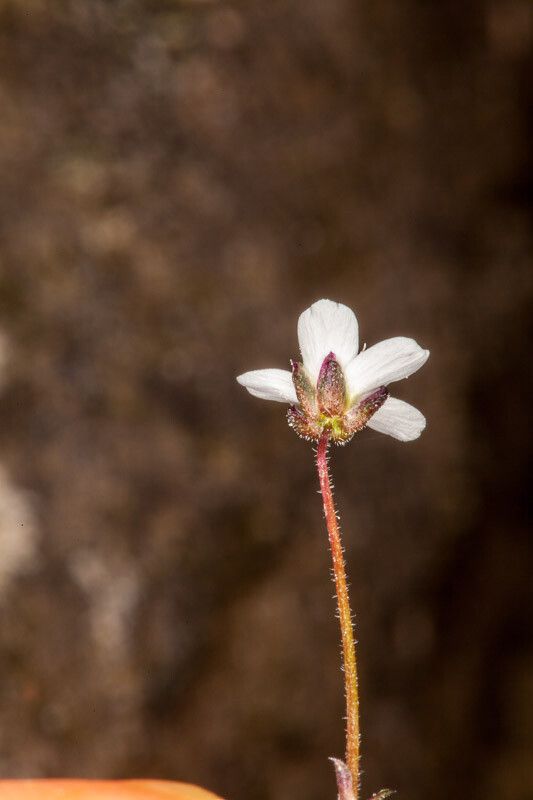
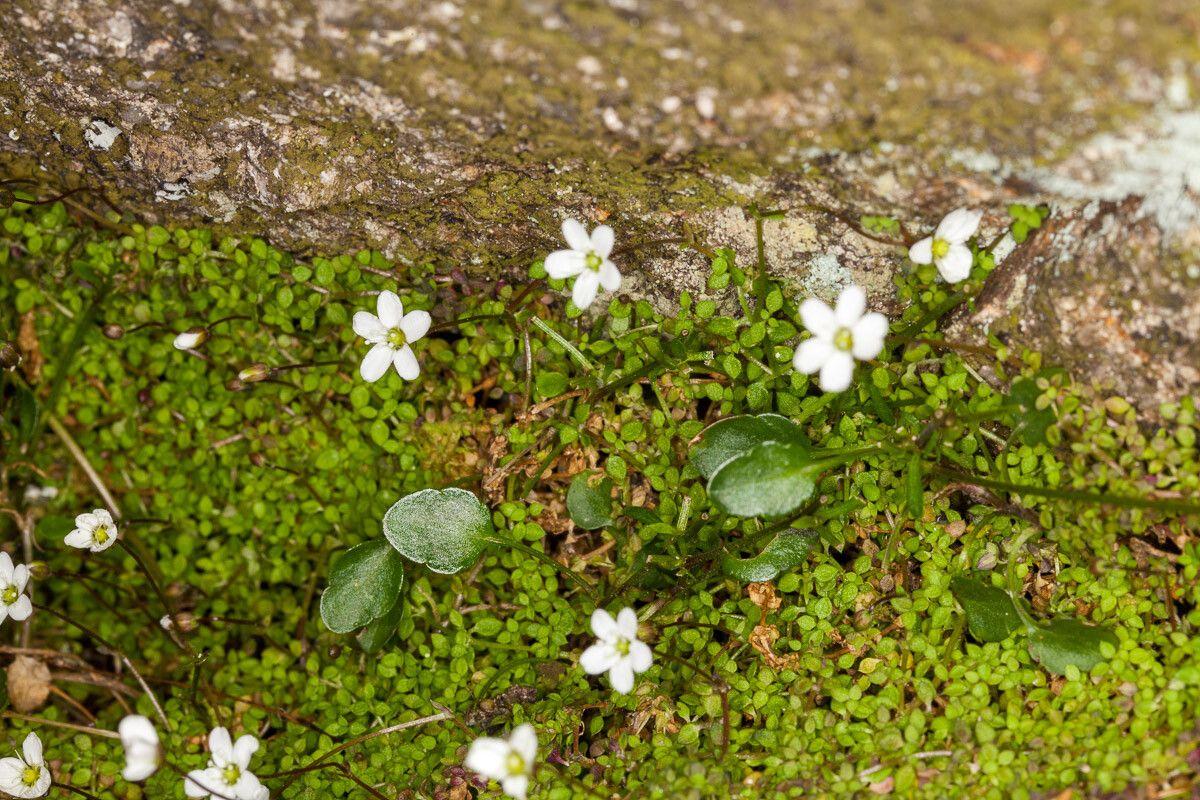
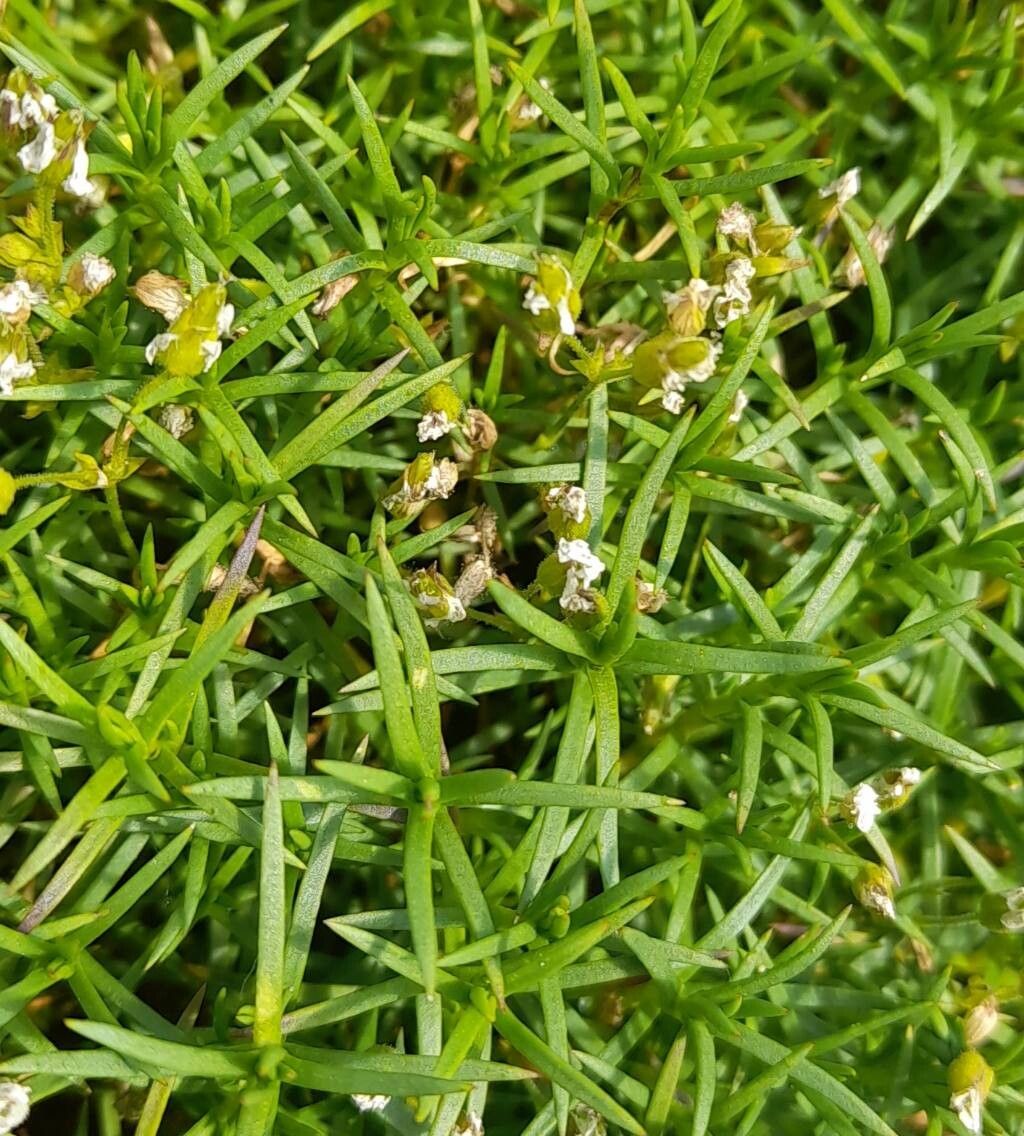
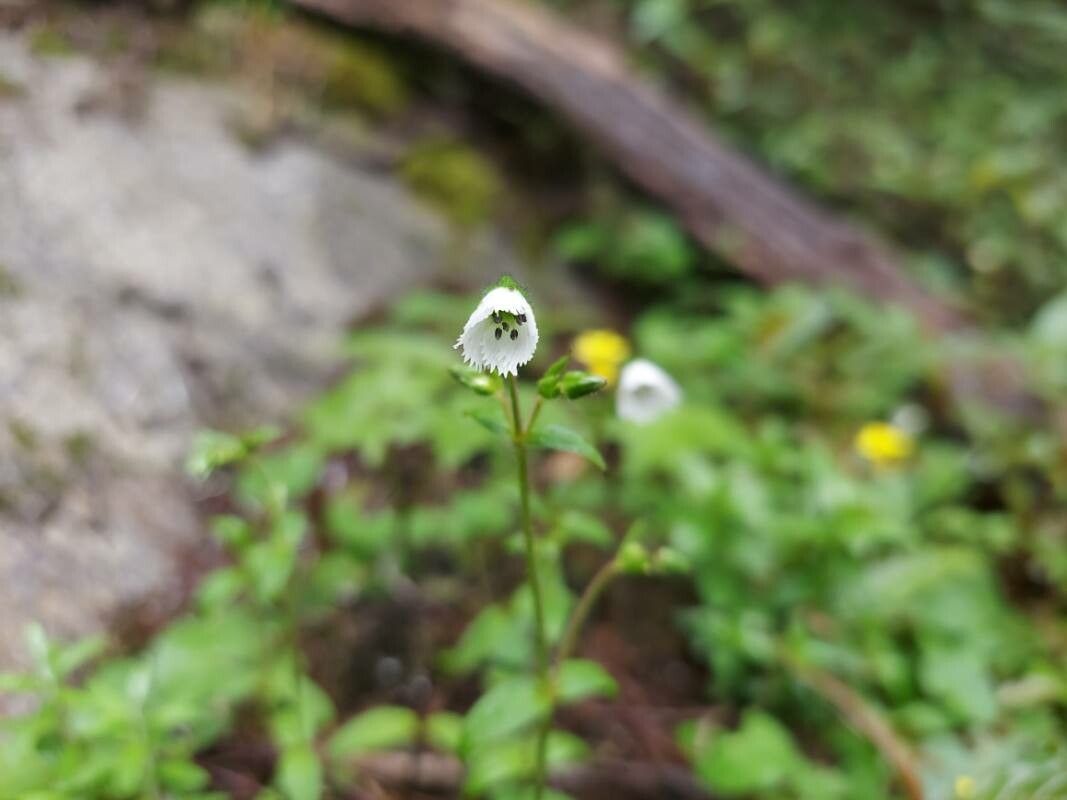
Arenaria balearica, the mossy sandwort, is a species of flowering plant in the family Caryophyllaceae, native to the Balearic Islands, Corsica, Sardinia and mainland Italy. It was first described by Carl Linnaeus in 1768.
Mossy sandwort has strong resistance to disease and is generally unlikely to suffer from illnesses. Still, it can be affected by pests and diseases present in its environment. Such infections are typically mild. Regarding care, this plant demands a moderate level of maintenance. It should be pruned regularly to preserve a neat appearance and support healthy growth. Applying fertilizer can also encourage flowering. Mossy sandwort is appropriate for anyone with outdoor areas like a garden or patio and does not need extensive gardening experience. It may need extra attention when cultivated indoors.
How to keep Arenaria Balearica.
Light
Native to environments like forest understories and rocky sites, mossy sandwort typically grows in naturally shaded conditions. It favors partial sun but can adapt to both full sun and full shade, highlighting its hardy, versatile nature.
Water
Mossy sandwort thrives in moist environments, needing consistent moisture without becoming waterlogged. To keep it healthy, it should be watered weekly. Although it is usually grown outdoors, adding mulch around mossy sandwort can help retain soil moisture and create conditions similar to its natural habitat.
Fertilizer
Typically one fertilizer application in spring is enough for Mossy sandwort, though several feedings can boost growth to its fullest. Apply fertilizer every month to month and a half. Fertilizing improves the leaves' appearance and performance, encouraging even color and a healthy texture. It also promotes root development and nutrient uptake for sustained plant health.
Pruning
To enhance the mat-forming growth of mossy sandwort and encourage dense, tidy foliage, it's important to practice regular light pruning from early to late spring. Remove spent flowers and damaged stems, but be careful to avoid heavy pruning, as it can stress the plant. This routine maintenance helps promote healthier growth, increases longevity, and improves the plant’s appearance, making mossy sandwort a vibrant addition to any garden.
Pot & Repot
To promote growth, repot mossy sandwort every 2-3 years during the spring. Choose a small container that suits its delicate root system. After repotting, keep the soil moist and place the plant in partial shade to help it recover. Ensure minimal disturbance to maintain optimal health.
Botanical profile.
- Plant Type
- Herb
- Life Cycle
- Perennial
- Genus
- Arenaria
- Family
- Caryophyllaceae
- Hardiness Zone
- 6-9
- Mature Height
- 10 cm
- Mature Spread
- 10 cm
- Leaf Color
- Green
- Leaf Type
- Evergreen
- Flower Color
- White
- Flower Size
- 0.51 cm to 0.76 cm
- Bloom Time
- Mid spring, Late spring, Early summer
- Planting Time
- Spring, Summer, Autumn
- Harvest Time
- Summer
- Native Area
- Italy, France
Other names.
Reader questions.
How should I water my Mossy sandwort?
To ensure the health of the Mossy sandwort, it is important to water it correctly. Start by using filtered water at room temperature, as tap water may contain harmful particles. The plant prefers water that is not too cold, given its warm native environment. Overhead watering should be avoided because it can lead to problems with the foliage. Instead, carefully apply filtered room temperature water directly to the soil until it is fully soaked. This soaking method is beneficial for the plant as it helps moisten the roots, allowing them to spread and absorb nutrients from the soil effectively.
Why is it necessary to add fertilizer to my Mossy sandwort?
The main structure of the Mossy sandwort is made up of its leaves. Fertilization plays a crucial role in ensuring that these leaves not only look great but also serve their purpose effectively. By providing proper fertilization, you can help maintain consistent color and a healthy texture in the leaves. Additionally, fertilization works beneath the soil to support the growth of new roots and maintain existing ones in the root system of the Mossy sandwort. This not only keeps the plant healthy in the present but also improves its ability to absorb soil nutrients in the future.
What are the sunlight requirements for plants?
Plants have different needs when it comes to sunlight, categorized mainly into partial sun and full sun requirements. Partial sun means a plant should receive about 3-6 hours of sunlight daily, while full sun refers to more than 6 hours of sunlight each day. It's essential to observe how sunlight moves through your garden to find the perfect spots that offer a balance of light and shade, ensuring your plants thrive.
What should I do if I give too much or too little water to my Mossy sandwort?
Overwatering is the more common issue for Mossy sandwort and can cause wilting, yellowing, and diseases like root rot, mold, and mildew. Underwatering is less common but can cause brittle, brown leaves. It's important to notice signs of overwatering early to prevent irreparable damage. Reduce watering immediately if you see these signs and consider using well-draining soil. If underwatering occurs, simply water more regularly until the signs go away.
When should I put fertilizer on my Mossy sandwort?
If you have Mossy sandwort plants outdoors, they will start growing new leaves in early spring. This is a sign that it's time to start fertilizing for the year. Usually, one application of fertilizer in the spring is enough for Mossy sandwort to thrive. However, if you want to maximize their growth, you can fertilize them multiple times during spring and early summer. In this case, you can feed them roughly once every month to a month and a half.
What are the essentials for growing Mossy Sandwort?
Mossy sandwort, or Arenaria balearica, is native to forest understories and rocky areas, thriving in natural shade. It prefers partial sun but can also grow well in full shade, making it a versatile perennial herb. When there's insufficient natural sunlight, artificial lighting can be a vital solution. For instance, indoor plants may require 20-30W/sq ft of light for partial sun plants, and the light source should be placed 12-36 inches above the plant. The duration of artificial light should mimic natural day length, usually 8-12 hours per day, depending on the plant's needs.
How frequently should I water my Mossy sandwort plant?
If your Mossy sandwort is in a pot, you can determine if it needs water by sticking your finger into the soil. If the top two to three inches feel dry, it's time to water it. The same method can be used if you grow it outdoors in the ground. Once the top few inches of soil are dry, it needs watering. Normally, during spring and early fall, watering once a week is sufficient. However, during hot weather, watering may need to be increased to twice a week or more. It's worth noting that mature, well-established Mossy sandwort can withstand drought well.
When is the best time to not add fertilizer to my Mossy sandwort plant?
During the late fall and winter, your Mossy sandwort goes into a dormant phase and stops producing new growth. So, it's best to avoid fertilizing it during this time. If you decide to fertilize it in the spring and summer, start reducing the rate of fertilizer as summer approaches because the growth of the Mossy sandwort also slows down. It's generally not a good idea to fertilize the plant when the weather is unusually hot or the soil is extremely dry, as this can stress the Mossy sandwort and cause it to die prematurely.
What are important symptoms of incorrect light exposure in Mossy sandwort?
Mossy sandwort may exhibit various symptoms if exposed to incorrect light levels. Indoors, with insufficient light, you might observe smaller new leaves, leggy growth, premature leaf drop, stunted growth, and paler new leaves. Excessive sunlight can cause chlorosis (leaf yellowing), sunscald, leaf curling, wilting, and leaf scorching. These symptoms reflect the plant's struggle under non-ideal light conditions, whether too little or too much.
How much water does my Mossy sandwort plant need?
When watering your Mossy sandwort, don't be afraid to give it plenty of water. Make sure that the top two to three inches of soil are dry before watering. It's important to water it thoroughly and completely saturate the soil. Add enough water so that it flows out of the drainage holes at the bottom of the pot. If you don't see water draining out, you may not have given enough water. However, be cautious not to let water accumulate in the soil, as this can harm the plant. On the other hand, if water doesn't drain properly, it could mean you have soil that doesn't drain well, which is not good for the plant's health. If the plant is outside, it only needs about 1 inch of rain per week.
What kind of fertilizer does my Mossy sandwort plant need?
Choosing the best fertilizer for a Mossy sandwort is fortunately a simple task. These plants thrive on equal amounts of nitrogen, phosphorus, and potassium found in a general-purpose garden fertilizer. A 10-10-10 ratio or something similar works well. Avoid fertilizers with high nitrogen levels if unsure. Granular fertilizers are typically the most effective for Mossy sandwort and should be slow-release for easy application to the soil. Consider using organic soil amendments like compost to feed your Mossy sandwort for added benefits.
How can I address light issues with my Mossy sandwort, both indoors and outdoors?
To optimize growth and address light issues for Mossy sandwort, gradually increase sunlight exposure for outdoor plants by moving them to sunnier spots each week. If moving isn't feasible, consider using artificial lighting for indoor plants, ensuring the lights are on for at least 8 hours a day. Minimize light obstructions outdoors by pruning or transplanting plants to sunnier locations. Although parts of the plant damaged by insufficient light might not recover, new growth should return to being healthy with proper light exposure.