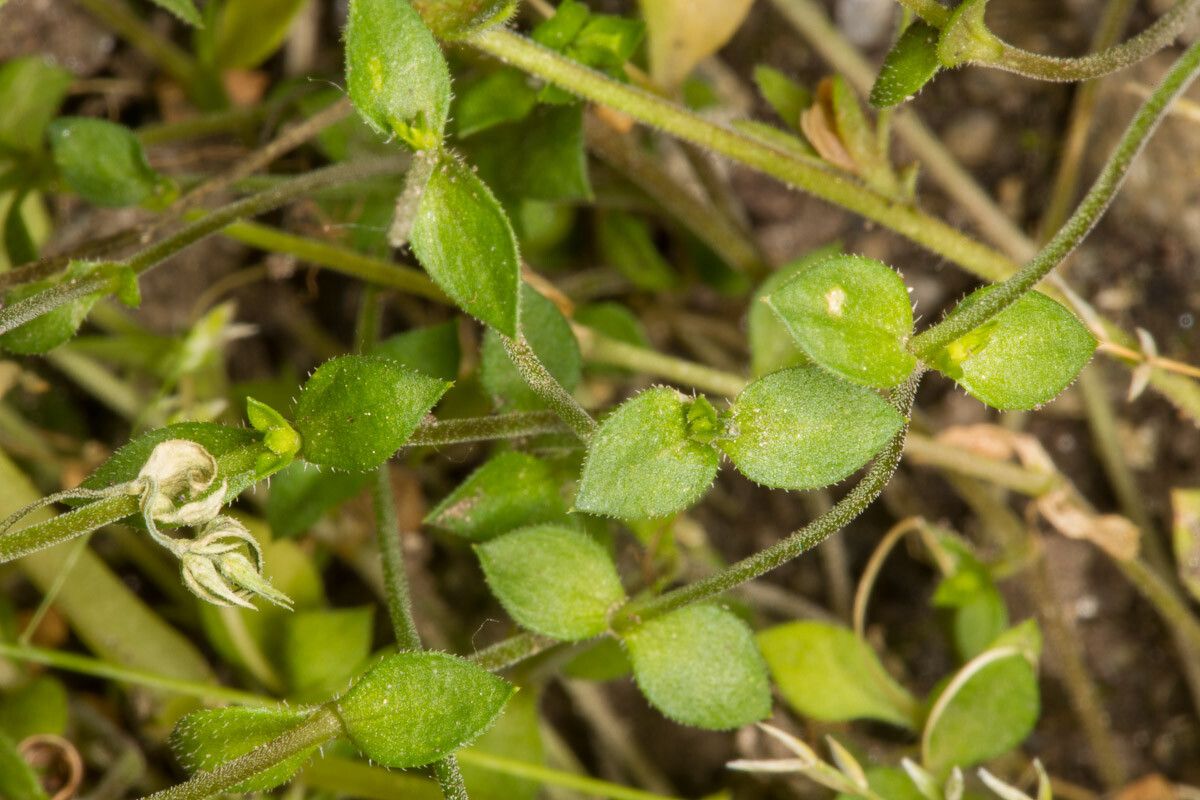
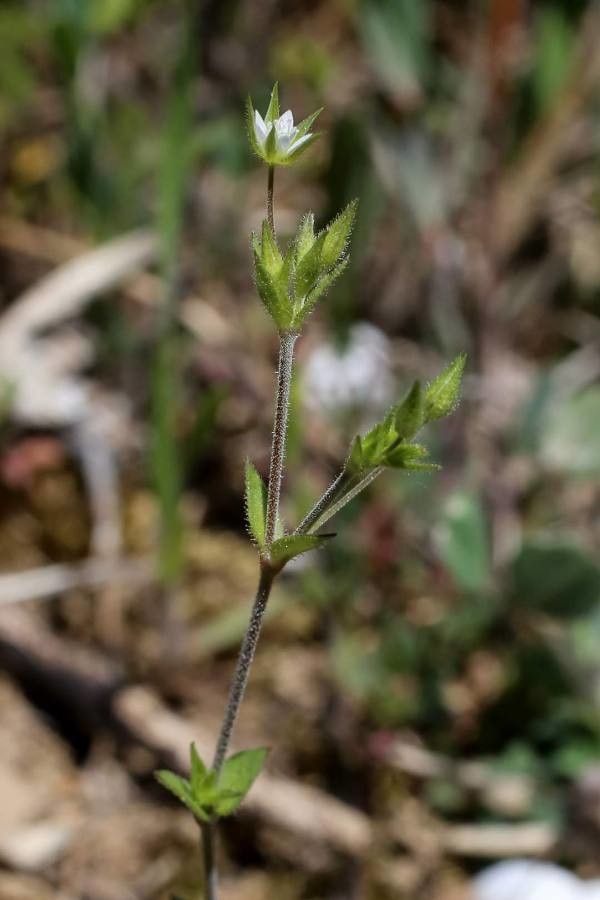
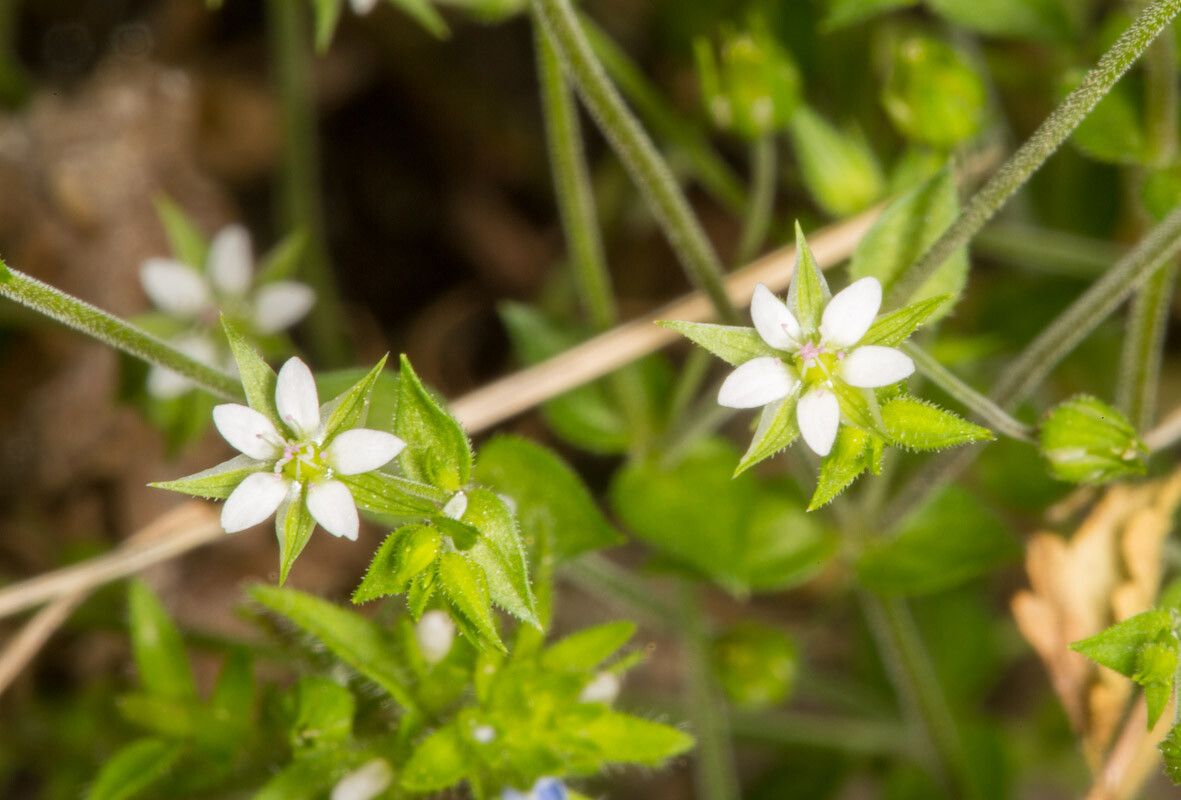
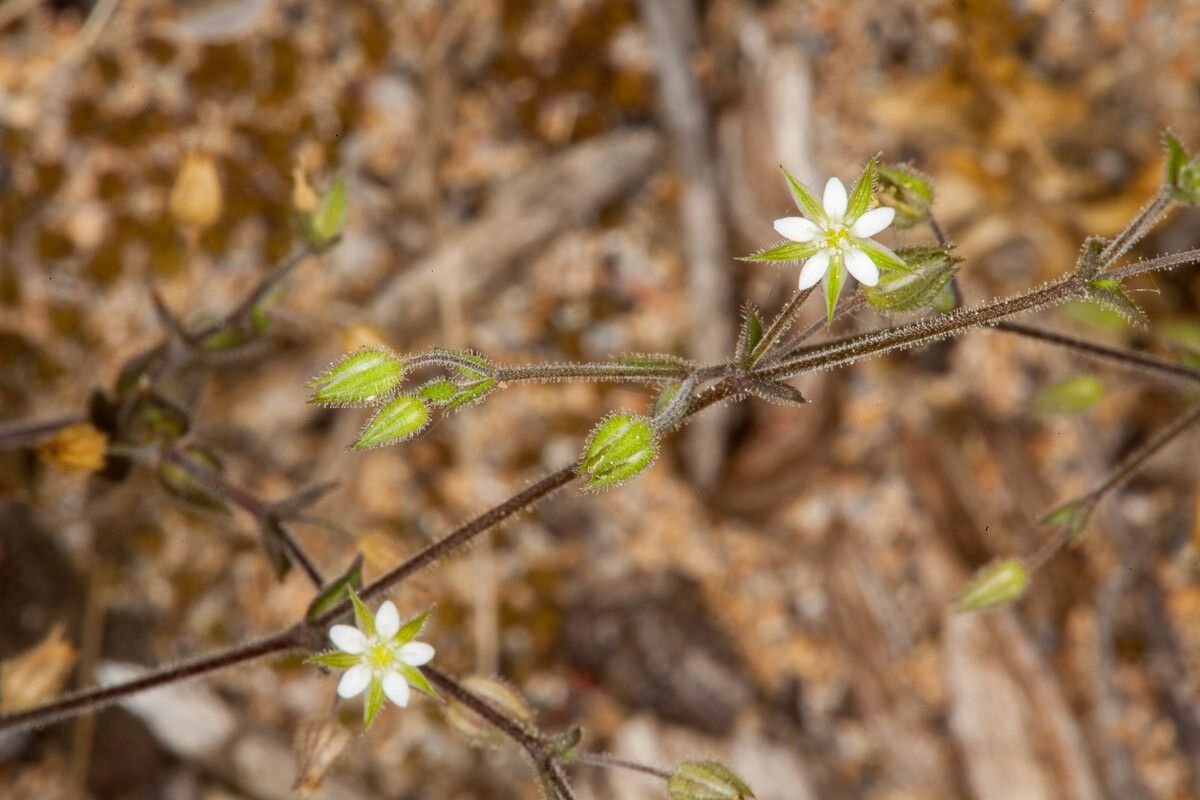
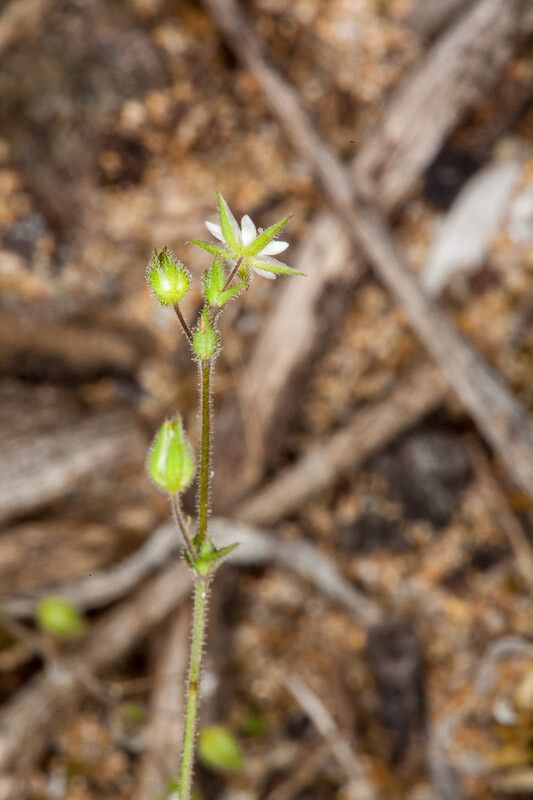
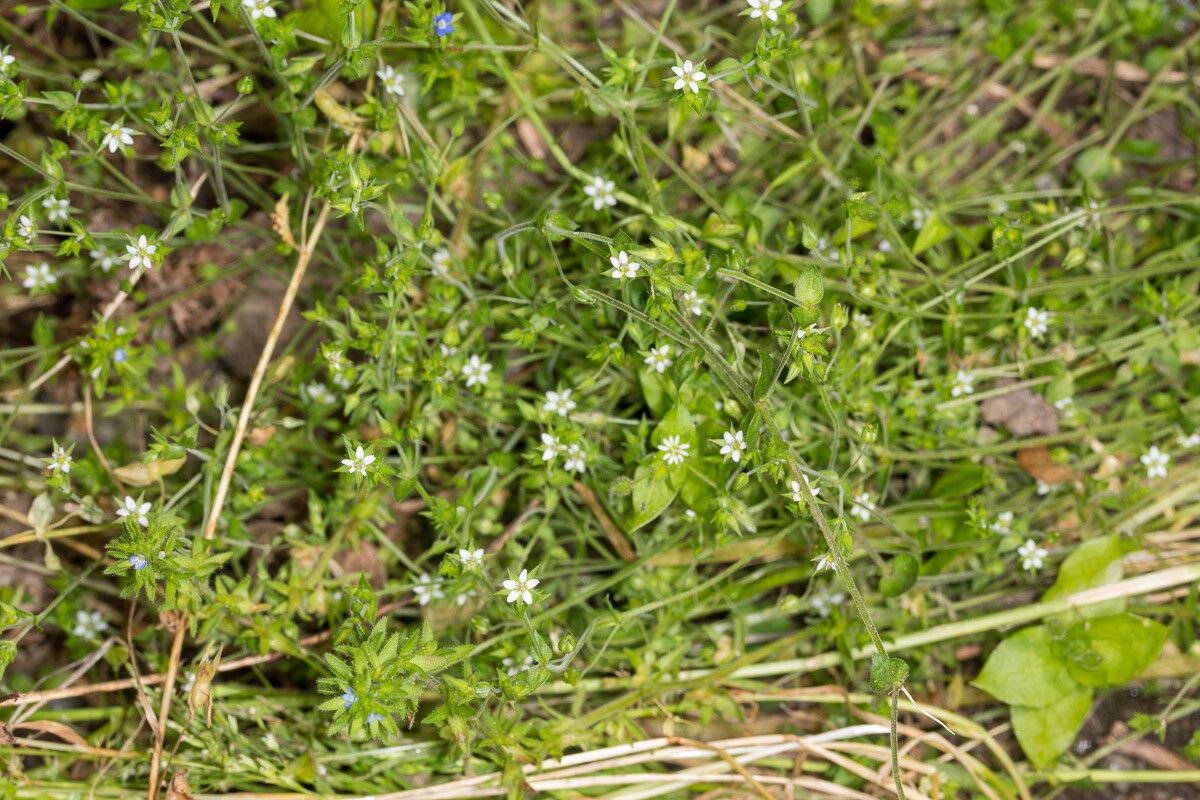
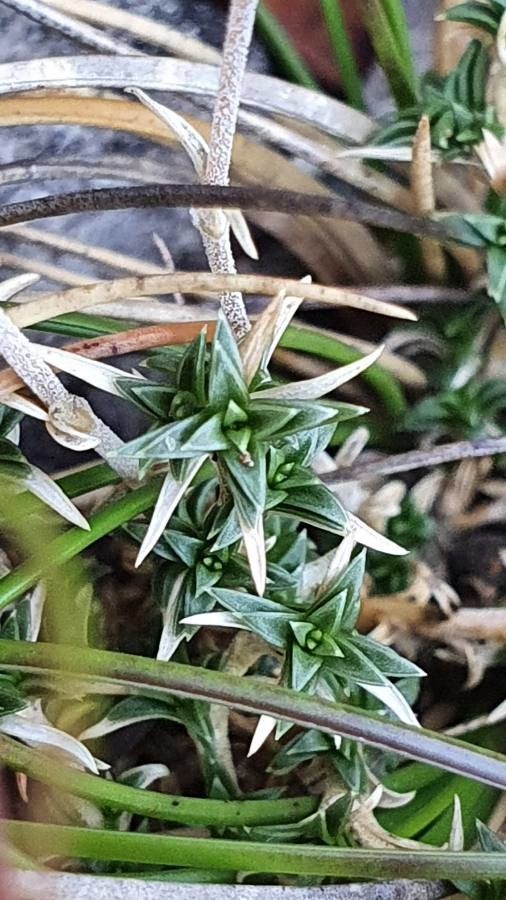
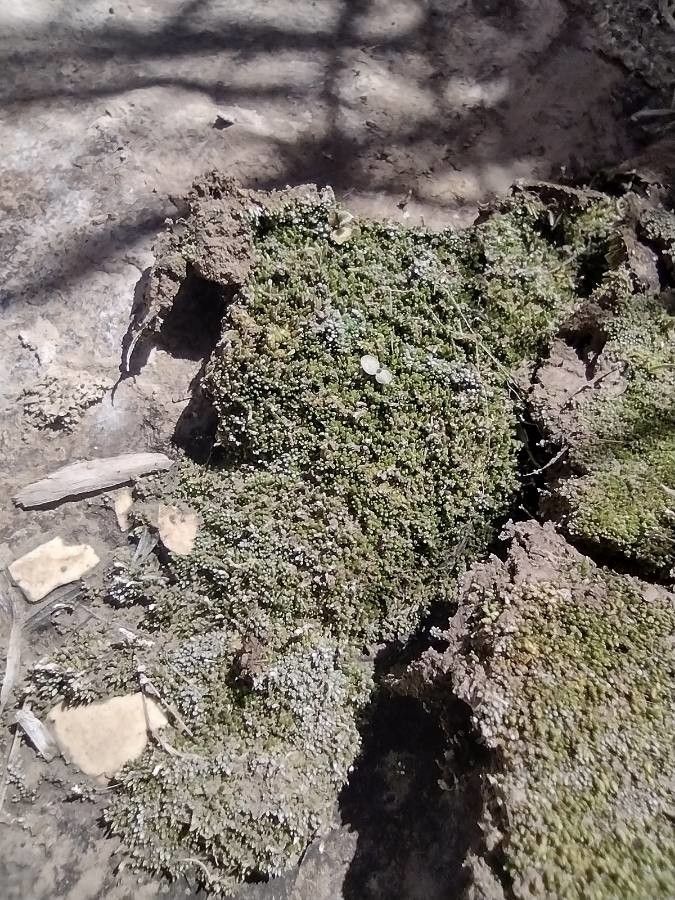
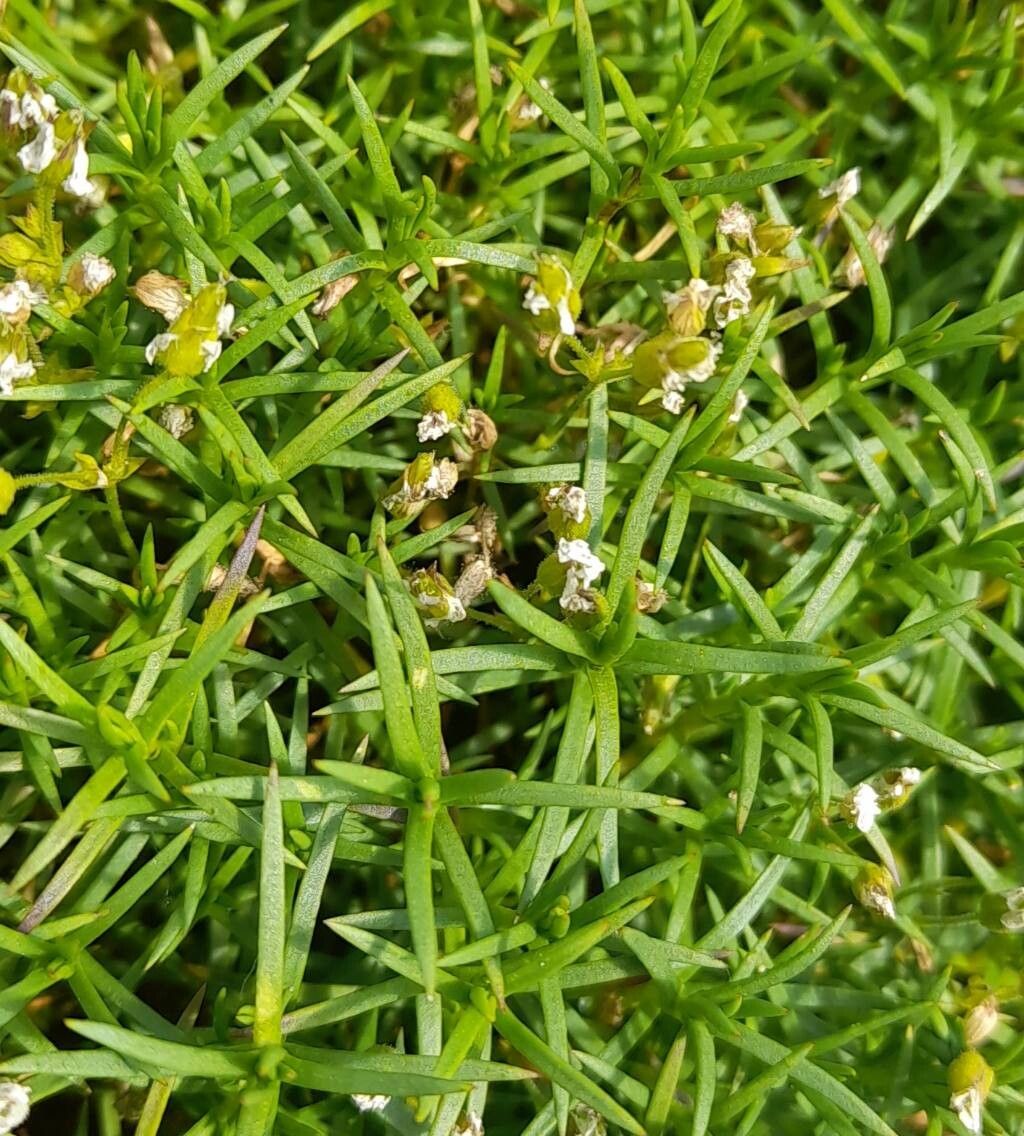
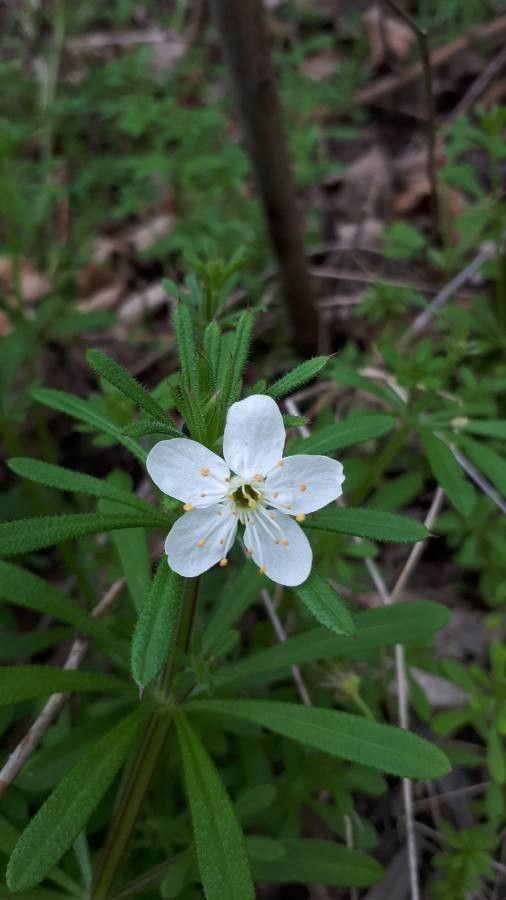
Arenaria leptoclados, the lesser thyme-leaved sandwort, is a species of flowering plant in the family Caryophyllaceae. The decumbent annual herb typically grows to a height of 0.5 metres (2 ft) and produces white flowers when it blooms from late winter to spring. It is found in Western Australia, Victoria, New South Wales and South Australia where it has become naturalised.
Slender sandwort has good disease resistance and is generally not susceptible to illnesses. However, it can be vulnerable to pests and diseases present in its environment. These infections are usually mild. In terms of care, this plant requires a moderate level of maintenance. It should be pruned regularly to keep a neat appearance and support healthy growth. Fertilizing can also help encourage flowering. Slender sandwort is appropriate for anyone with an outdoor space, such as a garden or patio, and does not demand extensive care experience. It may require extra attention when grown indoors.
How to keep Arenaria Leptoclados.
Light
Slender sandwort requires ample sunlight to grow well, originating from environments where such light is plentiful. Continuous exposure to light is essential for its survival throughout its life cycle. However, both excessive and insufficient sunlight can negatively impact its health and development.
Water
Slender sandwort, which comes from dry regions, is drought-tolerant and thrives with minimal moisture. This hardy perennial needs weekly watering and benefits from occasional deep watering to encourage strong root development. Providing enough moisture during the growing season helps support its flowering and overall health.
Temperature
Slender sandwort can tolerate a wide range of temperatures, but its range may still be restricted by particular combinations of moisture and heat. It does best in warm summer conditions with sufficient rainfall or irrigation. Extended periods of cloudy, rainy weather or prolonged high temperatures increase the risk of Slender sandwort dying. In winter, protecting the plant from cold can improve its chances of survival.
Fertilizer
Slender sandwort responds well to regular, light applications of fertilizer to encourage healthy leaf development. You should apply fertilizer about once a month during the summer. Nitrogen is especially important for foliage, and adding nitrogen-rich fertilizers helps Slender sandwort prosper.
Pruning
Slender sandwort is a delicate perennial plant characterized by its slender stems and small white flowers. To encourage a bushier growth and remove any damaged stems, it is best to prune the plant from early to late spring. Make sure to use sharp tools for pruning, as this helps prevent disease and maintain the plant's shape. This practice also improves airflow around the plant, which reduces the risk of fungal infections.
Botanical profile.
- Plant Type
- Herb
- Life Cycle
- Annual, Perennial
- Genus
- Arenaria
- Family
- Caryophyllaceae
- Hardiness Zone
- 5-9
- Mature Height
- 10 cm to 30 cm
- Mature Spread
- 10 cm to 20 cm
- Leaf Color
- Green
- Leaf Type
- Semi-evergreen
- Flower Color
- White
- Flower Size
- 0.25 cm to 0.51 cm
- Bloom Time
- Mid spring, Late spring, Early summer
- Planting Time
- Spring, Summer, Autumn
- Harvest Time
- Summer
Other names.
Reader questions.
How should I water my Slender sandwort plant?
To water Slender sandwort, you have several options for watering tools such as a garden hose with a spray nozzle or a watering can. The good news is that this plant is not too fussy about the type of water it receives. It can thrive using rainwater, tap water, or even filtered water. However, it is best to avoid watering this plant from above as it could harm the leaves and flowers and potentially lead to disease. Instead, a drip irrigation system is often recommended as it applies water evenly and directly to the soil. If you have a container-grown Slender sandwort, you can follow a similar watering approach but using a cup, watering can, or tap to water the soil directly.
Why should I add plant food to my Slender sandwort?
Plants require nutrients to grow, but certain types can acquire them naturally without additional fertilizers. Slender sandwort, like other plants, utilizes nutrients for growth and internal processes. The main nutrients plants need - nitrogen, phosphorus, and potassium - contribute to various essential functions. In the case of foliage, nitrogen is particularly vital. It can be challenging for Slender sandwort to obtain enough nitrogen from the soil alone, which is why many gardeners choose to provide supplementary nitrogen through fertilization.
What are the sunlight requirements for Slender sandwort?
Slender sandwort requires more than 6 hours of sunlight a day to thrive, showcasing the importance of full sun exposure for optimal growth. It originates from environments that naturally offer abundant sunlight, ensuring its need for constant light exposure throughout its life cycle. However, balancing light and shade appropriately in your garden is crucial to prevent the adverse effects of too much or too little sunlight. Utilizing artificial lighting can be an effective solution for indoor plants or spaces with insufficient natural light, especially during less sunny seasons.
What should I do if I give my Slender sandwort too much or too little water?
The solution for underwatering Slender sandwort is simple: when you see that your plant is lacking water, start watering it more regularly. However, overwatering can be a bigger problem, especially if you don't notice it early. When your Slender sandwort is overwatered, it can get sick and eventually die. To prevent this, choose a suitable location that gets plenty of sunlight to dry the soil and has good drainage to avoid waterlogging. If you overwater your potted Slender sandwort, you might need to change the pot. Your old container may not have had good drainage or enough drainage holes. When repotting the overwatered plant, use loose soil and a pot that drains well.
When should I fertilize my Slender sandwort?
Slender sandwort grows well and benefits from monthly fertilizer applications to boost growth during the active growing season (spring and summer). It is important to only fertilize Slender sandwort during this time, as it becomes less active and requires fewer nutrients in fall and winter. You can determine when to start fertilizing by observing signs of new growth. Whether grown outdoors or indoors in a container, the fertilization schedule remains the same. However, if your Slender sandwort is in a container, you may not need to fertilize for the first one to two months. This is because the potting soil for container plants already contains sufficient nutrients. You should start fertilizing only after your plant has been in the same soil for some time.
How does artificial lighting support plant growth?
Artificial lighting plays a significant role in the growth of indoor plants, particularly when natural sunlight is inadequate. During winter or in less sunny locations, artificial lights such as LED lamps can be utilized to supplement light exposure. These lights should be customized to provide the specific wavelengths needed by your plants, with recommendations suggesting 30-50W/sq ft for full sun plants, 20-30W/sq ft for partial sun plants, and 10-20W/sq ft for full shade plants. Correct placement (12-36 inches above the plant) and timing (mimicking natural daylight hours, usually 8-12 hours per day) are crucial for simulating the natural environment and promoting healthier, faster growth.
How frequently should I water my Slender sandwort plant?
To keep your Slender sandwort healthy, it needs regular watering throughout the growing season. In spring, water it once a week, but as the season gets warmer, you may need to water it two to three times a week. However, be careful not to overwater, as this could harm the plant. It's important to keep the soil slightly moist but not wet, regardless of how often you water. If you have Slender sandwort in a pot, you'll need to water it more frequently. Potted plants tend to dry out faster, so aim to water them a few times per week, compared to once a week for planted ones.
When should I not fertilize my Slender sandwort?
To ensure your Slender sandwort stays healthy, avoid fertilizing it if it is already experiencing problems like disease or insect pests. Additionally, refrain from fertilizing dehydrated plants as it will exacerbate their condition. Only fertilize plants that are in good health. When watering, be cautious not to splash fertilizer onto the leaves or stem as it can cause burned spots. Avoid direct contact between the fertilizer and the plant, unless you are using a specifically designed foliage fertilizer.
What are the symptoms of incorrect sunlight exposure for Slender sandwort?
Slender sandwort shows a variety of symptoms when exposed to incorrect sunlight conditions. Insufficient light can lead to smaller new leaves, leggy or sparse growth, early leaf drop, stalled growth, and lighter-colored new leaves, indicating lack of chlorophyll and essential nutrients. Excessive sunlight can cause chlorosis, sunscald, leaf curling, wilting, and leaf scorching, impacting the plant’s ability to photosynthesize and maintain overall health. Recognizing these symptoms early can help in adjusting the plant's exposure to light accordingly.
How much water does my Slender sandwort require?
There are a few ways to determine how much water to give your Slender sandwort. Some gardeners prefer to feel the soil for moisture, suggesting you water until the first six inches are moist. Alternatively, you can use a set measurement of about two gallons per week, adjusting based on temperature and soil dryness. However, stick to this strictly only if your plant needs the full two gallons. When growing in containers, you'll need a different approach. Moistening all dry soil layers or noticing a slight trickle of excess water from drainage holes can indicate sufficient watering.
What kind of plant food does my Slender sandwort need?
Fertilizers are important for promoting growth in Slender sandwort. They contain high levels of nitrogen, potassium, and phosphorus, as well as other essential nutrients like iron, manganese, and zinc. A balanced fertilizer, such as one with a 10-10-10 NPK number, is suitable for Slender sandwort. Natural fertilizers like blood meal or worm castings can also be used. If you specifically want to support leaf growth in Slender sandwort, a fertilizer higher in nitrogen, like fish fertilizer, is a good choice. It's unnecessary to provide excessive supplements for flowers or seeds if they are not your main goal in growing the plant.
How can I manage sunlight exposure for healthier Slender sandwort growth?
Managing sunlight exposure for Slender sandwort involves a combination of techniques. Indoors, gradually increasing sun exposure or supplementing with artificial light helps meet its light requirements. Keep plants near south-facing windows and use grow lights if needed. Outdoors, gradually move plants to sunnier spots, avoiding sudden changes to prevent sunburn. Pruning obstructive vegetation can enhance sunlight access. For ground-level management, reduce sun blockages and consider transplanting smaller plants to brighter locations during their dormant periods, paying attention to drainage and avoiding excessive sunlight to prevent damage.