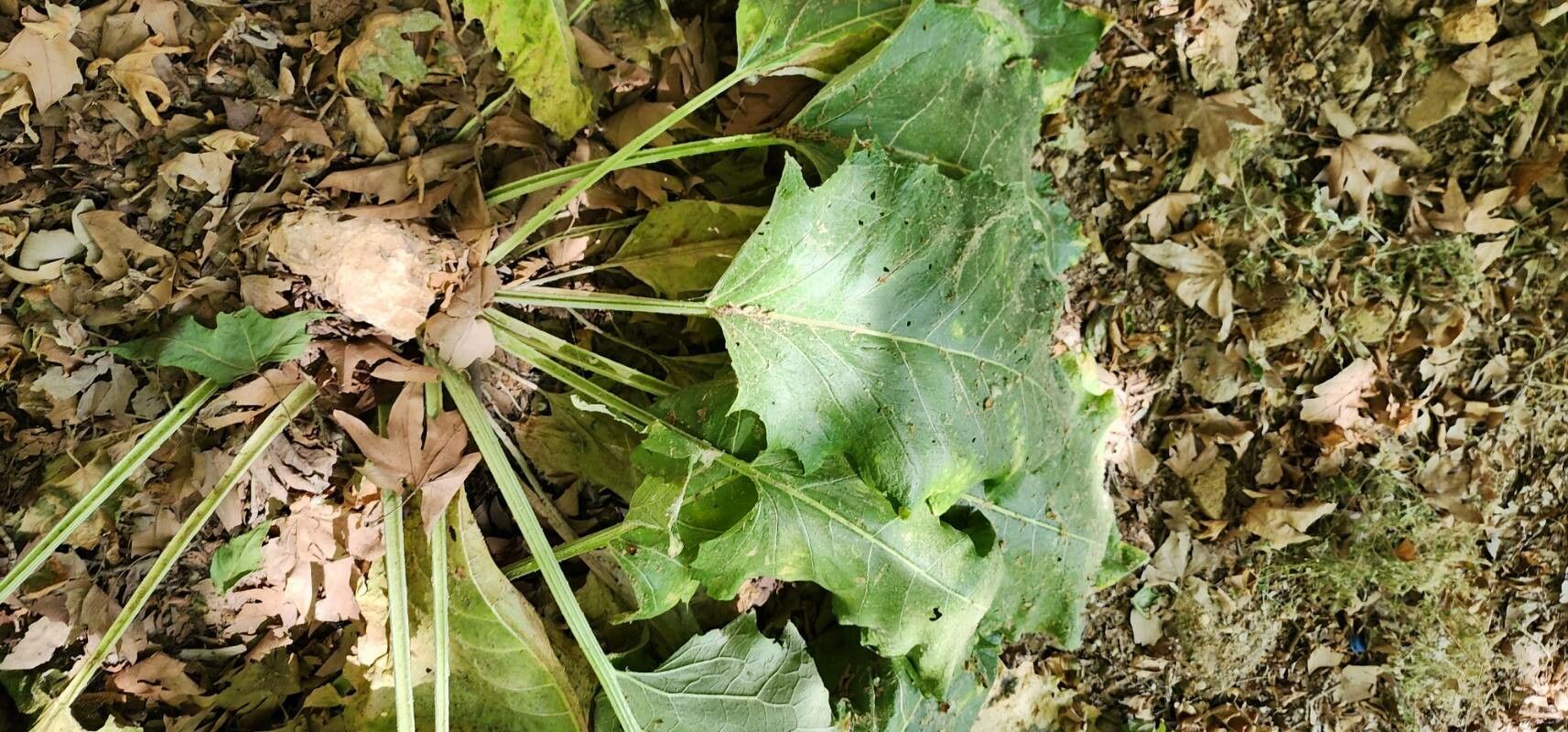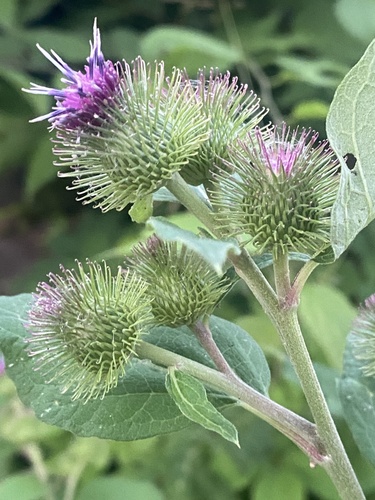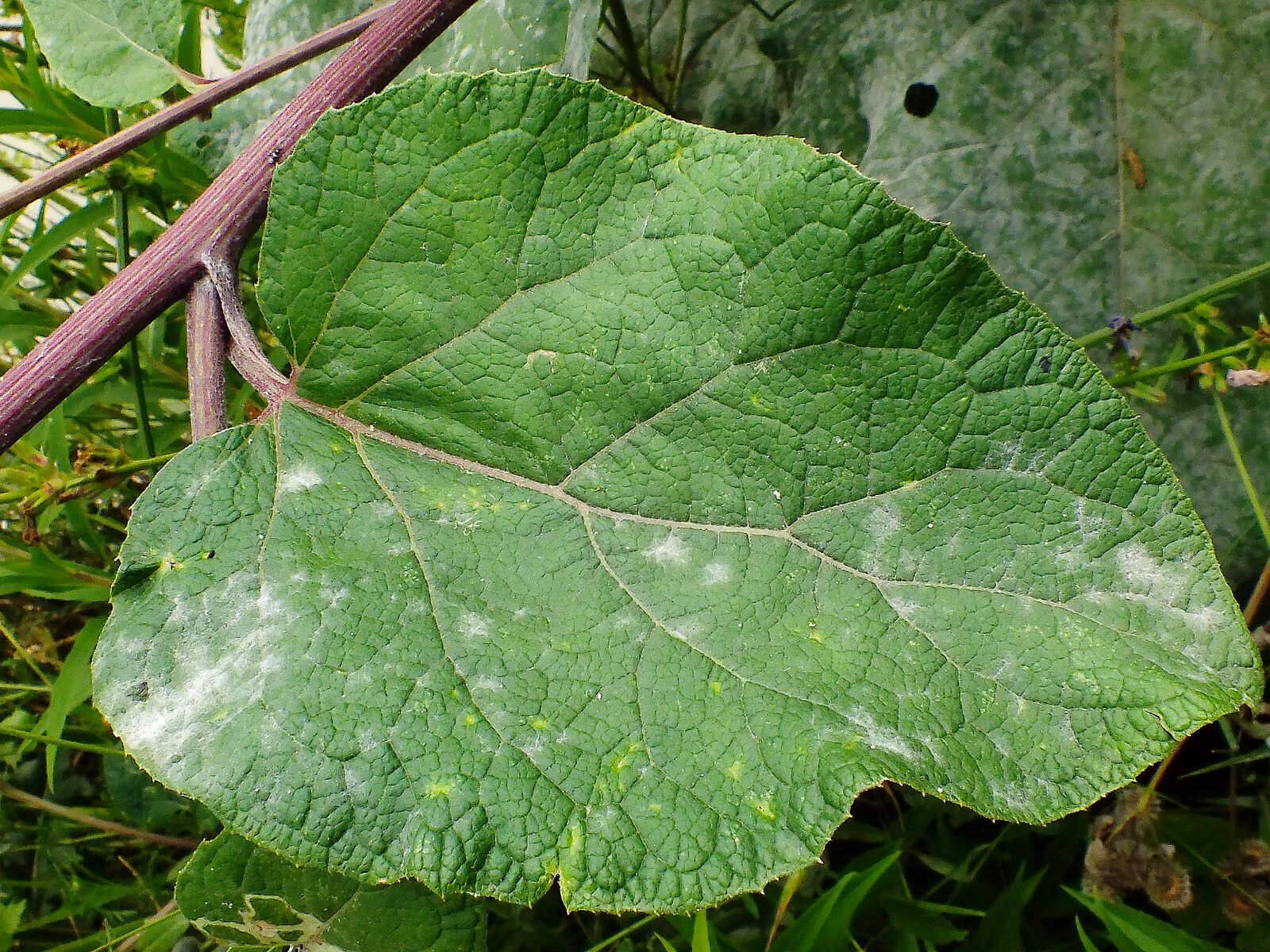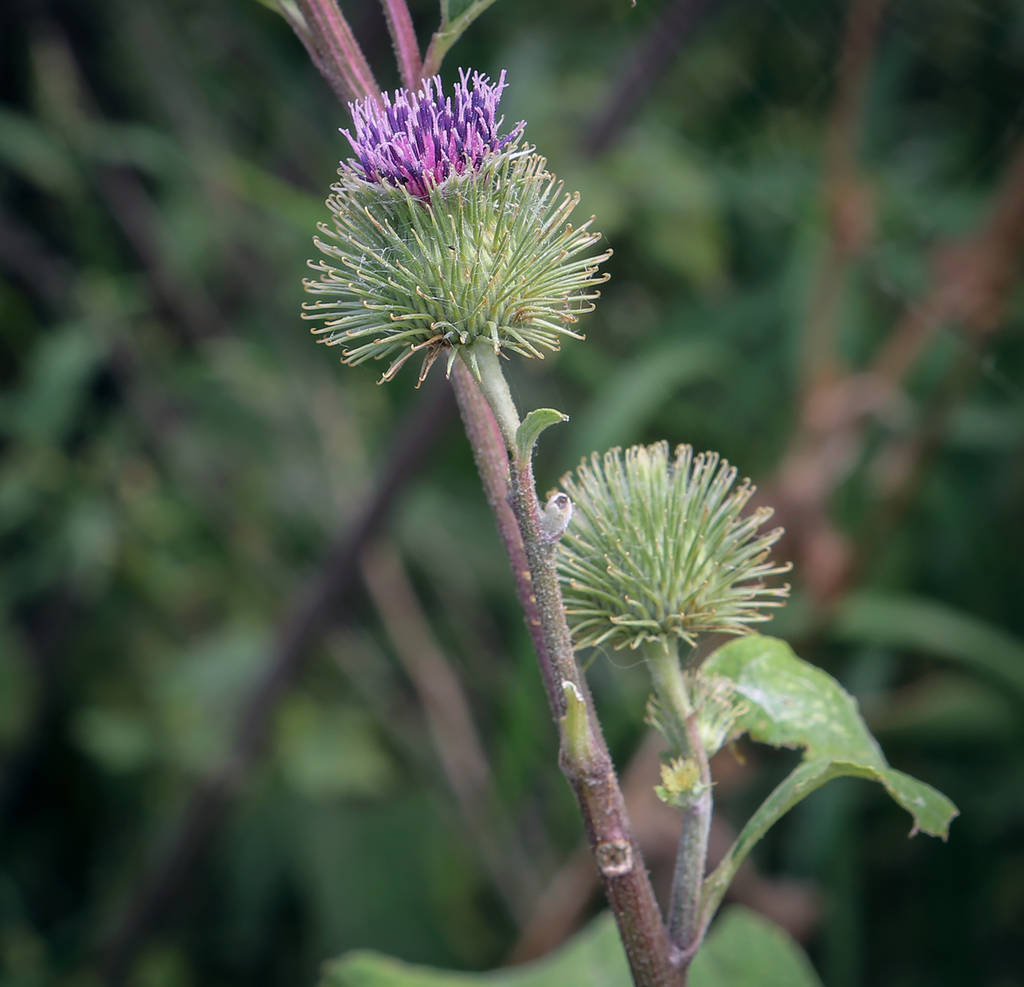
Arctium nemorosum is a species of flowering plant belonging to the family Asteraceae.Its native range is Europe to Caucasus.
Harelock has good resistance to disease and is generally not prone to illnesses. However, it can be susceptible to pests and diseases present in its surroundings. These infections are usually mild. Regarding care, this plant requires moderate maintenance. It should be pruned regularly to maintain an attractive appearance and healthy growth. Fertilization can also help encourage flowering. Harelock is suitable for anyone with an outdoor space, such as a garden or patio, and does not require extensive care experience. It may need more attention when grown indoors.
How to keep Arctium Nemorosum.
Light
Harelock is native to places with dappled light, such as forest understories or rocky sites that offer natural shade. It does best in partial sun but can also tolerate full sun.
Water
Originally from woodlands, harelock thrives in consistently moist soil, although it can tolerate moderate drought. To ensure its health, weekly watering is essential. Natural rainfall during the growing season also greatly benefits this herbaceous plant, which is commonly cultivated outdoors.
Temperature
Harelock is native to temperate regions and needs temperatures between 68 and 95 °F (20 to 35 ℃). These plants favor warmer conditions and should be adjusted appropriately across different seasons to meet those requirements.
Fertilizer
Harelock are considered heavy feeders in regard to nutrients. They need frequent, small doses of nitrogen and potassium fertilizers and periodic applications of phosphorus, micronutrients, sulfur, and magnesium to maintain good growth and bright coloration. Continuous fertilization throughout the growing season is necessary to prevent deficiency symptoms and maintain optimal growth.
Pruning
Harelock features large flower heads and broad leaves. To ensure healthy growth, prune the plant from early to late spring. Remove any dead stems and thin out crowded areas to promote better air circulation. Always use clean, sharp tools and avoid pruning when the plant is wet to minimize the risk of disease. This will also enhance the plant's appearance.
Toxicity
Burdock is not thought to be toxic.
Further reading →
The toxicity and danger assessments provided are for reference only. We do not assure their accuracy, so it's crucial not to depend on them. Seek professional advice when necessary for accurate guidance.
Botanical profile.
- Plant Type
- Herb
- Life Cycle
- Biennial
- Genus
- Arctium
- Family
- Asteraceae
- Hardiness Zone
- 4-10
- Mature Height
- 0.91 m to 2.44 m
- Mature Spread
- 49 cm to 91 cm
- Leaf Color
- Green, Dark Green
- Leaf Type
- Deciduous
- Flower Color
- Pink, Purple
- Flower Size
- 2.54 cm to 4.32 cm
- Bloom Time
- Mid summer, Late summer, Early fall
- Planting Time
- Spring, Summer
- Harvest Time
- Fall
- Native Area
- Sweden, Austria, Czech Republic, Slovakia, Montenegro, Bulgaria, Poland, Greece, Croatia, Slovenia, Belarus, Ukraine, Russia, Lithuania, Norway, Hungary, Germany, Italy, Switzerland, Denmark, Estonia, Finland, France, Albania, Ireland, United Kingdom, Romania, Latvia, Belgium, Moldova, Netherlands
Other names.
Reader questions.
How should I water my Harelock?
To properly water the Harelock plant, it is best to use filtered water at room temperature. Tap water may have harmful particles, so filtered water is preferable. The Harelock plant prefers warm environments, so cold water can be too much of a shock. Additionally, overhead watering should be avoided to prevent issues with the foliage. Instead, gently water the soil with filtered room temperature water until it is completely soaked. This method is beneficial as it provides moisture to the roots, helping them spread through the soil and absorb necessary nutrients.
What is the native climate for Harelock, and how should it be maintained across different seasons?
Harelock, botanically known as Arctium nemorosum, is native to temperate regions and thrives in a temperature range of 68 to 95°F (20 to 35°C). These plants prefer warmer conditions and require adjustments in care with seasonal changes to meet these requirements. Despite its strong cold resistance, special frost protection measures are usually not necessary. However, in winters expected to drop below -30°C, it's important to protect the plant using materials such as soil or straw. Additionally, watering the plant abundantly before the first freeze of autumn to keep the soil moist can help prevent drought and water scarcity during the colder months.
What should I do if I give too much or too little water to my Harelock?
Both overwatering and underwatering can harm the health of your Harelock plant, but overwatering is more commonly encountered. When the Harelock receives too much water, its stems and leaves may wilt and turn yellow. Overwatering for an extended period can even lead to diseases like root rot, mold, and mildew, which can be fatal to the plant. On the other hand, underwatering is less likely to occur with the Harelock because it can tolerate drought fairly well. However, it is still possible, and when it happens, the leaves of the Harelock may become brittle and brown. It is crucial to recognize the signs of overwatering early on when caring for your Harelock plant. Some diseases caused by overwatering, such as root rot, may not be reversible if you delay too long. If you notice early signs of overwatering, reduce your watering schedule immediately. You should also check the soil quality where your Harelock is growing. If you find that the soil drains poorly, replace it with a loose and well-draining potting mix. On the other hand, if you notice signs of underwatering, simply increase your watering frequency until those signs disappear.
How does low temperature affect Harelock, and what are the solutions?
Harelock is cold-tolerant, thriving best when temperatures stay above 20°C and should remain above 0°C during winter. When temperatures fall below -30°C, there might not be noticeable changes during the winter, but there could be a decrease in sprouting or a complete lack of sprouting in the spring. To address this, any parts of the plant that have failed to sprout in the spring should be removed.
How often do I need to water my Harelock?
If your Harelock plant is in a pot, the most accurate way to determine if it needs water is by checking the soil. Simply put your finger into the soil and if the top two to three inches are dry, it's time to water. The same method can be used if you have your Harelock plant growing outdoors in the ground. Again, if the top few inches of soil are dry, it's time to water. Typically, during spring and early fall, watering once a week using this method is sufficient. However, during extremely hot weather, you may need to water twice a week or even more. It's worth noting that mature and well-established Harelock plants are quite resilient and can endure periods of drought.
How does high temperature affect Harelock, and what are the suggested solutions?
During the summer, it's important to keep Harelock's surroundings below 35°C. If temperatures exceed 41°C, the plant's leaves may become lighter, prone to curling, suffer from sunburn, and in severe cases, the entire plant may wilt and dry up. To mitigate these issues, trim away sunburned and dried-up parts of the plant. Relocate the plant to a shadier location, especially to protect it from the midday and afternoon sun, or use a shade cloth. Additionally, watering the plant in the morning and evening can help maintain soil moisture.
How much water does my Harelock require?
To properly water your Harelock, don't hesitate to give it a generous amount of water. Check if the first two to three inches of soil are dry, and if so, it's time for a thorough watering. Make sure to water until the soil is completely soaked, allowing excess water to drain through the pot's drainage holes. If you don't see any excess water draining, you likely haven't watered enough. However, be cautious not to let water accumulate in the soil, as this can harm the plant. Moreover, if water isn't draining properly, it may indicate poor soil drainage, which is detrimental to the plant's health and should be avoided. If the plant is outdoors, around 1 inch of rain per week should be enough.
How do I water my Harelock plant as it grows?
The water needs of the Harelock can vary depending on its growth stages. In the early years or after being transplanted, it needs more water as it focuses on developing new roots for future growth. These new roots thrive with slightly more moisture than during a mature phase. As the Harelock matures, it will require less water. Additionally, during the bloom period, the plant may need more water to support flower development.
How should I water my Harelock throughout the year?
The Harelock has different water needs depending on the season. During the hottest months of the year, especially in summer, you may need to water it more than once per week, depending on how quickly the soil dries out. However, during winter, the plant goes into a dormant phase and requires less water. In fact, you may not need to water it at all during winter. If you choose to water it during this time, try to limit it to once per month to avoid the risk of disease.
How does watering my Harelock plant inside compare to outside?
The Harelock plant is usually grown indoors, especially for gardeners living in non-temperate and non-tropical regions. When growing it in a container, be aware that the soil can dry out faster compared to ground soil. If there are drying elements like air conditioning, the Harelock may need more frequent watering compared to if it were planted outside. In outdoor conditions, you may not need to water the Harelock much at all if you receive regular rainfall. However, if you are growing the plant indoors, you will need to water it more often since relying on rainfall is not possible.