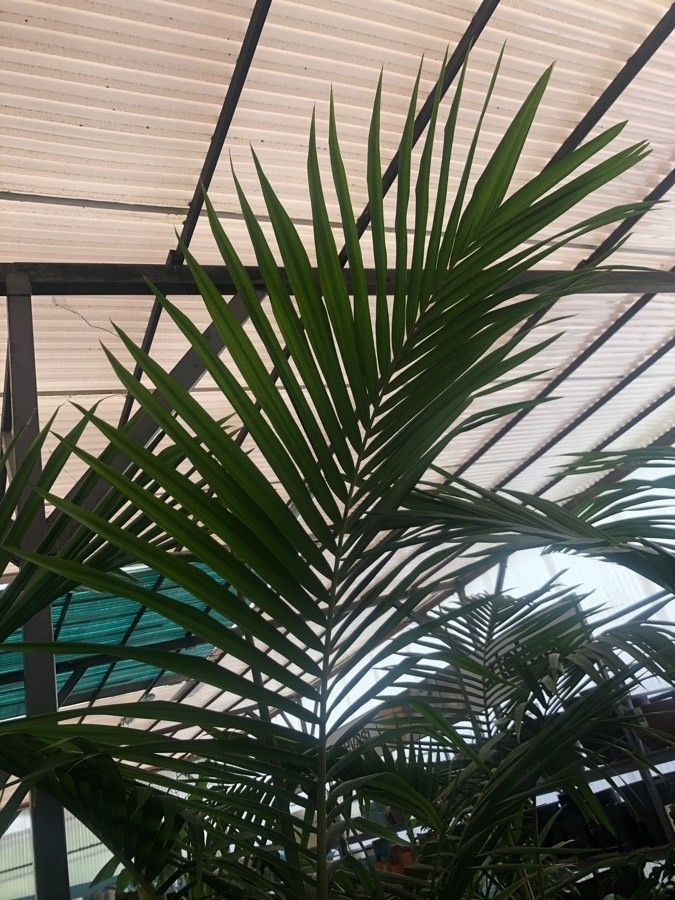
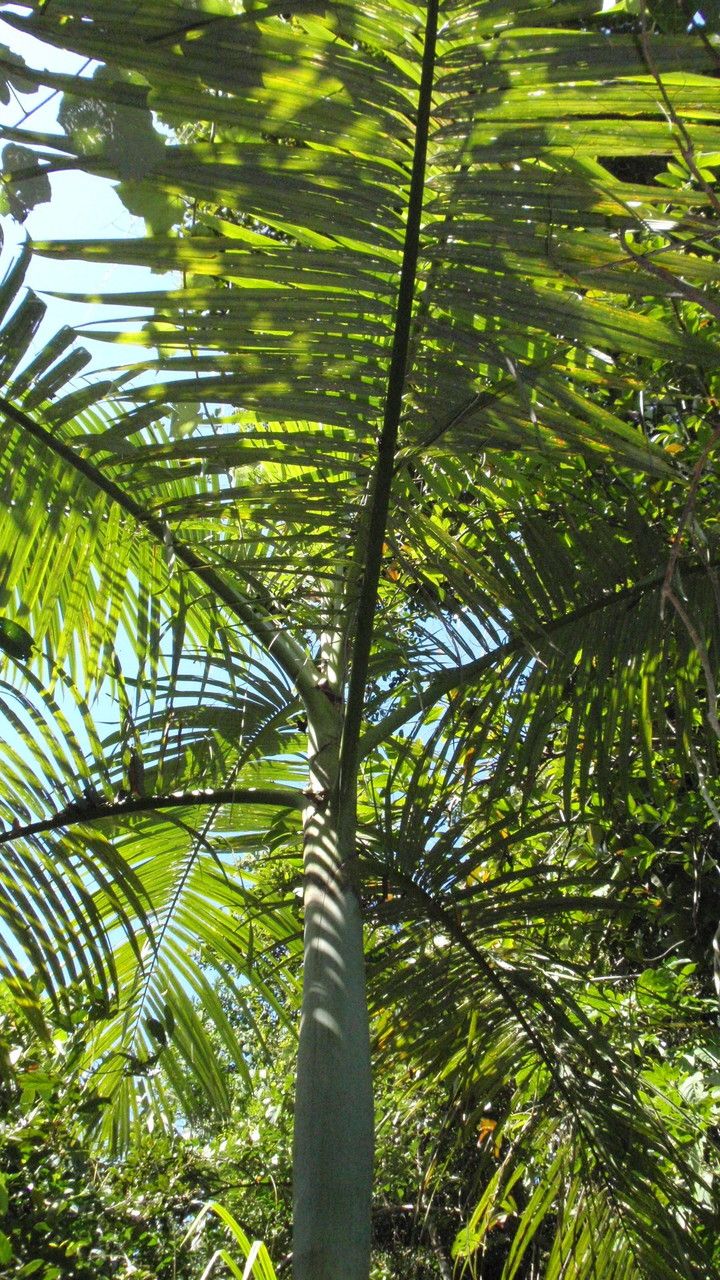
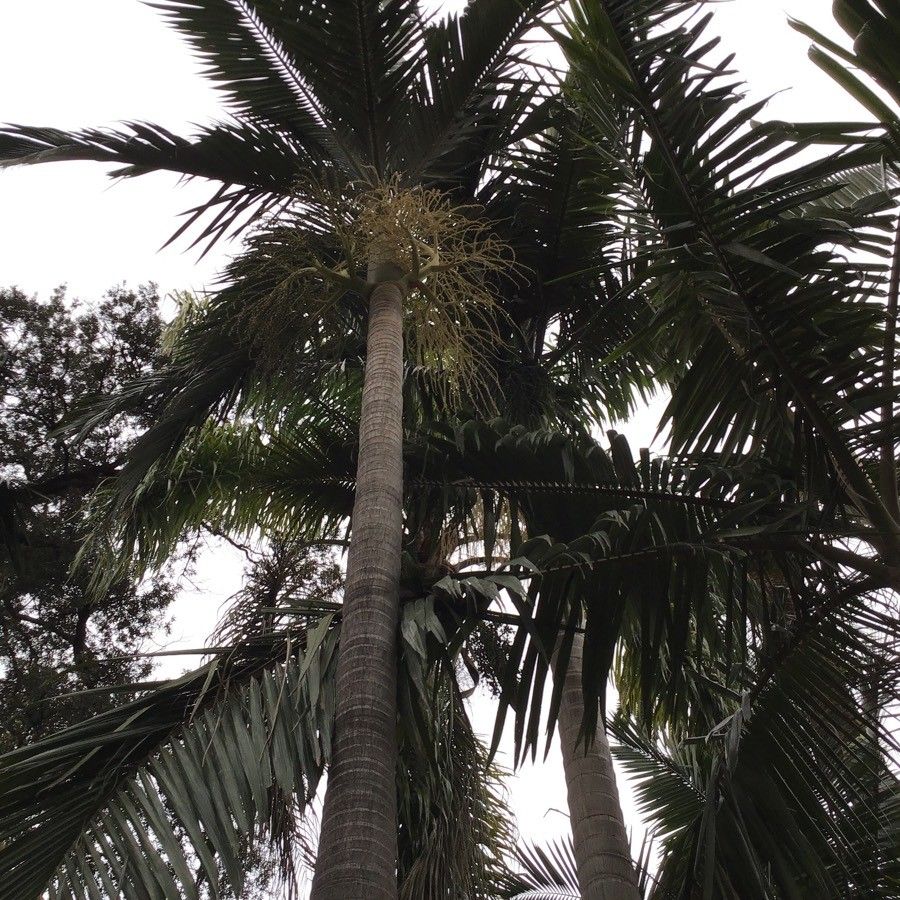
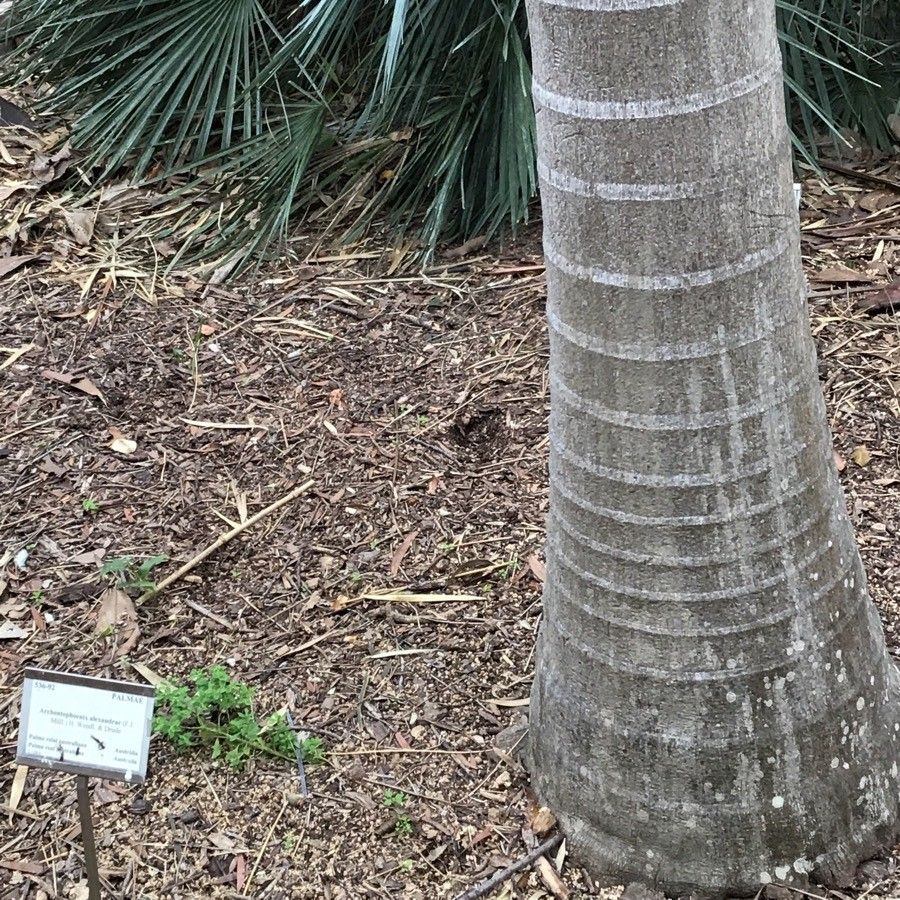
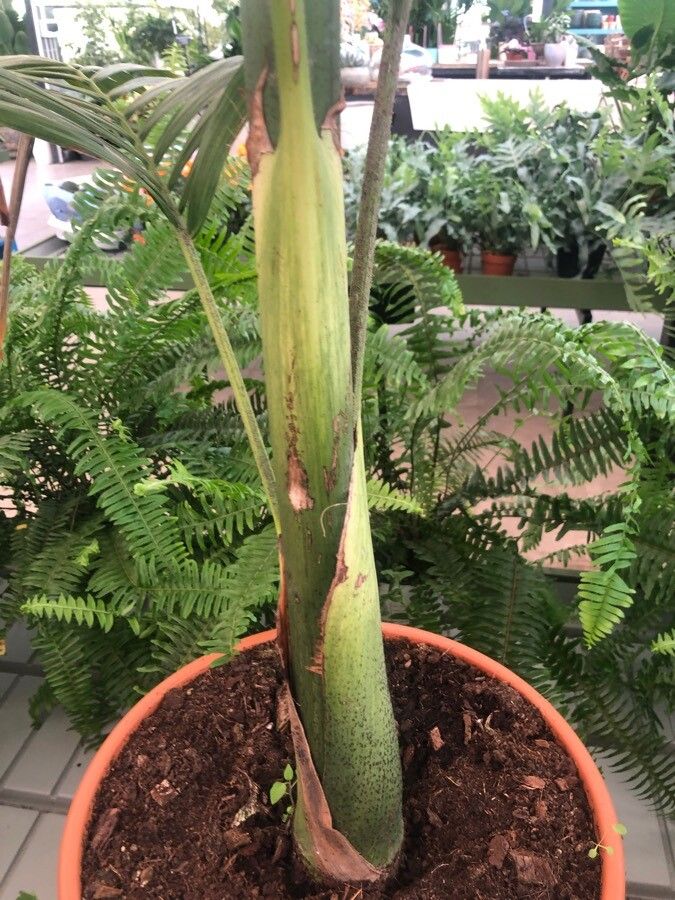
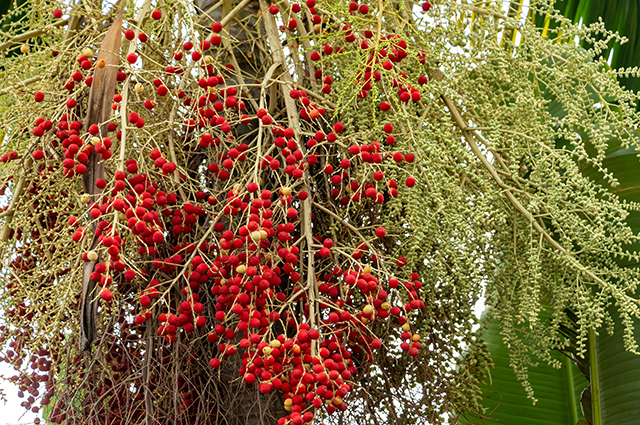
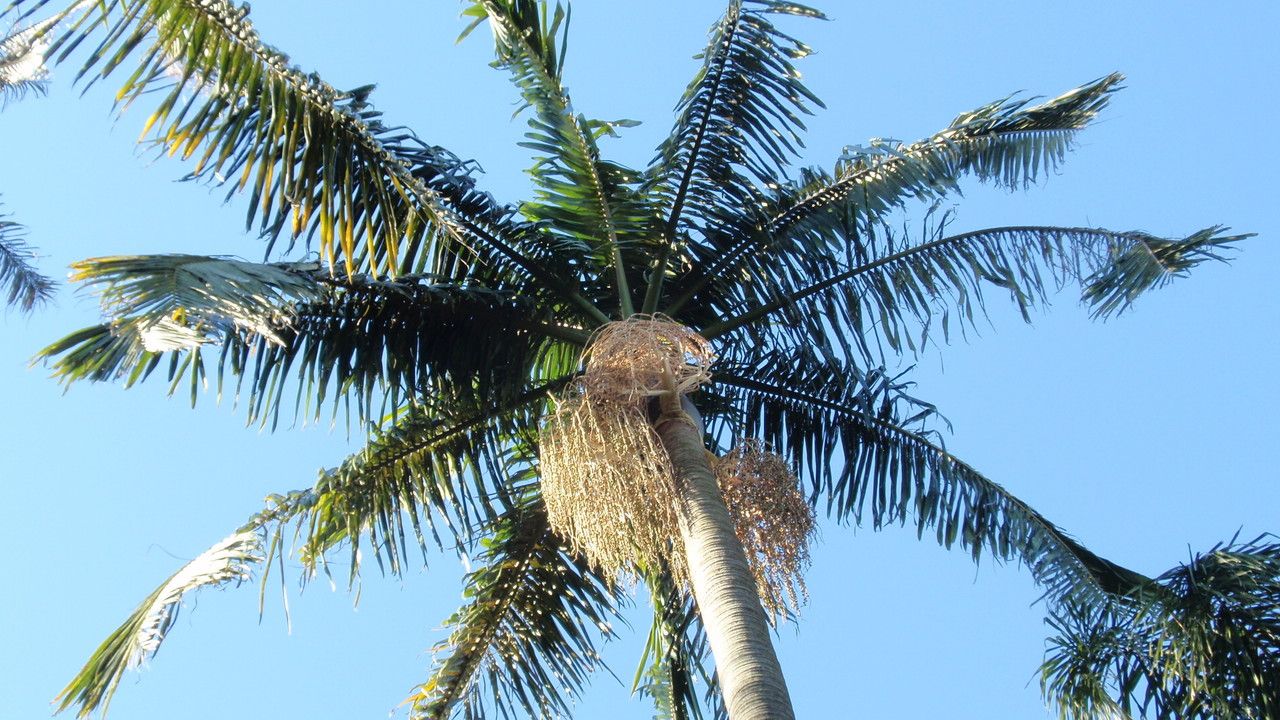
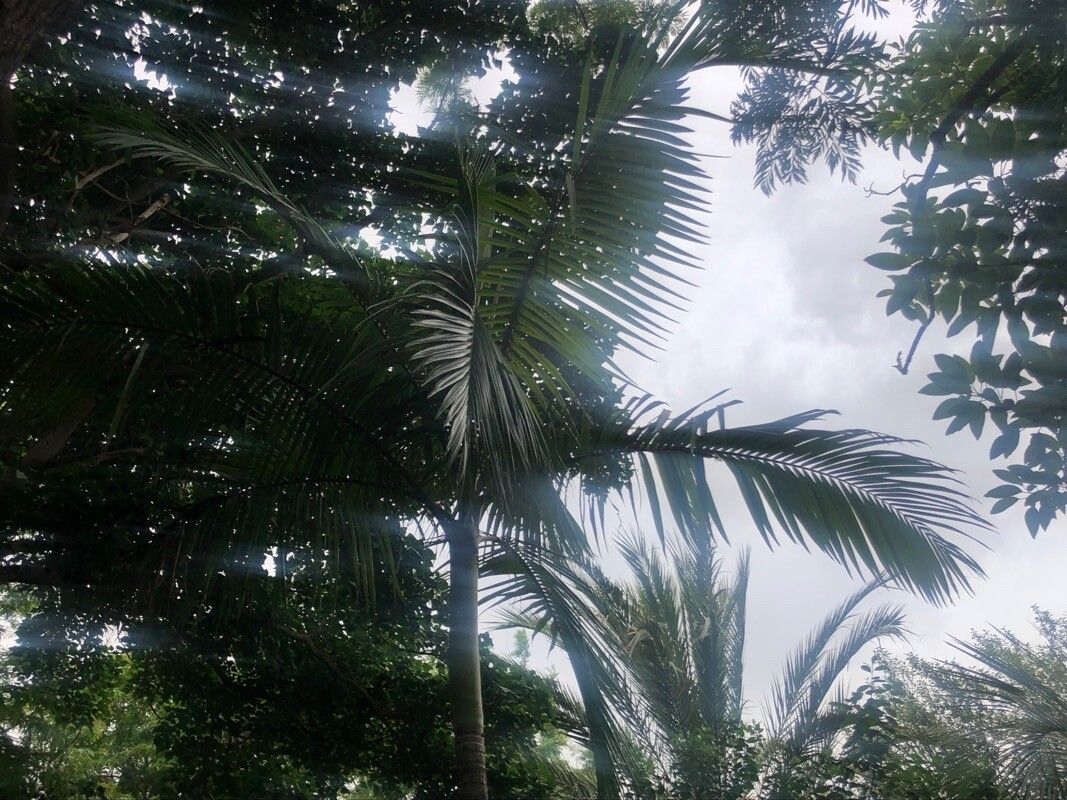
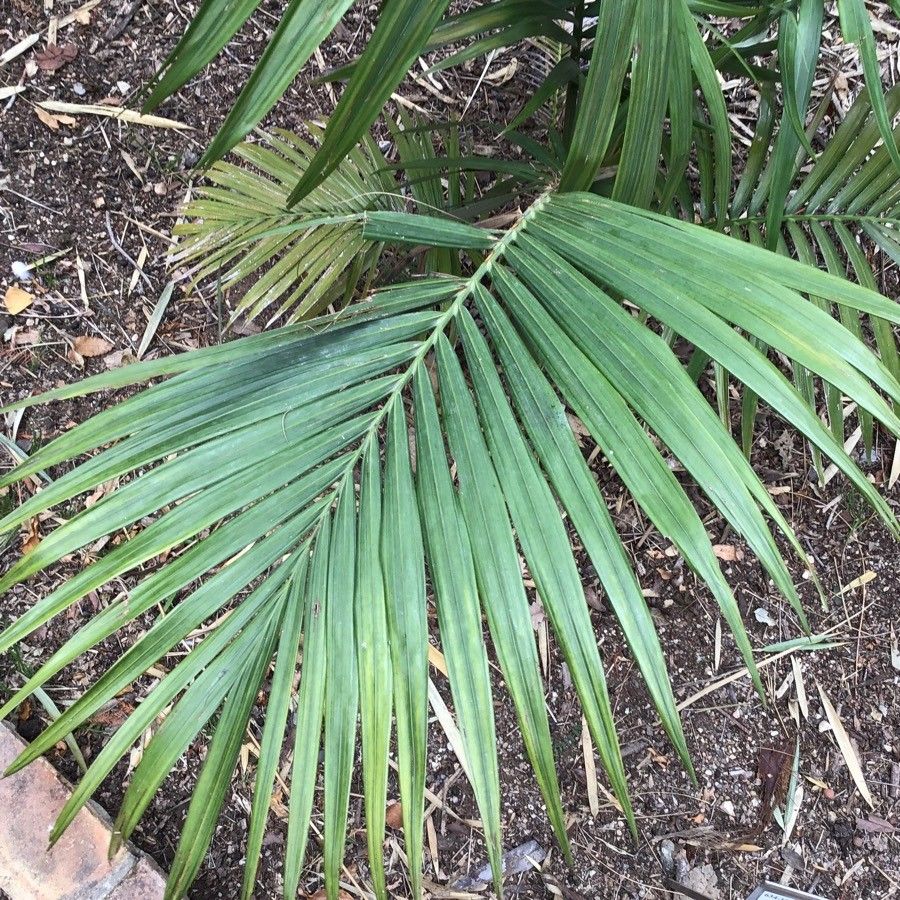
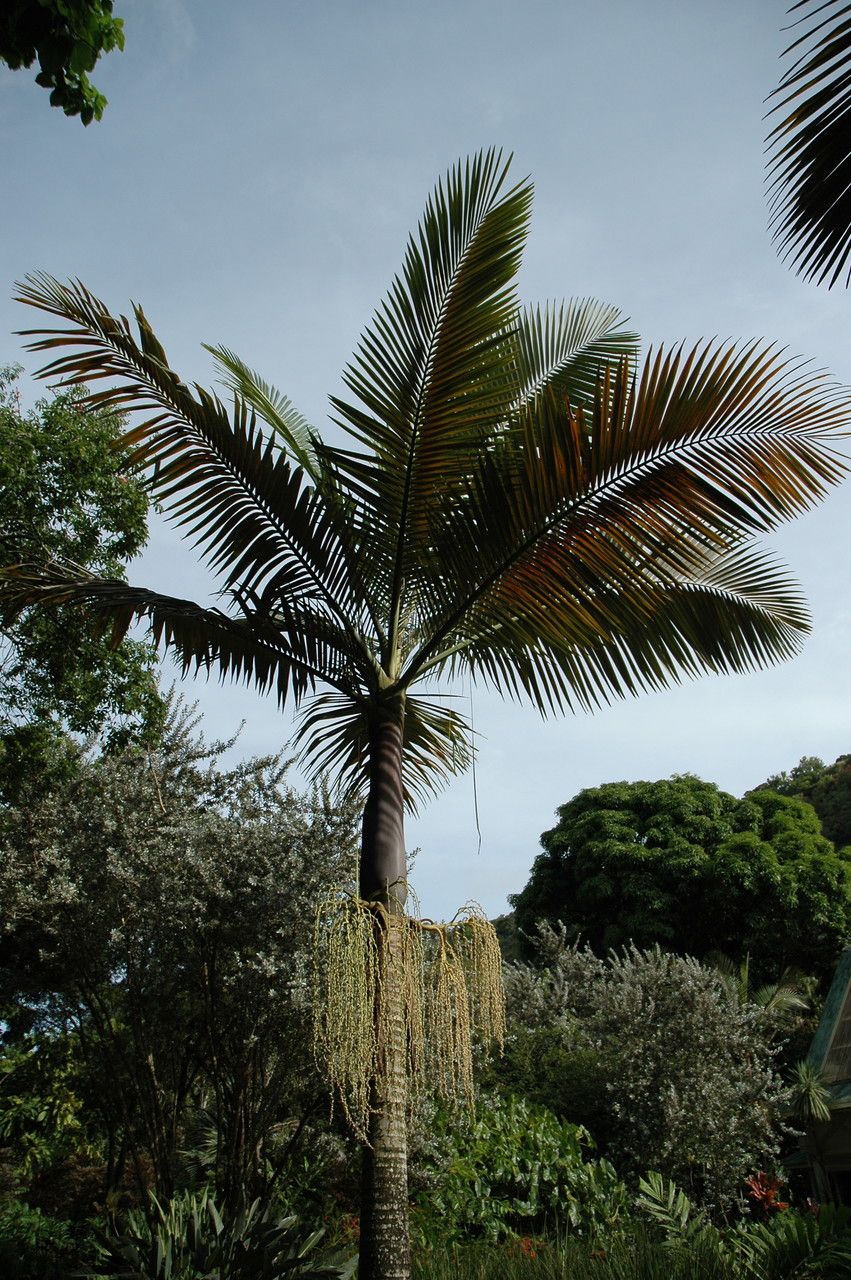
Archontophoenix alexandrae, commonly known as Alexandra palm, king palm, Northern Bangalow palm, or feather palm, is a palm endemic to Queensland, Australia. It was named in honour of Princess Alexandra of Denmark, but is often erroneously referred to by the misnomer Alexander palm.
Alexandra Palm shows strong resistance to disease and is generally not susceptible to illnesses. As for care, this plant is fairly low-maintenance. When grown outdoors it needs little watering, and larger plants typically do not require pruning. Smaller plants, however, should be pruned after they have finished blooming. Alexandra Palmt is appropriate for anyone with an outdoor area, such as a garden or a deck, and does not demand extensive gardening experience.
How to keep Archontophoenix Alexandrae.
Light
Alexandra Palm does best in locations where it gets a substantial amount of sun without being completely exposed. It can tolerate areas with full sun intensity. However, excessive exposure may interfere with its optimal growth. Coming from a habitat with strong sun exposure, its different growth stages are not notably affected by changes in sunlight.
Water
Originating in the rainforests, the Alexandra Palm thrives in high humidity and consistently moist soil. Watering it every two weeks helps prevent over-saturation. Typically grown outdoors, the Alexandra Palm benefits from a rainfall pattern similar to its native climate, which enhances its growth cycles and overall health.
Temperature
The Alexandra Palm is a plant that does best in its native subtropical environment and prefers temperatures between 68 and 95 °F (20 and 35 ℃). During cooler periods, it is recommended to bring the surrounding temperature closer to that range to maintain healthy growth.
Fertilizer
The best time to fertilize an Alexandra Palm is in early spring, as it comes out of dormancy. This encourages overall growth and flower development. Fertilizing improves the foliage, stems, and branches, while encouraging large, vibrant, and long-lasting flowers. It helps move nutrients from the roots to the flowers and boosts the plant's health and resistance to disease.
Pruning
The Alexandra Palm thrives in warm climates and is known for its tall trunk and feather-like fronds. To promote healthy growth, prune this plant in early spring by removing any dead or yellowing fronds. This helps improve air circulation and allows more light to reach the plant. Be sure to use sharp, clean tools to minimize damage and reduce the risk of disease. Avoid cutting any green fronds.
Pot & Repot
Repot your Alexandra Palm every 1 to 2 years in the spring to encourage healthy growth. Choose a deep, well-draining pot that is slightly larger than the current one. Place the plant in indirect light and ensure it receives consistent moisture to aid its recovery. Minimal pruning is required, which makes post-repotting care simpler.
Botanical profile.
- Plant Type
- Tree
- Life Cycle
- Perennial
- Genus
- Archontophoenix
- Family
- Arecaceae
- Hardiness Zone
- 10
- Mature Height
- 12.19 m to 18.29 m
- Mature Spread
- 3.05 m to 4.88 m
- Leaf Color
- Green, Silver, Gray
- Leaf Type
- Evergreen
- Flower Color
- Cream, White, Yellow
- Flower Size
- 2.54 cm
- Bloom Time
- Summer, Early fall, Mid fall
- Planting Time
- Summer, Autumn
- Harvest Time
- Fall, Early winter, Mid winter
- Native Area
- Australia
Other names.
Reader questions.
How should I water my Alexandra Palm tree?
Watering your Alexandra Palm is not a complicated task as it is not too particular about the watering method. You can use common watering tools such as watering cans, hoses, or even cups to moisten its soil. Regardless of the tool you choose, it is important to water the soil directly, ensuring that all areas receive an equal amount of moisture. Using filtered water is recommended to avoid harmful particles present in tap water. Additionally, using water at or slightly above room temperature is ideal to prevent any shock to the plant. However, the Alexandra Palm generally responds well to any type of water you provide.
Why should I add fertilizer to my Alexandra Palm?
Alexandra Palms require regular fertilization because their showy leaves require a lot of energy to produce and maintain. However, it's not just the leaves that need energy – the palm also needs to support the growth of its stems, branches, roots, and other vital structures. If you neglect fertilization, there are two likely outcomes. Firstly, the leaves will lose their natural color and texture, resulting in an overall unhealthy appearance that diminishes its ornamental appeal. Secondly, the palm's growth will slow down or produce weak growth that is susceptible to breakage.
How much sunlight does Alexandra Palm need each day?
When growing Alexandra Palm indoors, it requires a lot of indirect, filtered, or dappled light. It's important to keep them in a sunny location throughout the day. The amount of natural daylight can vary based on the season, but a rule of thumb is to provide a minimum of 6 hours, including 3-6 hours of direct sunlight. Alexandra Palm can handle many hours of indirect sunlight without any issues, but direct sunlight should be monitored and controlled.
What temperature is best for Alexandra Palm?
To help your tropical plants thrive, it's best to maintain a temperature range of 75℉ to 90℉ (25-32℃). While different species can tolerate temperatures outside this range, sticking within a few degrees of these limits will ensure optimal growth. However, there are extreme temperature limits to be aware of. Anything below 50℉ (10℃) or above 95℉ (35℃) can hinder growth and cause issues with the leaves and stems. Low temperatures are particularly damaging, as even a light frost can lead to the death of your tropical plants. In fact, cellular death can occur rapidly, with some species dying within 12 to 24 hours.
What should I do if I give my Alexandra Palm plant too much water or too little water?
Outdoor plants, especially new ones or seedlings, are often susceptible to lack of watering. It is important to consistently water them for a few months, especially when they are small or just planted. Once the roots are established, the Alexandra Palm can rely on rain most of the time. When the Alexandra Palm is planted in pots, overwatering is more likely to happen. If you accidentally overwater your plant, it's important to take immediate action to address the situation. First, stop watering the plant to minimize the impact of overwatering. Then, remove the Alexandra Palm from its pot to check its roots. If there is no root rot present, you can return the plant to its container. However, if you find any signs of root rot, trim away the affected roots and consider applying a fungicide to prevent further damage. Finally, repot the Alexandra Palm using well-draining soil. In the case of underwatering, simply water the plant more frequently. This is usually an easy fix. If the plant's leaves droop, dry out, or fall off due to underwatering, they will quickly regain fullness after sufficient watering. Be sure to adjust your watering frequency as soon as you notice signs of underwatering.
When should I fertilize my Alexandra Palm?
Alexandra Palm plants do not require a standard feeding schedule, as occasional feedings are sufficient. You can easily fertilize the plant by applying fertilizer whenever you water it. Additionally, during the growing season, make sure to provide a good amount of water. Feeding the plant once every two to three weeks is recommended, especially when it is producing new growth.
What kind of sunlight does Alexandra Palm require?
Alexandra Palms in their natural habitat receive ample sunlight throughout the day. However, this sunlight is mostly indirect and dappled as it filters through the dense leafy canopy of tall trees overhead. When grown indoors, it is important to provide Alexandra Palms with bright indirect light. This can be achieved by placing them on a sunny windowsill or by using grow lights.
Is it necessary to have different temperatures for each growing phase of Alexandra Palm?
Alexandra Palm does not require temperature changes to enter different growing phases, but it is important to maintain consistency. Fluctuations in temperature can slow down its growth regardless of its current phase, so it is best to keep it in a controlled environment. The optimal temperature range for this plant is between 75℉ and 90℉ (25-32℃), and it is especially important to ensure that the temperature does not drop below 50℉ (10℃) or, even worse, 40℉/5℃, as this can directly damage the plant. While temperatures above 90℉ (32℃) are not ideal, the plant, being tropical, can tolerate higher temperatures without suffering too much.
How much should I water my Alexandra Palm?
If your area lacks rainfall, give your plants adequate watering every 2 weeks in the spring and fall. In the summer, water more frequently. In winter, water less often as growth slows down. For the Alexandra Palm, water more frequently when it is young or newly planted to help it establish and grow. When watering potted Alexandra Palms, you can set a predetermined schedule, but this may not always be accurate for your specific environment. It's better to water based on soil moisture. Wait until the first 2 to 4 inches of soil have dried out completely before watering again. Adjust your watering frequency based on the season and the plant's water needs.
When is it not a good idea to add fertilizer to my Alexandra Palm?
You can maintain a regular fertilization schedule for your Alexandra Palm during spring, summer, and early fall. However, during winter, it is important not to fertilize this plant. During winter, the Alexandra Palm enters a dormant growth phase where it either produces no new growth or very little. Since the plant is using less energy during this time, fertilization is unnecessary.
Does Alexandra Palm have to stay out of the sun?
To ensure the well-being of the Alexandra Palm, it is not necessary to completely avoid sun exposure. However, it is important to consider the type of sunlight it receives. Specifically, the plant should not be exposed to more than 6 hours of direct sun per day. Direct sun refers to sunlight that directly hits the plant. On the other hand, indirect light could either be sunlight reflected off nearby objects or filtered direct sun, such as when it passes through a sheer curtain. Therefore, it is recommended to shield the Alexandra Palm from excessive direct sun.
Does Alexandra Palm require varying temperatures for various seasons?
Alexandra Palm does not require different temperatures for different growing seasons. The key to seasonal care is maintaining the environment at an optimal temperature. To achieve this, it is recommended to keep the plant indoors. By doing so, you have control over the temperature, regardless of the outdoor climate. Adequate lighting is also crucial for tropical species like Alexandra Palm. These plants prefer partial sun exposure, meaning the light they receive should be dappled or filtered. When growing your plants indoors, it is best to provide bright but indirect light. Excessive direct sunlight can harm the leaves and hinder the plant's growth.