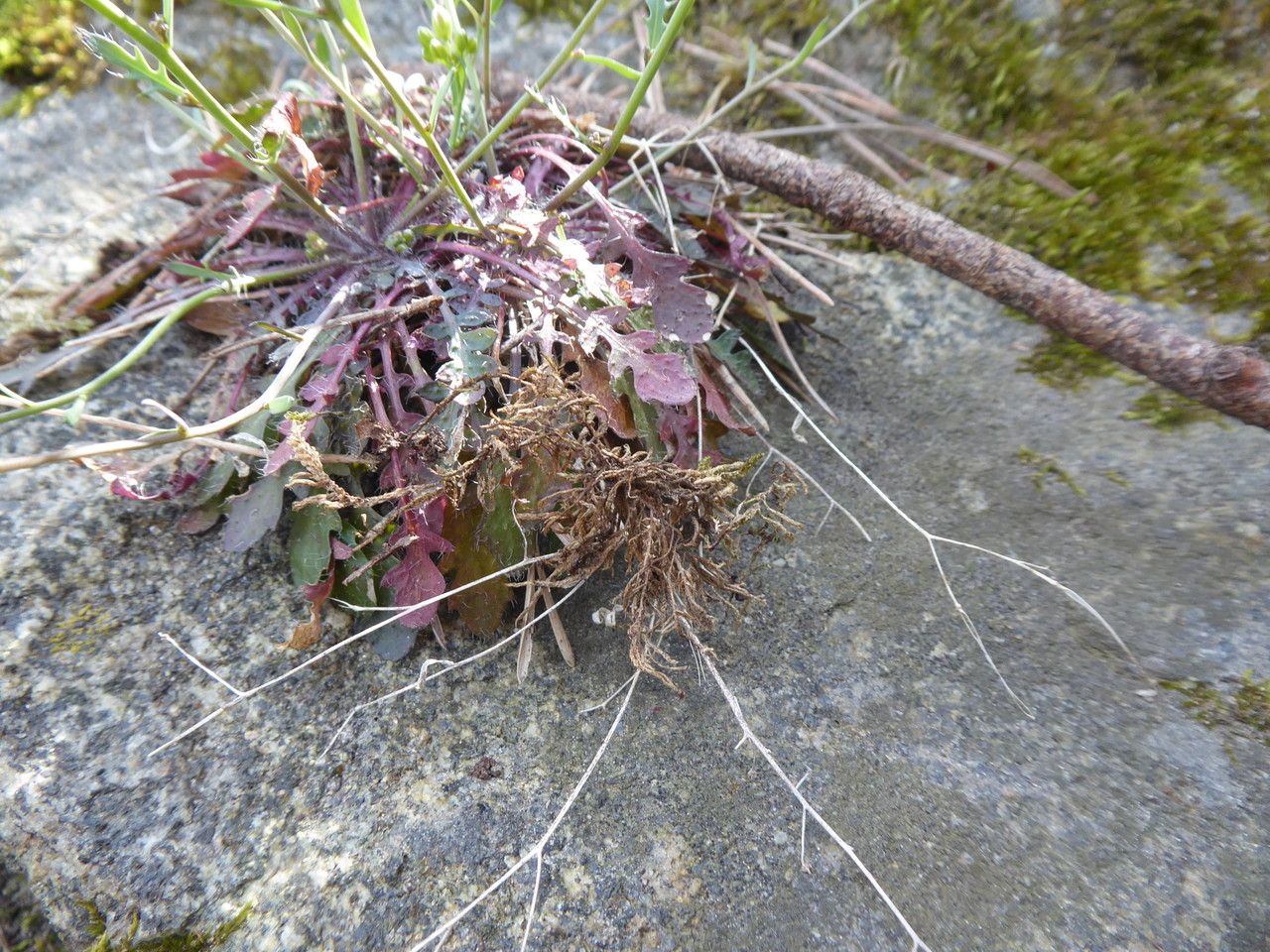
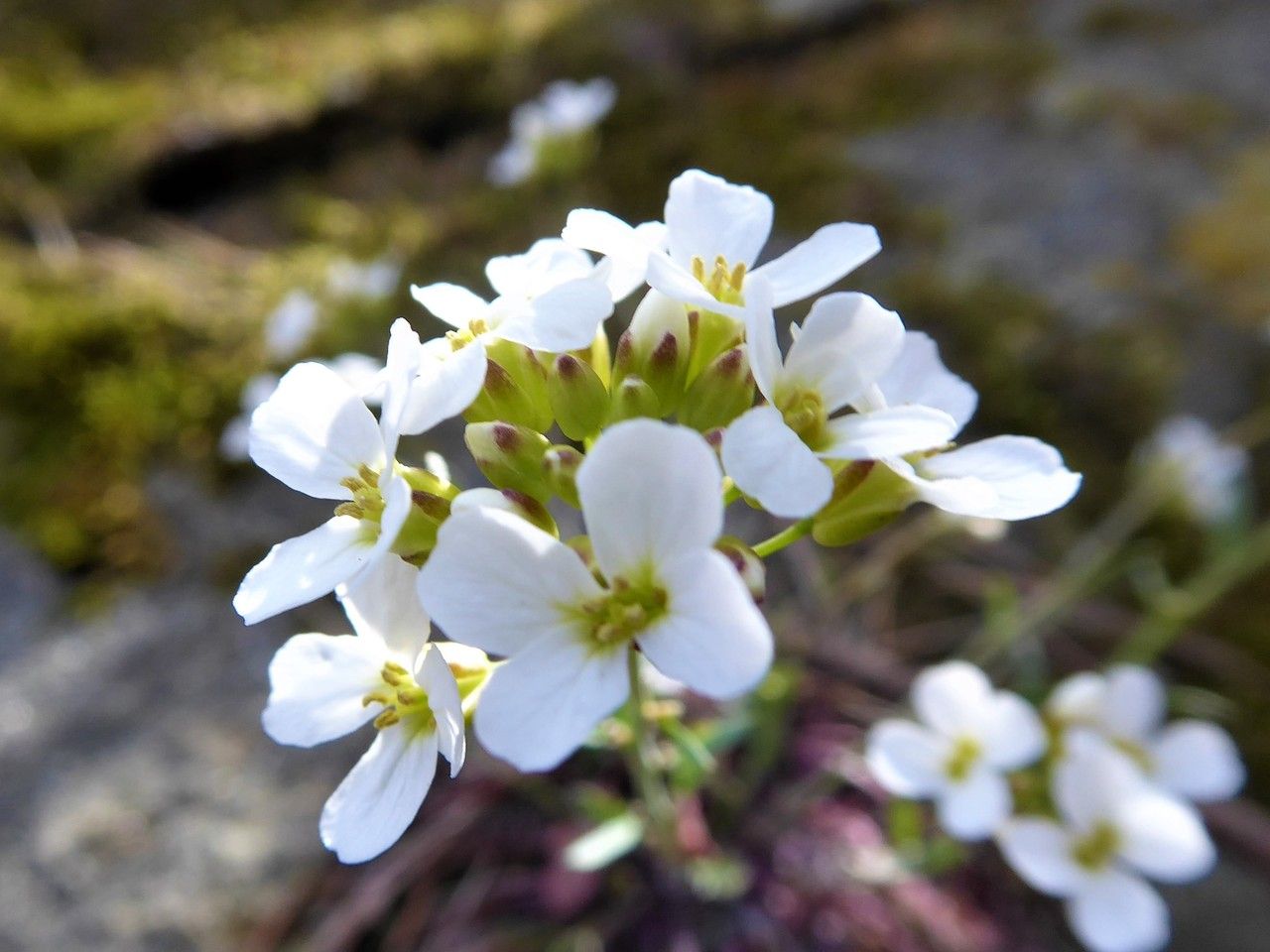
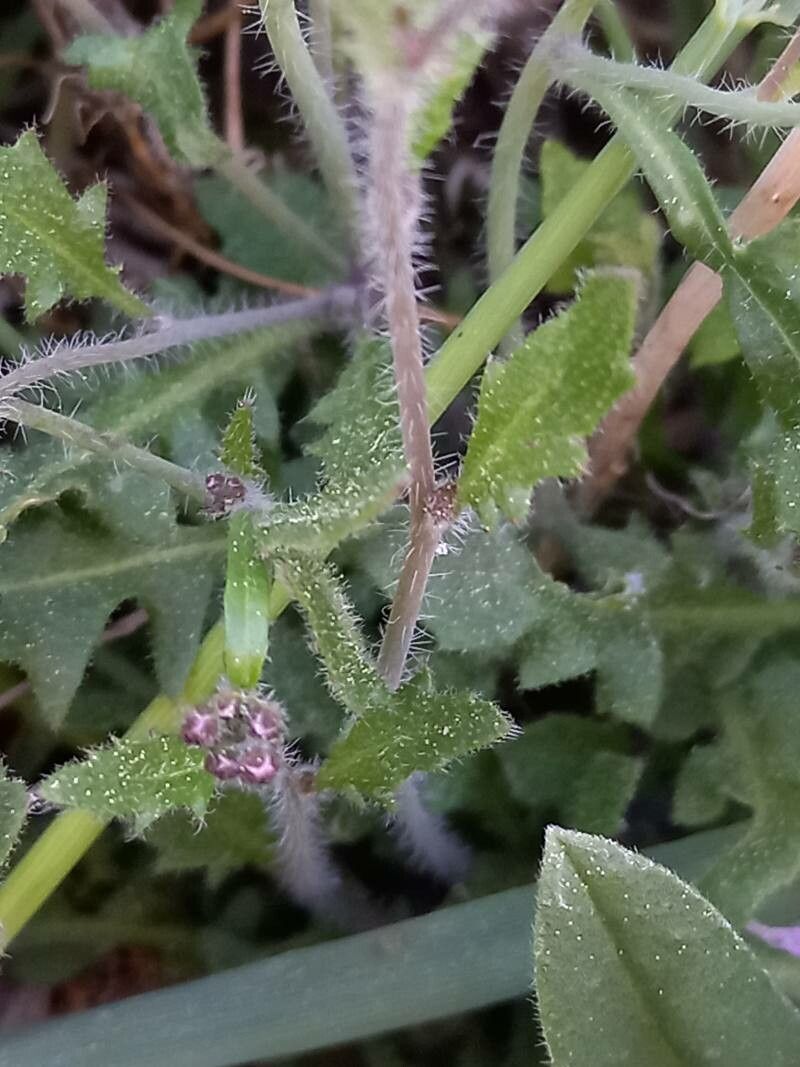
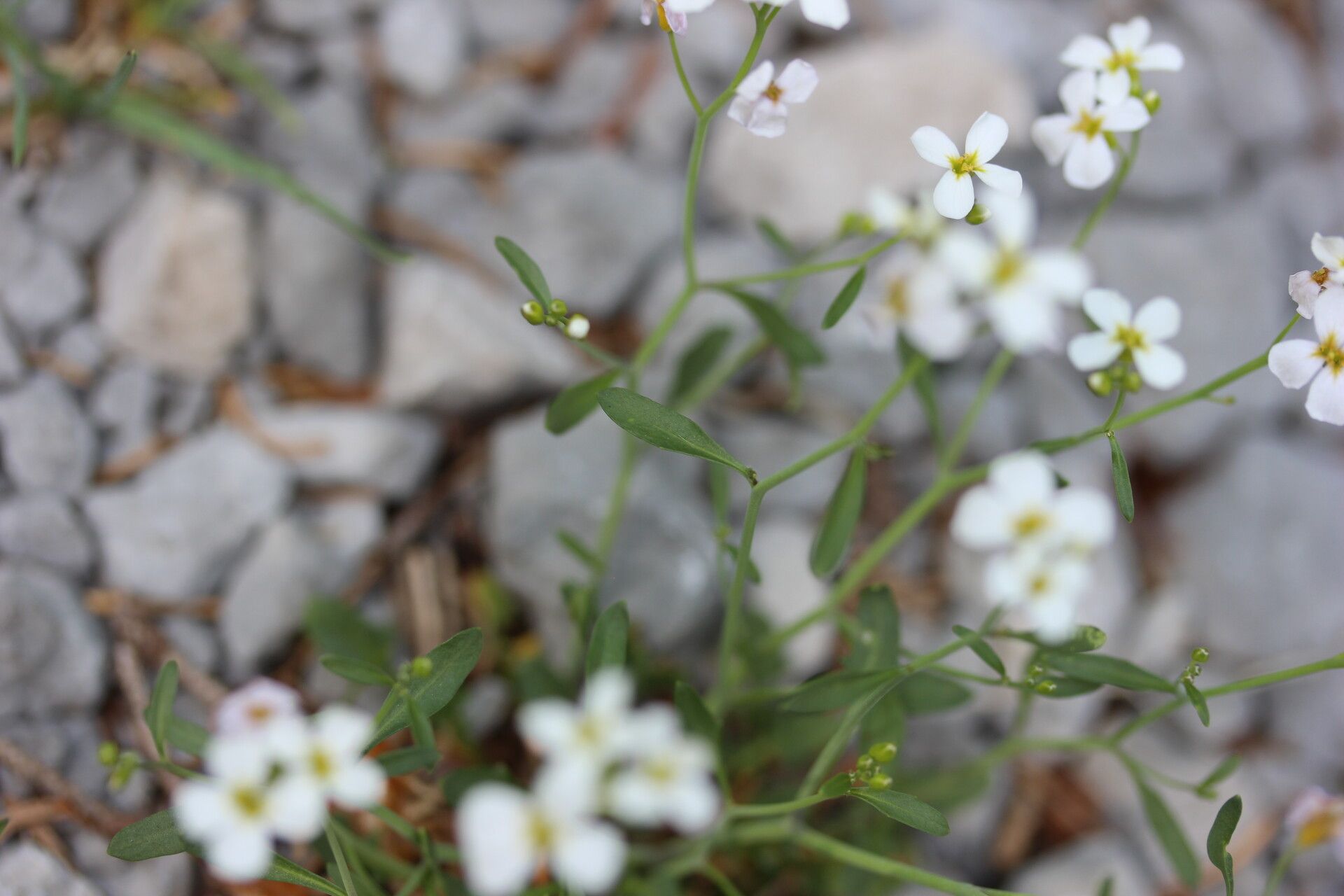
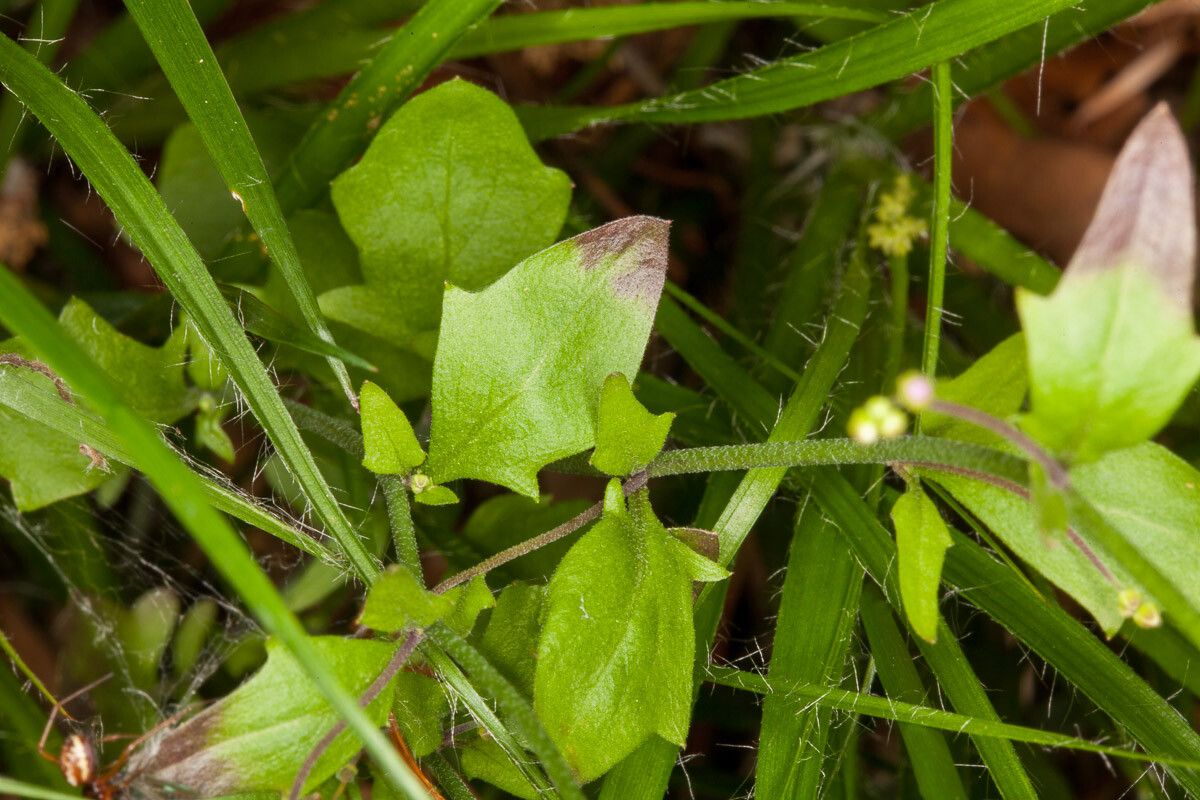
Arabidopsis lyrata, the lyrate rockcress, is a species of flowering plant in the family Brassicaceae, closely related to the model organism Arabidopsis thaliana.
Lyreleaf rockcress is fairly disease-resistant and generally not prone to illnesses. It can, however, be affected by pests and diseases present in its environment; these problems are typically not severe. Care-wise, the plant needs moderate maintenance. It should be pruned regularly to preserve a good appearance and healthy growth. Fertilizing can also encourage flowering. Lyreleaf rockcress is appropriate for anyone with outdoor space, such as a garden or patio, and does not demand extensive care experience. It may need extra attention when grown indoors.
How to keep Arabidopsis Lyrata.
Light
Lyreleaf rockcress comes from bright, open habitats and flourishes in full sun. It tolerates partial sun but favors direct sunlight for optimal growth. This plant, which may be annual or biennial, is known for its sun-loving nature.
Water
Lyreleaf rockcress grows best in well-drained environments that offer moderate moisture and some drought resistance. To keep it properly hydrated without overwatering, it's ideal to water the plant weekly. When growing it outdoors, take natural rainfall into account, as lyreleaf rockcress can effectively use seasonal rains to meet its water needs.
Temperature
The Lyreleaf rockcress is indigenous to regions with moderate climate conditions, doing well in temperatures ranging from 68 to 95 °F (20 to 35 ℃). To ensure the plant's optimal development, it's important to maintain this temperature range all year round.
Fertilizer
Lyreleaf rockcress are regarded as heavy feeders in terms of nutrients. They require frequent, small doses of nitrogen and potassium fertilizers and periodic applications of phosphorus, micronutrients, sulfur, and magnesium to support good growth and bright coloration. Continuous fertilization throughout the growing season is necessary to prevent deficiency symptoms and maintain optimal growth.
Pruning
For optimal growth, lyreleaf rockcress should be lightly pruned from early to late spring. Remove any dead or damaged stems and thin out dense areas to improve airflow, prevent disease, and promote healthy foliage and blooms. Be sure to use clean, sharp tools to minimize stress or damage to the plant.
Botanical profile.
- Plant Type
- Herb
- Life Cycle
- Biennial, Perennial
- Genus
- Arabidopsis
- Family
- Brassicaceae
- Hardiness Zone
- 4-8
- Mature Height
- 10 cm to 25 cm
- Mature Spread
- 5 cm to 15 cm
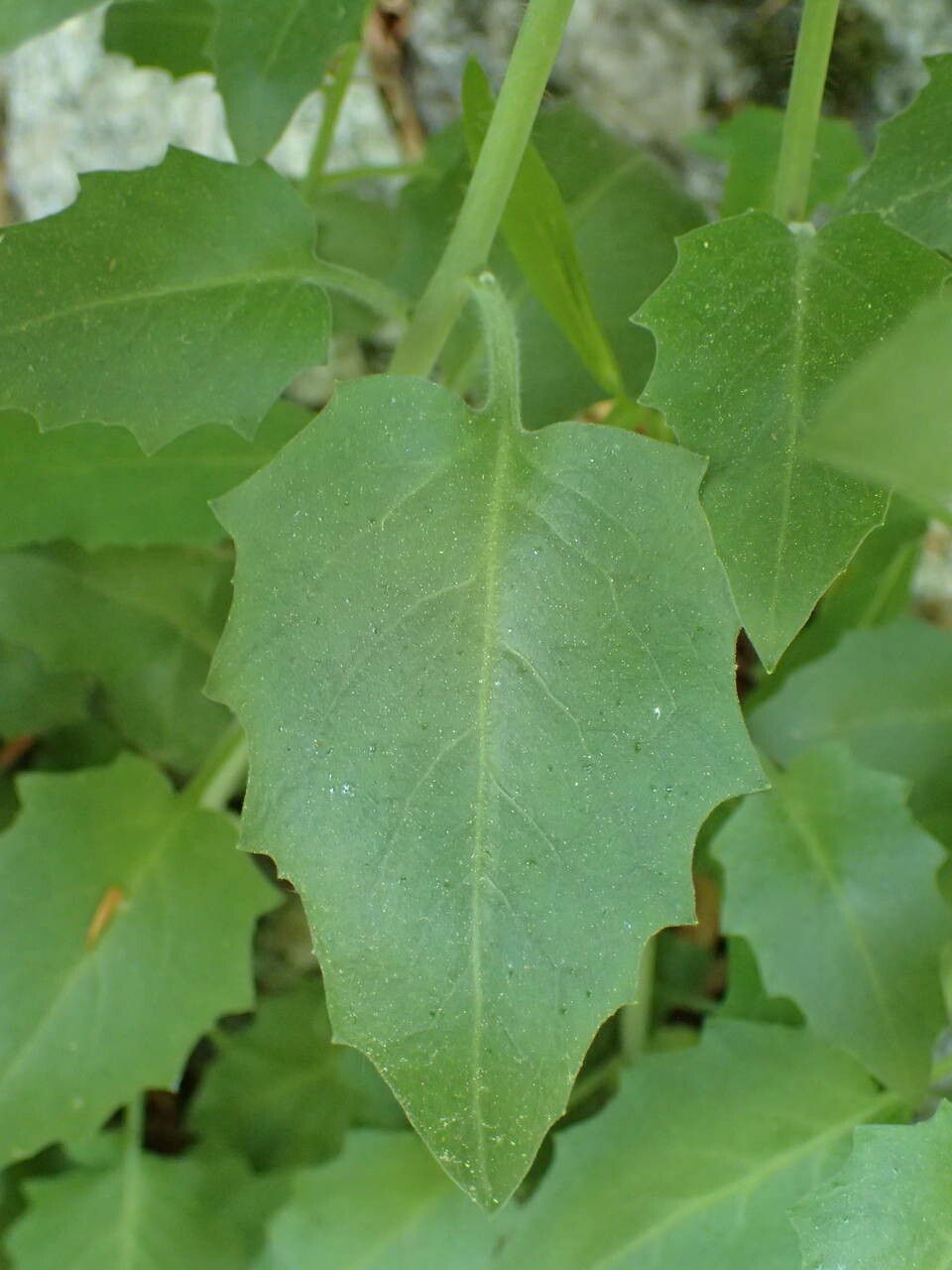
- Leaf Color
- Green
- Leaf Type
- Evergreen
- Flower Color
- White
- Flower Size
- 0.25 cm to 1.02 cm
- Bloom Time
- Spring
- Planting Time
- Spring, Summer, Autumn
- Harvest Time
- Late spring, Early summer, Mid summer
Other names.