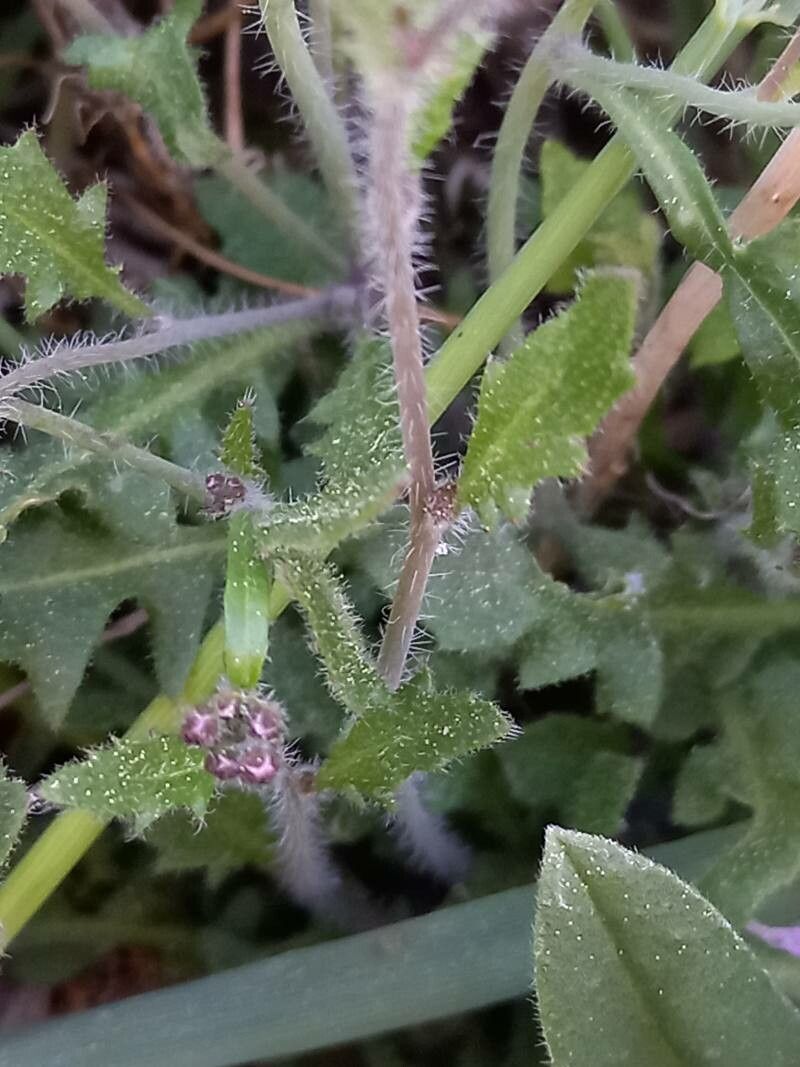
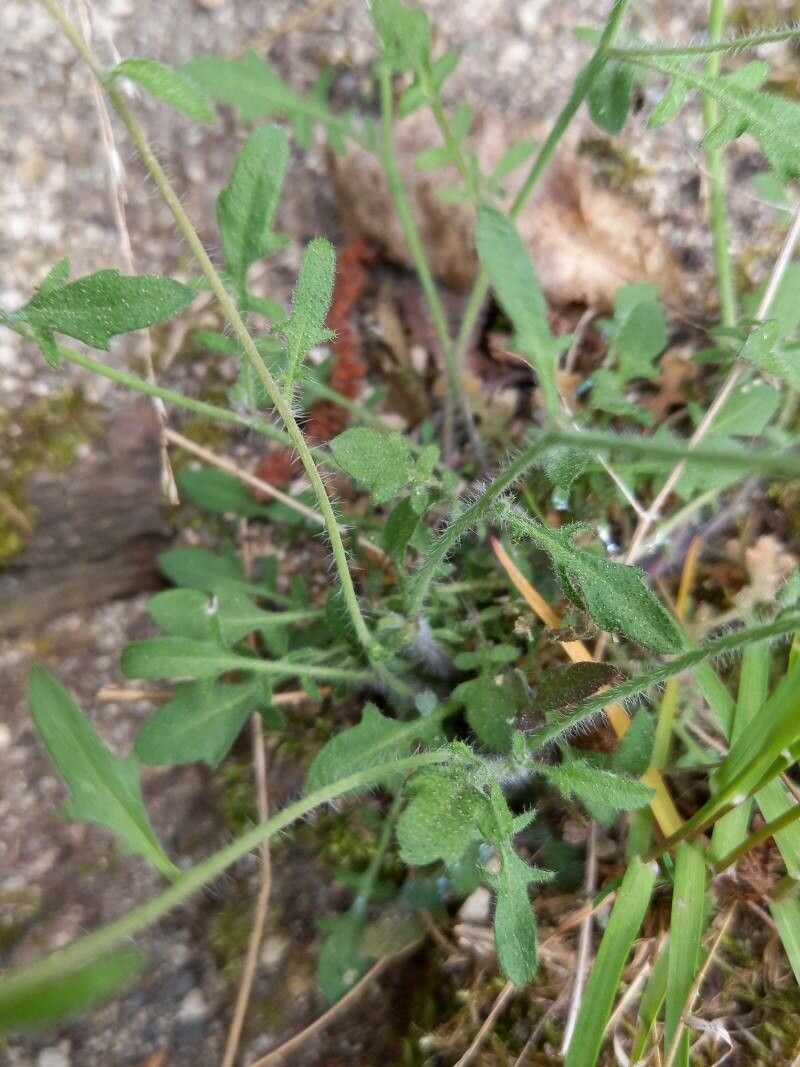
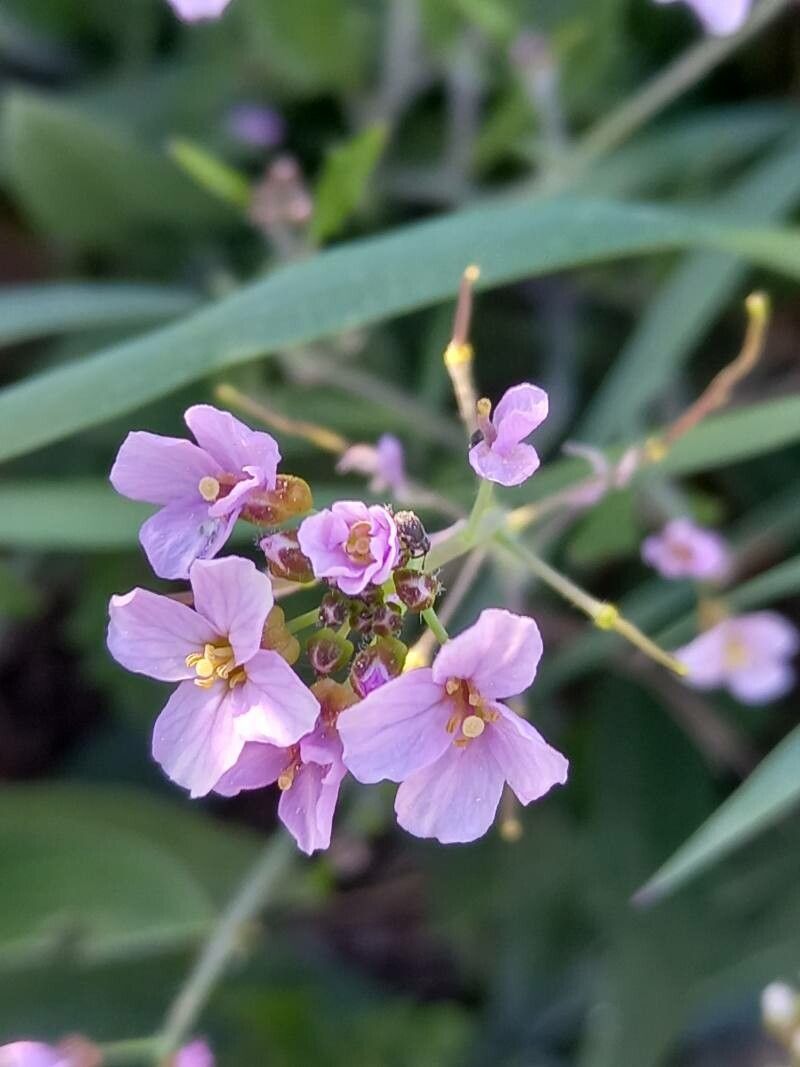
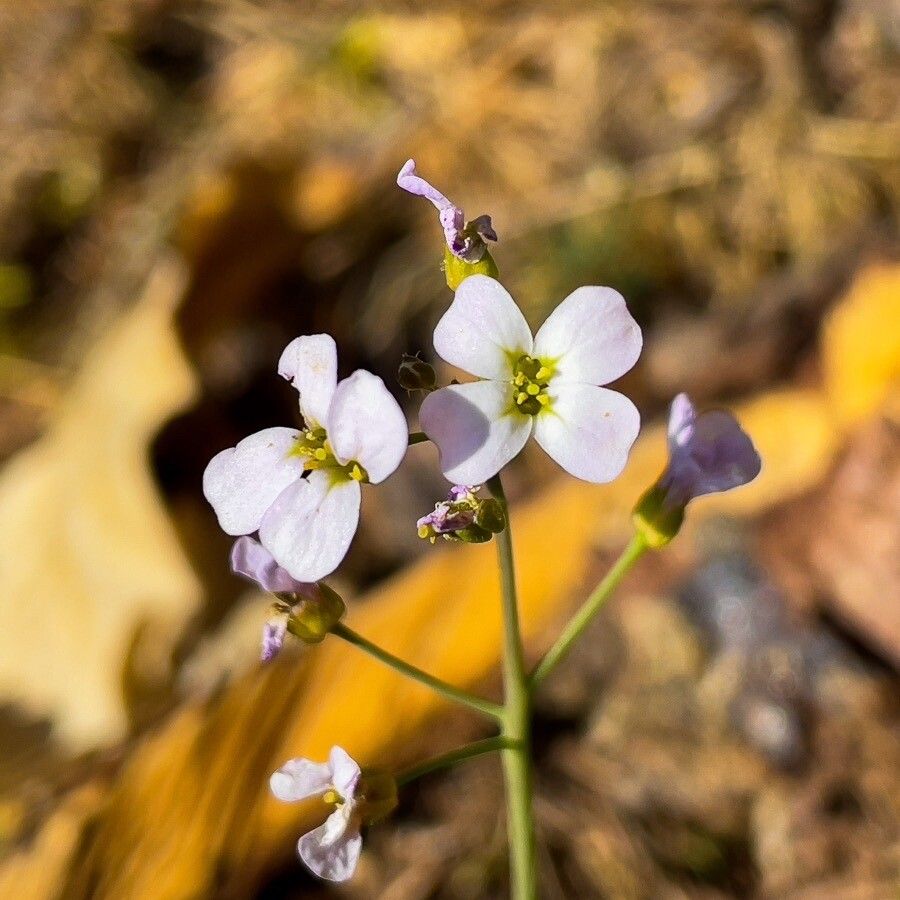
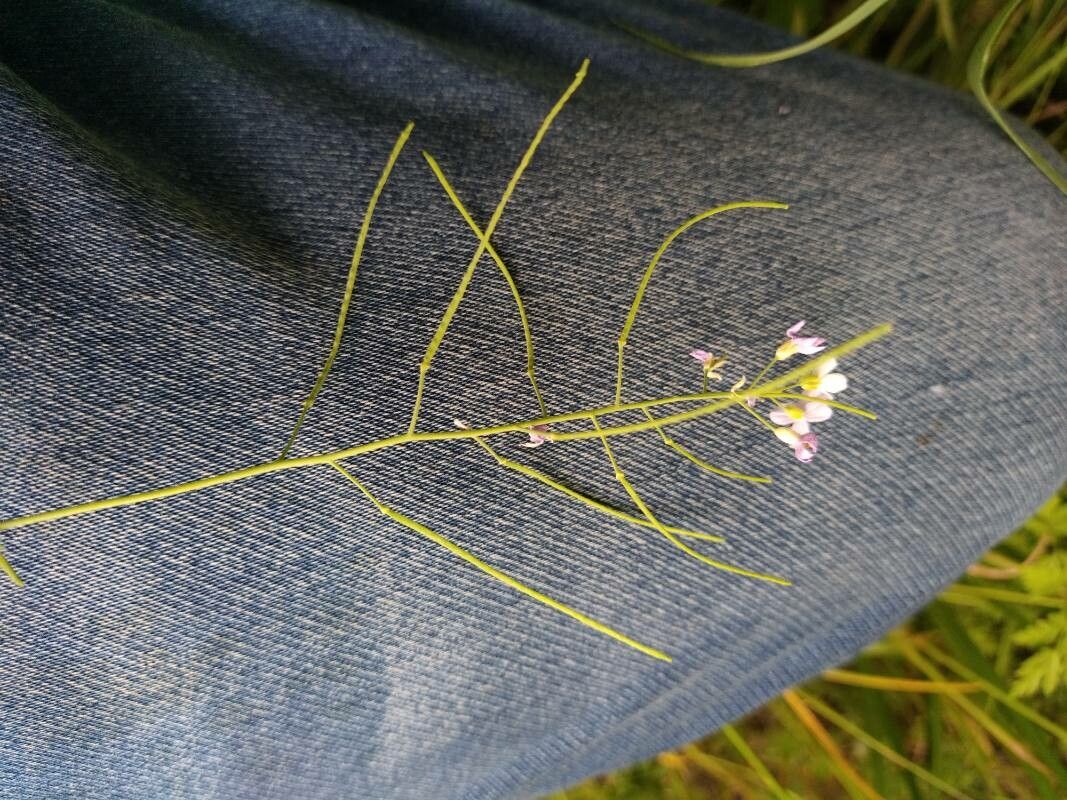
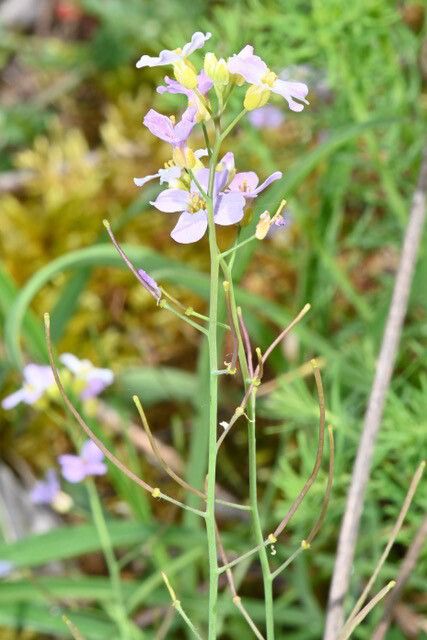
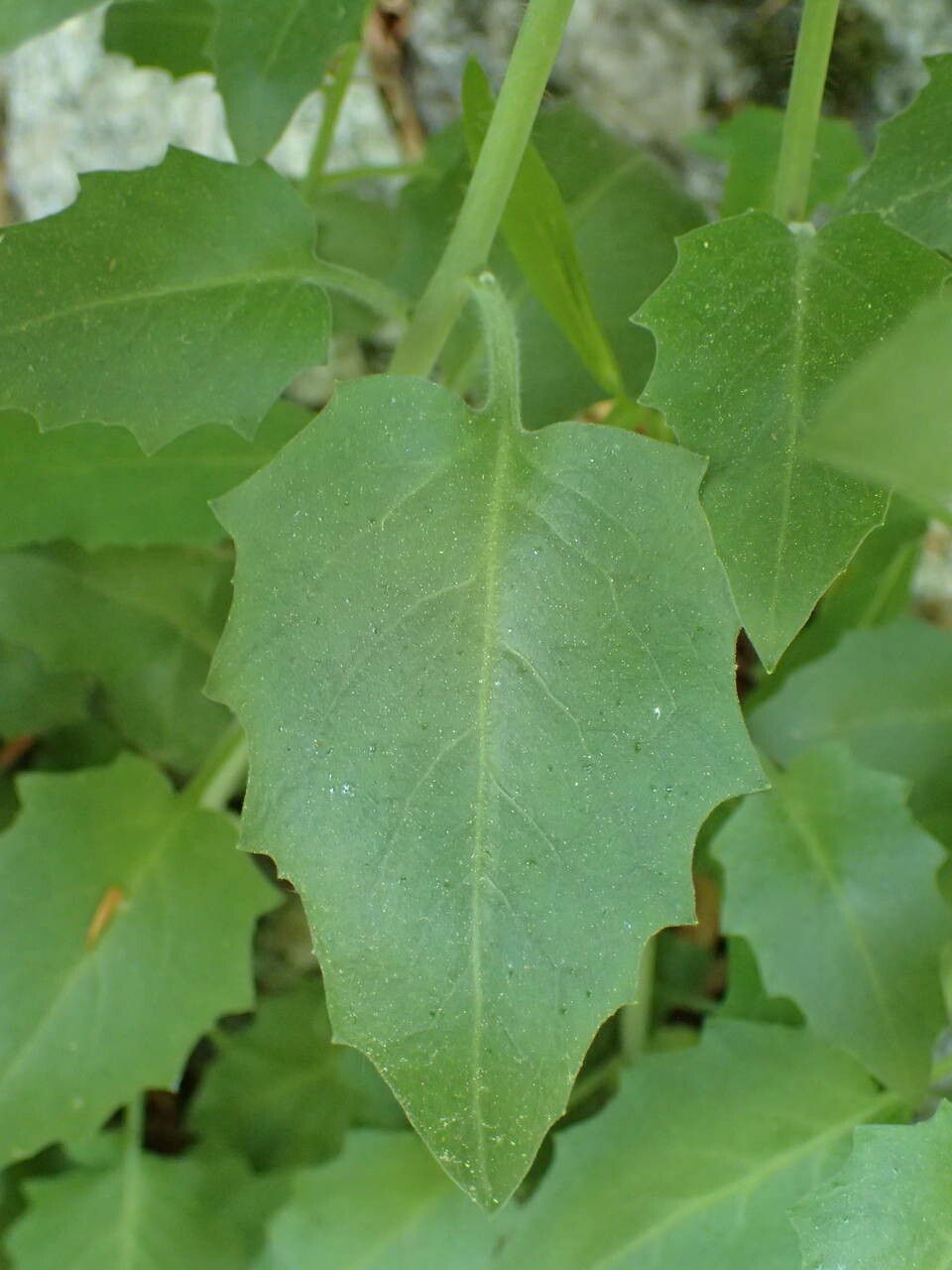
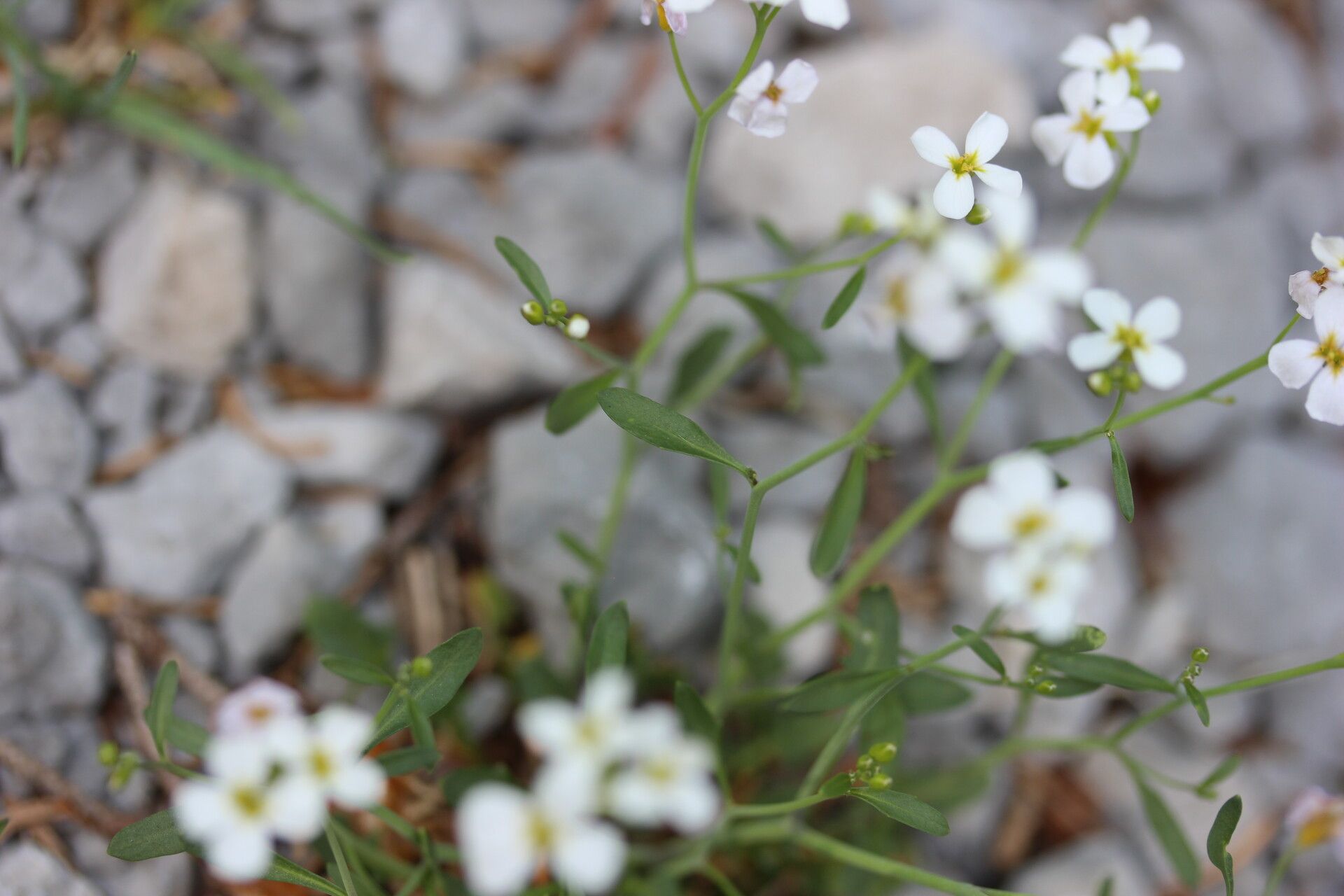
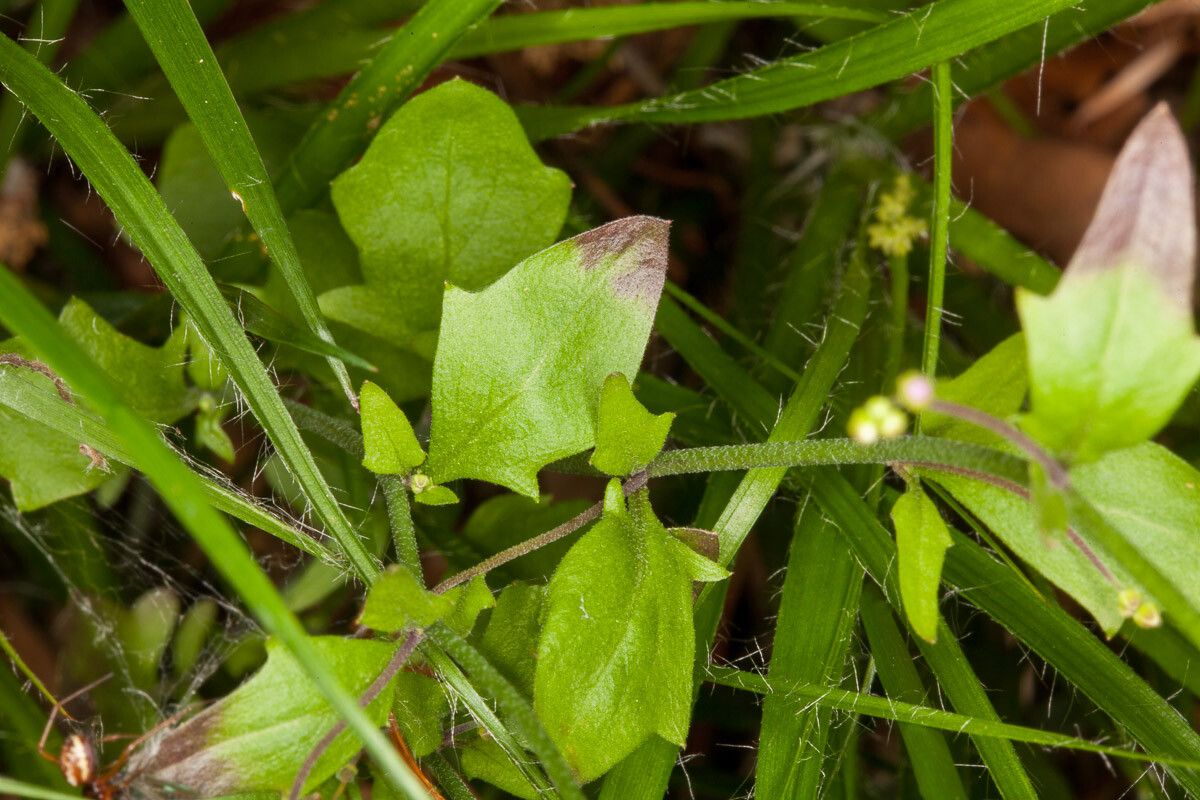
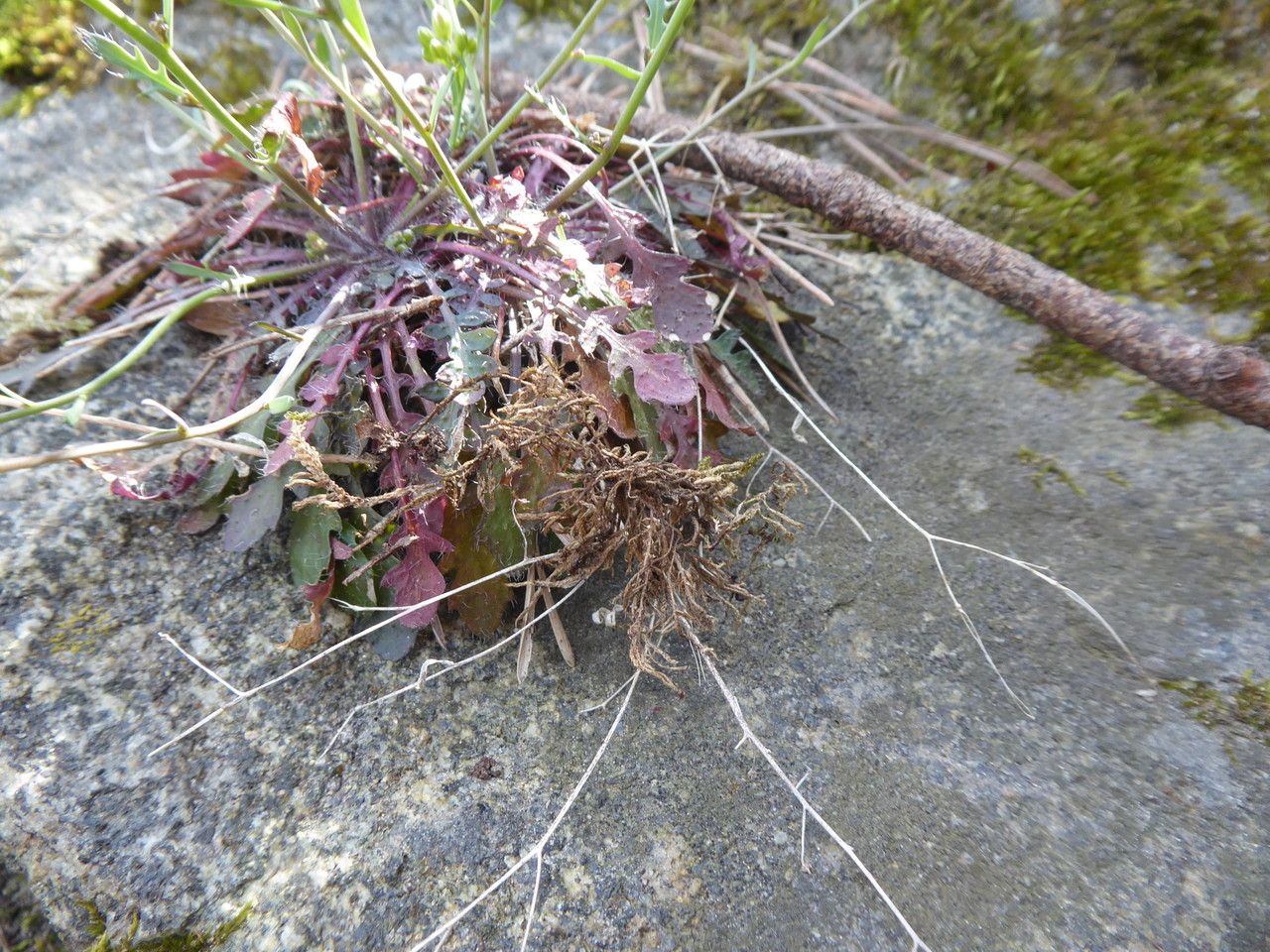
Arabidopsis arenosa, the sand rock-cress, is a species of flowering plant in the family Brassicaceae. It is found mostly in Central Europe in both a diploid and an autotetraploid form. This sets it apart from the other, mostly diploid, Arabidopsis species including the closely related Arabidopsis lyrata or Arabidopsis thaliana, the model plant species.
Sand bitter-cress is fairly disease-resistant and usually not prone to illnesses. Nonetheless, it can be affected by pests and diseases present in its surroundings, though such infections are generally mild. In terms of care, the plant requires moderate maintenance. Regular pruning is needed to maintain a neat appearance and encourage healthy growth, and fertilizing can help promote flowering. Sand bitter-cress is suitable for anyone with outdoor space, like a garden or patio, and does not demand extensive gardening experience. It may require more attention when grown indoors.
How to keep Arabidopsis Arenosa.
Light
Sand bitter-cress is native to habitats like forest understories and rocky areas, where it occurs in natural shade. It prefers partial sun but can tolerate full sun or full shade, showing that it is adaptable and hardy.
Water
Sand bitter-cress thrives in environments with fluctuating moisture levels and demonstrates a moderate tolerance to drought. To ensure optimal growth, it benefits from weekly watering, which makes it ideal for temperate climates. Typically, sand bitter-cress is grown outdoors, where it adapts well to changing rainfall patterns that influence its growth cycles.
Temperature
Sand bitter-cress can tolerate a wide range of temperatures, although its distribution may still be restricted by particular combinations of water and heat. It grows best in warm summer conditions with sufficient rainfall or watering. Extended periods of cloudy, rainy weather or prolonged high temperatures can increase the chance of Sand bitter-cress dying. In winter, protecting the plant from cold can raise its likelihood of survival.
Fertilizer
Typically, a single spring application of fertilizer is enough for Sand bitter-cress, though additional feedings can optimize growth. Fertilize every one to one and a half months. Feeding improves the leaves' appearance and function, keeping color even and texture healthy. It also promotes root development and nutrient uptake for long-term plant health.
Pruning
Sand bitter-cress flourishes in poor soils but needs regular pruning from early to late spring to stay vigorous. Concentrate on removing dead stems and thinning out crowded areas to improve air circulation, boost growth, and prevent disease. Keep an eye out for overgrowth to preserve its aesthetic appeal.
Botanical profile.
- Plant Type
- Herb
- Life Cycle
- Perennial
- Genus
- Arabidopsis
- Family
- Brassicaceae
- Hardiness Zone
- 4-8
- Mature Height
- 15 cm to 30 cm
- Mature Spread
- 5 cm to 20 cm
- Leaf Color
- Green, Dark Green
- Leaf Type
- Semi-evergreen
- Flower Color
- White
- Flower Size
- 1.02 cm
- Bloom Time
- Mid spring, Late spring, Early summer
- Planting Time
- Spring, Summer, Autumn
- Harvest Time
- Summer
Other names.
Reader questions.
How can I water my Sand bitter-cress effectively?
To water the Sand bitter-cress effectively, it's best to use filtered water at room temperature. Tap water may have harmful particles, so filtered water is safer. The temperature of the water matters too, as this plant thrives in warm environments. Cold water can be a shock. Avoid watering from above, as it can cause issues with the leaves. Instead, apply filtered room temperature water directly to the soil until it's fully saturated. This helps moisten the roots and aids in nutrient absorption.
What are the sunlight requirements for Sand bitter-cress?
Sand bitter-cress thrives in partial sun, requiring about 3-6 hours of sunlight daily. It's also capable of growing in full shade, making it a highly adaptable plant for various garden locations. It's native to environments such as forest understories or rocky areas, which naturally offer partial sun to full shade conditions. When managing sunlight for your plants, it's crucial to observe the movement of sunlight through your garden and select spots that offer a balanced exposure to light and shade, ensuring the plants' well-being.
What should I do if I give my Sand bitter-cress plant too much or too little water?
Both overwatering and underwatering can harm the health of your Sand bitter-cress, but overwatering is more likely to occur. When this plant is overwatered, its stems and leaves may wilt and turn yellow. Overwatering over a long period can also lead to root rot, mold, and mildew, which can be fatal. Although underwatering is less common for Sand bitter-cress due to its drought tolerance, it is still possible. When underwatering occurs, the leaves may become brittle and brown. It is important to identify the signs of overwatering early on to prevent irreversible damage. If you notice these signs, reduce your watering schedule and check the soil's drainage. If the soil drains poorly, replace it with a loose, well-draining potting mix. Conversely, if your Sand bitter-cress shows signs of needing more water, increase your watering frequency until the signs improve.
How can artificial lighting be used for Sand bitter-cress indoor plants?
When natural sunlight is insufficient, particularly during winter or in less sunny spaces, artificial lighting serves as an effective alternative to support the growth of Sand bitter-cress indoors. LED lights are recommended for their ability to provide specific wavelengths of light needed by plants. Full sun plants require 30-50W/sq ft, partial sun plants need 20-30W/sq ft, and full shade plants require 10-20W/sq ft of artificial light. The light source should be placed 12-36 inches above the plant, simulating natural sunlight. Most plants will thrive with 8-12 hours of light per day.
How often do I need to water my Sand bitter-cress plant?
If your Sand bitter-cress plant is in a pot, the most precise way to determine if it needs water is to check the soil moisture by sticking your finger into the soil. If the top two to three inches of soil are dry, it is time to water it. If you are growing the Sand bitter-cress outdoors in the ground, you can use a similar method to test the soil. Once the top few inches of soil have dried out, it is time to water. Typically, during spring and early fall, you will need to water this plant about once a week. However, during extremely hot weather, you may need to water it two or more times per week. It is worth noting that mature, well-established Sand bitter-cress plants can withstand drought conditions well.
What are the symptoms of insufficient light in Sand bitter-cress?
When Sand bitter-cress is grown indoors with inadequate light, it may exhibit symptoms like smaller new leaves, leggy or sparse growth, faster leaf drop, slower or no new growth, lighter-colored new leaves, chlorosis (leaves turning yellow due to the breakdown of chlorophyll), sunscald, leaf curling as a defense mechanism against excessive sunlight, wilting due to increased water loss, and leaf scorching characterized by brown, dry edges on leaves.
How much water does my Sand bitter-cress plant require?
To water your Sand bitter-cress effectively, don't hold back on the amount of water you give. Make sure the top few inches of soil are dry, and then give your plant a good, deep watering. The goal is to completely saturate the soil. You'll know you've added enough water when you see excess water flowing out of the drainage holes at the bottom of the pot. If you're not seeing any drainage, it means you haven't watered enough. However, be careful not to let water accumulate in the soil, as this can harm the plant. On the other hand, if water isn't draining at all, it could be a sign that your soil doesn't drain well, which is bad for the plant's health. If your plant is outside, it should receive about one inch of rain per week to keep it properly hydrated.
What solutions are available for addressing insufficient light for Sand bitter-cress?
To optimize growth in response to insufficient light for Sand bitter-cress, gradually acclimate plants to direct sunlight by moving them to sunnier spots weekly until achieving 3-6 hours of sunlight daily. For indoor plants that are large or not easily movable, consider using artificial light. Keeping a desk or ceiling lamp on for at least 8 hours daily, or investing in professional plant grow lights can provide the necessary light. Outdoors, gradually moving plants to sunnier locations helps them adapt without risking sunburn. Minimize obstructions like overhanging branches, or consider transplanting smaller plants to sunnier locations during their dormant period for better light exposure. Note that parts of the plant already affected by insufficient light may not recover, but new growth should be healthy with improved light conditions.
How do I water my Sand bitter-cress as it grows?
The water needs of the Sand bitter-cress can change depending on growth stages. In the first few years or after transplanting, more water is required because the plant focuses on growing new roots. These roots need extra moisture to support future growth. As the plant matures, less water is needed. Additionally, during the bloom period, more water may be necessary as flower development requires significant moisture.
How do I water my Sand bitter-cress at different times of the year?
The Sand bitter-cress has its highest water needs in the hottest months of the year. During the summer, you might have to water this plant more than once a week, depending on how quickly the soil dries out. Conversely, during the winter, the plant will enter a dormant phase and require significantly less water. In fact, you might not need to water it at all during this time. However, if you do choose to water it in winter, limit it to once a month. Over-watering during this period increases the risk of the Sand bitter-cress getting diseased.
What's the difference between watering my Sand bitter-cress inside and outside?
Indoor gardening of Sand bitter-cress is the most common option for gardeners who live in non-temperate and non-tropical regions. However, it's important to note that soil in a container may dry out faster compared to soil in the ground. Factors like air conditioning units can further contribute to the need for more frequent watering compared to if the plant was grown outdoors. In such cases, outdoor planting may require less watering, especially if there is regular rainfall. On the other hand, indoor growers will need to water the Sand bitter-cress more often, as they cannot rely on rainwater to soak the soil.