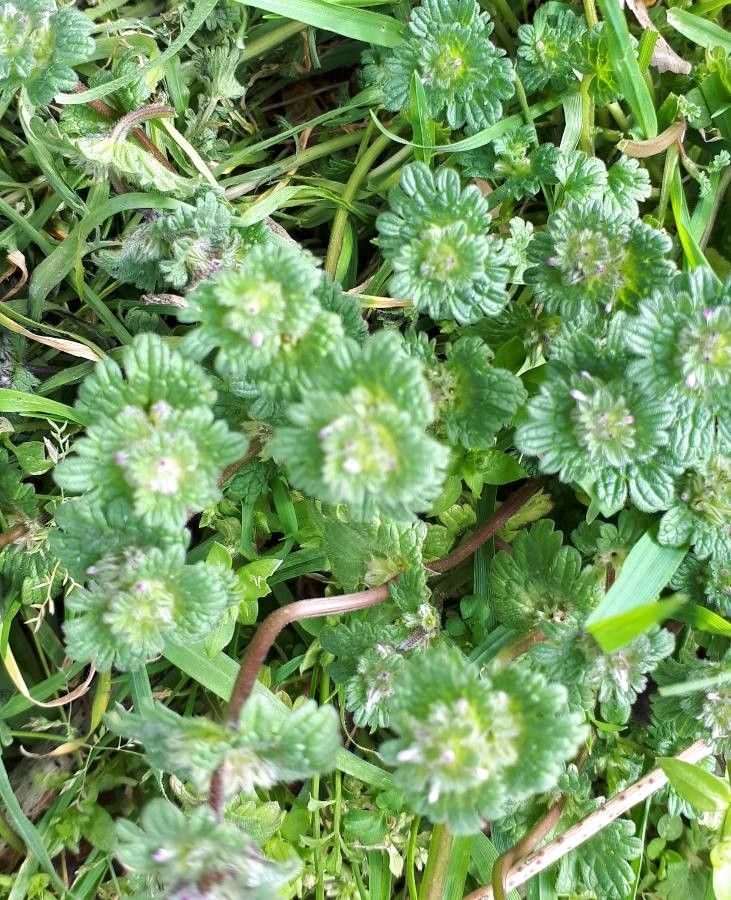
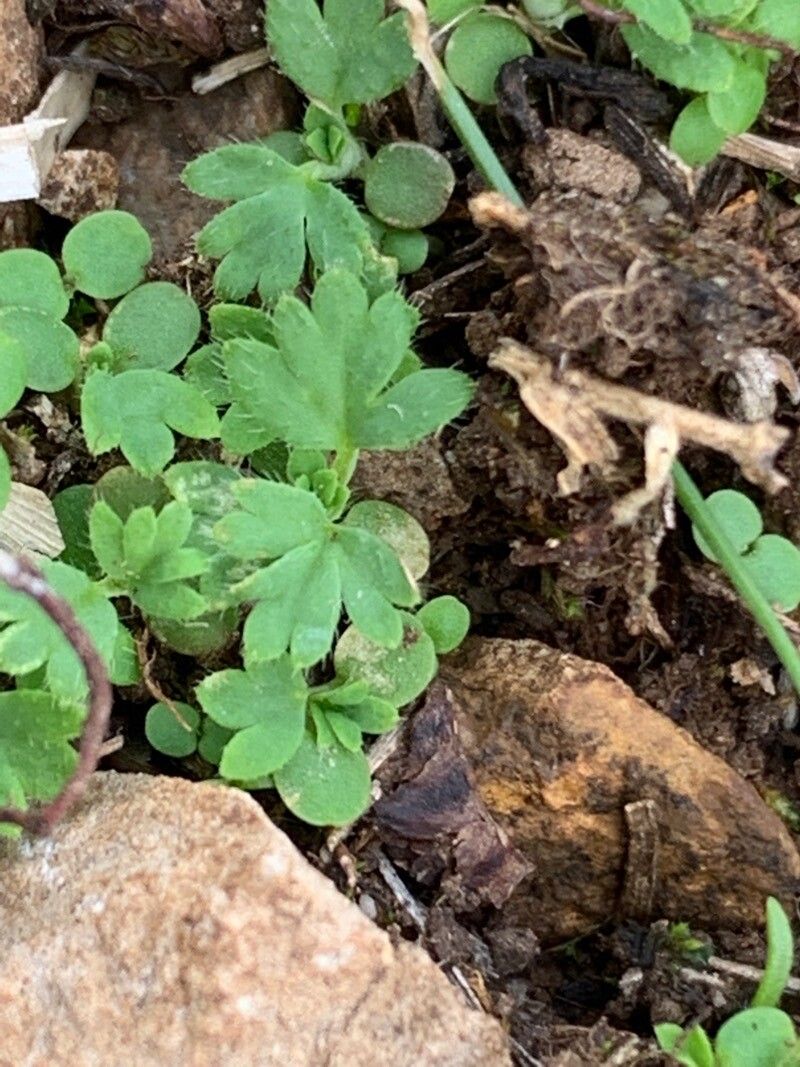
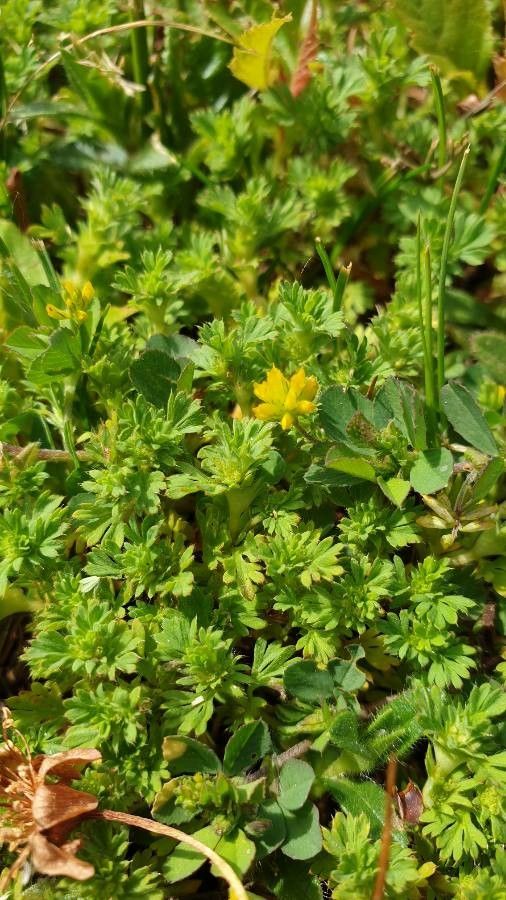
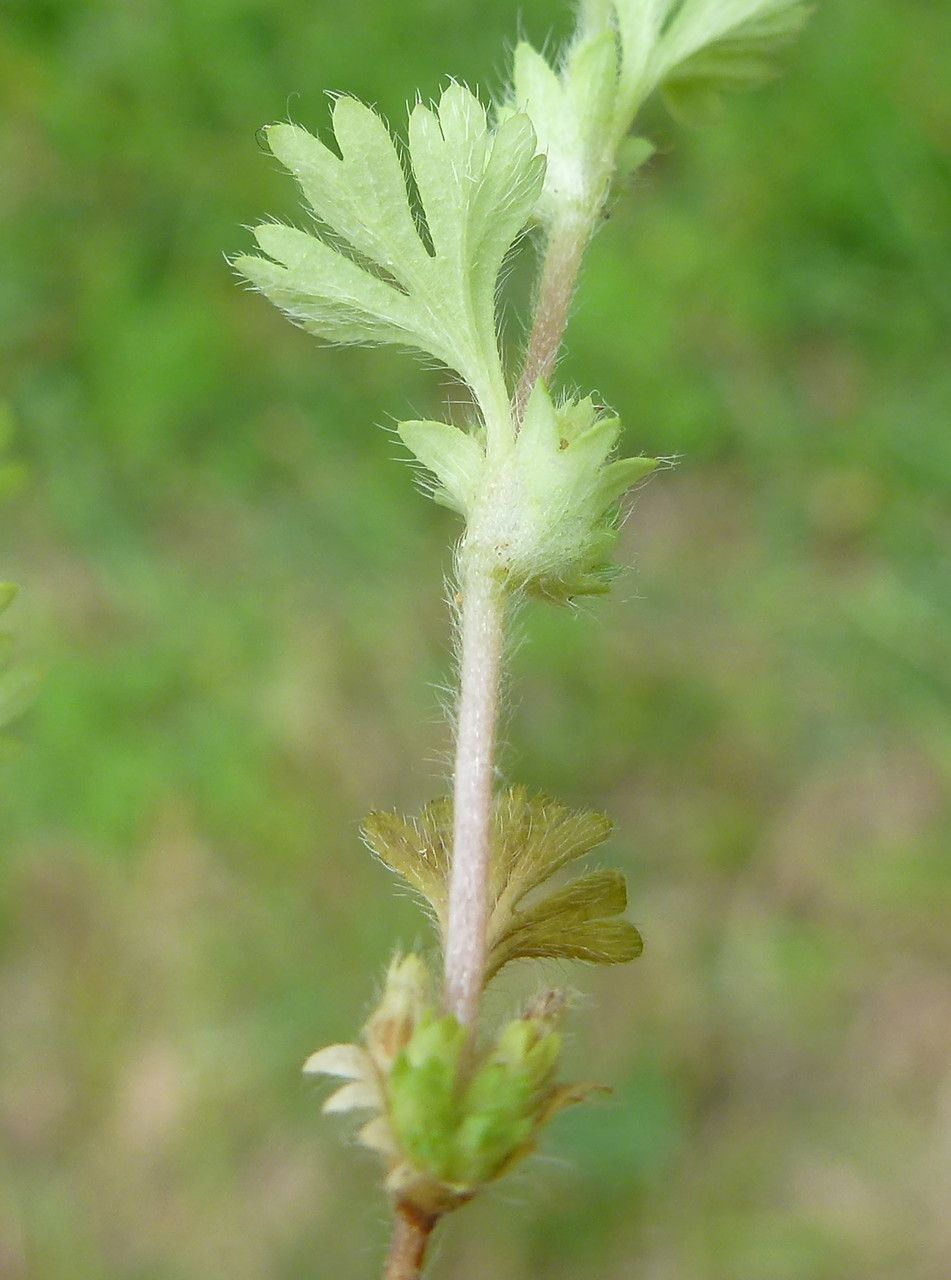
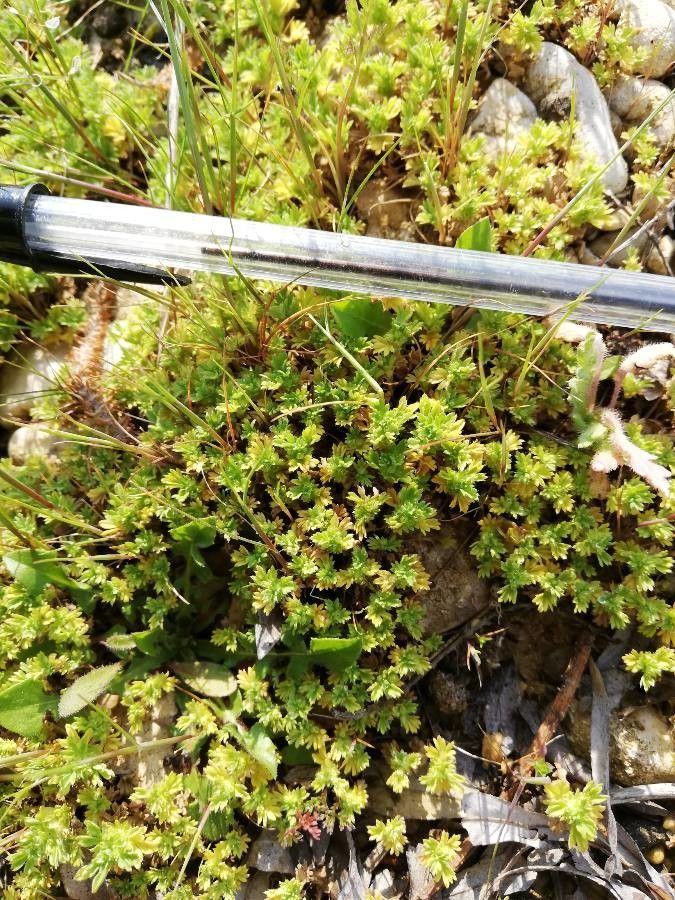
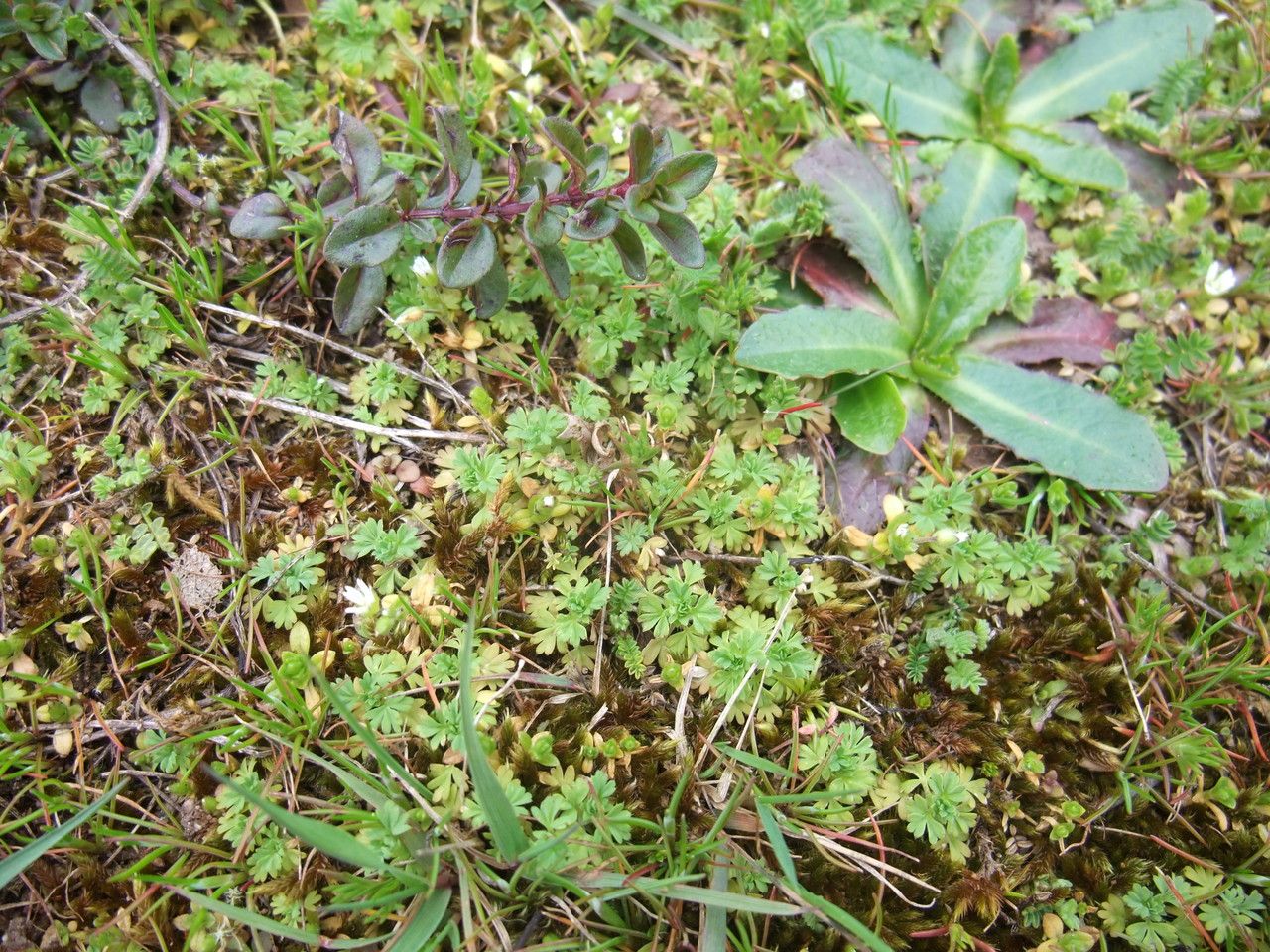
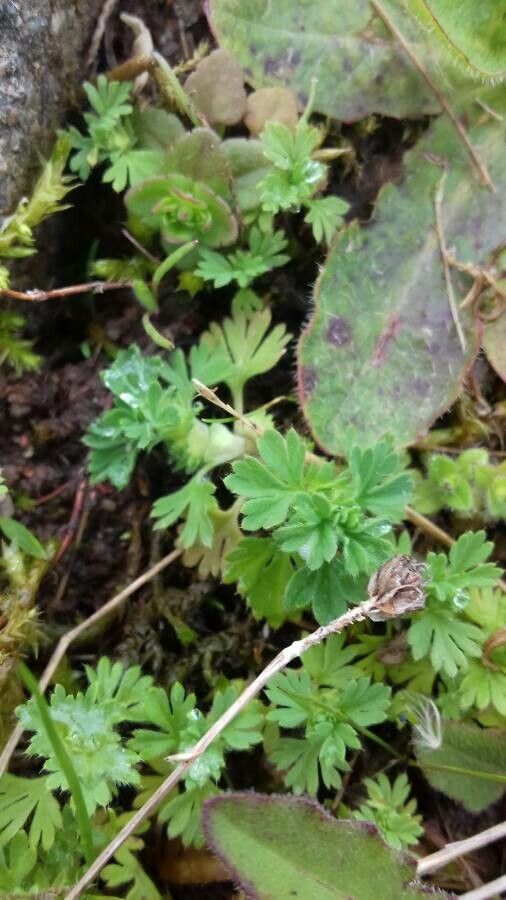
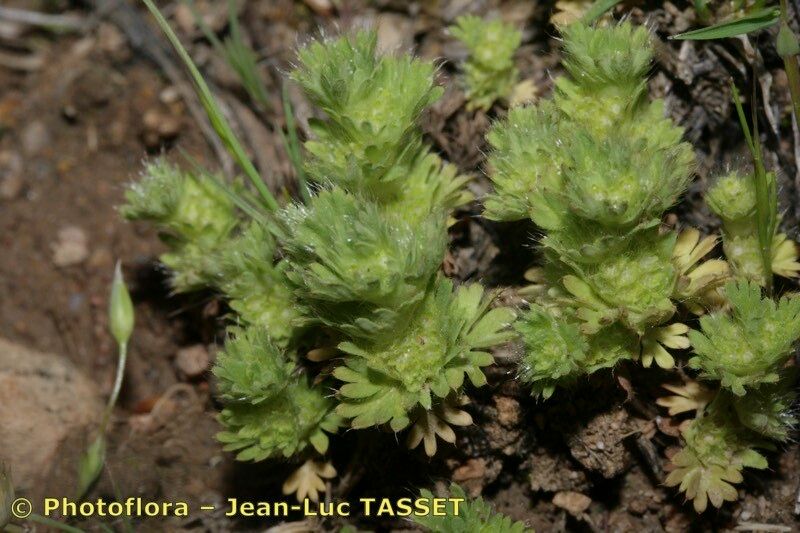
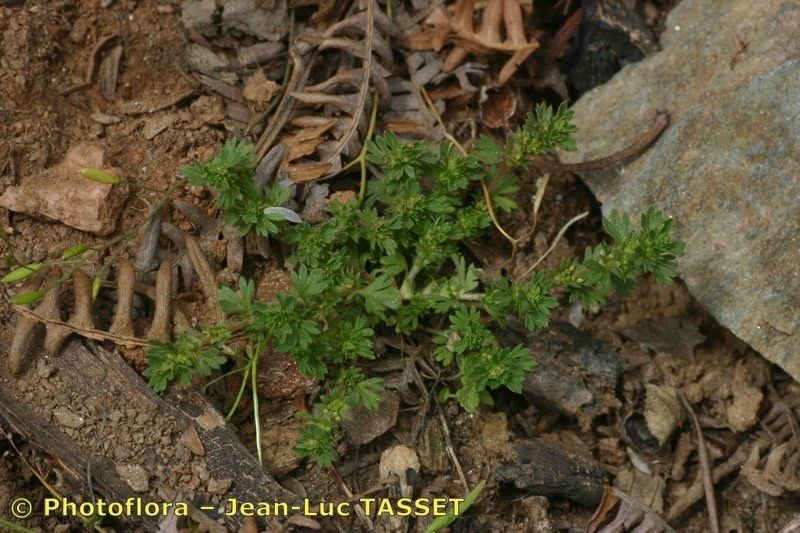
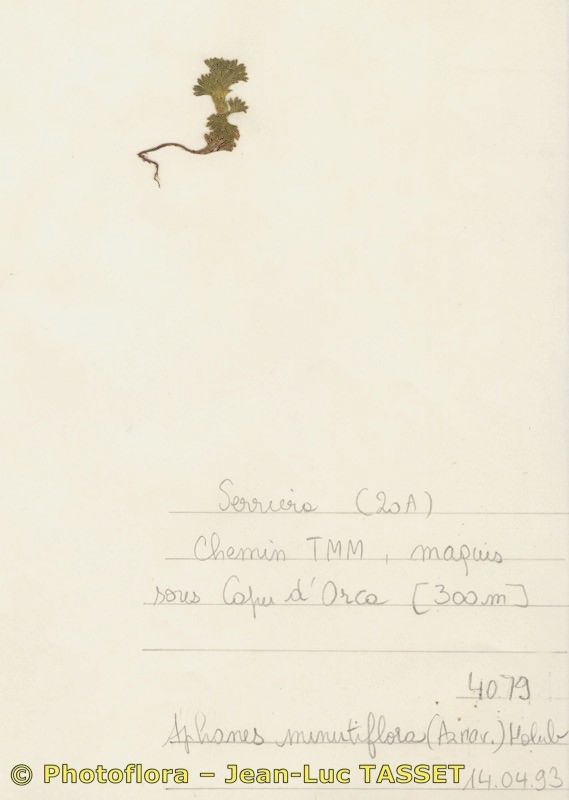
Aphanes australis, commonly known as southern lady's mantle, is a small herbaceous plant in the rose family. Native to Australia and New Zealand, it thrives in a variety of habitats, including grasslands, forests, and rocky areas. The plant features small, deeply lobed green leaves with toothed edges and produces tiny greenish-yellow flowers in the summer. These flowers are followed by small fruits containing seeds.
Traditionally, indigenous peoples have used Aphanes australis for medicinal purposes to treat ailments such as diarrhea, fever, and wounds, leveraging the plant’s tannins, which possess anti-inflammatory properties.
Beyond its medicinal uses, Aphanes australis is also valued in landscaping for its attractive foliage and low-growing nature. It is well-suited for rock gardens and as ground cover due to its rapid spreading capability.
In summary, Aphanes australis is a fascinating plant with both medicinal and ornamental value, making it an excellent choice for any garden or landscape project.
Slender parsley piert shows strong disease resistance and is typically not susceptible to illnesses. Nonetheless, it can be affected by pests and diseases present in its surroundings. These infections are generally mild. In terms of care, this plant needs a moderate level of maintenance. It should be pruned regularly to preserve a neat appearance and healthy growth. Fertilizing can also help encourage flowering. Slender parsley piert is appropriate for anyone with outdoor space, such as a garden or patio, and does not require extensive care experience. It may need more attention if grown indoors.
How to keep Aphanes Australis.
Light
Slender parsley piert comes from habitats with dappled sunlight, like forest understories or rocky sites that provide natural shade. It prospers in partial sun but can also tolerate full sun conditions.
Temperature
Slender parsley piert can tolerate a wide range of temperatures, but its distribution may still be restricted by certain combinations of moisture and heat. It does best in warm summer climates with enough rainfall or regular watering. Extended periods of cloudy, rainy weather or sustained high temperatures raise the risk of Slender parsley piert dying. In winter, protecting it from cold can increase its chances of survival.
Fertilizer
Slender parsley piert benefits from regular, light applications of fertilizer to encourage healthy leaf growth. You should feed Slender parsley piert roughly once a month during the summer. Nitrogen is essential for foliage, and adding nitrogen-rich sources helps Slender parsley piert thrive.
Botanical profile.
- Plant Type
- Herb
- Life Cycle
- Annual
- Genus
- Aphanes
- Family
- Rosaceae
- Hardiness Zone
- 7-9
- Mature Height
- 5 cm to 15 cm
- Mature Spread
- 5 cm to 15 cm
- Leaf Color
- Green
- Leaf Type
- Semi-evergreen
- Flower Color
- Yellow
- Flower Size
- 0.10 cm to 0.20 cm
- Bloom Time
- Mid spring, Late spring, Early summer
- Planting Time
- Spring
- Harvest Time
- Summer
Other names.