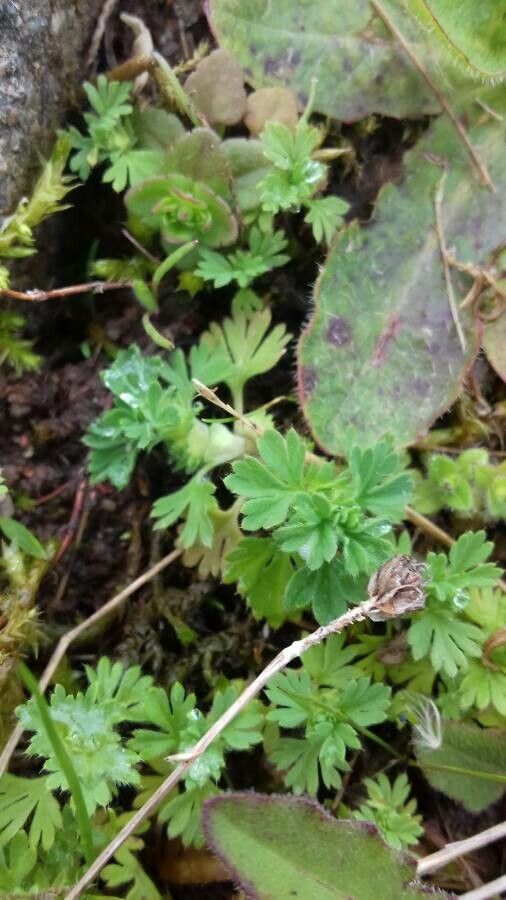
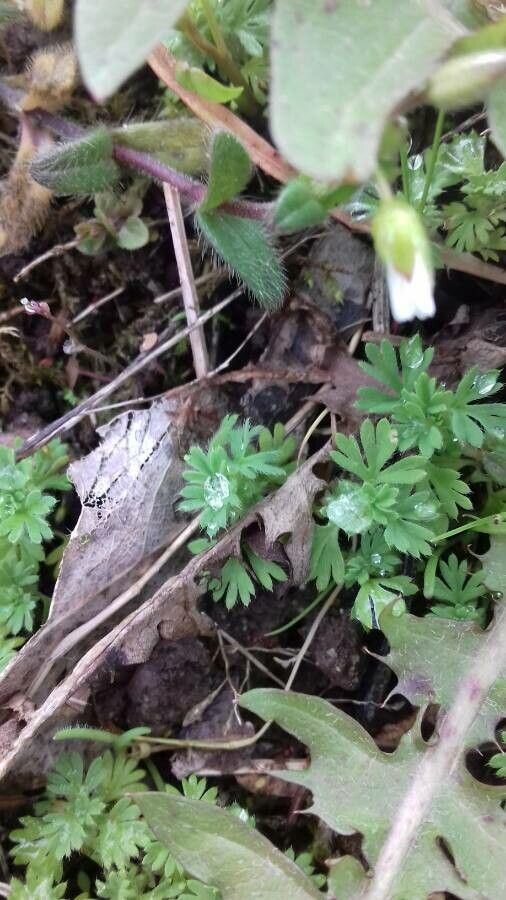
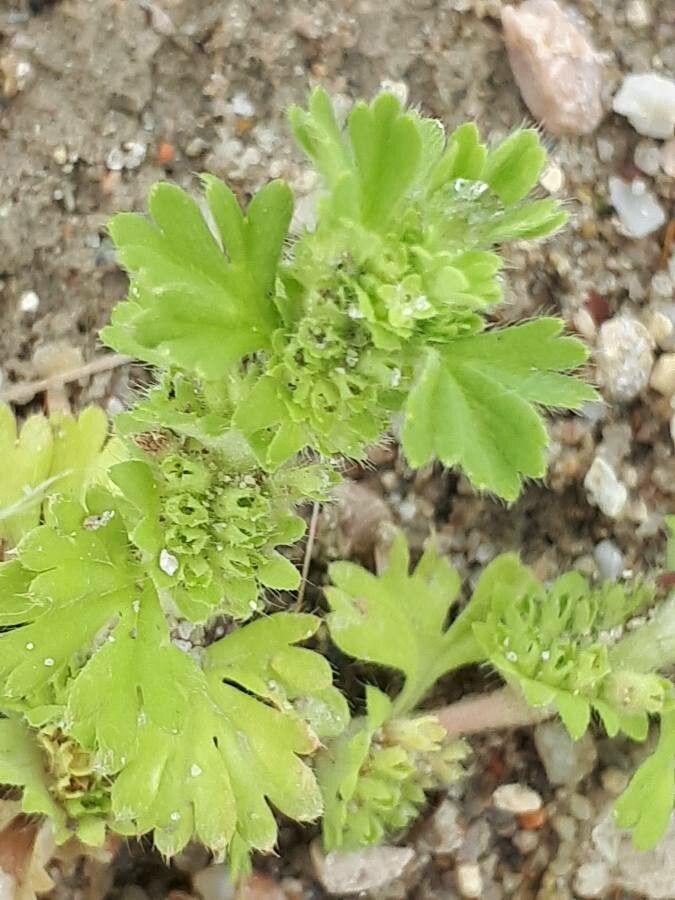
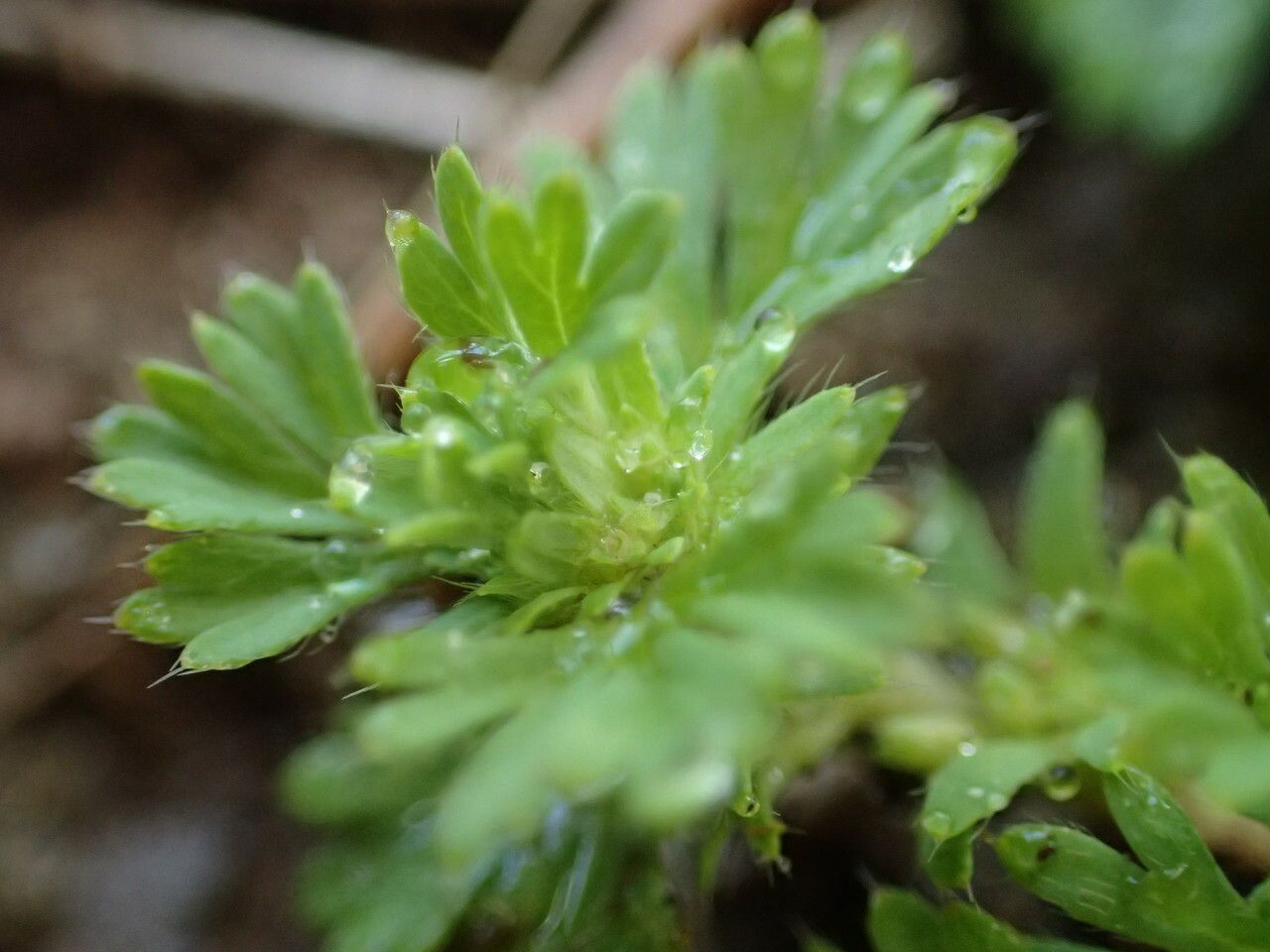
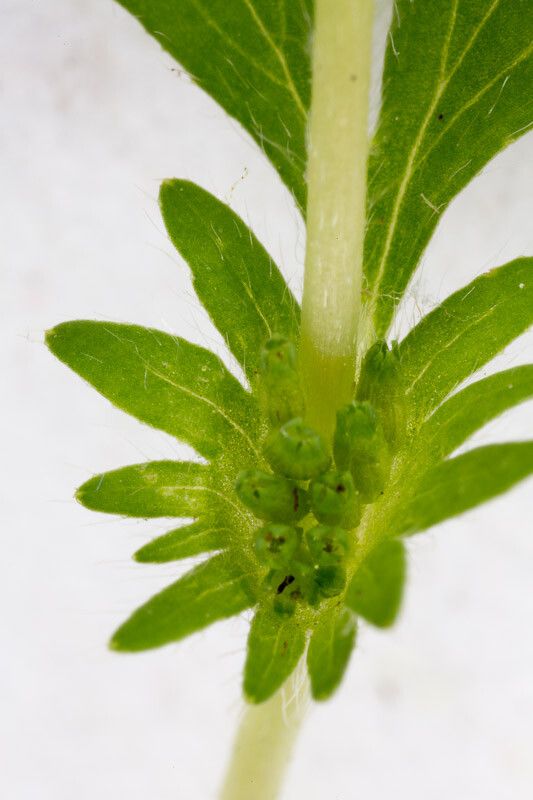
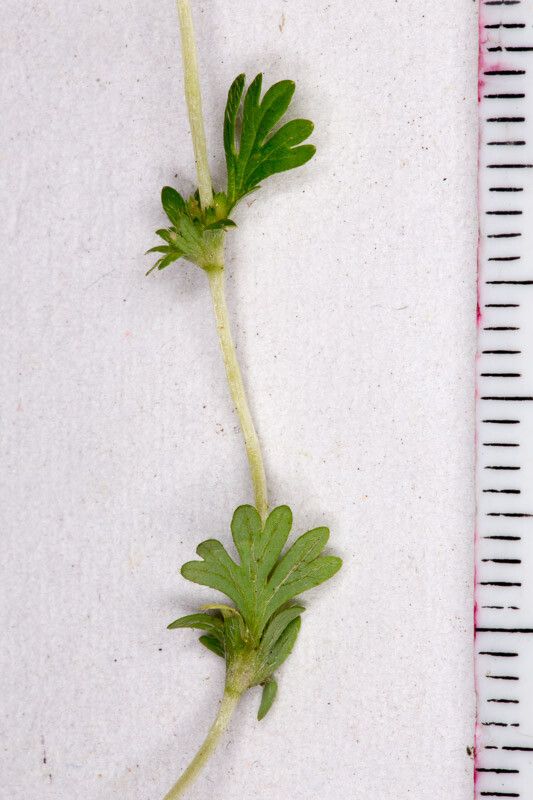
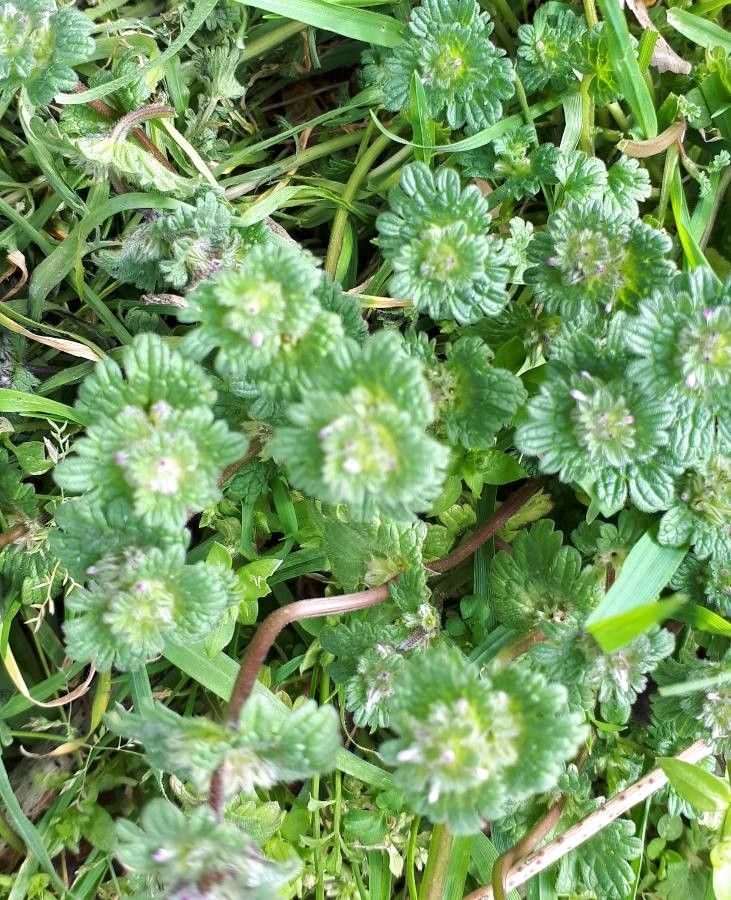
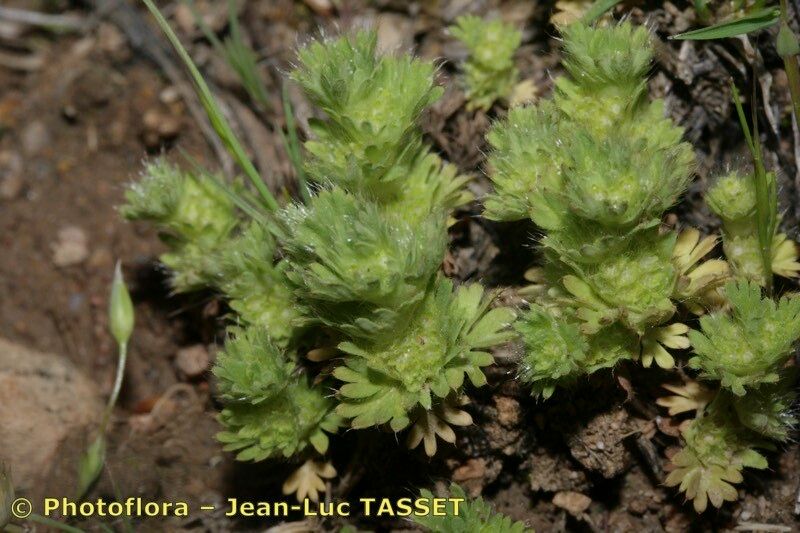
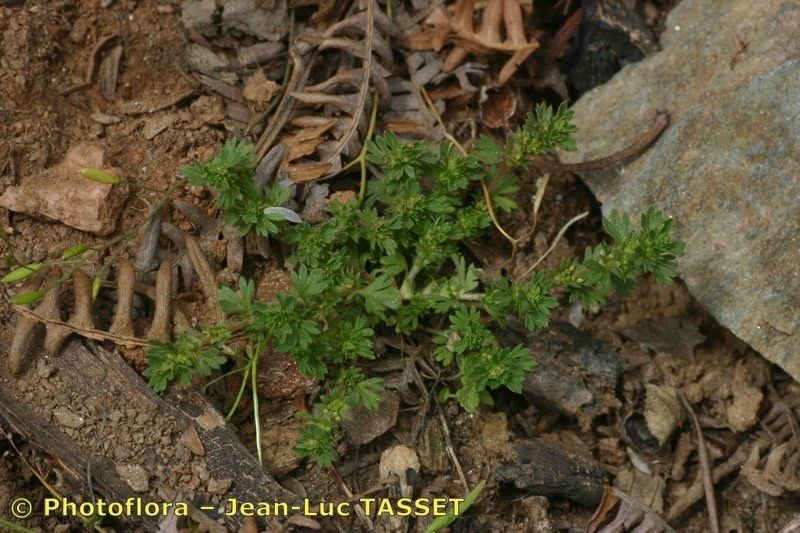
Aphanes arvensis, commonly known as field pearlwort, is a small annual plant belonging to the Rosaceae family. Native to Europe and Asia, it has been introduced to various other parts of the world. The plant reaches up to 10 cm in height and exhibits a prostrate growth habit with small, oval-shaped leaves arranged in opposite pairs along its stem.
The flowers of Aphanes arvensis are tiny and inconspicuous, lacking petals but featuring five greenish-white sepals. The plant blooms from May to September, producing small fruits known as achenes.
Aphanes arvensis thrives in dry or sandy soils and can be found along roadsides, in fields and meadows, and in disturbed areas such as waste grounds and along railway tracks. Due to its rapid growth in such environments, it is often considered a weed.
Despite its modest appearance, field pearlwort has been valued for its medicinal properties for centuries, particularly for its anti-inflammatory effects. When applied topically, it can help alleviate skin irritations such as eczema and psoriasis. Traditionally, it has also been used as an herbal remedy for digestive issues like diarrhea.
Though it may seem unremarkable at first glance, Aphanes arvensis plays a crucial role in maintaining ecological balance. It provides food sources for insects such as bees and helps prevent soil erosion through its root system, which stabilizes the soil structure on slopes and hillsides where it naturally grows.
Field parsley piert is fairly disease-resistant and typically not prone to illnesses. Still, it can be affected by pests and diseases present in its environment. Such infections are generally mild. Regarding care, this plant needs a moderate amount of attention. It should be pruned regularly to preserve its appearance and encourage healthy growth. Applying fertilizer can also aid in boosting flowering. Field parsley piert is well suited for anyone with an outdoor area, like a garden or patio, and does not demand extensive gardening experience. It may call for more care if grown indoors.
How to keep Aphanes Arvensis.
Light
Field parsley piert naturally prefers abundant sunlight and thrives extremely well in those conditions. It can, however, tolerate environments with a moderate amount of sun. Its typical habitat reflects this preference, favoring places with plenty of daylight. Excessive or insufficient light can hinder its healthy growth.
Water
Field parsley piert comes from temperate regions and thrives best with consistent moisture, although it can tolerate short dry periods. For optimal growth, water the plant weekly without over-saturating the soil. It grows well outdoors, benefiting from natural rainfall, especially during its active growing season when it requires adequate hydration.
Humidity
This plant prefers dry conditions, so don't mist it. However, watering it less often can also thrive in higher humidity.
Temperature
Field parsley piert can tolerate a wide range of temperatures, but its distribution may still be constrained by different combinations of moisture and heat. It performs best in warm summer climates with adequate rainfall or watering. Extended periods of cloudy, rainy weather or sustained high temperatures can raise the likelihood of Field parsley piert dying. In winter, proper protection from cold can increase the plant’s chances of surviving.
Fertilizer
Field parsley piert benefits from regular, light applications of fertilizer to encourage healthy leaf growth. You should feed Field parsley piert roughly once a month during the summer months. Nitrogen is important for foliage, and providing nitrogen-rich sources helps Field parsley piert thrive.
Pruning
Field parsley piert is a resilient annual plant characterized by its small, lobed leaves and greenish-yellow flowers. To encourage growth, improve air circulation, and prevent overcrowding, it should be pruned from early to late spring. Regular pruning helps rejuvenate mature plants and stimulates flowering. After flowering, additional pruning is beneficial to maintain the plant's shape and vigor.
Botanical profile.
- Plant Type
- Herb
- Life Cycle
- Annual
- Genus
- Aphanes
- Family
- Rosaceae
- Hardiness Zone
- 5-9
- Mature Height
- 2 cm to 20 cm
- Mature Spread
- 6 cm to 20 cm
- Leaf Color
- Green
- Leaf Type
- Evergreen
- Flower Color
- Yellow, Green
- Flower Size
- 2.54 cm
- Bloom Time
- Mid spring, Late spring, Early summer
- Planting Time
- Spring, Autumn
- Harvest Time
- Summer
- Native Area
- Turkey, Sweden, Austria, Slovakia, Montenegro, Slovenia, Croatia, Russia, Germany, Estonia, Romania, Latvia, Belgium, Portugal, Netherlands, France, Czech Republic, Cyprus, Bulgaria, Poland, Armenia, Greece, Ukraine, Lebanon, Serbia, Lithuania, Syria, Italy, Spain, Switzerland, Denmark, Iran, Albania, Ireland, United Kingdom, Hungary, Azerbaijan
Other names.
Reader questions.
How should I water my Field parsley piert for best results?
There are a few different ways you can water Field parsley piert. You can use a garden hose with a spray nozzle, a watering can, or any other common watering tool. The good news is that Field parsley piert isn't too picky about how they get their water. They can survive with rainwater, tap water, or filtered water. However, it's generally best to avoid watering them from overhead because it can harm the leaves and flowers and make them more susceptible to disease. Instead, a drip irrigation system is often the most effective method for watering this plant. These systems apply water evenly and directly to the soil. If you have a container-grown Field parsley piert, you can use a similar watering approach. Just switch to a cup, watering can, or your tap to apply water directly to the soil.
What are the sunlight requirements for Field Parsley Pierts?
Field parsley piert benefits significantly from full sunlight exposure, typically thriving in conditions offering above 6 hours of sunlight per day. It can also manage well in partial sun, approximately around 3-6 hours of sunlight daily. Observing the movement of sunlight through your garden to choose locations that balance light and shade effectively is crucial for the plant's well-being and to ensure it receives adequate sunlight for healthy growth.
What should I do if I give my Field parsley piert too much water or too little water?
The solution for underwatering Field parsley piert is simple: water it regularly when you notice it lacks moisture. However, overwatering is a bigger problem that can lead to diseases and death. To prevent this, choose a sunny location with good drainage. If you overwater the piert in a pot, consider changing to a new pot with better drainage and loose soil when repotting.
How does Field Parsley Piert respond to different light conditions?
Field parsley piert has an affinity for bright sunlight, showing optimal growth in generously sunny situations. However, it can also adapt to environments with a moderate amount of sunlight. It is essential to place it in areas that align with its sunlight preferences to foster healthy development. Notably, both excessive and insufficient light exposure can negatively impact its growth, highlighting the importance of achieving the right light balance.
How often do I need to water my Field parsley piert?
Field parsley piert needs regular watering throughout the growing season. In spring, water the plant about once per week. As the season progresses and gets warmer, you may need to water it two to three times per week. However, be careful not to exceed this rate as it can harm the plant. Regardless of watering frequency, the soil should remain relatively moist but not wet. Watering potted Field parsley piert is slightly different. The soil in pots can dry out faster, so you'll need to water container-grown plants a few times per week, compared to just once per week for plants in the ground.
What are the artificial lighting requirements for indoor plants like Field Parsley Piert?
When natural sunlight is not sufficient, especially during winter or in less sunny spaces, supplemental artificial lighting is beneficial for indoor plants' growth. The selection of appropriate artificial light, such as LEDs which can be adjusted to provide specific light wavelengths needed for plant growth, is critical. For plants requiring full sun, 30-50 watts per square foot is advisable; for partial sun plants, 20-30 watts per square foot; and for full shade plants, 10-20 watts per square foot. Positioning the light source about 12-36 inches from the plant and ensuring it receives 8-12 hours of light per day mimics natural sunlight conditions effectively.
How much water does my parsley plant in the field need?
Determining how much water to give your Field parsley piert can be done in a few different ways. Some gardeners prefer to gauge the soil's moisture by feeling it, watering until the first six inches are moist. Another method is to use a set measurement, such as two gallons per week, adjusted based on temperature and soil dryness. However, strictly following these guidelines may result in overwatering if your plant needs less. When growing in a container, a different approach is needed. Water should be given until all dry soil layers are moistened, which can be checked by sticking a finger into the soil. Alternatively, you can water until excess water trickles out of the pot's drainage holes.
What are the signs of inadequate light in Field Parsley Piert?
When Field parsley piert is cultivated indoors with insufficient light, several symptoms can manifest. These include the appearance of smaller new leaves compared to older ones, leggy growth or longer spaces between leaves or stems giving a sparse appearance, early leaf drop to preserve resources, a noticeable slowdown or halt in new growth, and the development of lighter-colored or pale new leaves, indicating a deficiency in chlorophyll and essential nutrients. Chlorosis, sunscald, leaf curling, wilting, and leaf scorching are additional symptoms that may occur under extreme sunlight conditions or inadequate light exposure.
How can I know if I am giving enough water to my Field parsley plant?
It can be somewhat difficult to avoid overwatering your Field parsley piert because the plants have deep roots that need to be moistened weekly. However, Field parsley piert are highly prone to root rot and may suffer from browning if overwatered. Underwatering is less likely to be a problem as these plants can survive without additional watering for a while. But if you go too long without watering, the plant may wilt and you may notice dry leaves.
How can you improve the light conditions for Field Parsley Piert?
Improving light conditions for Field parsley piert involves carefully increasing its sunlight exposure or providing adequate artificial lighting. For indoor plants, gradually moving them to sunnier spots each week until they receive at least 6 hours of direct sunlight or employing artificial lights such as desk or ceiling lamps for at least 8 hours daily can be effective. Outdoors, adjusting the plant's location gradually to sunnier places helps avoid sunburn. Additionally, for plants in the ground, reducing obstructions by pruning trees or other barriers and considering transplantation during the dormant season can ensure better sunlight access. Note that parts of the plant affected by prior insufficient light may not recover, but new growth will be healthier with improved light conditions.
How do I water my Field parsley piert throughout the year?
The water needs of your Field parsley piert will increase as the season progresses. In spring, you should water it about once per week. However, as summer approaches and temperatures rise, you may need to water it more often, possibly up to three times per week. This is especially important for piers growing in containers, as container soil tends to dry out faster than ground soil in warm weather. In autumn, when your Field parsley piert is still blooming, it may require less water due to the cooler temperatures and weaker sunlight compared to summer.
How do I water my Field parsley piert when it's growing at different stages?
Field parsley piert goes through various growth stages throughout the year and each stage has different water requirements. When you start with a seed, it's important to provide more water to aid germination. Watering frequently is necessary to keep the soil consistently moist. As the seedling grows, it needs slightly less water. Once the plant matures, watering once per week is sufficient. During flower development, slightly increased water may be necessary to support the process.