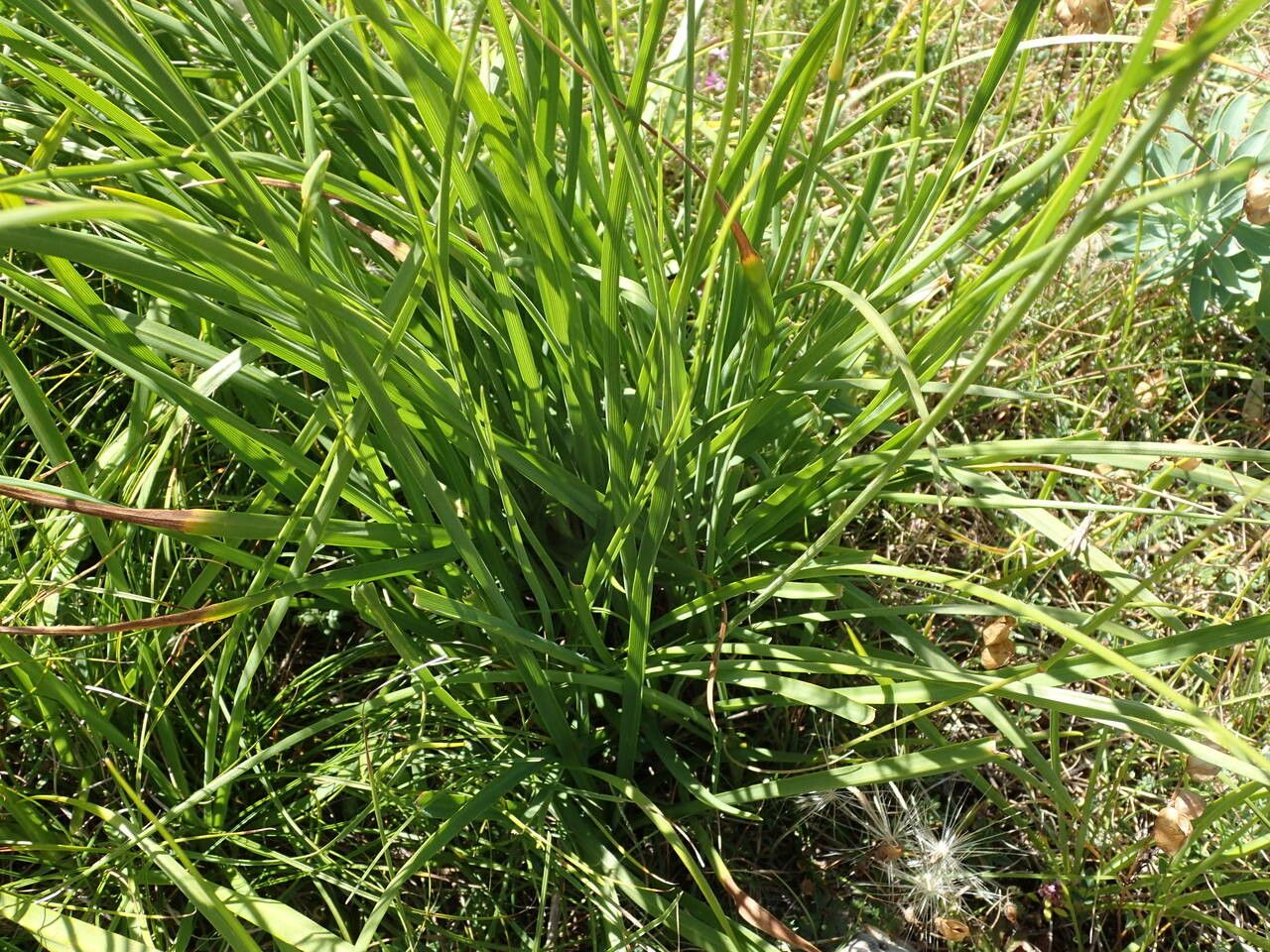
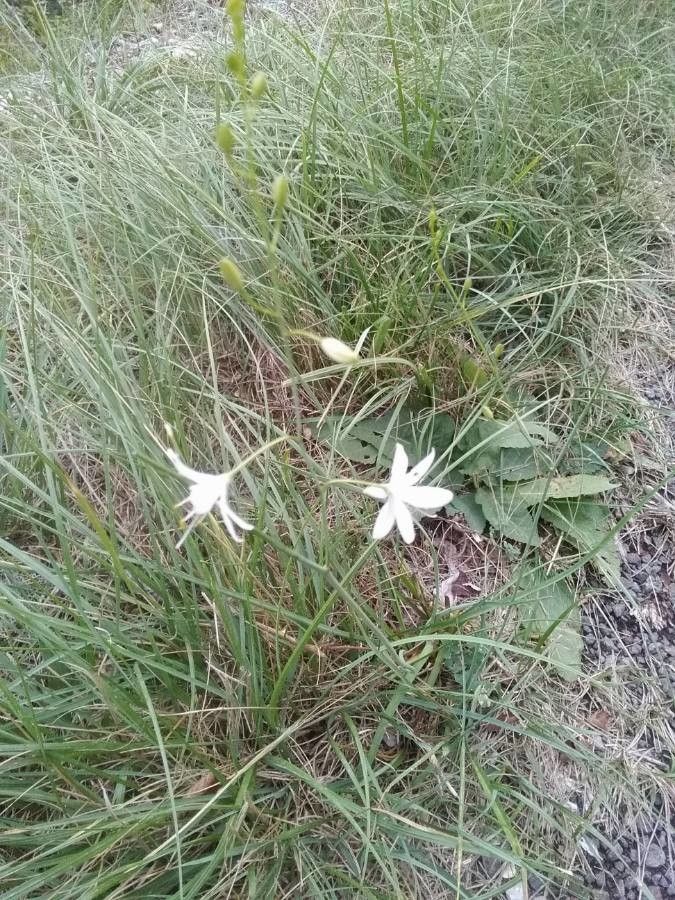
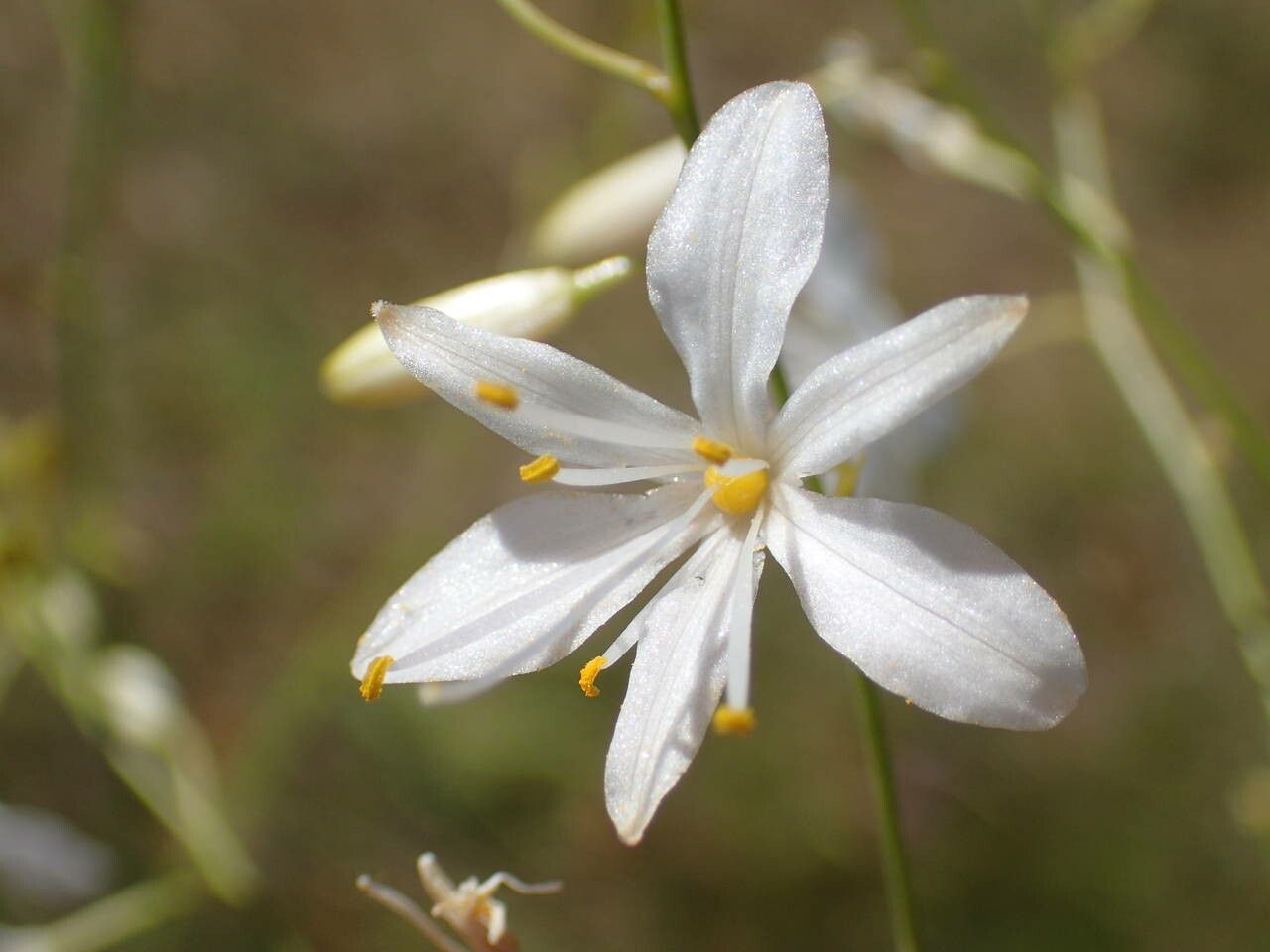
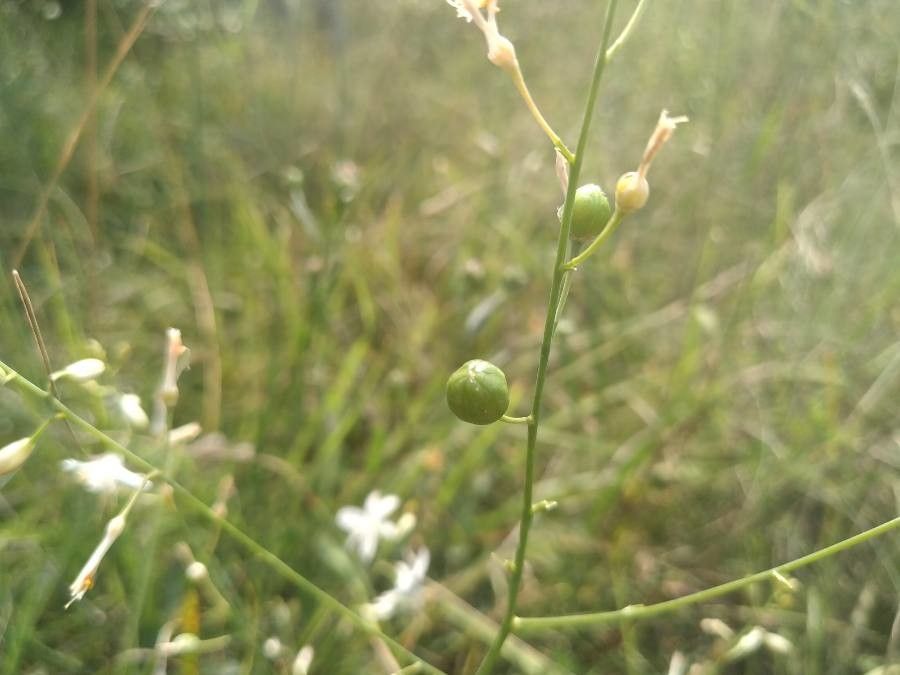
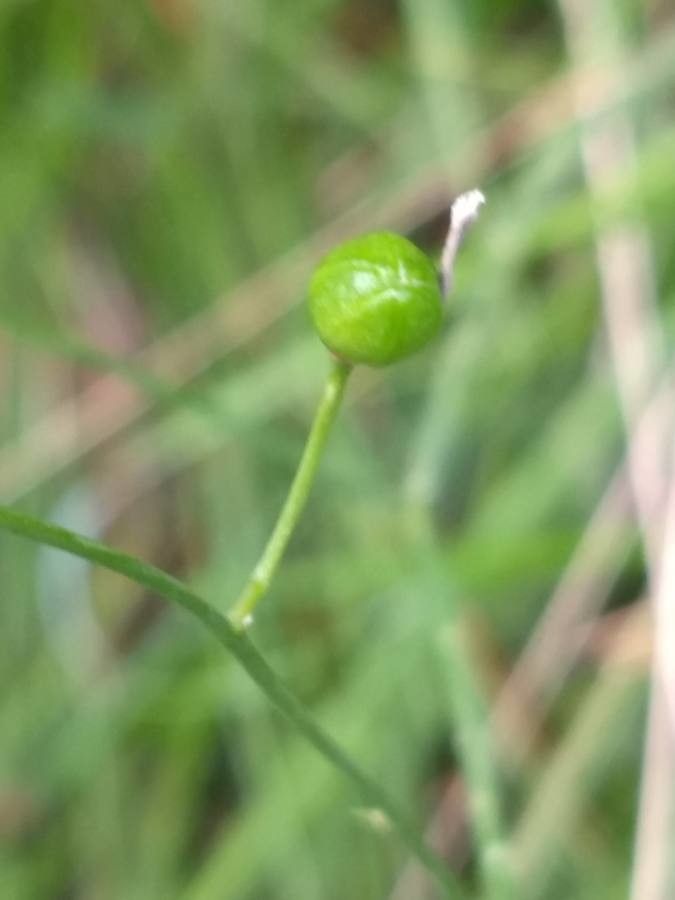
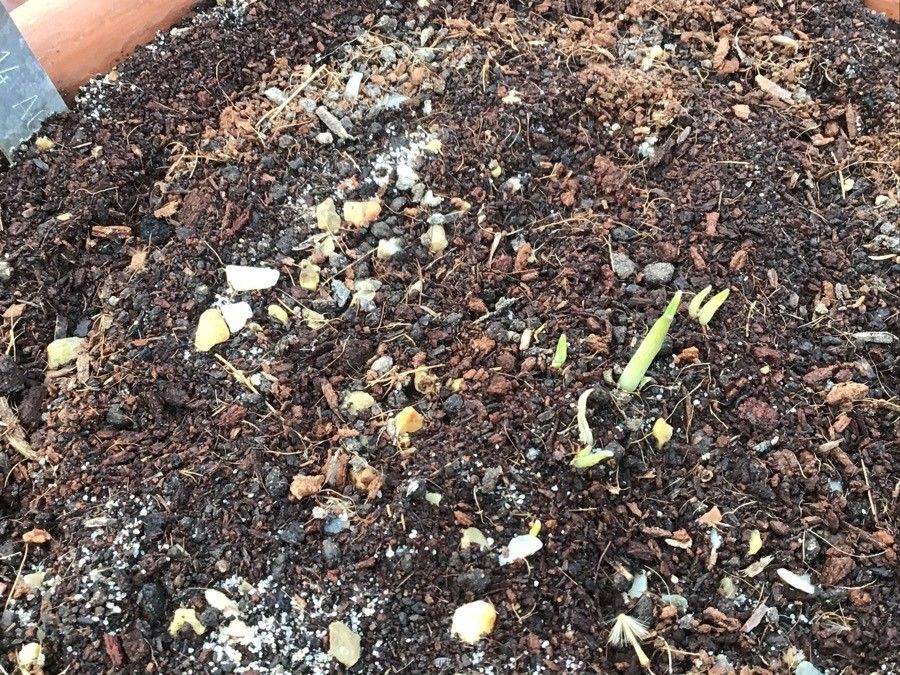
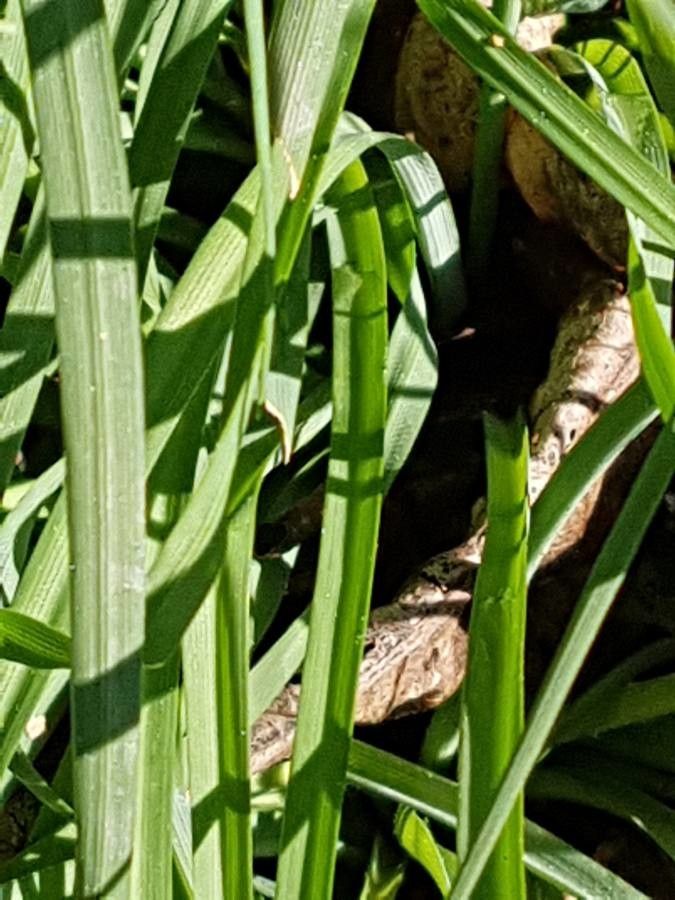
Anthericum ramosum, known as branched St Bernard's-lily, is a herbaceous perennial plant with a rhizome. The genus Anthericum is currently placed in the family Asparagaceae, subfamily Agavoideae. It was formerly placed in its own family, Anthericaceae, and before that in the Liliaceae.
Branched St. Bernards lily has strong resistance to disease and typically does not develop illnesses. Nevertheless, it can be affected by pests and diseases present in its environment, though these problems are usually mild. Regarding care, this plant needs moderate maintenance. It should be pruned regularly to keep a good appearance and promote healthy growth. Fertilizing can also encourage flowering. Branched St. Bernards lily is appropriate for people with outdoor spaces such as a garden or patio and does not require extensive care experience. It may need extra attention if grown indoors.
How to keep Anthericum Ramosum.
Light
Native to areas with plentiful sunlight, branched St. Bernards lily prospers in full, unobstructed light. It can grow healthily in those conditions at every stage of its development. That said, branched St. Bernards lily tolerates poorer lighting, though too little or too much light may impede its proper growth.
Water
The branched St. Bernard's lily, native to arid regions, is known for its drought tolerance and only requires moderate watering. It thrives with weekly irrigation. When grown outdoors, it benefits from natural rainfall during the growing season, which means it needs less additional watering at those times.
Temperature
Branched St. Bernards lily is native to temperate areas where temperatures range from 41 to 77 °F (5 to 25 ℃). During severe winters and extremely hot summers, a moderate indoor environment is recommended to keep it healthy.
Fertilizer
The best time to fertilize Branched St. Bernards lily is in early spring, when the flowers are starting to form. Using the proper fertilizer promotes stronger blooms and helps Branched St. Bernards lily produce attractive flowers. Fertilizing in early spring supports excellent flowering during the season and supplies energy for dormant growth phases.
Pruning
Branched St. Bernard's Lily is an ornamental perennial known for its star-shaped white flowers. It requires minimal pruning: trim away dead foliage in early spring and cut back spent flower stalks in late spring to encourage reblooming. Regular maintenance helps improve air circulation, which reduces disease risks and promotes healthy growth.
Botanical profile.
- Plant Type
- Herb
- Life Cycle
- Perennial
- Genus
- Anthericum
- Family
- Asparagaceae
- Hardiness Zone
- 5
- Mature Height
- 91 cm
- Mature Spread
- 61 cm
- Leaf Color
- Green, Gray, Silver, Purple, Bronze
- Leaf Type
- Deciduous
- Flower Color
- White
- Flower Size
- 2.03 cm to 3.05 cm
- Bloom Time
- Summer
- Planting Time
- Summer, Autumn
- Harvest Time
- Late summer, Early fall, Mid fall
- Native Area
- Turkey, Sweden, Austria, Czech Republic, Slovakia, Montenegro, Bulgaria, Poland, Croatia, Slovenia, Belarus, Ukraine, Serbia, Russia, Lithuania, Hungary, Germany, Italy, Switzerland, Denmark, Albania, Romania, France
Other names.
Reader questions.
How should I water my Branched St. Bernards lily?
To care for the Branched St. Bernards lily, it's important to water it with room temperature filtered water. Tap water can be harmful because it may contain particles that aren't good for the plant. Since the lily is used to warm environments, using cold water can be a shock to its system. To avoid any issues with the foliage, it's best to water the plant from the bottom rather than from above. Simply pour the filtered room temperature water directly onto the soil until it's thoroughly soaked. This will help the roots spread and gather the necessary nutrients.
Why should I put fertilizer on my Branched St. Bernards lily?
Fertilization is crucial for the growth of the Branched St. Bernards lily and other plants as it provides essential nutrients. However, the fertilization requirements for the Branched St. Bernards lily are relatively low. While it can survive without fertilization, annual fertilization can greatly benefit the plant by keeping it healthy and promoting the production of longer-lasting flowers. Therefore, people who want their Branched St. Bernards lily to look its best should make sure to fertilize it annually.
What are the sunlight requirements for Branched St. Bernards lily?
Branched St. Bernards lily thrives in environments with abundant sunlight, requiring over 6 hours of direct sunlight daily to maintain optimal growth. Notably, while this plant can tolerate less than ideal lighting conditions, both a lack or excess of light can negatively impact its growth. It's essential to monitor the movement of sunlight through your garden carefully, choosing spots that provide a harmonious balance of light and shade, thus ensuring the plants' well-being.
What is the native climate for Branched St. Bernards lily?
The Branched St. Bernards lily, known botanically as Anthericum ramosum, thrives in temperate regions where temperatures range between 41 to 77 °F (5 to 25 °C). It adapts well to moderate indoor environments, especially during extreme winter cold or sweltering summer conditions to maintain its health.
What do I do if I give my Branched St. Bernards lily too much water or not enough water?
Both overwatering and underwatering can harm your Branched St. Bernards lily, but overwatering is more common. Too much water can cause wilting and yellowing of the stems and leaves, and can even lead to diseases like root rot, mold, and mildew that can kill the plant. The Branched St. Bernards lily is drought tolerant, so underwatering is less of a concern. However, if it does happen, the leaves may become brittle and brown. It's important to watch for signs of overwatering and take action quickly. Some diseases caused by overwatering may be irreversible if you wait too long. If you notice early signs, reduce watering immediately and consider replacing poorly draining soil. If your plant is not getting enough water, simply water more regularly until the signs improve.
When should I fertilize my Branched St. Bernards lily for the best results?
The best time to fertilize a Branched St. Bernards lily is in late winter to early spring when it is transitioning from dormancy to active growth. Fertilizing during this time helps promote healthy growth for the season. It is also okay to fertilize in the fall, but not recommended in summer or winter.
How does artificial lighting benefit indoor-grown Branched St. Bernards lily?
Artificial lighting is pivotal for the growth of Branched St. Bernards lily indoors, especially in circumstances where natural sunlight is insufficient, such as during winter or in less sunny locations. Types of artificial lighting, like LED lights, are beneficial as they can be tailored to supply specific light wavelengths needed by plants. For optimal plant growth, it is recommended that full sun plants receive 30-50W/sq ft of artificial light, partial sun plants 20-30W/sq ft, and full shade plants 10-20W/sq ft. Also, the artificial light source should be placed 12-36 inches above the plant to mimic natural sunlight effectively, ensuring the plant receives 8-12 hours of light daily.
Does Branched St. Bernards lily require frost protection?
Despite its high tolerance to cold, the Branched St. Bernards lily does not require additional frost protection measures. However, to prepare it for winter, it is recommended to water the plant generously before the first freeze in autumn. This ensures the soil remains moist when it enters a frozen state, helping prevent drought and water scarcity for the plant during winter and early spring.
How often should I water my Branched St. Bernards lily plant?
If your Branched St. Bernards lily is in a pot, the most precise way to determine if it needs water is to check the soil moisture by sticking your finger into it. If the first two to three inches of soil are dry, then it's time to water the plant. If you have your Branched St. Bernards lily planted outdoors in the ground, you can use a similar method to test the soil. When you find that the first few inches of soil have dried out, it means it's time to water the plant. Typically, watering once a week is sufficient during spring and early fall. However, during extremely hot weather, you may need to water it twice or more per week. It's worth noting that mature, well-established Branched St. Bernards lilies have an admirable ability to withstand drought.
When is the best time to not add fertilizer to my Branched St. Bernards lily?
To avoid overfertilization and its complications, it is best to fertilize your Branched St. Bernards lily only in late winter and early spring. One annual feeding during this time should be sufficient. Fertilizing during spring, summer, and fall can easily lead to overfertilization. However, if you missed fertilizing in spring, it is acceptable to do so in the fall. It is not necessary to fertilize this plant during the winter, as it goes into a dormant phase and does not produce new growth. Therefore, it is not recommended to fertilize during most of the winter.
What are the signs of inadequate lighting in Branched St. Bernards lily?
Symptoms of inadequate lighting in Branched St. Bernards lily include smaller new leaves, leggy or sparse growth, faster leaf drop, slower or ceased new growth, lighter-colored new leaves, chlorosis, sunscald, leaf curling, wilting, and leaf scorching. These signs indicate either insufficient sunlight or excessive exposure, both of which can impair the plant's ability to photosynthesize, affecting its overall health and growth.
What are the temperature limits for Branched St. Bernards lily?
Branched St. Bernards lily is extremely cold-tolerant and can withstand winter temperatures above -25°C. Conversely, it struggles with high temperatures and stops growing when the temperature goes above 25°C, becoming susceptible to rot.