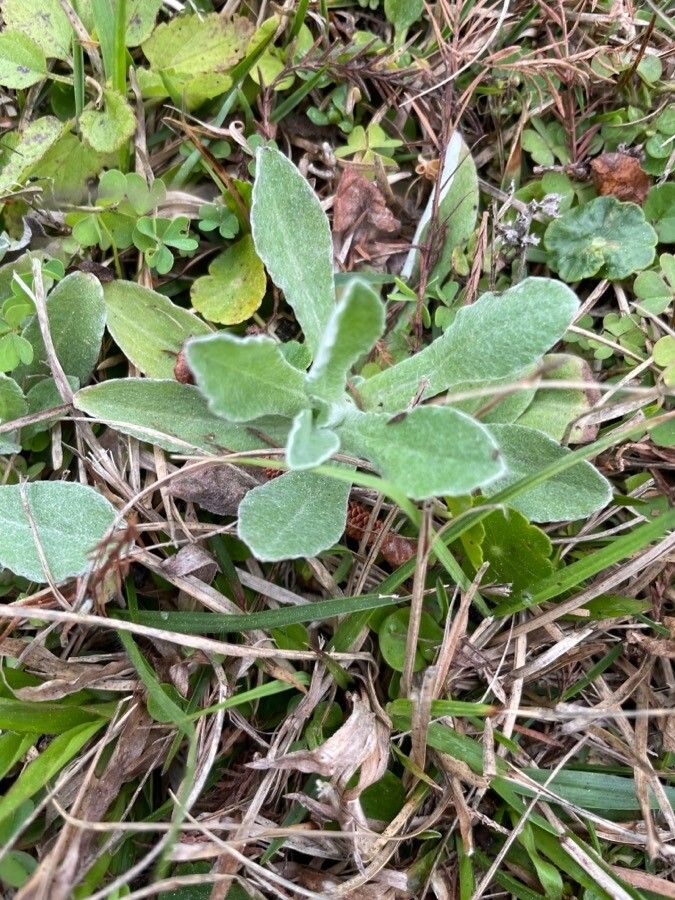
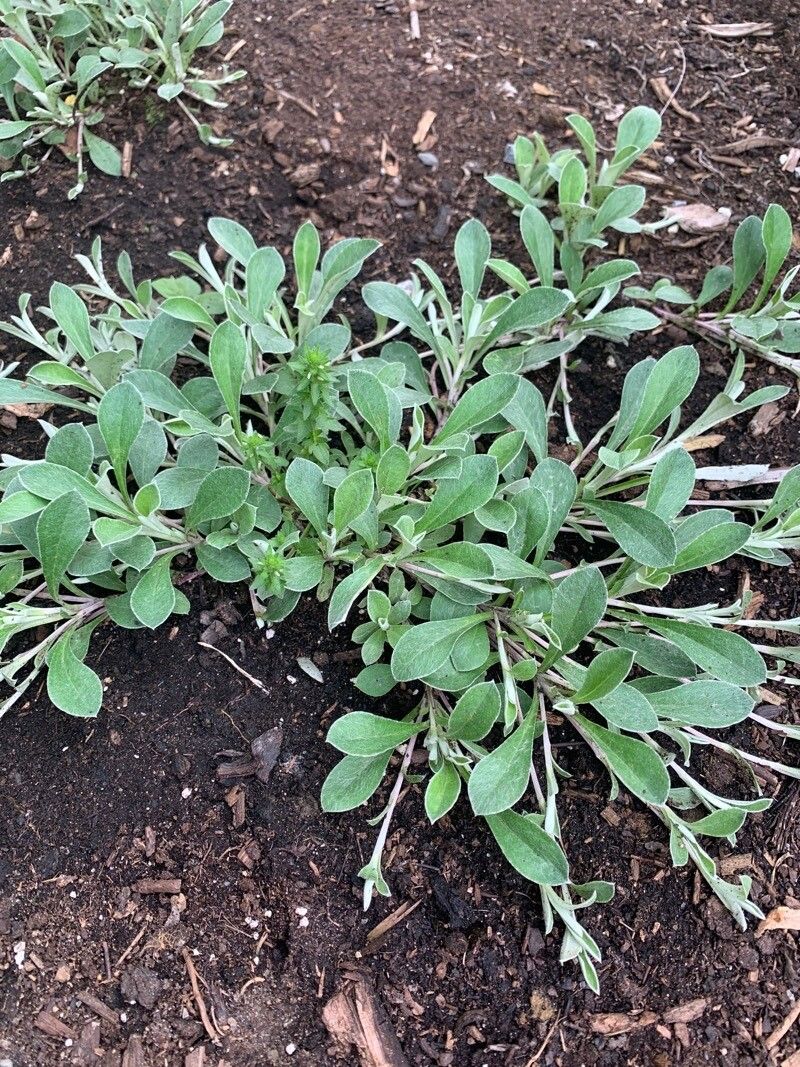
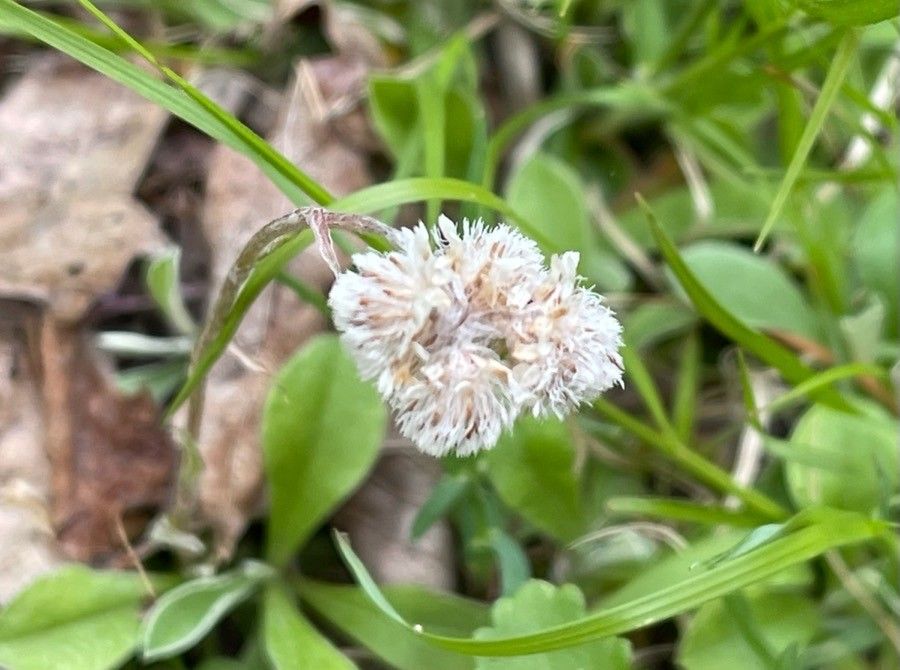
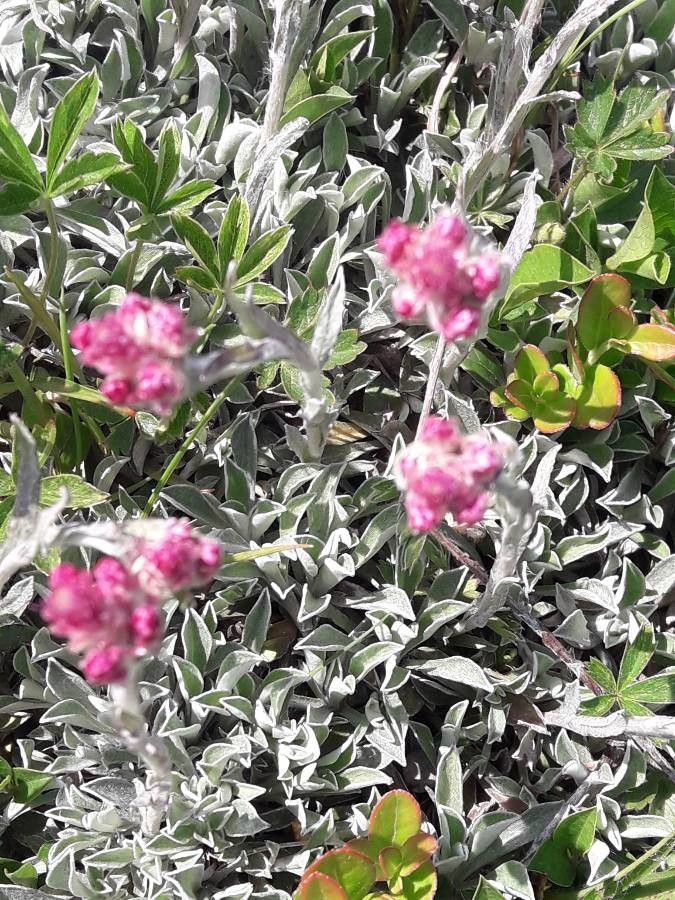
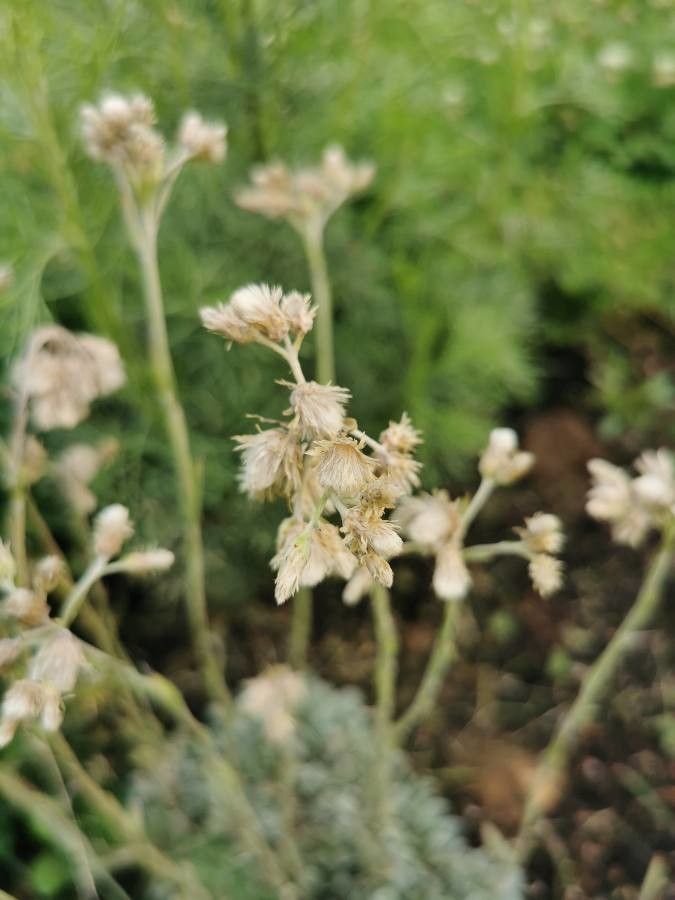
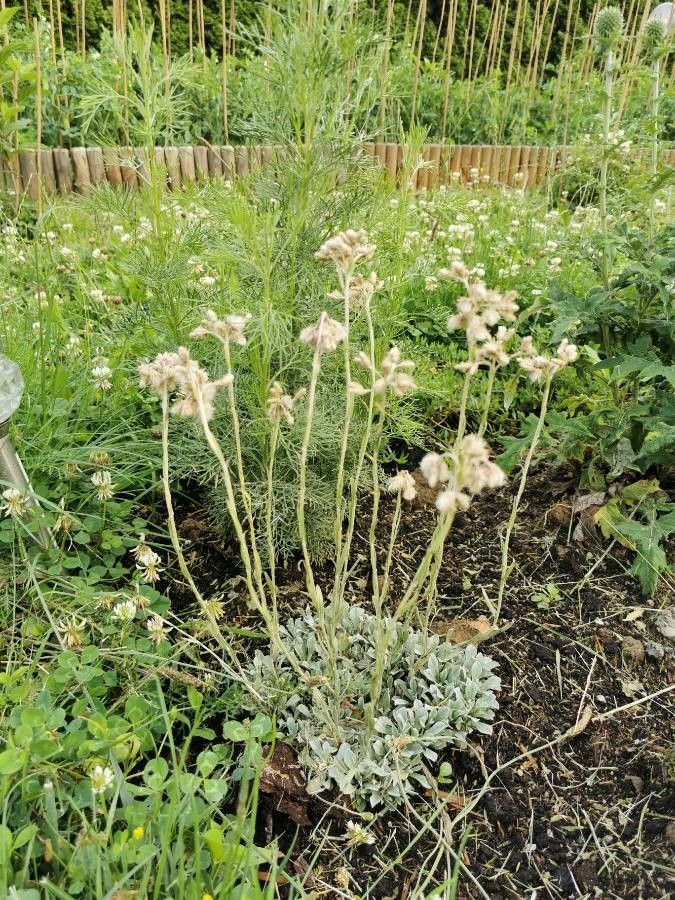
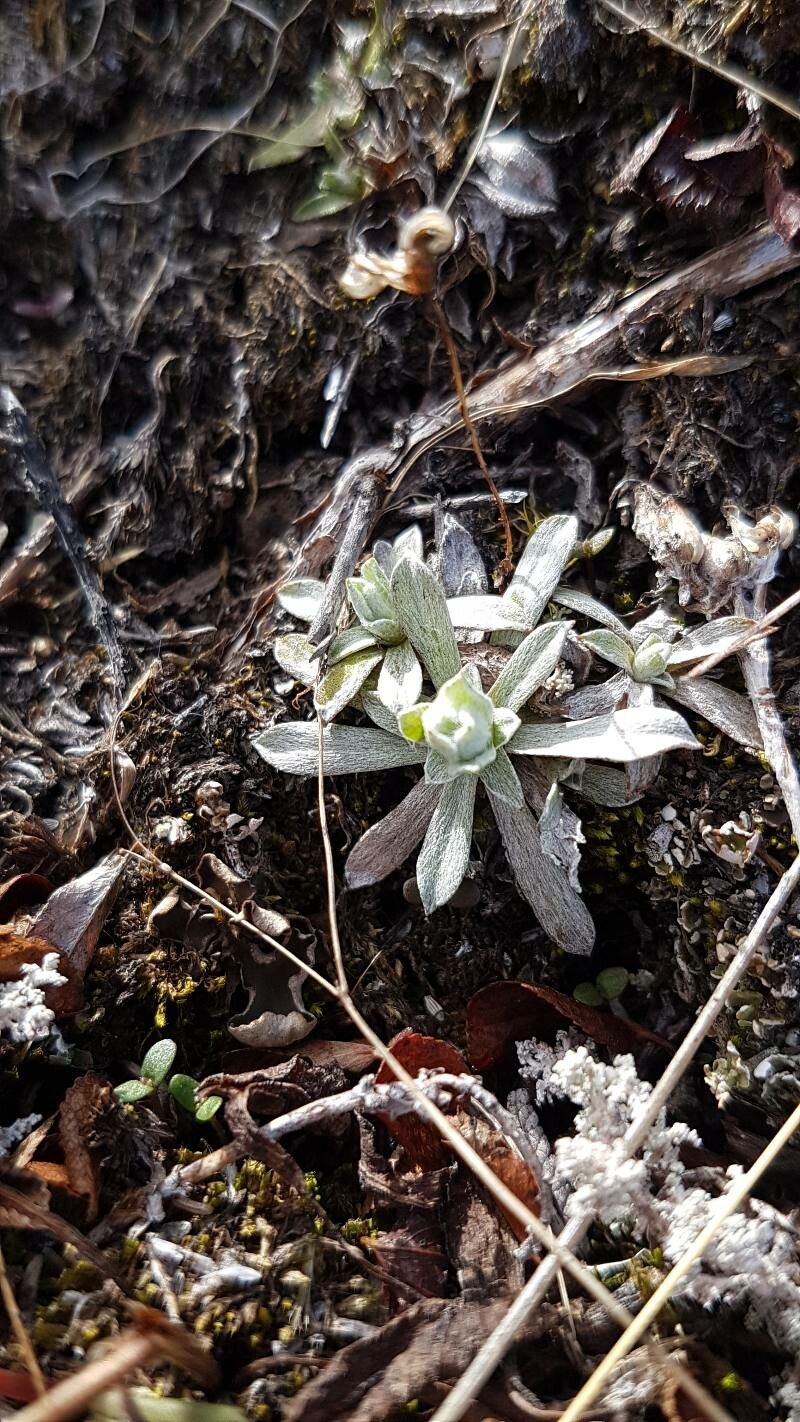
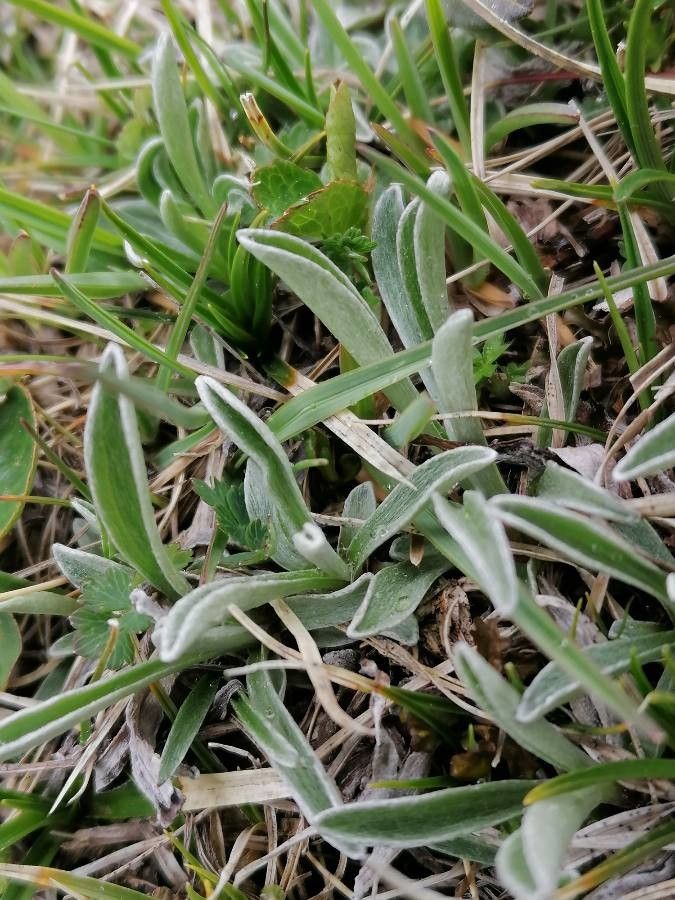
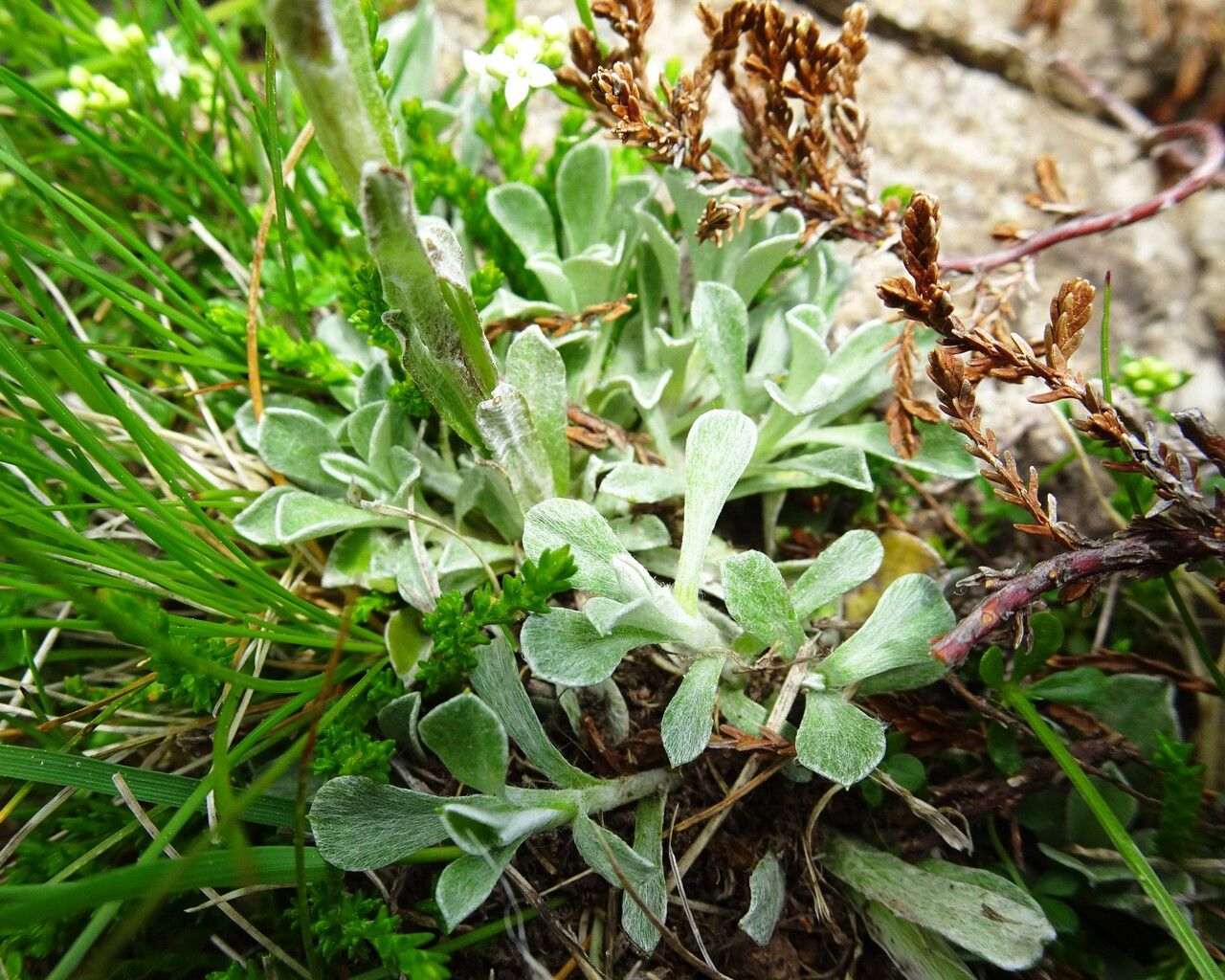
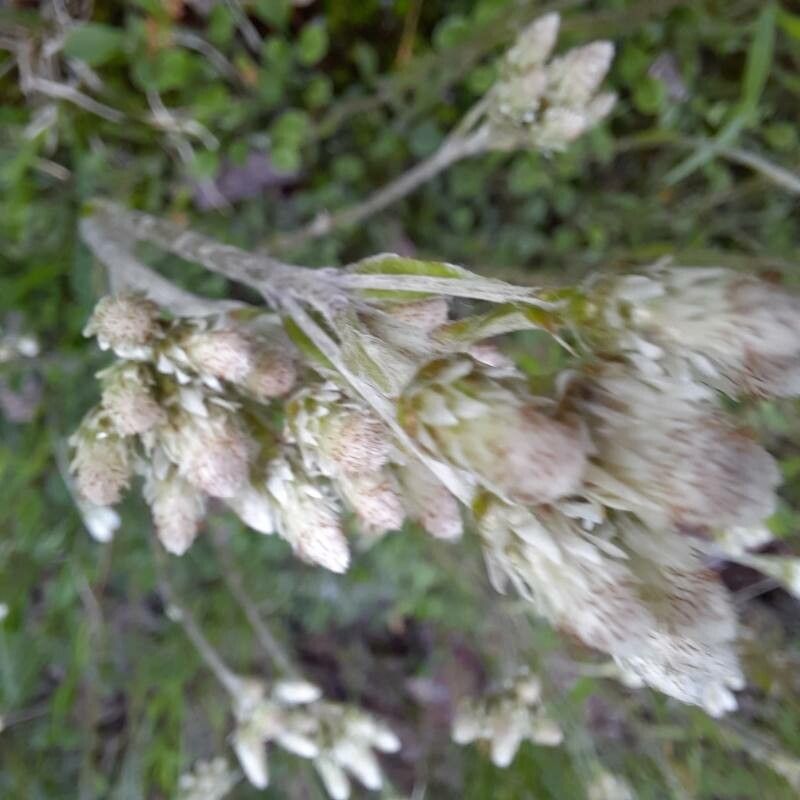
Antennaria parvifolia is a species of flowering plant in the family Asteraceae, known by the common names Nuttall's pussytoes and small-leaf pussytoes (not to be confused with littleleaf pussytoes). It is native to western and central North America.
Small-leaf pussytoes is fairly resistant to disease and generally does not suffer from many illnesses. Still, it can be affected by pests and diseases present in its environment. Such infections are typically mild. Regarding upkeep, this plant needs a moderate amount of care. It should be pruned on a regular basis to preserve its appearance and encourage healthy growth. Applying fertilizer can also assist in boosting bloom production. Small-leaf pussytoes is well suited for anyone with outdoor areas like a garden or patio and does not demand extensive gardening experience. It may need extra attention if kept indoors.
How to keep Antennaria Parvifolia.
Light
Small-leaf pussytoes is a sun-loving, perennial herbaceous plant native to open habitats and commonly found in meadows and grasslands. It prefers full sun but can also tolerate partial sun.
Water
Small-leaf pussytoes thrive with moderate watering, ideally every two weeks. This plant is both drought-tolerant and prefers some humidity, thanks to its diverse native climate. It is well-suited for outdoor growth and shows resilience in a variety of climate zones and unpredictable rainfall conditions.
Temperature
Small-leaf pussytoes can tolerate a wide range of temperatures, but its distribution may still be restricted by different combinations of moisture and heat. It grows best in warm summer climates with sufficient rainfall or watering. Extended periods of cloudy, rainy weather, as well as prolonged high temperatures, can raise the risk of Small-leaf pussytoes dying. In winter, proper protection from cold can enhance the plant's survival rate.
Fertilizer
For Small-leaf pussytoes, the primary time to apply fertilizer is in early spring when the flowers are forming. The right fertilizer promotes better blooms and helps Small-leaf pussytoes produce attractive flowers. Fertilizing in early spring ensures strong flowering through the season and supplies energy for dormant growth phases.
Pruning
Small-leaf pussytoes are characterized by their small, silver-green leaves and mat-forming growth habits. To promote density and vigor, prune them from early to late spring by removing spent flowers and old foliage. This practice improves air circulation and reduces the risk of disease. Always use clean, sharp tools to make effective cuts.
Pot & Repot
When repotting Small-leaf pussytoes, select a pot 1–2 inches (2.5–5 cm) larger that has good drainage. Use a well-draining potting mix. Repot in spring or fall, making sure the root ball sits slightly below the rim of the pot. Water thoroughly after repotting and keep it in a warm place with indirect sunlight.
Botanical profile.
- Plant Type
- Herb
- Life Cycle
- Perennial
- Genus
- Antennaria
- Family
- Asteraceae
- Hardiness Zone
- 3-8
- Mature Height
- 3 cm to 15 cm
- Mature Spread
- 30 cm
- Leaf Color
- Silver
- Leaf Type
- Evergreen
- Flower Color
- White, Pink
- Flower Size
- 0.51 cm to 0.76 cm
- Bloom Time
- Mid spring, Late spring
- Planting Time
- Spring, Summer, Autumn
- Harvest Time
- Early summer, Mid summer
- Native Area
- Mexico
Other names.