Antennaria parlinii, commonly known as Parlin's pussytoes, is a perennial herbaceous plant belonging to the Asteraceae family. Native to North America, it can be found in the eastern United States, ranging from Maine to Georgia.
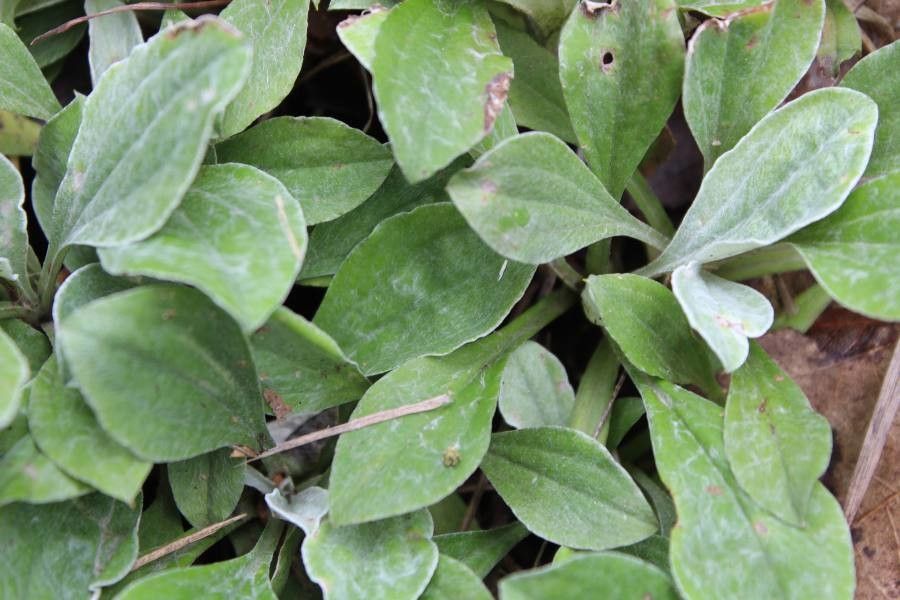
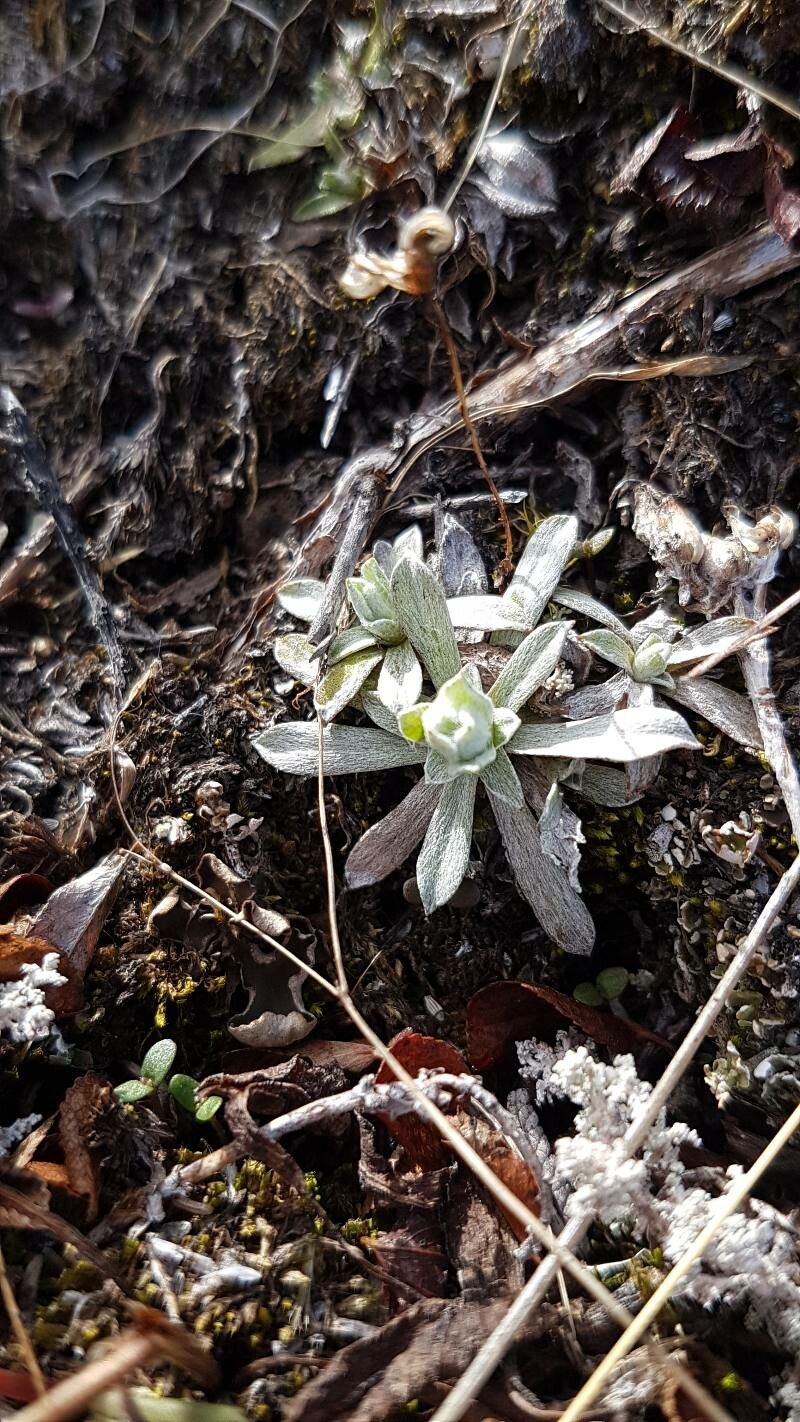
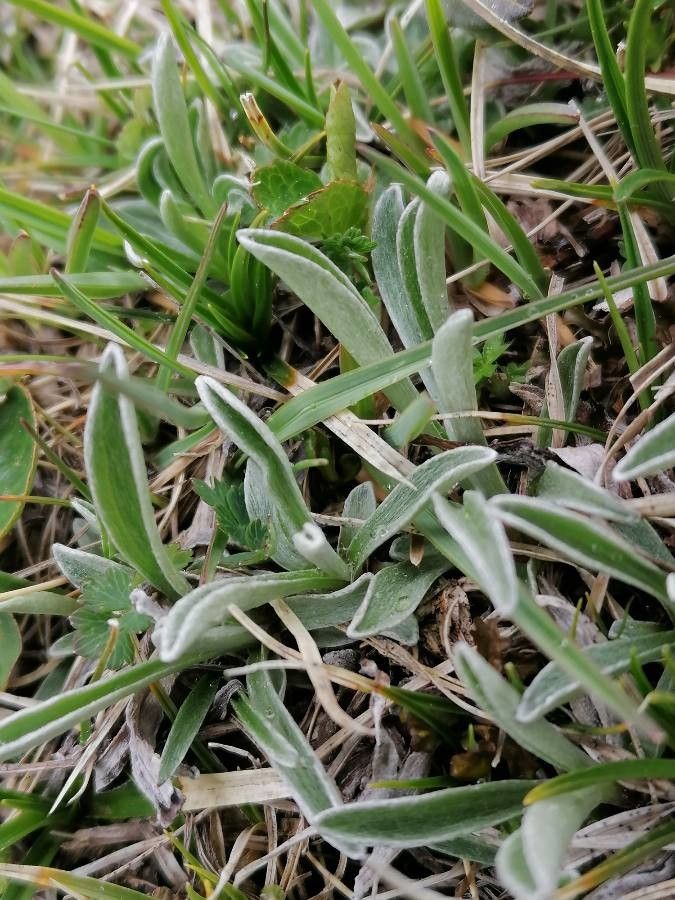
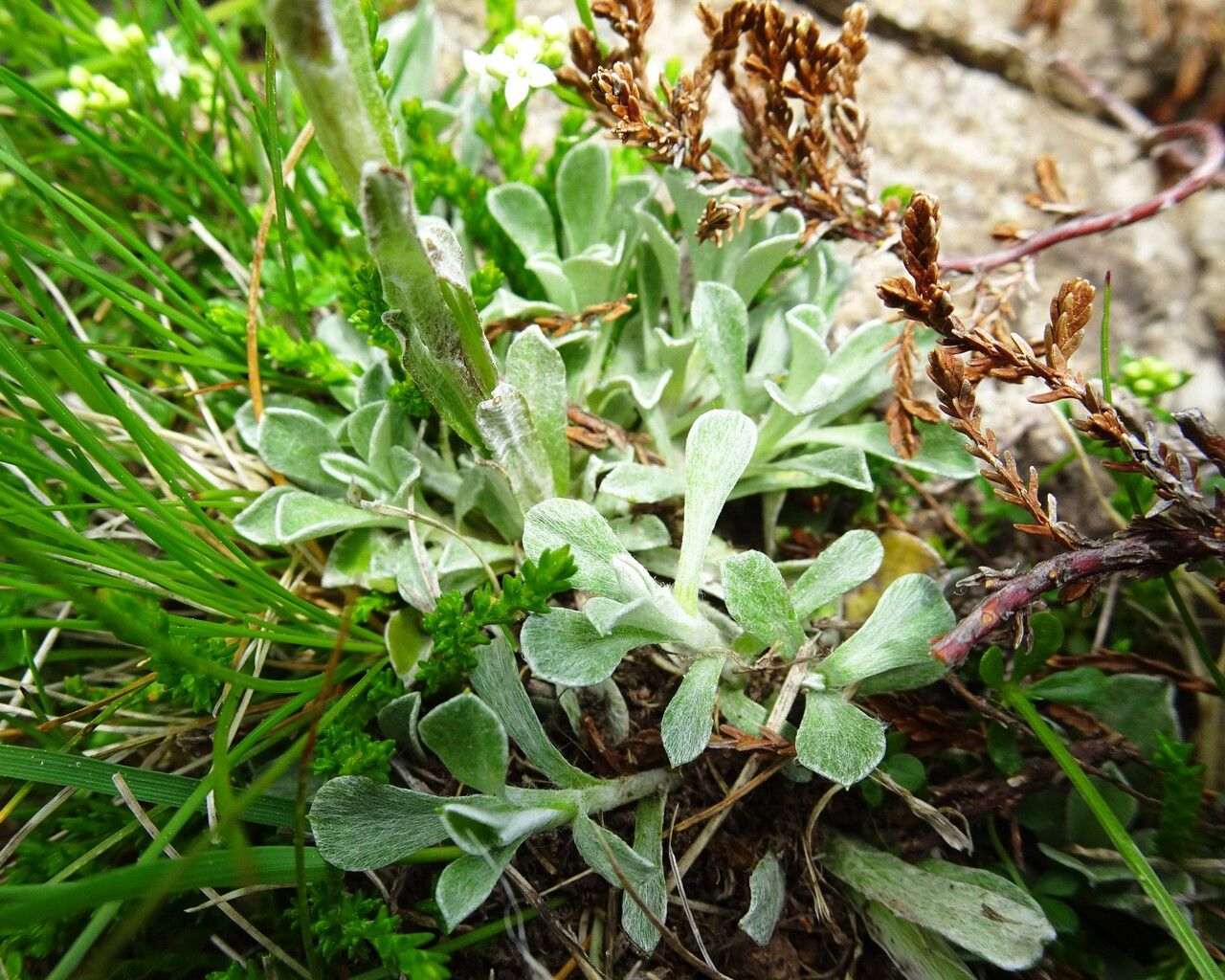
Typically, the plant grows up to 20 cm in height and has a spreading habit with basal leaves densely covered in white hairs. The leaves are oblong or spatulate and can reach up to 5 cm in length.
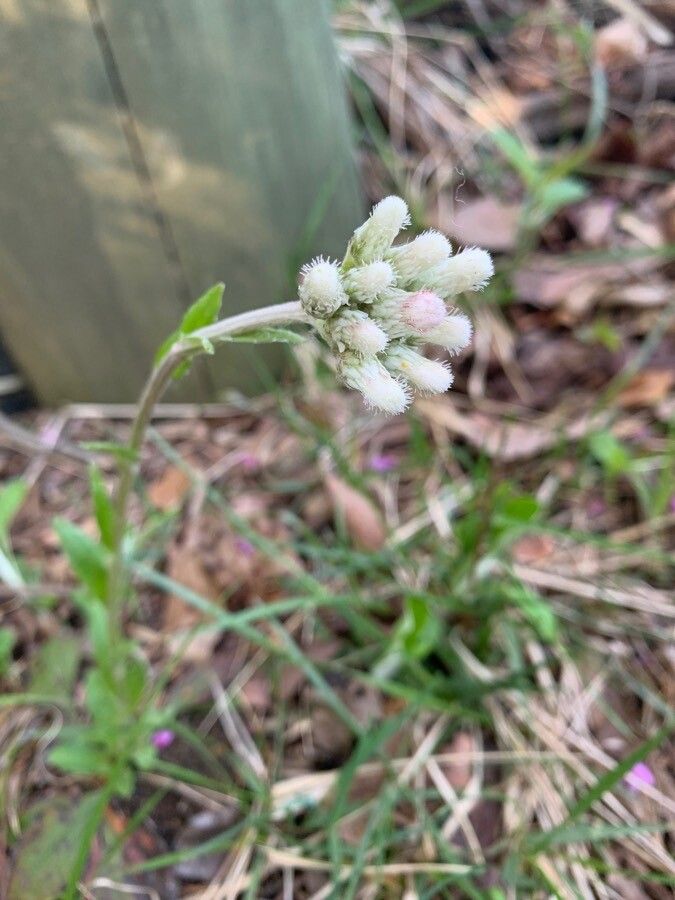
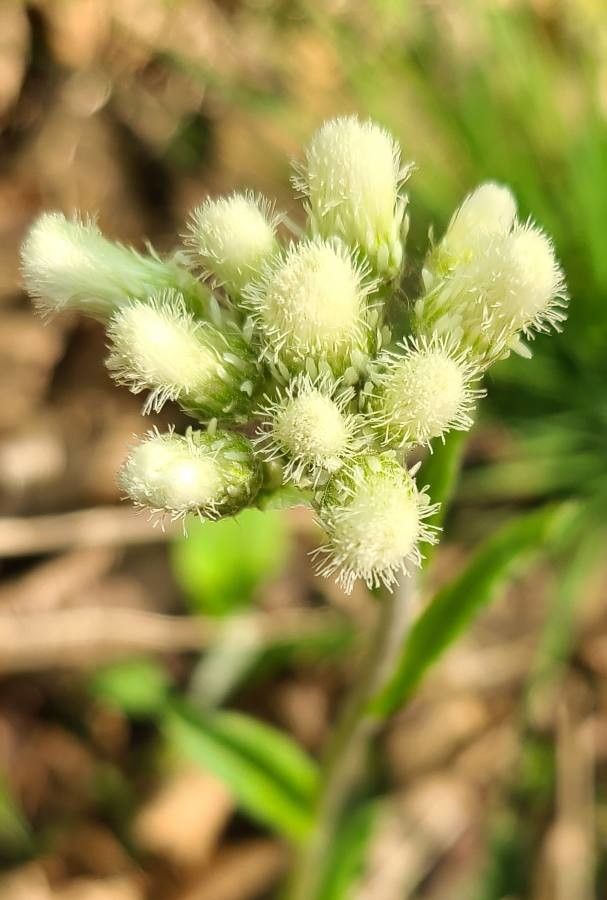
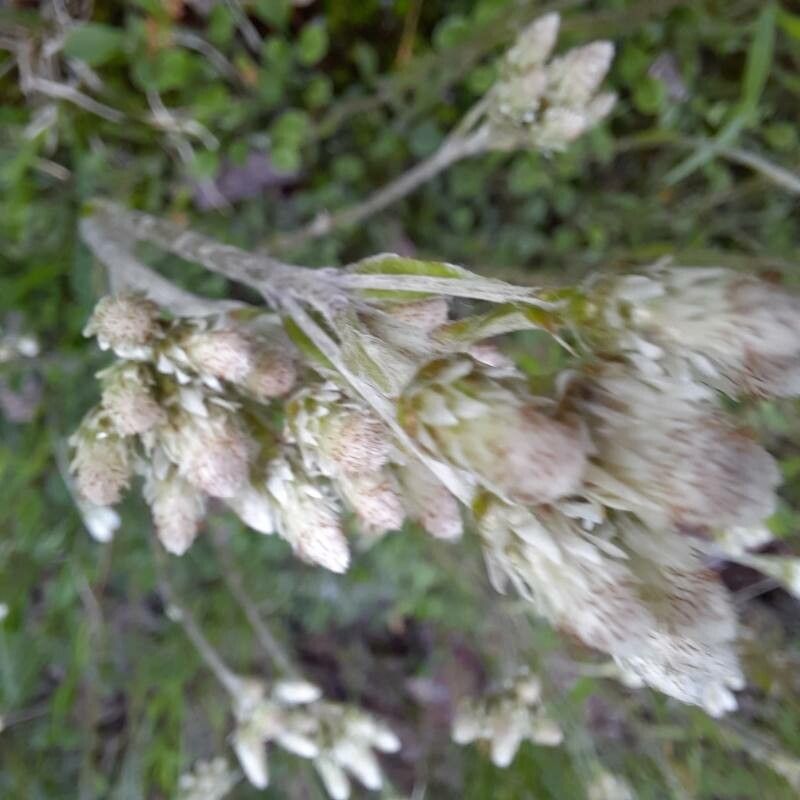
Antennaria parlinii produces small white or pinkish flowers that bloom from May through July. These flowers are arranged in clusters at the tops of leafless stems.
The plant prefers well-drained soils and full sun exposure but can also tolerate partial shade. It is commonly found growing on rocky slopes, in open woods, meadows, and along roadsides.
Native Americans have used Antennaria parlinii for medicinal purposes to treat various ailments such as coughs, colds, fevers, and digestive issues.
Overall, Antennaria parlinii is an attractive, low-growing perennial herbaceous plant with ornamental value. Its appealing foliage and beautiful springtime blooms make it suitable for rock gardens or border planting schemes. It is an excellent addition for any garden enthusiast looking for a low-maintenance yet visually appealing plant.
Parlin's pussytoes has strong resistance to disease and is typically not prone to illnesses. Nevertheless, it can be vulnerable to pests and diseases present in its environment. Such infections are generally mild. As for care, this plant needs moderate maintenance. It should be pruned regularly to preserve a neat appearance and healthy growth. Fertilizing can also encourage flowering. Parlin's pussytoes is appropriate for anyone with an outdoor area, like a garden or patio, and does not demand extensive care experience. It may need additional attention when cultivated indoors.
How to keep Antennaria Parlinii.
Light
Parlin's pussytoes is indigenous to habitats like forest understories and rocky areas, where it exists in natural shade. It favors partial sun but can adapt to full sun or full shade, illustrating its versatile and hardy nature.
Water
Parlin's pussytoes flourish in moderate moisture conditions but are also drought-tolerant. For optimal health, they need weekly watering and can greatly benefit from natural rainfall, especially when grown outdoors, as this supports their seasonal growth cycles.
Temperature
Parlin's pussytoes can tolerate a wide range of temperatures, but its distribution may still be restricted by various combinations of moisture and temperature conditions. It does best in warm summer climates with sufficient rainfall or watering. Extended periods of cloudy, rainy weather, as well as prolonged high temperatures, raise the likelihood that Parlin's pussytoes will die. In winter, proper protection from cold can increase the plant's survival rate.
Fertilizer
One fertilizer application in spring is normally enough for Parlin's pussytoes, though periodic feedings can boost growth. Feed about once a month to every six weeks. Fertilizing improves the leaves' appearance and function, maintaining even color and a healthy texture. It also promotes root development and nutrient uptake for the plant's long-term health.
Pruning
To promote the health and beauty of Parlin's pussytoes, it is best to prune the plant from early to late spring. This involves cutting back spent flower stems and removing any dead or diseased parts. By taking this careful approach, you can enhance the plant's foliage density and blooming, while minimizing stress and maintaining its overall health and aesthetic appeal.
Botanical profile.
- Plant Type
- Herb
- Life Cycle
- Perennial
- Genus
- Antennaria
- Family
- Asteraceae
- Hardiness Zone
- 3-8
- Mature Height
- 0 cm to 30 cm
- Mature Spread
- 15 cm to 30 cm
- Leaf Color
- Silver, Gray
- Leaf Type
- Semi-evergreen
- Flower Color
- White
- Flower Size
- 0.51 cm to 1.02 cm
- Bloom Time
- Early spring, Mid spring
- Planting Time
- Spring, Summer
- Harvest Time
- Late spring, Early summer
Other names.