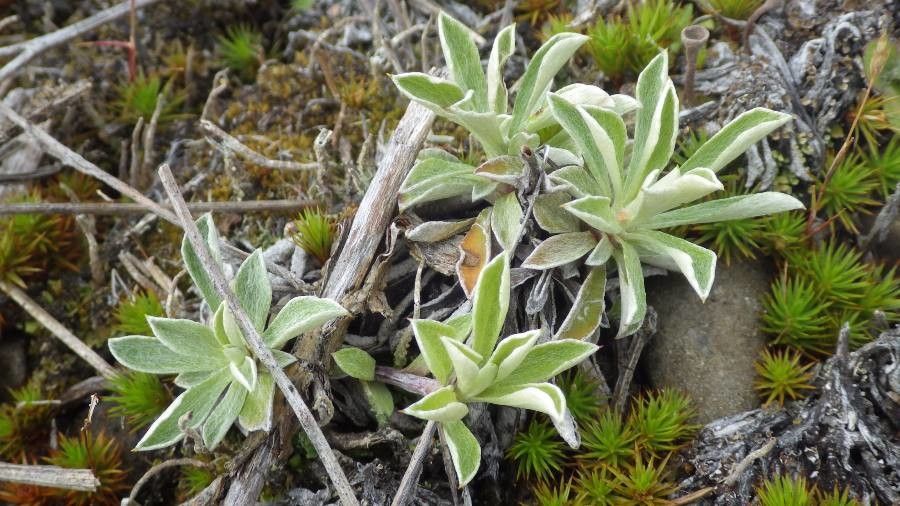
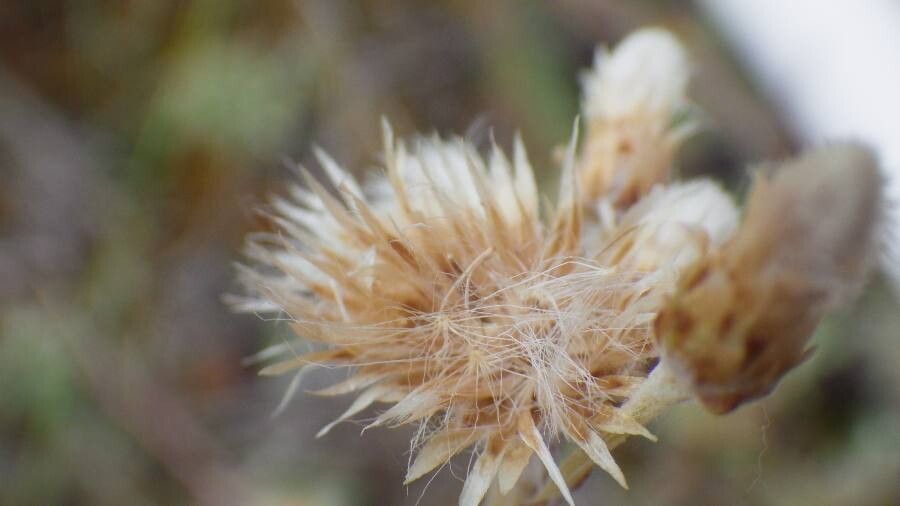
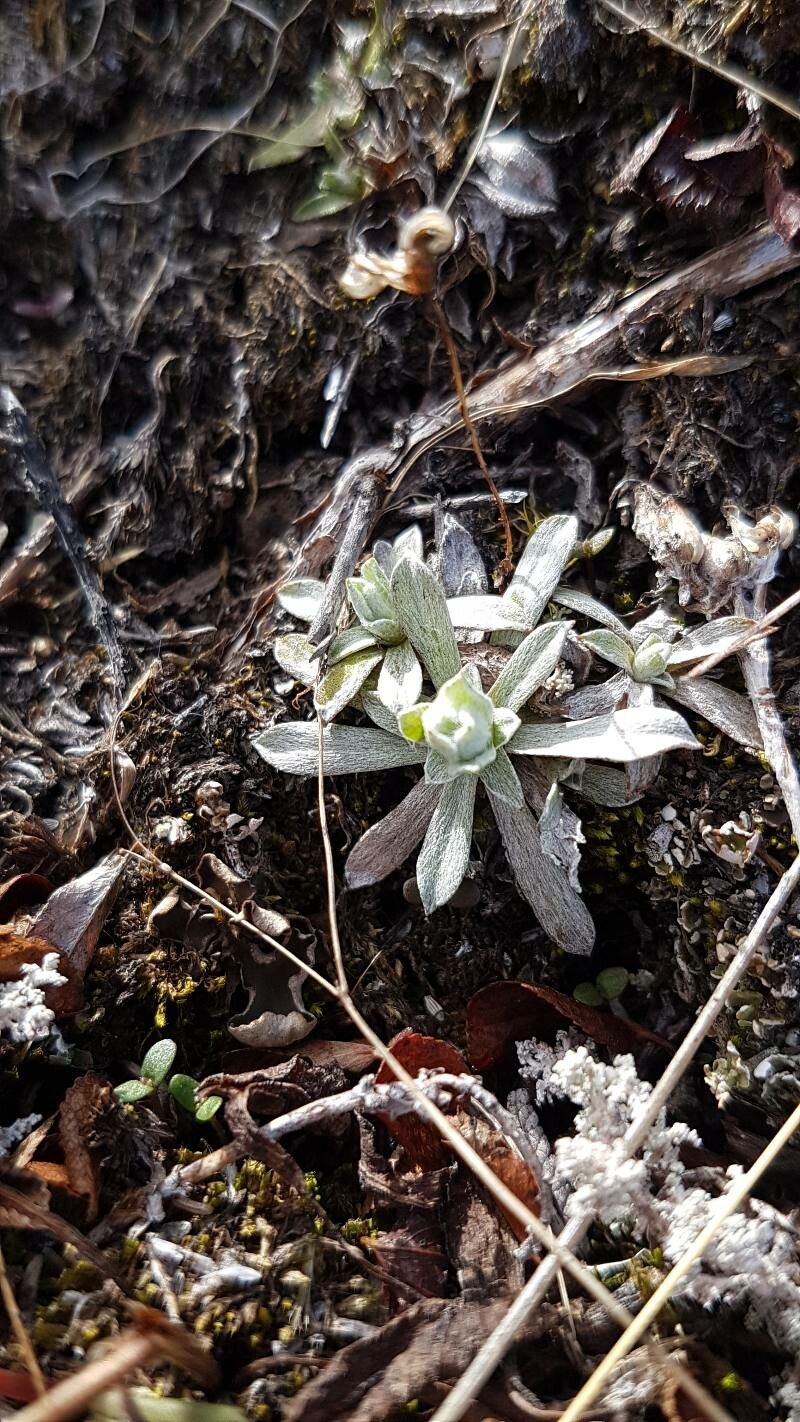
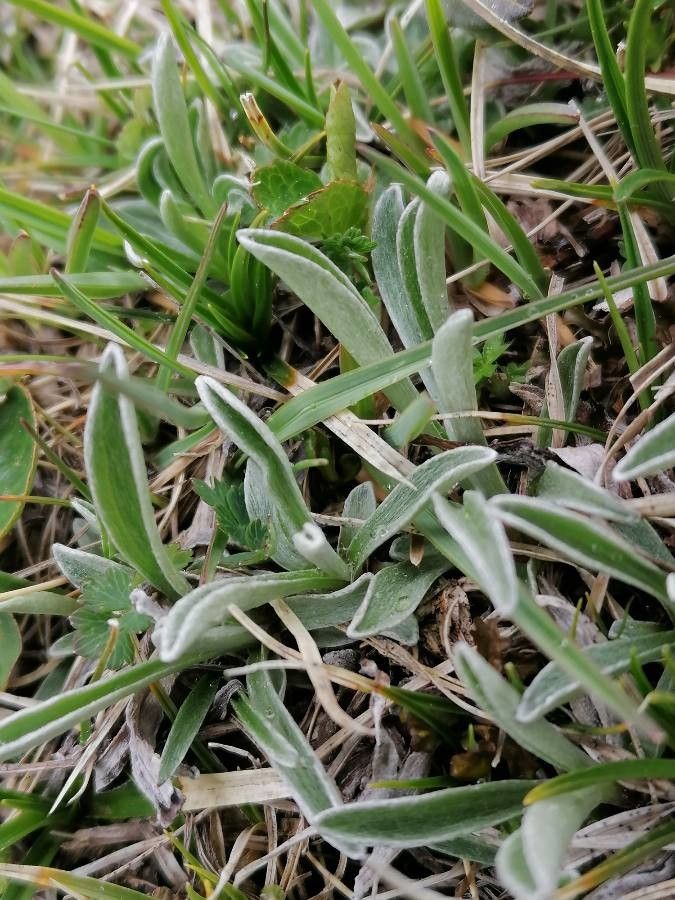
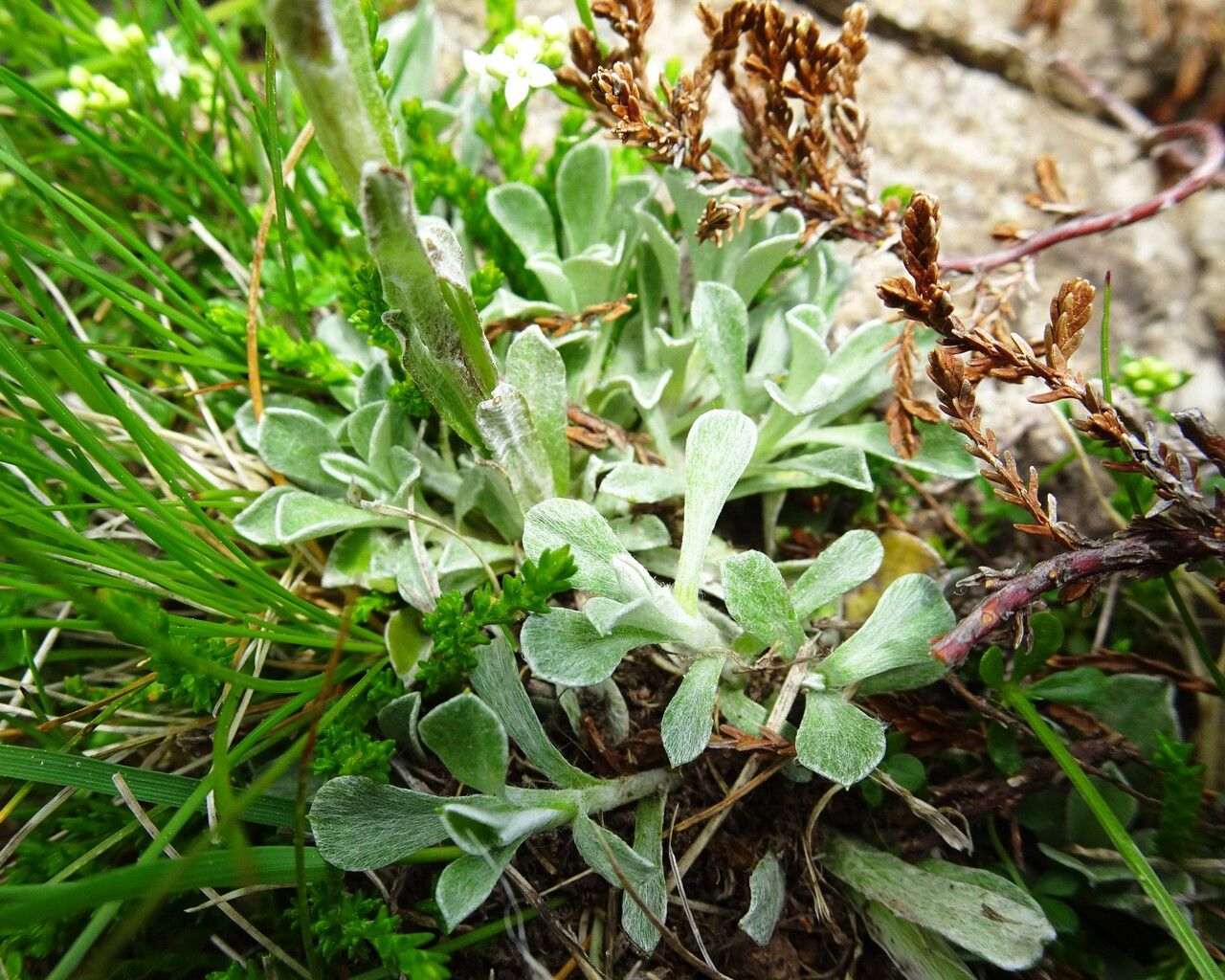
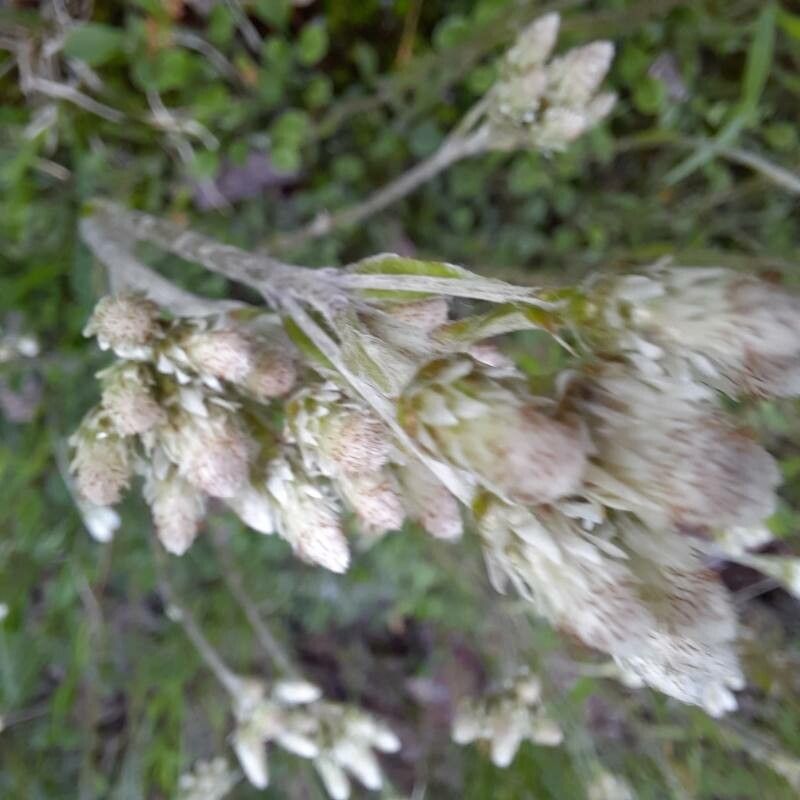
Antennaria microphylla (littleleaf pussytoes, rosy pussytoes, pink pussytoes, small pussytoes, dwarf everlasting) is a stoloniferous perennial forb in the family Asteraceae. It is widespread across northern and western North America, from Alaska and the three Canadian Arctic territories east to Quebec and south to Minnesota, New Mexico, and California.Antennaria microphylla can be found growing in plains, hills, dry meadow, and open wood habitats. It is a small herb with male and female flowers on separate plants. It grows from 1.2 to 12 inches (3.0 to 30.5 cm) with spoon shaped or oblong leaves; it blossoms from late May to July. The Columbian ground squirrel feeds on Litteleaf pussytoes.
Littleleaf pussytoes has strong disease resistance and typically does not suffer from many illnesses. However, it can be affected by pests and diseases present in its surroundings. These issues are usually mild. In terms of care, this plant is medium-maintenance. It should be pruned regularly to preserve its appearance and support healthy growth. Applying fertilizer can also help increase flowering. Littleleaf pussytoes is suitable for anyone with outdoor space, such as a garden or patio, and does not demand extensive care experience. It may need more attention when grown indoors.
How to keep Antennaria Microphylla.
Light
Littleleaf pussytoes is a sun-loving perennial herbaceous plant native to open habitats, frequently found thriving in meadows and grasslands. It favors full sun but can also tolerate partial sun.
Water
Littleleaf pussytoes, a plant native to dry regions, is highly drought-tolerant. It thrives in well-drained soils with low humidity and requires watering once a week. This plant flourishes in rocky terrains and is effective at conserving water, making it ideal for areas with sporadic rainfall.
Temperature
Littleleaf pussytoes can tolerate a wide span of temperatures, but its distribution may still be restricted by particular combinations of moisture and heat. It grows best in warm summer climates with sufficient rainfall or watering. Extended periods of cloudy, rainy weather or prolonged high heat can raise the likelihood of Littleleaf pussytoes dying. In winter, proper protection from cold can increase the plant's chances of survival.
Fertilizer
The best time to fertilize a Littleleaf pussytoes is in early spring, when it is coming out of dormancy and beginning active growth. Fertilizing supplies essential nutrients needed for healthy development. While Littleleaf pussytoes has fairly low fertilizer requirements, applying fertilizer once a year can improve its survival and encourage fuller, longer-lasting blooms.
Pruning
Littleleaf pussytoes is an herbaceous perennial known for its small, woolly leaves and low maintenance needs. To keep the plant healthy, trim any dead or damaged leaves in early spring. Deadheading the spent flowers will encourage new blooms. Regular light maintenance not only enhances air circulation but also reduces the risk of disease, helping to maintain the plant's overall health and appearance.
Botanical profile.
- Plant Type
- Herb
- Life Cycle
- Perennial
- Genus
- Antennaria
- Family
- Asteraceae
- Hardiness Zone
- 3-8
- Mature Height
- 10 cm to 30 cm
- Mature Spread
- 10 cm to 20 cm
- Leaf Color
- Gray, Silver
- Leaf Type
- Semi-evergreen
- Flower Size
- 0.51 cm to 0.76 cm
- Bloom Time
- Mid spring, Late spring
- Planting Time
- Spring, Summer, Autumn
- Harvest Time
- Early summer, Mid summer
Other names.