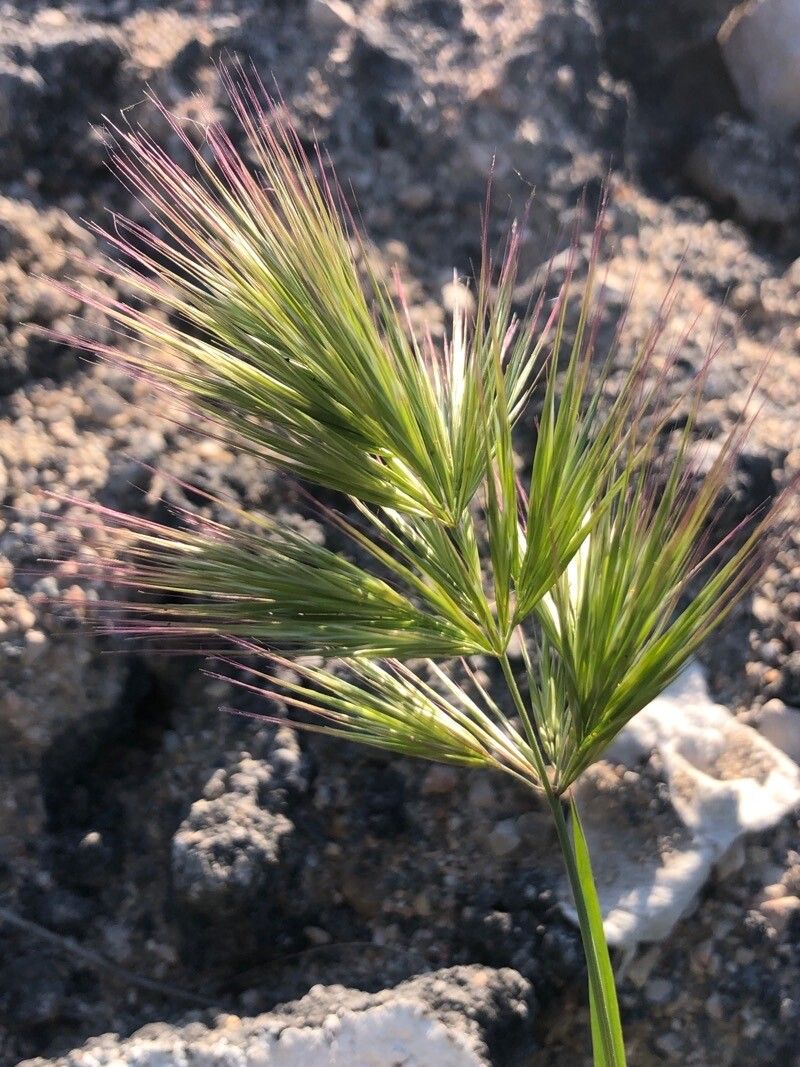
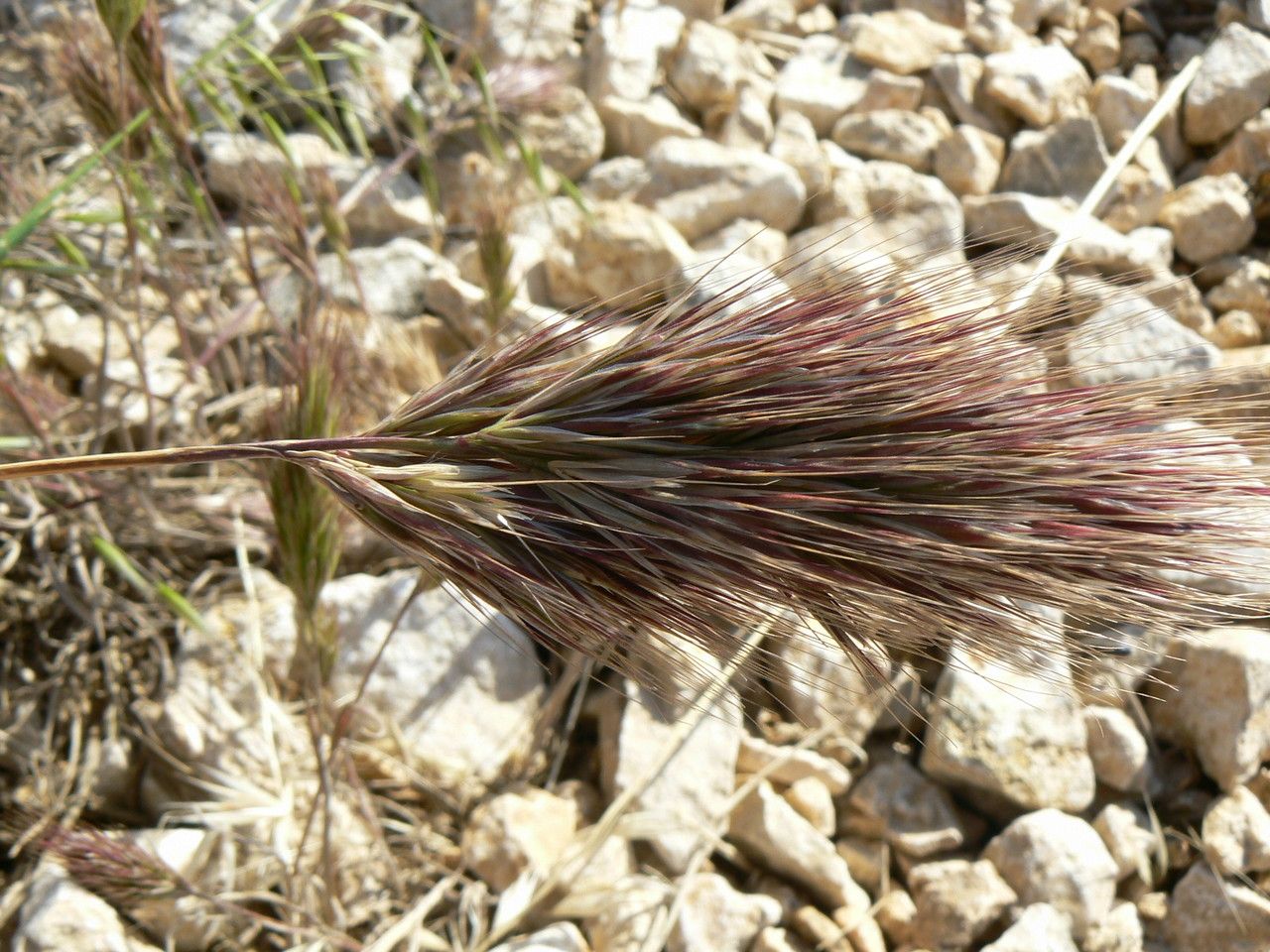
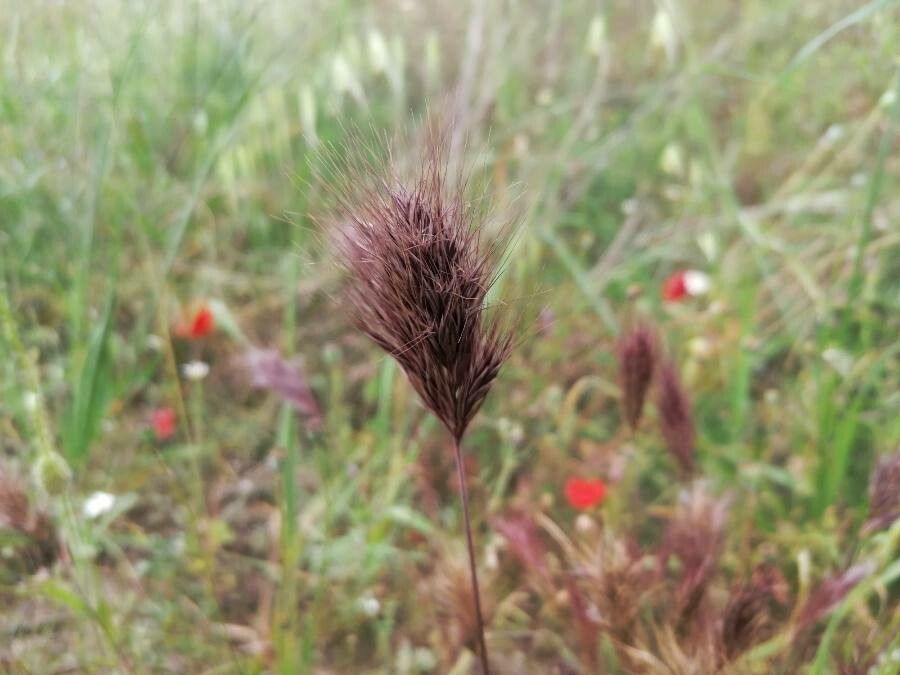
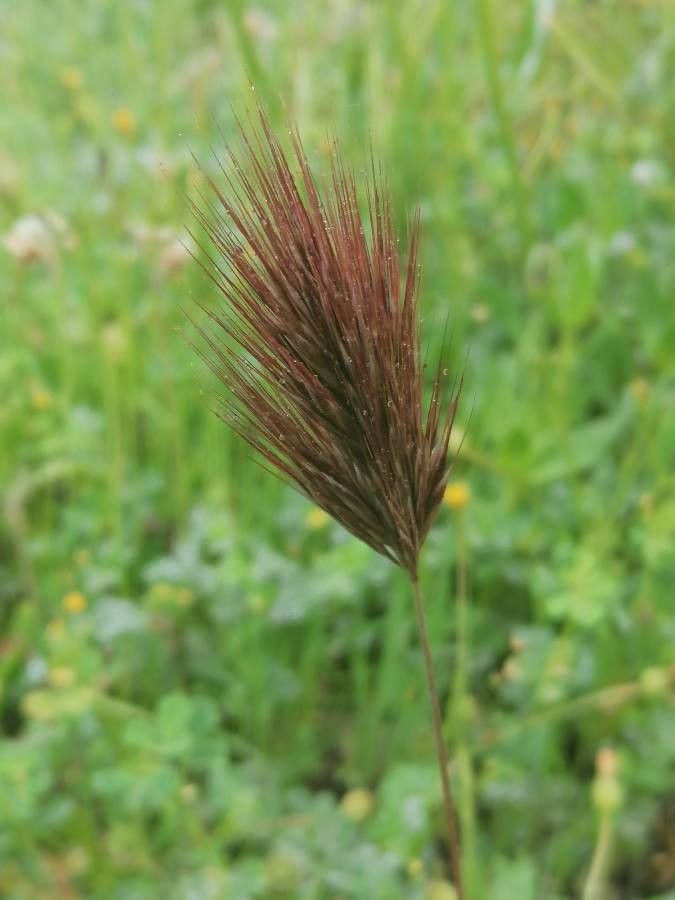
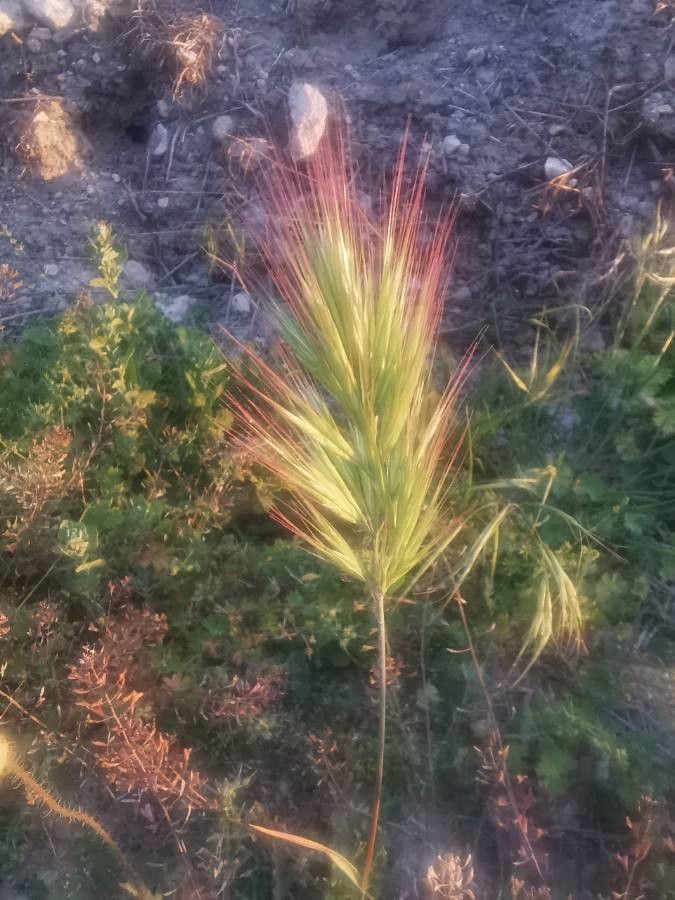
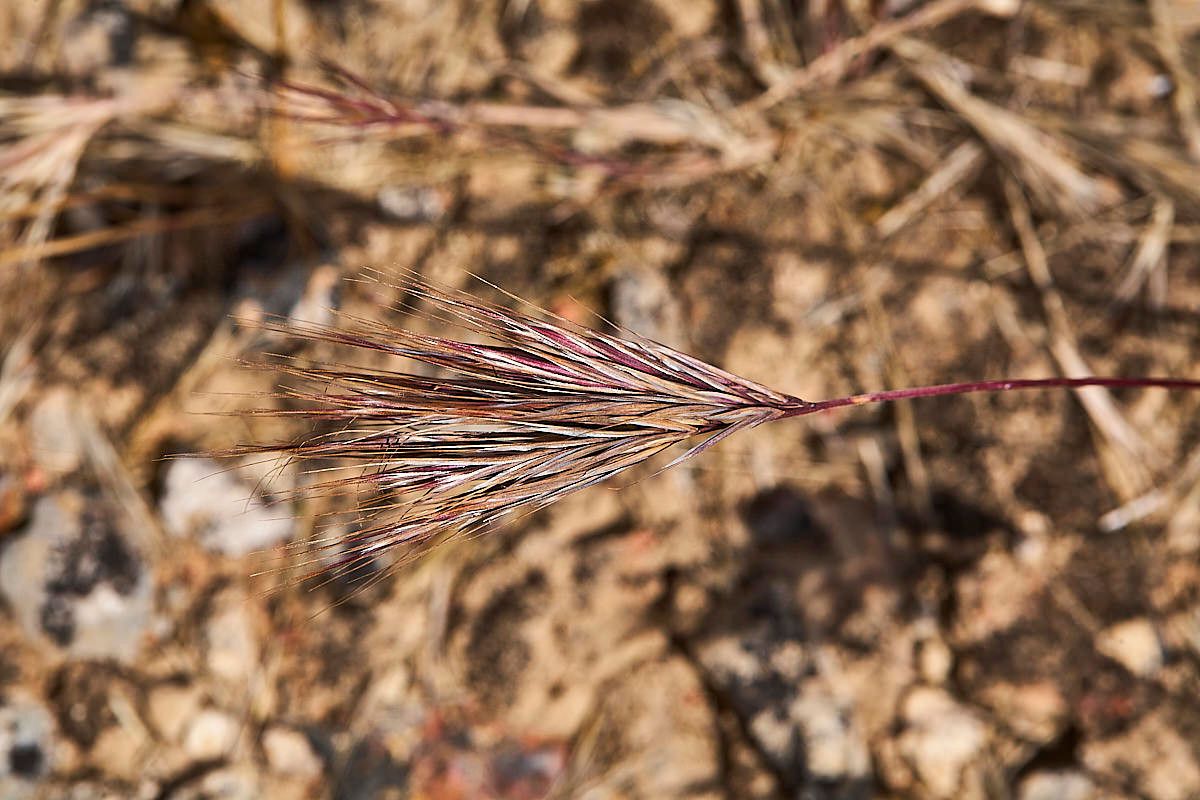
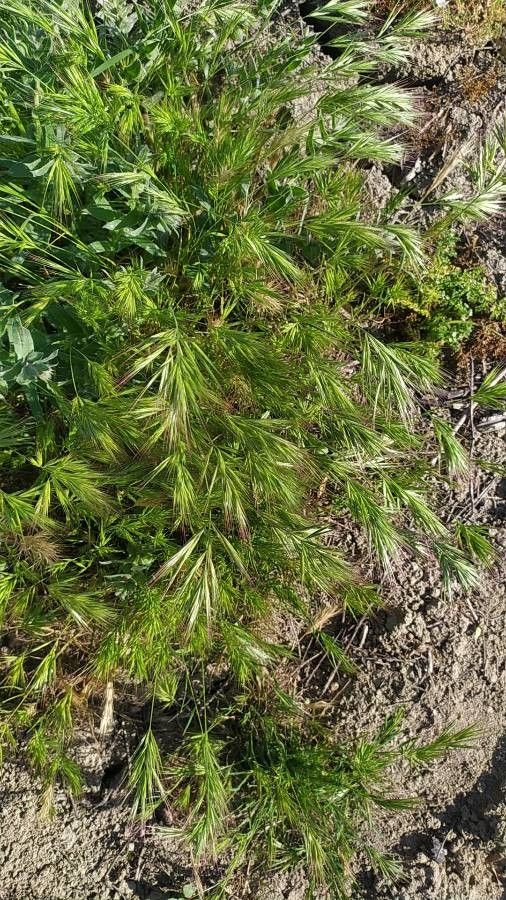
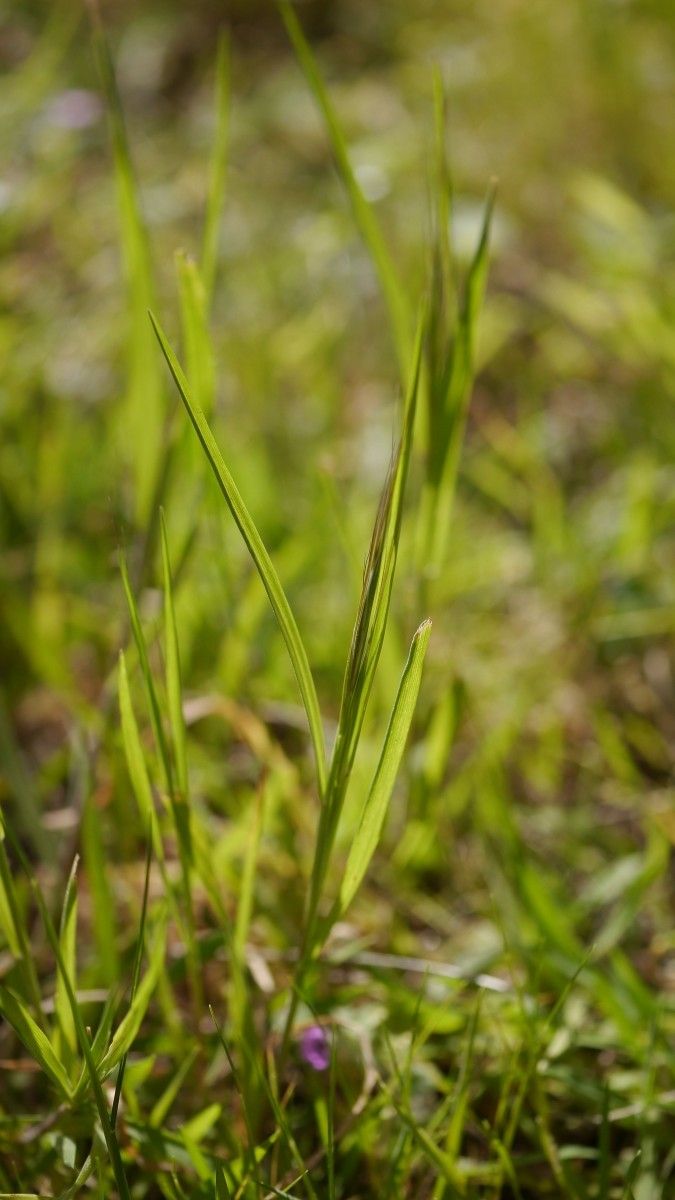
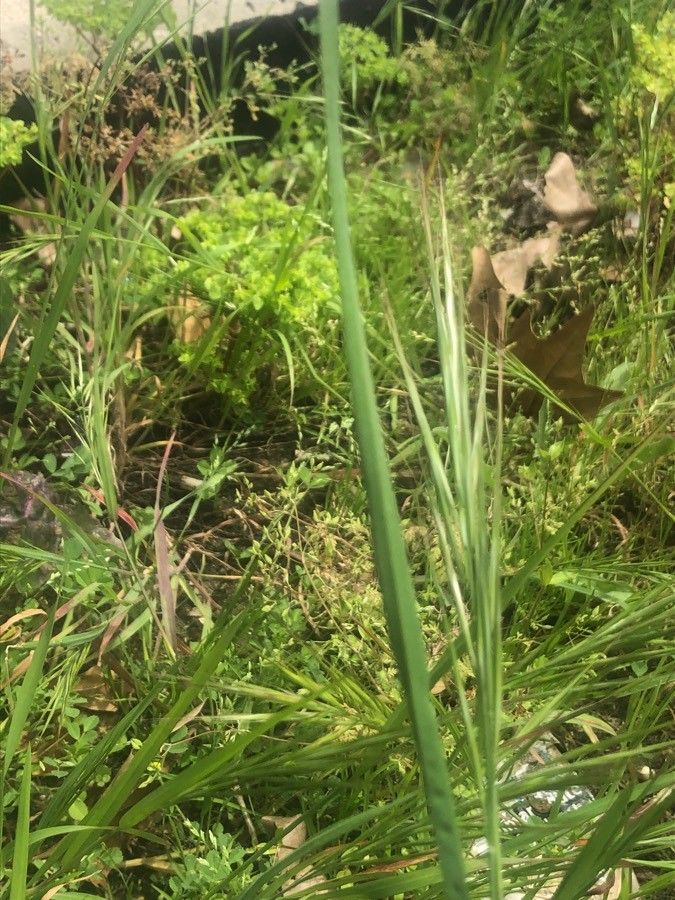
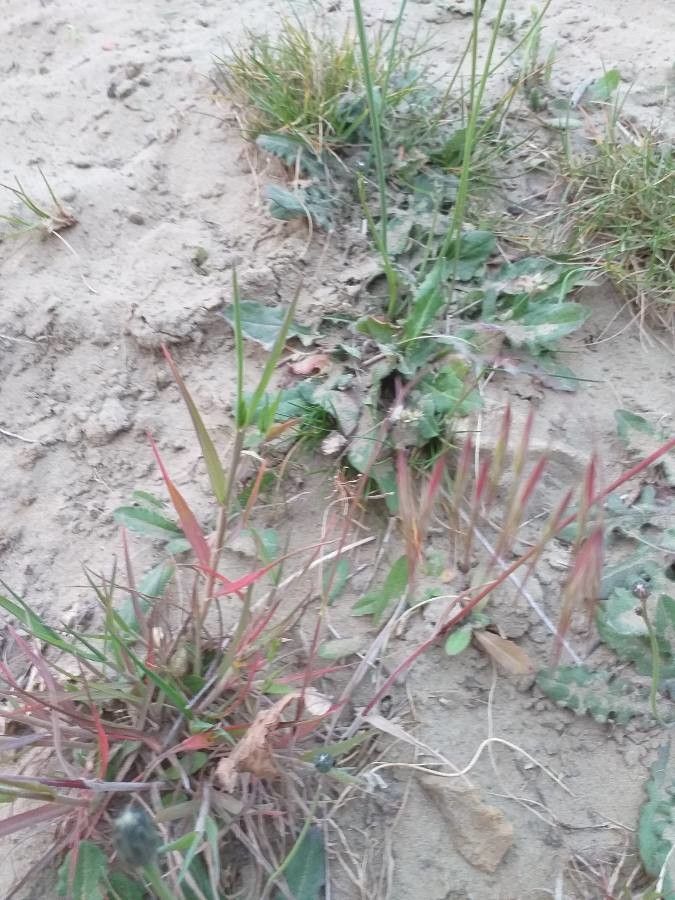
Anisantha rubens, commonly known as red oat grass, is a perennial grass species in the Poaceae family. Native to Europe and western Asia, it has spread to other parts of the world as an ornamental plant. The plant grows up to 1 meter tall with a tufted habit and narrow green leaves. Its inflorescence is a panicle featuring reddish-brown spikelets that bloom from June to August.
Red oat grass thrives in well-drained soils and is drought-tolerant once established. It can grow in both full sun and partial shade, making it versatile for various garden settings, including borders and rock gardens. Additionally, Anisantha rubens provides food for wildlife such as birds and small mammals.
Apart from its ornamental appeal, red oat grass is valuable for erosion control due to its deep root system, which helps stabilize soil on slopes and embankments. Its ability to spread through rhizomes also makes it an effective ground cover.
Overall, Anisantha rubens is an attractive perennial plant with multiple uses, both aesthetically and functionally, making it an excellent addition to any garden or landscape project that requires erosion control measures.
Red brome is fairly disease-resistant and generally not prone to illnesses. Nonetheless, it can be affected by pests and diseases found in its surroundings. These infections are typically not severe. For care, this plant requires a moderate level of maintenance. It should be pruned regularly to keep a good appearance and promote healthy growth. Fertilizing can also help encourage flowering. Red brome is suitable for anyone with outdoor space, such as a garden or patio, and does not demand extensive care experience. It may need more attention when grown indoors.
How to keep Anisantha Rubens.
Light
Red brome comes from bright, open habitats and grows best in full sunlight. It can tolerate some shade but favors direct sun for optimal growth. This plant, which may be annual or biennial, is noted for its sun-loving habits.
Temperature
Red brome originates from climates where temperatures range from 68 to 100 °F (20 to 38 ℃). It nevertheless has a fairly flexible temperature tolerance and readily adjusts to seasonal changes. Recommended temperature management is to maintain warmth during growth cycles.
Fertilizer
Red brome does well with regular, dilute fertilizer applications to encourage healthy leaf development. You should apply fertilizer to Red brome roughly once a month during the summer. Nitrogen is essential for foliage, and providing nitrogen-rich sources helps Red brome prosper.
Botanical profile.
- Plant Type
- Herb
- Life Cycle
- Annual
- Genus
- Anisantha
- Family
- Poaceae
- Hardiness Zone
- 11
- Mature Height
- 10 cm to 52 cm
- Mature Spread
- 30 cm to 46 cm
- Leaf Color
- Green
- Leaf Type
- Deciduous
- Flower Color
- Yellow, Purple, Brown
- Flower Size
- 2.03 cm
- Bloom Time
- Mid spring, Late spring
- Planting Time
- Spring, Summer, Autumn
- Harvest Time
- Late spring, Early summer, Mid summer
- Native Area
- Libya, Turkey, Portugal, Italy, Jordan, Spain, Israel, Cyprus, Algeria, Greece, Morocco, France
Other names.