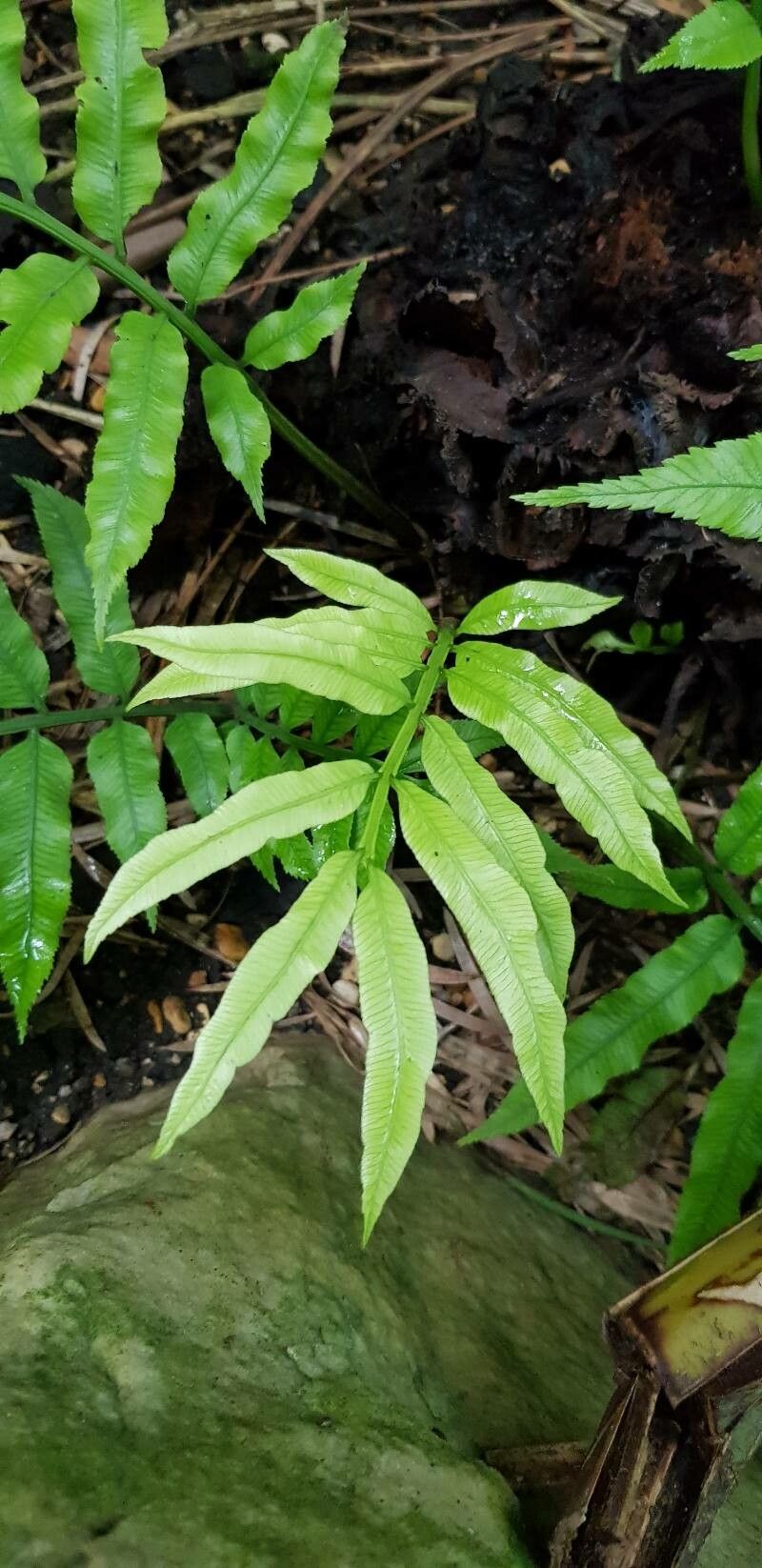
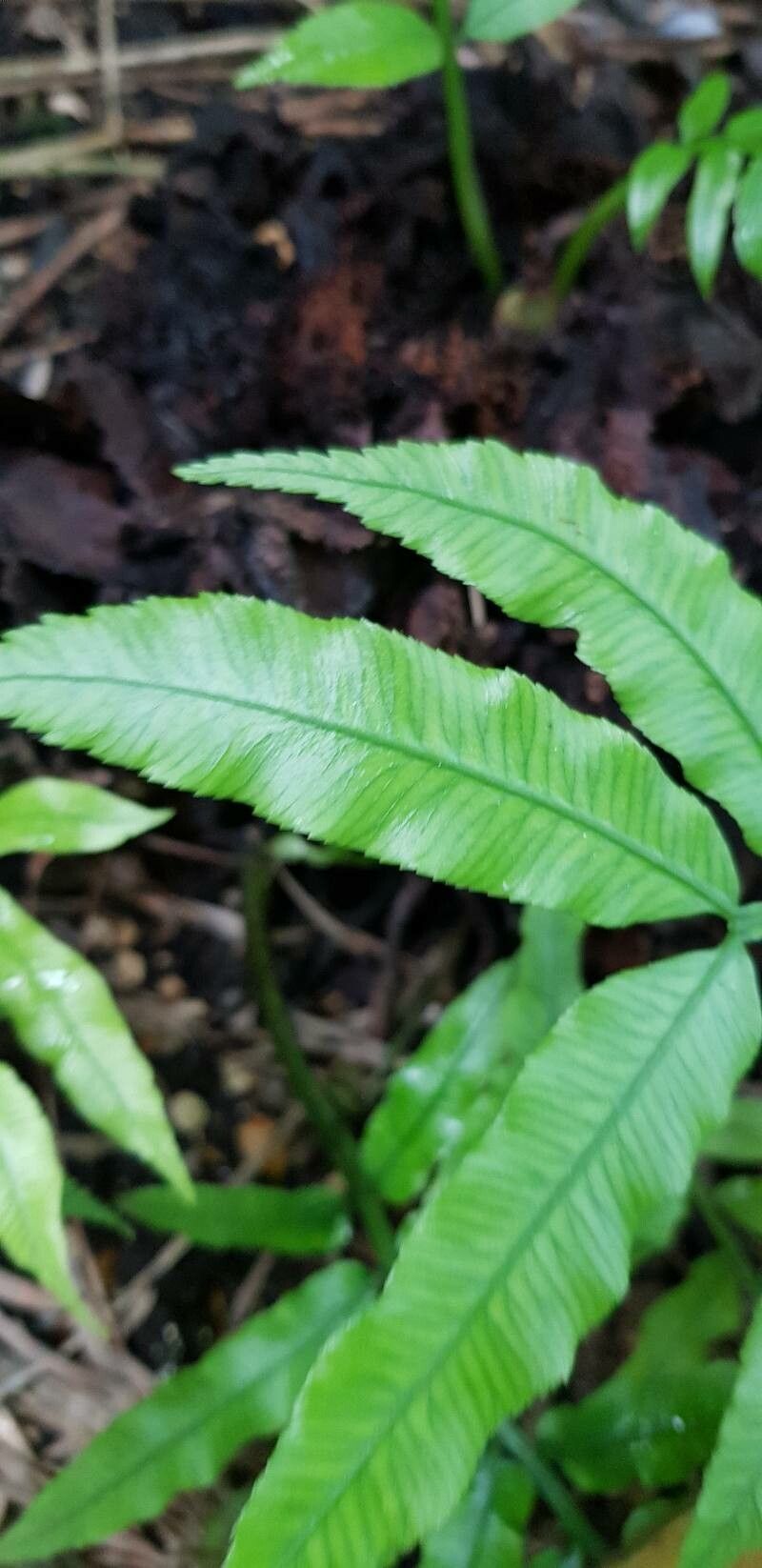
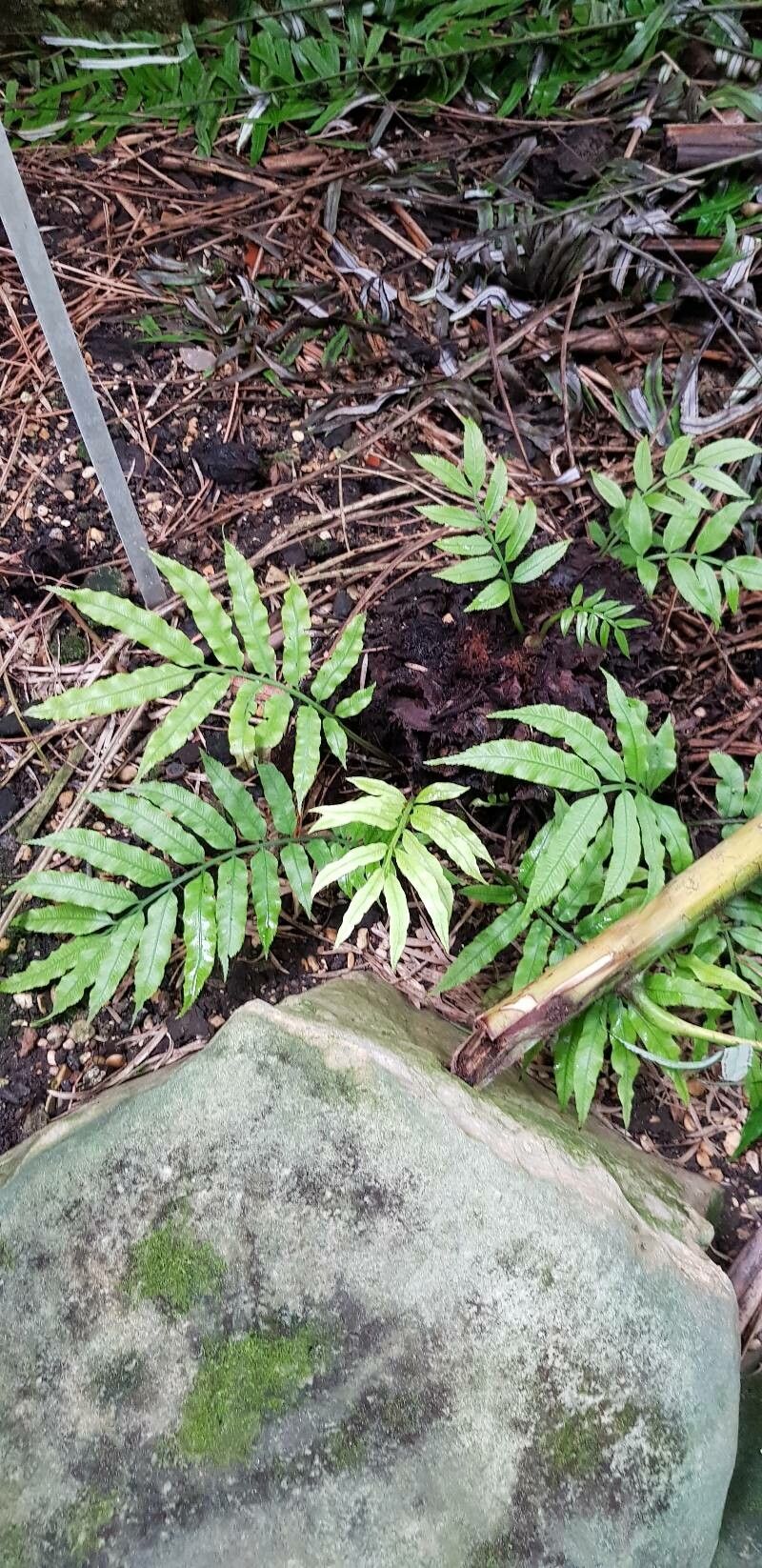
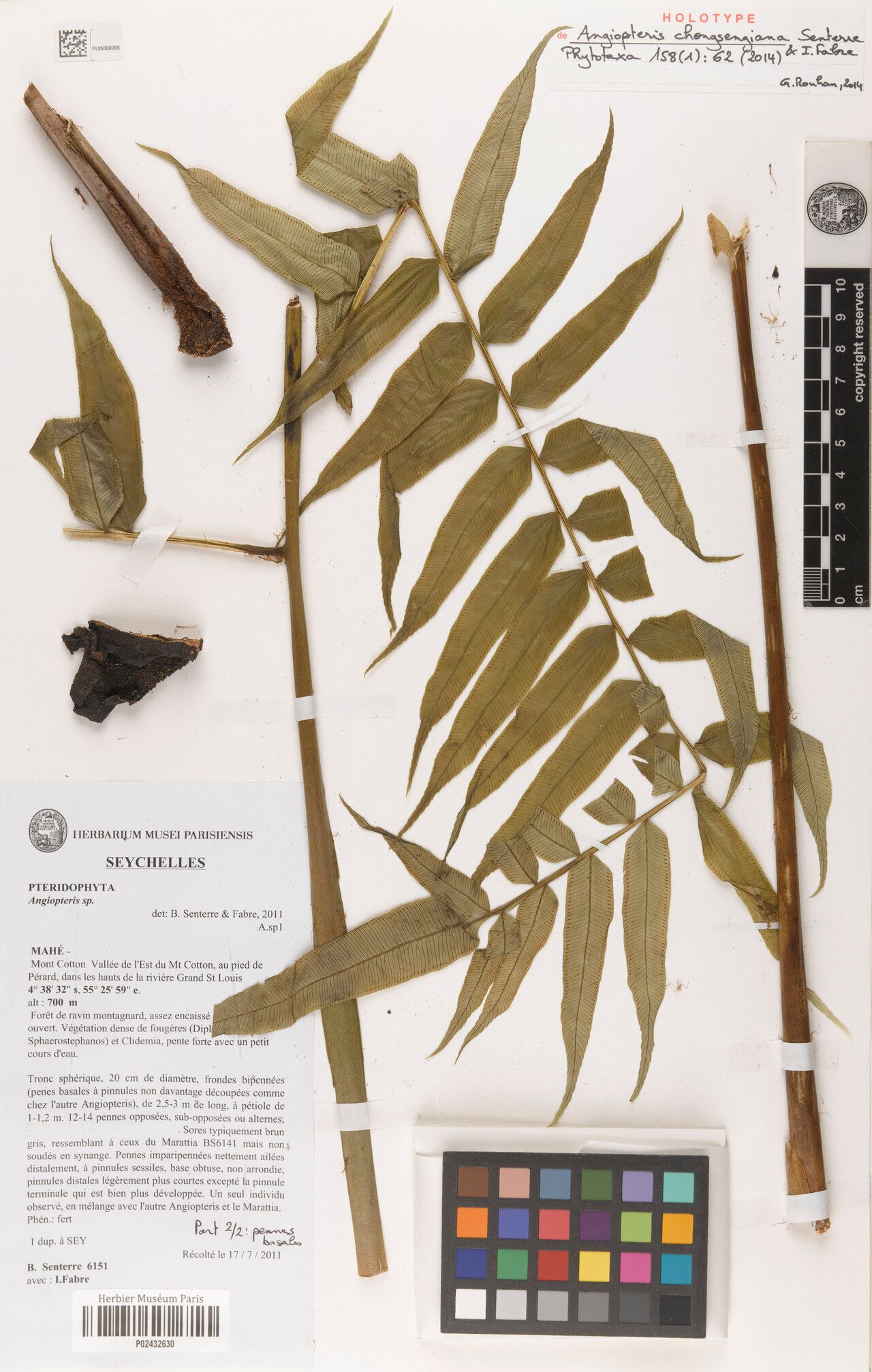
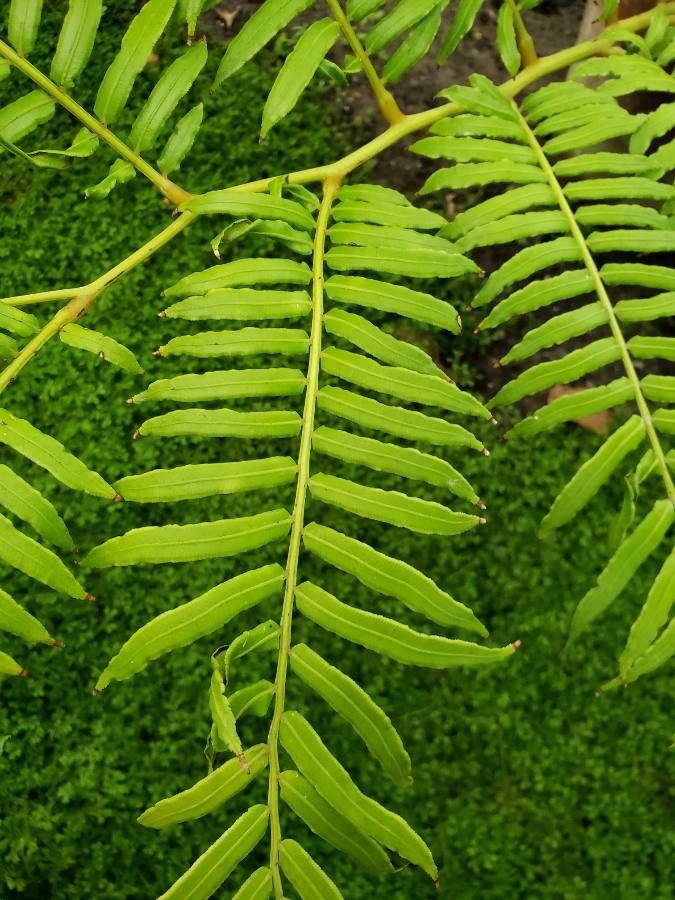
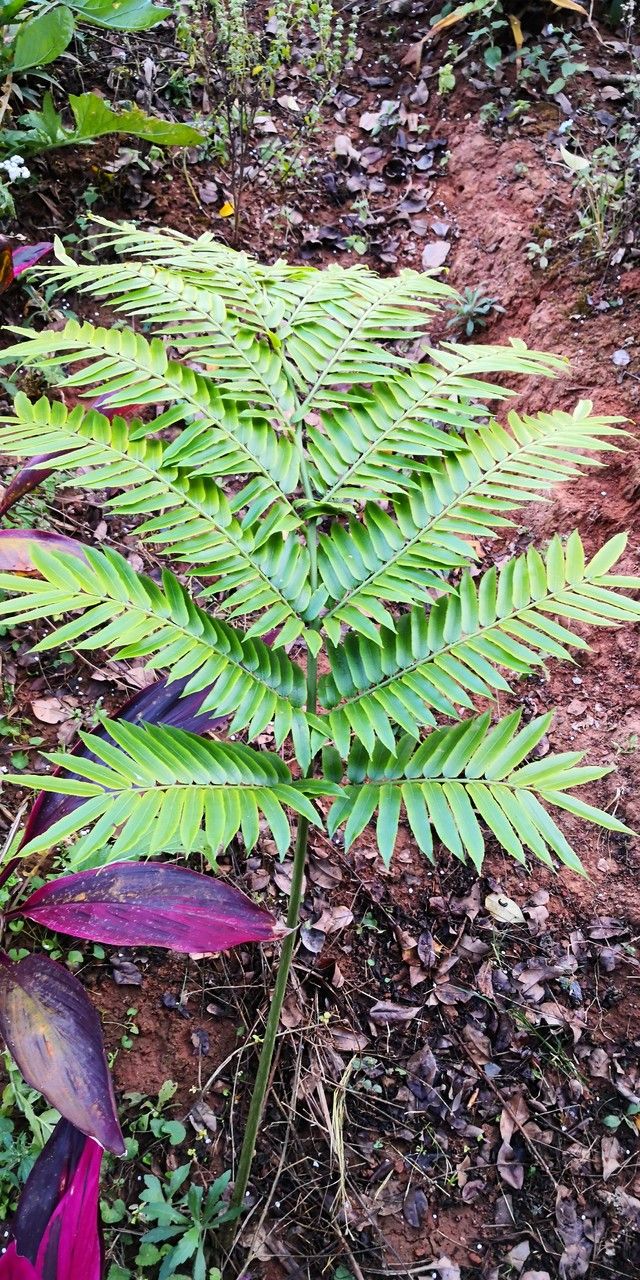
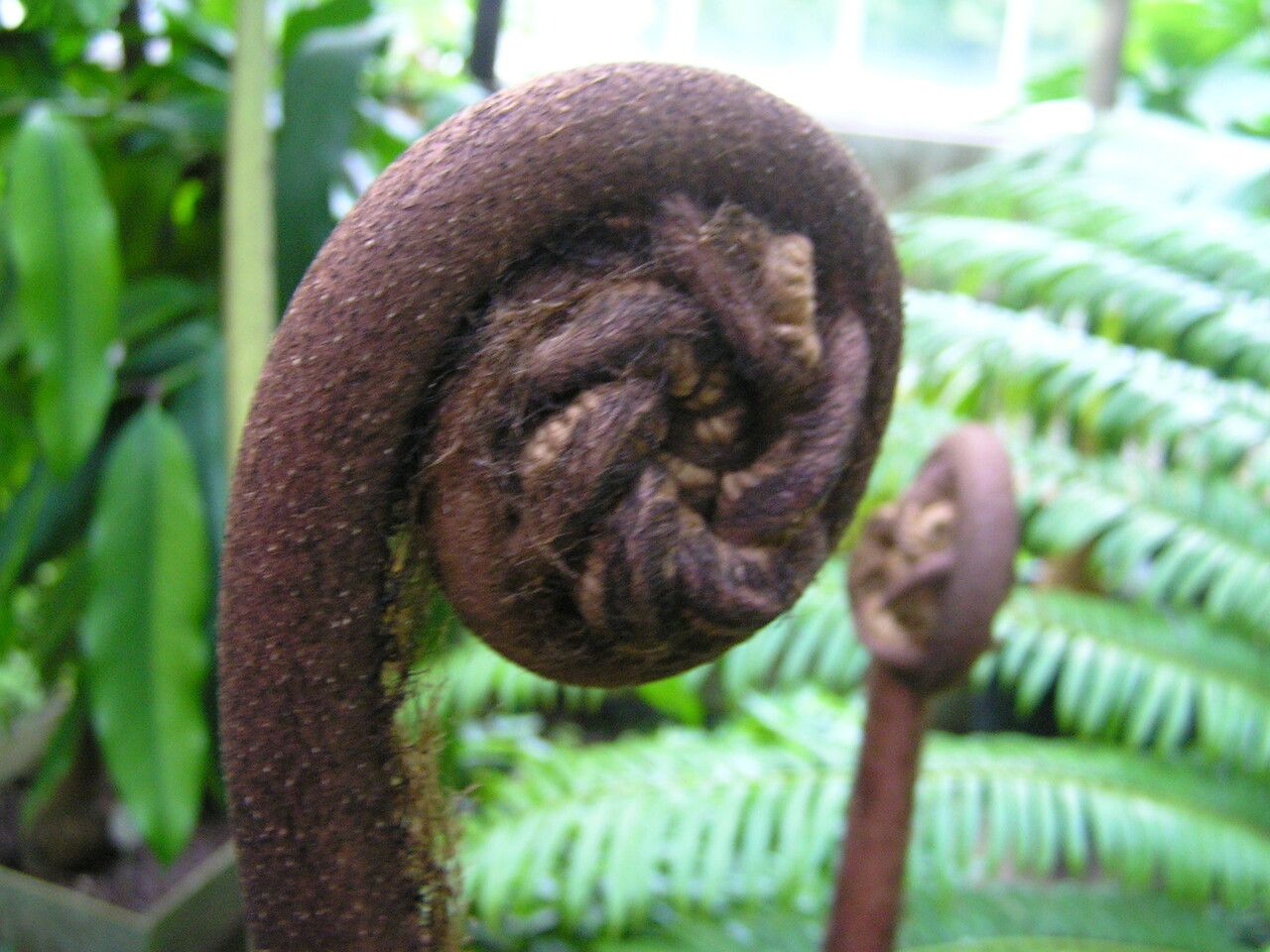
Turnip fern usually has strong resistance to disease and is affected by relatively few insect pests. Its care is regarded as difficult, since it needs a moist environment and frequent watering. The roots are, however, susceptible to rotting if they are overwatered and the surroundings lack adequate ventilation. Turnip fern is suitable for people with some growing experience, as many growers can keep it alive for a period of time. Nevertheless, it may struggle to thrive and its leaves can dry out and become less healthy over time.
How to keep Angiopteris Lygodiifolia.
Light
The turnip fern is native to habitats such as forest understories or rocky areas that provide natural shade. It prefers Full Shade but can tolerate Partial Sun.
Water
Turnip fern, which originates from tropical rainforests, thrives in high humidity. It requires consistent moisture, so it's best to water it about twice a week. The soil should be kept damp but not waterlogged. Turnip fern is ideal for indoor cultivation, as it benefits from environments where the ambient moisture levels can be controlled.
Temperature
The turnip fern comes from tropical areas, where the weather is usually warm and humid. Consequently, it is adapted to high heat and humidity. It is sensitive to sudden temperature shifts and prefers a steady thermal environment, so avoiding indoor temperature fluctuations is important. It typically does not tolerate cold and needs warmer conditions to grow. If the ambient temperature falls too low, the plant may stop growing or even die.
Pruning
Turnip fern flourishes with lush foliage. To promote growth and remove any damaged fronds, prune it in early spring. Carefully trim back any overgrown sections to improve air circulation and prevent fungal problems. Use sharp, sterilized tools to prevent disease. Regular pruning enhances both the health and appearance of the plant.
Botanical profile.
- Plant Type
- Fern
- Life Cycle
- Perennial
- Genus
- Angiopteris
- Family
- Marattiaceae
- Hardiness Zone
- 10-12
- Mature Height
- 91 cm
- Mature Spread
- 1.52 m to 2.44 m
- Leaf Color
- Green
- Leaf Type
- Evergreen
- Planting Time
- Spring, Summer, Autumn
- Native Area
- Japan, China
Other names.
Reader questions.
What are the sunlight requirements for Turnip fern?
Turnip fern, known botanically as Angiopteris lygodiifolia, thrives best in environments that mimic its natural habitat of forest understories or rocky areas, which offer natural shade. It is ideally suited for Full Shade, meaning it prefers locations that receive less than 3 hours of direct sunlight per day, but it can also tolerate Partial Sun conditions. When arranging your garden or indoor space, it's significant to observe how sunlight moves through the area to ensure that your Turnip fern is placed in a location that provides an optimal balance of light and shade, which is crucial for its health and happiness.
How can artificial lighting be used for Turnip fern?
For indoor Turnip fern plants that do not receive adequate natural sunlight, especially during winter or in less sunlit spaces, artificial lighting can be a vital solution. It's recommended to choose LED lights as they can be adjusted to provide specific wavelengths needed by the plant. For Full Sun plants, about 30-50W/sq ft is needed, Partial Sun plants require 20-30W/sq ft, and Full Shade plants, like the Turnip fern, need 10-20W/sq ft of artificial light. The light source should be positioned 12-36 inches above the plant to mimic natural sunlight, ensuring the plant receives 8-12 hours of light each day to promote healthy and robust growth.
What symptoms indicate Turnip fern is receiving insufficient light?
Turnip fern showing signs of insufficient light can be identified by symptoms such as the emergence of smaller new leaves compared to older ones, leggy or sparse growth with long spaces between leaves or stems, faster leaf drop, slower or halted new growth, and the development of lighter-colored or yellow (chlorotic) leaves. Extreme sunlight exposure can also cause sunscald, leaf curling, wilting, and leaf scorching. These signs highlight the plant's struggle with inappropriate light conditions, stressing the importance of providing adequate lighting for its well-being.
What solutions exist for Turnip fern experiencing insufficient light?
For Turnip ferns not receiving enough light, moving the plant to a spot with ample filtered light, including brief periods of direct morning sunlight if indoors, can be beneficial. Placing them 1-2 meters away from a window is ideal. Using artificial light, such as a desk or ceiling lamp for at least 8 hours a day or investing in professional plant grow lights, can also provide the necessary lighting, especially for large or immovable plants. Outdoors, gradually transitioning your plants to sunnier spots each week can help them adapt without the risk of sunburn. For ground plants, minimize sunlight obstructions by pruning trees or transplanting smaller plants to brighter locations with ample sunlight and good drainage. It's crucial to remember that while affected parts may not recover, new growth will thrive under improved lighting conditions.