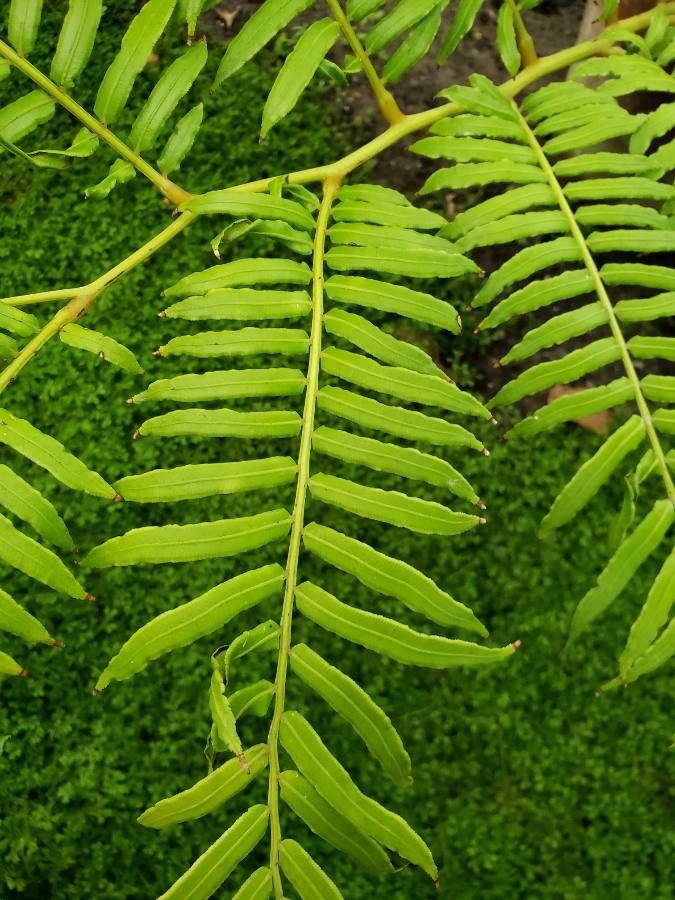
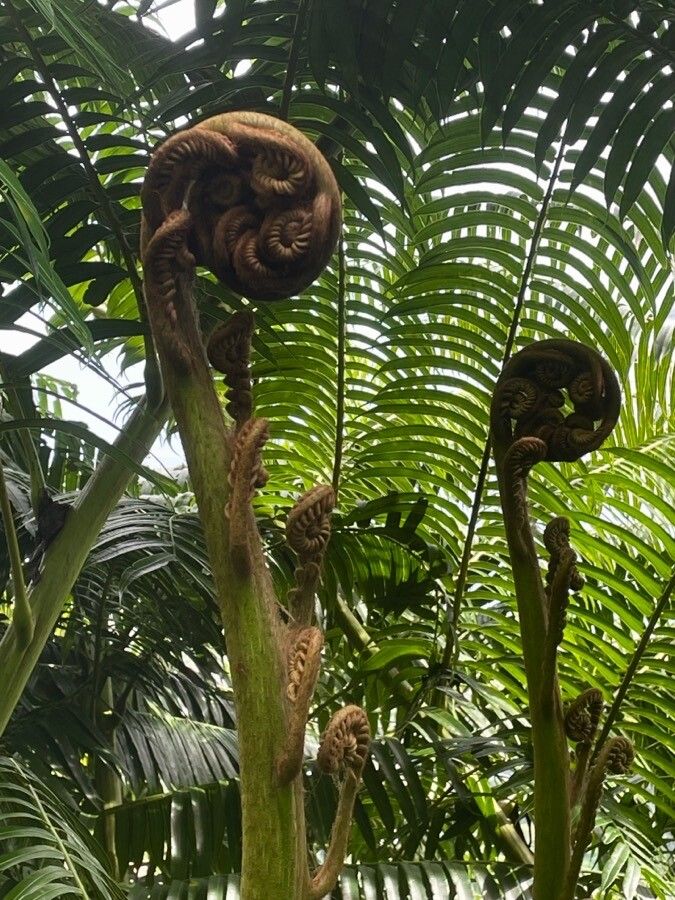
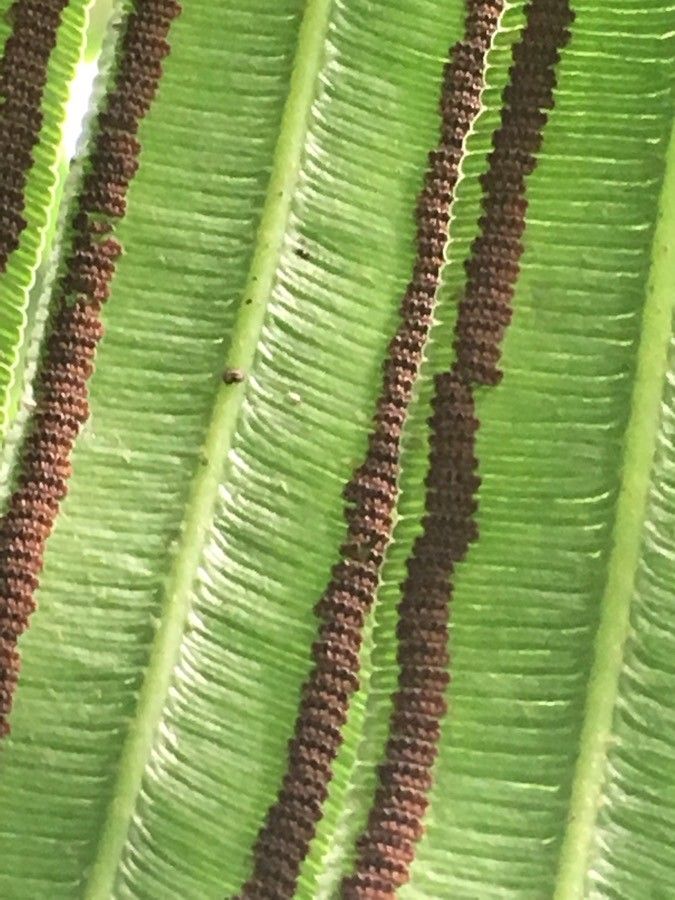
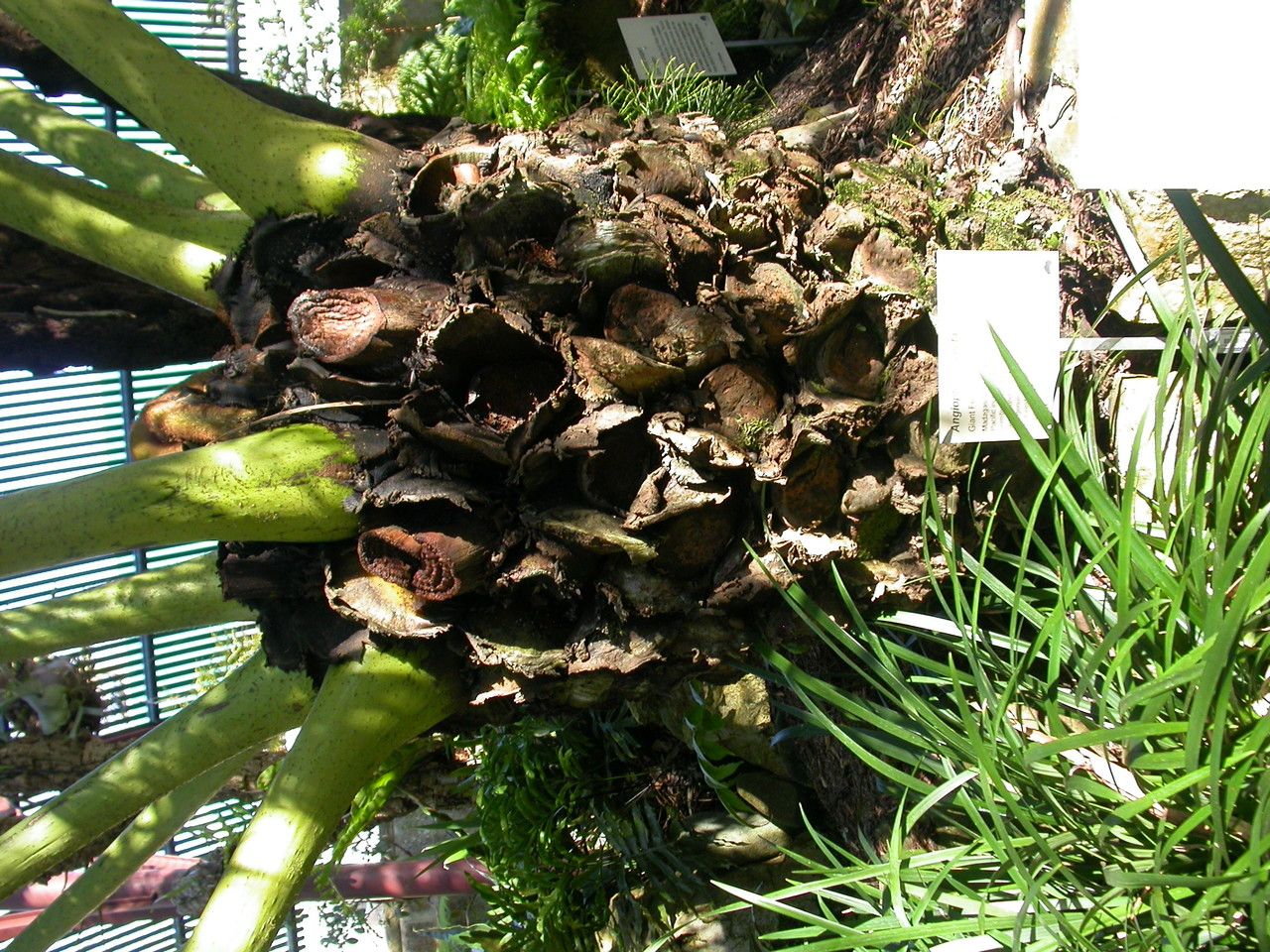
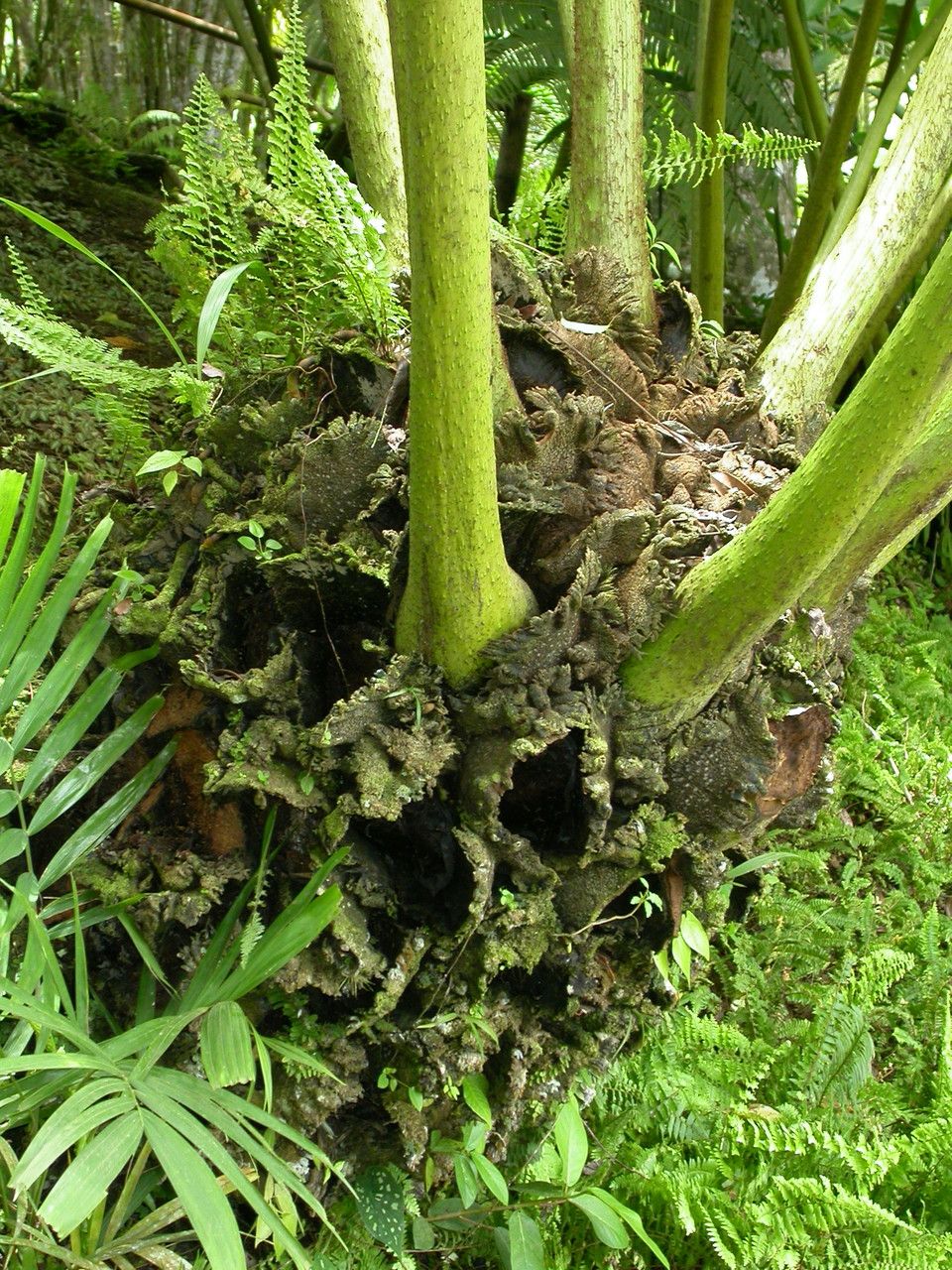
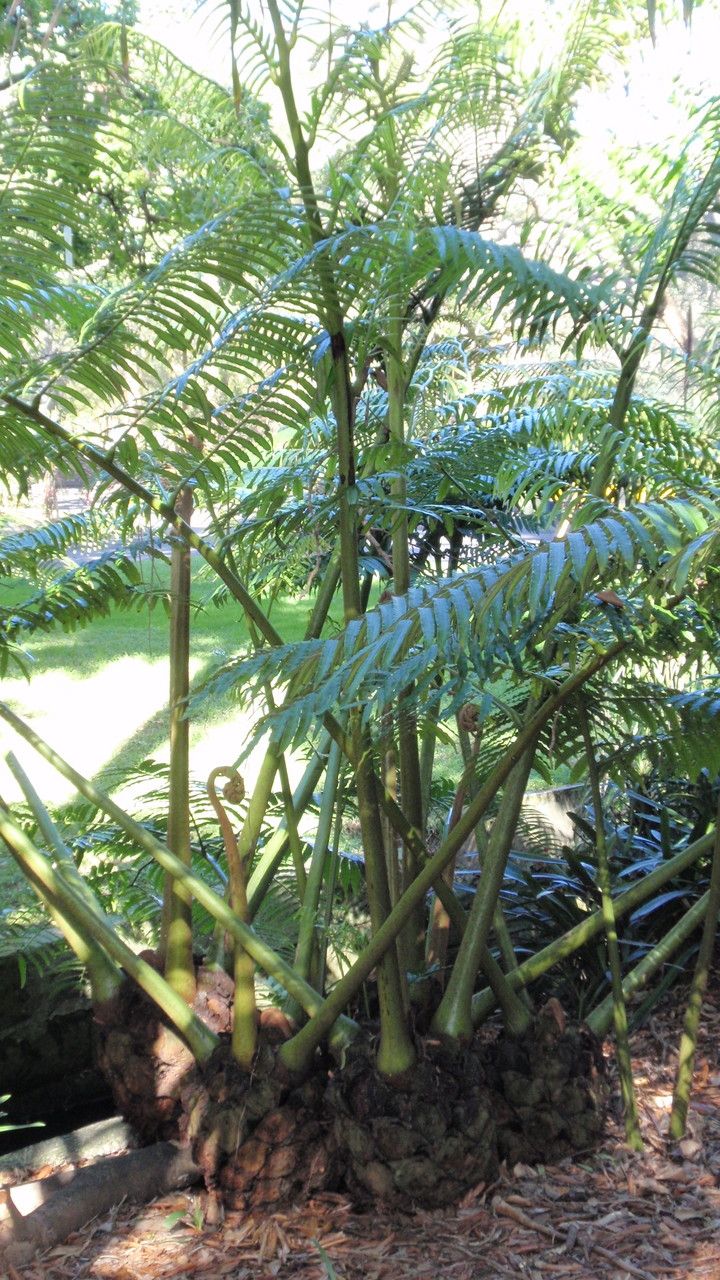
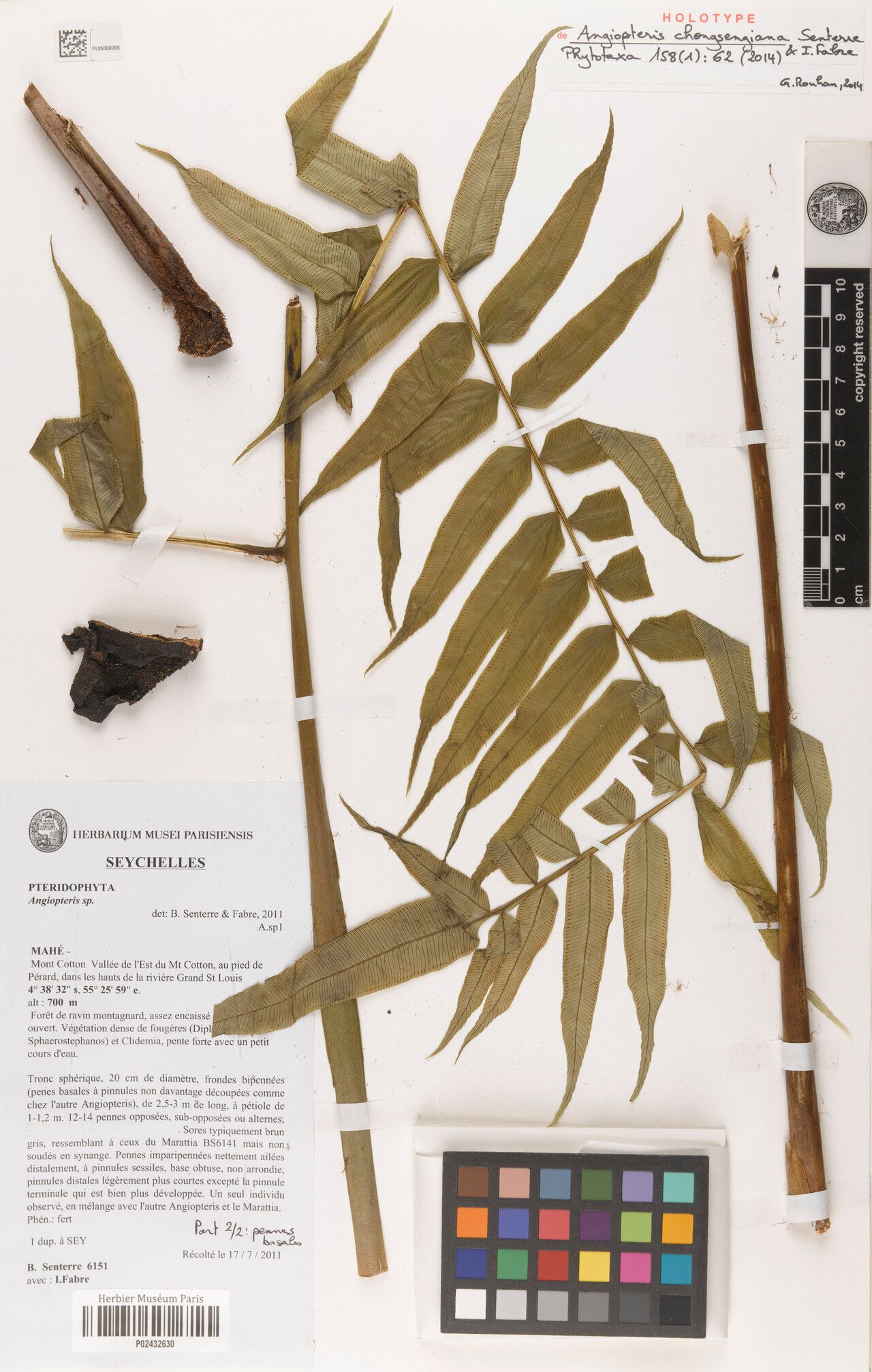
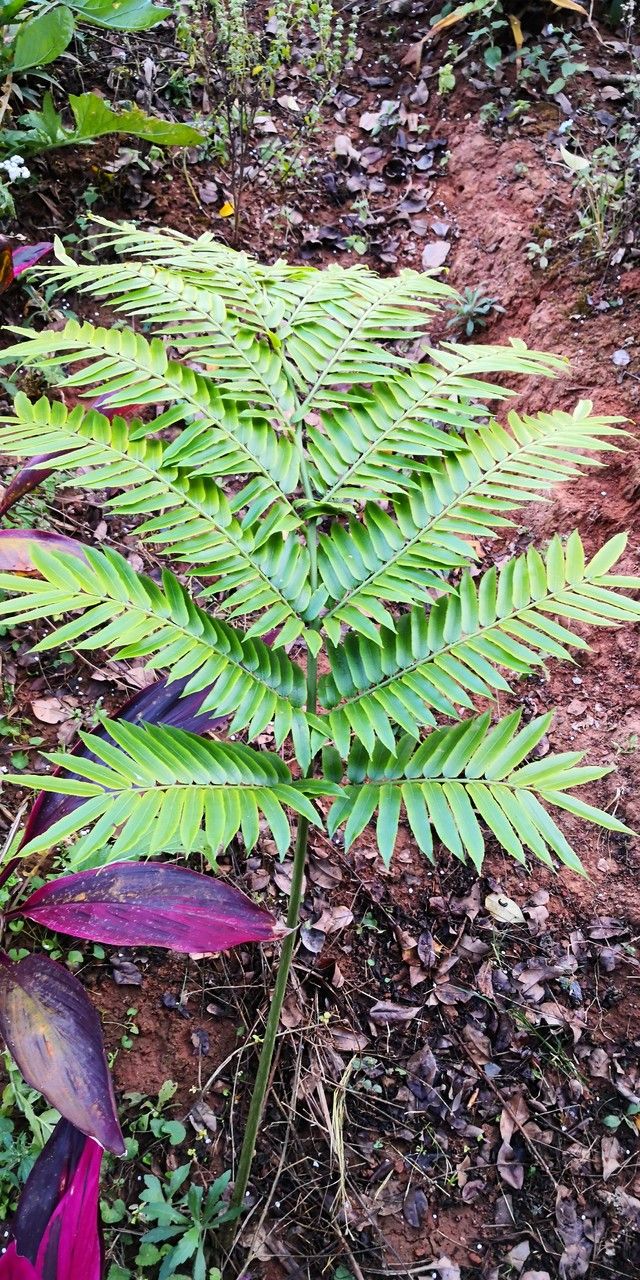
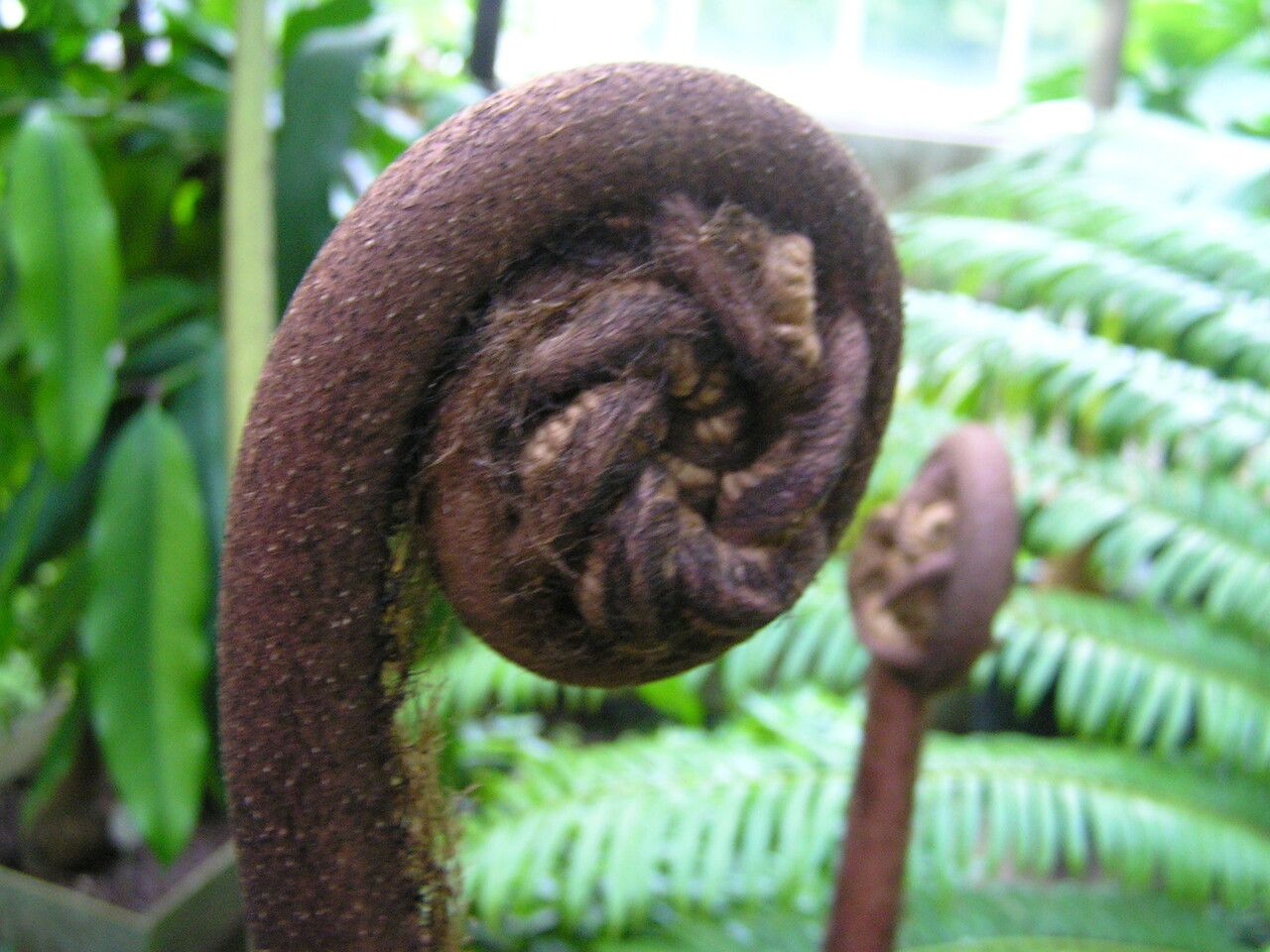
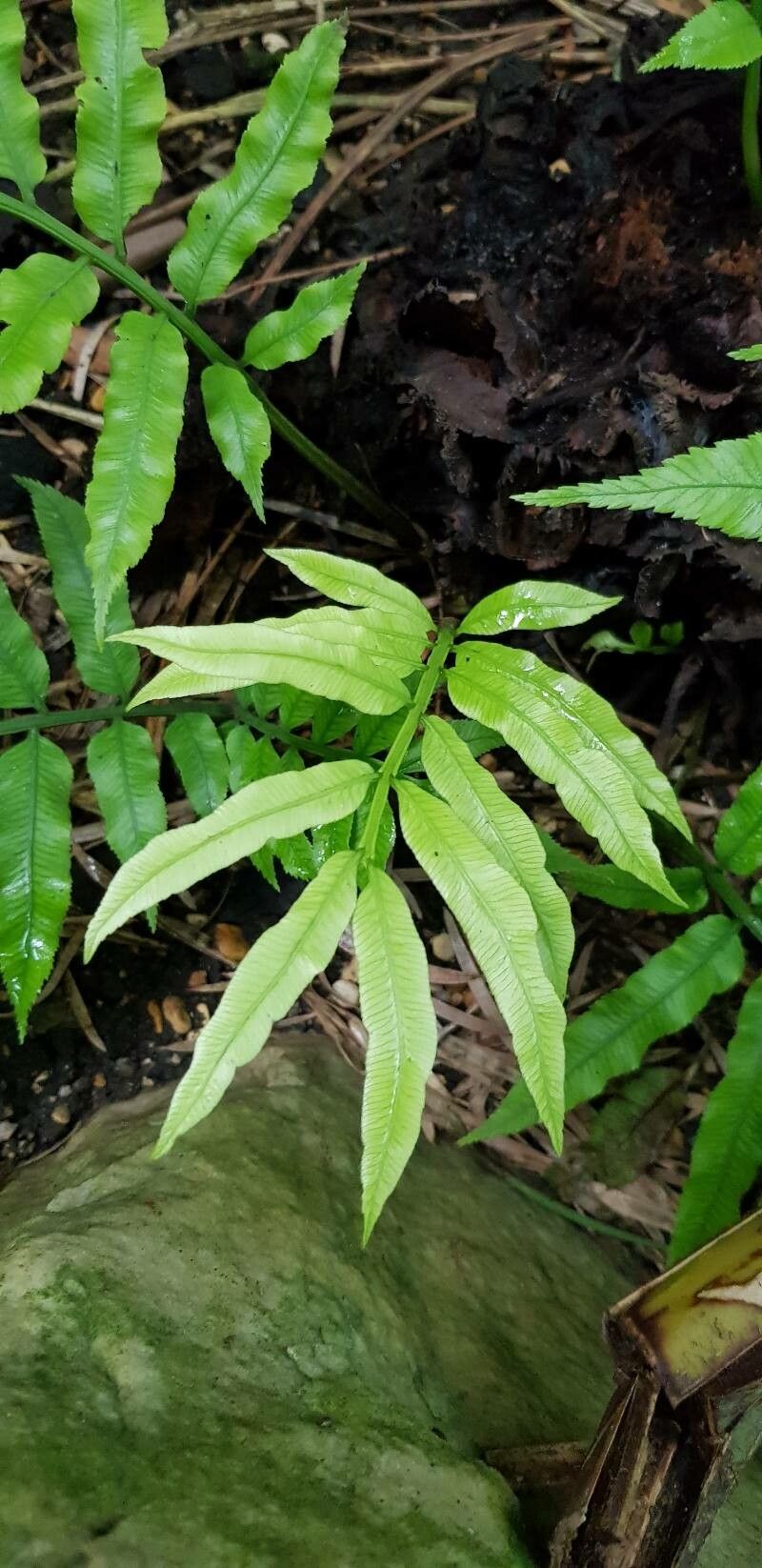
Angiopteris evecta, commonly known as the king fern, giant fern, elephant fern, oriental vessel fern, Madagascar tree fern, or mule's Foot fern, is a very large rainforest fern in the family Marattiaceae native to most parts of Southeast Asia and Oceania. It has a history dating back about 300 million years, and is believed to have the longest fronds of any fern in the world.
The Oriental vessel fern has strong resistance to disease and is generally not prone to illnesses. However, it can be vulnerable to pests and diseases present in its surroundings. Such infections are usually mild. Regarding care, this plant requires a moderate amount of maintenance. It should be pruned regularly to preserve a good appearance and support healthy growth. Fertilization can also help encourage flowering. The Oriental vessel fern is suitable for anyone with outdoor space, such as a garden or patio, and does not demand extensive care experience. It may need more attention when kept indoors.
How to keep Angiopteris Evecta.
Light
Oriental vessel fern develops well when exposed to a substantial part of the day's sunlight, yet it is not dependent on it. A lack of light can adversely affect its growth. Native to an environment with these conditions, it tolerates both excessive and insufficient light, although scorching sun can be harmful.
Water
The oriental vessel fern, native to humid tropical regions, thrives in moist soil and consistent humidity. To keep its foliage healthy, water the plant weekly, but be cautious to avoid overwatering, which can lead to root rot. As an evergreen, it retains its leaves throughout the year, so careful water management is essential to support its growth cycles.
Temperature
Oriental vessel fern is indigenous to areas where temperatures generally fall between 41 to 100 °F (5 to 38 ℃). It performs best within that range. With seasonal changes, cautious temperature adjustments may be needed to replicate its natural habitat.
Fertilizer
Usually a single fertilizer treatment in spring is enough for the Oriental vessel fern, but repeated feedings can maximize growth. Fertilize every one to one and a half months. Feeding improves the leaves' appearance and function, maintaining even color and a healthy texture. It also promotes root development and nutrient uptake for the plant's long-term health.
Pruning
The Oriental vessel fern is an ancient plant that thrives in humid, shaded environments. To promote growth and improve air circulation, it is important to prune dead fronds between early and late spring. Be sure to use sterilized shears during the pruning process. Remember to wear gloves, as the edges of the fronds can be sharp. Regular pruning not only reduces the risk of pests but also enhances the overall vigor of the plant.
Botanical profile.
- Plant Type
- Herb
- Life Cycle
- Perennial
- Genus
- Angiopteris
- Family
- Marattiaceae
- Hardiness Zone
- 4-11
- Mature Height
- 2.13 m to 3.05 m
- Mature Spread
- 3.05 m
- Leaf Color
- Green
- Leaf Type
- Evergreen
- Flower Color
- Yellow, Red, Orange
- Bloom Time
- Summer, Fall
- Planting Time
- Spring
- Native Area
- Sri Lanka, India, Malaysia, Vanuatu, Philippines, Bangladesh, Laos, Fiji, Solomon Islands, Indonesia, Cambodia, Vietnam, Myanmar, Papua New Guinea, Bhutan, Singapore, Thailand
Other names.
Reader questions.
What are the sunlight requirements for Oriental vessel fern?
Oriental vessel fern thrives in conditions that offer a considerable portion of the day's sun but can adapt well even without constant sun exposure. It requires about 3-6 hours of sunlight daily to maintain optimal growth. However, direct scorching sun might be harmful to the plant. If natural sunlight is insufficient, especially during winter or in less sunny spaces, artificial lighting can be an excellent alternative. Indoor plants benefit from LED lights or other suitable artificial lights, ensuring they receive the necessary wavelengths for growth. Full sun plants should have 30-50W/sq ft, partial sun plants 20-30W/sq ft, and full shade plants 10-20W/sq ft of artificial light. The lighting setup should mimic natural conditions by adjusting the distance (12-36 inches above the plant) and duration (8-12 hours per day) of light exposure.
What is the native temperature range for Oriental vessel fern?
The Oriental vessel fern, known botanically as Angiopteris evecta, is native to regions with temperatures typically ranging from 41 to 100 °F (5 to 38 °C). It thrives best within this temperature spectrum, requiring careful adjustments as seasons change to mimic its natural environment. Despite its strong cold resistance, special frost protection measures are generally unnecessary during winter, except when temperatures are expected to drop below -30°C. In such cases, cold protection can be provided by covering the plant with soil or straw, and it's recommended to water the plant abundantly before the first freeze in autumn to ensure the soil remains moist and enters a frozen state, which helps prevent drought and water scarcity for the plant during winter and early spring.
How can insufficient light affect the Oriental vessel fern, and what are the symptoms?
When grown indoors with insufficient light, Oriental vessel fern may show several symptoms indicating light deficiency. These include smaller new leaves, leggy or sparse growth, faster leaf drop, slower or stopped growth, and lighter-colored or chlorotic new leaves. Direct, intense sunlight exposure can lead to sunscald, leaf curling, wilting, and leaf scorching. These symptoms reflect the plant's struggle to adapt to inadequate light conditions, affecting its health and appearance.
How does the Oriental vessel fern react to low temperatures?
The Oriental vessel fern is notably cold-tolerant, flourishing when temperatures are above 5°C and ideally kept above -25°C during winter months. However, if the temperature dips below -30°C, you might not notice immediate changes in the plant over winter, but there could be a decrease in sprouting or, in some cases, no sprouting at all come spring. The recommended solution for any parts of the plant that fail to sprout in spring is simply to remove those parts.
What solutions are recommended for Oriental vessel ferns struggling with inadequate light exposure?
To combat inadequate light exposure for Oriental vessel ferns, gradually acclimate them to sunnier spots by moving them to locations with increased sunlight each week, aiming for 3-6 hours of direct sunlight daily. For large or immovable indoor plants, supplementing with artificial light, such as keeping a lamp on for at least 8 hours a day or using professional grow lights, can provide adequate light. For outdoor plants, avoid sudden changes in light to prevent sunburn. If sunlight is blocked by obstructions like trees, consider pruning to improve light filtration. For smaller plants, transplanting during their dormant period to a sunnier location with good drainage can improve their health. Remember, while new growth can show improved health following increased light exposure, parts of the plant that have already been affected may not recover.
What should be done if the Oriental vessel fern experiences high temperatures?
In times of summer heat, it's crucial to ensure that the Oriental vessel fern's surroundings do not exceed 38°C. Should temperatures surpass 43°C, the plant's leaves may lighten, become prone to curling, suffer from sunburn, and in severe instances, the entire plant might wilt and dry out. To mitigate these risks, sunburned and dried-up parts of the plant should be trimmed away. It is advisable to relocate the plant to a shaded area, particularly away from the midday and afternoon sun, or to install a shade cloth. Moreover, to maintain soil moisture, watering the plant during the morning and evening hours is recommended.