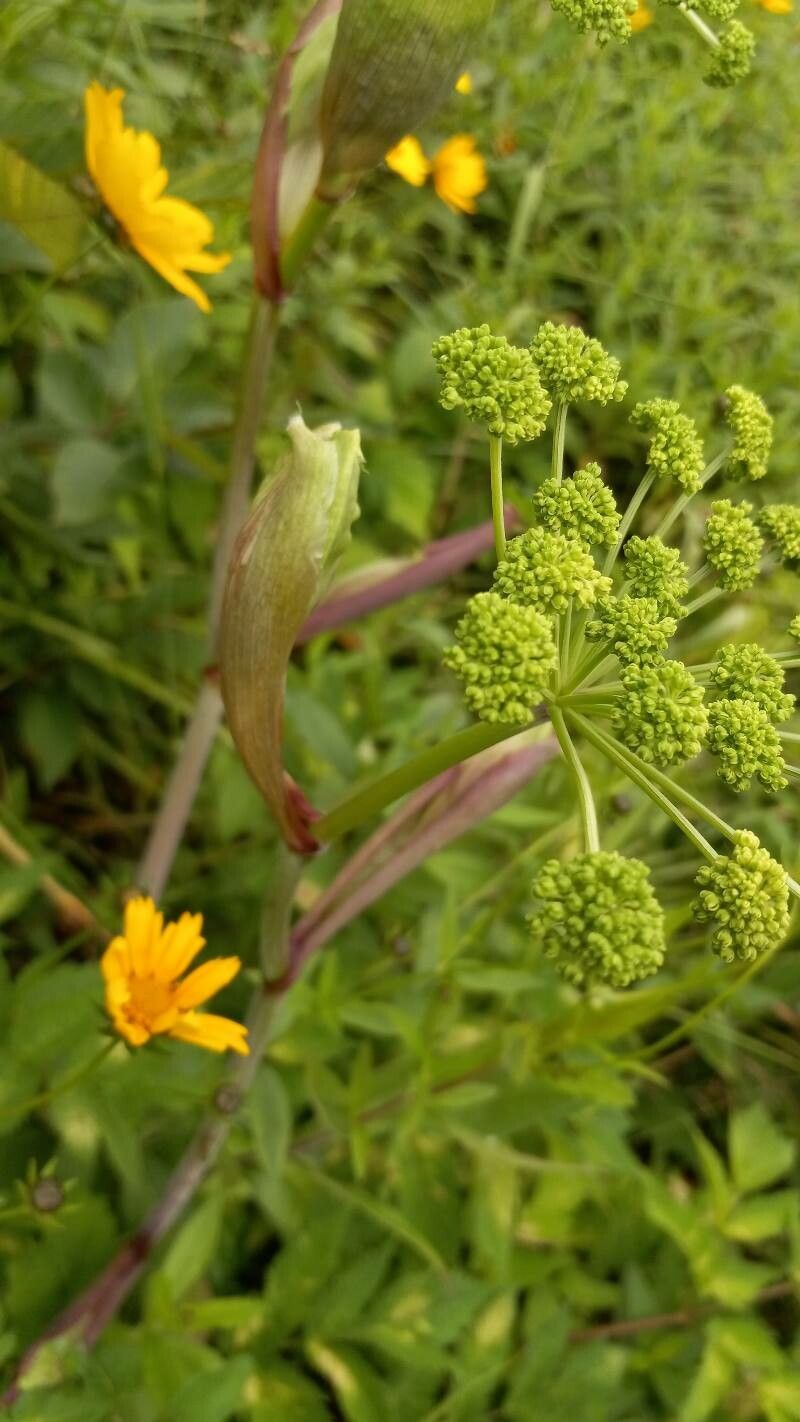
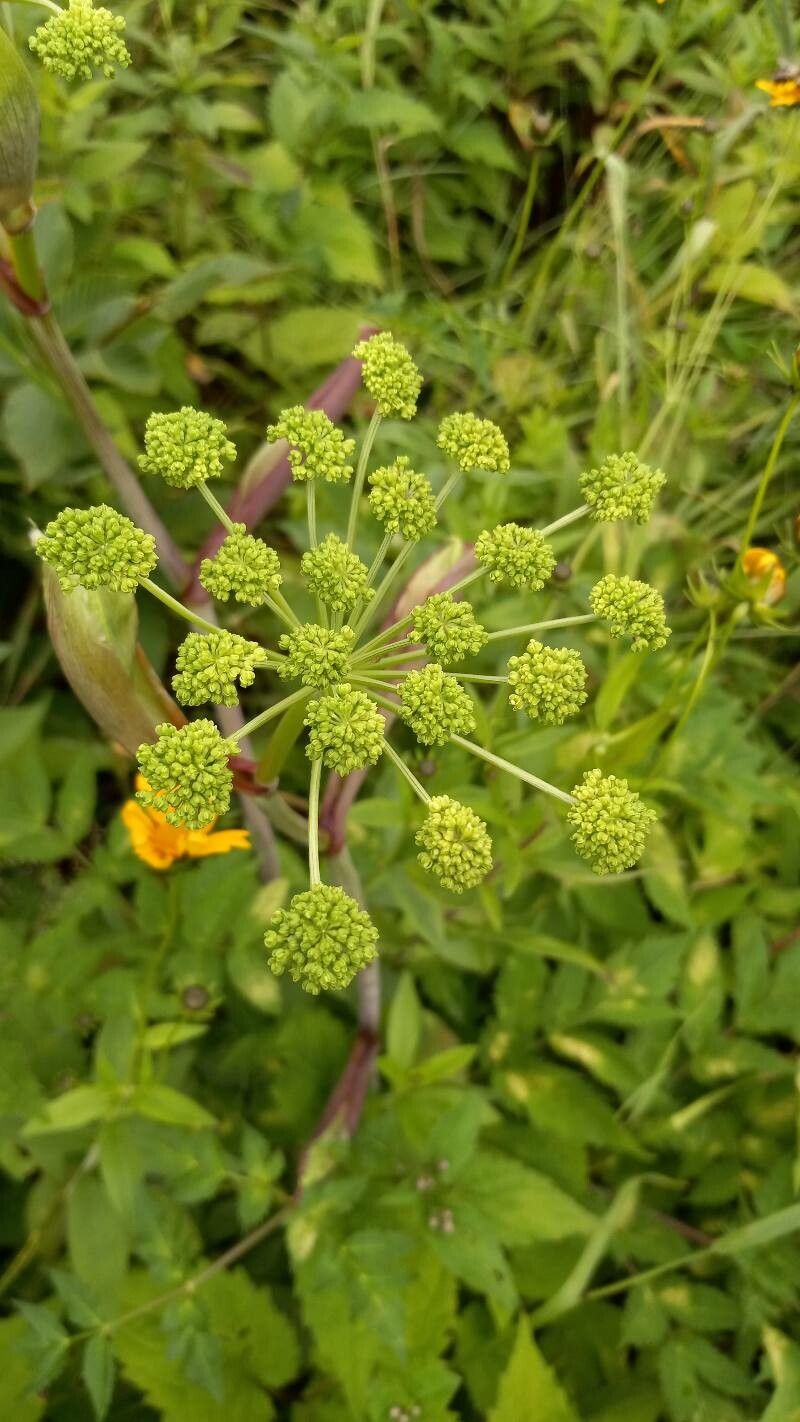
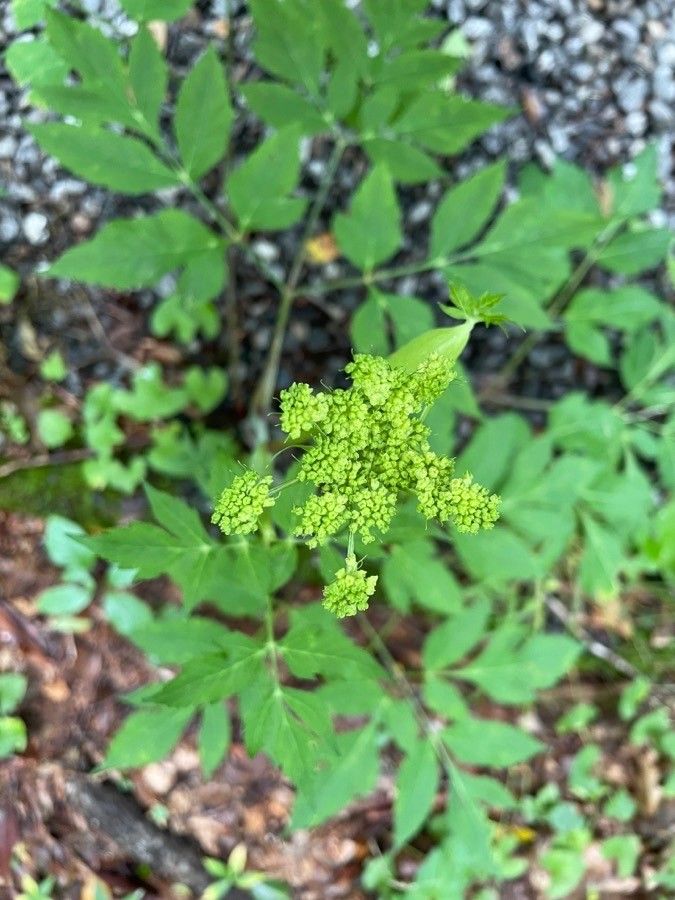
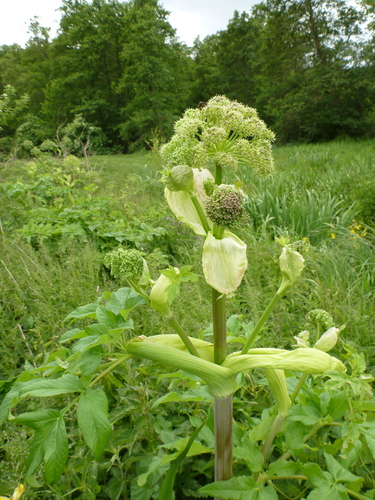
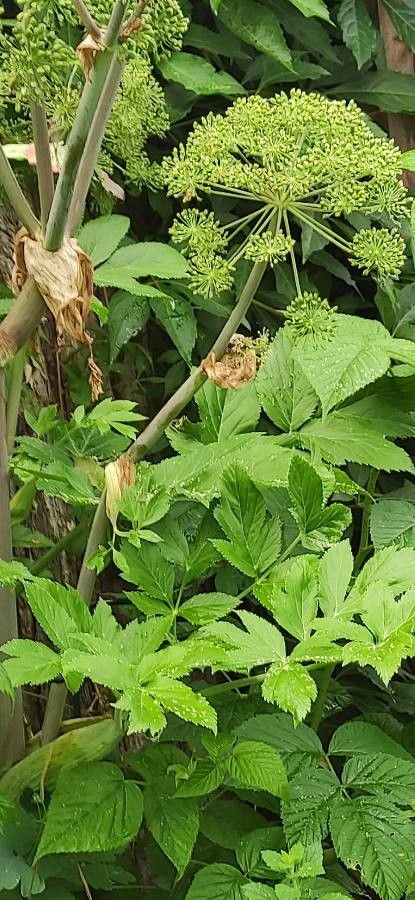
Angelica triquinata, known by the common name of filmy angelica, is a member of the carrot family, Apiaceae. It is a perennial herb, native to the Appalachian Mountains in the eastern United States, from Georgia to Pennsylvania.
Filmy angelica is fairly resistant to disease and is typically not prone to illnesses. However, it can be vulnerable to pests and diseases present in its environment. Such infections are generally mild. Regarding care, the plant needs moderate maintenance. It should be pruned regularly to preserve a good appearance and promote healthy growth. Applying fertilizer can also encourage flowering. Filmy angelica is appropriate for anyone with an outdoor area, such as a garden or patio, and does not require extensive care experience. It may need more attention when grown indoors.
How to keep Angelica Triquinata.
Light
Filmy angelica grows naturally in habitats like forest understories or rocky sites, where it is subject to natural shade. It prefers partial sun but can acclimate to full sun or deep shade, reflecting its adaptable, hardy nature.
Water
Filmy angelica thrives in moist woodland environments, preferring consistent moisture and high humidity. Although it can tolerate moderate drought, it grows best in evenly damp soil and requires weekly watering. This plant is well-suited for outdoor cultivation, with its growth cycle heavily dependent on water availability. Therefore, careful irrigation is crucial during its active growth period.
Temperature
Filmy angelica is native to temperate environments and grows best at temperatures between 41 and 89.6 °F (5 and 32 °C). It prefers milder climates and may need its conditions adjusted during seasonal changes to mimic its natural habitat.
Fertilizer
A single spring application of fertilizer is generally enough for Filmy angelica, though repeated feedings can maximize its growth. Feed it every month to every month and a half. Fertilization improves the leaves’ appearance and function, helping maintain even color and a healthy texture. It also encourages root development and nutrient uptake for long-term plant health.
Pruning
Filmy angelica features tall, ridged stems topped with umbrella-shaped clusters of white flowers. To encourage growth and improve air circulation, prune the plant from early to late spring. Thoughtful pruning can enhance flowering and boost the plant's overall health, ensuring you don't disturb its natural growth pattern.
Pot & Repot
When repotting Filmy angelica, select a pot 1–2 inches (2.5–5.1 cm) larger with good drainage. Use a well-draining potting mix. Repot in spring or fall, making sure the root ball sits slightly below the rim of the flower pot. Water thoroughly after repotting and place it in a warm spot with indirect sunlight.
Botanical profile.
- Plant Type
- Herb
- Life Cycle
- Perennial
- Genus
- Angelica
- Family
- Apiaceae
- Hardiness Zone
- 5-8
- Mature Height
- 2.13 m
- Mature Spread
- 91 cm
- Leaf Color
- Green, Dark Green
- Leaf Type
- Deciduous
- Flower Color
- White
- Flower Size
- 0.25 cm to 0.51 cm
- Bloom Time
- Early summer, Mid summer
- Planting Time
- Spring, Summer
- Harvest Time
- Late summer, Early fall
Other names.
Reader questions.
How much sunlight does Filmy angelica (Angelica triquinata) require?
Filmy angelica, botanically known as Angelica triquinata, thrives under varying amounts of sunlight. For partial sun exposure, it requires about 3-6 hours of sunlight, while full sun exposure means the plant should receive above 6 hours of sunlight. It's important to observe how sunlight transitions across your garden, ensuring you place your Filmy angelica in spots that offer an ideal mix of light and shade. This careful positioning is crucial for the plant's wellness and growth.