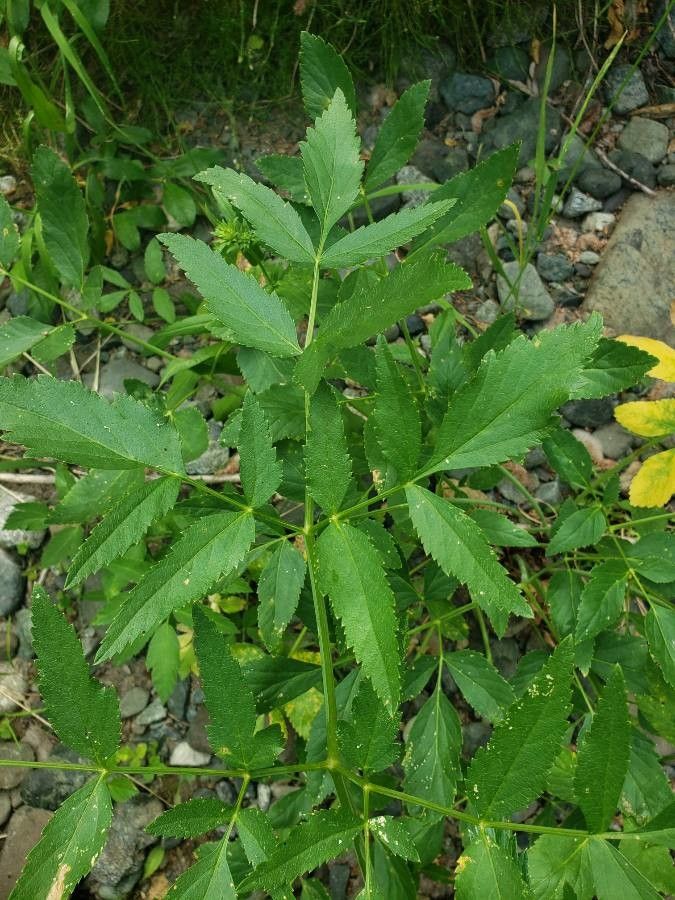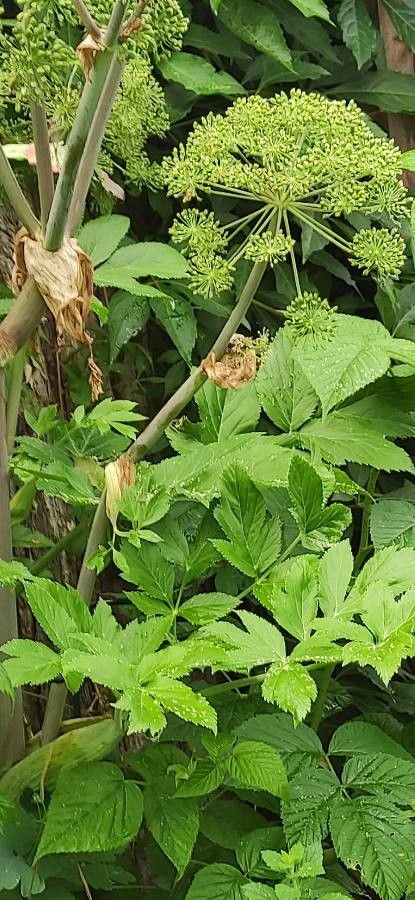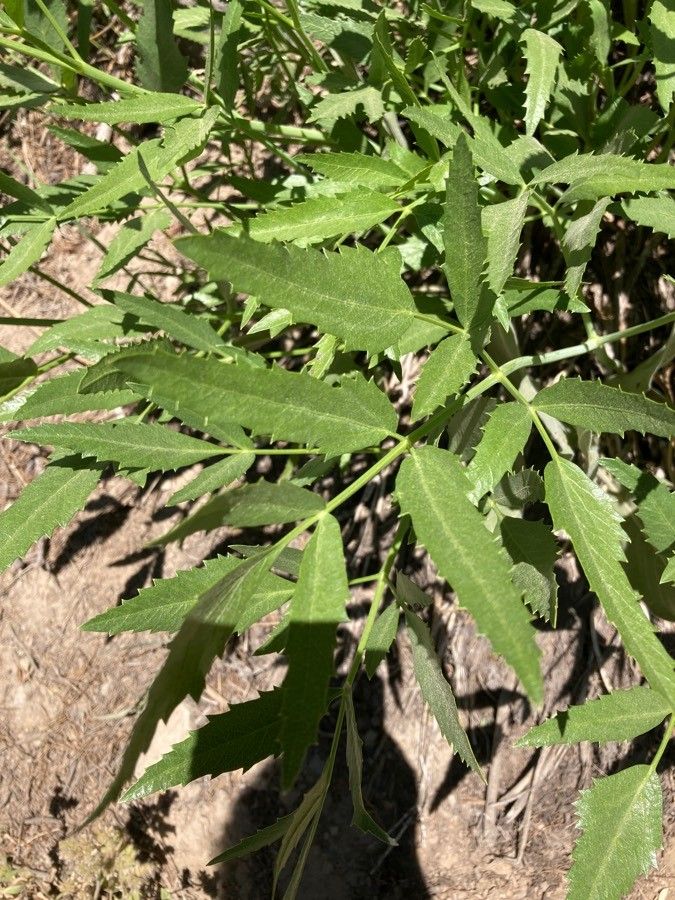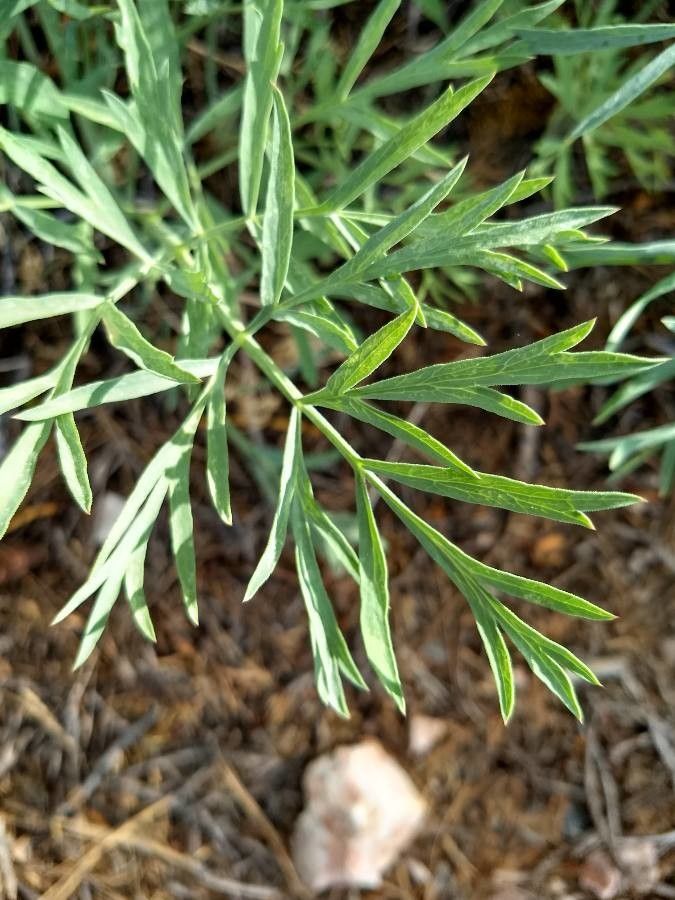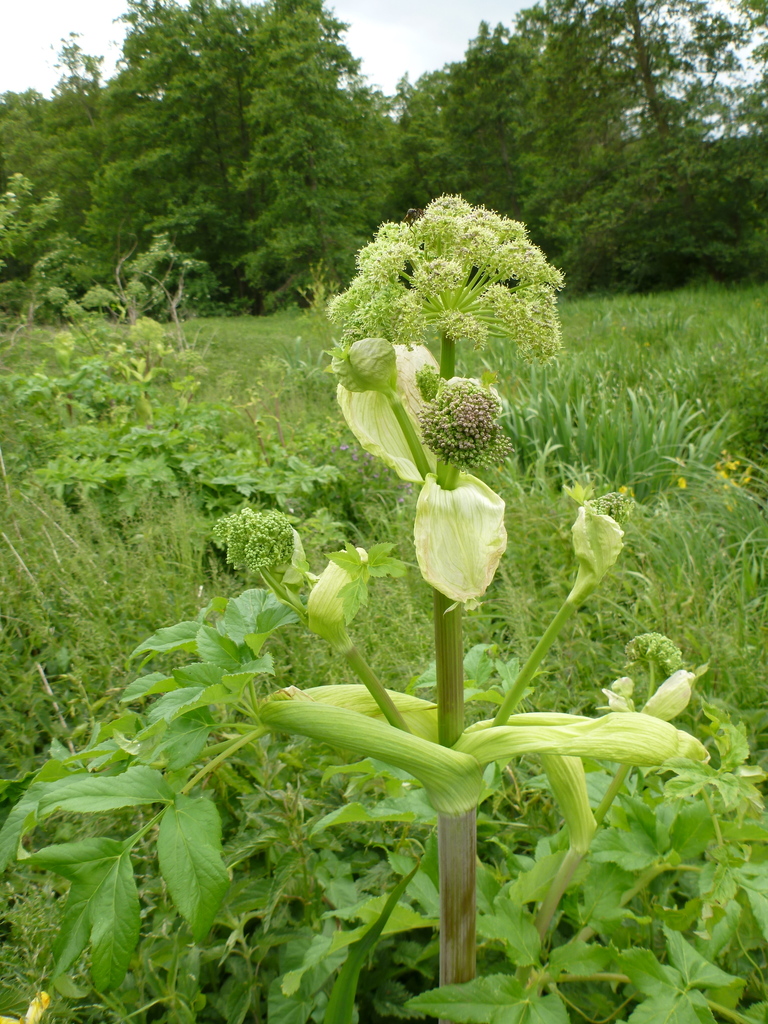
Angelica archangelica, commonly known as garden angelica, wild celery, and Norwegian angelica, is a biennial plant from the family Apiaceae, a subspecies of which is cultivated for its sweetly scented edible stems and roots. Like several other species in Apiaceae, its appearance is similar to several poisonous species (Conium, Heracleum, and others), and should not be consumed unless it has been identified with absolute certainty. Synonyms include Archangelica officinalis Hoffm. and Angelica officinalis Moench.
Garden angelica has moderate resistance to disease but can be affected by problems like leaf spot. Its vulnerability to insect pests differs by variety, though many cultivars have relatively low pest resistance. For care, garden angelica requires consistent watering and fertilizing, and yellow leaves should be pruned regularly. It is important to address pests and diseases as they arise and to harvest the plant at the proper time. Garden angelica is best for people who can dedicate some time and energy to ongoing care.
How to keep Angelica Archangelica.
Light
Garden angelica grows best when exposed to plenty of light throughout the day, since that supports its healthy growth and development. It can also tolerate sites with somewhat reduced light, but prolonged periods of low sunlight can limit its growth. This preference is partly due to its evolution in naturally well-lit habitats.
Water
Garden angelica flourishes in cool, moist climates and requires regular watering to stay healthy, without becoming waterlogged. To keep it thriving, water the plant weekly. Since garden angelica is an herbaceous perennial, it benefits from watering patterns that mimic rainfall. This approach supports strong growth during its active season.
Temperature
Garden angelica is native to areas with mild climates, where temperatures typically range from 68 to 95°F (20 to 35°C). To achieve the best growth, keep these warm temperatures. Seasonal adjustments may be necessary, especially during colder months.
Fertilizer
To maximize the yield and flavor of garden angelica, provide sufficient nitrogen during the entire growth period, from before planting through to harvest. Keep plants well-watered and fertilized to encourage plentiful, healthy leaves and to reduce bitterness. Before planting, improve the soil by adding organic matter such as compost or manure, preferably 2 to 8 weeks beforehand.
Pruning
Garden angelica is a hardy perennial known for its tall stems and clusters of flowers. To help it thrive, it's important to prune it in early spring. Start by cutting back any dead stems to encourage new growth and improve airflow. Additionally, remove any spent flowers to help strengthen the roots. Timely pruning boosts the plant's vigor, enhances its resistance to disease, and improves its overall appearance.
Toxicity
As treats, candied leaves and stalks have been utilized in the past. Angelica can pose some major health risks despite its extensive usage in folk medicine. Fresh roots are dangerous, thus they must be completely dried before usage. If dogs or cats eat it, it is poisonous. The signs of angelica tree poisoning will start to show up right away or right after intake or contact with the tree.
Further reading →
The toxicity and danger assessments provided are for reference only. We do not assure their accuracy, so it's crucial not to depend on them. Seek professional advice when necessary for accurate guidance.
Botanical profile.
- Plant Type
- Herb
- Life Cycle
- Perennial, Biennial, Annual
- Genus
- Angelica
- Family
- Apiaceae
- Hardiness Zone
- 4-8
- Mature Height
- 2.13 m
- Mature Spread
- 1.22 m
- Leaf Color
- Green, Yellow
- Leaf Type
- Deciduous
- Flower Color
- Green, Yellow, White
- Flower Size
- 10.16 cm to 30.48 cm
- Bloom Time
- Late spring, Early summer
- Planting Time
- Spring
- Harvest Time
- Mid summer
- Native Area
- Europe, Greenland, West Siberia
Other names.
Reader questions.
How should I water my Garden angelica plant?
The Garden angelica has specific requirements for watering, including the method used. Indiscriminate watering can harm your tomatoes. To effectively water the Garden angelica, it is best to apply water directly to the soil, in a slow and gentle manner. Avoid pouring all the water at once or using overhead watering. Slow and deep watering ensures the entire soil around the Garden angelica is adequately moistened.
Why should I put fertilizer on my Garden angelica?
Garden angelica is a fast-growing plant that puts in a lot of effort to make the tasty root vegetables we love. To grow and produce roots, Garden angelica species need sunlight, oxygen, water, and nutrients. Usually, these nutrients are available in garden soil due to the decomposition of organic matter both in and on top of the soil. However, there may be situations where the nutrients aren't sufficient for healthy Garden angelica growth. In those cases, fertilizer can give Garden angelica the boost it requires.
What are the sunlight requirements for Garden Angelica?
Garden Angelica requires full sun, defined as above 6 hours of sunlight a day, to thrive optimally. However, it can also grow under partial sun conditions, which means about 3-6 hours of sunlight daily. It's crucial to observe how sunlight moves through your garden to choose spots that provide a perfect balance of light and shade for your plants, thus ensuring their growth and happiness.
What is the optimal temperature range for growing Garden angelica?
Garden angelica thrives in regions with mild climates, ideally where temperatures range between 68 to 95°F (20 to 35°C). For optimal growth, it's important to maintain these warm temperatures throughout the year. Seasonal adjustments might be necessary, especially during the colder months, to ensure the plant remains within this temperature range. Keeping the temperature above 20°C during winter cultivation benefits the plant's growth, and measures should be taken to prevent the temperature from dropping below freezing point to avoid freezing damage.
What should I do if I give too much or too little water to my Garden angelica?
If you've overwatered your Garden angelica and are worried about the risk of disease, take immediate action. The best approach is to remove the plant from its current location and let its roots dry before replanting it in an area with good drainage. If you grow in pots, consider moving the plant to a pot with better drainage holes. On the other hand, if you've underwatered your plant, simply water it more frequently.
What time should I fertilize my Garden angelica plant?
To prepare your soil for planting, apply natural fertilizer. There is no specific timeframe to adhere to, but allow enough time to incorporate the fertilizer into the soil and water it thoroughly before planting seeds or seedlings. Generally, a single application of fertilizer is sufficient to maintain healthy growth of Garden angelica throughout the season. However, if you wish to increase their yield further, you may apply an additional round of fertilizer once the seedlings have established themselves. Ensure not to overuse fertilizer as it may harm the plants.
How essential is sunlight for the growth of Garden Angelica?
Sunlight is extremely essential for the growth and development of Garden Angelica. This plant thrives well when bathed in ample light throughout the day, which fuels its healthy growth. Garden Angelica shows resilience in areas with somewhat lesser light too but extended periods of insufficient sunlight could hinder its growth. Its preference for abundant light stems from its evolutionary origins in natural environments filled with light.
How should I protect Garden angelica during very cold temperatures?
When outdoor temperatures approach -5°C (25°F) during winter, it's crucial to protect Garden angelica from the cold. This can be done by bringing the plant indoors or providing protection through a temporary greenhouse or covering the plant with materials such as plastic film or fabric. Garden angelica has a moderate tolerance to low temperatures, but ideally, it should not be exposed to conditions below 0°C. In cases where the temperature falls below -30°C, the leaves may darken, and symptoms of water-soaked necrosis, wilting, and drooping can occur. If frost damage happens, trim away the damaged parts and move the plant to a warm environment indoors, preferably near a south-facing window for ample sunlight. Supplemental lighting may be used if natural light is insufficient.
How often do I need to water my Garden angelica?
To properly care for Garden angelica, it is important to provide a significant amount of water during its growing season. Start by watering once or twice per week in the early parts of the season, then increase the frequency as the season advances. During the summer, you may need to water your Garden angelica as often as twice per day, depending on the weather. After the plant completes its major growth phases, you can reduce watering to about once per week until the end of the growing season.
When is the best time to not use fertilizer on my Garden angelica plant?
To ensure effective fertilization, remember to avoid applying fertilizer when the soil is dry. After fertilizing, make sure to water your plants thoroughly as this helps deliver the nutrients properly. If you prioritize the growth of foliage over the root crops, then high-nitrogen fertilizers might be suitable for you. However, take care not to let fertilizer come into contact with the base of the plant, leaves, or stems as it can potentially damage them.
What artificial lighting requirements do indoor plants, including Garden Angelica, have?
Indoor plants, including Garden Angelica, require adequate lighting for optimal growth, especially when natural sunlight is insufficient during winter or in less sunny spaces. Artificial lights, such as LED lights, offer a vital solution. These should be customized to provide specific wavelengths of light that the plants need. Full sun plants require 30-50W/sq ft of artificial light, partial sun plants need 20-30W/sq ft, and full shade plants need 10-20W/sq ft. The light source should be placed 12-36 inches above the plant to mimic natural sunlight, and most plants need 8-12 hours of light per day.
What should I do if Garden angelica experiences high temperatures?
During summer, it's important to ensure that the temperature around Garden angelica does not exceed 35°C. Exposure to temperatures above 38°C can slow down the plant's growth, lead to a lighter leaf color, and increase the risk of sunburn. To mitigate these issues, trim away the sunburned and dried-up parts of the plant. Relocate Garden angelica to a shaded area, particularly to avoid the harsh afternoon sun, and water the plant in the morning and evening to maintain soil moisture.