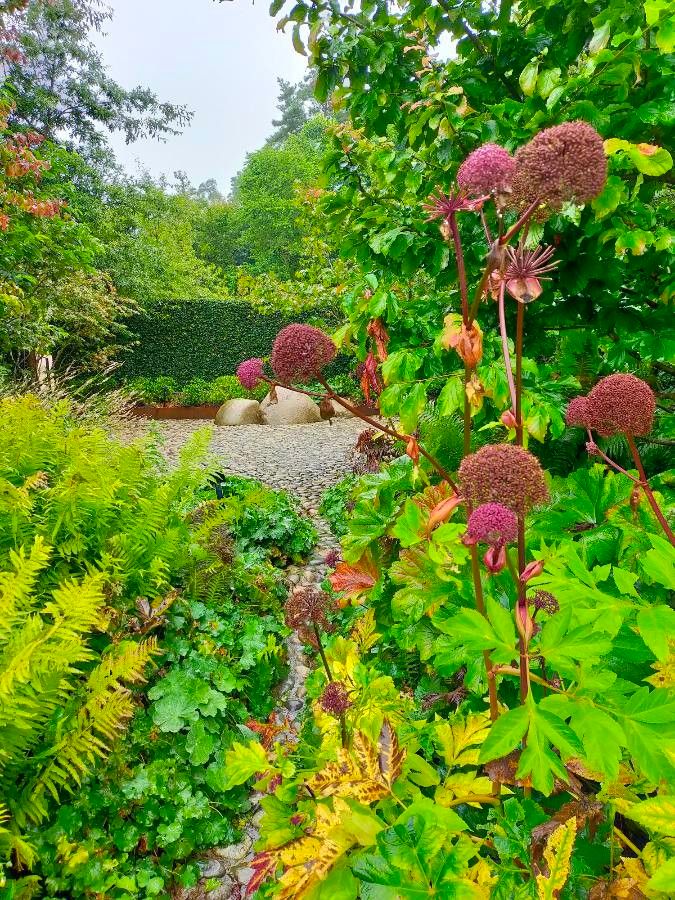
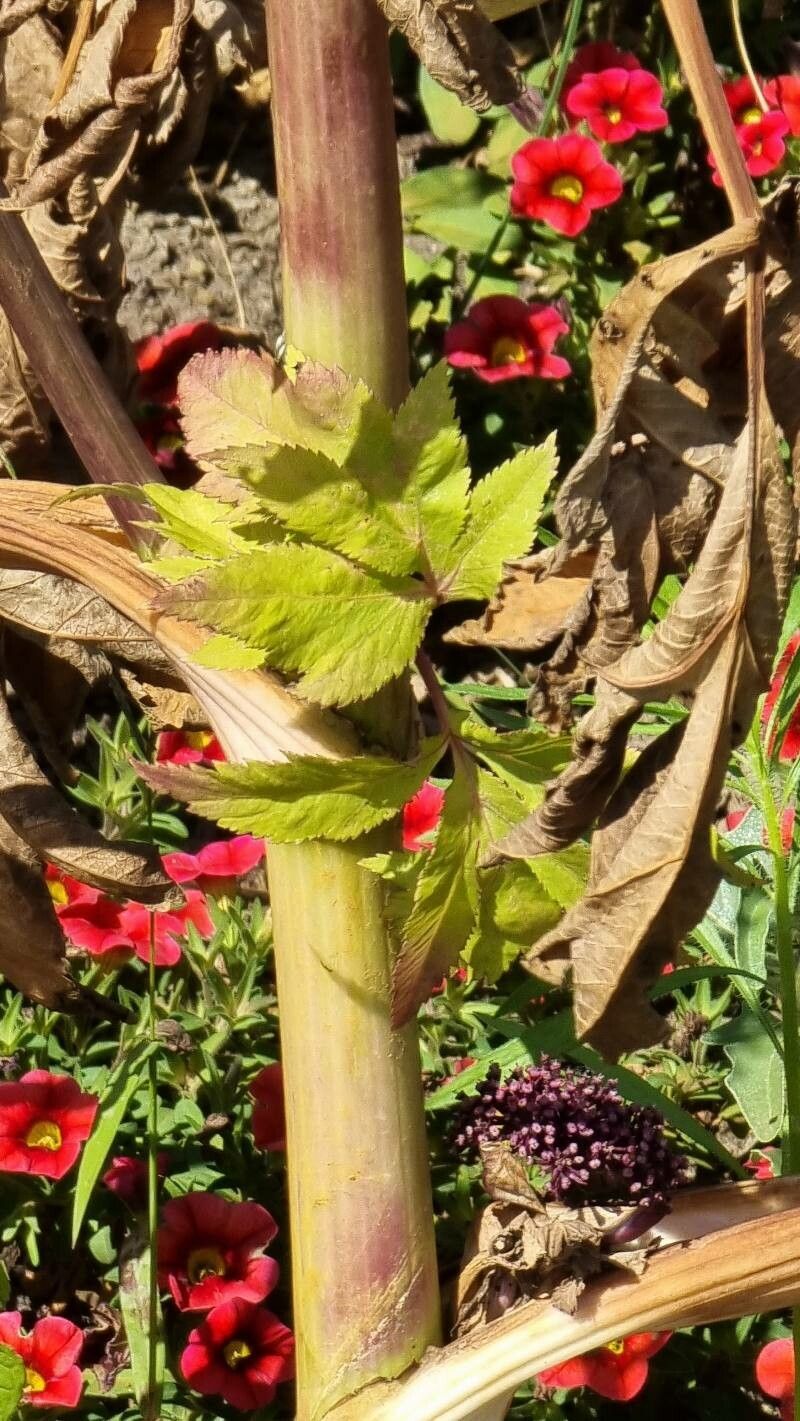
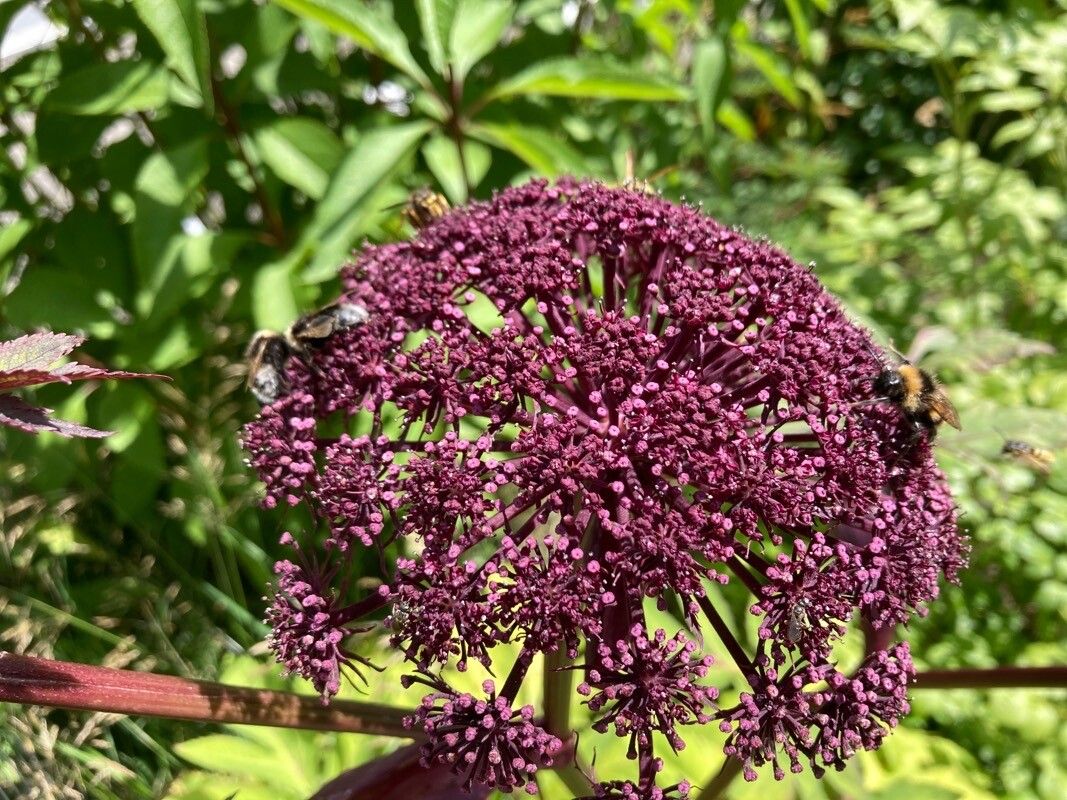
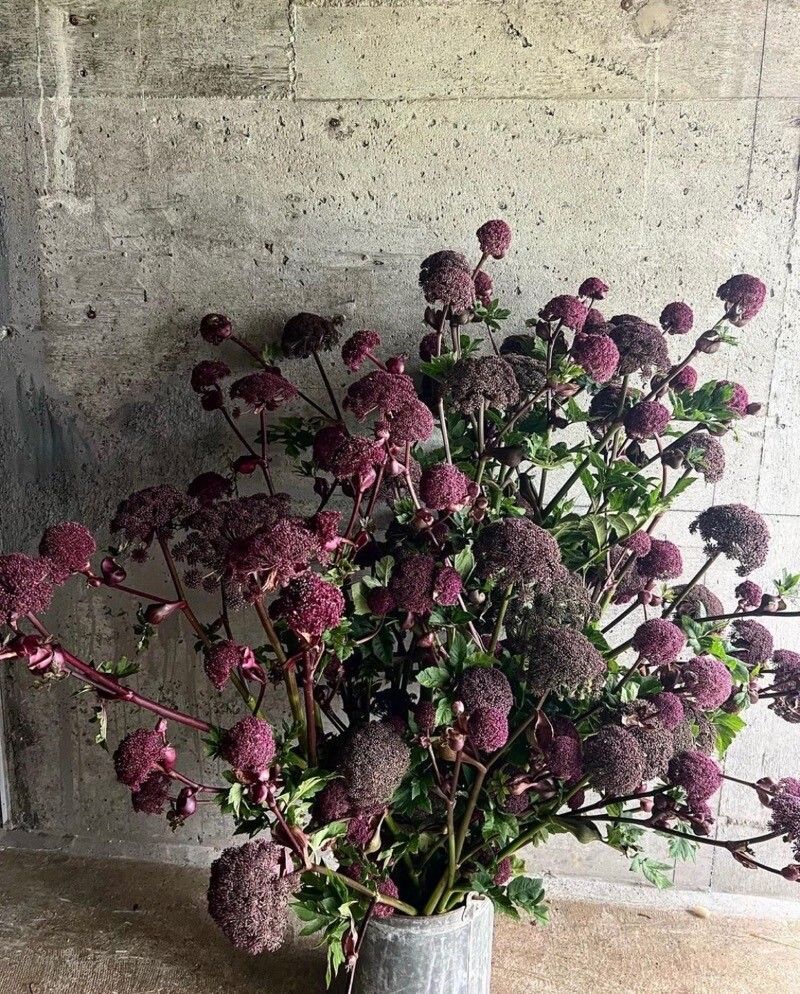
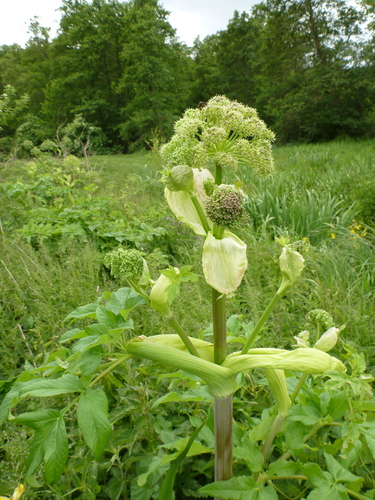
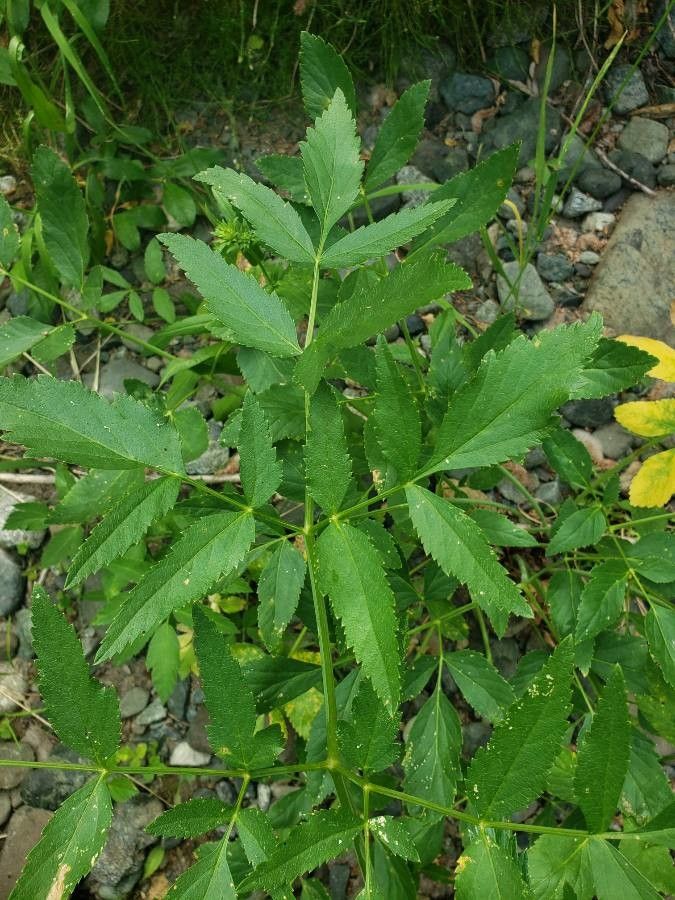
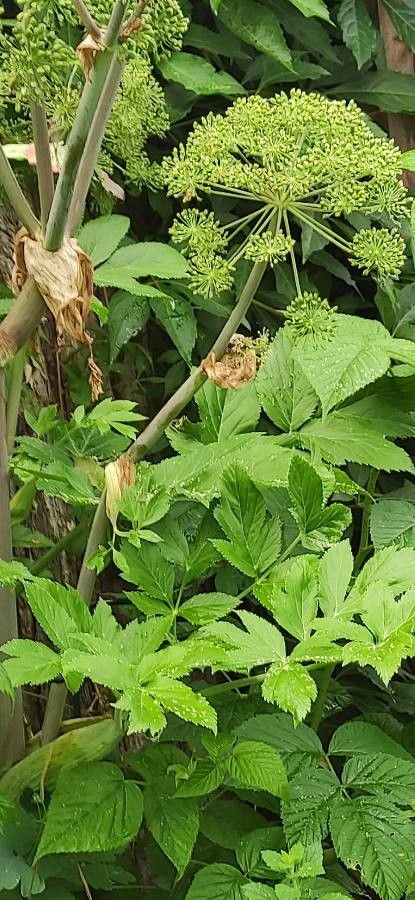
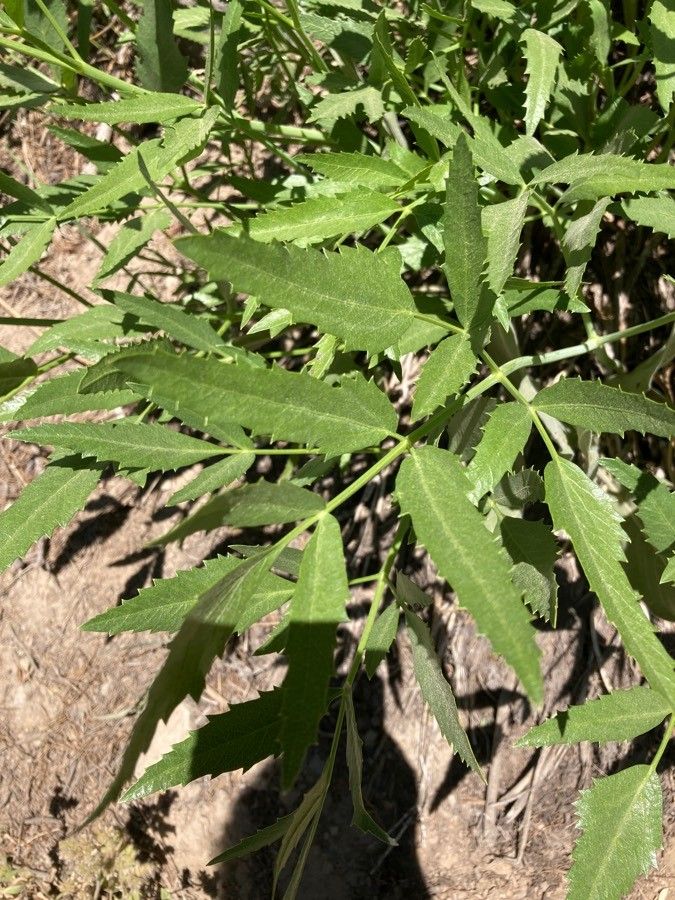
Angelica gigas, also called Korean angelica, giant angelica, purple parsnip, and dangquai, is a monocarpic biennial or short lived perennial plant from Korea and China. It inhabits forests, grasslands and banks of streams. The roots are used in traditional Chinese medicine.
Korean angelica is fairly disease-resistant and typically not highly vulnerable to illnesses. Still, it can be affected by pests and diseases present nearby. These outbreaks are generally mild. Regarding upkeep, this species needs a moderate level of care. Regular pruning is necessary to preserve a neat appearance and encourage healthy growth. Applying fertilizer can also aid in boosting flowering. Korean angelica is appropriate for anyone who has outdoor space like a garden or patio and does not demand extensive gardening experience. If cultivated indoors, it may need more attention.
How to keep Angelica Gigas.
Light
The korean angelica does best with plenty of sunlight for most of the day, though it can adapt to lower light levels provided they are not too dim. In its native habitat it commonly grows in sun-exposed locations. Too little light can slow its growth, while too much can stress the plant.
Water
Korean angelica, a plant native to East Asia, prefers consistently moist conditions and has low tolerance for drought. It thrives best in well-drained soil that is kept evenly moist, necessitating watering once a week. As an herbaceous perennial, it is well-suited for outdoor planting. This is particularly important during its active growing season when its water requirements are higher.
Temperature
Korean angelica originates from temperate regions and grows best in temperatures of 68 to 95 °F (20 to 35 ℃). In extreme temperatures, minor measures like providing shade in summer or gentle heating in winter can help maintain its healthy growth.
Fertilizer
Korean angelica requires regular feeding to encourage flowering but does not tolerate too much. It needs small, frequent applications of fertilizer throughout its entire life cycle, particularly during the peak period of active growth and while it is flowering. You should feed your Korean angelica until it stops blooming.
Pruning
Korean angelica is known for its large purple flowers and lush foliage. To keep the plant healthy, prune it from early to late spring by removing any dead stems and thinning crowded areas. This will improve air circulation. After the plant blooms, cutting it back can encourage a second round of flowering and help reduce self-seeding. Always use clean tools to prevent the spread of disease.
Botanical profile.
- Plant Type
- Herb
- Life Cycle
- Biennial, Perennial, Annual
- Genus
- Angelica
- Family
- Apiaceae
- Hardiness Zone
- 4-8
- Mature Height
- 2.44 m
- Mature Spread
- 1.52 m
- Leaf Color
- Green
- Leaf Type
- Deciduous
- Flower Color
- Purple, Red
- Flower Size
- 5.08 cm to 7.62 cm
- Bloom Time
- Mid summer, Late summer
- Planting Time
- Spring
- Harvest Time
- Early fall, Mid fall
- Native Area
- Koppen, South Korea, China
Other names.
Reader questions.
What are the sunlight requirements for Korean Angelica?
Korean Angelica thrives best in locations that provide ample sunlight throughout the day, as it is accustomed to sunny habitats in its native regions. It needs above 6 hours of sunlight to be considered in full sun, but it can also grow in partial sun, which is about 3-6 hours of sunlight. Insufficient light may hinder its growth, while too much sunlight can cause stress to the plant. To ensure your plants are happy, observe the movement of sunlight through your garden and find spots that offer a perfect balance of light and shade.
Can Korean Angelica adjust to indoor environments?
Yes, Korean Angelica can adjust to indoor environments, especially when natural sunlight is insufficient. Artificial lighting becomes crucial for optimal growth in such cases, particularly during winter or in less sunny spaces. LED lights are recommended due to their ability to be customized to provide specific wavelengths needed by plants. Full sun plants require 30-50W/sq ft of artificial light, partial sun plants need 20-30W/sq ft, and full shade plants need 10-20W/sq ft. The light source should be placed 12-36 inches above the plant, mimicking natural sunlight as closely as possible, and plants most often need 8-12 hours of light per day.
What are the symptoms of light deficiency in Korean Angelica?
Korean Angelica exhibited several symptoms when it doesn't receive enough light, including small, underdeveloped leaves as new ones grow, leggy or sparse growth making the plant look thin, faster leaf drop to conserve resources, slower or completely halted new growth, and pale or irregularly colored new leaves due to insufficient chlorophyll. Too much sunlight, however, can cause chlorosis (leaves turning yellow), sunscald (damage from intense exposure), leaf curling (a mechanism to reduce water loss), wilting (loss of turgor pressure), and leaf scorching (brown, dry, crispy leaves). These symptoms indicate the plant is either receiving too much or too little sunlight.
How can you address light-related issues for Korean Angelica?
To address insufficient light for indoor Korean Angelica plants, it's advised to gradually move them to sunnier locations until they receive at least 6 hours of direct sunlight daily. Using a south-facing window and keeping curtains open during the day can maximize sunlight exposure. For plants that are large or not easily movable, using artificial light such as desk lamps or professional grow lights for at least 8 hours daily can help. Outdoors, gradually moving plants to sunnier spots while avoiding drastic light intensity changes prevents sunburn. Reduce obstructions by pruning if necessary and consider transplanting smaller plants during their dormant period to a location with ample sunlight and good drainage. It's important to note that though parts of the plant affected by insufficient sunlight may not recover, new growth will be healthy after adjusting light exposure.