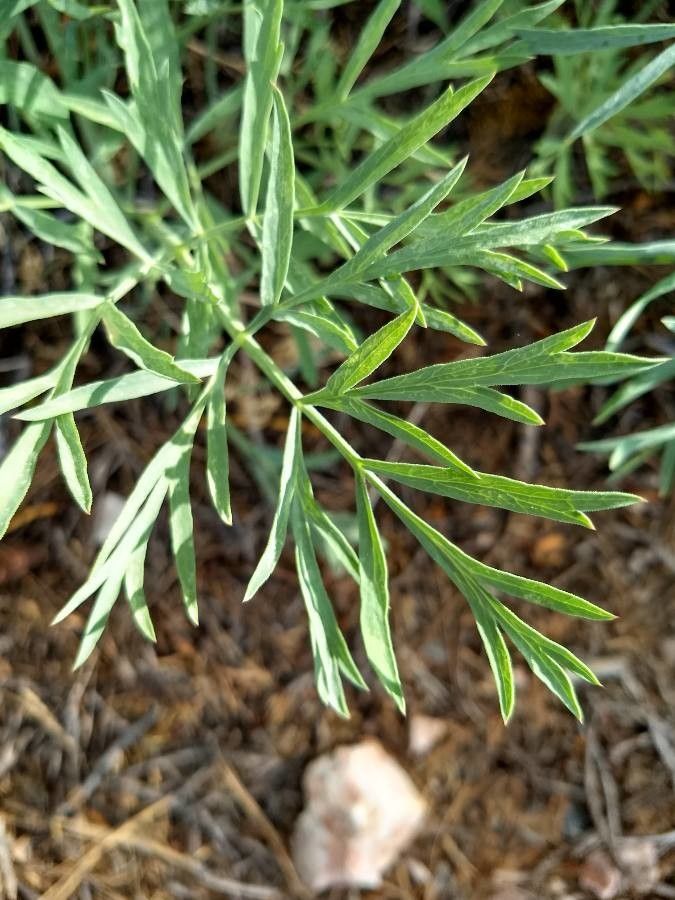
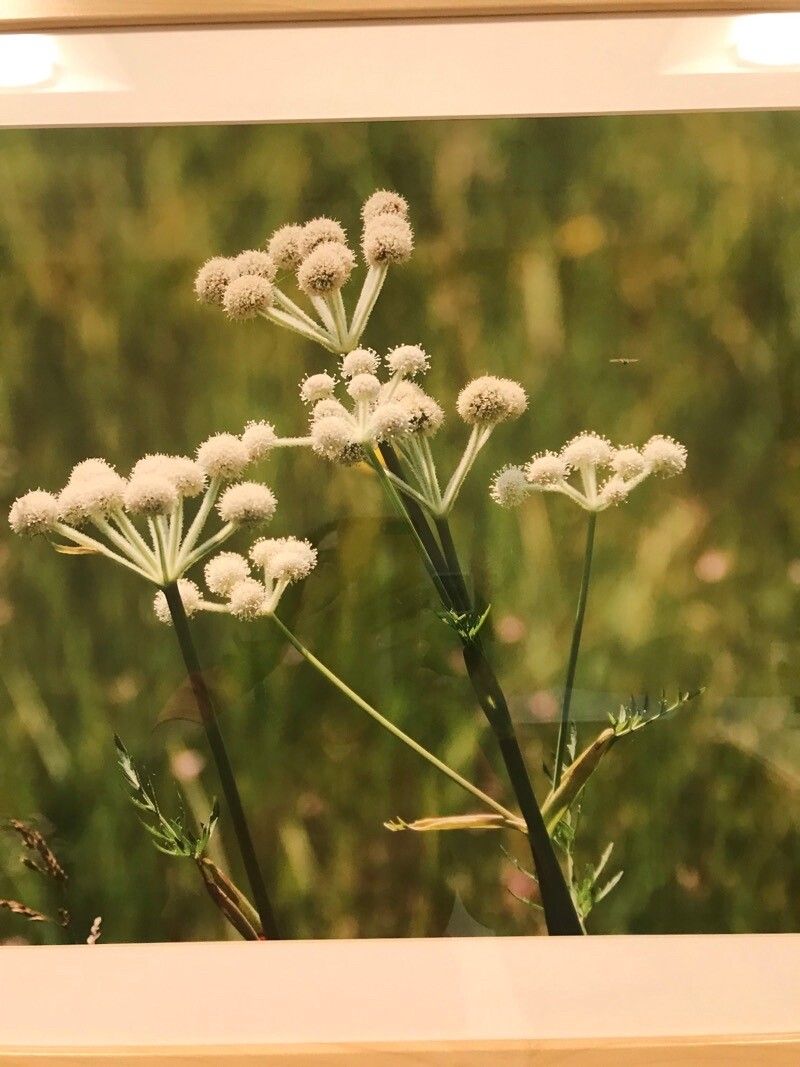
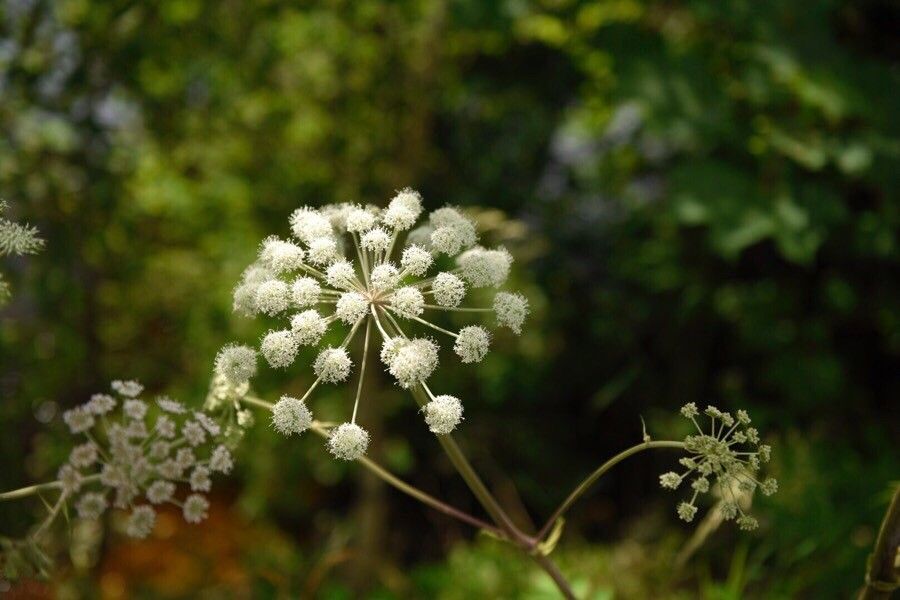
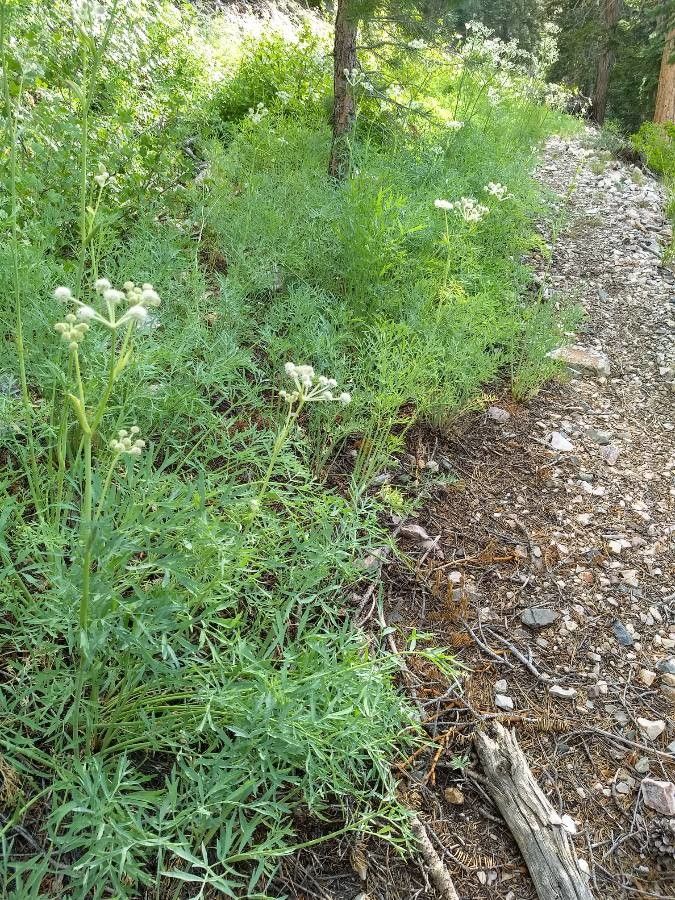
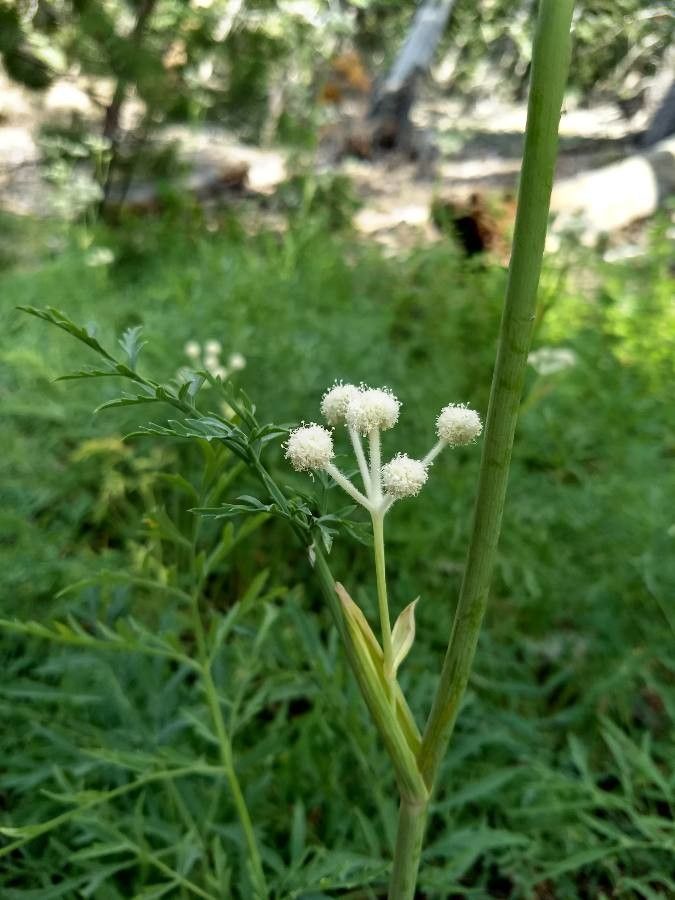
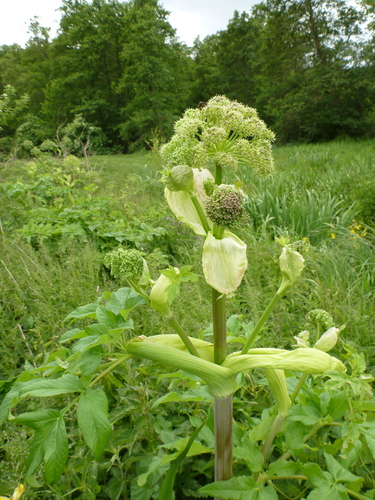
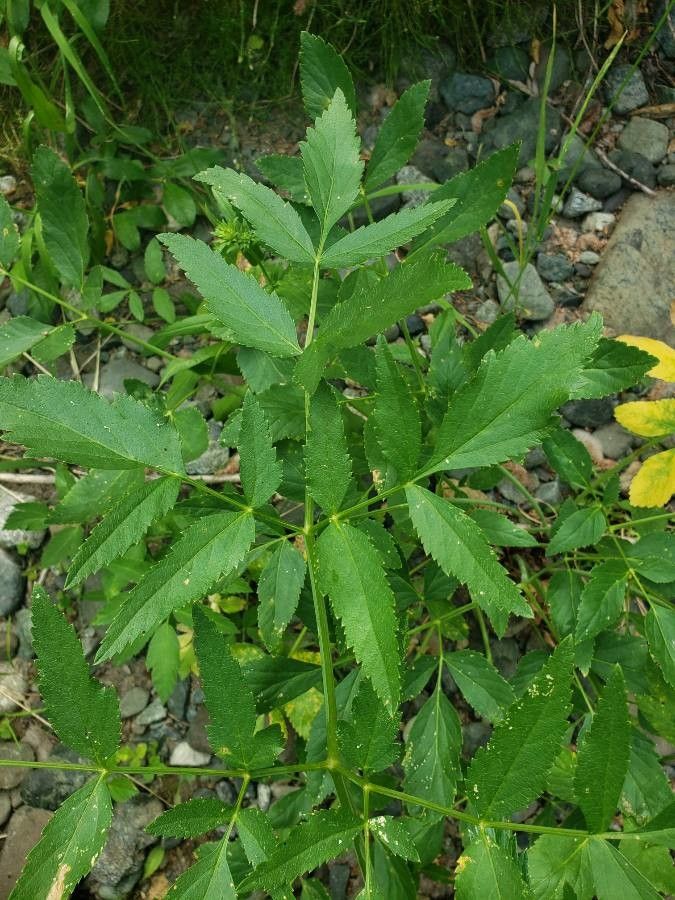
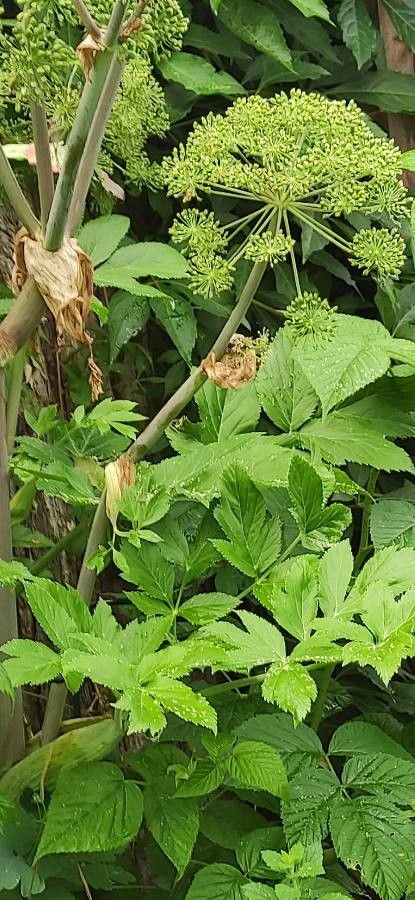
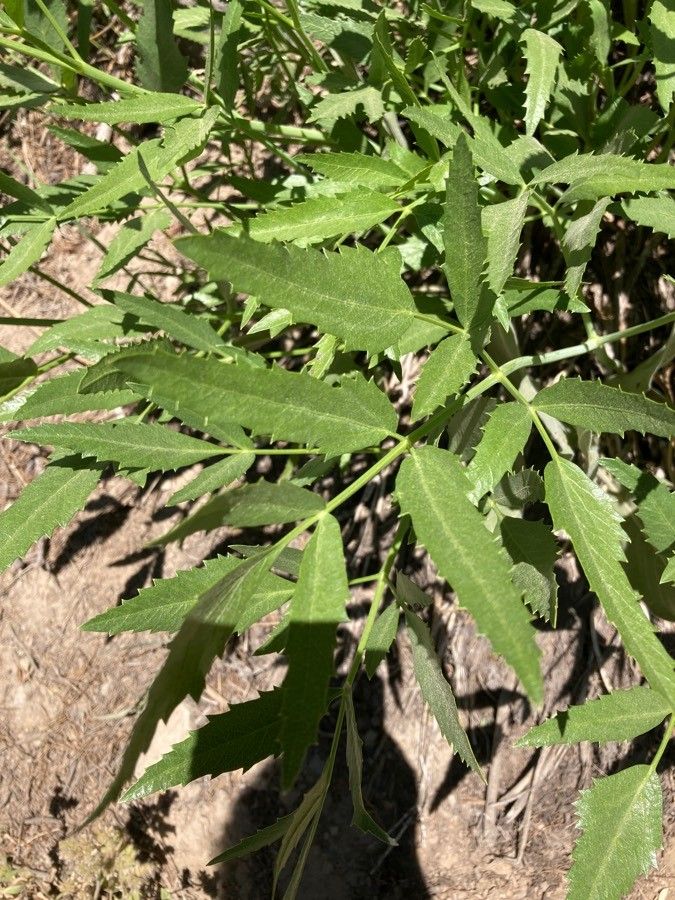
Angelica capitellata, synonym Sphenosciadium capitellatum, is a species of flowering plant in the family Apiaceae. When treated as Sphenosciadium capitellatum, it was the only species in the monotypic genus Sphenosciadium. It is known by the common names woollyhead parsnip, ranger's buttons, button parsley, and swamp white heads.
Ranger buttons are fairly resistant to disease and generally do not tend to get sick. However, they can be vulnerable to pests and diseases present in their environment. These problems are generally mild. Regarding care, this plant requires a moderate level of maintenance. It should be pruned regularly to keep a neat appearance and support healthy growth. Fertilizing can also help encourage blooming. Ranger buttons are suitable for anyone with outdoor space, such as a garden or patio, and do not demand extensive care experience. They may need more attention when grown indoors.
How to keep Angelica Capitellata.
Light
Ranger buttons prefers strong sunlight for most of the day but can also tolerate less intense light. Originating from well-lit environments, it thrives when it receives a substantial amount of sun each day. However, too little or too much sunlight can affect its healthy growth.
Water
Ranger buttons, originally from moist environments, thrive with consistent hydration. They prefer soil that is kept evenly moist and benefit from weekly watering. Their growth cycle is influenced by rainfall patterns, so during dry spells, it is important to increase watering to mimic their native habitat conditions.
Temperature
Ranger buttons thrive in climates of moderation where temperatures generally vary between 41 to 77 °F (5 to 25 ℃). It is partial to chiller environments, therefore, tweaks in temperature might be required during intensely hot summers or bitterly cold winters.
Fertilizer
Usually, a one-time application of fertilizer in spring is enough for Ranger buttons, however, to optimize their growth, it is recommended to feed them every month to month and a half. Fertilizing improves the look and function of the leaves, ensuring steady color and a robust texture. Additionally, it boosts the growth of roots and the uptake of nutrients, contributing to the overall health of the plant in the long run.
Pruning
Pruning ranger buttons in early to late spring enhances their vitality and encourages bushier growth. By removing dead stems and leggy growth, you can achieve a more balanced shape, improve airflow, and increase sunlight exposure. This practice also reduces the risk of pests and promotes more abundant blooms. Always use sanitized tools to prevent the spread of disease.
Botanical profile.
- Plant Type
- Herb
- Life Cycle
- Perennial
- Genus
- Angelica
- Family
- Apiaceae
- Hardiness Zone
- 5-6
- Mature Height
- 0.61 m to 1.52 m
- Mature Spread
- 30 cm to 61 cm
- Leaf Color
- Dark Green
- Leaf Type
- Deciduous
- Flower Color
- White
- Flower Size
- 0.25 cm to 0.51 cm
- Bloom Time
- Early summer, Mid summer
- Planting Time
- Spring
- Harvest Time
- Late summer, Early fall
Other names.