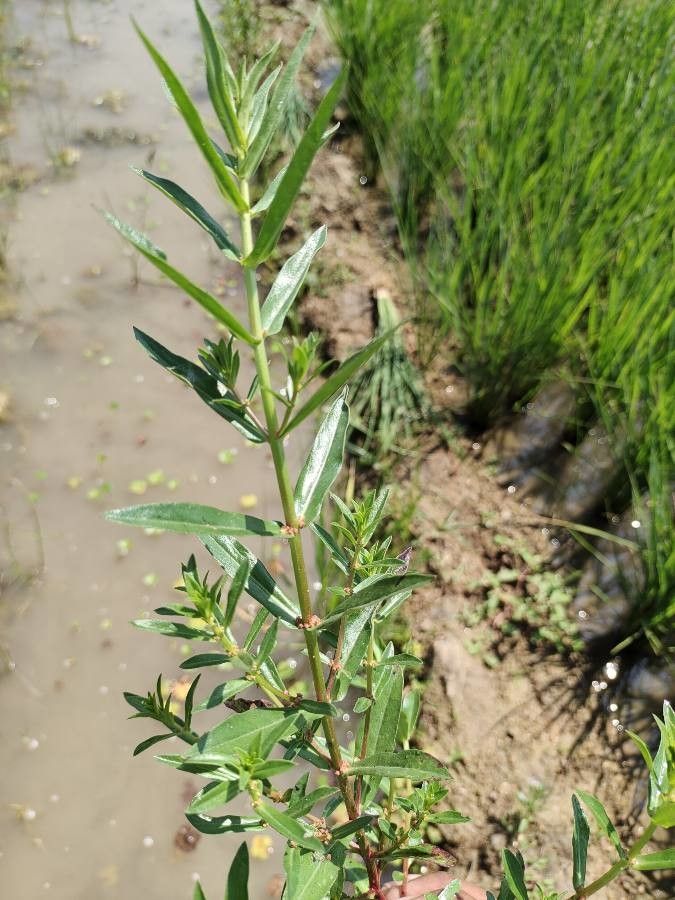
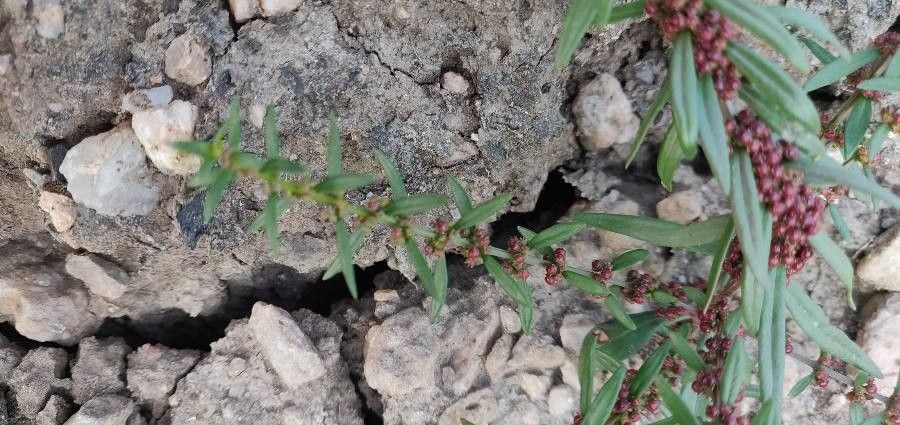
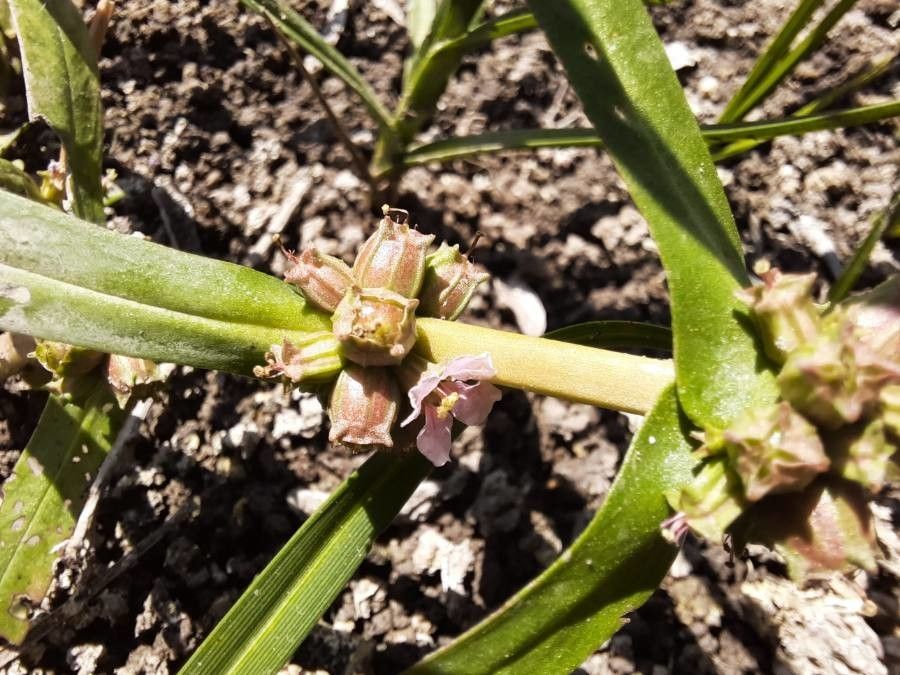
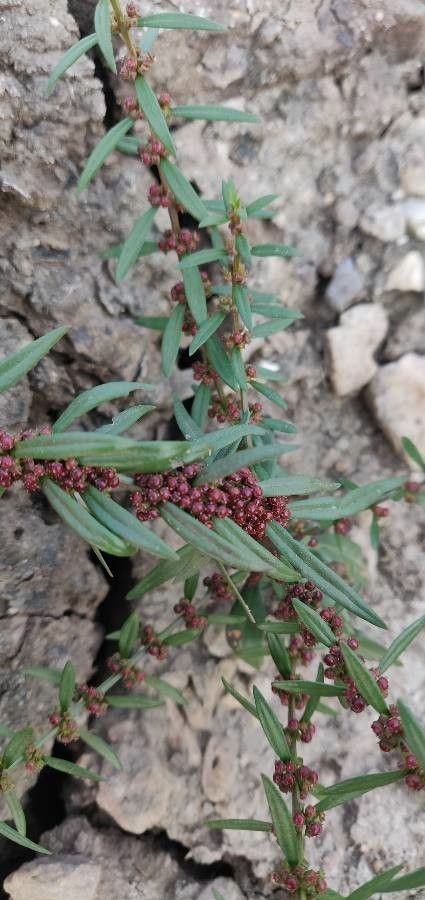
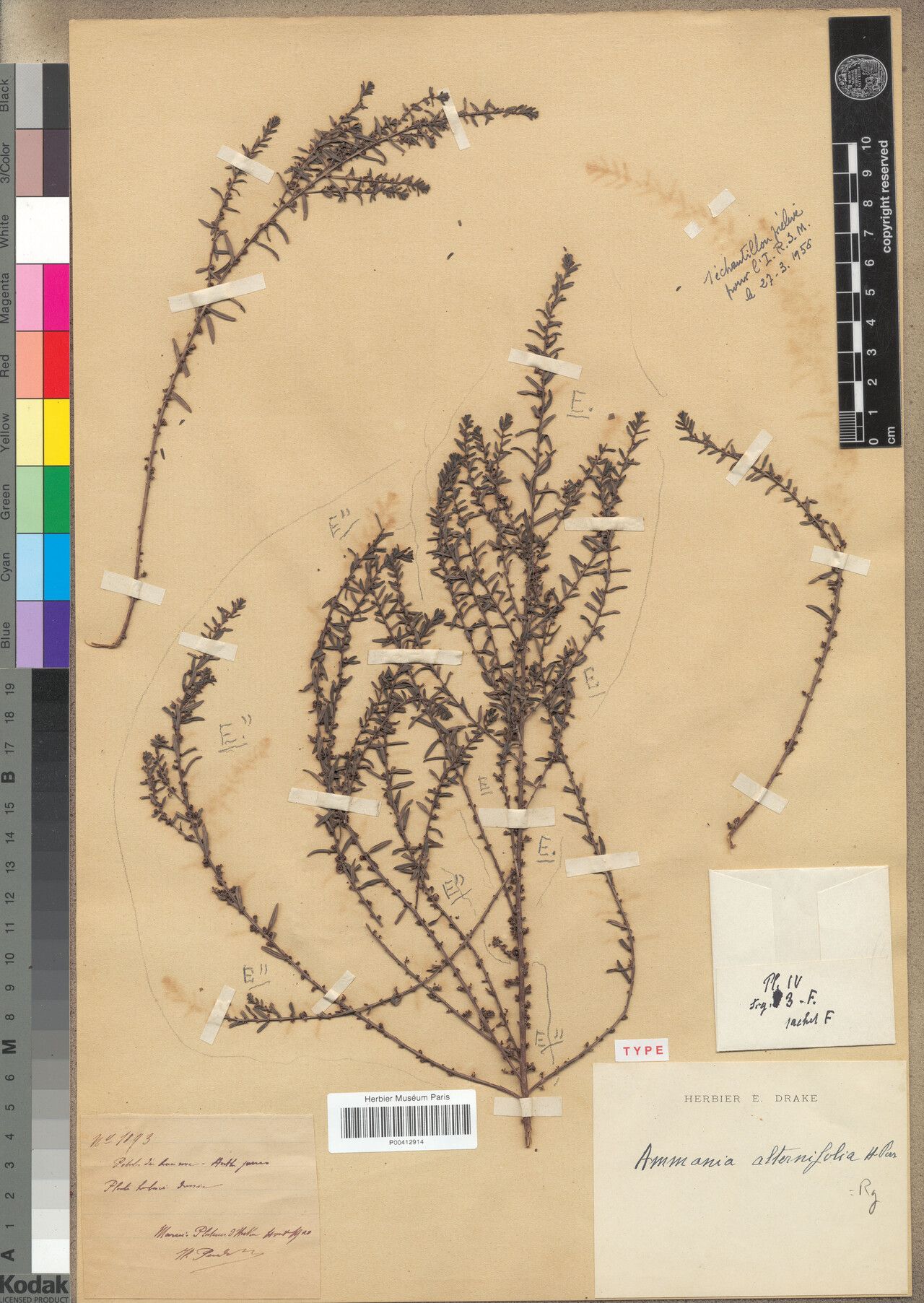
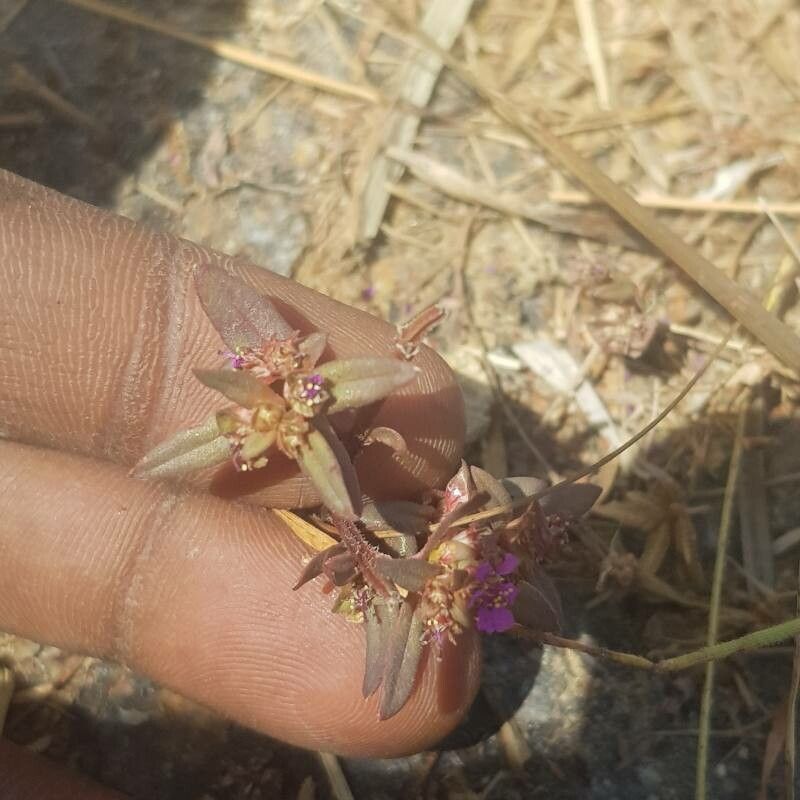
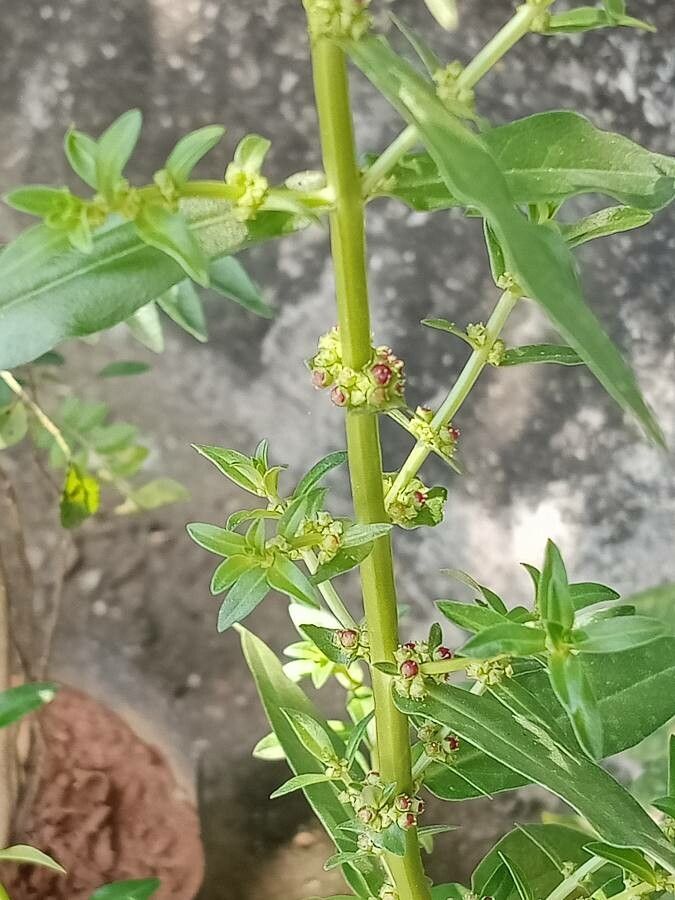
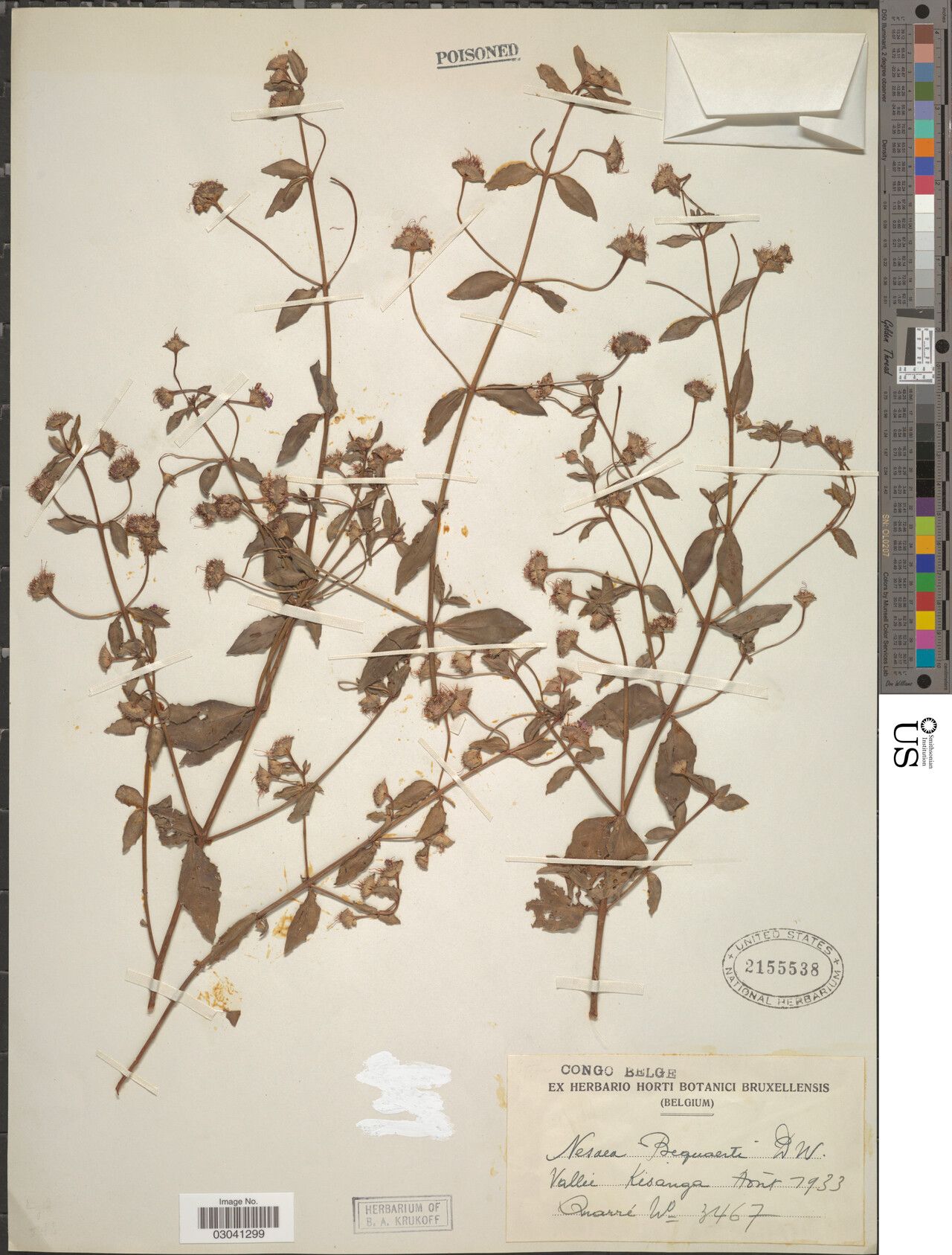
Ammannia latifolia, commonly known as "broadleaf ammannia," is a species of aquatic plant in the Lythraceae family. Native to Africa, Madagascar, and southern Asia, it typically thrives in shallow waters or wetlands and can grow up to 60 cm tall.
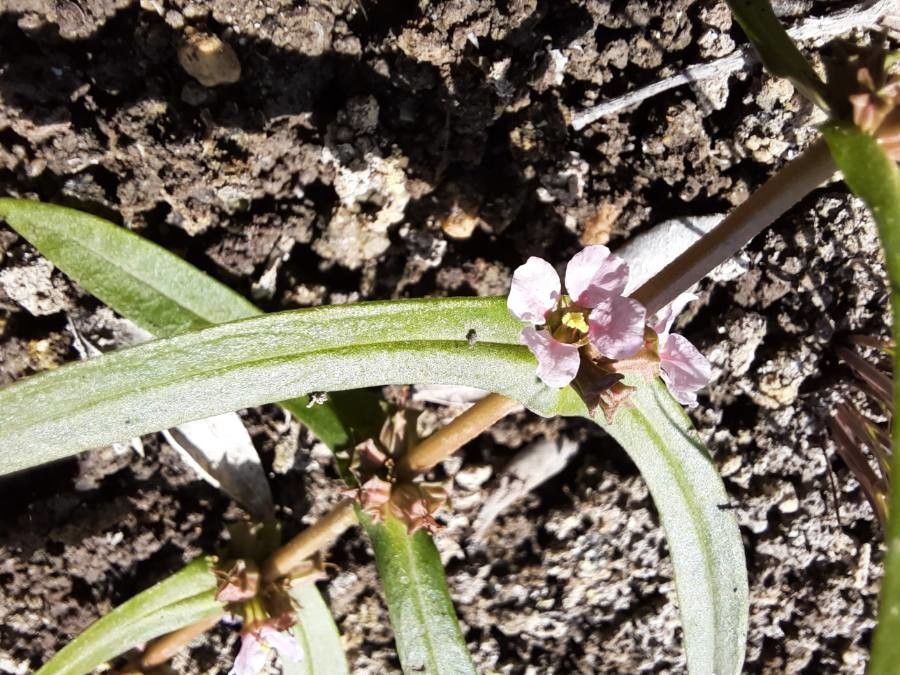
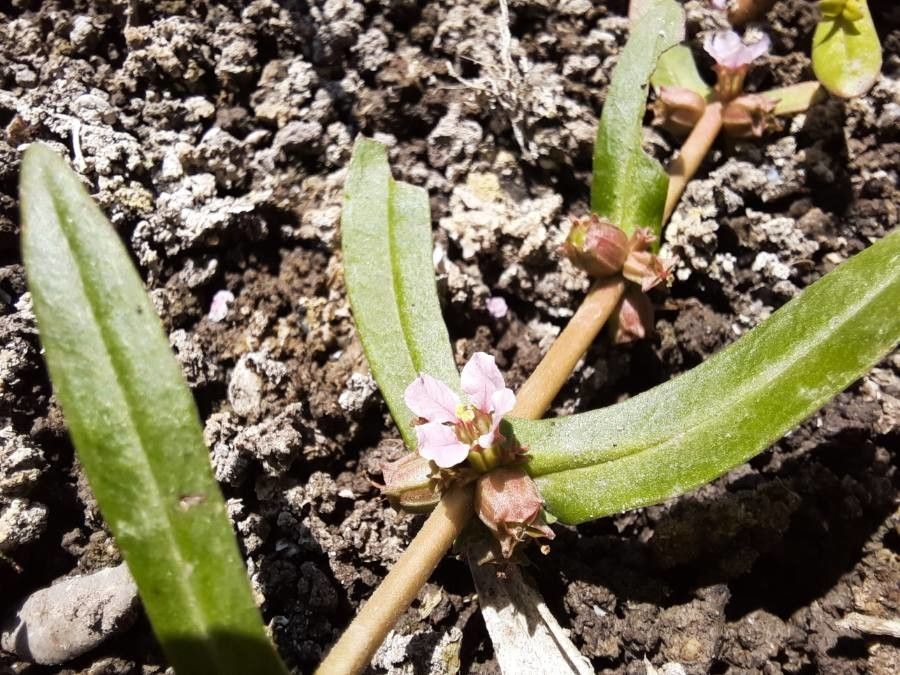
The plant has broad, lance-shaped leaves that are arranged oppositely on the stem. These leaves are usually green but can turn reddish-brown under high light conditions. Its small flowers, which are either pink or red, feature four petals.
Ammannia latifolia is a popular choice for aquariums due to its attractive appearance and easy maintenance. It prefers moderate lighting but can tolerate low light levels. This plant also favors soft water with a pH range of 6 to 7.
Beyond its ornamental use, Ammannia latifolia holds medicinal value in traditional African medicine, where it has been employed to treat various ailments such as fever, diarrhea, dysentery, and malaria.
Overall, Ammannia latifolia is a beautiful addition to any aquarium, providing both aesthetic appeal and potential health benefits rooted in traditional practices from its native regions in Africa and Asia.
Indian toothcup has strong resistance to disease and is typically not prone to illnesses. Still, it can be vulnerable to pests and diseases present in its environment. Such infections are generally mild. Regarding care, this plant demands a moderate level of maintenance. It should be pruned regularly to preserve a neat appearance and healthy growth. Applying fertilizer can also encourage blooming. Indian toothcup is well suited for anyone with outdoor areas like a garden or patio and does not need extensive experience in plant care. It may need additional attention when cultivated indoors.
How to keep Ammannia Latifolia.
Light
The Indian toothcup thrives in areas where sunlight is not obstructed. For optimum health, the plant needs an abundance of direct sunlight. Inadequate light can result in poor growth and ill health, whereas excessive sunlight might result in the leaves being scorched.
Temperature
Indian toothcup is well adapted to temperature, able to withstand higher heat and larger temperature fluctuations. In hot weather, attention should be paid to watering and to providing suitable shade to prevent sunburn. Conversely, Indian toothcup is relatively sensitive to low temperatures; while it can tolerate some cold, excessively cold conditions may cause frost damage.
Botanical profile.
- Plant Type
- Herb
- Life Cycle
- Annual, Perennial
- Genus
- Ammannia
- Family
- Lythraceae
- Hardiness Zone
- 9-11
- Mature Height
- 30 cm
- Mature Spread
- 30 cm to 61 cm
- Leaf Color
- Green, Lime Green
- Leaf Type
- Semi-evergreen
- Flower Color
- Pink
- Flower Size
- 2.54 cm
- Bloom Time
- Summer, Early fall, Mid fall
- Planting Time
- Spring, Summer, Autumn
- Harvest Time
- Late summer, Fall, Early winter
- Native Area
- Nepal, Sri Lanka, Tajikistan, India, Malaysia, Philippines, Bangladesh, Pakistan, Laos, China, Uzbekistan, Russia, Afghanistan, Indonesia, Cambodia, Vietnam, Myanmar, Japan, Koppen, Bhutan, Iran, South Korea, Thailand
Other names.