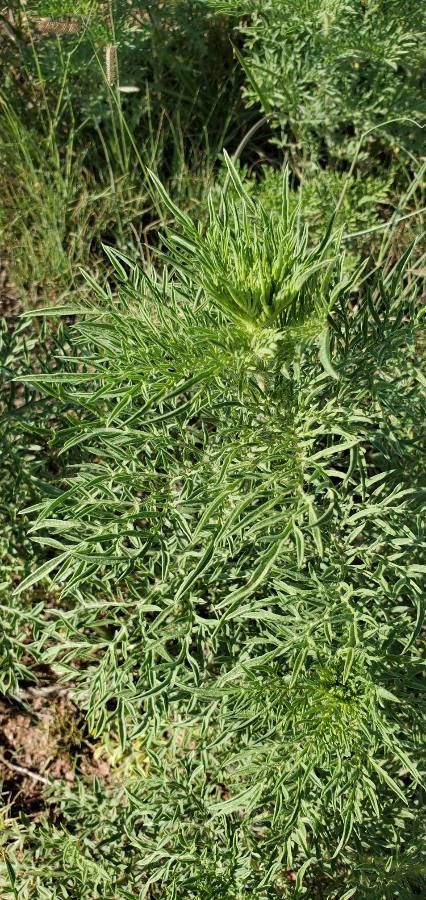
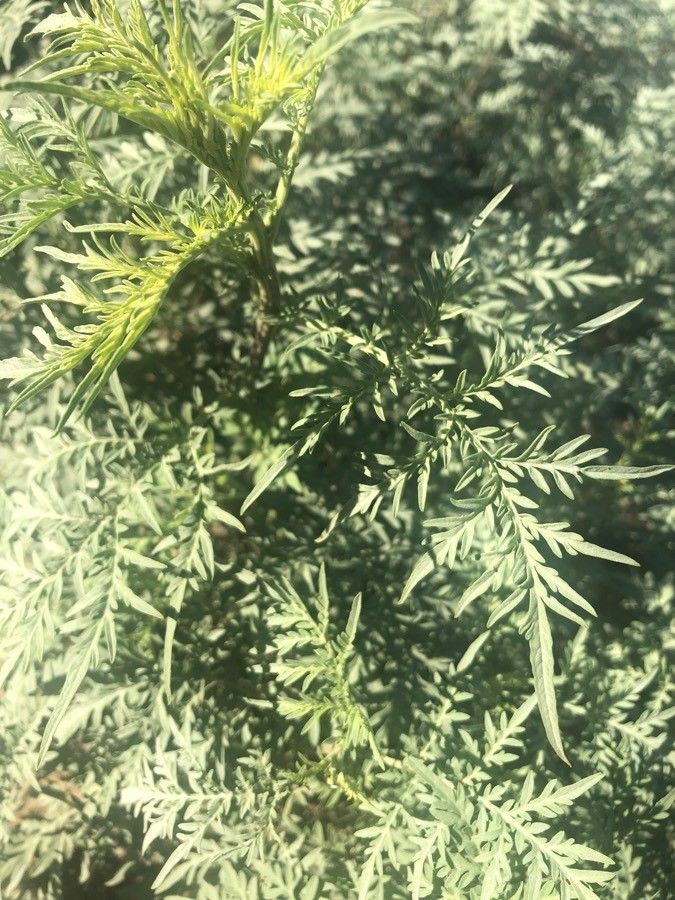
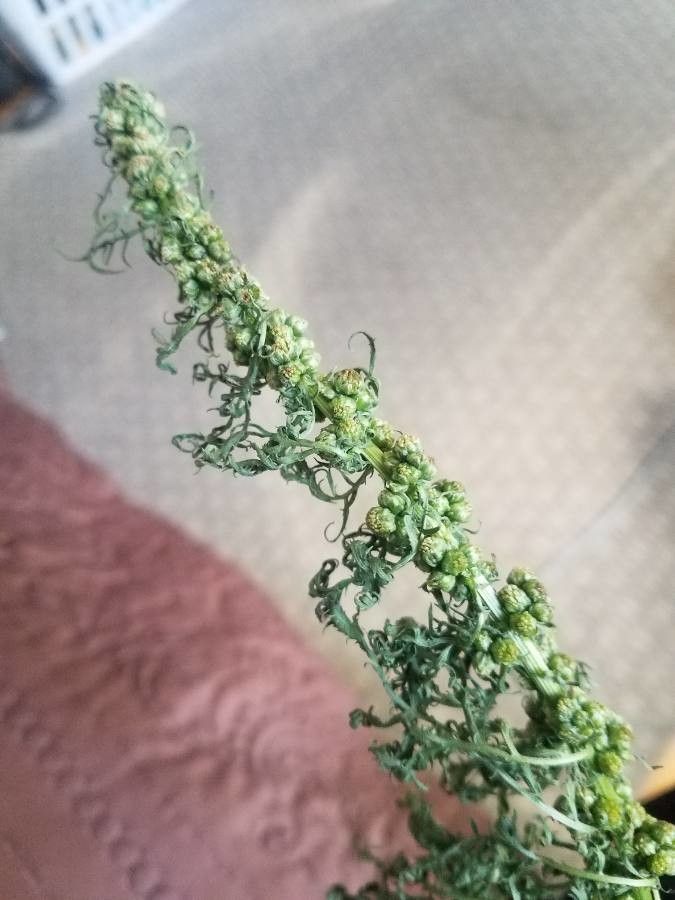
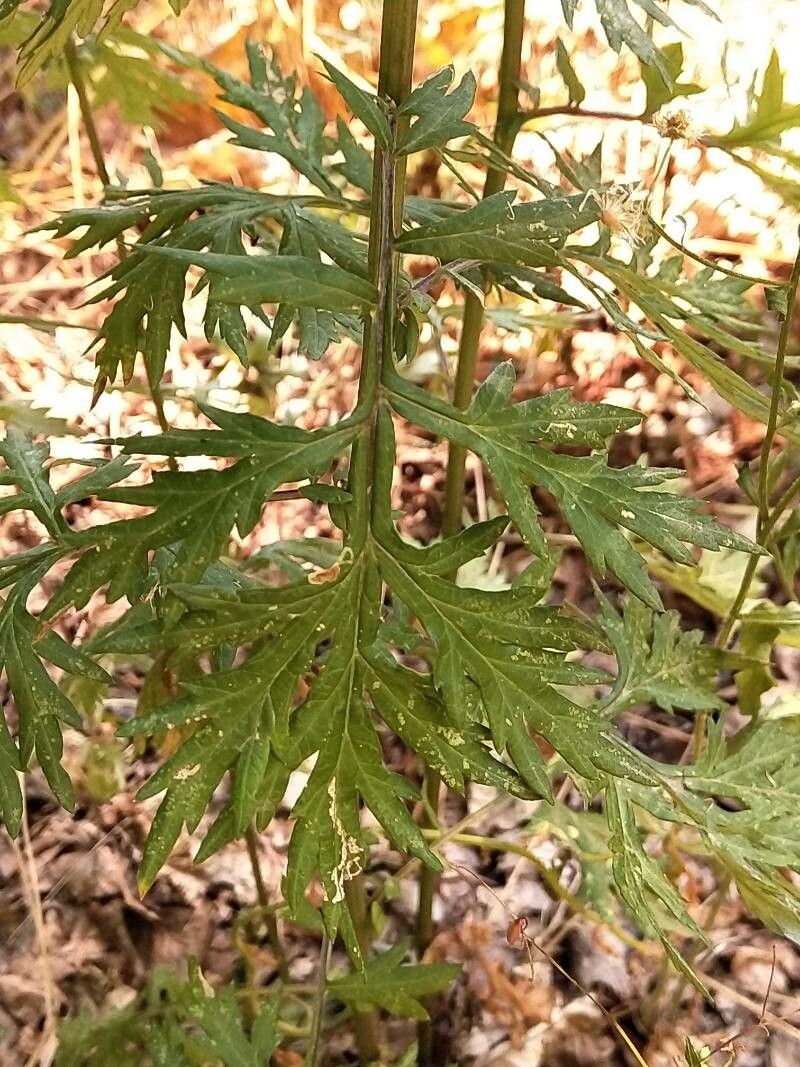
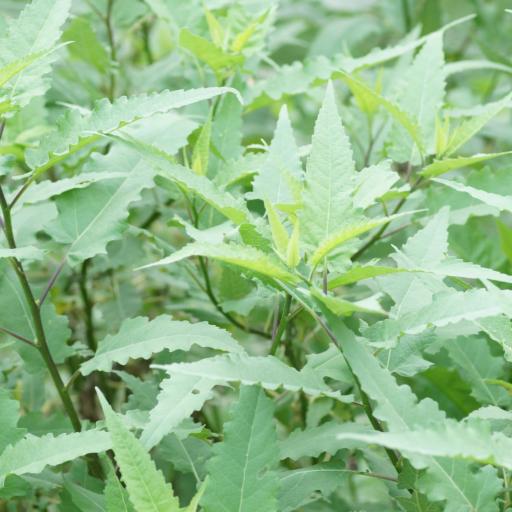
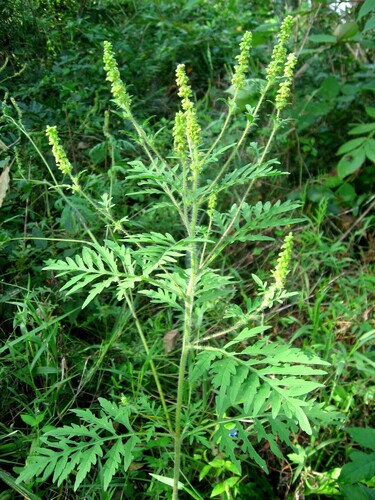
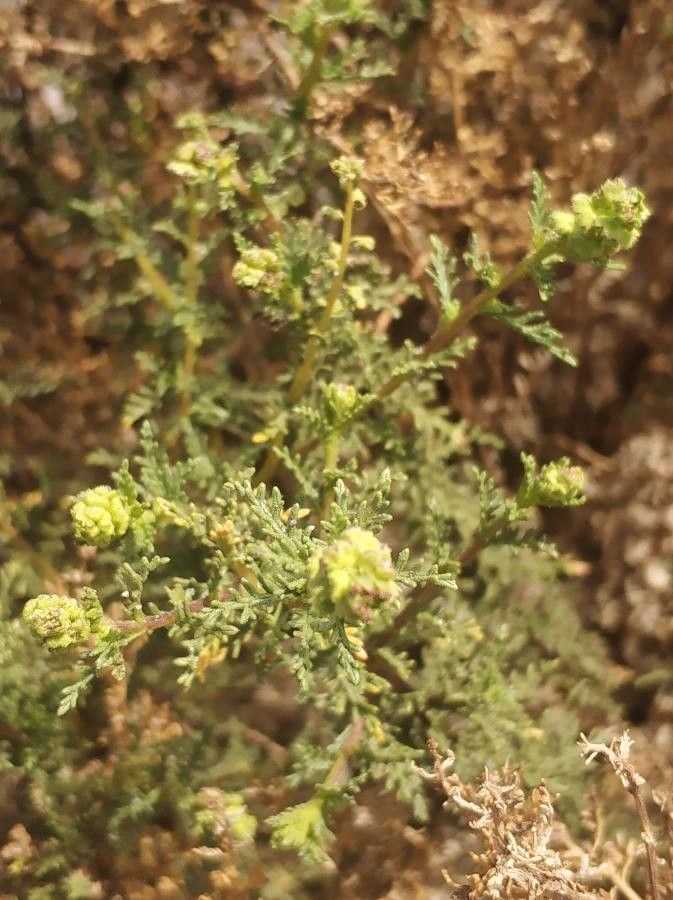
Ambrosia confertiflora is a North American species of ragweed known by the common name weakleaf bur ragweed.
Weakleaf bur ragweed is fairly disease-resistant and is generally not prone to illness. However, it can be affected by pests and diseases found in its environment, and these issues are usually mild. For care, the plant needs moderate maintenance. Regular pruning is necessary to maintain a tidy appearance and healthy growth. Fertilizing can also help encourage flowering. This species is well suited to people with outdoor spaces like a garden or patio and does not demand extensive gardening experience. When grown indoors, it may require additional attention.
How to keep Ambrosia Confertiflora.
Light
Weakleaf bur ragweed is a perennial, herbaceous, sun-loving plant that originates in open habitats and commonly thrives in meadows and grasslands. It prefers full sun but can also tolerate partial sun conditions.
Water
Weakleaf bur ragweed thrives in dry conditions, needing only a weekly watering. It's drought-tolerant and does well in low humidity. However, overwatering can cause root rot, so it's important to water it carefully, especially indoors.
Temperature
Weakleaf bur ragweed is quite adaptable to heat, tolerating high temperatures and wide temperature fluctuations. In hot conditions, care should be taken to water adequately and provide some shade to prevent sunburn. On the other hand, it is not very tolerant of low temperatures; although it can handle mild cold, very low temperatures can cause frost damage.
Fertilizer
A single fertilizer application in spring is generally enough for Weakleaf bur ragweed, though repeated feedings can increase growth. Feed every month to every month and a half. Fertilizing improves leaf appearance and function, helping maintain uniform color and a healthy texture. It also promotes root growth and nutrient uptake, supporting the plant's long-term health.
Pruning
Prune weakleaf bur ragweed from early to late spring to encourage healthy growth and fuller foliage. Trim any dead or damaged branches just above the buds, making sure to use sanitized tools. Regular pruning helps manage vigorous growth, improves air circulation, and reduces the risk of pests and fungal problems.
Botanical profile.
- Plant Type
- Herb
- Life Cycle
- Perennial
- Genus
- Ambrosia
- Family
- Asteraceae
- Hardiness Zone
- 7-10
- Mature Height
- 3.66 m
- Mature Spread
- 30 cm to 76 cm
- Leaf Color
- Green, Dark Green
- Leaf Type
- Deciduous
- Flower Color
- Yellow
- Flower Size
- 0.51 cm to 0.51 cm
- Bloom Time
- Late summer, Early fall, Mid fall
- Planting Time
- Spring
- Harvest Time
- Fall
- Native Area
- Mexico
Other names.
Reader questions.
What are the sunlight requirements for Weakleaf bur ragweed?
Weakleaf bur ragweed thrives in full sun conditions, which means it requires more than 6 hours of direct sunlight daily. However, it can also adapt and grow in partial sun scenarios, receiving about 3-6 hours of sunlight. It's essential to observe how sunlight moves through your garden to choose locations that provide a balance of light and shade suitable for the plant's growth, ensuring its happiness and health.
What is Weakleaf bur ragweed, and where does it originate from?
Weakleaf bur ragweed is a sun-loving perennial herbaceous plant that originates from open habitats. It often thrives in meadows and grasslands, indicating its preference for environments with full sunlight. Despite its preference for full sun, Weakleaf bur ragweed can also tolerate partial sun conditions, making it versatile in its sunlight needs.
How can artificial lighting support Weakleaf bur ragweed's growth indoors?
Artificial lighting can be crucial for the optimal growth of Weakleaf bur ragweed, especially when natural sunlight is insufficient, like in winter or in less sunny spaces. Using the right type of artificial light, such as LED lights, can provide specific wavelengths needed for the plant's growth. Full sun plants require 30-50W per square foot, partial sun plants need 20-30W per square foot, and full shade plants require 10-20W per square foot of artificial light. The light source should be placed 12-36 inches above the plant to mimic natural sunlight, and it's important to mimic natural daylight hours, with most plants needing 8-12 hours of light per day.
What are the common symptoms of light deficiency in Weakleaf bur ragweed?
Symptoms of light deficiency in Weakleaf bur ragweed include smaller new leaves, leggy or sparse growth, faster leaf drop, and slower or no new growth. These symptoms indicate that the plant is not receiving adequate light for its needs. Other signs can include lighter-colored new leaves due to insufficient sunlight causing a lack of chlorophyll and essential nutrients, chlorosis where leaves lose their green color and turn yellow, sunscald damaging leaves or stems from intense sunlight, leaf curling as a defense mechanism against excessive sunlight, wilting from increased water loss, and leaf scorching characterized by brown, dry edges on leaves due to excessive sunlight.
What solutions exist for addressing Weakleaf bur ragweed's light needs?
To address Weakleaf bur ragweed's sunlight needs, gradually move the plants to sunnier locations to receive at least 6 hours of direct sunlight daily, ideally using a south-facing window. If the plant is large or not easily movable, consider artificial lighting like a desk or ceiling lamp on for at least 8 hours daily or invest in professional plant grow lights. Outdoors, it's crucial to move plants gradually to avoid sunburn, ensuring they adapt to the increase in light intensity over weeks. If trees obstruct sunlight, pruning might be necessary. For smaller plants with insufficient sunlight, transplanting during the dormant period (late winter or early spring) into well-lit, well-draining locations can help.