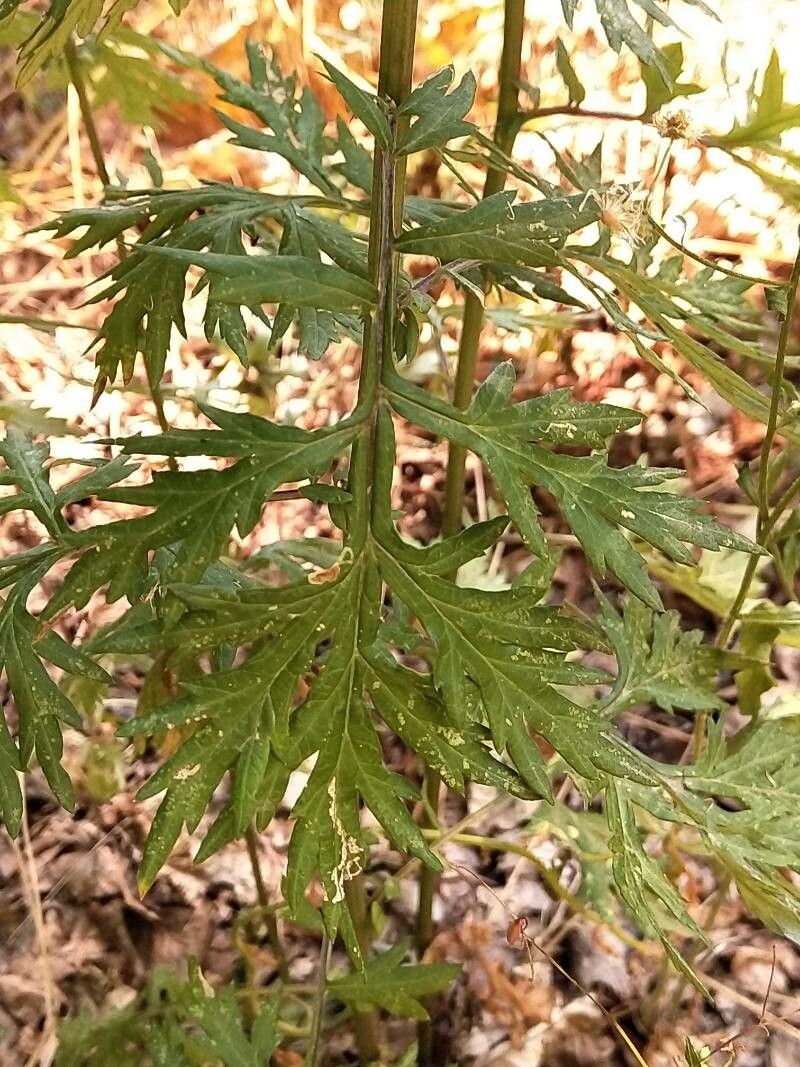
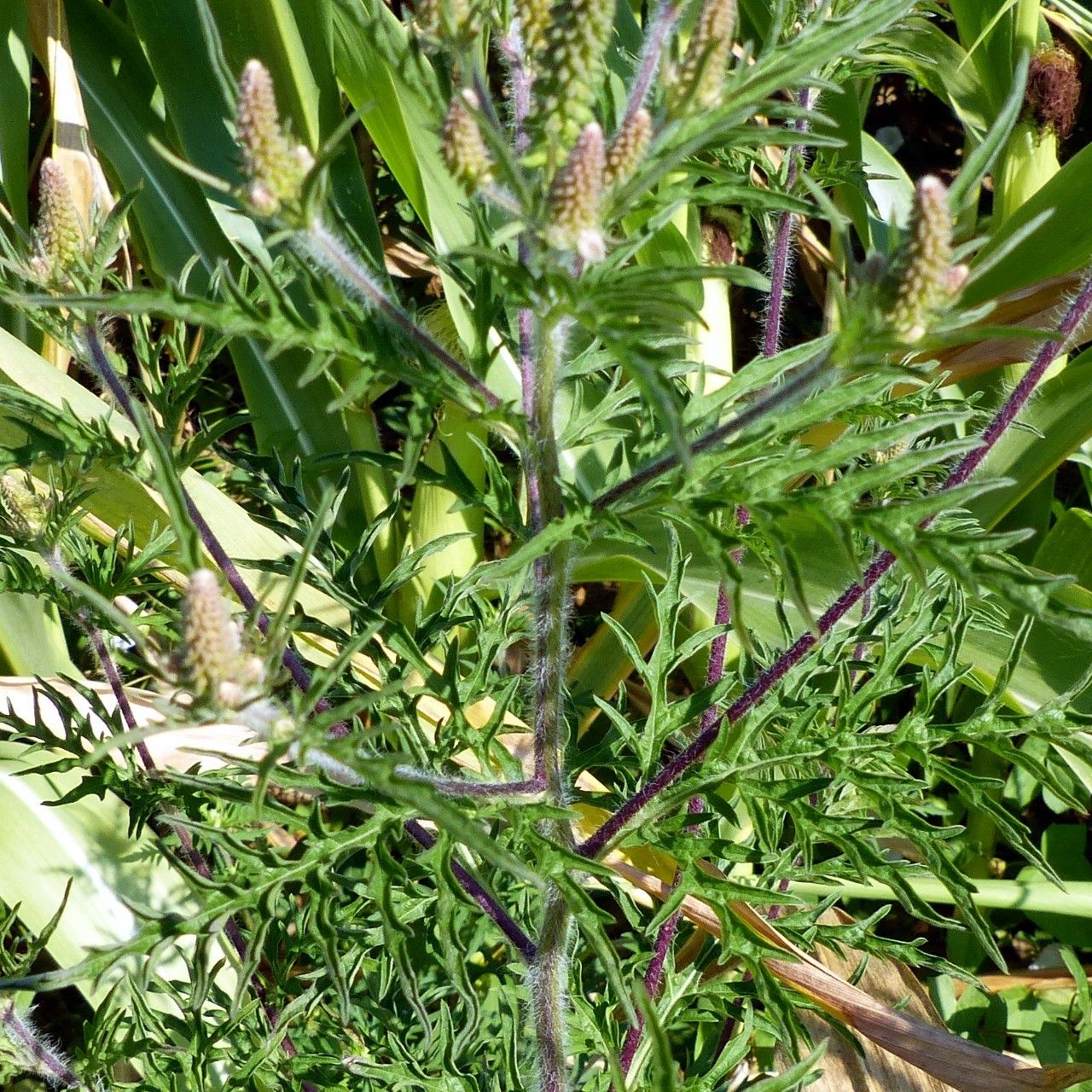
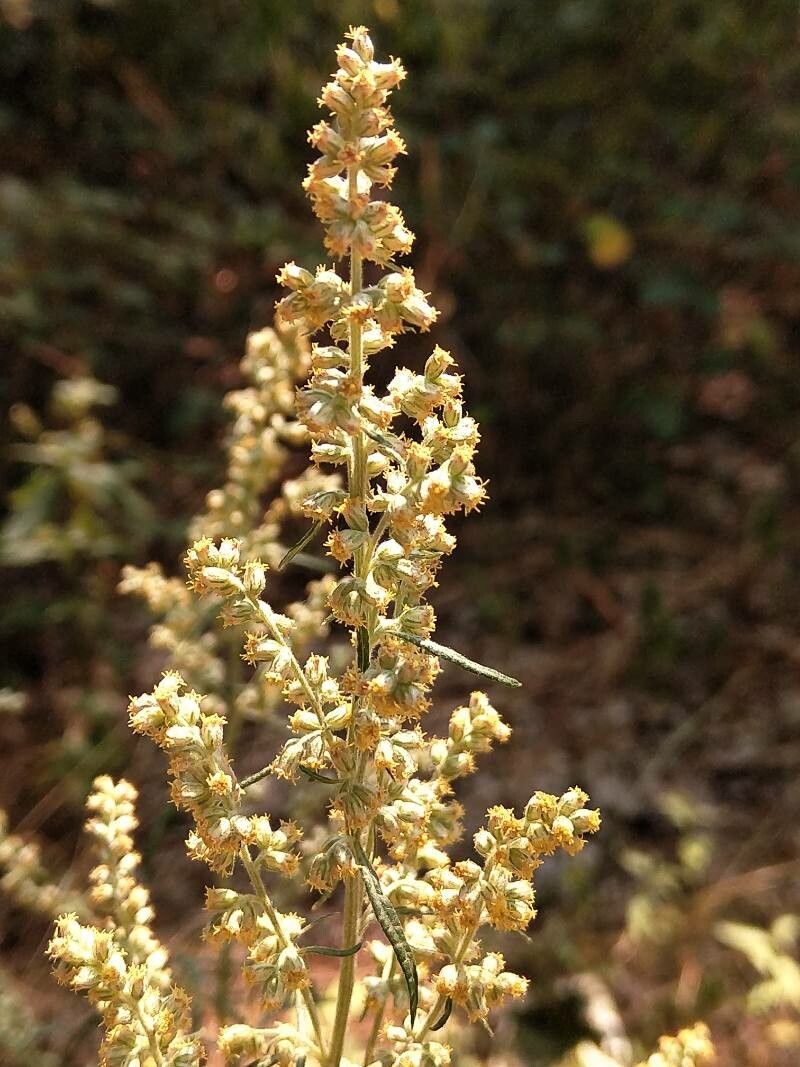
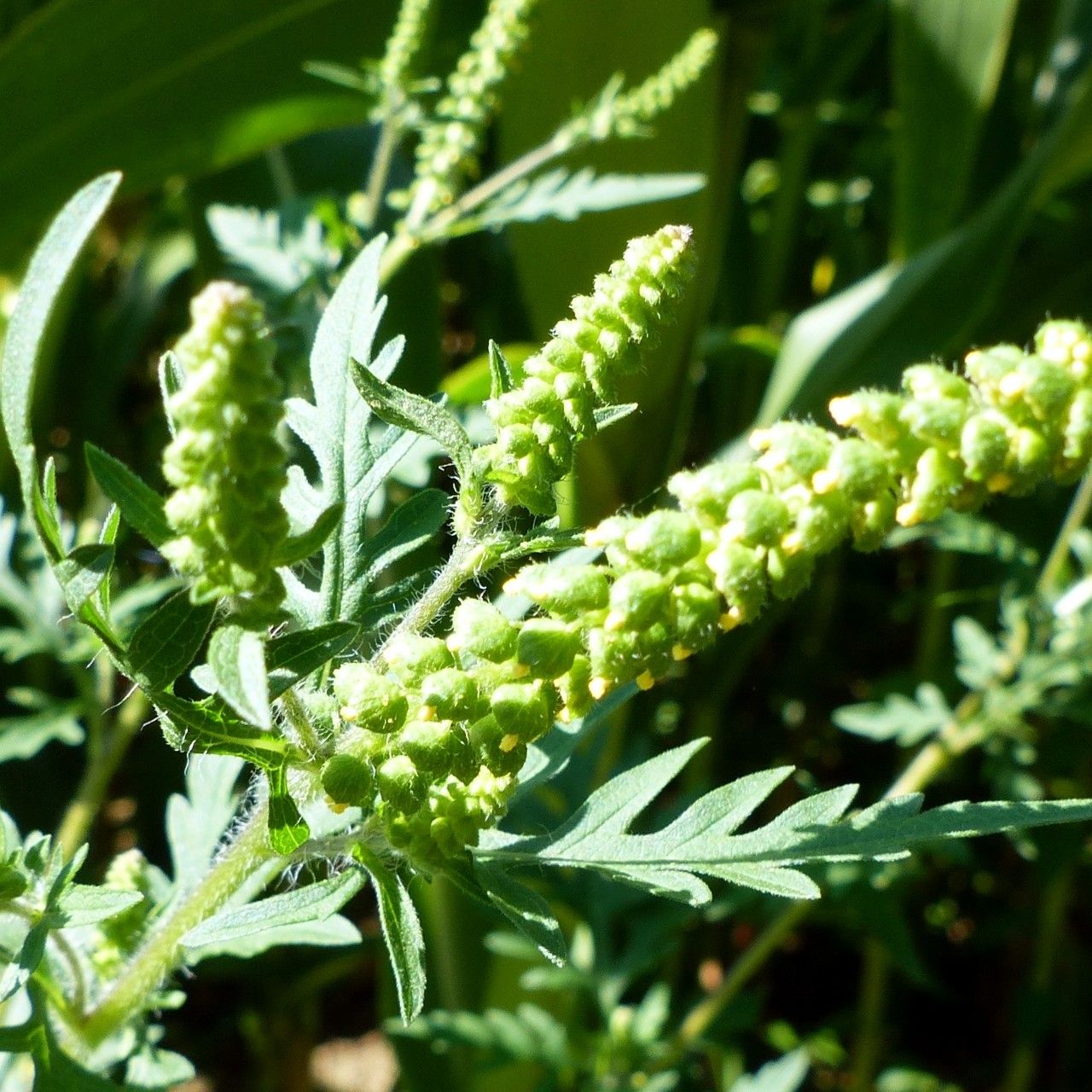
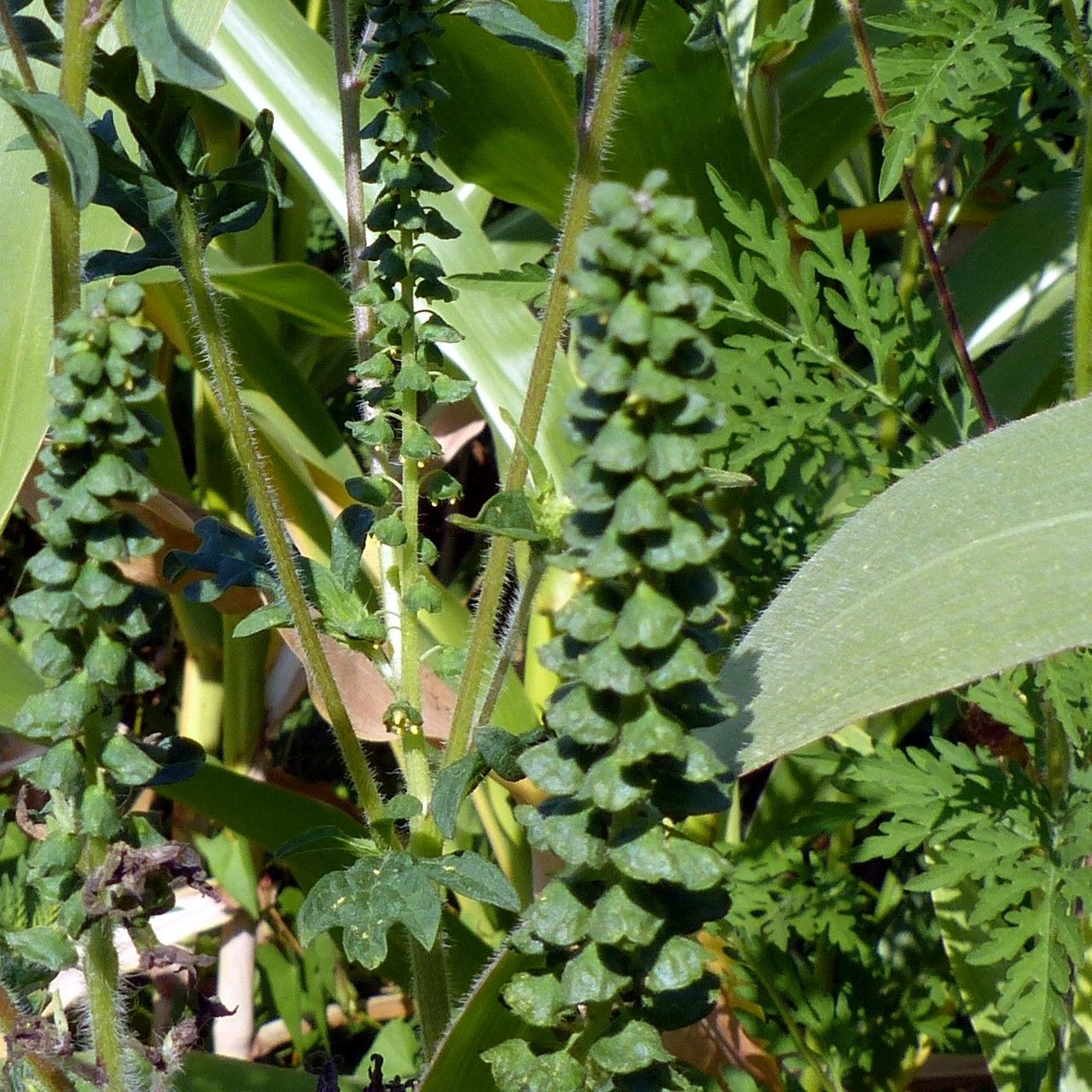
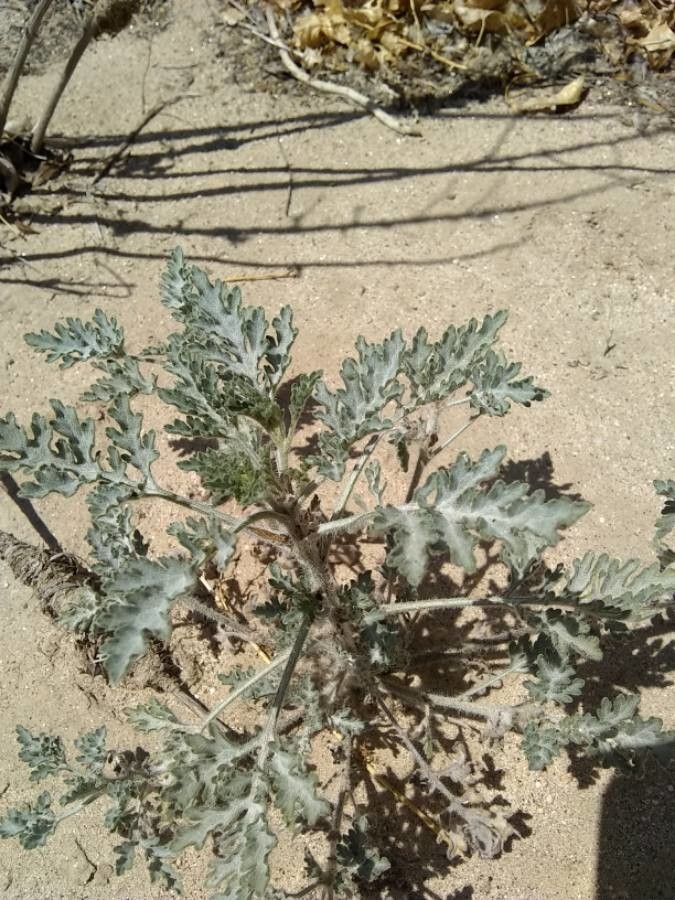
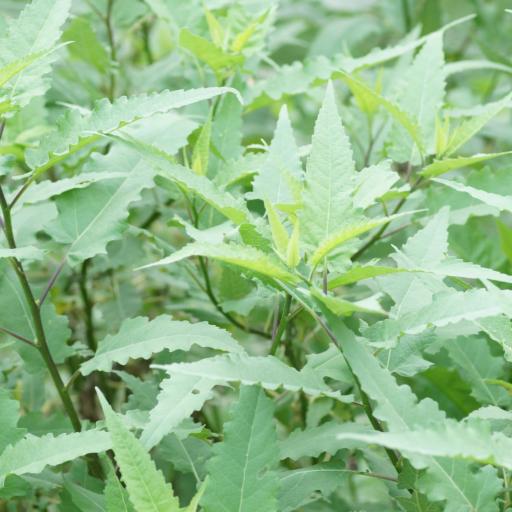
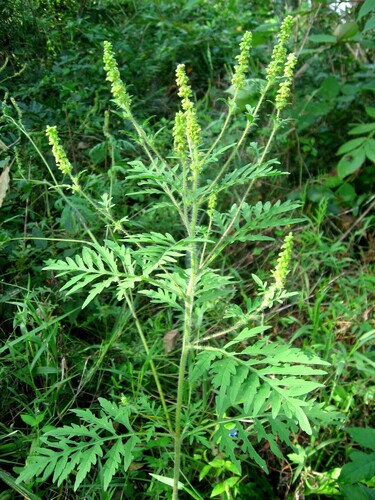
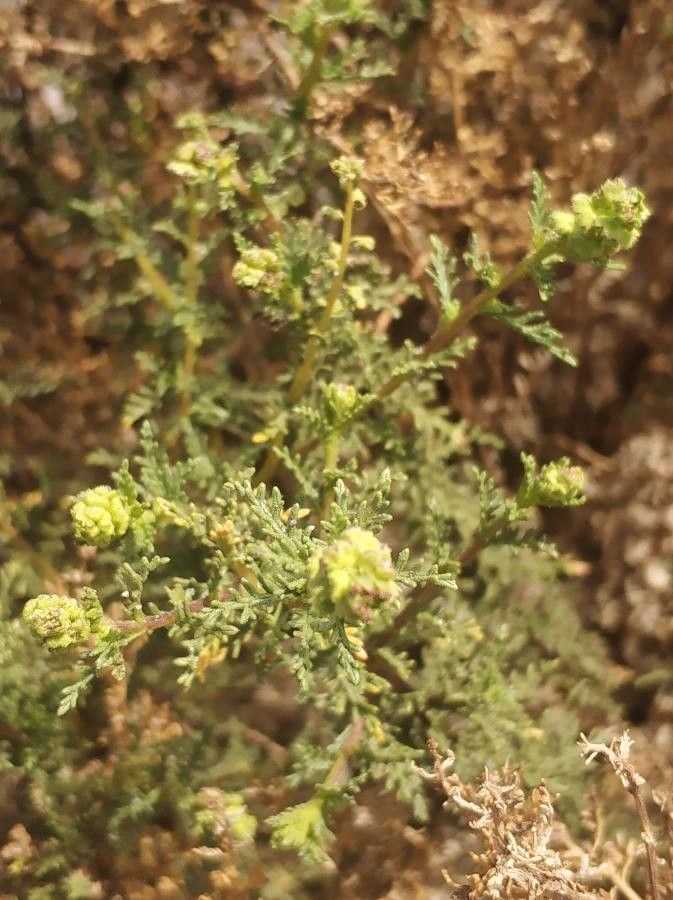
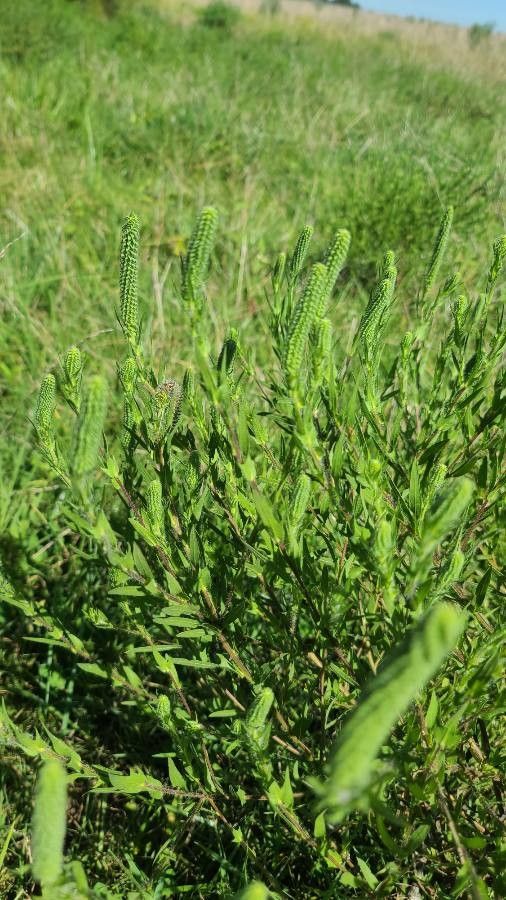
Ambrosia acanthicarpa, commonly known as bur-ragweed, is a species of flowering plant in the sunflower family. Native to North America, it thrives in various habitats, including deserts, grasslands, and disturbed areas. The plant can reach a height of up to 3 feet, sporting green leaves that are deeply lobed with toothed edges. Its flowers are small and greenish-yellow, lacking petals but featuring numerous stamens that produce pollen. The fruit is a bur-like structure covered in spines, which cling to clothing or animal fur for dispersal.
Bur-ragweed is considered an invasive species in some regions due to its ability to rapidly colonize disturbed habitats such as roadsides and agricultural fields. Additionally, it generates large amounts of pollen, which can trigger allergies in some people during its blooming season from July through October.
Despite its negative impacts on human health and agriculture, Ambrosia acanthicarpa has been used by Native American tribes for medicinal purposes, such as treating respiratory ailments and skin irritations caused by contact with poison ivy or oak.
In summary, Ambrosia acanthicarpa plays both positive and negative roles within ecosystems but requires careful management due to its invasive nature.
Flatspine bur ragweed is fairly disease-resistant and typically not susceptible to illnesses. However, it can be affected by pests and diseases present in its environment. Such infections are generally mild. Regarding care, the plant needs moderate upkeep. Regular pruning is necessary to preserve its appearance and encourage healthy growth. Applying fertilizer can also encourage flowering. Flatspine bur ragweed is suitable for people with outdoor areas like a garden or patio and does not demand extensive care experience. It may need more attention if grown indoors.
How to keep Ambrosia Acanthicarpa.
Light
Flatspine bur ragweed is native to sunny, open habitats and does best in full sun. It can tolerate some partial shade but prefers direct sunlight for optimal growth. This plant, which may be annual or biennial, is recognized for its sun-loving habit.
Water
Flatspine bur ragweed thrives in dry climates due to its exceptional drought tolerance. It requires only weekly watering to stay healthy and benefits from seasonal rainfall during its growth period. This ensures that it receives enough water without the risk of overwatering.
Temperature
Flatspine bur ragweed can tolerate a wide range of temperatures, but its distribution may still be restricted by different combinations of water and heat. It performs best in warm summer climates with sufficient rainfall or watering. Extended periods of cloudy, rainy weather, as well as prolonged high temperatures, can increase the likelihood of Flatspine bur ragweed dying. In winter, adequate protection from cold can enhance the plant's survival rate.
Fertilizer
Flatspine bur ragweed benefits from regular, dilute fertilizer applications to encourage healthy leaf development. Apply fertilizer to Flatspine bur ragweed about once a month during the summer. Nitrogen is important for foliage, and supplying nitrogen-rich sources helps Flatspine bur ragweed thrive.
Botanical profile.
- Plant Type
- Herb
- Life Cycle
- Annual
- Genus
- Ambrosia
- Family
- Asteraceae
- Hardiness Zone
- 5-10
- Mature Height
- 91 cm
- Mature Spread
- 30 cm to 61 cm
- Leaf Color
- Green, Blue
- Leaf Type
- Deciduous
- Flower Color
- Green
- Flower Size
- 0.20 cm to 0.51 cm
- Bloom Time
- Mid summer, Late summer, Early fall
- Planting Time
- Spring, Summer
- Harvest Time
- Late summer, Early fall, Mid fall
- Native Area
- Mexico
Other names.
Reader questions.
How should I water my Flatspine bur ragweed plant?
To water Flatspine bur ragweed, you have a few options. You can use a garden hose with a spray nozzle, a watering can, or any other common watering tool. It's not too picky about the type of water it receives, so rainwater, tap water, or filtered water will all work. However, it's generally best not to water this plant from overhead as it can harm the leaves and flowers and cause disease. In those cases, a drip irrigation system is preferred since it applies water evenly and directly to the soil. If you have a container-grown Flatspine bur ragweed, you can follow a similar approach using a cup, watering can, or tap to water it directly into the soil.
What are the sunlight requirements for Flatspine bur ragweed?
Flatspine bur ragweed thrives in environments where it receives full sun, which means it needs above 6 hours of sunlight daily for optimal growth. It can also tolerate partial sun, defined as about 3-6 hours of sunlight. When planning where to place your Flatspine bur ragweed, either in a garden or indoors, it's important to choose spots that provide enough light. The warning to watch how sunlight moves through your garden and to choose locations that offer a good balance of light and shade emphasizes the need to ensure the plants get their necessary sunlight without being harmed by excessive exposure.
What is Flatspine bur ragweed?
Flatspine bur ragweed, scientifically known as Ambrosia acanthicarpa, is a plant species recognized by its unique botanic name. However, the provided information does not include details about its characteristics, uses, or significance.
What should I do if I give too much or too little water to my Flatspine bur ragweed?
If you notice that your Flatspine bur ragweed lacks moisture, the solution is simple: water it more regularly. Overwatering, on the other hand, can be a bigger problem if not caught early. It can lead to diseases and the decline and death of your plant. To prevent this, choose a location with ample sunlight to help dry the soil and good drainage to avoid waterlogged conditions. If you're overwatering a potted Flatspine bur ragweed, consider changing to a new pot with better drainage. Use loose soil and a pot that drains well when repotting the overwatered plant.
How does artificial lighting support Flatspine bur ragweed growth indoors?
For indoor Flatspine bur ragweed plants or in areas where natural sunlight is inadequate, artificial lighting serves as an essential solution. Choosing the right type of artificial light, such as LED lights, can mimic natural sunlight and promote healthier, faster plant growth. Specifically, full sun plants require 30-50W/sq ft, partial sun plants need 20-30W/sq ft, and full shade plants require 10-20W/sq ft of artificial light. The light source should be placed 12-36 inches above the plant to mimic natural sunlight as closely as possible, and plants generally need 8-12 hours of light per day to mimic the natural daylight hours for optimal growth.
How frequent should I water my Flatspine bur ragweed?
To keep your Flatspine bur ragweed healthy, it's important to water it regularly. During the growing season, starting in spring, aim to water it once a week. As the weather gets warmer, you may need to increase watering to two or three times a week. However, be careful not to exceed this frequency as it can harm your plant. Regardless of how often you water, ensure that the soil remains moist but not soaking wet. If your Flatspine bur ragweed is in a pot, you'll need to water it more frequently. Potted soil tends to dry out faster, so plan to water container-grown ragweed a few times per week, compared to once a week for plants in the ground.
What are common symptoms of light deficiency in Flatspine bur ragweed when grown indoors?
When Flatspine bur ragweed is grown indoors under insufficient light conditions, it may exhibit symptoms such as small leaves, leggy or sparse growth, faster leaf drop, slower or no new growth, lighter-colored new leaves, chlorosis, sunscald, leaf curling, wilting, and leaf scorching. These symptoms arise from the plant's inability to receive adequate sunlight, negatively impacting its health and growth. Monitoring for these signs can help you address light deficiency timely and ensure your Flatspine bur ragweed remains healthy and vigorous.
How much water does my Flatspine bur ragweed plant need?
There are a few different ways to determine how much water to give your Flatspine bur ragweed. Some gardeners feel the soil to gauge moisture and water until the top six inches of soil are moist. Another option is to use a set measurement, like two gallons per week, adjusting based on temperature and soil dryness. However, strictly following this guideline may lead to overwatering. When growing in containers, you should water until all layers of dry soil are moistened. To check, stick your finger in the soil or look for a slight trickle of excess water draining from the pot.
What solutions can help Flatspine bur ragweed receive adequate sunlight?
To ensure your Flatspine bur ragweed receives adequate sunlight, follow these steps. Indoors, gradually move plants to sunnier locations until they get at least 6 hours of direct sunlight daily, using south-facing windows for maximum exposure. If necessary, supplement with artificial light, keeping lamps on for at least 8 hours a day. Outdoors, adapt plants to sunnier spots gradually to avoid sunburn. Removing obstructions such as pruning trees can increase sunlight access. For smaller plants, consider transplanting during their dormant period to a location with ample sunlight and good drainage. It's important to note that parts of the plant damaged by insufficient sunlight may not recover, but new growth will be healthy with increased light exposure.
How do I know if I am giving enough water to my Flatspine bur ragweed?
Avoiding overwatering your Flatspine bur ragweed can be tricky. These plants have deep roots that need to be moistened weekly, but they are highly vulnerable to root rot and may turn brown if overwatered. Underwatering is less of a concern as these plants can survive without extra watering for a while, but if they go too long without water, they may wilt and develop dry leaves.
How should I water my Flatspine bur ragweed throughout the year?
As the season progresses, the water needs of your Flatspine bur ragweed will increase. In spring, watering once a week should be sufficient. However, as the summer heat arrives, you may need to water your Flatspine bur ragweed more frequently, potentially up to three times per week. This is especially important for plants in containers, as the soil in containers tends to dry out faster than ground soil in warm weather. In autumn, when your Flatspine bur ragweed is still in bloom, you can likely reduce the amount of water it needs since temperatures have cooled down and the sun is not as intense as it was during summer.
How do I water my Flatspine bur ragweed when it is growing at different stages?
Throughout the year, Flatspine bur ragweed goes through various growth stages that have different water requirements. Initially, when starting as a seed, it is important to provide more water than it will need later in life during the germination process. This means watering regularly to keep the soil consistently moist. After a few weeks, when the Flatspine bur ragweed grows above the soil, it will require slightly less water than during its seedling phase. Once the plant reaches maturity, a regular watering frequency of about once per week can be followed. Additionally, during flower development, it may be necessary to provide slightly more water to support the process.