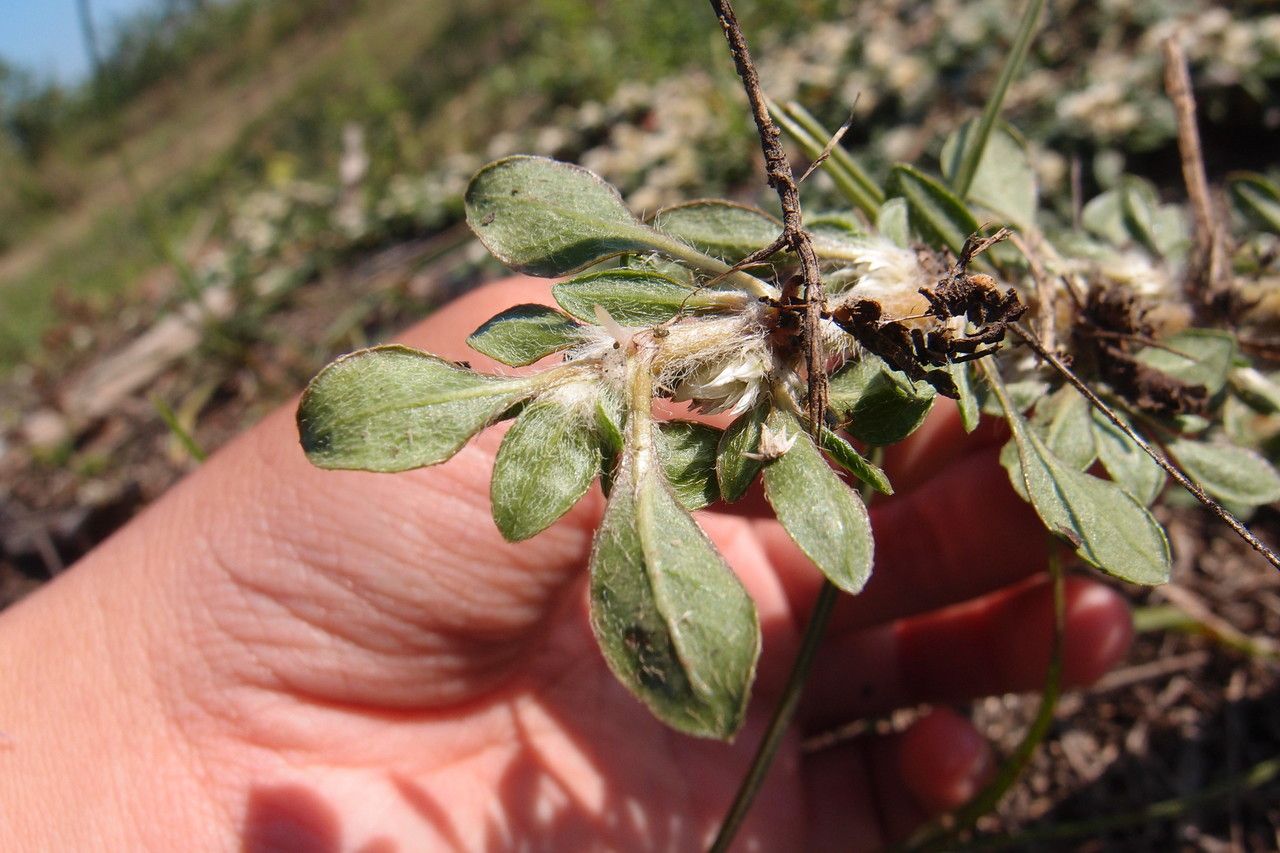
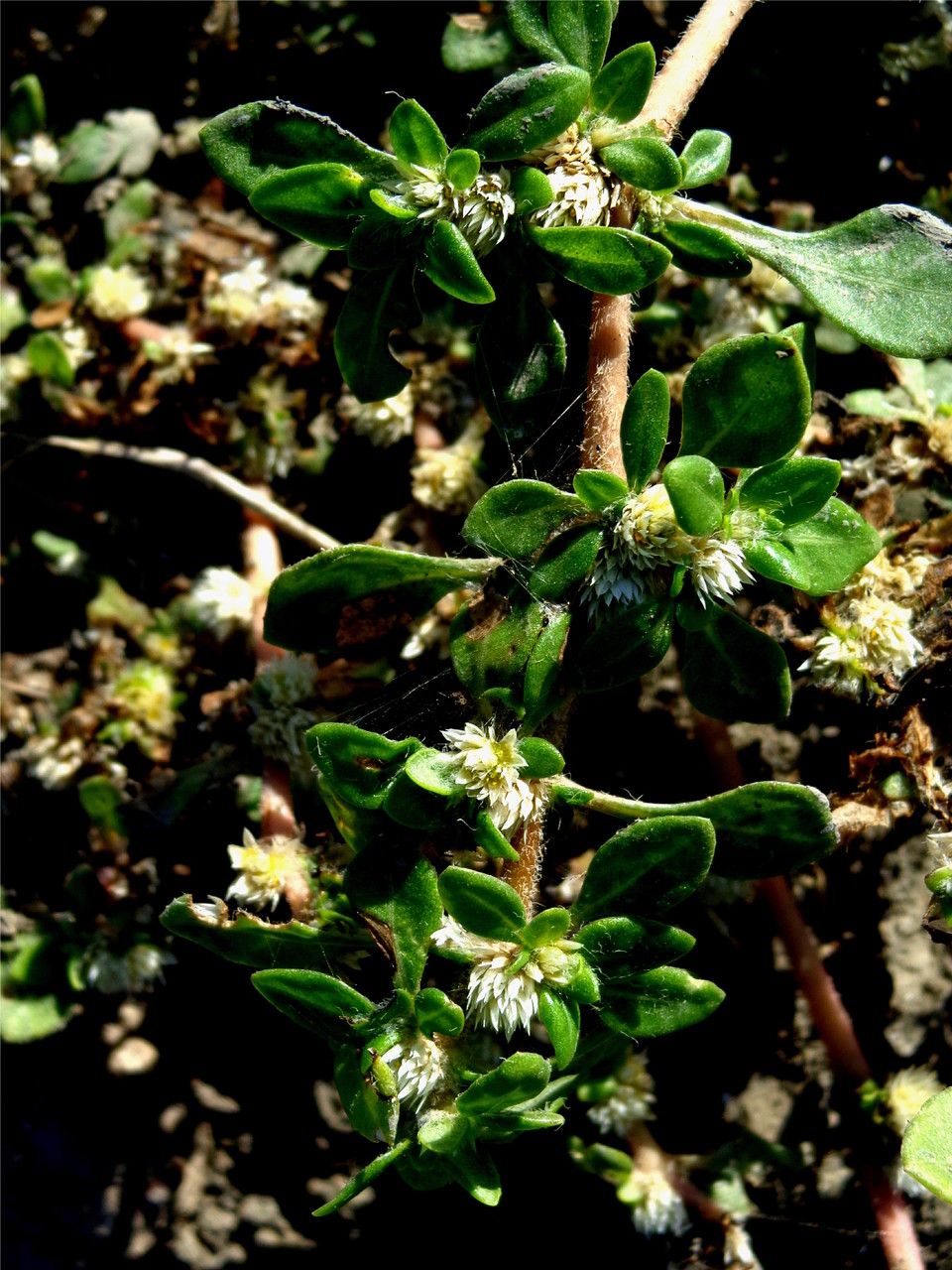
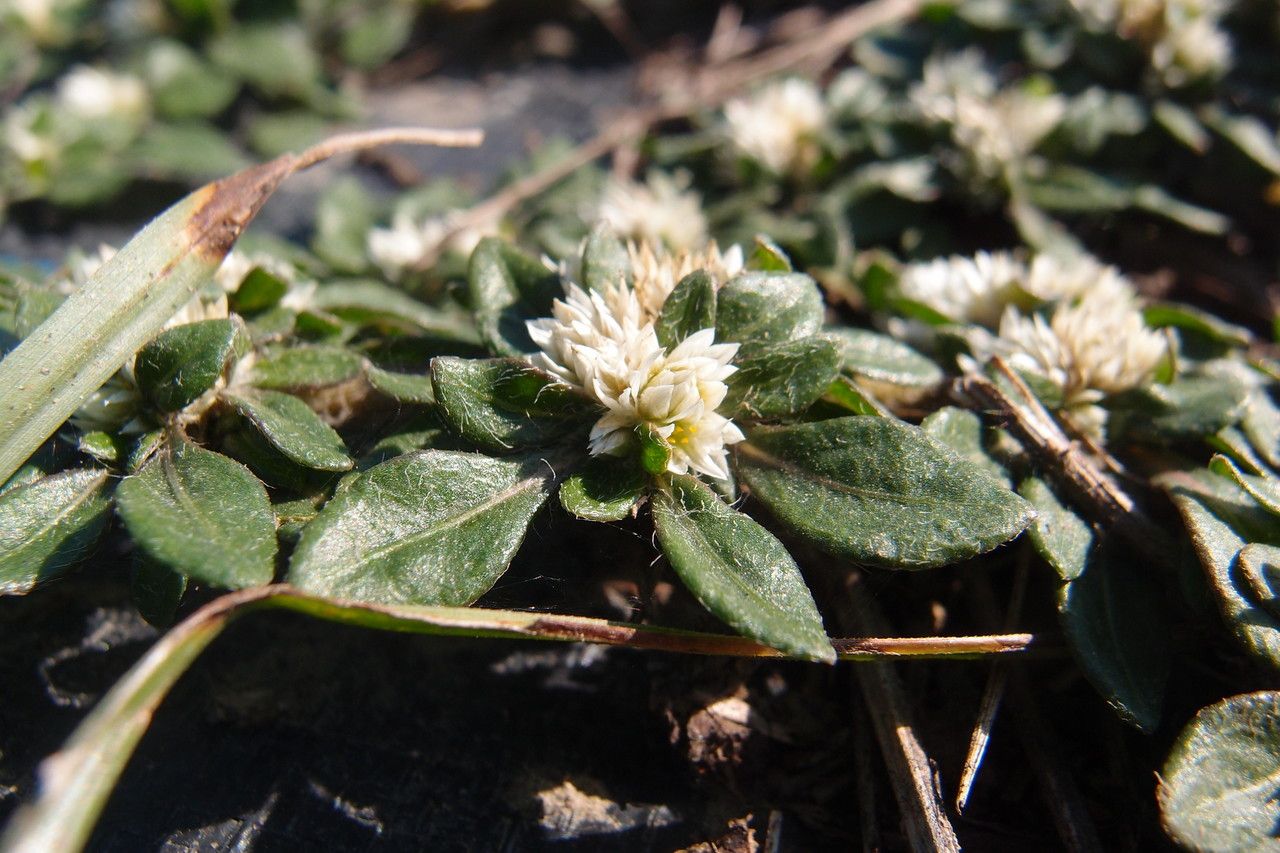
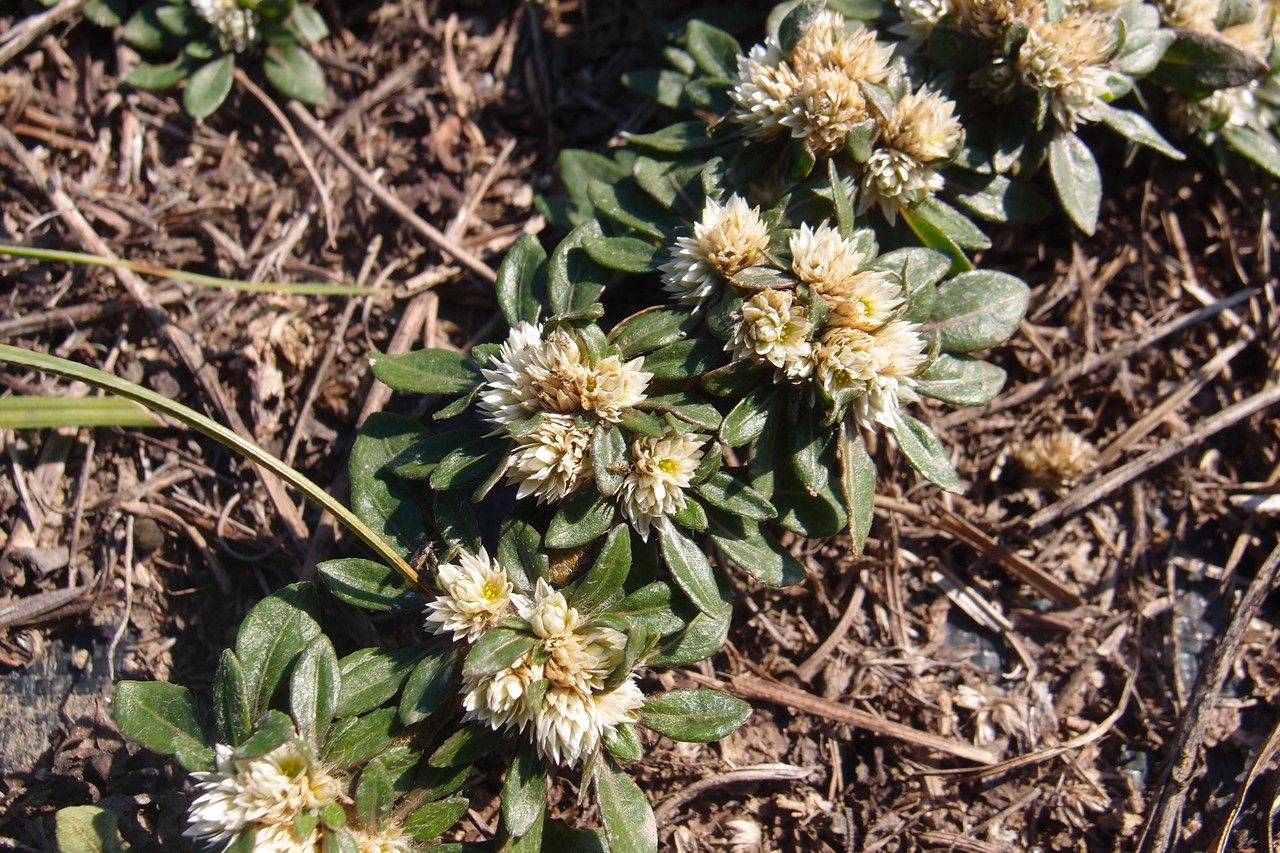
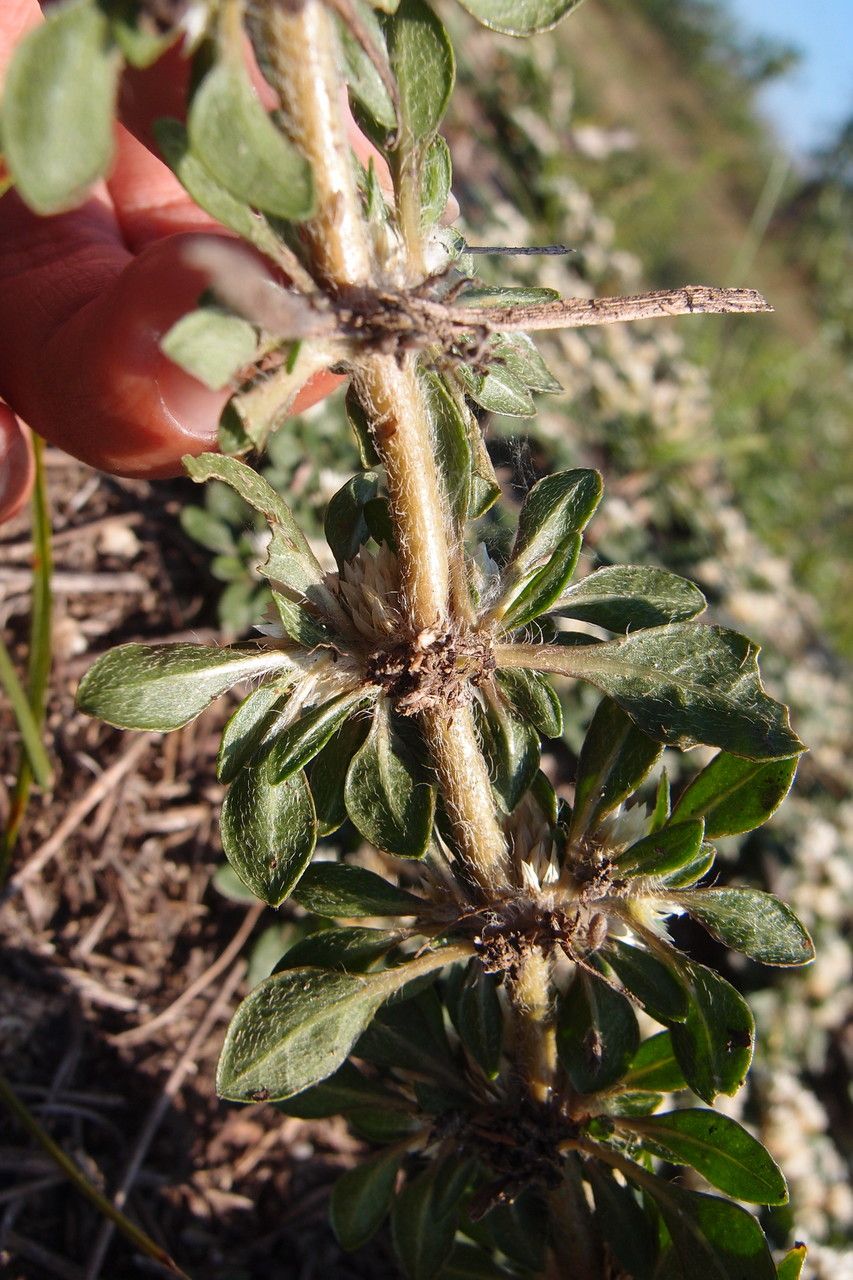
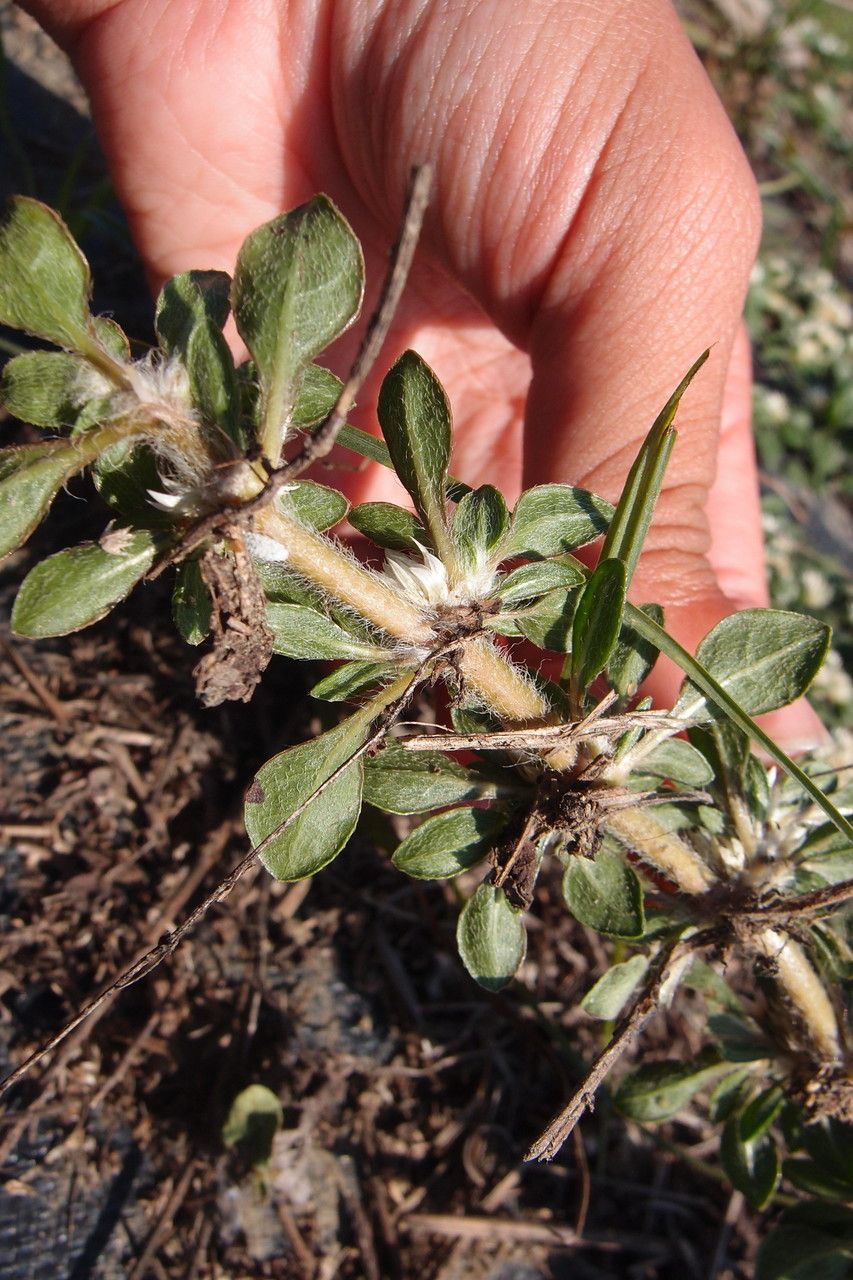
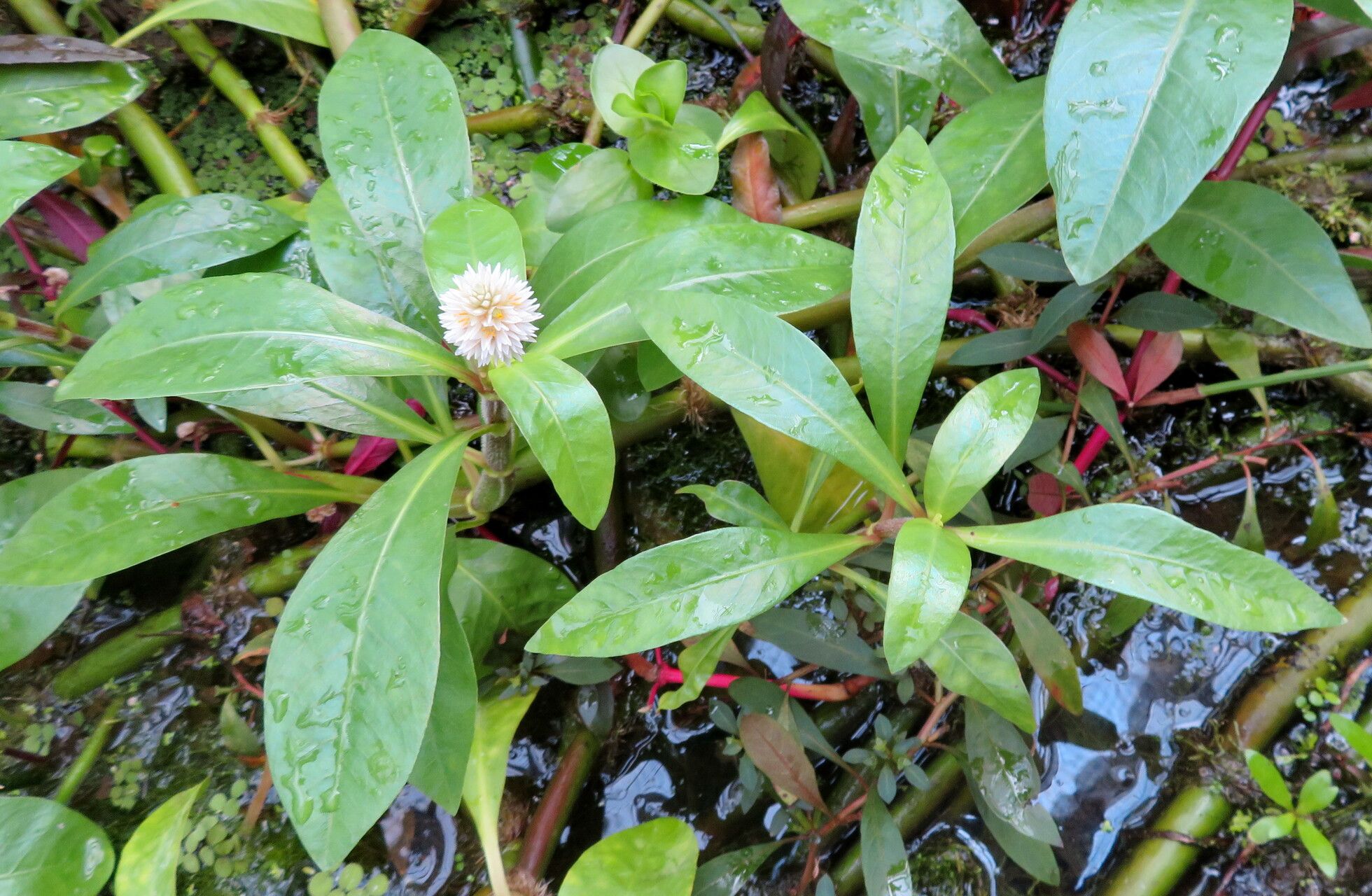
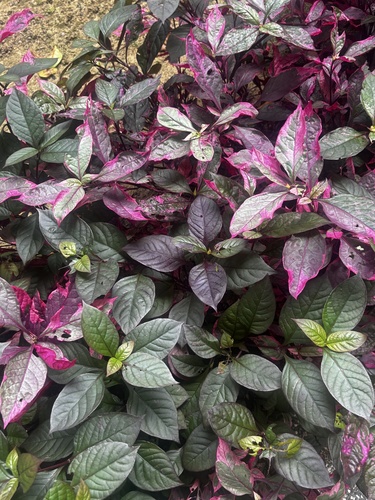
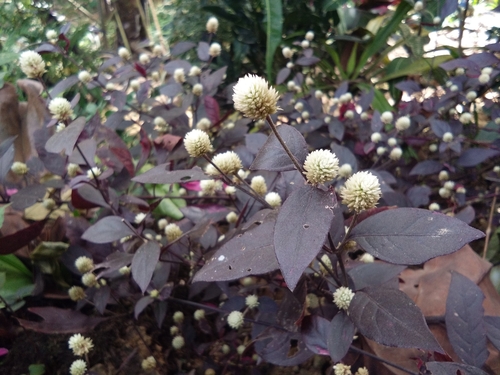
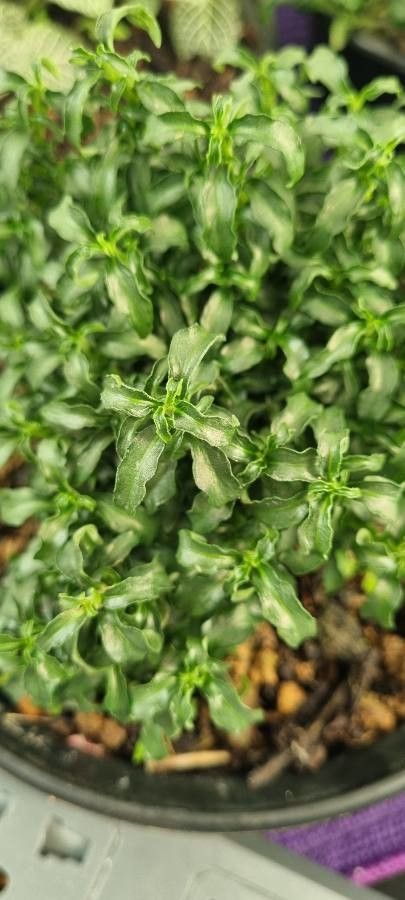
Alternanthera paronychioides is a species of flowering plant in the family Amaranthaceae.
Smooth joyweed has good resistance to disease and is generally not prone to illnesses. However, it can be susceptible to pests and diseases present in its surroundings. These infections are typically not severe. As for care, this plant requires moderate maintenance. It should be pruned regularly to keep a neat appearance and promote healthy growth. Fertilizing can also help encourage flowering. Smooth joyweed is suitable for anyone with outdoor space, such as a garden or patio, and does not require a lot of care experience. It may need more attention when grown indoors.
How to keep Alternanthera Paronychioides.
Light
The smooth joyweed performs best with plenty of sunlight. While it can tolerate somewhat sheltered spots, its healthy condition is tied to abundant sun. From seedling through maturity, ample sunlight increases its growth potential. Given its native habitat, it is suited to bright light conditions. Both too much and too little light can harm it, producing effects such as yellowing or stunted growth.
Water
Smooth joyweed thrives in tropical climates, needing consistent moisture and weekly watering. While it can tolerate brief dry spells, it grows best outdoors, where natural rainfall helps maintain its resilience. During dry periods, additional watering may be necessary to support its growth.
Temperature
Smooth joyweed naturally thrives in environments with temperatures between 59 and 100.4 °F (15 to 38 ℃). It favors warmer climates and may require temperature adjustments during colder or hotter seasons to remain within its comfort range.
Fertilizer
The best time to fertilize a Smooth joyweed is in early spring, as it comes out of dormancy and starts active growth. Fertilizing supplies essential nutrients needed for healthy development. Although Smooth joyweed has fairly low fertilizer requirements, an annual application can improve its survival and encourage better, longer-lasting flowers.
Pruning
Smooth joyweed thrives when pruned regularly in the spring. This practice encourages dense growth and enhances the plant's overall health. To improve airflow and light penetration, trim any leggy stems and remove dead leaves. This not only reduces the risk of pests and diseases but also helps maintain the plant's ornamental appeal.
Botanical profile.
- Plant Type
- Herb
- Life Cycle
- Perennial
- Genus
- Alternanthera
- Family
- Amaranthaceae
- Hardiness Zone
- 7-11
- Mature Height
- 10 cm to 30 cm
- Mature Spread
- 30 cm to 61 cm
- Leaf Color
- Green, Light Green
- Leaf Type
- Evergreen
- Flower Color
- White
- Flower Size
- 2.54 cm
- Bloom Time
- Summer, Early fall, Mid fall
- Planting Time
- Spring, Summer, Autumn
- Harvest Time
- Late summer, Fall, Early winter
- Native Area
- Belize, Mexico, Dominican Republic, Jamaica, Uruguay, Cuba, Paraguay, Argentina, Haiti, Venezuela, Brazil, Suriname, Honduras, Peru, Colombia, Bolivia, Guyana, Nicaragua, Ecuador, Costa Rica
Other names.
Reader questions.
How should I water my Smooth joyweed?
To ensure the well-being of your Smooth joyweed plant, it is best to water it with filtered, room temperature water. Tap water may contain harmful particles, so it is advisable to use filtered water instead. Additionally, it is important to note that the Smooth joyweed thrives in warm environments, so using cold water can be a shock to its system. To prevent any potential complications with the foliage, avoid watering over the plant from above. Instead, gently pour your filtered, room temperature water directly onto the soil until it is completely soaked. This process is highly beneficial as it helps moisturize the roots, allowing them to spread through the soil and absorb the necessary nutrients.
What are the sunlight requirements for Smooth Joyweed?
Smooth Joyweed thrives under full sun, which means it requires above 6 hours of sunlight daily. However, it can also adapt to partial sun conditions, needing about 3-6 hours of sunlight. It's essential to watch how sunlight moves through your garden to pick the best spots for your plants. Choosing the right balance of light and shade is key to ensuring the happiness and health of your plants.
What is the ideal temperature range for Smooth joyweed to thrive?
Smooth joyweed, also known scientifically as Alternanthera paronychioides, thrives in environments where the temperature ranges from 59°F (15°C) to 100.4°F (38°C). It prefers warmer climates and may require adjustments in temperature during colder or hotter seasons to stay within this comfort range.
What should I do if I give my Smooth joyweed plants too much water or too little water?
Overwatering can be very harmful to the health of your Smooth joyweed, while underwatering is less common. Too much water can cause wilting, yellowing, and even diseases like root rot, mold, and mildew. Underwatering is possible but not as likely, resulting in brittle and brown leaves. It's important to catch signs of overwatering early to prevent irreversible damage. Reduce watering immediately if you notice these signs and consider improving soil drainage. If your plant is receiving too little water, simply increase your watering schedule until the signs improve.
How does sunlight affect the growth of Smooth Joyweed?
The growth and health of Smooth Joyweed are significantly influenced by sunlight. From seedling to maturity, ample sun exposure is crucial for its development. This plant is native to environments that enjoy plentiful light, and it shows in its need for direct sunlight to thrive optimally. Both over and underexposure to sunlight can lead to adverse effects such as yellowing or stunted growth.
Does Smooth joyweed require any special frost protection measures during winter?
Smooth joyweed possesses strong cold resistance, so special frost protection measures are usually not necessary. However, if temperatures are expected to drop below -15°C, it's important to provide cold protection by covering the plant with materials such as soil or straw. Additionally, before the first freeze in autumn, abundant watering is recommended to ensure the soil remains moist and enters a frozen state, helping to prevent drought and water scarcity during winter and early spring.
How much water does my Smooth joyweed need?
For potted plants, the best way to check if your Smooth joyweed needs water is by inserting your finger into the soil. If the top two to three inches are dry, it's time to water. Similarly, if you're growing Smooth joyweed outdoors in the ground, you can use the same method. When the top few inches of soil are dry, it's time to water. Typically, during spring and early fall, you'll need to water this plant about once a week using this method. However, in extremely hot weather, you may need to increase your watering to twice or more per week. Nevertheless, mature and well-established Smooth joyweed plants have a remarkable ability to withstand drought.
Can artificial lighting be used for Smooth Joyweed, and how?
Yes, artificial lighting can be an essential solution for growing Smooth Joyweed indoors, especially when natural sunlight is insufficient. LED lights are a popular choice because they can provide specific wavelengths that plants need. For full sun plants like Smooth Joyweed, 30-50W/sq ft of artificial light is recommended. The light source should be placed 12-36 inches above the plant and turned on for 8-12 hours per day to mimic natural daylight.
How does Smooth joyweed react to low temperatures, and what should be done in spring?
Smooth joyweed is cold-tolerant and thrives best when the temperature stays above 15°C. During winter, it should be kept above -10°C. When the temperature falls below -15°C, there might not be any noticeable changes during the winter, but there may be a decrease in sprouting or even no sprouting in spring. In such cases, it is recommended to remove any parts of the plant that have failed to sprout in spring.
How much water does my Smooth joyweed require?
When watering your Smooth joyweed, don't hold back on the amount of water. Make sure the top two to three inches of soil are dry before watering, and then give the plant a good, deep watering. The goal is to saturate the soil, so add enough water to see excess water draining out of the pot's drainage holes. If you don't see any excess water draining, that means you haven't given the plant enough water. However, be careful not to let water accumulate in the soil, as this can harm the plant. On the other hand, if water doesn't drain through the pot, it could mean that the soil doesn't drain well, which is not good for the plant's health. If the plant is outdoors, one inch of rain per week should be enough.
What are the symptoms of inadequate lighting for Smooth Joyweed?
Symptoms of inadequate lighting in Smooth Joyweed include small or new leaves growing smaller in size, leggy or sparse growth, faster leaf drop, slower or no new growth, lighter-colored new leaves, and conditions such as chlorosis, sunscald, leaf curling, wilting, and leaf scorching. These symptoms indicate either too much or too little exposure to light, which impacts the plant's health and growth.
What are the effects of high temperatures on Smooth joyweed and how can they be mitigated?
During the summer, Smooth joyweed should be kept below 38°C. Temperatures exceeding 43°C can cause the leaves to lighten in color, become prone to curling, susceptible to sunburn, and in severe cases, the entire plant may wilt and dry up. To mitigate these effects, it is advisable to trim away sunburned and dried-up parts. Moving the plant to a location that provides shade during the midday and afternoon sun or using a shade cloth can also be beneficial. Additionally, watering the plant in the morning and evening to keep the soil moist can help alleviate the stress caused by high temperatures.