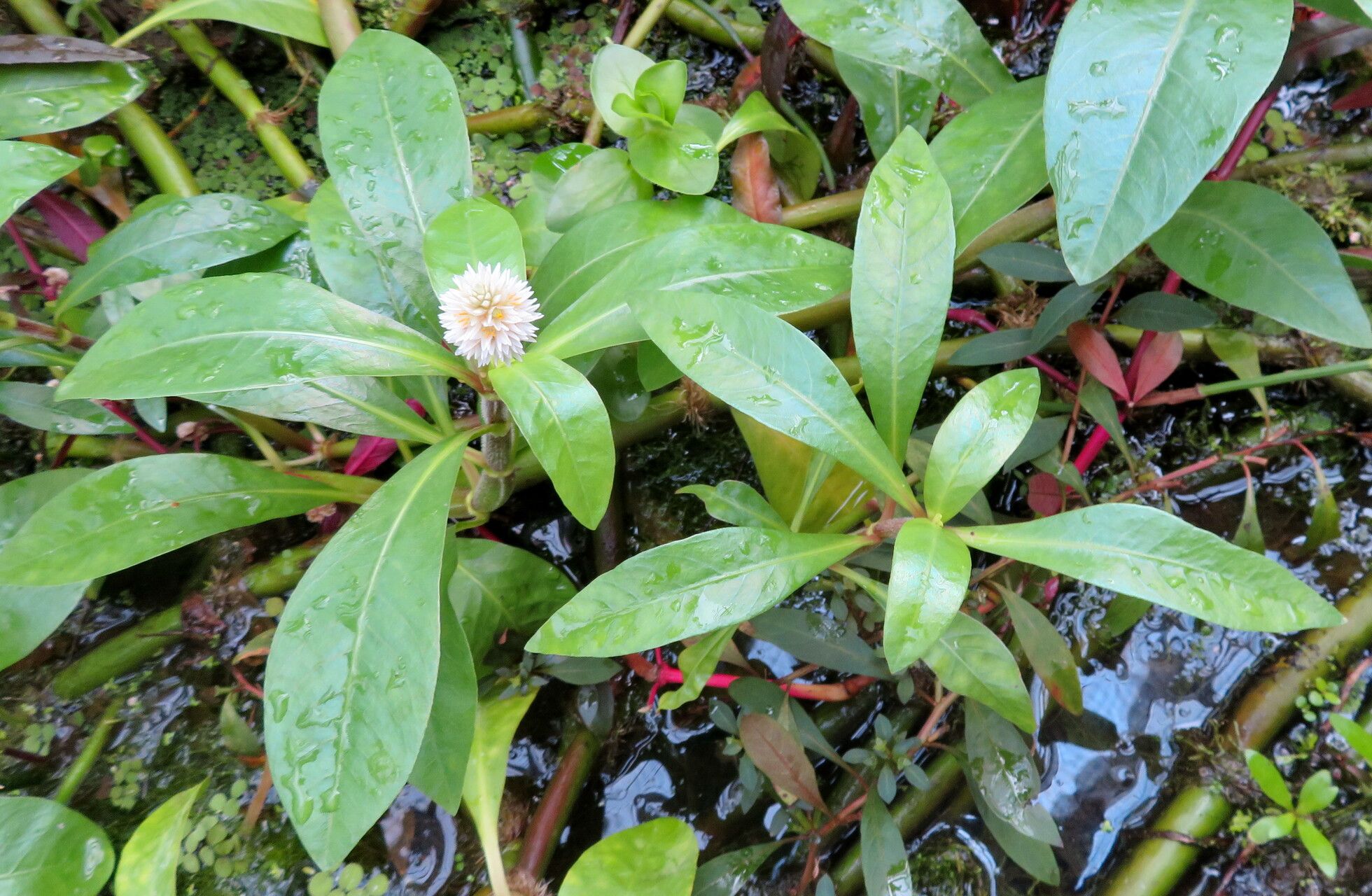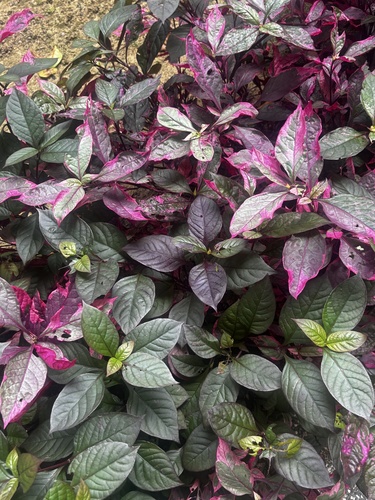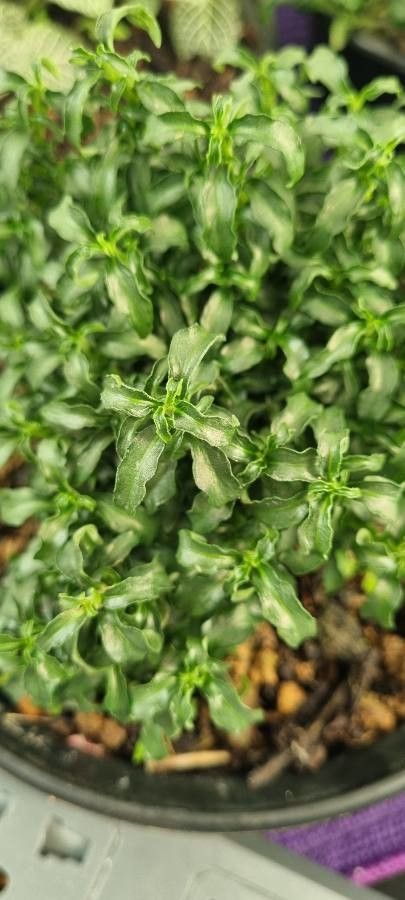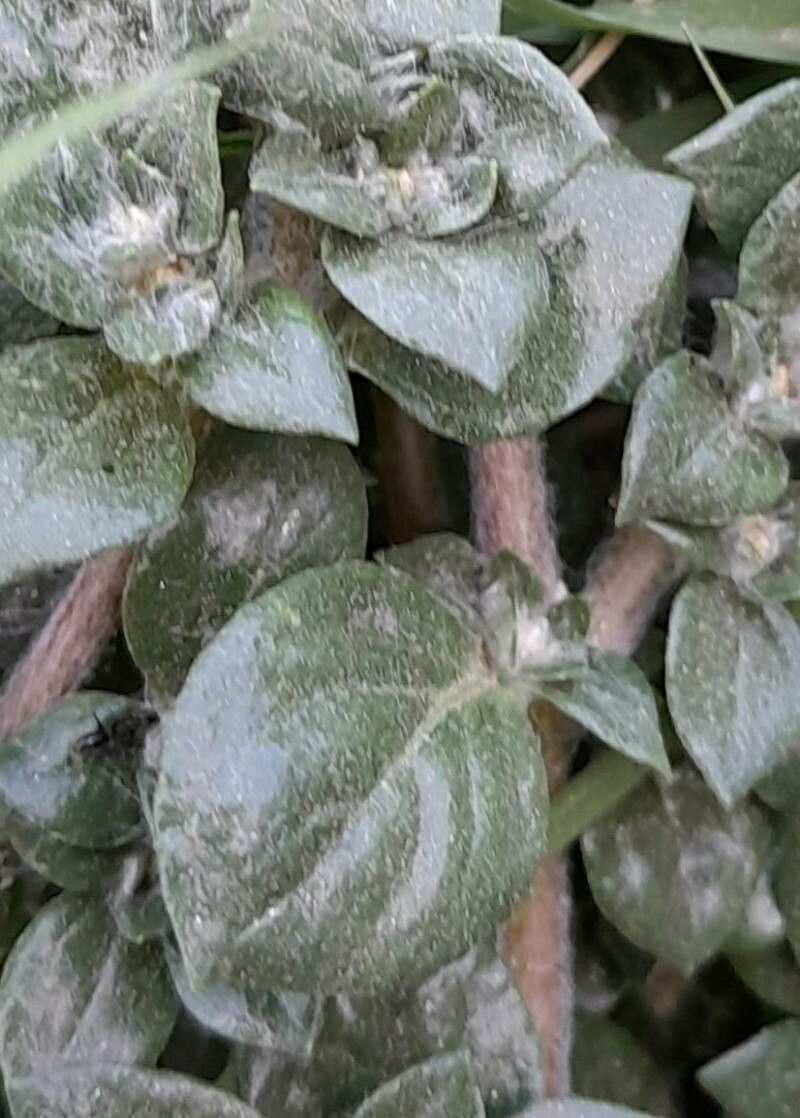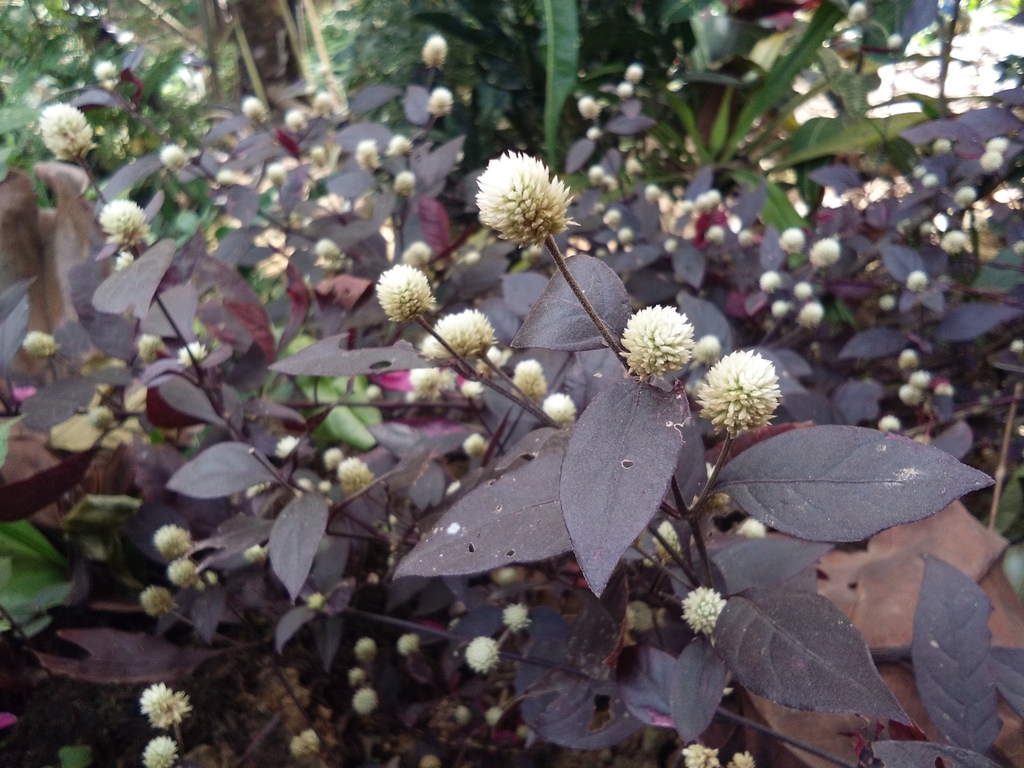
Alternanthera brasiliana, also known as Brazilian joyweed, is a perennial herbaceous plant that belongs to the Amaranthaceae family. Native to South America, it thrives in various habitats such as wetlands, forests, and disturbed areas.
This plant has a bushy growth habit with stems that can reach up to 1 meter in height. Its leaves are ovate or lanceolate in shape and are alternately arranged on the stem. The leaves have a glossy green color on the top with reddish-purple undersides.
Alternanthera brasiliana produces small white or pink flowers that bloom from summer through fall. Although the flowers are inconspicuous, they attract pollinators like bees and butterflies.
In regions where Brazilian joyweed is not native, it often tends to grow aggressively and become weedy. It is regarded as a troublesome weed in parts of Australia. In these areas, there are no natural predators or vertebrate herbivores that feed on the plant. FUN FACT · FROM THE LIBRARY
Known for its medicinal uses, this plant is used to treat fevers, coughs, colds, headaches, and stomach ailments, among other issues. It also has anti-inflammatory properties.
In addition to its medicinal uses, Alternanthera brasiliana is popular for ornamental purposes due to its attractive foliage, which ranges in color from greenish-yellow to reddish-purple depending on light intensity levels.
Overall, Alternanthera brasiliana is an appealing ornamental plant with medicinal properties, making it an excellent addition to gardens or landscapes while providing health benefits.
The plant known as Large Purple Alternanthera or Purple Joyweed is commonly called Brazilian Joyweed due to its striking purple flowers. The name "Alternanthera" comes from the combination of the Latin word "alterno," meaning "to alternate," and the Greek word "anthera," referring to the plant's anthers. This name reflects the characteristic that plants in this genus have anthers that alternate between being fertile and sterile.
Brazilian joyweed is fairly resistant to disease and typically not prone to infections. Still, it can be affected by pests and diseases present in its surroundings, though these problems are typically not serious. Care-wise, the plant needs a moderate amount of attention. It should be pruned regularly to keep a neat appearance and encourage healthy growth, and applying fertilizer can help boost flowering. This plant is well suited for anyone with outdoor space, such as a garden or patio, and does not demand extensive care experience. Growing it indoors may call for more attention.
How to keep Alternanthera Brasiliana.
Light
Brazilian joyweed adapts to a variety of light intensities, preferring moderate sunlight but also tolerating full shade or full sun. Its ability to adjust comes from its native environment, which features differing levels of sun exposure. Excessive light can scorch the leaves, while insufficient light may impede growth. Appropriate sunlight can bring out its vivid colors.
Water
Brazilian joyweed thrives in humid, tropical climates and needs consistent moisture, making weekly watering essential. As an evergreen plant, it requires regular watering to keep its foliage healthy. Although it is usually grown outdoors, applying mulch around the plant can help retain soil moisture and reduce evaporation.
Temperature
The Brazilian joyweed is native to Brazil and grows best in a warm to hot temperature range of 20 to 38 ℃ (68 to 100.4 ℉). It tolerates higher temperatures well but needs protection from frost. In colder seasons, it is advisable to bring the plant indoors or provide additional insulation to keep it within its preferred temperature range.
Fertilizer
Brazilian joyweed needs the most fertilizer during its active growth period, which occurs mainly in spring, summer, and early fall. Fertilizing supplies essential nutrients that may be lacking in the soil, encouraging healthy root and stem development as well as the attractive foliage that is a key feature of this plant.
Pruning
Brazilian joyweed thrives in warm climates and is known for its vibrant foliage. To maintain its shape and promote healthy growth, it's best to prune lightly from early to late spring. This practice removes dead stems, encourages a bushier appearance, improves air circulation, and helps prevent disease. Be sure to sterilize your tools before pruning to ensure the plant's optimal health.
Pot & Repot
When repotting Brazilian joyweed, choose a pot 1-2 inches (2.5–5.1 cm) larger with ample drainage. Use a well-draining potting mix. Repot in spring or fall, ensuring that the root ball is slightly lower than the rim of the flower pot. Water thoroughly after repotting and place in a warm spot with indirect sunlight.
Botanical profile.
- Plant Type
- Herb
- Life Cycle
- Perennial, Annual
- Genus
- Alternanthera
- Family
- Amaranthaceae
- Hardiness Zone
- 10-11
- Mature Height
- 3.05 m
- Mature Spread
- 46 cm to 52 cm
- Leaf Color
- Red, Orange, Purple
- Leaf Type
- Evergreen
- Flower Color
- White
- Flower Size
- 0.76 cm to 2.03 cm
- Bloom Time
- All year round
- Planting Time
- Spring
- Harvest Time
- All year round
- Native Area
- Belize, Honduras, Mexico, Guatemala, Peru, Colombia, Bahamas, Paraguay, Bolivia, Venezuela, Guyana, El Salvador, Nicaragua, Brazil, Ecuador, Suriname
Other names.
Reader questions.
How should I water my Brazilian joyweed?
To properly water the Brazilian joyweed, it is best to use filtered water that is at room temperature. Tap water may contain harmful particles, so filtered water is preferable. The ideal temperature is room temperature or slightly warmer since this plant is accustomed to a warm environment and cold water can be a shock to its system. It's important to avoid overhead watering as it may cause problems with the foliage. Instead, it is recommended to fully soak the soil with filtered room temperature water. This method benefits the plant by moistening the roots and aiding in the spread and nutrient absorption through the soil.
Why should I put fertilizer on my Brazilian joyweed?
Plants, including the Brazilian joyweed, need soil nutrients for growth. However, there is no guarantee that the soil where your plants grow will have all the necessary nutrients. Fertilization and soil amendments can help provide both basic and specific nutrients needed for your garden plants. In the case of Brazilian joyweed, fertilization is crucial for healthy root and stem development throughout the growing season. Additionally, fertilizer will enhance the appearance of its ornamental foliage, which is a key feature of this plant.
What are the sunlight requirements for Brazilian Joyweed?
Brazilian Joyweed thrives in a range of light conditions, from moderate sunlight exposure to full shadow or unobstructed light. It originates from environments with varied sun intensity, making it adaptable. About 3-6 hours of sunlight is considered partial sun, while more than 6 hours is full sun or full shade. Watch the movement of sunlight in your garden to find the ideal light and shade balance for your plants. Overexposure to the sun can lead to leaf burn, whereas insufficient light may restrict growth. Optimal sunlight exposure enhances the plant's vibrant colors.
What is the optimal temperature range for Brazilian joyweed?
The optimal temperature range for Brazilian joyweed (Alternanthera brasiliana) is between 20 to 38°C (68 to 100.4°F). Native to Brazil, this plant thrives in warm to hot temperatures and needs to be protected from frost. During colder seasons, it's advised to bring outdoor plants indoors or provide additional insulation to maintain this preferred temperature range. The plant loves heat and can be harmed by cold temperatures, so keeping it above 20°C, especially in winter, is essential to prevent damage.
What should I do if I give my Brazilian joyweed too much water or too little water?
Overwatering can be harmful to your Brazilian joyweed, leading to wilting, yellowing leaves, and potential diseases like root rot, mold, and mildew. Underwatering is less common but can cause brittle, brown leaves. It's important to recognize signs of overwatering early to prevent irreparable damage. Reduce watering if you notice these signs and consider improving soil drainage. If your plant appears to need more water, simply increase watering until the symptoms improve.
When should I fertilize my Brazilian joyweed?
The Brazilian joyweed requires the most fertilizer during its active growth period, which usually occurs in spring, summer, and early fall. After winter, you should feed the plant every two to four weeks until fall. During fall, you can gradually decrease the amount of fertilizer until you stop feeding completely in preparation for the dormant winter period.
How does artificial lighting support Brazilian Joyweed growth indoors?
Indoor Brazilian Joyweed plants require adequate lighting for optimal growth, especially when natural sunlight is not sufficient. Artificial lights, such as LEDs, are beneficial as they can be tailored to provide specific light wavelengths needed by the plants. Full sun plants need 30-50W/sq ft of artificial light, partial sun plants require 20-30W/sq ft, and full shade plants need 10-20W/sq ft. The light source should be placed 12-36 inches above the plants to mimic natural sunlight, and the duration should match natural daylight hours, typically 8-12 hours per day.
How should Brazilian joyweed be cared for during winter?
In winter, it's important to protect Brazilian joyweed from low temperatures by keeping it indoors in a warm environment, particularly if the outdoor temperature falls below its preferred range. Placing it near a bright window while ensuring it's not too close to heaters can help maintain optimal growth conditions. The goal is to keep the plant's temperature above 20°C, as temperatures approaching 5°C can be detrimental. If the plant has been exposed to frost, trim off the frost-damaged parts and relocate it to a suitable indoor spot.
How much should I water my Brazilian joyweed?
If your Brazilian joyweed is in a pot, the most accurate way to determine if it needs watering is by checking the soil with your finger. If the top two to three inches of soil are dry, it's time to water it. The same principle applies if you have your Brazilian joyweed planted outdoors in the ground. Once again, if the first few inches of soil are dry, it's time to water it. In spring and early fall, you'll usually need to water this plant about once a week using this method. However, during extremely hot weather, you may need to water it twice or even more per week. It's important to note that mature and well-established Brazilian joyweed can tolerate drought remarkably well.
When would it be best to not use fertilizer on my Brazilian joyweed?
For most of the year, including spring, summer, and most of fall, it is important to regularly feed your Brazilian joyweed. The exception to this is if you notice your Brazilian joyweed has received too much fertilizer or if you have fertilized it incorrectly, causing fertilizer burn or other issues that should be fixed before continuing with regular feeding. The only time you should not fertilize a Brazilian joyweed is during winter. If you are growing this plant indoors in a cold winter climate, it will go into a dormant phase. Feeding the plant during this phase is unnecessary and unhelpful for growth, and it is likely to cause fertilizer burn.
What are the symptoms of light deficiency or overexposure in Brazilian Joyweed?
Symptoms of inadequate light in Brazilian Joyweed include smaller new leaves, leggy or sparse growth, faster leaf drop, slower or halted growth, lighter-colored new leaves, and symptoms of overexposure such as chlorosis, sunscald, leaf curling, wilting, and leaf scorching. These symptoms result from the plant's inability to adapt to too little or too much sunlight, affecting its growth and overall health.
What should be done if Brazilian joyweed is damaged by low or high temperatures?
For frost damage due to low temperatures, trim off the damaged parts and immediately move the plant to a warm indoor environment. Placing it near a south-facing window can ensure it gets enough sunlight, but avoid placing it near heaters or air conditioning vents to prevent air dryness. If the plant suffers from high-temperature damage or sunburn, indicated by lighter leaf color and vulnerability to sunburn above 43°C, trim away sunburned and dried parts. To protect it, move the plant to a shaded location from midday and afternoon sun, and water it during cooler times like morning and evening to keep the soil moist.