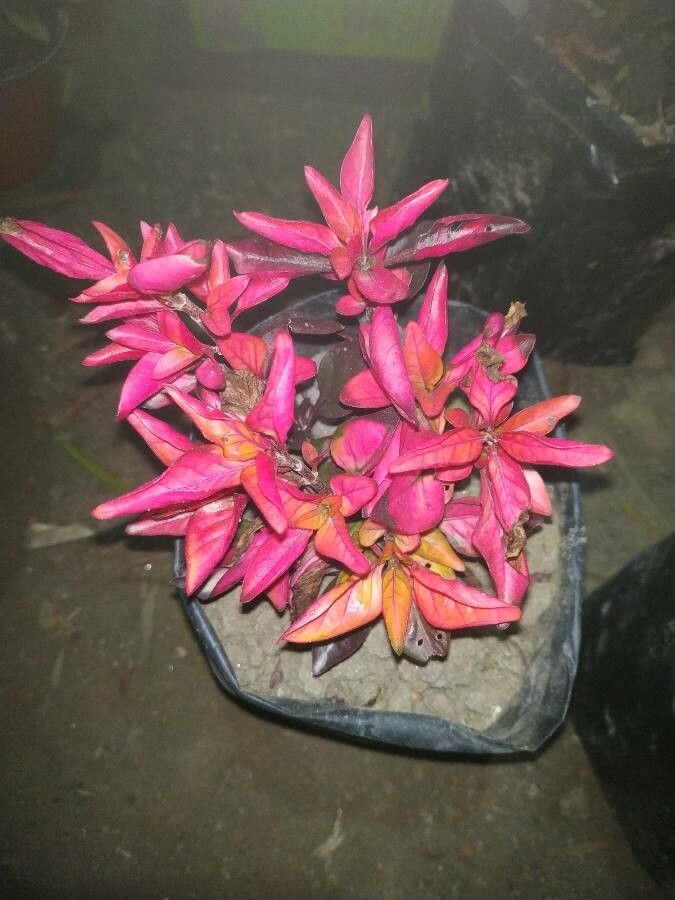
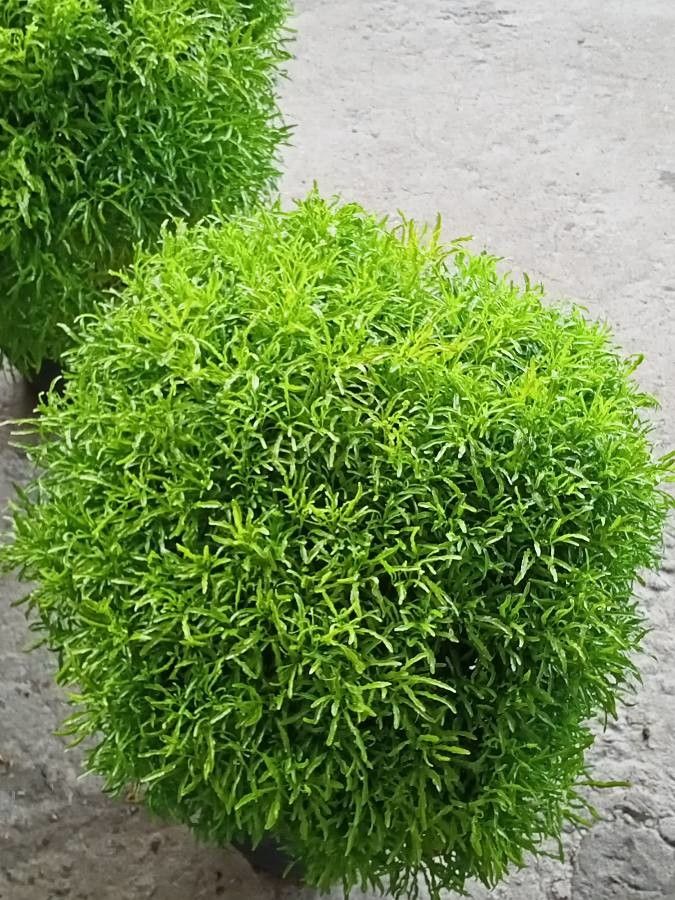
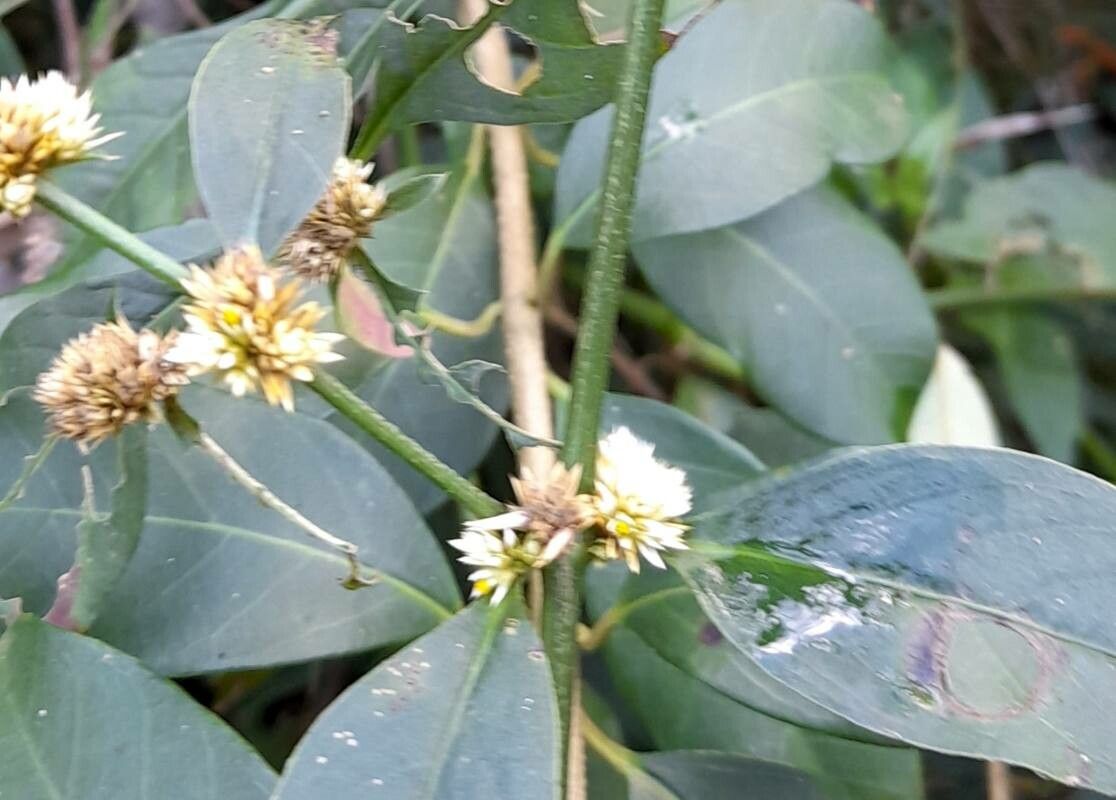
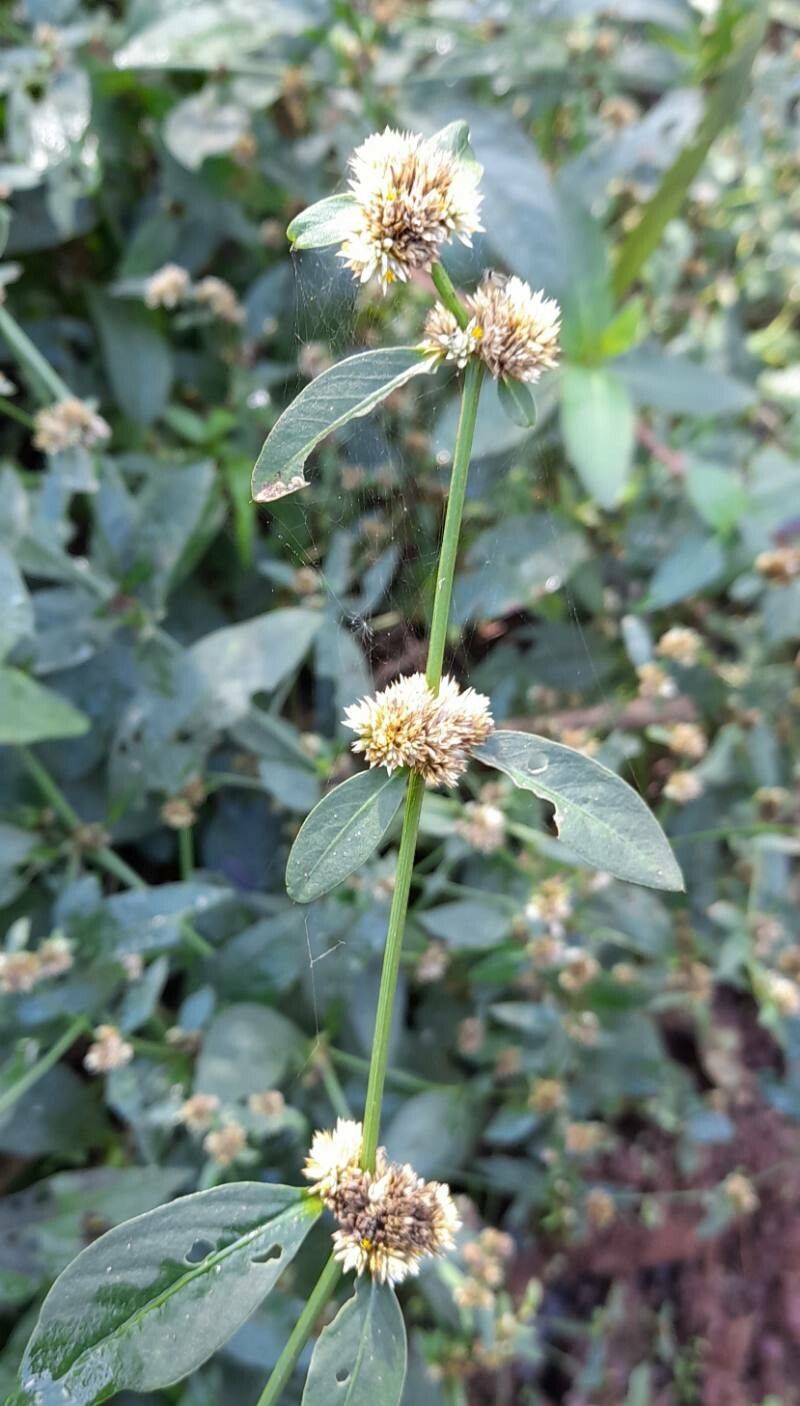
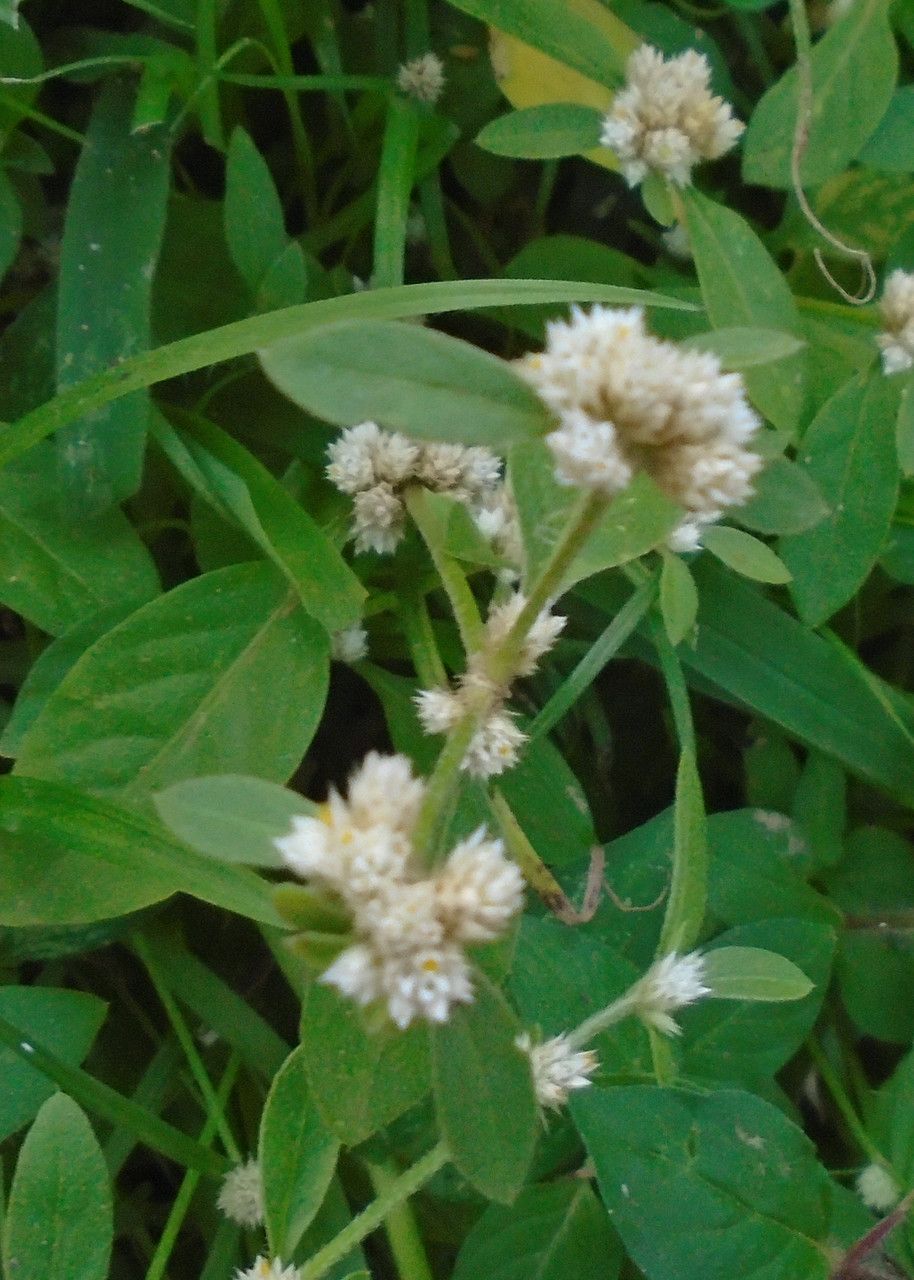
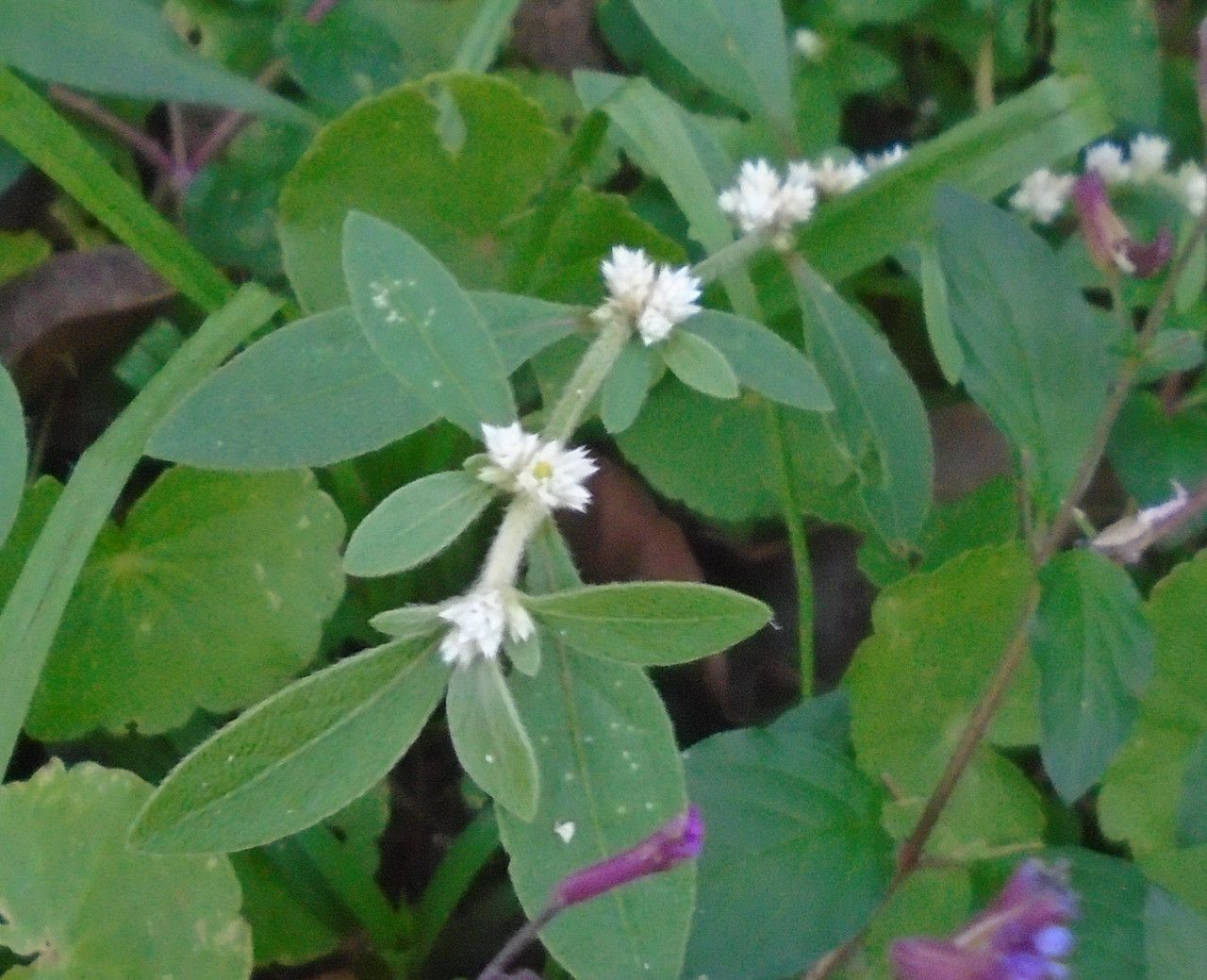
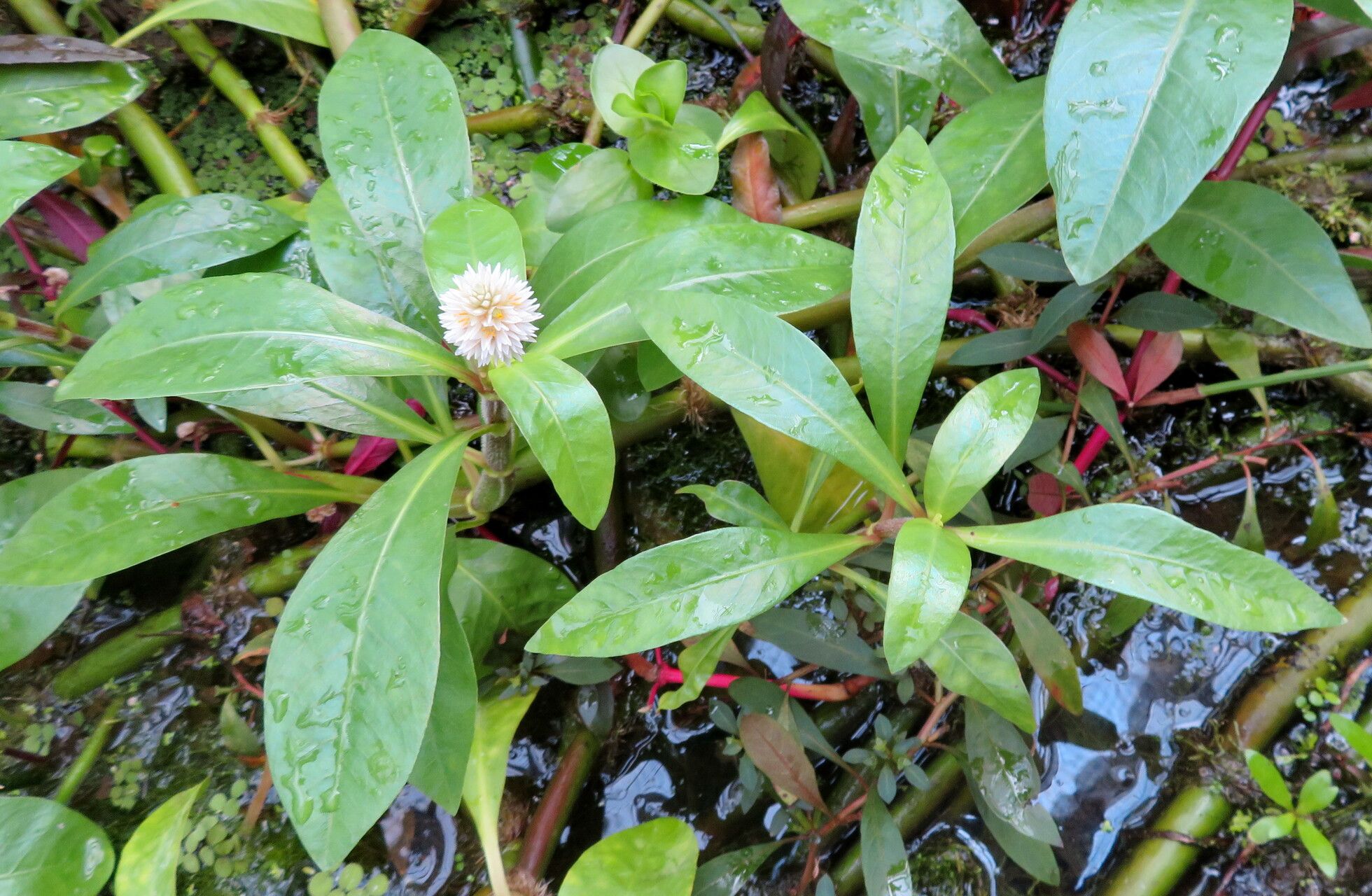
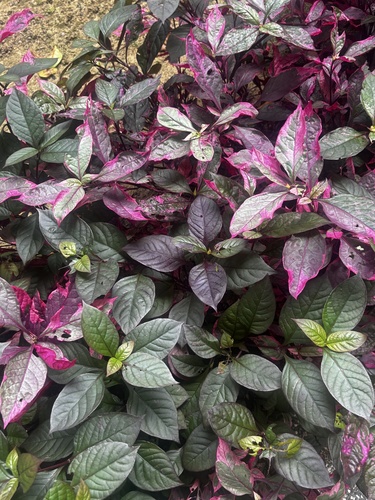
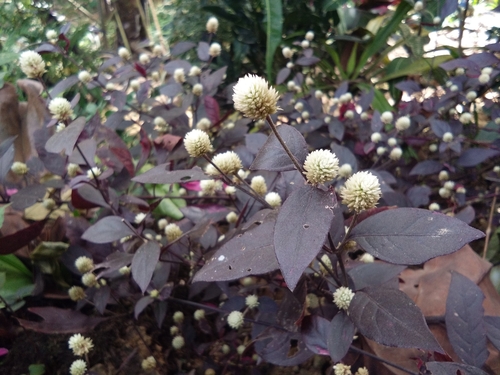
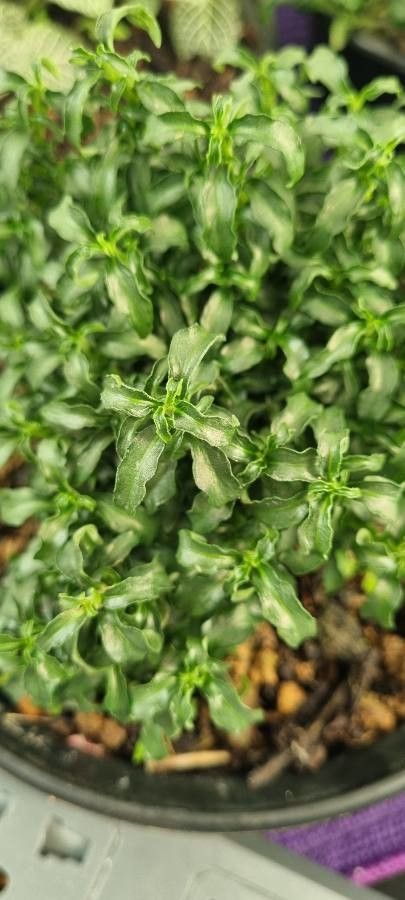
Alternanthera ficoidea, commonly known as Joseph's coat or parrot leaf, is a popular ornamental plant belonging to the Amaranthaceae family. Native to Central and South America, it has been widely cultivated worldwide due to its attractive foliage and ease of maintenance. This plant exhibits a bushy growth habit, reaching a height of 30-60 cm. While it produces small, inconspicuous flowers that are not very showy, these are surrounded by colorful leaves that vary from green, yellow, orange-red, to purple-red, depending on the cultivar. Alternanthera ficoidea thrives in well-drained soil with moderate moisture and can tolerate both full sun and partial shade. It's commonly used as a border plant in gardens or as an accent plant in containers, thanks to its vibrant foliage colors. Beyond its ornamental appeal, Alternanthera ficoidea offers some medicinal benefits. Its leaves contain compounds such as flavonoids and alkaloids, which have been shown to possess anti-inflammatory properties. Overall, Alternanthera ficoidea is an attractive ornamental plant with easy care requirements, making it suitable for both novice gardeners and experienced horticulturists alike.
Joseph's coat is generally resistant to disease and is not usually prone to illness. However, it can be vulnerable to leaf spots if light and ventilation are poor or if it is watered excessively. The plant is considered easy to care for, as it only requires regular watering and little else. Joseph's coat is suitable for people who do not have the time or energy to devote to regular care.
How to keep Alternanthera Ficoidea.
Light
Joseph's coat does best in places that receive a mix of sun and shade during the day, with a slight leaning toward shadier conditions. While it can tolerate areas with more sunlight, excessive exposure can cause health problems. Its original habitat shows a similar pattern of sun exposure.
Water
Joseph's coat, a plant native to tropical and subtropical regions, thrives in consistently moist soil and needs to be watered weekly to maintain healthy foliage. Although it can tolerate moderate drought, the plant performs best when the soil is kept evenly moist. Applying mulch can help retain moisture and regulate the temperature around the roots.
Humidity
This plant needs special care because it loves high humidity levels of 60-80% or more. The best way to achieve this is by placing a humidifier near the plant. Daily misting is also essential! Make sure the room has good ventilation.
Temperature
The native growth environment temperature for joseph's coat ranges from 68 to 100.4 ℉ (20 to 38 ℃). It prefers a warm climate but can tolerate some cold. In winter, it's best to keep temperatures above 50 ℉ (10 ℃), and in summer it can withstand temperatures as high as 100 ℉ (38 ℃).
Fertilizer
Joseph's coat needs the most fertilizer during its active growth period, which is mainly in spring, summer, and early fall. Fertilizing is required to supply essential nutrients the soil may lack, supporting healthy root and stem growth and attractive foliage, a key characteristic of this plant.
Pruning
To keep Joseph’s coat looking its best, it should be pruned regularly. The best time for shaping is in early spring, with light pruning later to maintain its form. Be sure to remove any dead stems to improve airflow and prevent disease. When you make your cuts, focus on doing so just above the leaf nodes. This will encourage lush, colorful growth throughout the season.
Pot & Repot
When repotting Joseph's coat, select a pot 1-2 inches (2.5–5.1 cm) larger that provides good drainage. Use a well-draining potting mix. Repot in spring or fall, making sure the root ball sits slightly below the rim of the flower pot. After repotting, water thoroughly and place the pot in a warm spot with indirect sunlight.
Toxicity
Keep this plant away from any animals or children who might want to nibble on it because its leaves might be poisonous if eaten. ideal option for beds and borders. Ideal for pots, window boxes, hanging baskets, and groundcover. fantastic for plantings that are combined.
Further reading →
The toxicity and danger assessments provided are for reference only. We do not assure their accuracy, so it's crucial not to depend on them. Seek professional advice when necessary for accurate guidance.
Botanical profile.
- Plant Type
- Herb
- Life Cycle
- Perennial, Annual
- Genus
- Alternanthera
- Family
- Amaranthaceae
- Hardiness Zone
- 10-11
- Mature Height
- 30 cm to 37 cm
- Mature Spread
- 30 cm
- Leaf Color
- Yellow, Red, Green, Orange, Brown
- Leaf Type
- Evergreen
- Flower Color
- White
- Flower Size
- 2.54 cm
- Bloom Time
- Late spring, Summer
- Planting Time
- Spring, Summer, Autumn
- Harvest Time
- Summer, Early fall
- Native Area
- Colombia, Bahamas, Cuba, Paraguay, Argentina, Haiti, Mexico, Bolivia, Venezuela, Guyana, Brazil, Nicaragua, Dominican Republic, Ecuador, Suriname, Costa Rica, Jamaica
Other names.
Reader questions.
How should I water my Joseph's coat plant?
To properly water the Joseph's coat, it is recommended to use filtered water at room temperature. This is because tap water may contain harmful particles that can affect the plant's health. It is important to use water that is at room temperature or slightly warmer since the Joseph's coat is native to warm environments and cold water can be a shock to its system. Instead of overhead watering, it is advised to apply the filtered room temperature water directly to the soil until it is completely soaked. This method is beneficial as it ensures the roots receive enough moisture to spread through the soil and absorb necessary nutrients.
Why should I add fertilizer to my Joseph's coat?
All plants, including the Joseph's coat, rely on soil nutrients for growth. However, there is no guarantee that the soil in your garden will have all the necessary nutrients. Fertilization and soil amendments can help to ensure that your garden plants not only receive the basic nutrients they need, but also the specific nutrients required for optimal growth. For the Joseph's coat, fertilization is vital to support the development of its roots and stems throughout the growing season. Additionally, fertilization will contribute to the plant's visually stunning foliage, which is its main ornamental feature.
What are the sunlight requirements for Joseph's coat?
Joseph's coat, or Alternanthera ficoidea, thrives in both partial sun, which means about 3-6 hours of sunlight, and full sun, which is above 6 hours of sunlight per day. It's essential to observe how sunlight moves through your garden to find spots that offer a perfect balance for your plants, ensuring they receive adequate light without excessive exposure. The plant prefers a balance of sun and shade throughout the day, with a slight preference for more shaded areas. However, excessive exposure to sunlight can lead to health issues, so monitoring the plant's sun intake is crucial for its well-being.
What is the ideal temperature range for Joseph's coat?
Joseph's coat thrives in warm climates with its native growth environment temperature ranging between 68 to 100.4°F (20 to 38°C). It is vital to maintain temperatures above 50°F (10°C) during winter to ensure the plant's wellbeing. In summer, Joseph's coat can withstand temperatures up to 100°F (38°C). The plant is extremely heat-loving, and exposure to cold temperatures can be harmful. It is recommended to keep Joseph's coat indoors during autumn, near a bright window but away from heaters, ensuring that winter temperatures stay above 20°C to facilitate growth while being cautious of temperatures nearing 5°C as they can be detrimental.
What do I do if I give my Joseph's coat plant too much or too little water?
Joseph's coat can suffer from both overwatering and underwatering, but overwatering is more common. When overwatered, the plant's stems and leaves may wilt and turn yellow. Prolonged overwatering can also lead to diseases like root rot, mold, and mildew, which can be fatal. Underwatering is less likely but can still happen, causing the leaves to become dry and brown. It's important to quickly identify signs of overwatering and take action. Diseases like root rot may become irreversible if not addressed promptly. Reduce watering immediately at the first signs of overwatering and check the soil's drainage. If it's poor, replace it with a loose, well-draining potting mix. If the signs indicate underwatering, simply water the plant more regularly until the symptoms improve.
When should I fertilize my Joseph's coat?
During the active growing season of spring, summer, and early fall, a Joseph's coat will require the highest amount of fertilizer. After winter, it is recommended to feed your Joseph's coat every two to four weeks until fall. As fall approaches, you can gradually decrease the amount of fertilizer given, eventually stopping entirely in preparation for winter when the plant's growth slows down.
How can artificial lighting support Joseph's coat indoors?
Indoor plants like Joseph's coat require sufficient lighting to grow optimally. When natural sunlight is inadequate, especially during winter or in less sunny spaces, artificial lighting becomes a vital solution. LED lights are recommended due to their ability to provide specific wavelengths needed by plants. The intensity of artificial light needed varies; full sun plants require 30-50W/sq ft, partial sun plants 20-30W/sq ft, and full shade plants 10-20W/sq ft. Positioning the artificial light 12-36 inches above the plant and ensuring it receives 8-12 hours of light per day can effectively mimic natural sunlight conditions, promoting healthier growth.
How should I care for Joseph's coat in low temperatures?
Joseph's coat is sensitive to low temperatures and thrives best when the temperature is maintained above 20°C. To protect it during winter, keep it above 5°C to prevent cold damage. Exposure to temperatures below 1°C may lighten the leaves' color, which can turn brown or black following frost damage, accompanied by wilting and drooping. If frost damage occurs, trim the damaged parts and move the plant to a warmer indoor environment. Placing it near a south-facing window ensures ample sunlight, but avoid locations near heaters or air conditioning vents to prevent air dryness.
How much water does my Joseph's coat need?
Determining when to water your Joseph's coat plant is fairly straightforward, whether it is in a pot or planted directly in the ground. If your Joseph's coat is in a pot, the best way to check for dryness is to insert your finger into the soil. If the top two to three inches of soil feel dry, it's time to water. The same method can be used for Joseph's coat plants growing outdoors in the ground. If the top few inches of soil are dry, it's time to give it a drink. Typically, during the spring and early fall, watering once a week should suffice. However, during exceptionally hot weather, you may need to water the plant twice or even more frequently per week. It's important to note that mature and well-established Joseph's coat plants have the ability to endure drought conditions.
When should I not put fertilizer on my Joseph's coat plant?
Throughout most of the year, including spring, summer, and most of the fall, it is important to regularly feed your Joseph's coat. However, there are exceptions. If you notice that your Joseph's coat has received too much fertilizer or if you have fertilized it incorrectly, causing fertilizer burn or other issues, you should address these problems before resuming regular feeding. The only time of year when you should not fertilize a Joseph's coat is during winter. If you are growing this plant indoors in a cold winter area, it will go into a dormant phase. Feeding the plant during this phase is unnecessary and unhelpful, and it is likely to cause fertilizer burn.
What are common symptoms of insufficient or excessive light in Joseph's coat?
Joseph's coat can exhibit several symptoms when experiencing insufficient or excessive light. Insufficient light may lead to smaller leaves, leggy or sparse growth, quicker leaf drop, halted growth, paler new leaves, indicating a struggle in maintaining chlorophyll levels. Excessive sunlight can cause chlorosis, where leaves lose their green color and turn yellow, sunscald presenting as pale or necrotic spots on leaves, leaf curling as a defense against water loss, wilting due to increased transpiration, and leaf scorching characterized by brown or crispy leaf edges. Monitoring these symptoms can help in adjusting the plant's exposure to light appropriately.
What steps should I take if Joseph's coat experiences high temperatures?
During the summer months, it's important to prevent Joseph's coat from exceeding temperatures of 38°C. Exposure to temperatures above 43°C can lighten the leaves' colors and make the plant susceptible to sunburn. To address this, trim away any sunburned or dried parts of the plant. Relocate it to a shaded area, particularly during the midday and afternoon sun, to prevent further sunburn. Additionally, watering the plant in the morning and evening helps keep the soil appropriately moist, mitigating the risk of heat stress.