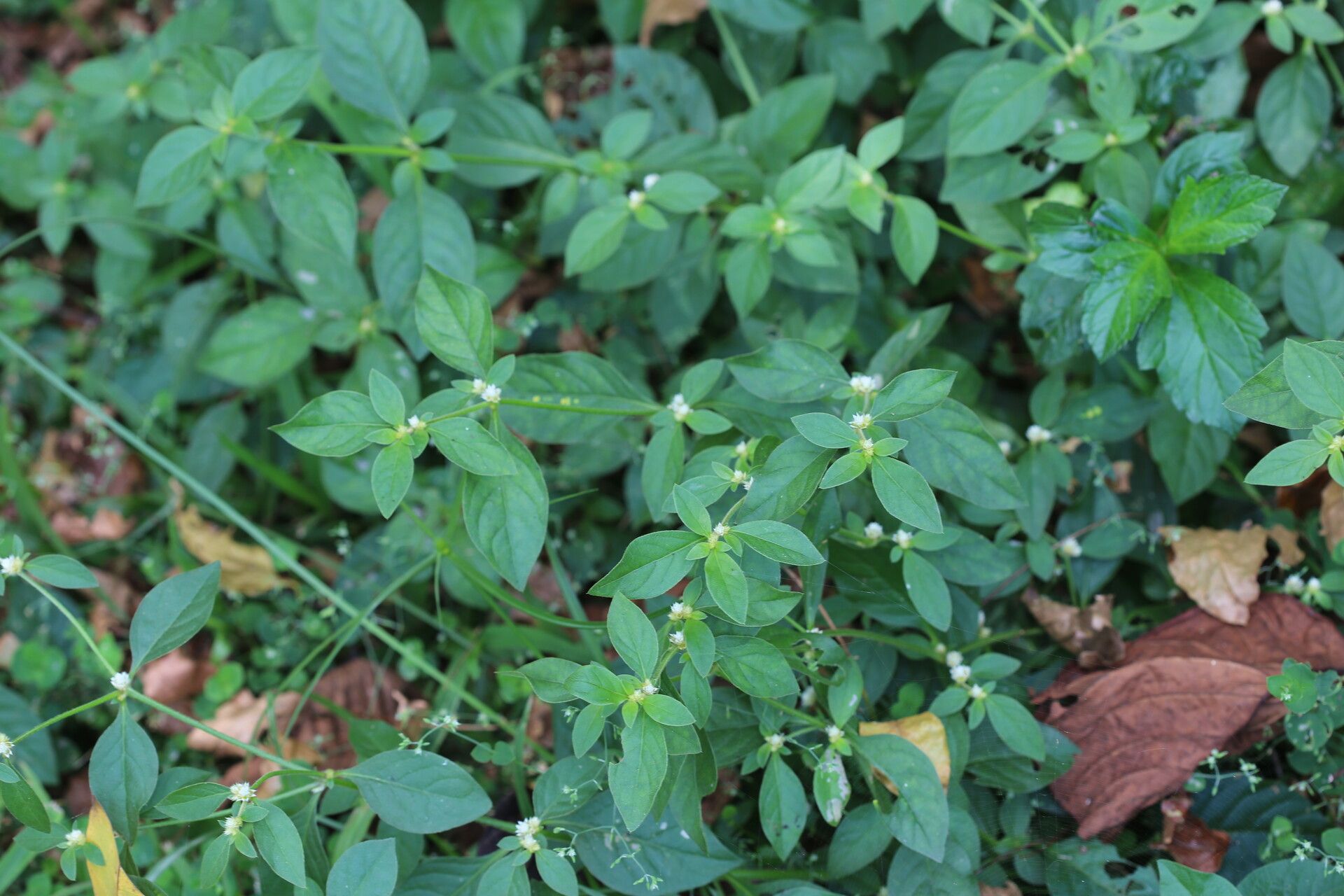
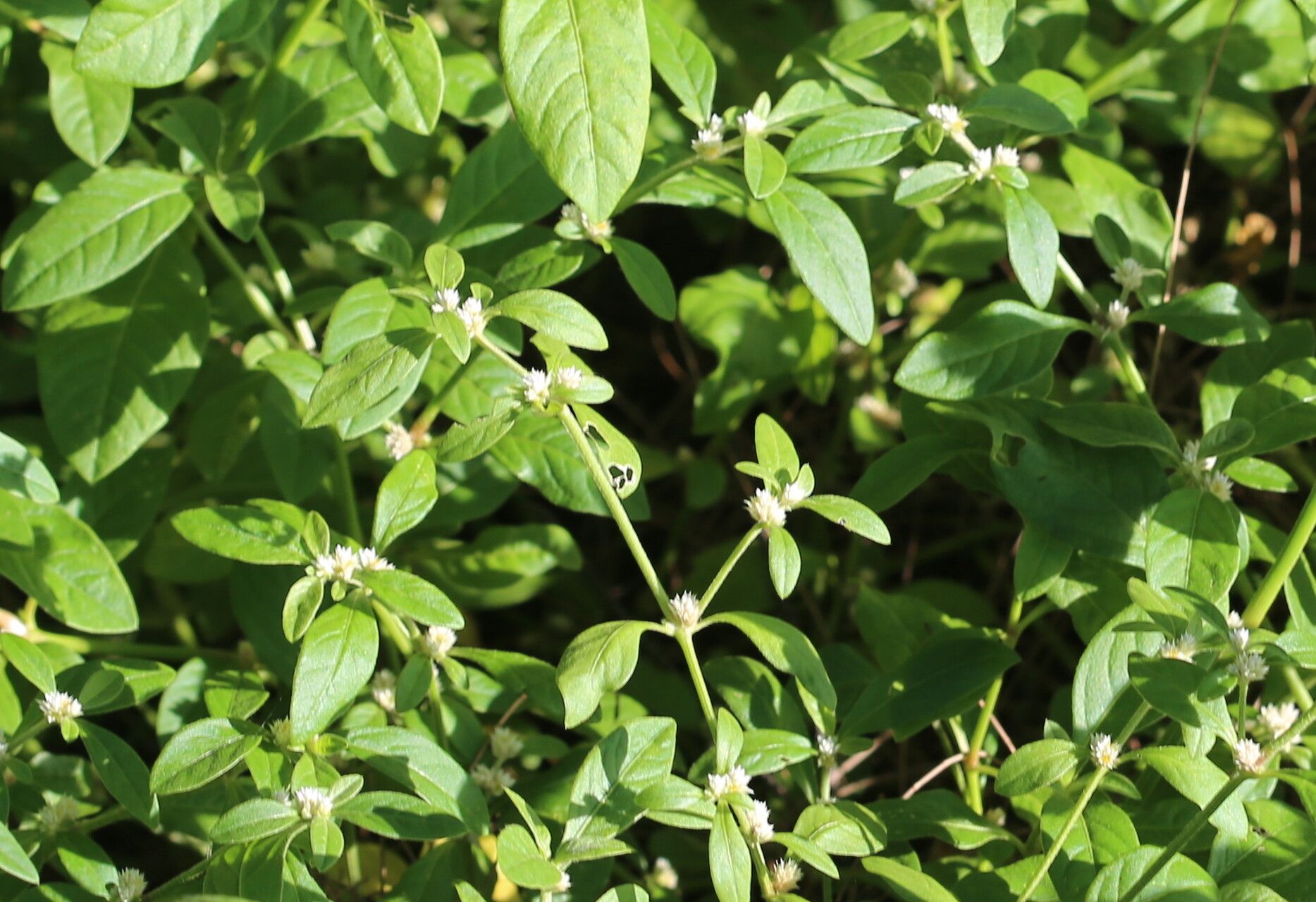
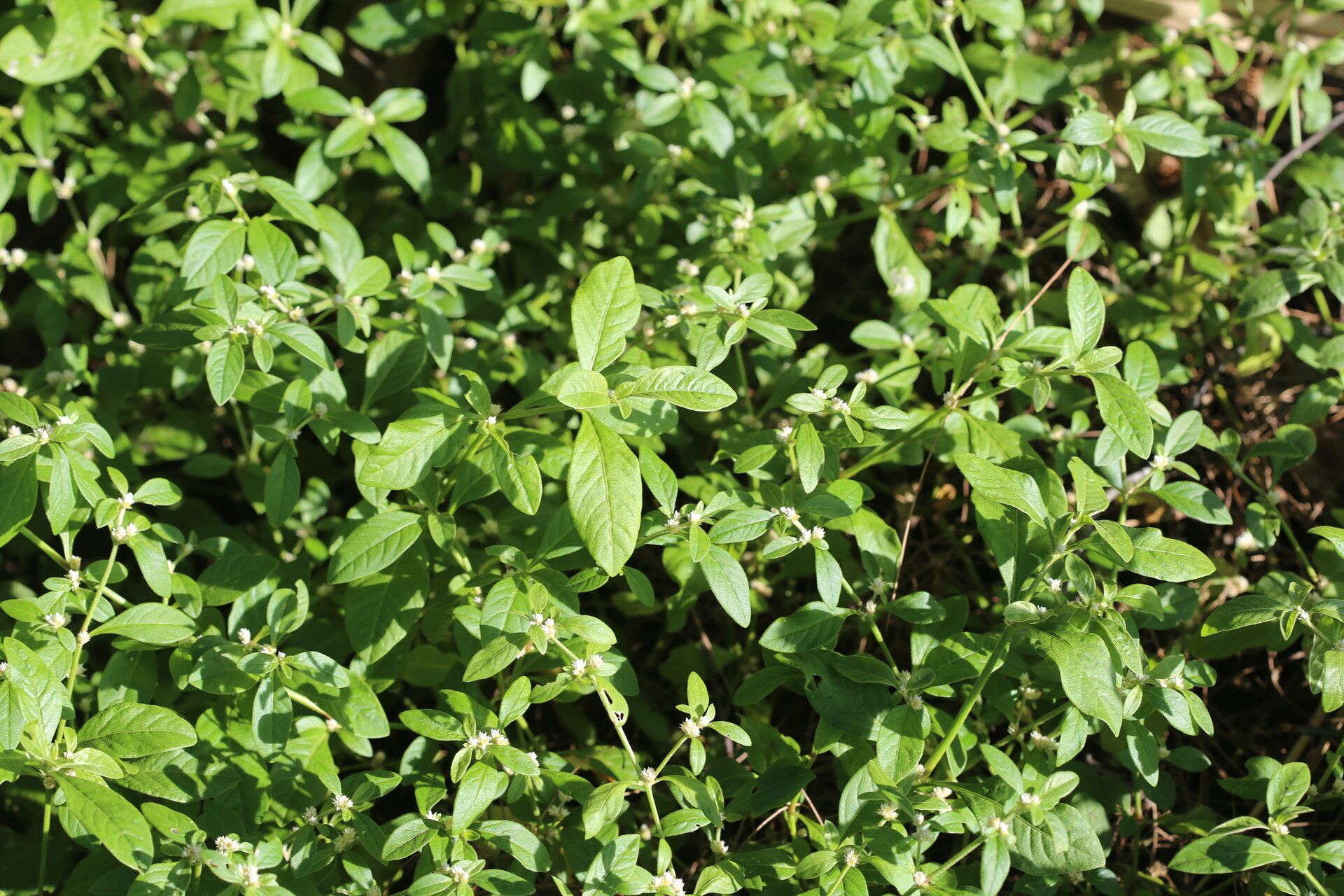
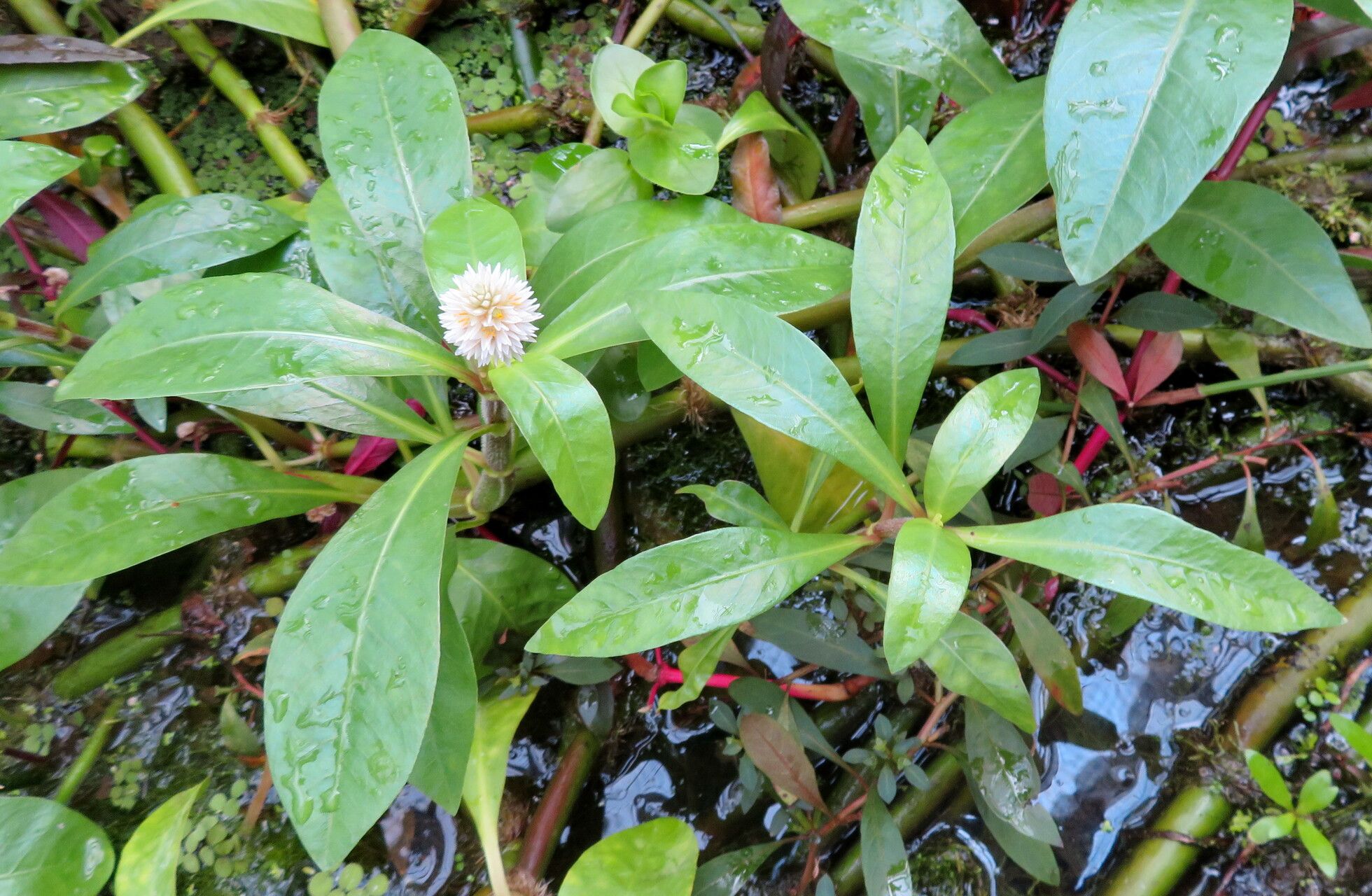
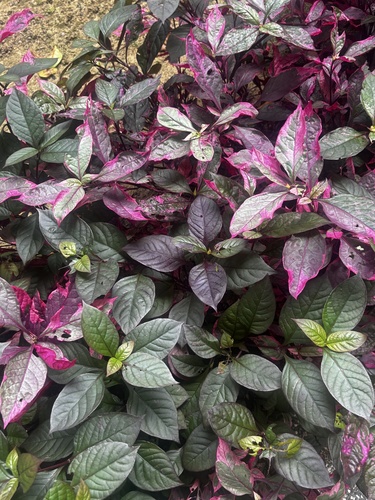
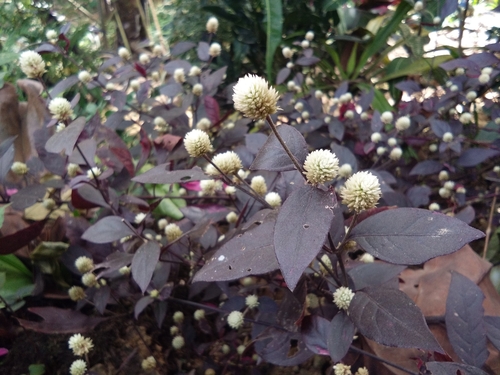
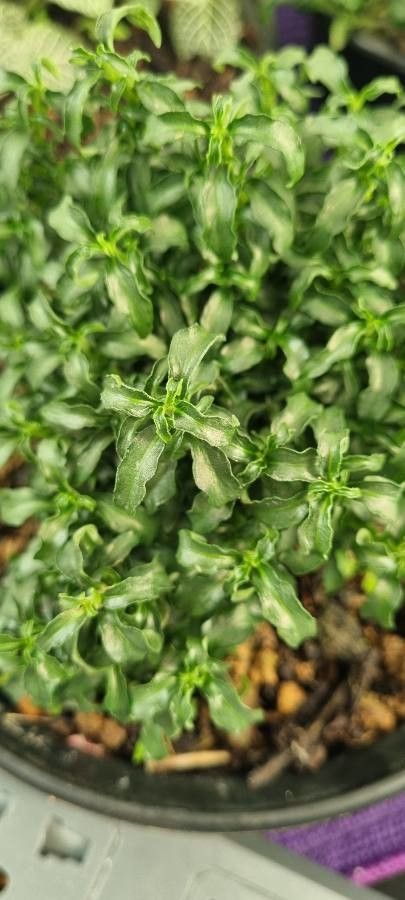
Alternanthera denticulata is a small prostrate white-flowering herb in the Amaranthaceae family. It is native to all states and territories of Australia, New Guinea, and the North Island of New Zealand. It is also one of the food plants of the varied eggfly, Hypolimnas bolina nerina.
Sessile Joyweed shows moderate resistance to disease but can be prone to problems like leaf spot. Its susceptibility to insect pests differs by cultivar, though most have lower resistance to pests. For care, Sessile Joyweed needs consistent watering and fertilization and frequent removal of yellow leaves. It’s important to manage pests and diseases as they appear and to harvest the plant promptly. Sessile Joyweed is suited to people who can devote some time and effort to regular upkeep.
How to keep Alternanthera Denticulata.
Light
Sessile Joyweed grows best with strong sunlight throughout the day. While it can still grow in light shade, its growth and health may be impaired. Both too much and too little sun can negatively affect the plant, since it originates from areas that receive regular sunshine.
Temperature
Sessile Joyweed comes from temperate environments and prefers temperatures of 68 to 95°F (20 to 35℃). Depending on the season, it may be necessary to regulate temperature to replicate those conditions.
Fertilizer
To maximize yield, Sessile Joyweed benefits from regular applications of a balanced fertilizer, especially one high in nitrogen. Apply fertilizer before planting, at planting, and again when seedlings are 2 inches tall. Adding compost or manure also gives a steady nutrient supply. Too few nutrients in the soil lead to underdeveloped leaves and stems, thin stems, inferior flavors, and a potentially bitter taste.
Pruning
Lesser joyweed boasts vibrant foliage and thrives with regular pruning in early spring. This practice encourages growth and compactness. Essential techniques include removing dead stems and pinching back new growth. Pruning not only enhances air circulation and reduces pests but also helps maintain a balanced shape. For the best results, use clean, sharp tools.
Botanical profile.
- Plant Type
- Herb
- Life Cycle
- Annual, Perennial
- Genus
- Alternanthera
- Family
- Amaranthaceae
- Hardiness Zone
- 10
- Mature Height
- 30 cm to 91 cm
- Mature Spread
- 91 cm
- Leaf Color
- Green, Dark Green
- Leaf Type
- Evergreen
- Flower Color
- White
- Flower Size
- 0.25 cm to 0.51 cm
- Bloom Time
- Summer, Fall
- Planting Time
- Spring, Autumn
- Harvest Time
- Late summer, Fall, Early winter
- Native Area
- Burkina Faso, Sri Lanka, Belize, Mexico, Guatemala, Madagascar, Pakistan, Dominican Republic, Nigeria, Guinea-Bissau, Uganda, Tanzania, Benin, Paraguay, Sierra Leone, Indonesia, Haiti, Cameroon, Mozambique, Ethiopia, Suriname, Central African Republic, Saudi Arabia, Malawi, Tunisia, Honduras, Peru, Philippines, Bangladesh, Panama, Chad, China, Colombia, Lebanon, Syria, Japan, Togo, El Salvador, Senegal, Eswatini, Iran, Côte d'Ivoire, Gambia, Costa Rica, Congo (DRC), Lesotho, Egypt, Angola, Malaysia, Eritrea, Yemen, Kenya, Niger, Jamaica, Zimbabwe, Mali, Iraq, Cuba, Cambodia, Liberia, Venezuela, Brazil, Ghana, Botswana, Congo, Nepal, South Africa, Sudan, Mauritania, Zambia, Guinea, Bolivia, Vietnam, Myanmar, Guyana, Bhutan, Nicaragua, Algeria, Thailand, Gabon
Other names.