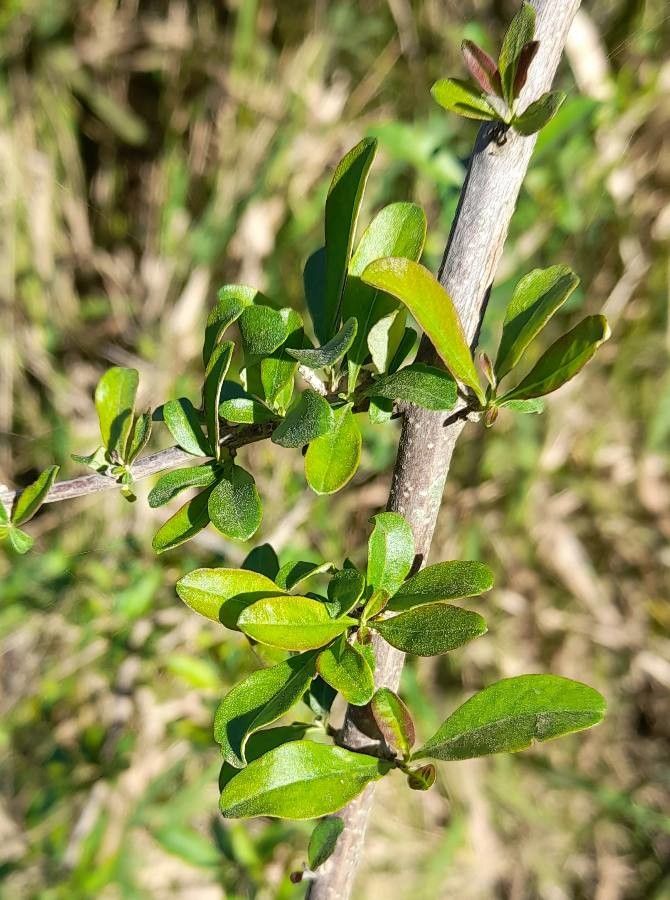
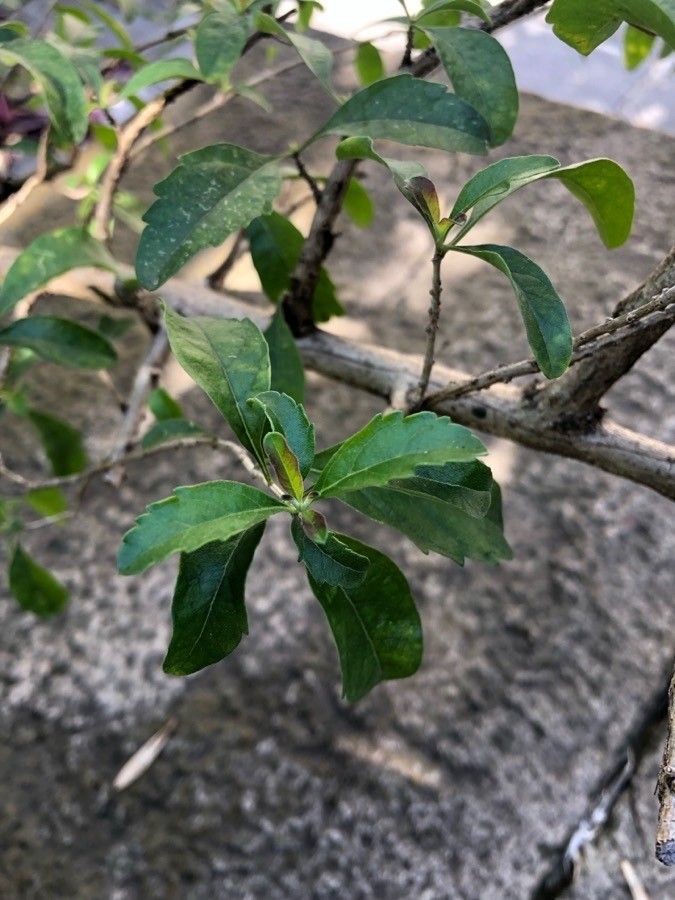
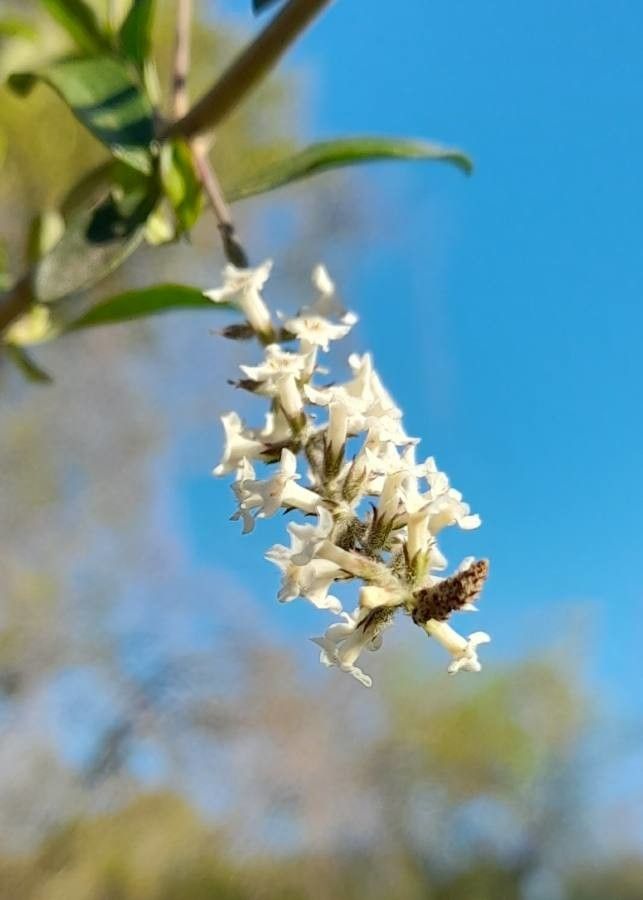
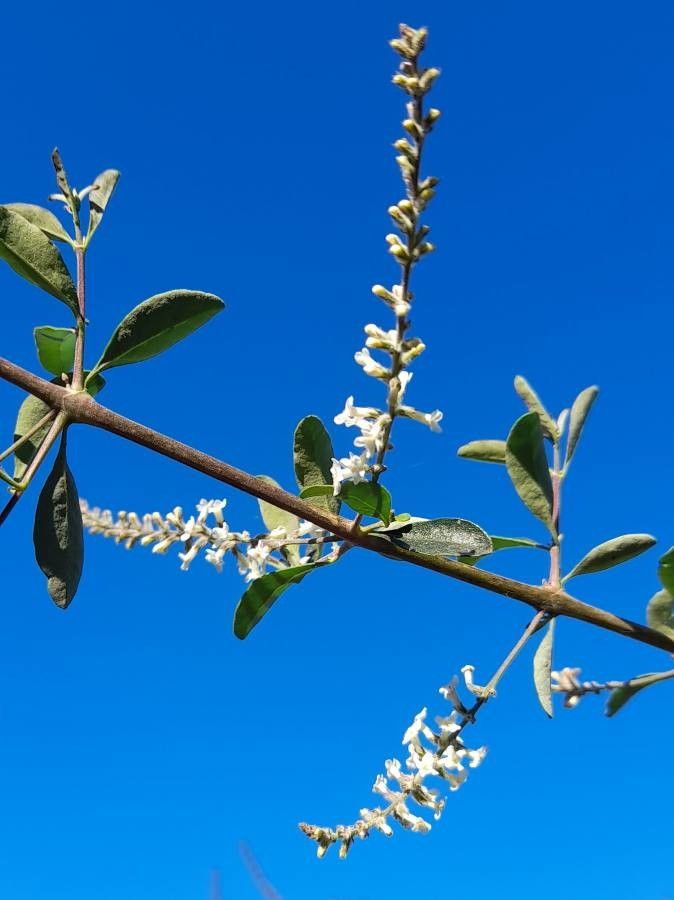
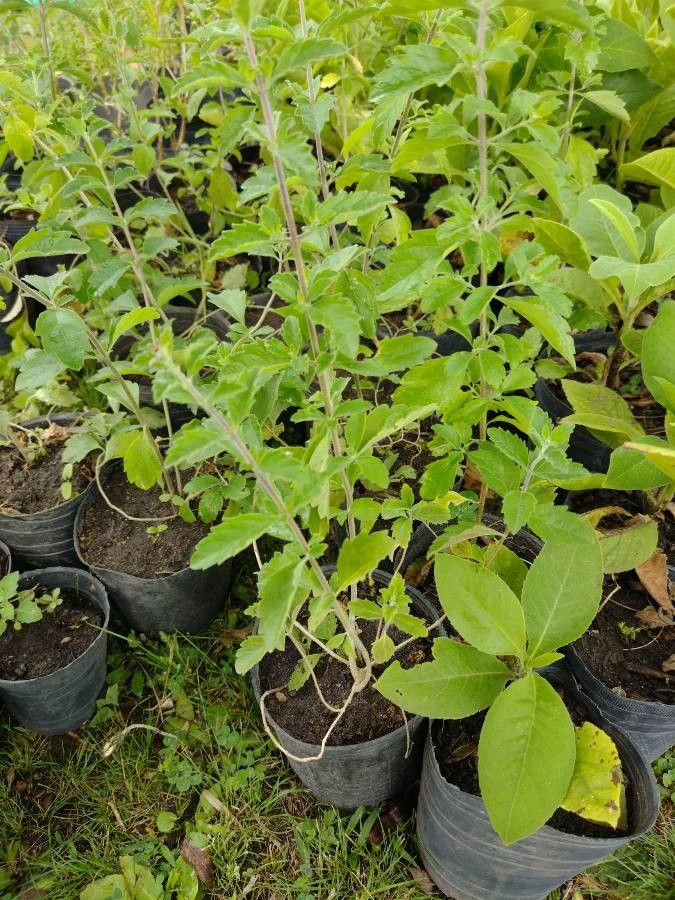
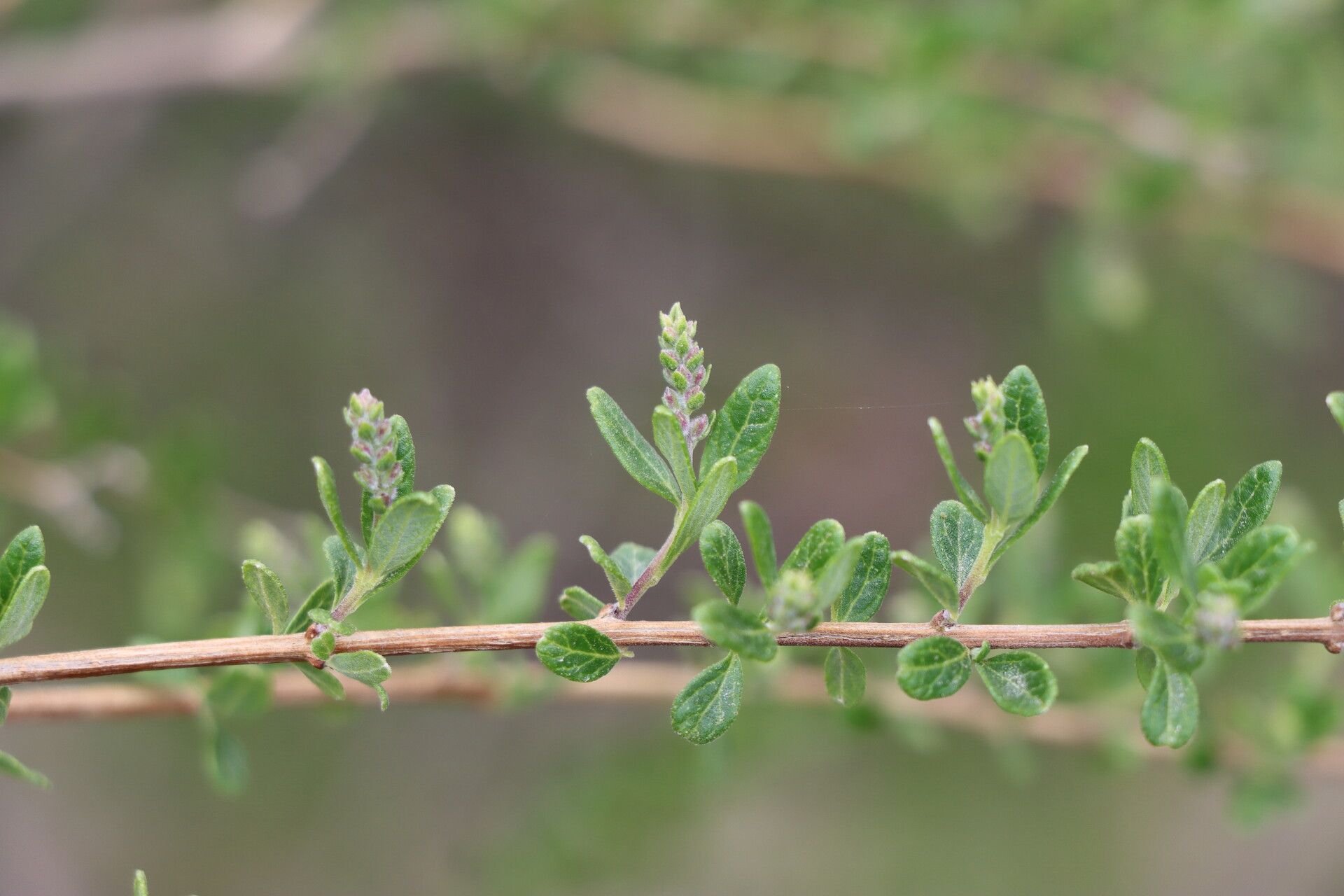
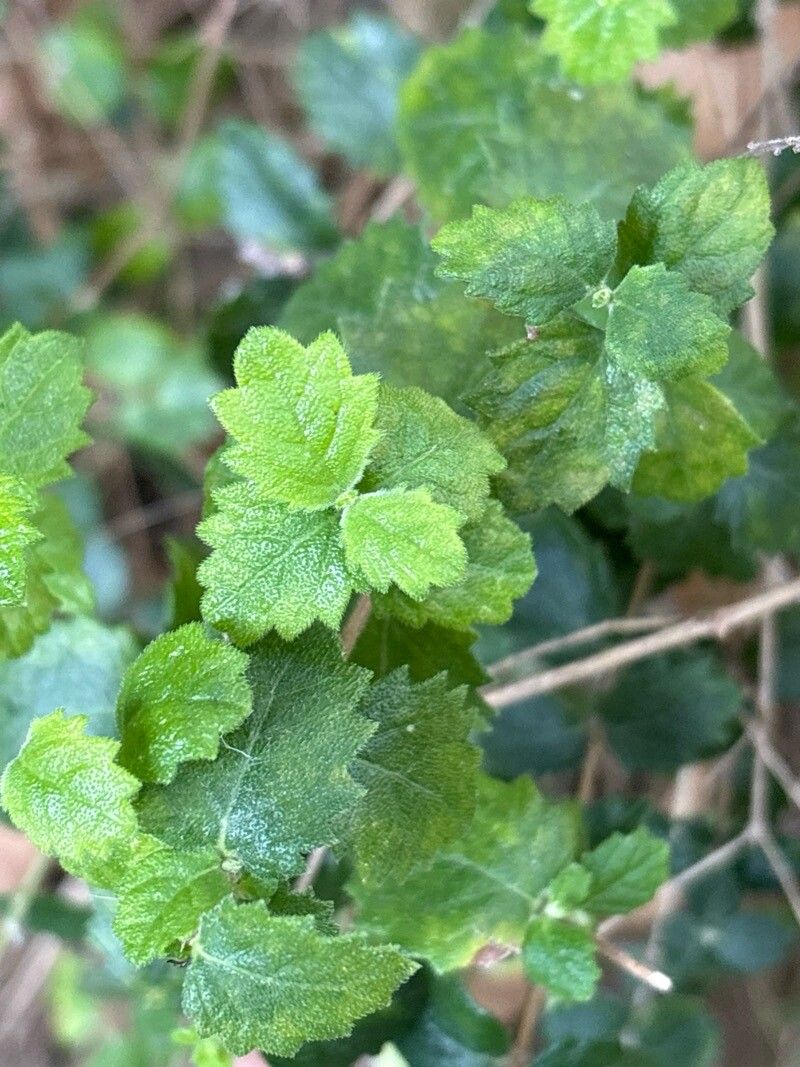
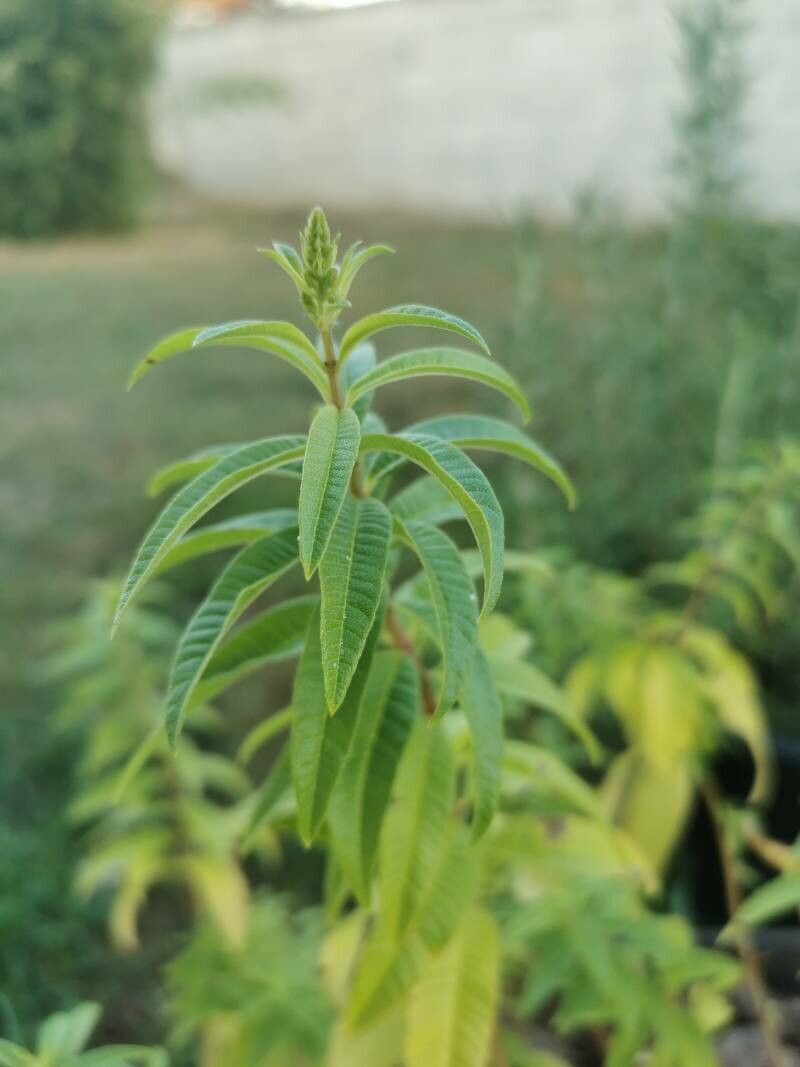
Whitebrush is well resistant to disease and is generally unlikely to suffer from illnesses. Regarding care, this plant is fairly low-maintenance. When grown outdoors it needs only minimal watering, and larger specimens usually do not require pruning. Smaller plants, however, should be pruned after they finish blooming. Whitebrush is suitable for anyone who has outdoor space, such as a garden or a deck, and does not require much care experience.
How to keep Aloysia Gratissima.
Light
The whitebrush needs a high level of sunlight for its best growth. Native to regions with plentiful sun, it can also tolerate moderate sunlight without significant harm. Too little light may impair its health, while too much can be damaging.
Water
Whitebrush, originally from arid regions, is drought-tolerant and thrives in full sunlight. It requires watering only once a week, making it perfect for xeriscaping and water-conserving gardens. It can flourish even with minimal rainfall.
Temperature
Whitebrush does best in moderate climates, with an ideal temperature range of 59 to 100.4 °F (15 to 38 ℃). Although it can tolerate seasonal temperature fluctuations, protective measures may be needed if temperatures rise above or drop below this range.
Fertilizer
Proper timing is important for fertilizing Whitebrush. Apply fertilizer in early spring and continue monthly until early summer. Fertilizer promotes attractive blooms and supplies energy during both dormant and active growth phases.
Pruning
Whitebrush benefits from regular pruning in early spring. This helps promote healthier blooms by removing dead branches and improving air circulation. When pruning, make cuts that achieve your desired shape and size to enhance both the aesthetic appeal and structural health of the whitebrush.
Botanical profile.
- Plant Type
- Shrub
- Life Cycle
- Perennial
- Genus
- Aloysia
- Family
- Verbenaceae
- Hardiness Zone
- 8-11
- Mature Height
- 3.05 m
- Mature Spread
- 0.91 m to 3.05 m
- Leaf Color
- Dark Green, Olive Drab
- Leaf Type
- Deciduous
- Flower Color
- White
- Flower Size
- 0.25 cm to 0.51 cm
- Bloom Time
- Mid spring, Late spring, Summer, Fall
- Planting Time
- Spring, Summer, Autumn
- Harvest Time
- Summer, Fall, Early winter
- Native Area
- Mexico, Bolivia
Other names.
Reader questions.
How should I water my Whitebrush plant in the best way?
To ensure excellent root development, place a garden hose at the base of your plants. Avoid directly spraying the leaves and be aware that leaves will need more water if they are outdoors in direct sunlight. You can also use bubblers on each plant to keep the roots moist. For overall watering, use soaker hoses that cover the entire garden or bed, especially when adding or removing plants to encourage deep root growth. Drain any excess water and wait for the soil to dry before watering again. To prevent diseases, water at ground level rather than spraying overhead. On a sunny day, consider spraying the entire bush with water. Whether your plants are in pots or in the ground, remember that Whitebrush plants prefer deep watering rather than light sprinkling.
Why do I have to add fertilizer to my Whitebrush plant?
Fertilizing your Whitebrush has several important benefits. First and foremost, it helps your Whitebrush produce beautiful blooms. To maximize flower production, it is best to fertilize in early spring. Additionally, fertilizer provides your Whitebrush with extra energy that it can store in the ground during periods of dormant growth. By giving your Whitebrush additional nutrients during the fall planting or late spring, you can ensure that it has more energy to utilize during active growth phases.
What are the sunlight requirements for plants?
Plants have varying sunlight requirements to thrive, categorized mainly into full sun and partial sun. Full sun plants require over 6 hours of sunlight daily, whereas partial sun plants need about 3-6 hours of sunlight. It's crucial to observe your garden's sunlight patterns to ensure plants get their ideal balance of light and shade, fostering optimal growth and health.
What is the ideal temperature range for Whitebrush?
Whitebrush, or Aloysia gratissima, thrives in moderate climates with an ideal temperature range of 59 to 100.4°F (15 to 38°C). This plant is resilient to seasonal temperature variances, but if temperatures exceed or fall below this range, taking precautionary measures is advisable. Despite some cold tolerance, and generally not requiring additional measures when the temperature is above -5°C, protective steps, like wrapping the plant with appropriate materials, should be taken if temperatures are expected to drop below -5°C.
What should I do if I give Whitebrush plant too much or too little water?
An overwatered Whitebrush can show various signs, including yellow leaves, leaf drop, wilting, and a dull, unhealthy appearance. Mushy stems may also be present. It's important to adjust your watering schedule if you notice these signs. On the other hand, wilting can also indicate under watering, with crispy and dry leaves being a common symptom. When the soil is dry and simply watering is not enough, give the plant a thorough watering. However, even with enough water, the Whitebrush may still have dry and yellow leaves for a few days due to the damaged root system. Once the plant recovers, the yellowing of leaves will cease. When keeping the Whitebrush indoors, always check the moisture levels in the pot and avoid overwatering. If you notice black spots, let the soil dry out for a few days before watering again. Overwatering can lead to root rot, so if you see discolored and slimy roots, consider transferring the plant to a different pot. It's essential to prevent root rot by avoiding overly soggy soil. When planting the Whitebrush outdoors, be sure to dig a bit deeper and check the soil's moisture level. If it feels too dry, it may indicate underwatering, and the plant will require appropriate watering for recovery.
When should I put fertilizer on my Whitebrush?
To ensure effective fertilization for Whitebrush, timing is crucial. If fertilizer is applied too early while the Whitebrush is still dormant, it will be ineffective and will be washed away by rainwater, causing waste and pollution. It is recommended to apply the first round of fertilizer in early spring and continue fertilizing monthly until early summer.
How does sunlight affect the growth of Whitebrush?
Whitebrush, known botanically as Aloysia gratissima, thrives best under high sun exposure, a nod to its origin in sunlight-abundant habitats. It can also tolerate moderate sun without significant harm. However, insufficient sunlight may impair its health, while excessive exposure could potentially cause damage. During periods of limited natural sunlight, such as winter or in less sunny indoor spaces, supplementing with artificial lighting can be beneficial. Artificial lights, especially LED, can emulate necessary wavelengths and intensities for Whitebrush, promoting healthier growth.
How should you care for Whitebrush in low temperatures?
Whitebrush has a moderate tolerance to low temperatures and performs best when the temperature is above 15°C. During the winter, it's important to keep it above -5°C. If temperatures drop below -10°C, whitebrush's leaves may begin to droop, and although they can recover in mild cases, severe cold will cause the leaves to wilt and fall off eventually. To protect the plant from frost damage, trim off the frost-damaged parts. Before facing low temperatures again, wrap the plant with non-woven fabric or cloth, and construct a wind barrier for added protection against cold winds.
How frequently should I give water to my Whitebrush?
Whitebrush plants prefer deep and infrequent watering, especially when planted in pots. In pots, the soil dries out faster due to limited water storage. In colder regions, water the plants every 3 to 5 days, preferably in the morning when the soil is dry. To check if watering is needed, assess the moisture of the soil by examining the top 2-3 inches. If the soil is dry, give the plant a thorough watering. On hot days, check the soil moisture daily as the heat can quickly dry out the soil. In garden situations, irrigation is also necessary. In hot climates, water the plants once a week, considering whether the top 2-3 inches of soil are too dry. Avoid overwatering to prevent root rot, especially if there has been sufficient rainfall. Adding 3 to 4 inches of mulch can help conserve water when the plants are outdoors. Sandy soil requires more frequent watering, while clay soil requires less frequent watering (every 2-3 days) to avoid root rot. To keep track of watering, mark the dates on a calendar and pay attention to drooping leaves as an indicator of potential delay in watering.
When should I not put fertilizer on my Whitebrush plant?
To ensure optimal growth and blooming of Whitebrush, it is important to consider the following guidelines: - Avoid using fertilizers that contain excessive amounts of nitrogen as it can result in abundant leaf growth but fewer blooms. Instead, opt for fertilizers that have a lower nitrogen content in comparison to other nutrients. - Refrain from fertilizing Whitebrush after early autumn as this can promote excessive growth right before winter sets in. - During hot and dry periods, avoid fertilizing Whitebrush as dry soil is not as effective at delivering nutrients as moist soil. Additionally, fertilizing during this time can stimulate growth that requires more water, which might not be readily available. It is advisable to apply fertilizer during cooler temperatures earlier in the season. - Keep in mind that Whitebrush can absorb fertilizer from nearby plants or lawns. Be cautious not to inadvertently provide the tree or shrub with a double dose of fertilizer.
What symptoms indicate insufficient light exposure for Whitebrush?
When Whitebrush doesn't receive adequate light, it may exhibit signs such as smaller new leaves, elongated spaces between leaves or stems leading to a sparse appearance, early leaf drop to conserve resources, slower or halted growth, paler new leaves indicating a chlorophyll deficit, and various others such as chlorosis, sunscald, leaf curling, wilting, and leaf scorching. These symptoms highlight the plant's stress and inability to perform photosynthesis effectively under suboptimal lighting conditions.
What are the effects of high temperature on Whitebrush and how can it be protected?
During the summer, it's crucial to ensure Whitebrush does not get exposed to temperatures above 38°C. If the temperature rises above 43°C, the plant may exhibit signs of stress such as lighter leaf color, dry and withered leaf tips, curled leaves, and increased susceptibility to sunburn. To mitigate these effects, trim away the damaged parts of the plant. Relocate it to a shaded area, particularly away from the midday and afternoon sun, or use a shade cloth. Additionally, watering the plant in the morning and evening can help keep the soil adequately moist, minimizing heat-related stress.