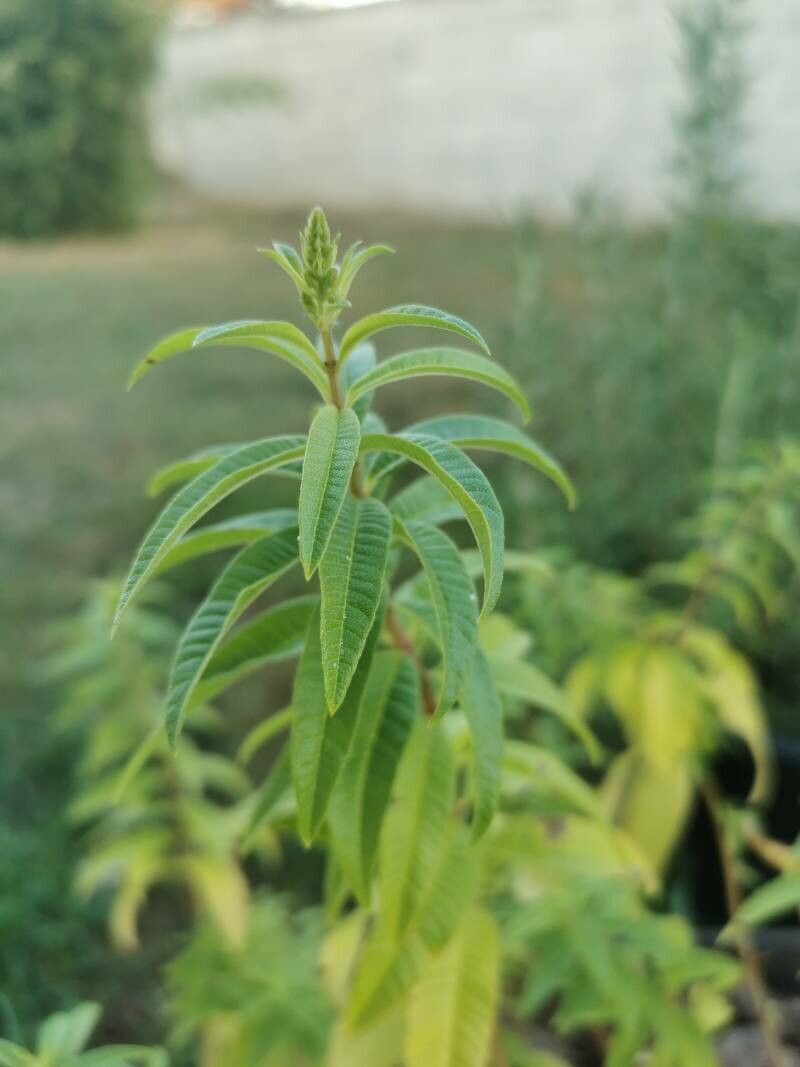
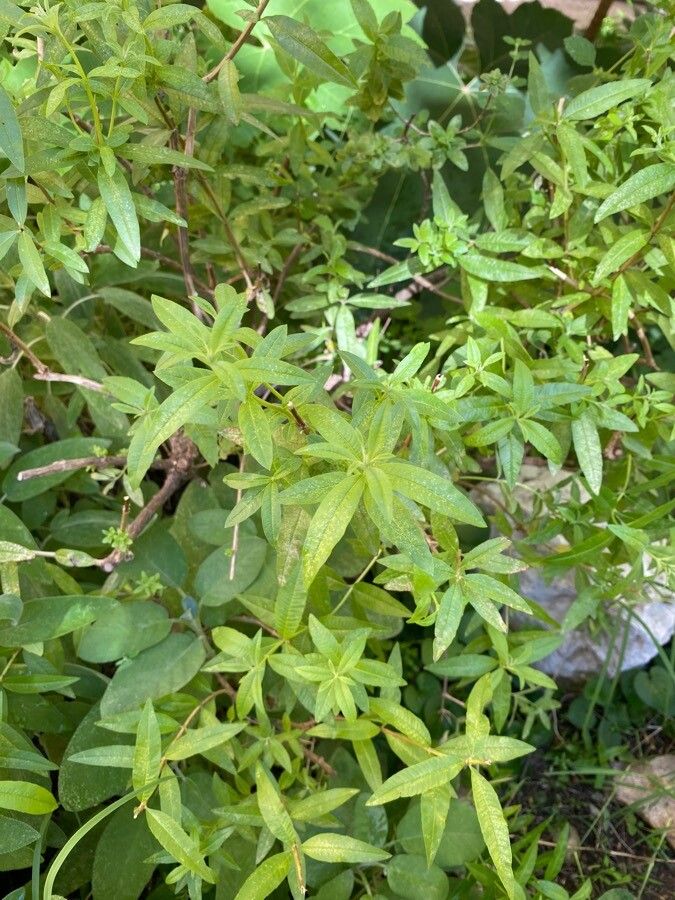
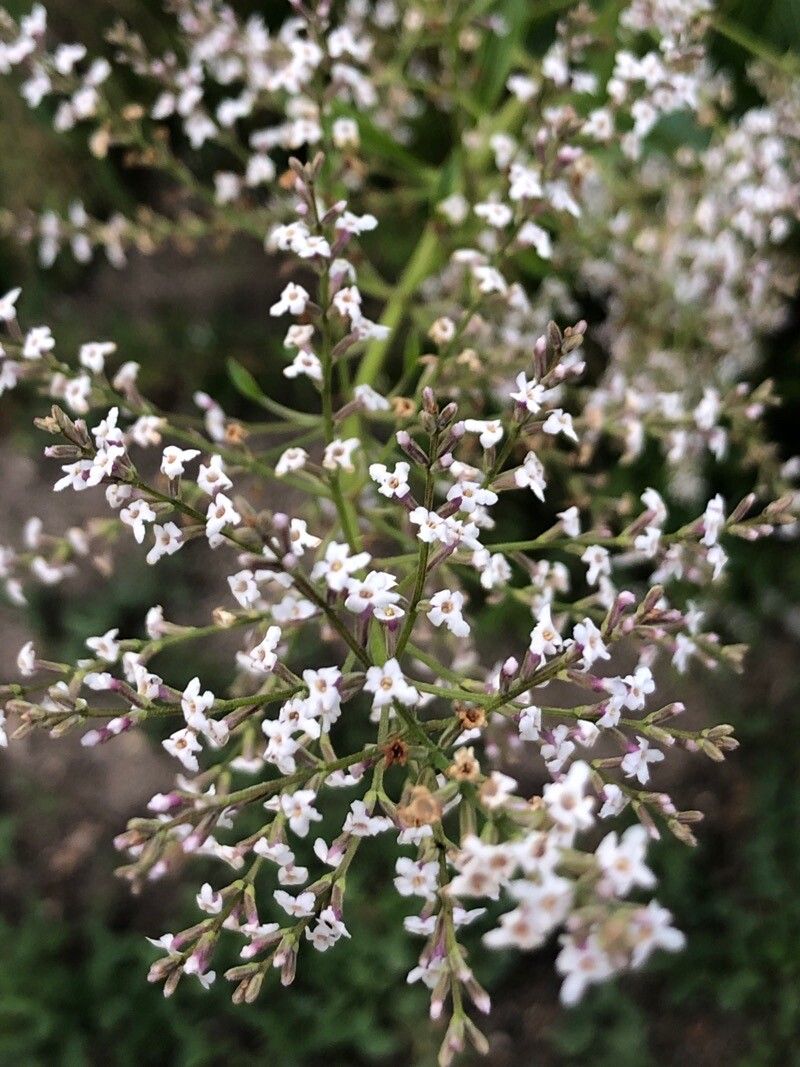
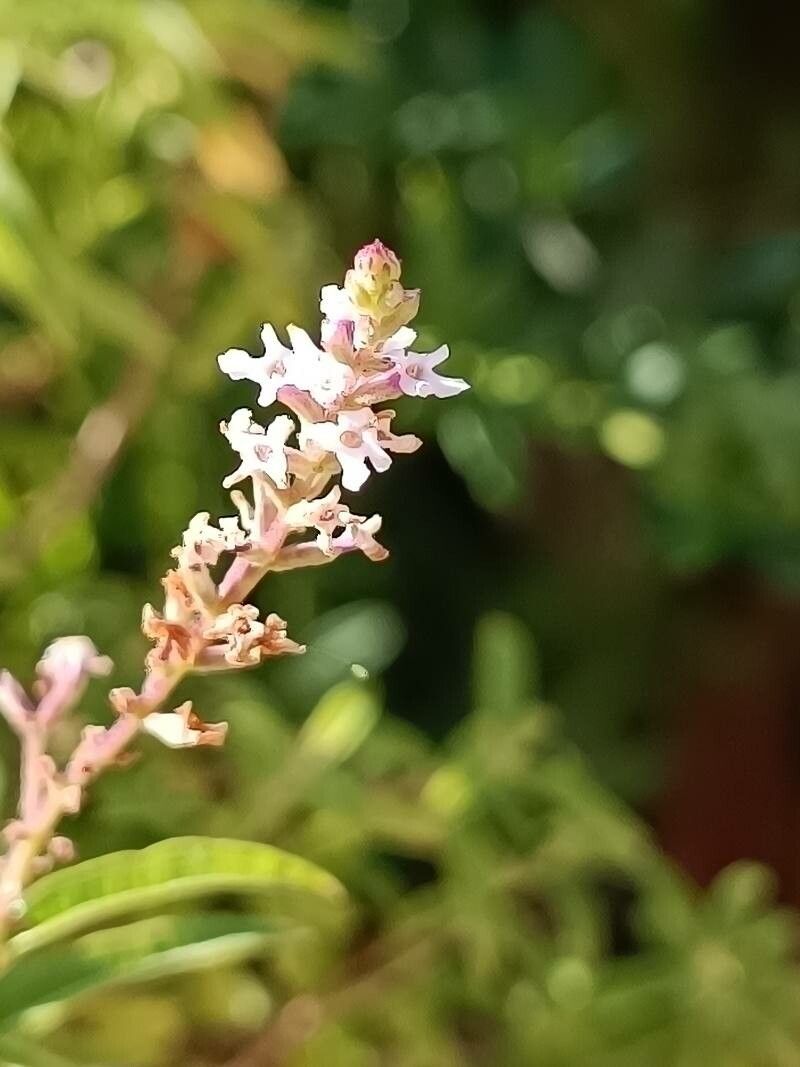
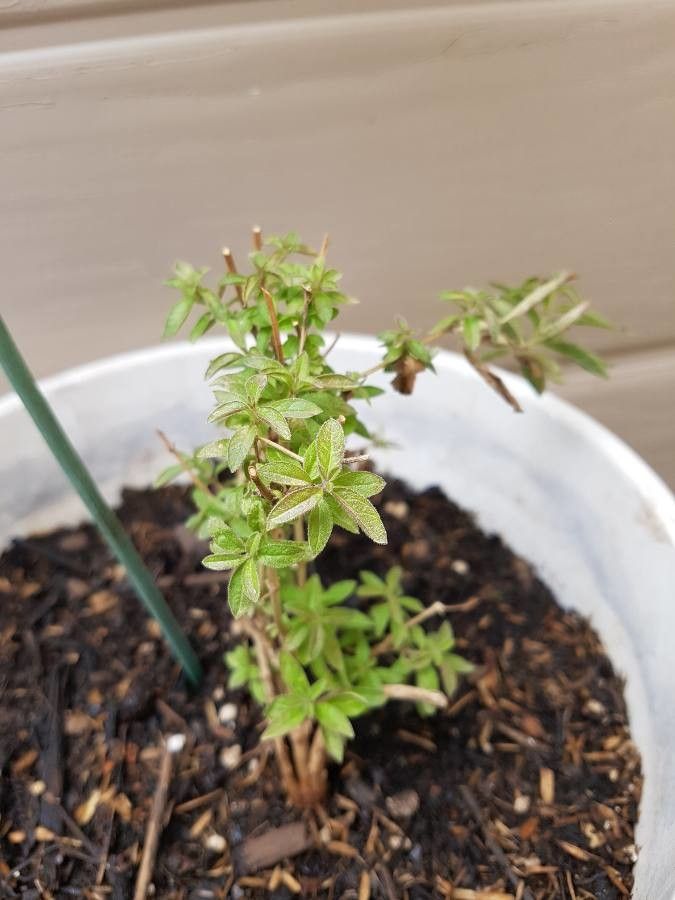
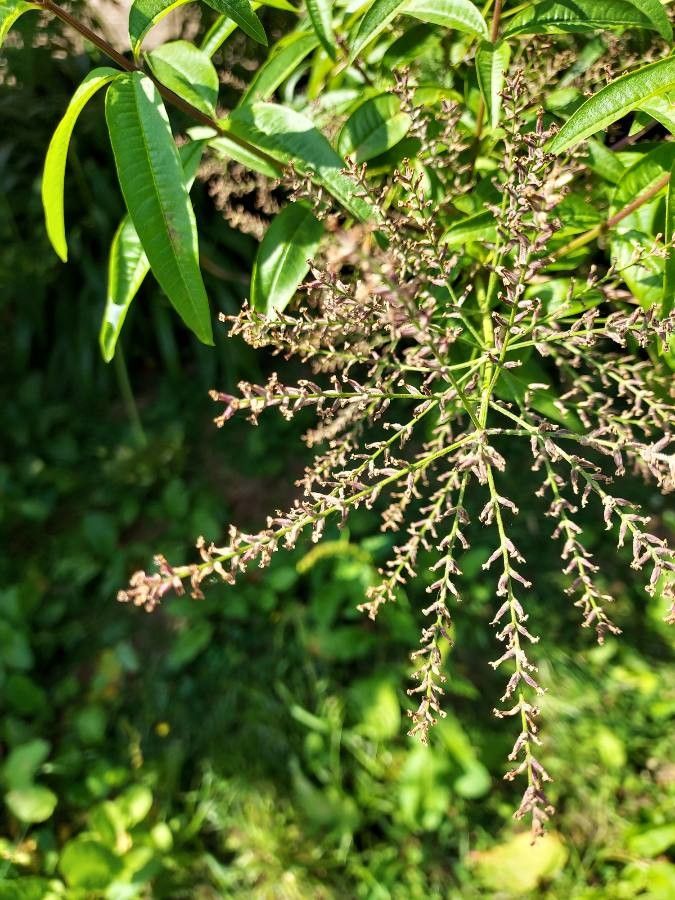
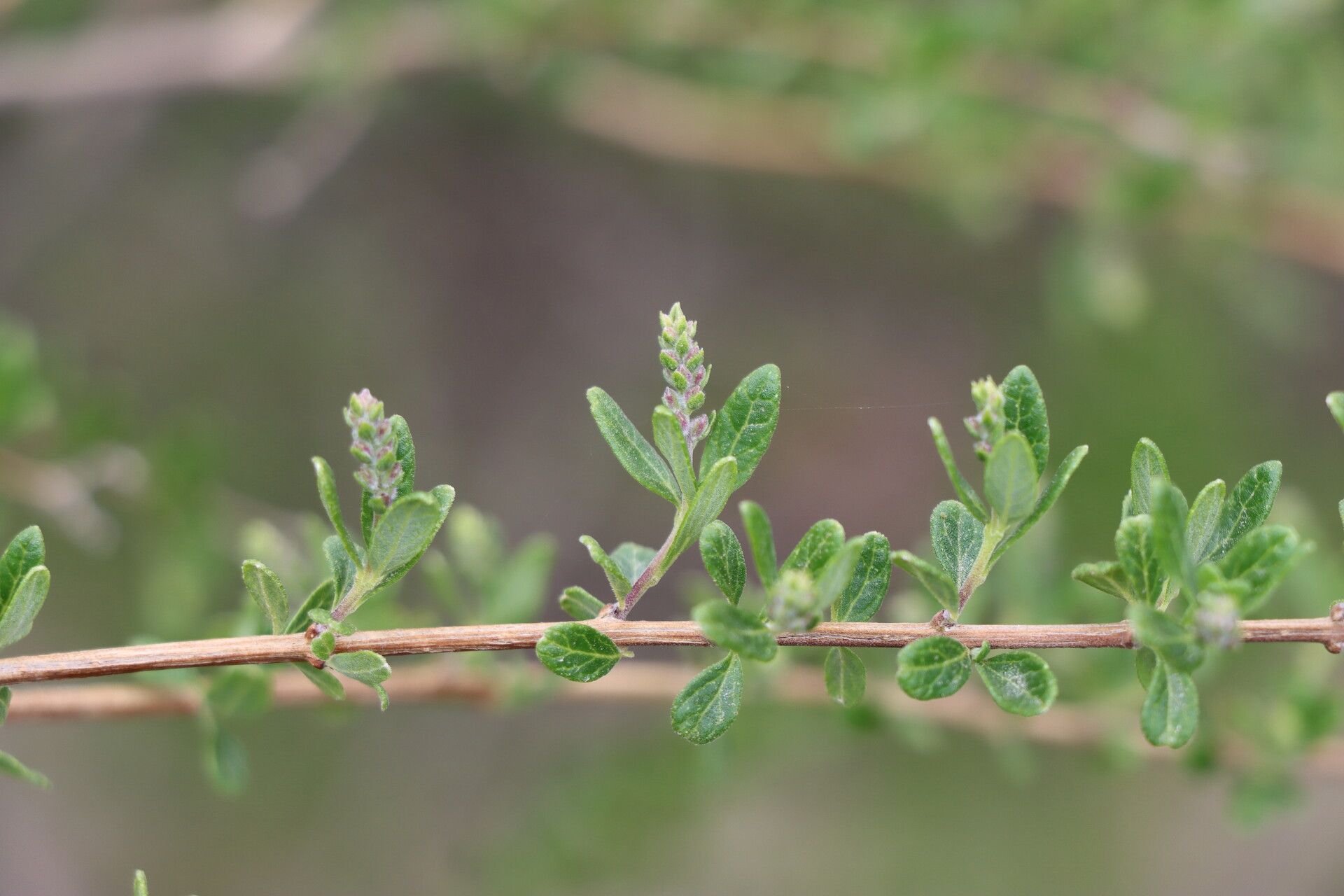
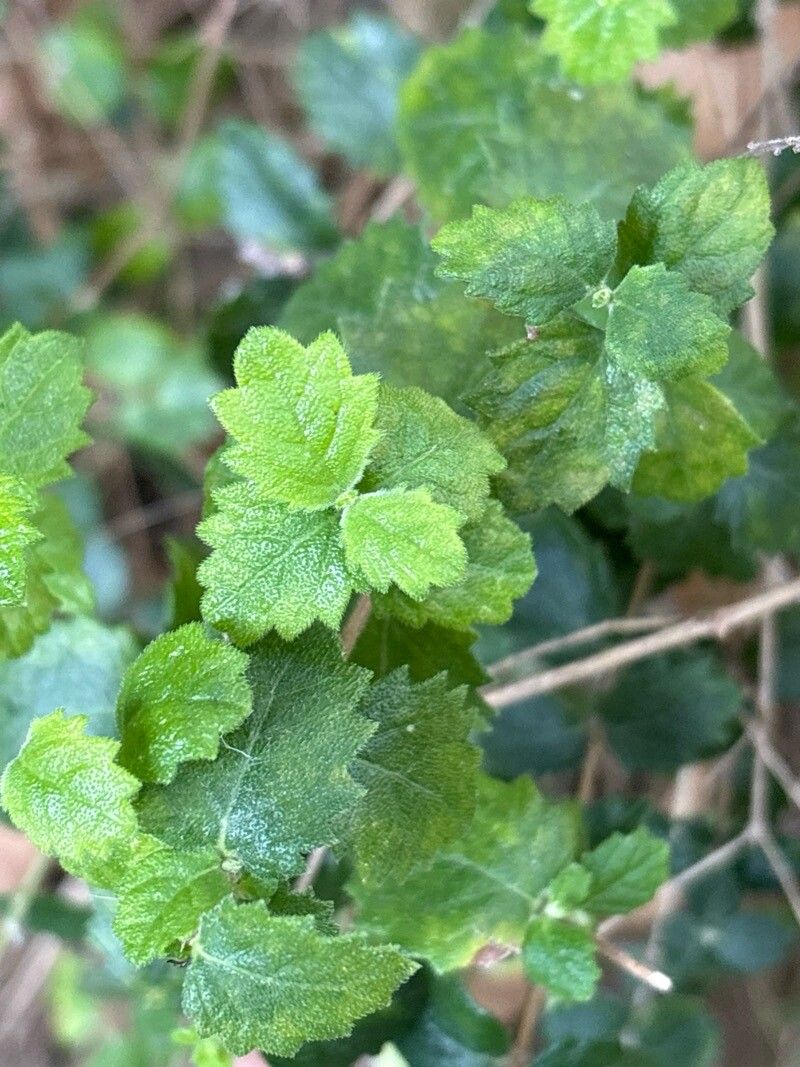
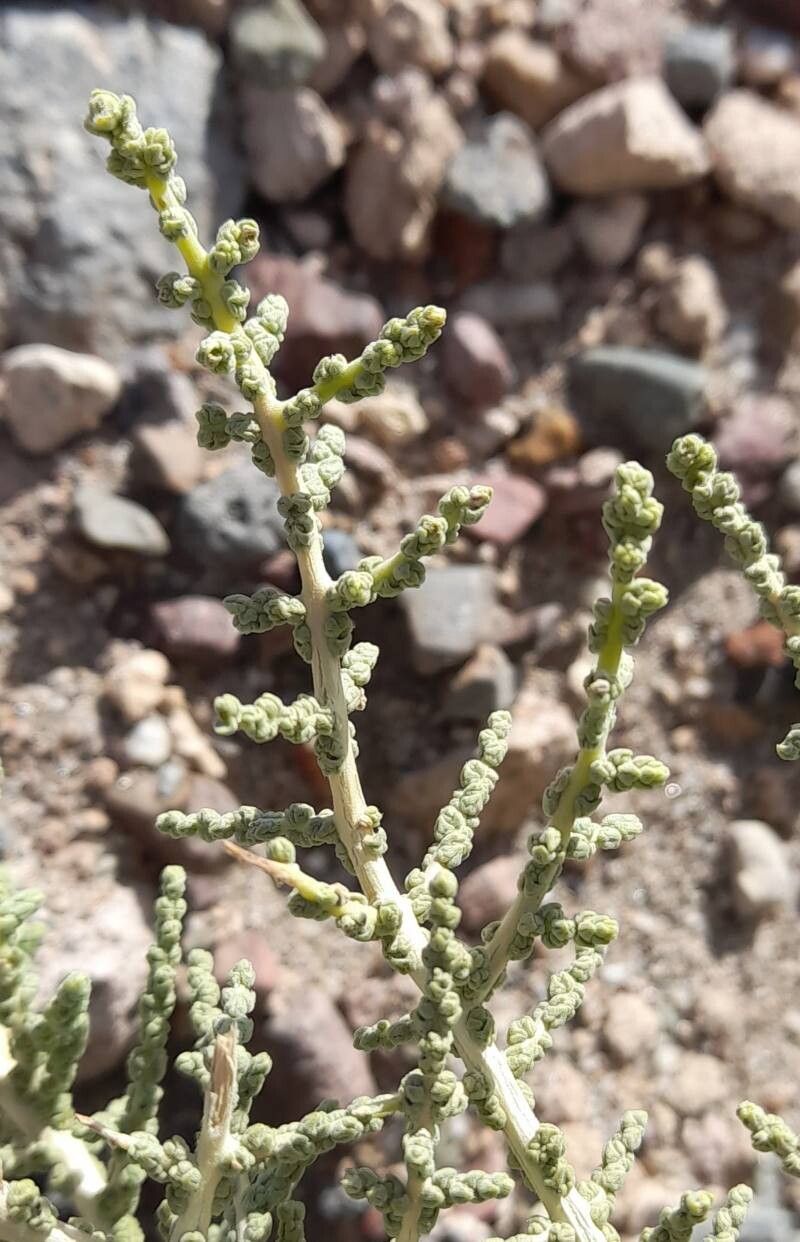
Aloysia citrodora, lemon verbena, is a species of flowering plant in the verbena family Verbenaceae, native to South America. Other common names include lemon beebrush. It was brought to Europe by the Spanish and the Portuguese in the 17th century and cultivated for its oil.
Lemon verbena has moderate resistance to disease but can be prone to issues like leaf spot. Its vulnerability to insect pests varies by variety, though most cultivars are not highly resistant to pests. For care, lemon verbena needs consistent watering and fertilizing, along with regular removal of yellowing leaves. Pests and diseases should be controlled as soon as they appear, and the plant should be harvested promptly. Lemon verbena is suitable for people who can spare some time and effort for regular maintenance.
How to keep Aloysia Citrodora.
Light
Lemon verbena grows best in places that receive abundant sunlight throughout the day. This intensity of light, characteristic of its native habitat, supports healthy growth. Too much or too little light can cause stunting and other growth problems.
Water
Lemon verbena, a plant native to South America, thrives best with consistent moisture and moderate humidity. To mimic its natural environment, water it weekly. Often grown outdoors, this aromatic herb’s essential oil concentration and fragrance are greatly influenced by proper watering practices.
Temperature
Lemon verbena comes from warmer regions and flourishes in temperatures of 59 to 95 °F (15 to 35 °C). While it can tolerate cooler conditions, it prefers warmth. In winter, bring it inside or provide some heat if the temperature falls too low.
Fertilizer
To maximize yield, Lemon verbena does well with regular applications of a balanced fertilizer, especially one high in nitrogen. Apply fertilizer before planting, at planting, and when seedlings are 2 inches tall. Adding compost or manure also provides a continual supply of nutrients. If the soil is lacking nutrients, leaves and stems will be underdeveloped, flavors will be inferior, stems will be thin, and the taste may become bitter.
Pruning
Lemon verbena is a fast-growing shrub known for its fragrant, lemon-scented leaves. To maintain its health, prune new growth by two-thirds in early spring, and remove any spent flowers or damaged wood. Pruning after the frost helps encourage regrowth, which enhances the plant's vitality and aroma, ensuring it remains lush and vibrant.
Pot & Repot
To promote healthy growth and vibrant, lemon-scented leaves, repot lemon verbena every 2 to 3 years, preferably in the spring. Use a larger container to allow for root expansion. Make sure the pot has good drainage, and place the plant in a spot with bright, indirect light. Keep the soil consistently moist, but avoid waterlogging.
Botanical profile.
- Plant Type
- Shrub
- Life Cycle
- Perennial
- Genus
- Aloysia
- Family
- Verbenaceae
- Hardiness Zone
- 7-10
- Mature Height
- 1.83 m to 2.44 m
- Mature Spread
- 1.83 m to 2.44 m
- Leaf Color
- Green
- Leaf Type
- Deciduous
- Flower Color
- White, Purple
- Flower Size
- 1.02 cm to 5.08 cm
- Bloom Time
- Early summer, Mid summer
- Planting Time
- Spring, Autumn
- Harvest Time
- Mid summer, Late summer
- Native Area
- Argentina, Bolivia, Paraguay
Other names.
Reader questions.
How should I water my Lemon verbena in the best way?
To ensure excellent root development, consider placing a garden hose at the base of your plants. It's important to avoid directly spraying the leaves. If your plants are outdoors in direct sunlight, keep in mind that the leaves will need more watering. You can use bubblers that can be attached to each plant to keep the roots moist. Soaker hoses are also a good option, especially when adding or removing plants, as they can cover the entire garden or bed. Remember to drain any excess water and wait for the soil to dry before watering again. To prevent diseases, water at ground level rather than spraying the leaves. On a sunny day, it might be beneficial to spray the entire bush with water. Whether your Lemon verbena is potted or in-ground, it prefers deep watering rather than light sprinkling.
Why is it important to give fertilizer to my Lemon verbena plants?
Fertilizing your Lemon verbena is important for several reasons. Firstly, it will help the plant produce beautiful blooms. One of the best times to fertilize is in early spring, as this will ensure excellent flowers during the season. Additionally, fertilizer provides the plant with energy that can be stored in the ground during dormant growth phases. By giving your Lemon verbena extra nutrients during fall planting or late spring, it will have more stored energy to use when active growth resumes.
What are the sunlight requirements for Lemon verbena?
Lemon verbena thrives under conditions that mirror its natural habitat, requiring full sun exposure for healthy growth. This entails that the plant should receive more than 6 hours of sunlight daily to flourish. However, it can also grow under partial sun, with about 3-6 hours of sunlight. It's crucial to observe the movement of sunlight through your garden to select optimal locations that provide a perfect balance of light and shade, thus ensuring the plant's well-being.
What is the native climate for Lemon verbena?
Lemon verbena is native to warmer climates, thriving in temperatures of 59 to 95 °F (15 to 35 ℃). It prefers the heat and can manage in cooler environments, but during the winter, it's advisable to bring it indoors or provide some form of warmth if the temperature drops significantly.
If I give too much or too little water to Lemon verbena, what should I do?
If a Lemon verbena is overwatered, its leaves may turn yellow, drop off, and wilt. The plant may look dull and unhealthy, with mushy stems. Adjusting your watering schedule is recommended when these signs appear. Wilting can also indicate under watering, in which case the leaves may become crispy and dry. Check the soil for dryness, and if watering alone is not sufficient, give the plant a thorough watering. However, even with enough water, the damaged root system may cause the plant to still appear dry with yellow leaves after a few days. Once the plant returns to normal, the yellowing of the leaves will stop. When keeping Lemon verbena indoors, always check the moisture levels and avoid overwatering. If there are black spots, allow the soil in the pot to dry out for a few days. Overwatering can lead to root rot, so if you notice discolored and slimy roots, consider transferring the plant to a different pot. It is important to prevent root rot and avoid making the soil too soggy. When planting Lemon verbena outdoors, make sure to dig a little deeper. If the soil feels too dry when you check with your fingers, it may indicate under watering. Adequate watering is necessary for the plant to recover.
When should I fertilize my Lemon verbena plant for the best results?
Proper timing is essential for fertilizing Lemon verbena. Applying fertilizer too early, when the plant is still dormant, is ineffective and can wash away, leading to waste and pollution. To ensure optimal results, the first application of fertilizer should be done in early spring, followed by monthly fertilization until early summer.
What essentials should be noted for the growth of Lemon verbena?
Lemon verbena prospers in abundant sunlight throughout the day, which is crucial for its growth and development. In scenarios where natural sunlight is insufficient, especially during winter or in spaces that receive less sunlight, artificial lighting can be a significant boon. LED lights are often recommended for indoor plant lighting as they can be customized to deliver specific wavelengths necessary for plant growth. The recommended artificial light intensity is 30-50W/sq ft for full sun plants, 20-30W/sq ft for partial sun plants, and 10-20W/sq ft for full shade plants. The correct positioning of the light source should be 12-36 inches above the plant, with an exposure duration mimicking natural daylight hours, generally between 8-12 hours per day.
Does Lemon verbena require frost protection during winter?
Lemon verbena has strong cold resistance, implying that special frost protection measures are usually not necessary. However, if winter temperatures are expected to drop below the plant's growth limit temperature, it's important to provide protection. This can be done by wrapping the trunk and branches with non-woven fabric or cloth. Additionally, watering the plant abundantly before the first freeze in autumn helps the soil remain moist and prevents drought during the colder months.
How often do I need to water my Lemon verbena?
The Lemon verbena prefers to be watered deeply but infrequently. Especially if they are planted in pots, you should soak them in a gallon of water each time. Potted plants have limited water storage and the soil tends to dry out quickly. In cold regions, watering is needed every 3 to 5 days. It is best to water early in the morning when the soil is dry, whether the plant is indoors or outdoors. You can also check the soil moisture by feeling the top 2-3 inches of soil. If it is dry, it is time to water the plant thoroughly. During hot days, check the soil moisture daily as the heat can dry out the soil rapidly. If you have a garden, you need to irrigate the soil as well. In a hot climate, watering once a week is usually sufficient. However, only water when about 2 to 3 inches of soil become too dry. Take into account any rainfall and avoid overwatering to prevent root rot. Lemon verbena typically grows in spring and fall. Outdoors, adding 3 to 4 inches of mulch helps conserve moisture. Sandy soil requires more frequent watering due to its fast drainage, whereas clay soil calls for less frequent watering to avoid root rot. You can keep track of watering dates on a calendar and pay attention to any drooping leaves, which may indicate that watering is needed.
When is it not a good idea to add fertilizer to my Lemon verbena?
To ensure proper growth and blooming, it is important to be mindful of when and how much fertilizer is given to Lemon verbena. Excessive nitrogen in the fertilizer can result in an abundance of leaves but few blooms. Opt for a fertilizer with a lower nitrogen content compared to other nutrients. Avoid fertilizing during late autumn, as this can encourage excessive growth right before winter. Additionally, refrain from fertilizing during hot and dry periods, as the dry soil may not effectively deliver the fertilizer and the plant will require more water than available. It is best to apply fertilizer earlier in the season when temperatures are cooler. Lastly, be cautious of inadvertently giving nearby plants or lawns a double-dose of fertilizer, as Lemon verbena can absorb fertilizer that has been applied to other vegetation.
What are the common symptoms of inappropriate lighting for Lemon verbena?
Under suboptimal lighting, Lemon verbena can exhibit various symptoms indicating distress. New leaves may appear smaller, growth can become leggy or sparse, leading to a weak and stretched-out appearance. There might be an accelerated leaf drop as the plant tries to conserve resources, resulting in slower or completely halted growth. Inadequate sunlight can also cause new leaves to pale, a condition known as chlorosis, where leaves lose their green hue and turn yellow due to the breakdown of chlorophyll. Excessive sunlight exposure, conversely, might lead to symptoms like sunscald, leaf curling, wilting, scorching, and even chlorosis, indicating overexposure and potential damage to plant health.
What happens to Lemon verbena in low temperatures?
In low temperatures, Lemon verbena shows strong cold tolerance, thriving best when the temperature is maintained within its suitable growth range. However, when temperatures fall below its growth limit, while there may not be noticeable changes during the winter, branches may become brittle and dry in spring, possibly leading to a lack of new shoots. It's recommended to prune away any dead branches that have failed to produce new leaves come spring.