Agrostis perennans, commonly known as upland bentgrass, is a perennial grass species belonging to the Poaceae family. Native to North America, it thrives in various habitats such as meadows, prairies, and open woodlands.
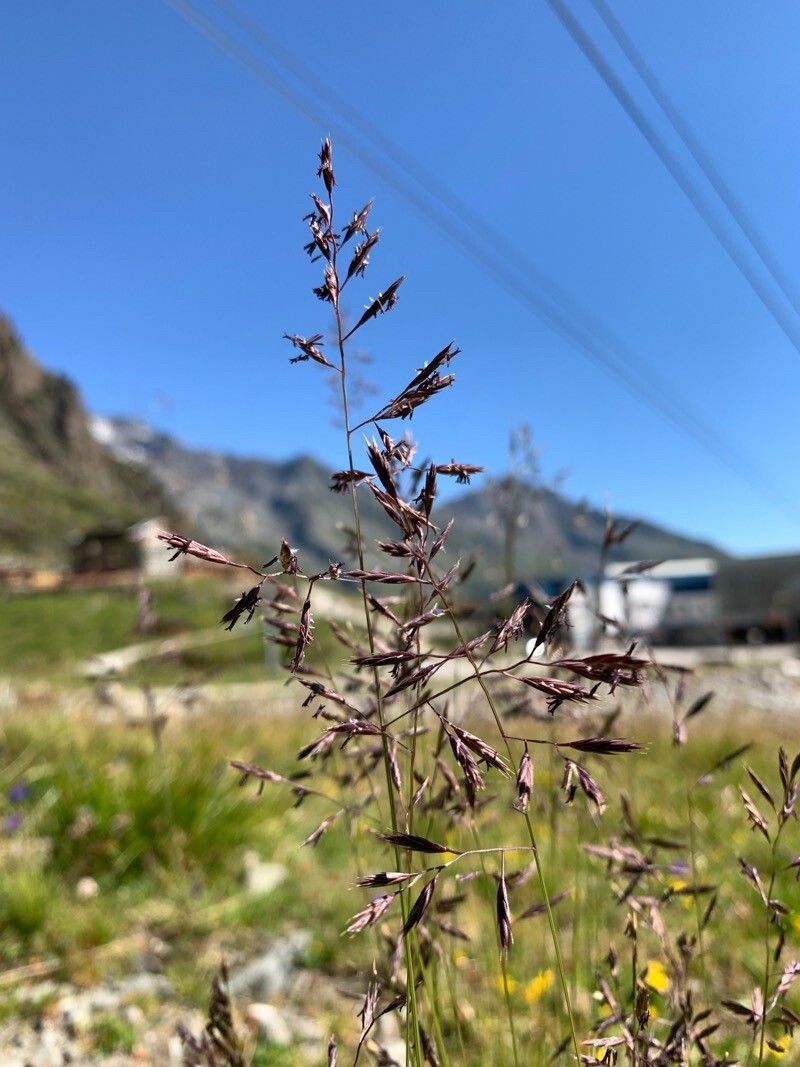
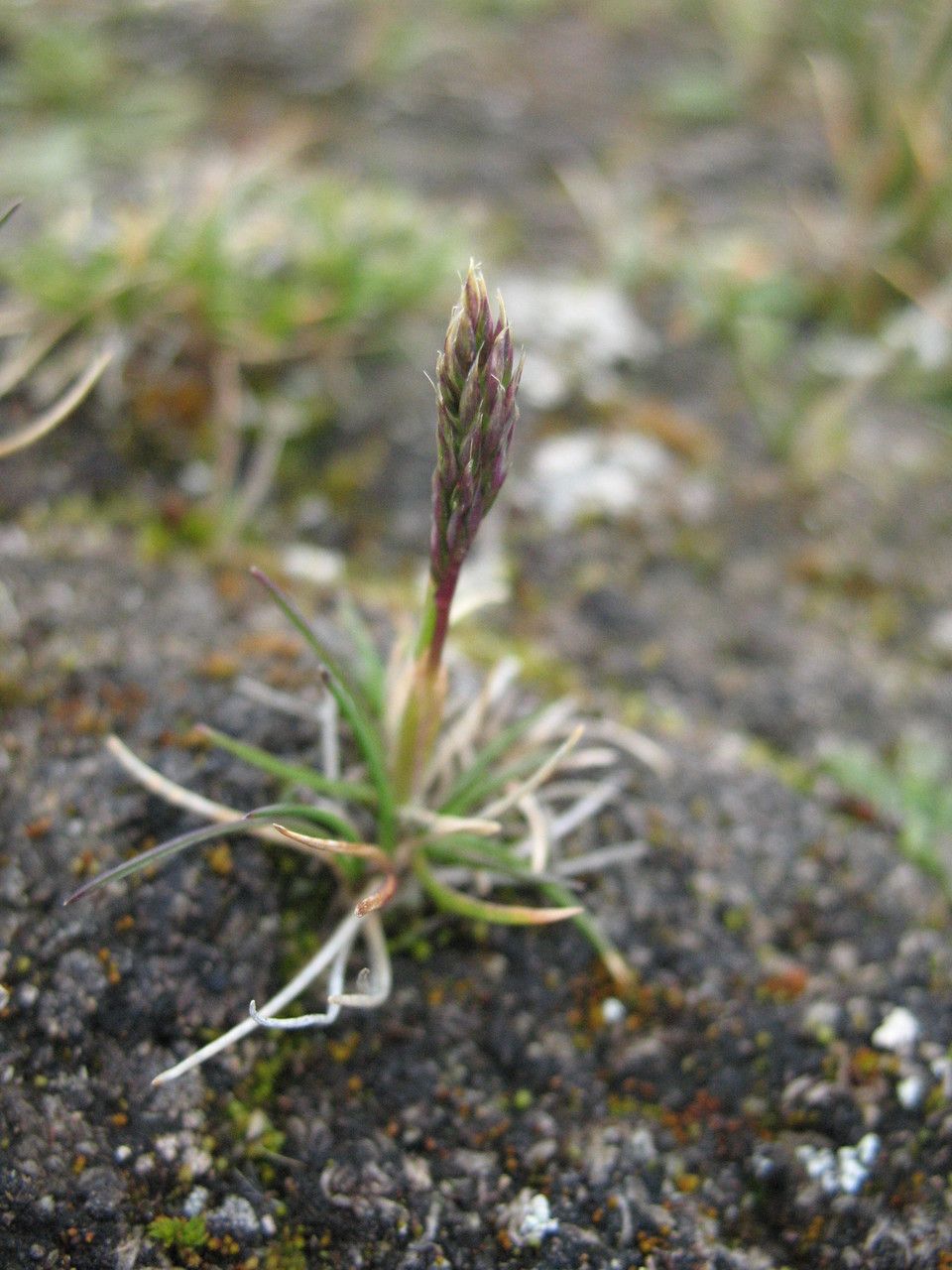
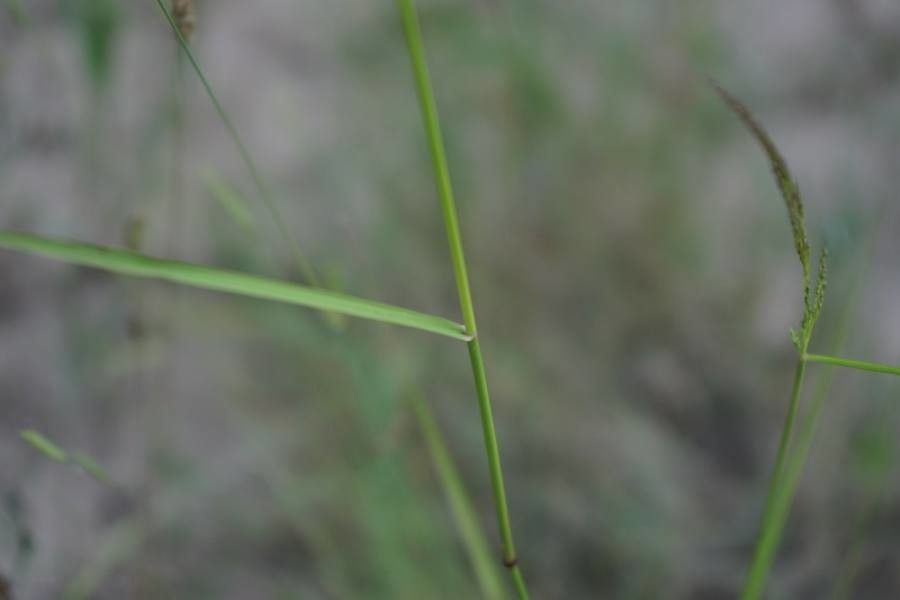
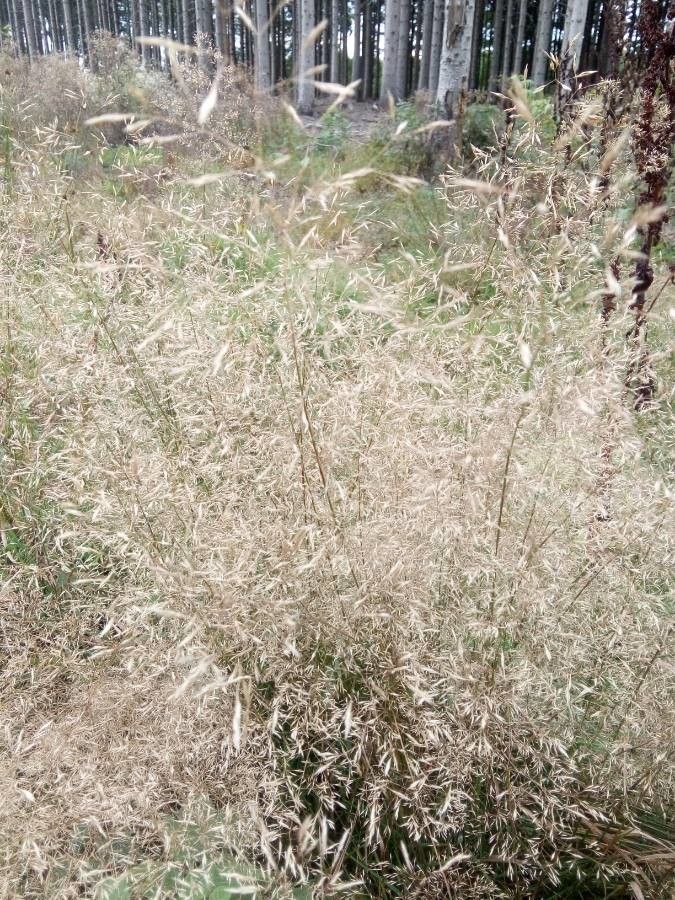
This grass features a fibrous root system and can grow up to 60 cm in height. Its leaves are narrow, flat, and bluish-green, turning brownish during the winter months. The inflorescence of Agrostis perennans consists of small spikelets arranged in loose panicles.
Upland bentgrass is highly valued as forage for livestock due to its nutritional benefits. It also plays an essential role in soil conservation, helping prevent soil erosion with its extensive root system.
Beyond its ecological importance, Agrostis perennans has been used medicinally by Native American tribes, who applied it as a poultice for treating wounds and skin irritations.
In summary, Agrostis perennans is a significant grass species with both ecological and medicinal benefits, making it an important component of North American ecosystems.
Upland bentgrass is resistant to disease and generally does not tend to get sick. In terms of care, the plant is fairly low maintenance. When grown outdoors it needs little watering, and larger plants typically do not require pruning. Smaller plants, however, should be pruned after they finish blooming. Upland bentgrasst is appropriate for anyone with an outdoor area, such as a garden or deck, and does not demand much experience in plant care.
How to keep Agrostis Perennans.
Light
Upland bentgrass prefers a site that receives abundant sunlight throughout the day but can tolerate areas that get only partial sun. It adapts when light falls below its minimum or exceeds its maximum requirements, though its growth may be affected.
Water
Upland bentgrass flourishes in moist conditions and requires regular watering, ideally once a week. It is more resilient when grown outdoors, as it benefits from natural rainfall. This makes it well-suited for temperate gardens with consistent moisture levels.
Temperature
Upland bentgrass originates from temperate regions and performs well at temperatures between 32 and 95 °F (0 to 35 °C). It grows best in the warmer seasons. However, to maintain growth year-round, winter temperature adjustments may be necessary to keep conditions within its preferred range.
Fertilizer
Upland bentgrass needs extra nutrients to encourage healthy new growth. In spring, placing compost around the plant’s base can effectively supply the nutrition it requires. Fertilizing helps support vigorous growth and enables the plant to better resist diseases and pests.
Pruning
Upland bentgrass is a resilient grass species that benefits from pruning in early spring. To promote healthy growth and maintain its shape, trim any dead or damaged sections, but avoid extensive pruning. This will help rejuvenate the grass and improve aeration. Make sure your tools are sharp and clean to avoid spreading diseases and encourage vigorous growth.
Botanical profile.
- Plant Type
- Grass
- Life Cycle
- Perennial
- Genus
- Agrostis
- Family
- Poaceae
- Hardiness Zone
- 3-9
- Mature Height
- 20 cm to 76 cm
- Mature Spread
- 20 cm to 40 cm
- Leaf Color
- Green, Light Green
- Leaf Type
- Deciduous
- Flower Color
- Yellow, Green, Purple, Brown
- Flower Size
- 10.16 cm to 25.40 cm
- Bloom Time
- Summer
- Planting Time
- Spring, Summer, Autumn
- Harvest Time
- Late summer, Early fall, Mid fall
- Native Area
- Colombia, Honduras, Mexico, Guatemala, Bolivia, Venezuela, Peru, Ecuador, Costa Rica
Other names.
Reader questions.
What are the sunlight requirements for Upland Bentgrass?
Upland Bentgrass thrives best in locations that offer full sun, which means it should receive more than 6 hours of sunlight daily. However, it can also adapt to partial sun conditions, with about 3-6 hours of sunlight. It's important to observe the movement of sunlight through your garden to choose spots that provide the ideal balance of light and shade, ensuring the plants' well-being and happiness.
What is Upland bentgrass and where is it native to?
Upland bentgrass, with its botanical name Agrostis perennans, is native to temperate regions. It thrives in temperatures ranging from 32 to 95°F (0 to 35°C), with optimal growth during the warmer seasons. This grass has a notable cold resistance, making it well-suited for various environments within its temperature range.
How does Upland Bentgrass adapt to different sunlight conditions?
Upland Bentgrass is adaptable to various sunlight conditions. It prefers abundant sunlight throughout the day but can also withstand areas that only receive partial sunlight. Its growth may be affected if the minimum or maximum sunlight requirements are not met. For optimal growth, especially when natural light is insufficient, artificial lighting can be employed, such as LED lights, which can be customized to provide specific wavelengths of light. The amount of artificial light needed varies depending on whether the plant is in full sun, partial sun, or full shade.
What are the temperature requirements and adaptation strategies for Upland bentgrass?
Upland bentgrass grows optimally between 32 to 95°F (0 to 35°C) but can withstand colder climates due to its strong cold resistance. During winter, it generally requires no special frost protection unless temperatures are expected to fall below -35°C. To protect the grass in extreme cold, cover it with soil or straw, and water abundantly before the first freeze to maintain soil moisture and prevent drought.
What are common symptoms of light deficiency in Upland Bentgrass?
Common symptoms of light deficiency in Upland Bentgrass include smaller new leaves, leggy or sparse growth, faster leaf drop, slower or no new growth, lighter-colored new leaves, chlorosis, sunscald, leaf curling, wilting, and leaf scorching. These symptoms indicate that the plant is struggling with inadequate lighting conditions. To alleviate these issues, providing more sunlight or supplementing with artificial light can be beneficial.
How does low temperature affect Upland bentgrass, and what are the solutions?
Upland bentgrass is cold-tolerant, thriving best above 0°C and should be kept above -30°C during winter. If temperatures fall below -35°C, there might not be noticeable changes during the winter, but a decrease in sprouting or even total failure to sprout may occur in spring. The solution for affected plants is to remove any parts that have failed to sprout in spring.
How can I provide additional light for indoor Upland Bentgrass plants?
To ensure optimal growth for Upland Bentgrass indoors, you can gradually move the plants to a sunnier location, aiming for at least 6 hours of direct sunlight daily. Using a south-facing window and keeping curtains open during the day can help. If the plant is large or not easily movable, consider using artificial light. Keeping a desk or ceiling lamp on for at least 8 hours daily or investing in professional plant grow lights can offer ample light. Choose the right type of artificial light, determine the appropriate distance and duration to mimic natural daylight conditions.
What impact does high temperature have on Upland bentgrass, and how can it be mitigated?
During the summer, it's crucial to keep Upland bentgrass below 35°C. Temperatures exceeding 38°C can cause leaf discoloration, curling, sunburn, and in severe cases, wilting and drying of the entire plant. To mitigate these effects, trim away sunburned and dried parts, relocate the plant to a shadier spot or use shade cloth to protect it from intense sunlight, and water the plant in the morning and evening to maintain soil moisture.
What are some solutions for improving light conditions for outdoor Upland Bentgrass?
For outdoor Upland Bentgrass, gradually moving your plants to sunnier spots each week can help them adapt to more optimal light conditions without causing sunburn. If the sunlight is obstructed by elements such as trees, consider pruning the branches to allow more sunlight to reach the plants. For smaller plants, transplanting during their dormant period in late winter or early spring to a location with ample sunlight and good drainage can improve growth. It's essential to avoid sudden changes in light intensity to prevent damage.